Movies and television shows make survival situations look simple, dramatic, and sometimes even exciting. Characters build fires in seconds, find food easily, and survive dangerous environments using tricks that seem believable on screen. The problem is that many of these scenes are written for entertainment, not for real life. In actual wilderness situations, wrong decisions can lead to injury, getting lost, or even death. Real survival depends on patience, planning, and understanding how nature really works. Many people who go camping, hiking, or traveling in remote areas carry ideas they learned from TV without realizing those ideas are inaccurate. Experts in outdoor safety often say that the biggest danger is not the environment itself but false confidence. The following survival rules are popular in movies and shows, but in real life, they can put you in danger if you trust them without thinking carefully.
1. Drinking Water Directly From Rivers Is Always Safe
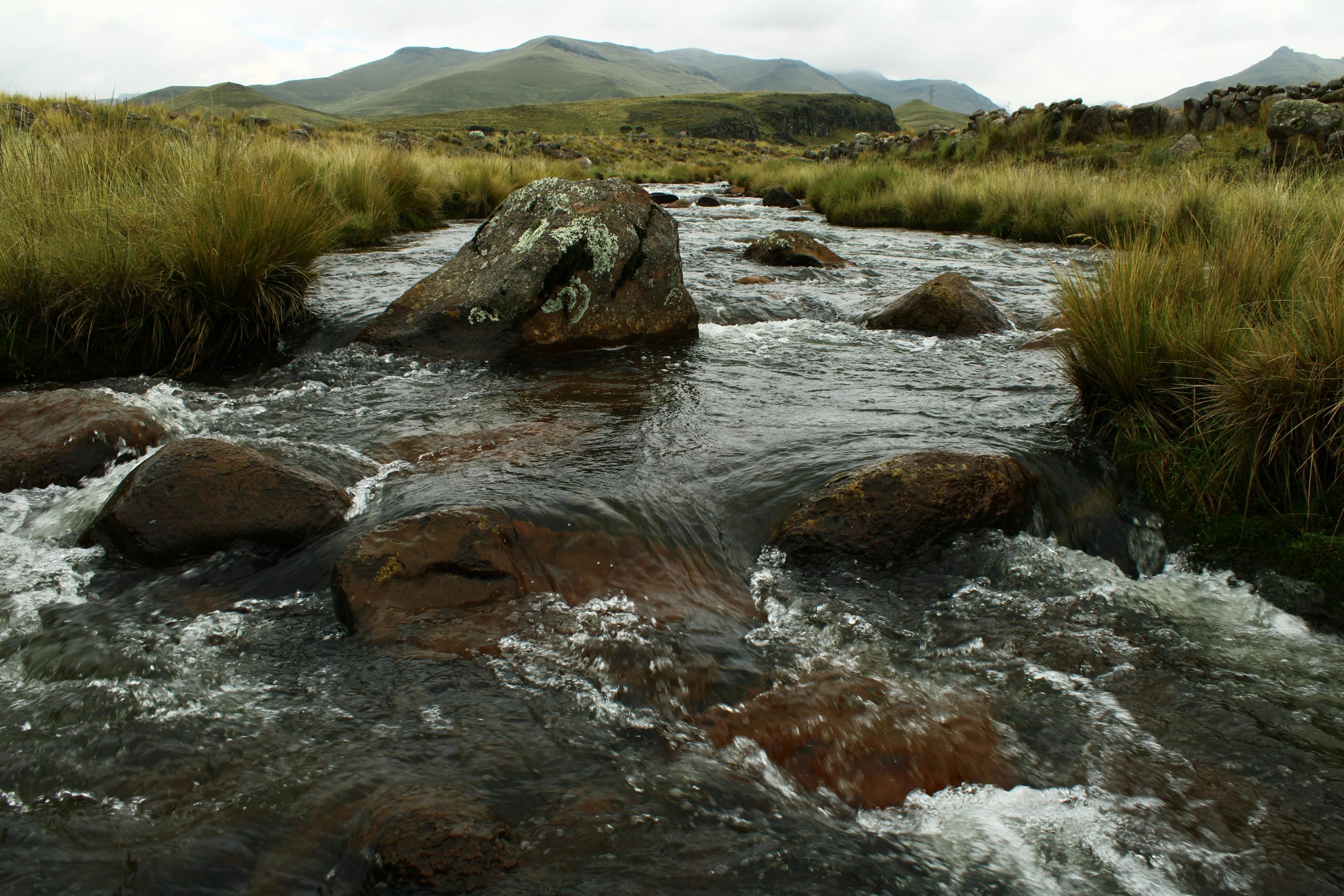
Television often shows people drinking straight from a clear river or mountain stream as if clean-looking water is always safe. In reality, even the clearest water can contain bacteria, parasites, or viruses that are invisible to the eye. Organisms like Giardia and other harmful microbes can cause serious stomach illness, dehydration, and weakness, which makes survival much harder. In a real emergency, getting sick from bad water can be more dangerous than thirst itself. Safe survival practice is to filter, boil, or purify water whenever possible. Portable filters, purification tablets, or boiling for several minutes can remove most harmful organisms. Even in remote mountains, animals may have contaminated the water upstream. Movies skip this step because it takes time, but in real life, drinking untreated water is one of the fastest ways to turn a survivable situation into a medical emergency.
2. You Can Start a Fire Anywhere Without Preparation
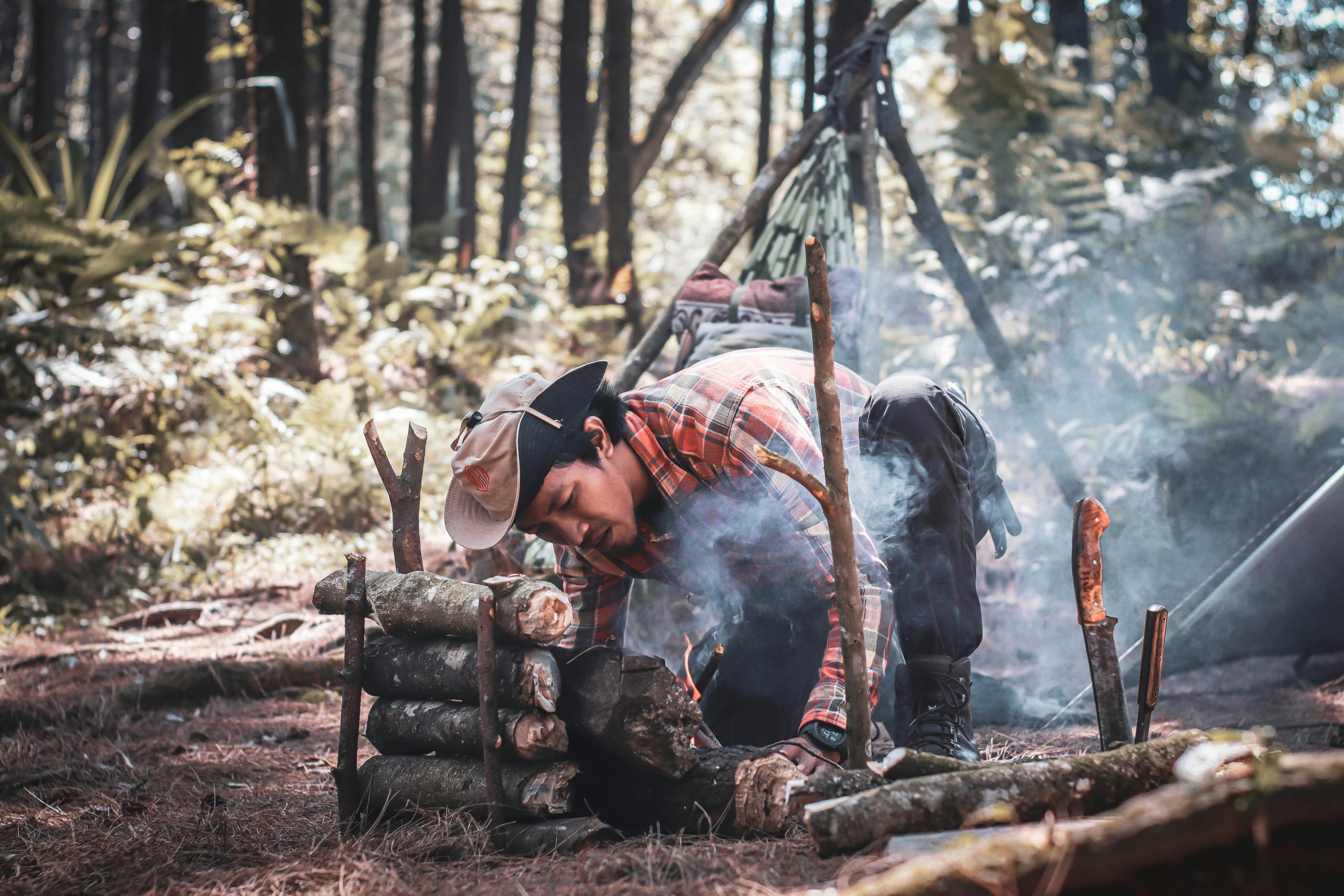
On TV, characters often start a fire instantly using two sticks, a lighter that never runs out, or sparks that somehow catch on wet wood. Real fire starting is much harder, especially in cold, windy, or wet conditions. Dry tinder, proper airflow, and the right materials are necessary, and without them, even experienced campers can struggle. Wood found on the ground is often damp, and green branches do not burn easily. In survival situations, wasting energy trying to start a fire the wrong way can leave you cold and exhausted. Experts recommend carrying reliable fire-starting tools and practicing before going outdoors. Matches, fire starters, and dry tinder stored in waterproof containers make a big difference. Fire is important for warmth, cooking, and signaling, but it cannot be created instantly like in movies. Believing that it is easy can leave you unprepared when you need it most.
3. Running in the Forest Helps You Escape Danger

Action scenes often show people running quickly through the forest to escape animals or enemies, but real forests are full of roots, rocks, holes, and thick plants that make running dangerous. Moving fast without watching the ground can cause sprained ankles, broken bones, or getting lost. In survival situations, an injury can be more serious than the original threat. Most wildlife attacks happen when animals feel surprised or threatened, not because they are chasing people. Staying calm, making yourself visible, and slowly backing away is usually safer than running blindly. Running may also lead you deeper into unknown terrain where finding your way back becomes harder. Survival experts teach that controlled movement and awareness are more important than speed. Movies focus on excitement, but real survival depends on staying steady and thinking clearly instead of reacting in panic.
4. Eating Random Plants Is a Good Way to Survive

Many survival shows make it seem like you can eat leaves, berries, or roots without much risk, but in real life, eating unknown plants can be extremely dangerous. Some plants look harmless but are poisonous, and even a small amount can cause vomiting, dizziness, or serious illness. Identifying safe plants requires training and experience, not guesswork. In most survival situations, the human body can survive longer without food than without water, so eating random plants is usually not worth the risk. Experts recommend only eating food you can clearly identify as safe. In movies, characters eat whatever they find and continue normally, but real poisoning can make it impossible to walk or think clearly. Staying cautious with food choices is one of the most important survival habits, even though it may seem less dramatic than what is shown on television.
5. Following the Sun Always Leads You Home
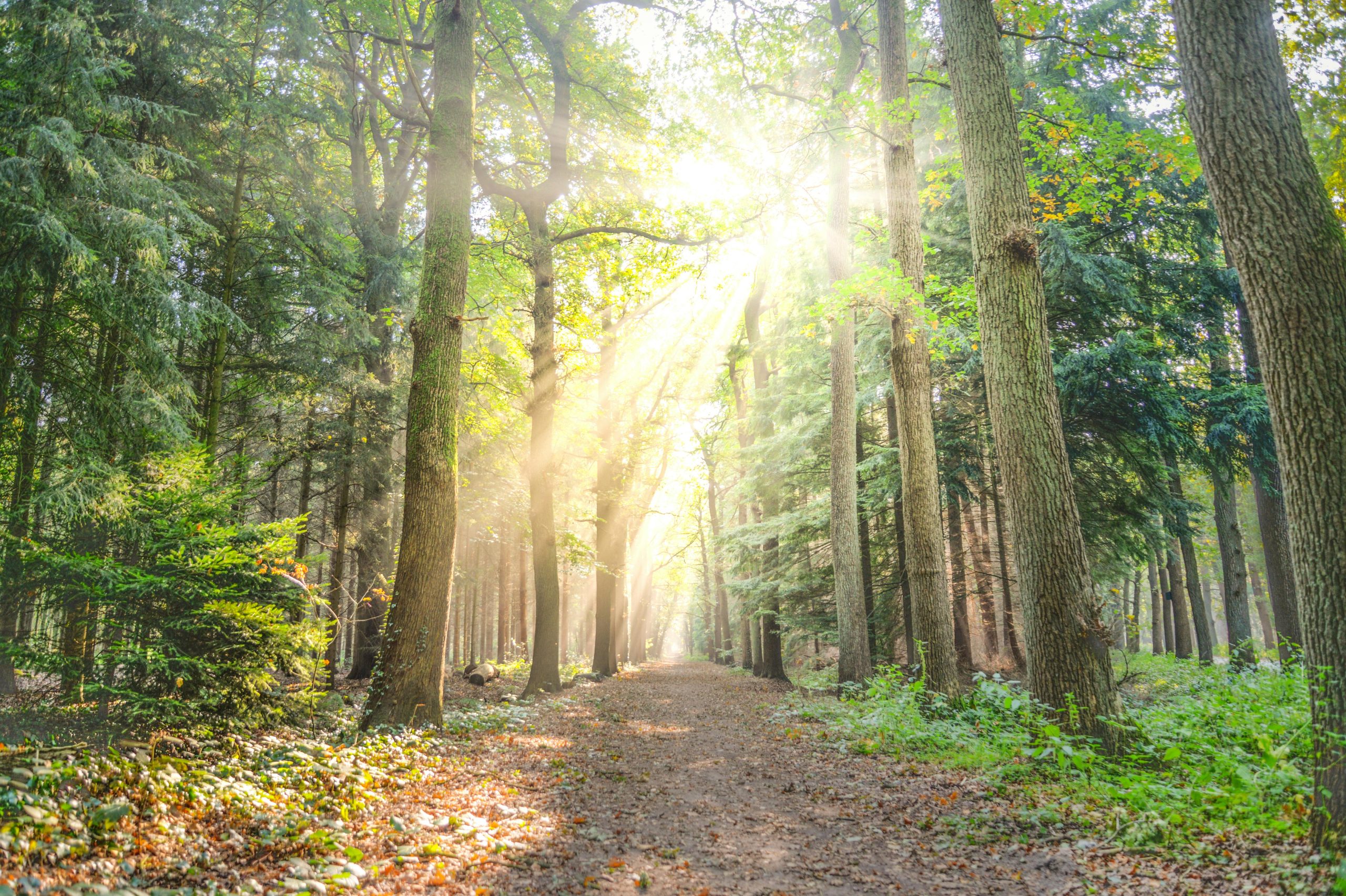
A common idea in movies is that you can follow the sun to find your way out of the wilderness, but this is not reliable in real life. The sun changes position during the day and also moves differently depending on the season and location. Without proper knowledge of navigation, following the sun can easily send you in the wrong direction. Clouds, mountains, and forests can also block sunlight, making it hard to stay on the same path. Real survival navigation depends on maps, compasses, landmarks, and careful planning. Walking in one direction without knowing where you are often leads to getting more lost. Experts usually advise staying in one safe place if you are lost, especially if people know where to search for you. Movies make navigation look simple, but in reality, guessing directions can make rescue much harder.
6. Big Fires Are Always the Best Signal
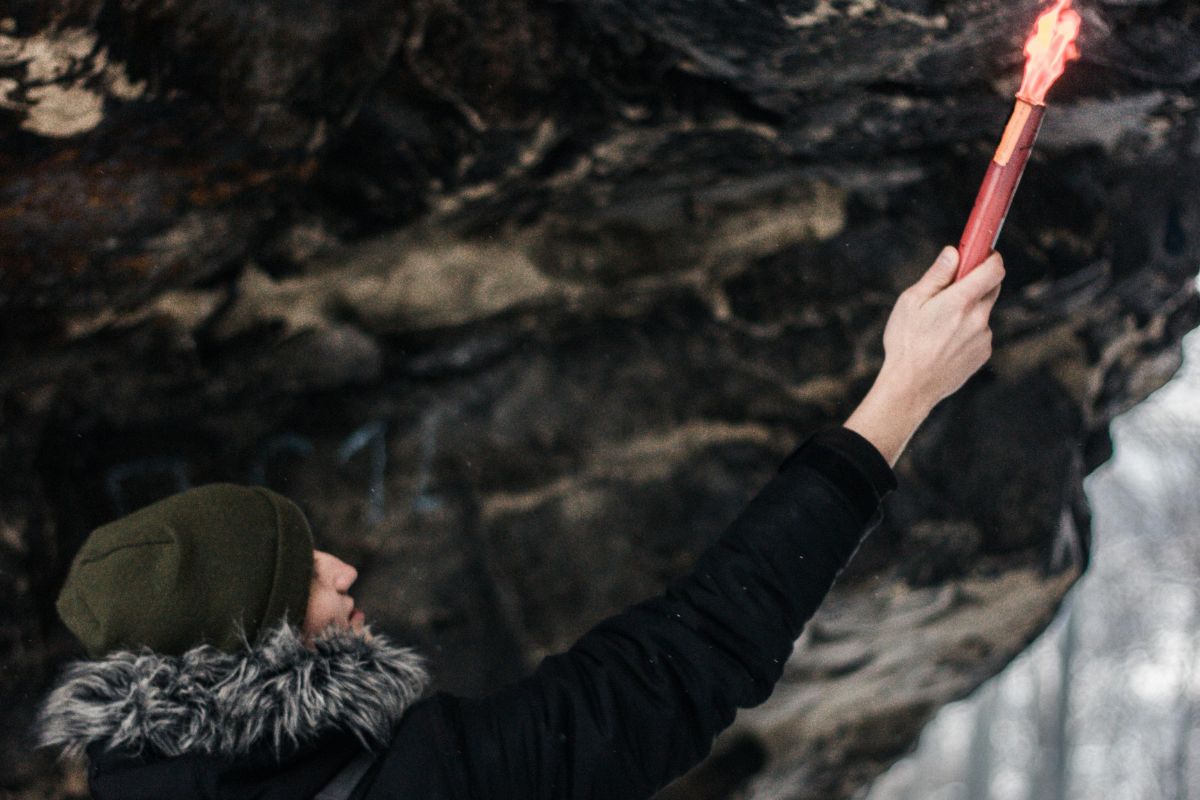
Television often shows huge fires being used to signal for help, but building a large fire is not always the safest or smartest choice. Big fires require a lot of fuel and energy, which may not be available in a survival situation. They can also spread out of control, especially in dry forests, creating a dangerous wildfire. In some places, smoke may not be visible from far away because of trees or weather conditions. Survival experts usually recommend controlled signal fires, bright clothing, mirrors, whistles, or reflective objects to attract attention. Three small fires placed in a line or triangle are a known distress signal in many outdoor situations. Movies prefer big flames because they look dramatic, but real survival signals should be safe, controlled, and easy to maintain without wasting strength.
7. You Can Outrun Wild Animals

Many shows make it look like a person can escape danger by running faster than an animal, but most wild animals are much faster than humans. Bears, wolves, and even deer can run at speeds that people cannot match. Running may also trigger a chase instinct in predators, making the situation worse. In real life, the correct response depends on the animal. Sometimes you should stay still, sometimes back away slowly, and sometimes make yourself look bigger. Understanding animal behavior is more useful than trying to run. Survival training focuses on avoiding conflict rather than escaping at the last second. Movies create excitement by showing long chases, but in reality, trying to outrun wildlife is one of the most dangerous mistakes a person can make in the outdoors.
8. Sleeping Anywhere Is Fine If You Are Tired
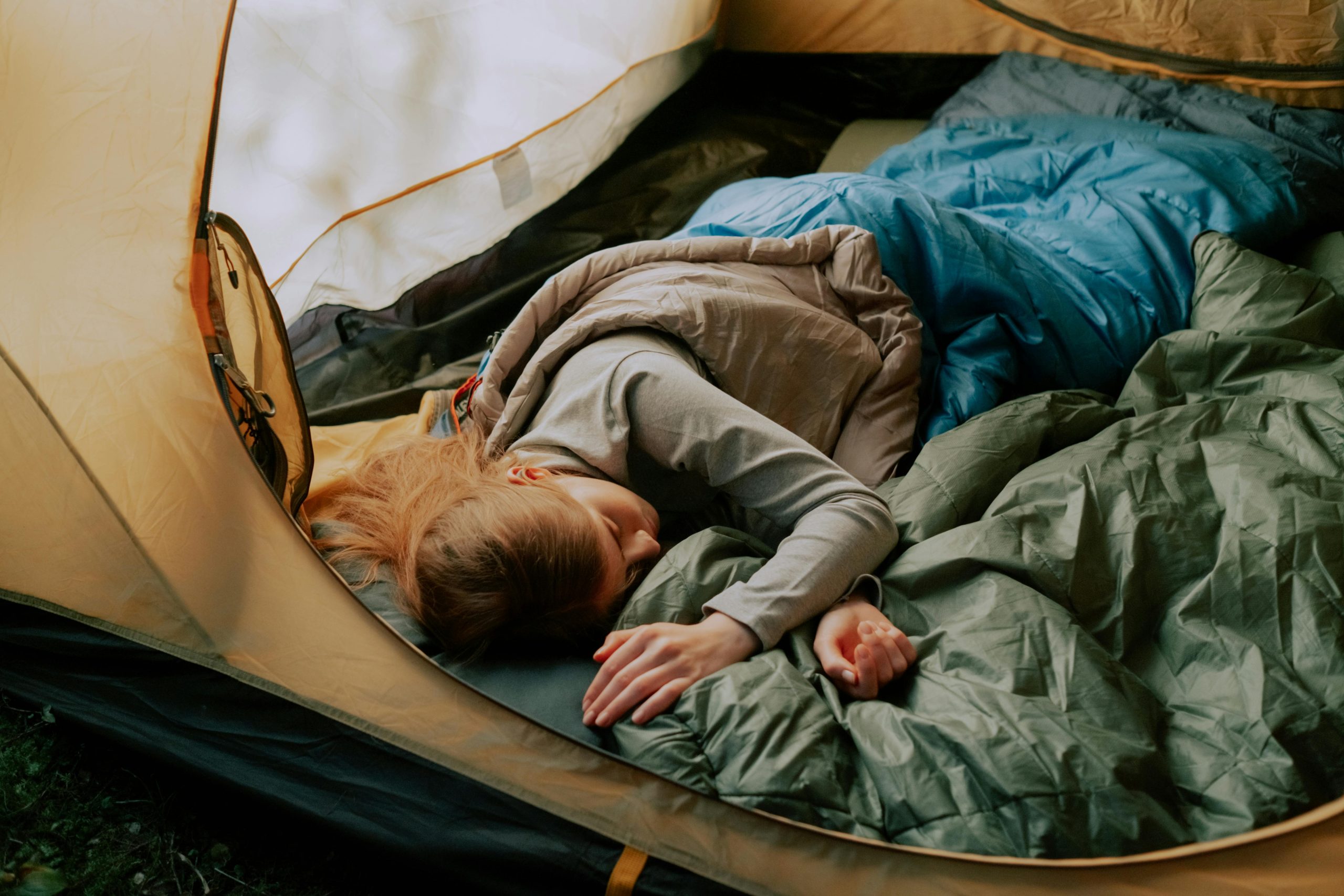
On screen, characters often lie down anywhere to rest, even on open ground, near water, or under trees, but in real life, the place you sleep can affect your safety. Cold air collects in low areas, insects gather near water, and dead branches can fall from trees without warning. Sleeping in the wrong place can lead to hypothermia, bites, or injuries. A safe sleeping spot should be dry, slightly elevated, and away from animal paths or loose rocks. Even when exhausted, taking a few minutes to choose the right place can prevent serious problems later. Survival experts say rest is important, but safe rest is more important. Movies skip these details to keep the story moving, but real survival often depends on small decisions like where you decide to lie down for the night.
9. Heroes Always Travel Alone and Figure It Out
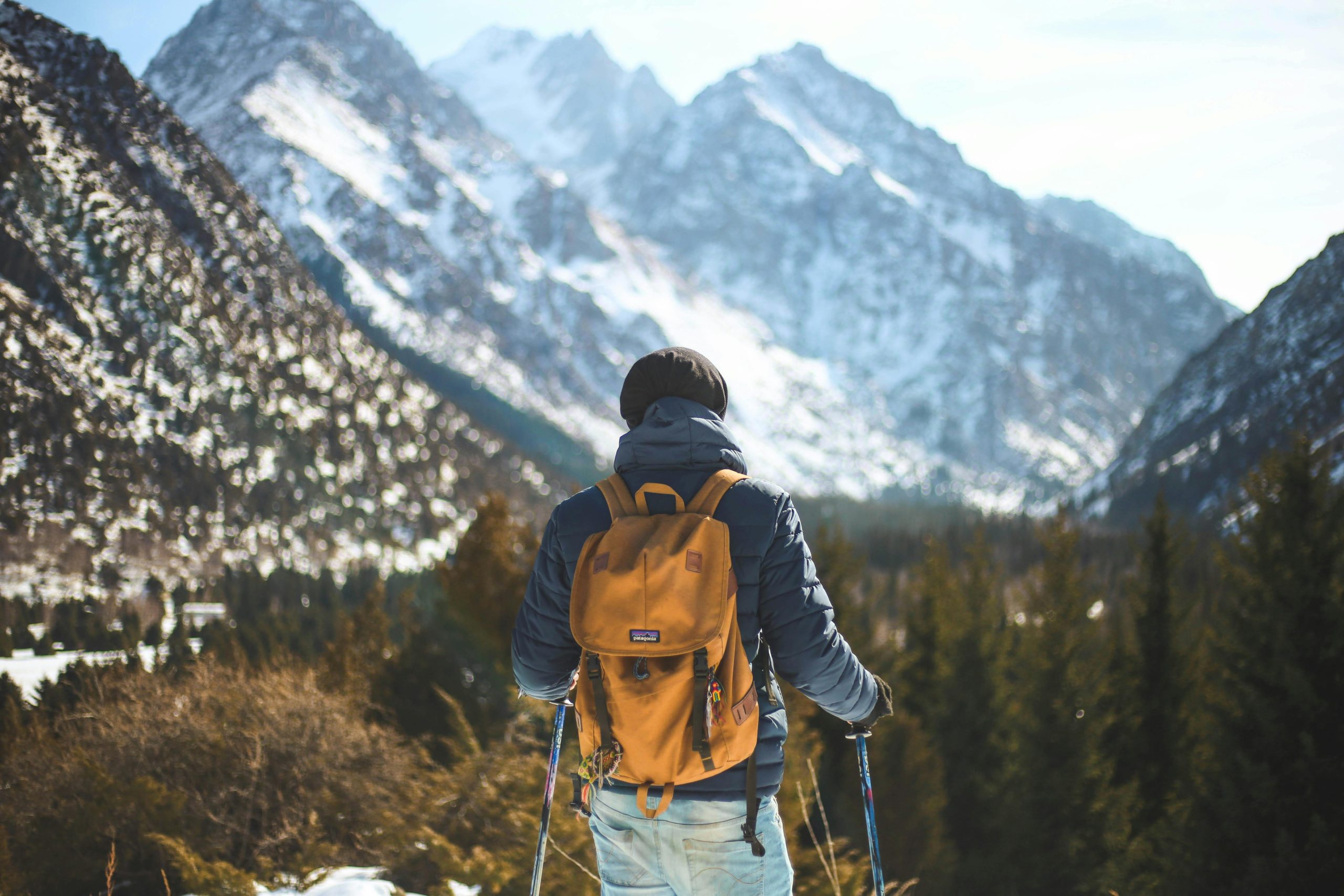
Many survival stories show one person handling everything alone, but real survival is safer with preparation, communication, and teamwork. Going into the wilderness without telling anyone where you are going is one of the biggest mistakes people make. If something goes wrong, rescue teams will not know where to search. Real outdoor safety rules include sharing your travel plan, carrying emergency supplies, and staying within your skill level. Even experienced hikers follow these habits because accidents can happen to anyone. Movies make solo survival look brave and exciting, but in real life,e it often leads to people getting lost without help. The smartest survivors are not the ones who take the biggest risks, but the ones who prepare carefully before the trip even begins.