Hunting regulations can shift widely from one state to another, and many of these rules focus on gear that hunters assume is standard everywhere. Because these laws are often tucked into fine print or updated quietly each season, even experienced hunters can miss important details. Understanding state-specific gear requirements not only keeps you legal but also helps you hunt with confidence. Below are nine overlooked rules, each explained clearly so you know exactly what matters before heading into the field.
1. Restrictions on Magazine Capacity
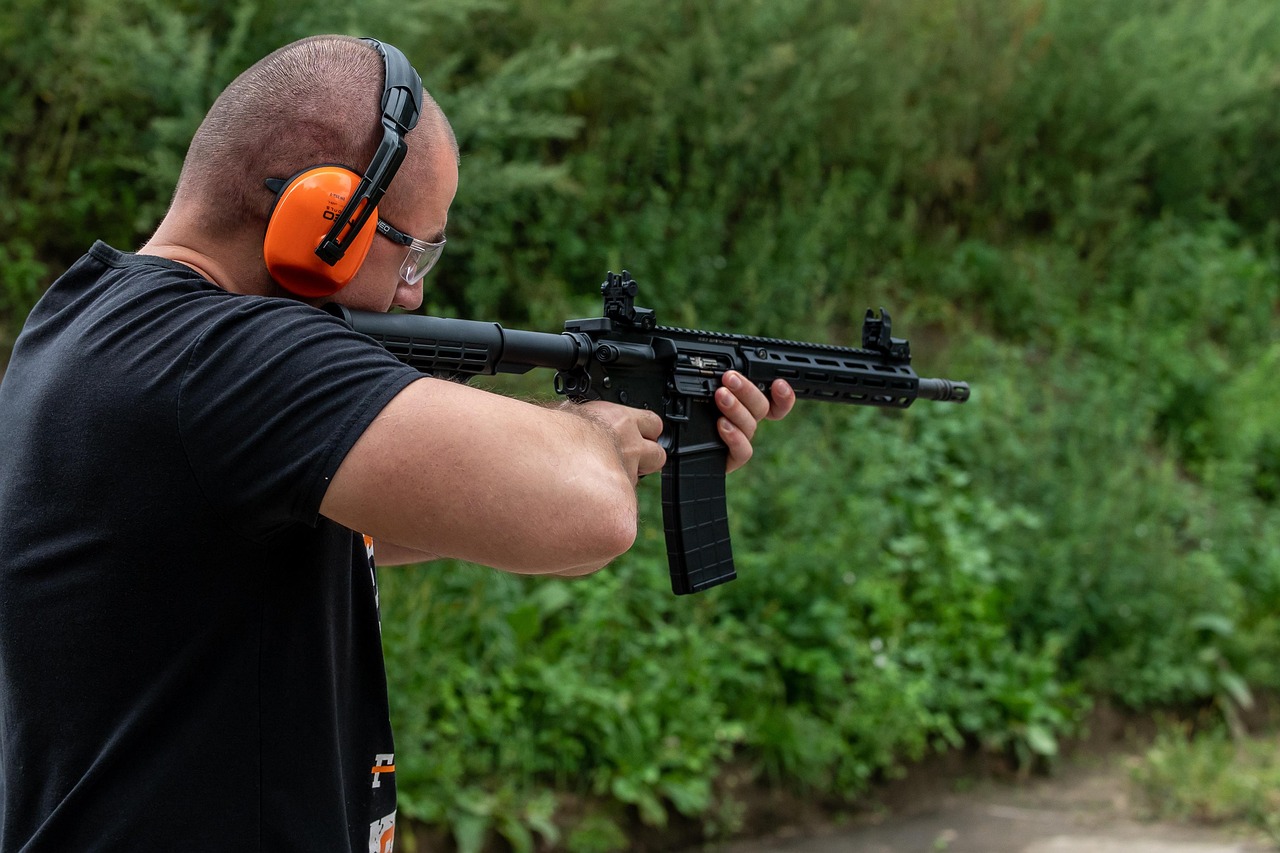
Some states strictly limit how many rounds a rifle or shotgun magazine may hold during hunting seasons. While Western states often allow larger capacities, several Eastern and midwestern states cap them at three or five rounds. Hunters passing through or borrowing gear may overlook these limits and risk fines. Checking the exact requirement for your target species ensures you stay compliant and avoid unnecessary trouble with game officers.
2. Blaze Orange or Pink Requirements
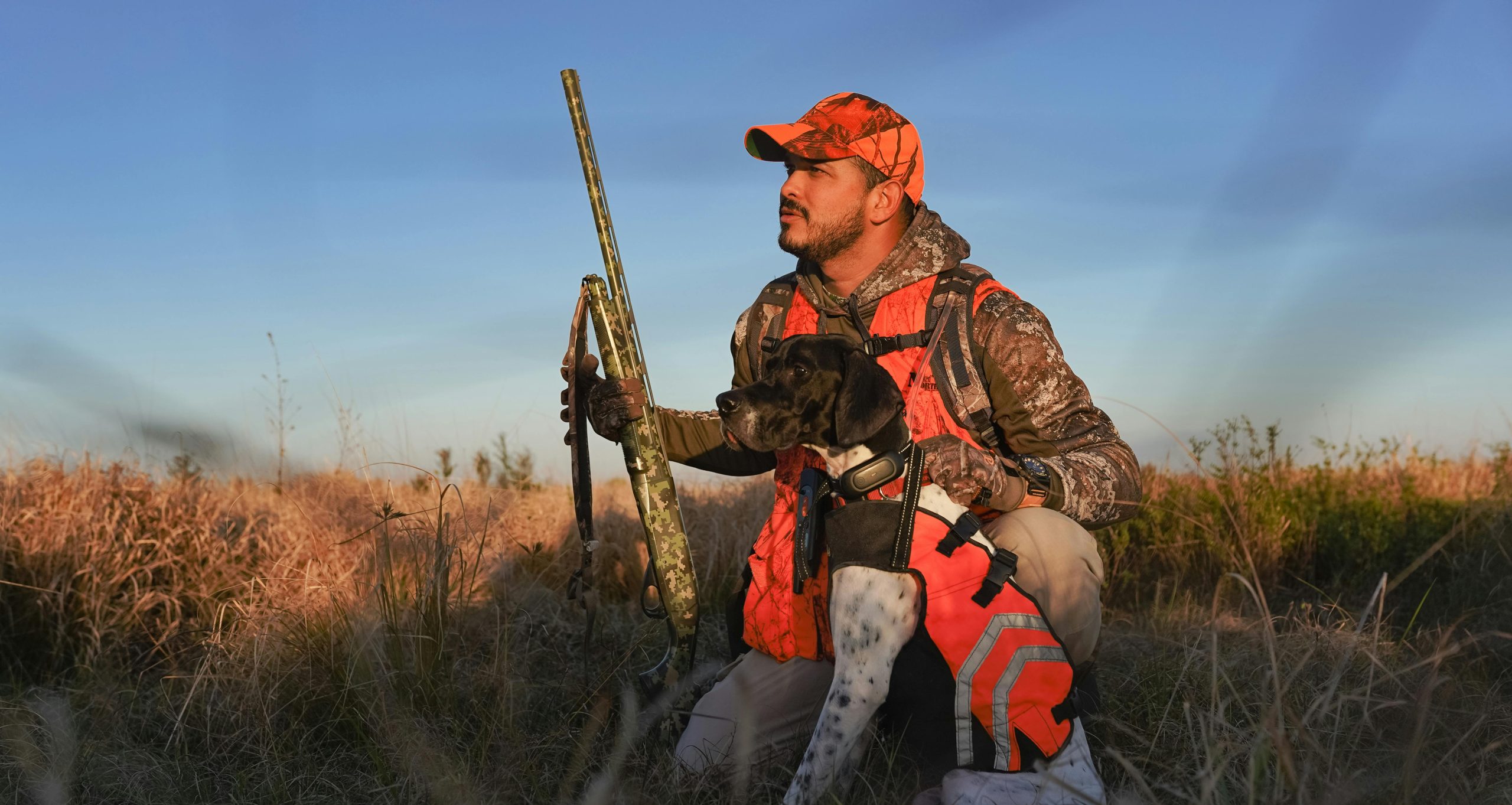
Although blaze orange is widely recognized, each state defines its own minimum square inches, placement zones, and accepted shades. Some also approve Blaze Pink as an alternative, but only in specific garments like vests or hats. Wearing the wrong amount or relying on camouflage patterns with partial orange can result in violations. Reviewing your state’s visibility rules helps keep you visible to other hunters and fully within legal safety standards.
3. Caliber Minimums for Big-Game Hunting
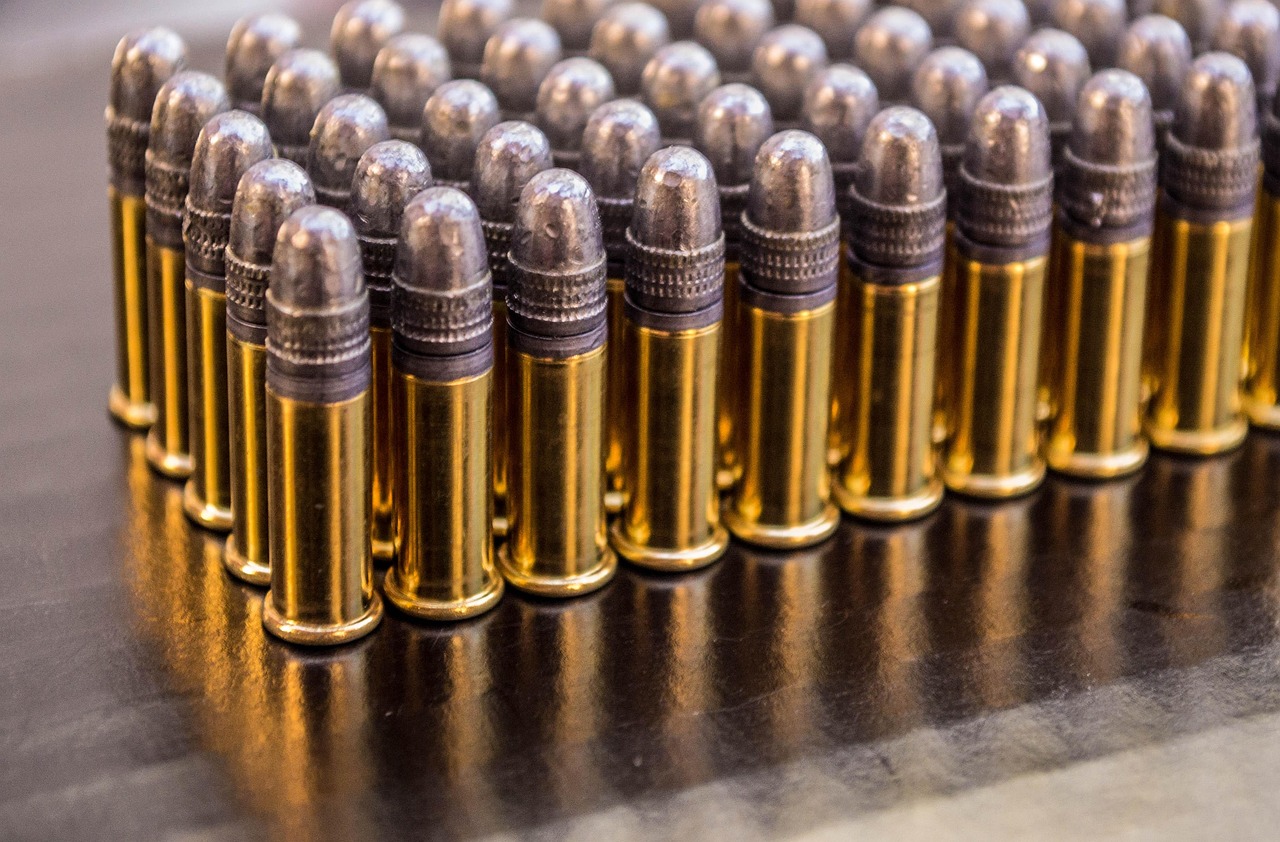
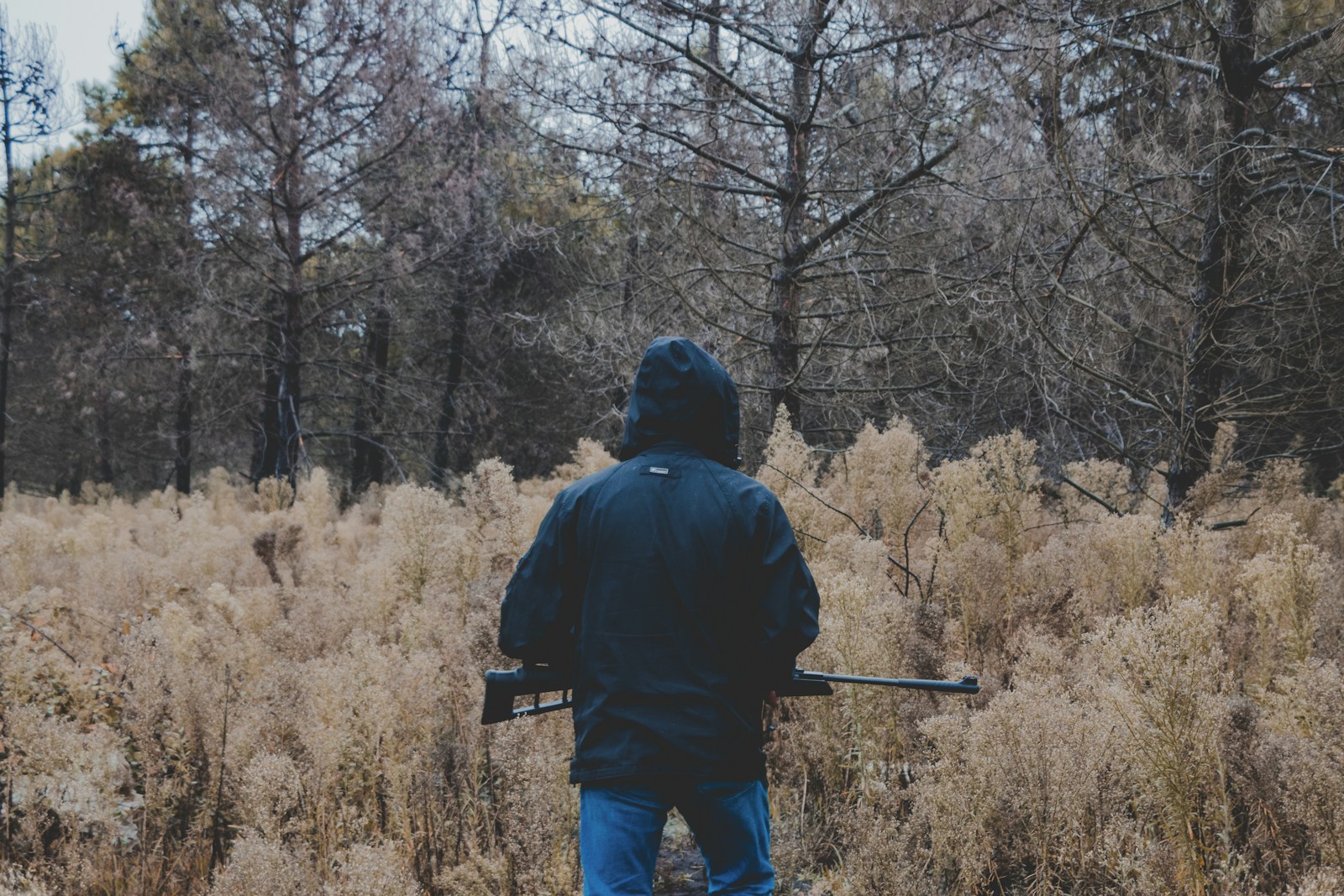
Several states set mandatory minimum calibers or bullet energy requirements for hunting big game such as deer, elk, or bear. These rules can vary from .22 centerfire minimums to .24 or even larger. Hunters who travel often assume their home-state rifle is acceptable everywhere, but that’s not always the case. Knowing the minimums ensures ethical, legal harvests and avoids being turned away during field checks.
4. Muzzleloader Equipment Definitions
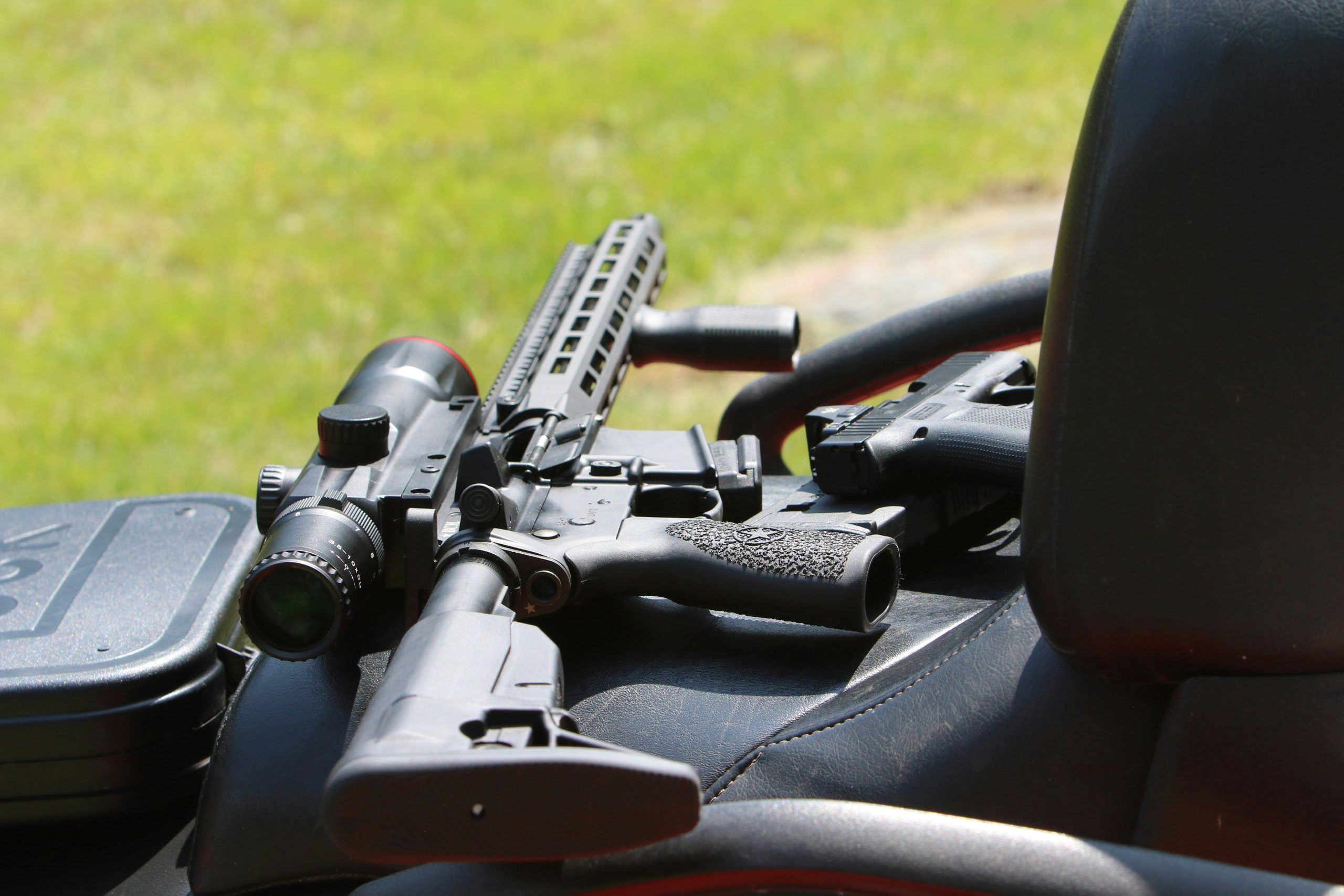
Muzzleloader seasons come with surprisingly strict rules on ignition types, scopes, powder substitutes, and projectile styles. Some states ban pelletized powder or electronic ignition, while others prohibit scopes entirely during primitive seasons. Even the definition of “inline muzzleloader” can differ. Reviewing these fine-print rules prevents you from showing up with a setup that doesn’t qualify for the season you planned to hunt.
5. Electronic Calls and Scent Devices
States vary widely on which electronic devices are allowed for different species. Some permit electronic calls for predators but ban them for deer or turkeys. Others restrict ozone-generating scent gadgets or battery-powered decoys. Assuming tech gear is legal everywhere can lead to unintentional violations. A quick check of approved devices for your specific hunt can save you from costly surprises in the field.
6. Use of Suppressors and Sound Moderators

While suppressors are now legal for hunting in many states, not all of them allow their use for every species or on all public lands. Some require additional permits or only allow suppressors for certain firearms. Hunters traveling between states often assume uniform rules, but these differences can be significant. Confirming your state’s suppressor policy ensures your setup is legal and properly documented.
7. Portable Treestand and Blind Requirements
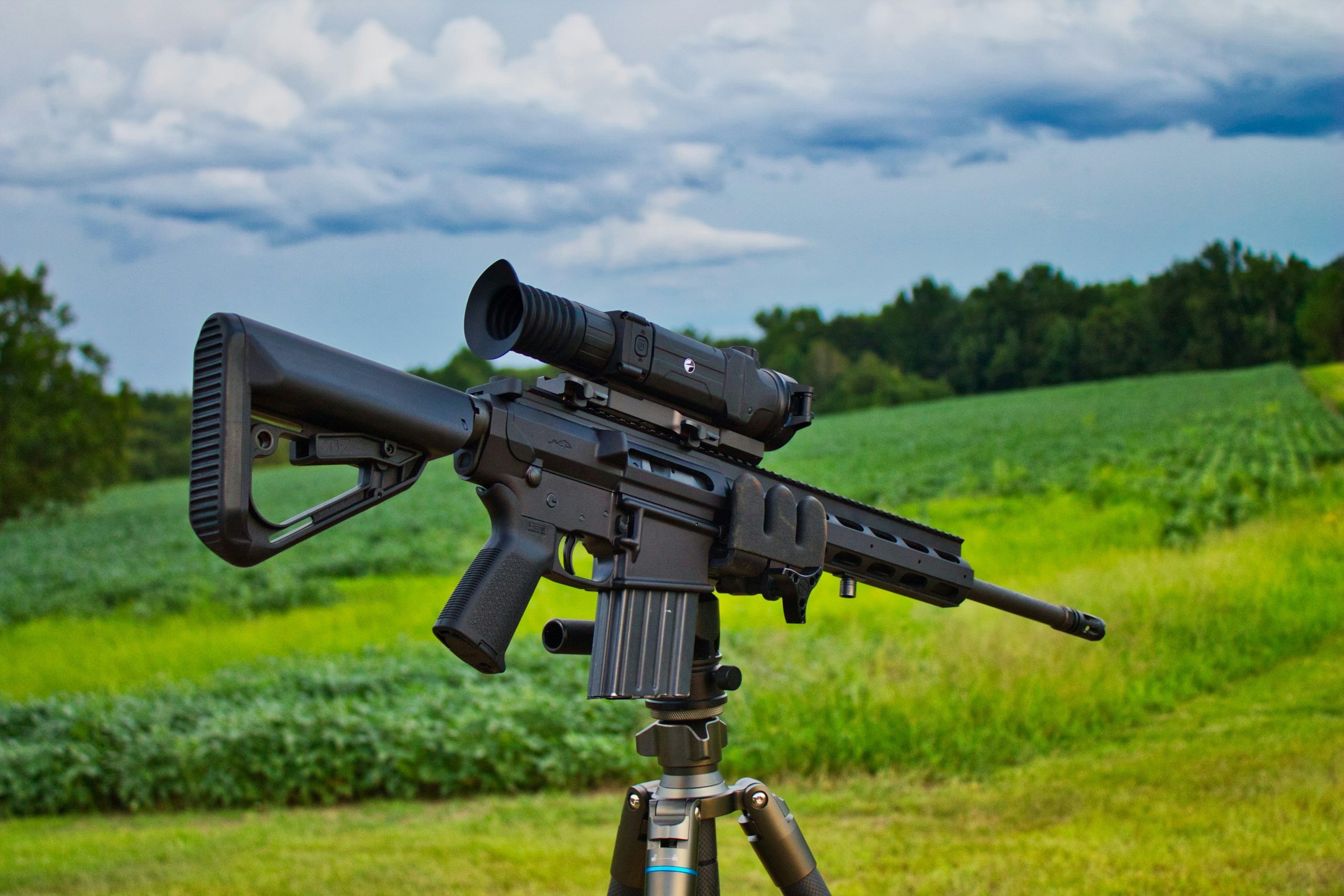
Many states regulate the type of stands and blinds you can use, including materials, size, and how long they can remain on public land. Some require labels with your name and address, while others ban screw-in steps or limit ground blind colors during firearms seasons. Overlooking these details can result in confiscations or fines. Understanding stand and blind rules helps you stay compliant while staying concealed.
8. Mandatory GPS or Mapping Rules in Certain Areas
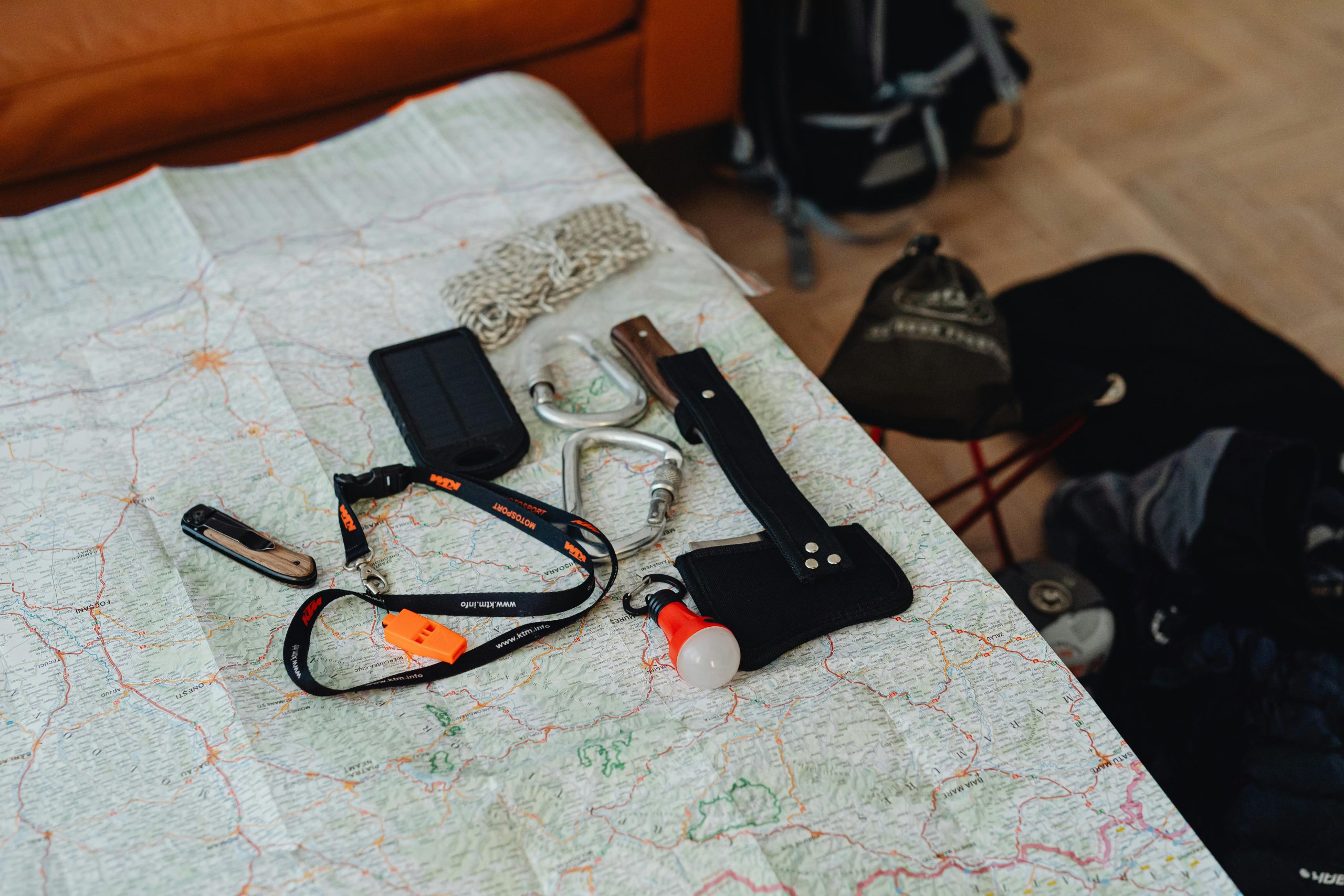
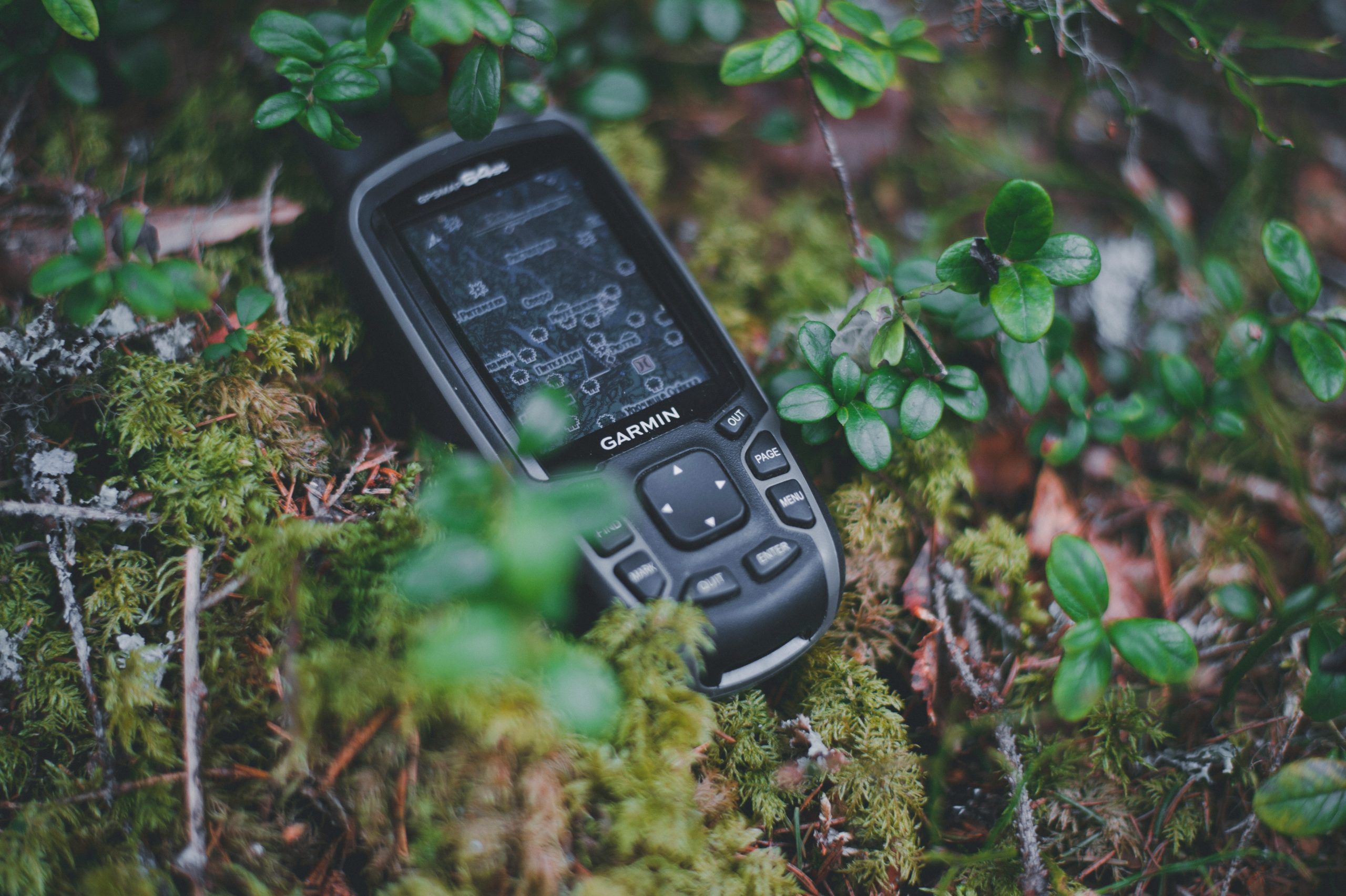
A few states require hunters to carry digital or paper maps when entering specific wilderness zones or high-risk areas. Some regions also restrict GPS devices that share location data through cellular networks during certain hunts. These unique rules are easy to overlook and often apply only to designated units. Reviewing these geographic exceptions ensures you have the proper navigation tools and avoid violations.
9. Transport and Case Laws for Firearms
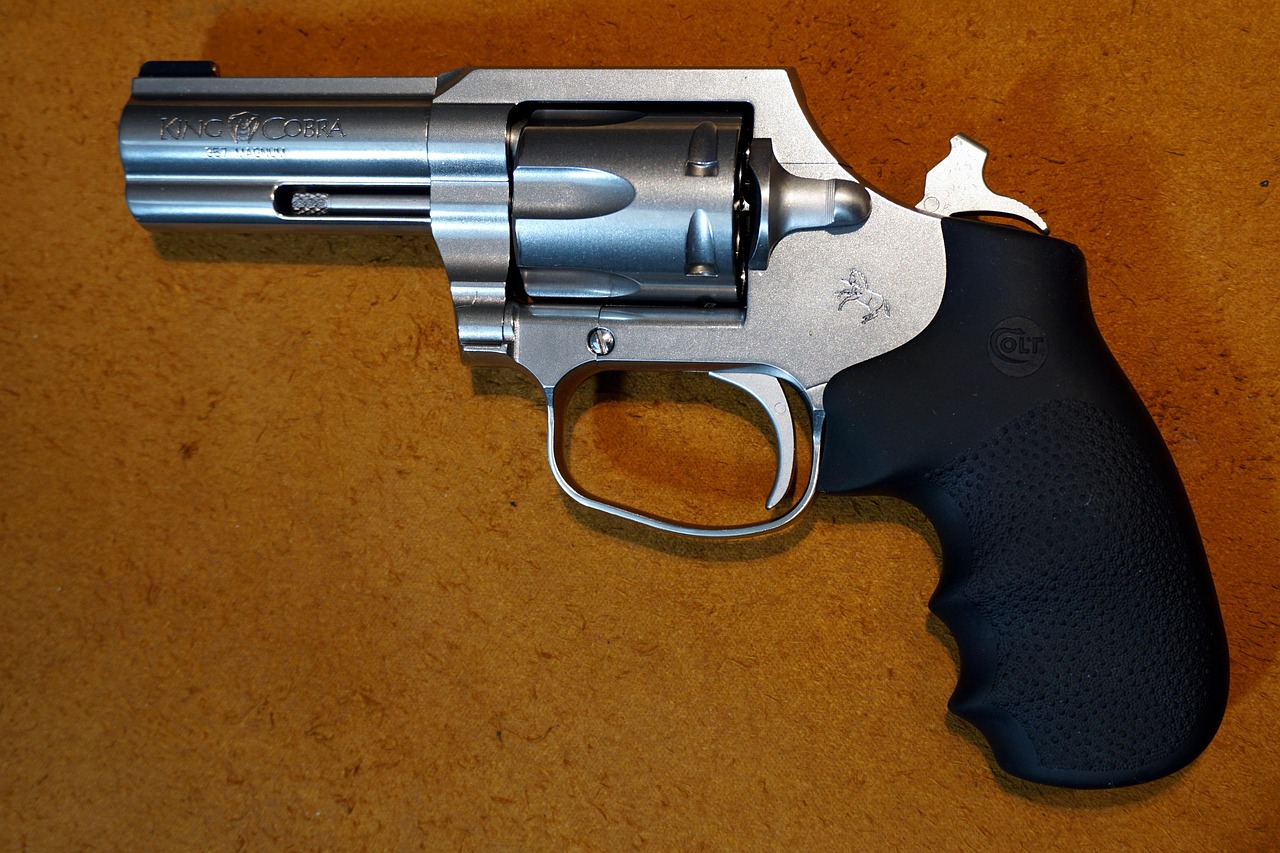
Transport regulations differ considerably, especially between public roads, private land, and off-highway vehicle routes. Some states require firearms to be fully unloaded and in a hard case; others allow soft cases or visible carry. Rules often change during active seasons. Failing to follow transport laws can cause major legal headaches, even if your hunt was fully legal. Double-checking transport requirements keeps everything above board from home to the field.