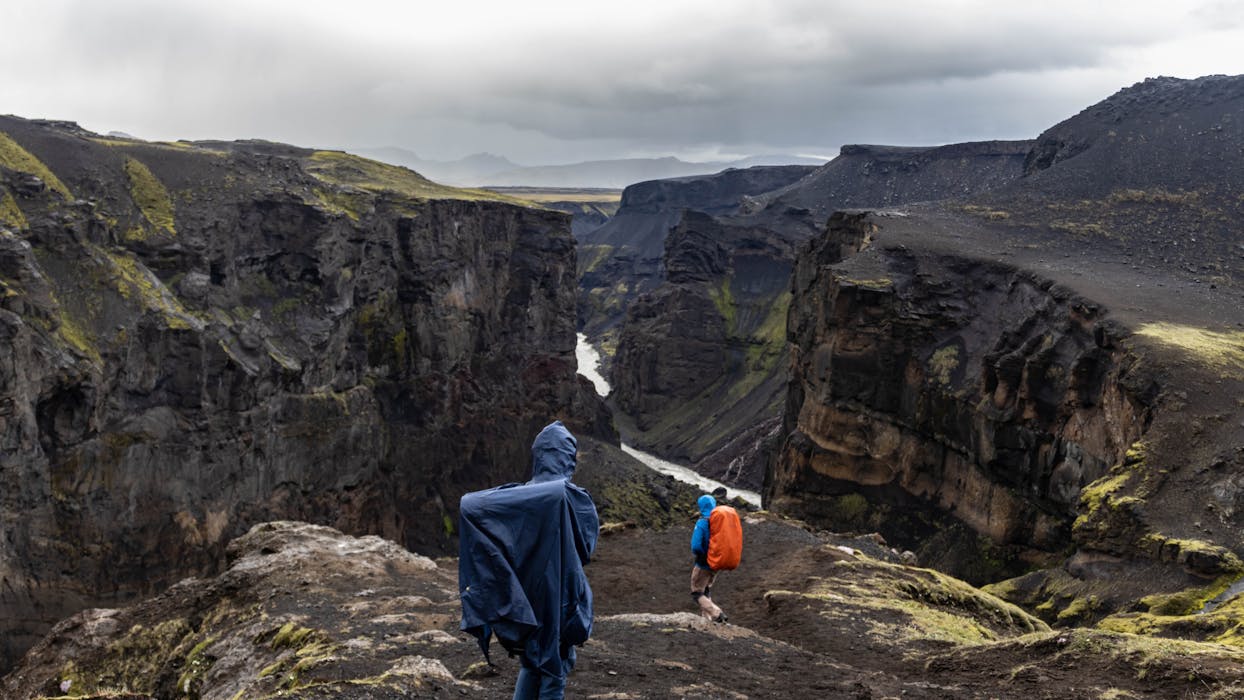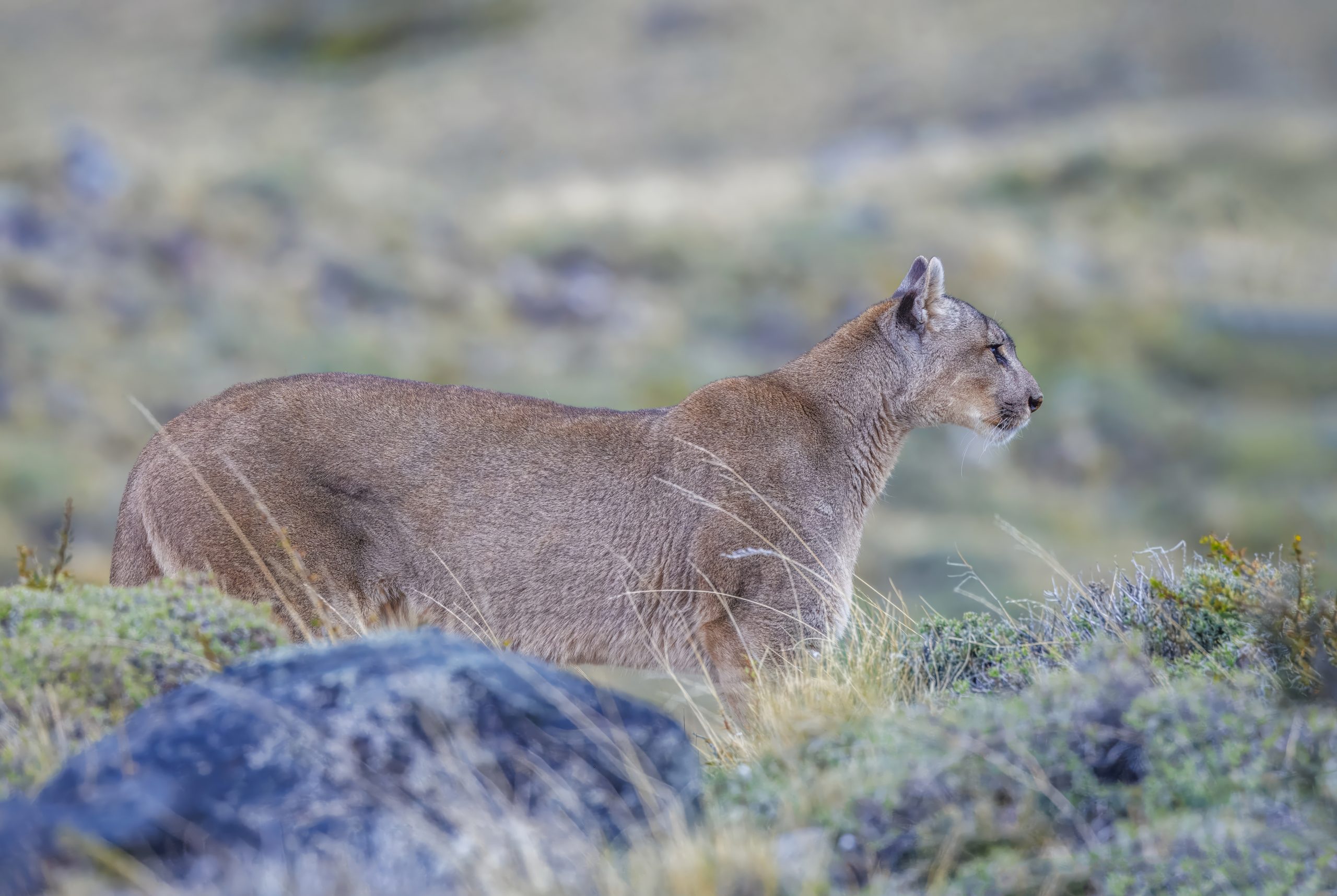
Mountain lions are masters of remaining unseen, which is why encounters often feel sudden and unsettling. Unlike bears or wolves, cougars rely on stealth, patience, and surprise, leaving behind subtle clues rather than obvious warnings. Many people hike, hunt, or live near lion habitat without realizing one may be watching from a distance. Recognizing early signs of a nearby mountain lion can dramatically reduce risk and help you respond calmly instead of reactively. From unusual animal behavior to quiet physical traces on the ground, these signs often appear long before a sighting occurs. Learning to read them allows you to move with awareness, adjust your behavior, and avoid unknowingly entering a predator’s comfort zone.
1. Fresh Tracks With Distinctive Rounded Pads
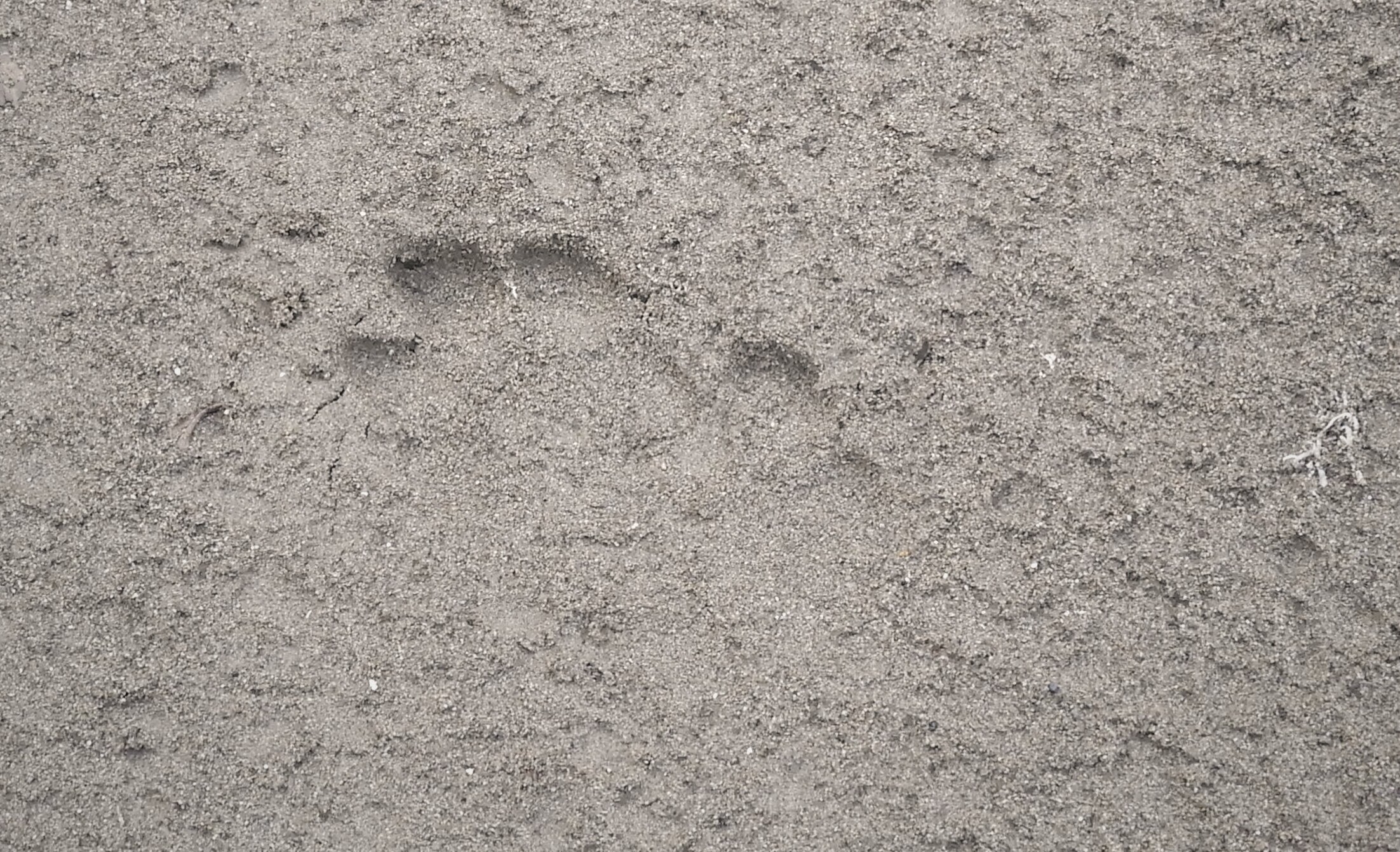
One of the clearest signs a mountain lion is nearby is the presence of fresh tracks. Cougar tracks are large, round, and lack visible claw marks, unlike those of dogs or coyotes. The heel pad usually shows three distinct lobes at the rear, forming a subtle “M” shape. Fresh tracks appear crisp in soft soil, sand, or snow and may follow natural travel routes such as ridgelines, game trails, or creek beds. When tracks appear suddenly and disappear into cover, it often indicates a hunting pattern rather than casual travel. Seeing multiple fresh prints in a short distance strongly suggests recent activity in the area.
2. Unnatural Silence in the Surrounding Area
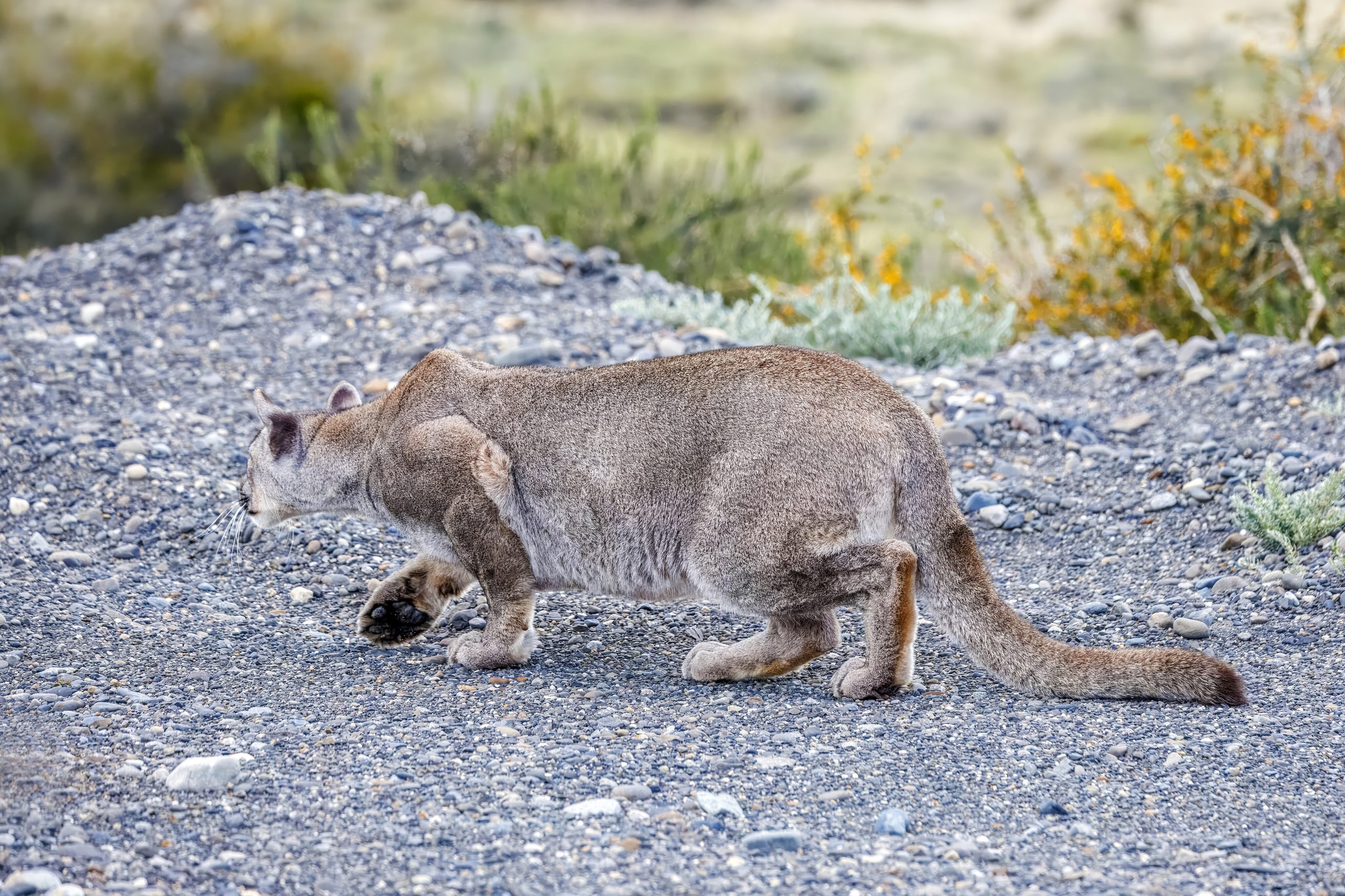
A sudden absence of normal forest sounds can signal the presence of an apex predator. Birds may stop calling, squirrels freeze or vanish, and smaller animals retreat into cover when a mountain lion is nearby. This silence often feels unnatural, as if the landscape itself is holding its breath. Experienced outdoorsmen recognize this shift as an early warning rather than a coincidence. Cougars rely on surprise, and prey animals instinctively minimize movement and noise. If a previously active area becomes eerily quiet without an obvious cause, it’s wise to pause, scan your surroundings, and consider retreating calmly.
3. Deer or Elk Acting Nervous or Clustering
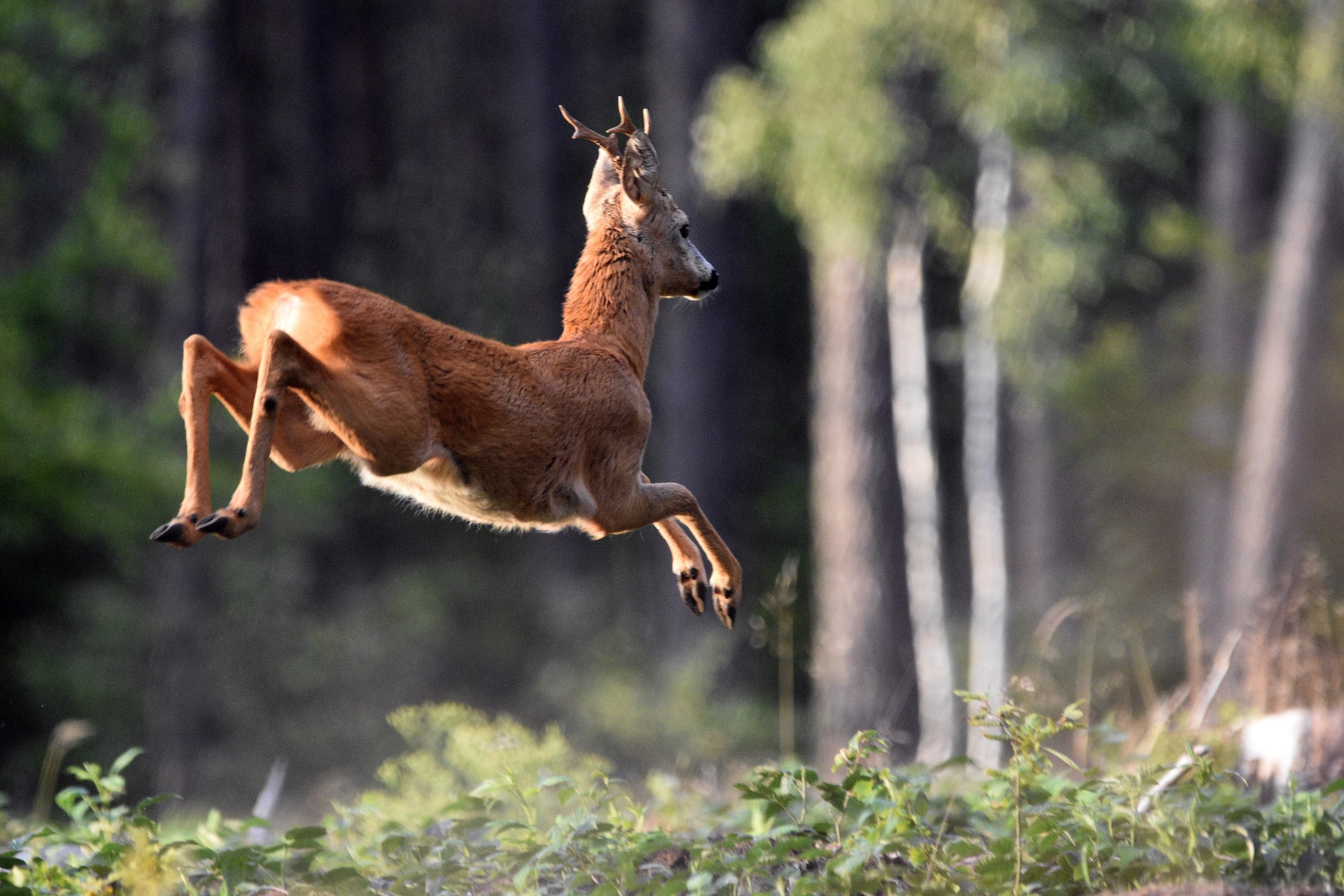
Prey behavior changes dramatically when mountain lions are present. Deer and elk may bunch together tightly, remain unusually alert, or stare fixedly toward thick cover. They may avoid open feeding areas they typically use or move abruptly uphill. These animals are keenly aware of cougar threats and often detect them long before humans do. If large herbivores seem tense, refuse to settle, or repeatedly change direction, it can indicate a stalking predator nearby. Observing prey behavior provides valuable insight into unseen danger and should never be ignored in lion country.
4. Scrapes on the Ground With Debris Piles
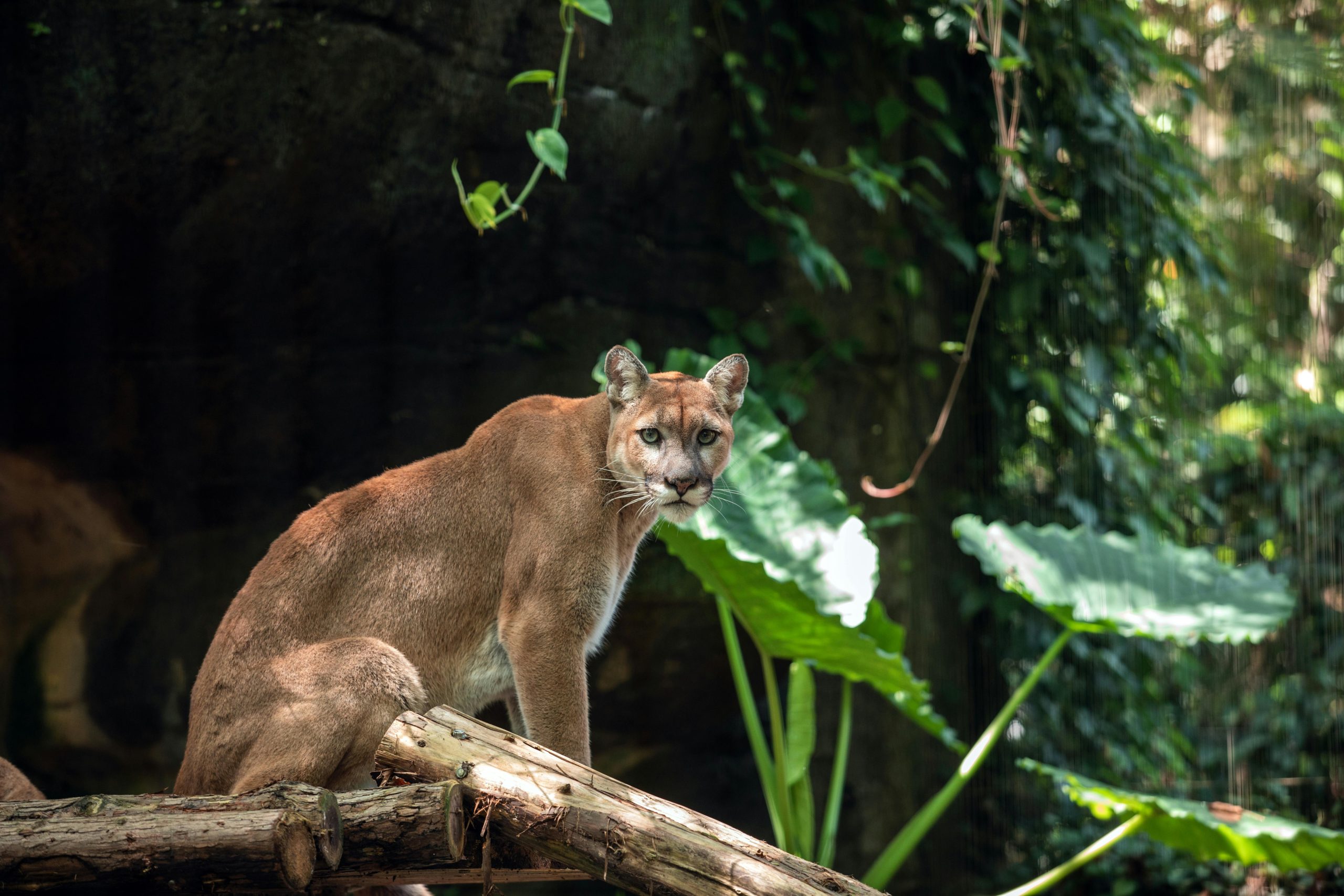
Mountain lions create scrapes as territorial markers, using their hind legs to clear debris into small piles. These scrapes often appear along trails, ridges, or natural travel corridors and may include leaves, pine needles, dirt, and grass. The mound is sometimes accompanied by urine or scat placed deliberately on top. Fresh scrapes look recently disturbed and lack vegetation regrowth. Finding multiple scrapes within a short distance suggests an actively used territory. While scrapes don’t guarantee the lion is immediately nearby, fresh ones indicate frequent use of the area.
5. Scat Containing Hair and Bone Fragments
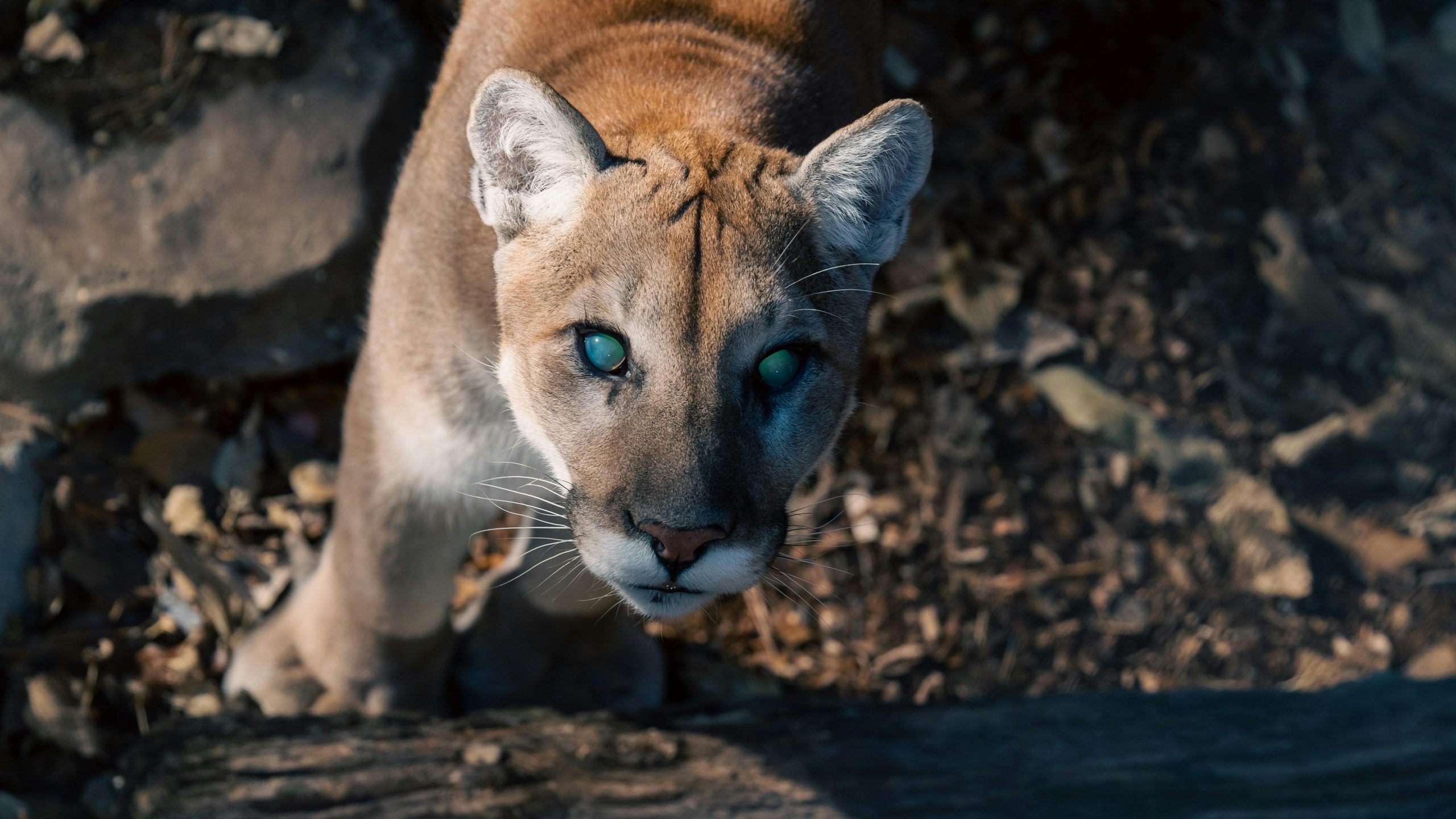
Cougar scat is another reliable indicator of nearby activity. It is usually segmented, cylindrical, and filled with hair, bone fragments, and sometimes claws or hooves from prey animals. The scat may be partially buried or placed in conspicuous locations like trails or scrape sites. Fresh scat appears moist and dark, while older scat dries and turns gray. The strong odor and composition distinguish it from bear or canine droppings. Discovering fresh mountain lion scat suggests the animal has recently fed nearby and may still be in the vicinity.
6. Partially Buried or Covered Animal Carcasses
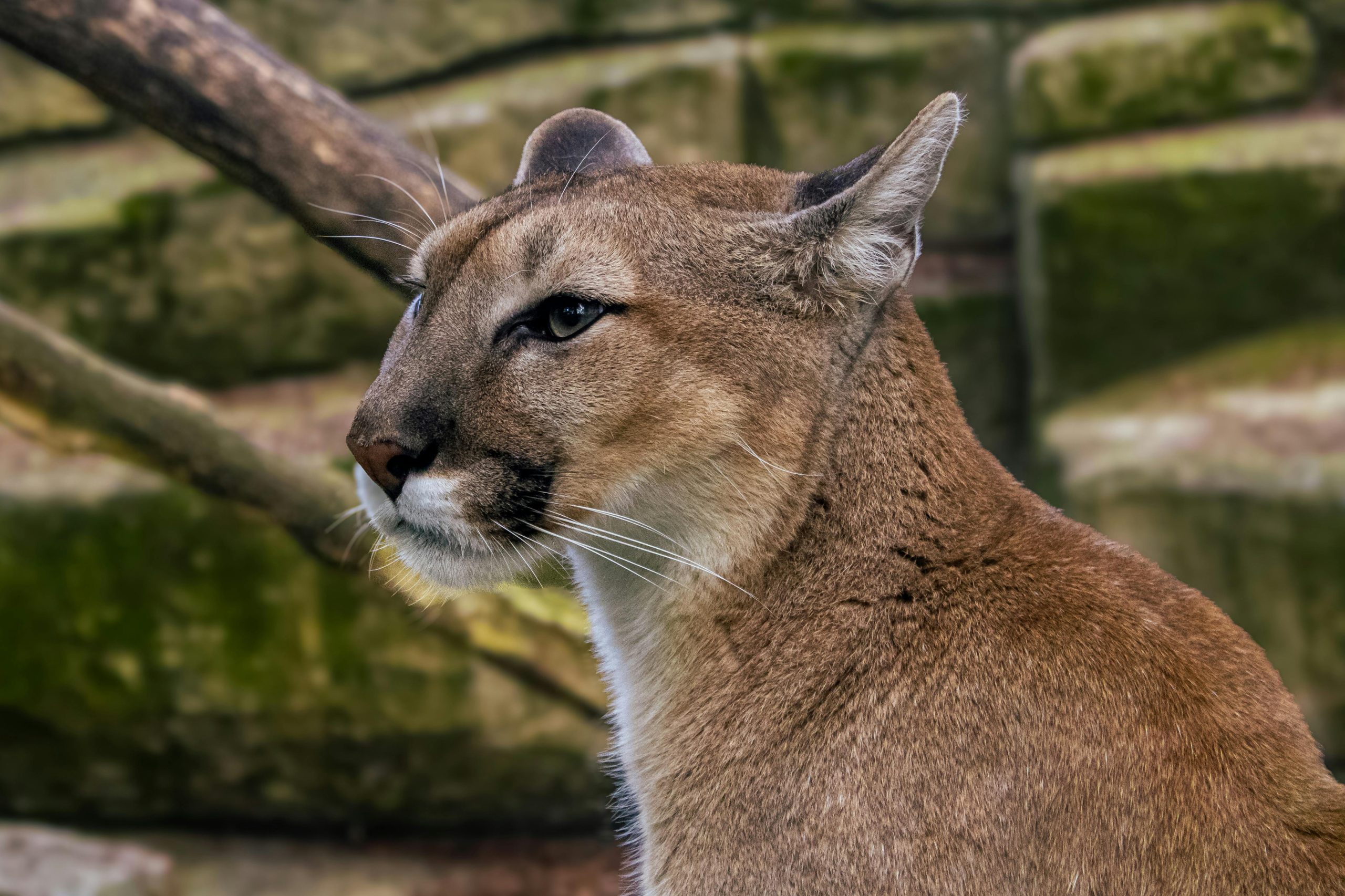
Mountain lions often cache their kills to return and feed over several days. They cover carcasses with leaves, dirt, grass, or snow to hide them from scavengers. If you encounter a deer or other animal that appears partially buried or dragged into cover, it is a strong sign a cougar is nearby. Lions frequently stay close to cached kills, especially if the prey is fresh. Approaching these sites increases the risk of defensive behavior. If you notice drag marks or covered remains, leave the area immediately and remain alert.
7. Unusual Vocalizations at Dawn or Dusk
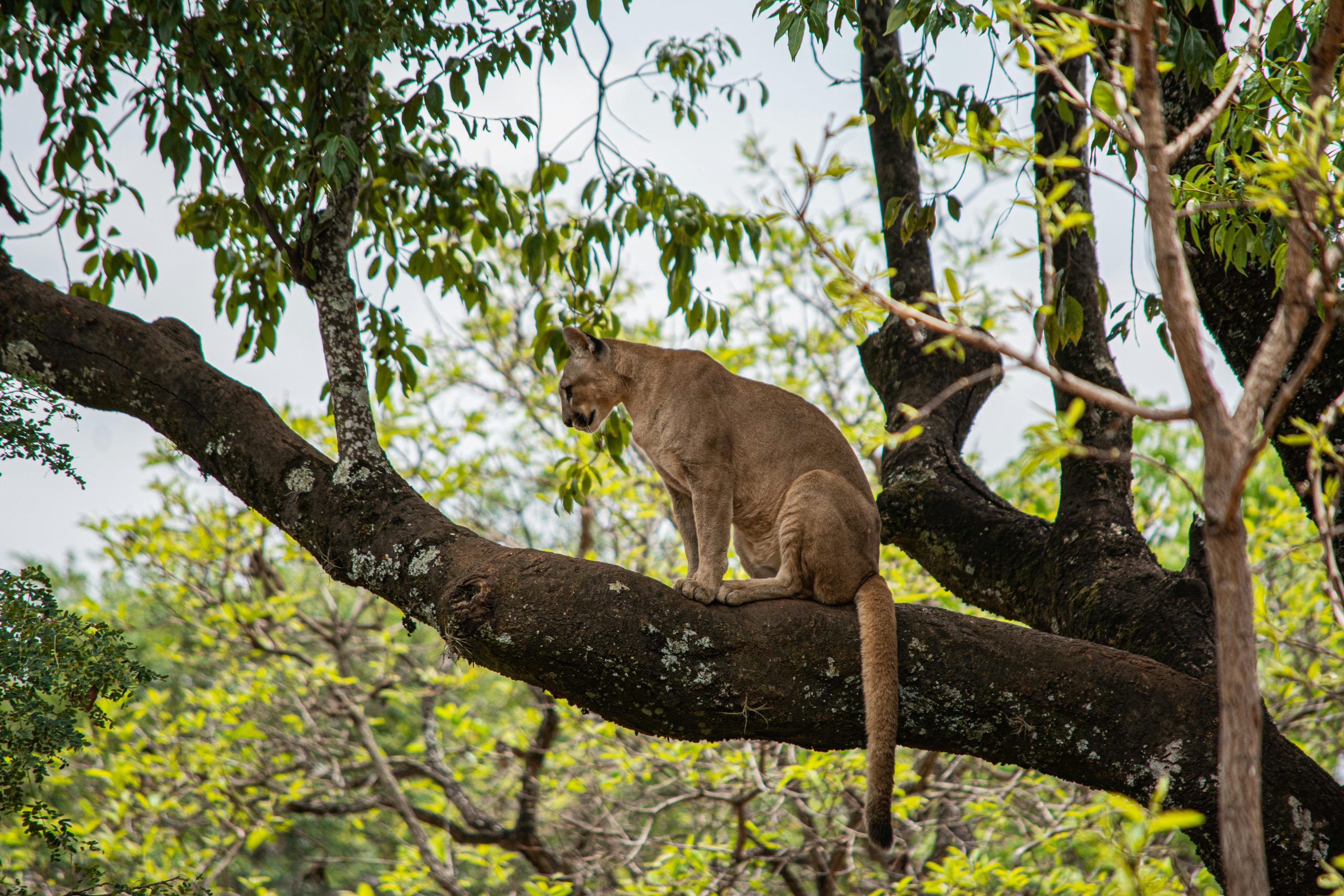
Although typically silent, mountain lions occasionally vocalize, especially during mating season or territorial disputes. These sounds can include screams, growls, whistles, or childlike cries that are often mistaken for other animals or human distress. Vocalizations usually occur at dawn or dusk when lions are most active. Hearing these noises nearby is a strong indication of cougar presence. Because the sounds can travel long distances, it’s important to assess direction and proximity carefully. Any unexplained vocalization in a lion habitat should be treated seriously.
8. Repeated Feeling of Being Watched
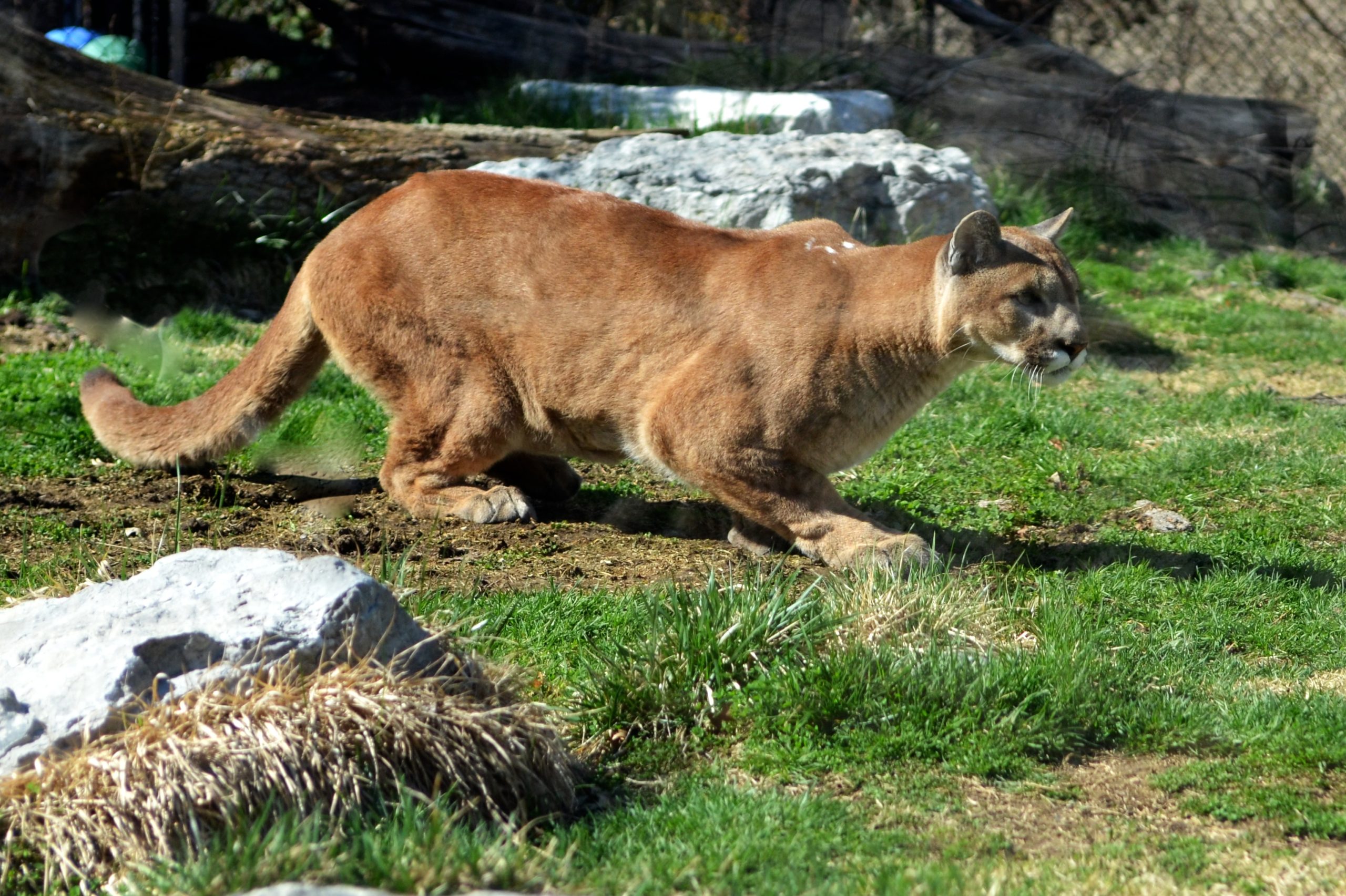
Many people report an intense feeling of being watched shortly before discovering physical signs of a mountain lion. While instinct alone isn’t proof, it often coincides with subtle environmental cues the brain processes unconsciously. Cougars are known to observe humans silently from cover, sometimes for extended periods. If you feel persistent unease, hair standing on end, or heightened awareness without an obvious reason, trust that instinct. Combine it with visual scanning and a calm retreat. This sensation frequently precedes sightings or discoveries of tracks or scrapes.
9. Pets or Livestock Behaving Strangely
Domestic animals often detect predators before humans do. Dogs may refuse to move forward, tuck their tails, or stay unusually close. Livestock may cluster tightly, avoid certain areas, or vocalize more than normal. Sudden disappearances of pets or small livestock are also warning signs in cougar territory. Mountain lions are opportunistic and may test boundaries quietly. Changes in animal behavior around homes, camps, or trails can indicate a lion passing through or establishing a nearby route. These signs warrant increased caution and awareness.