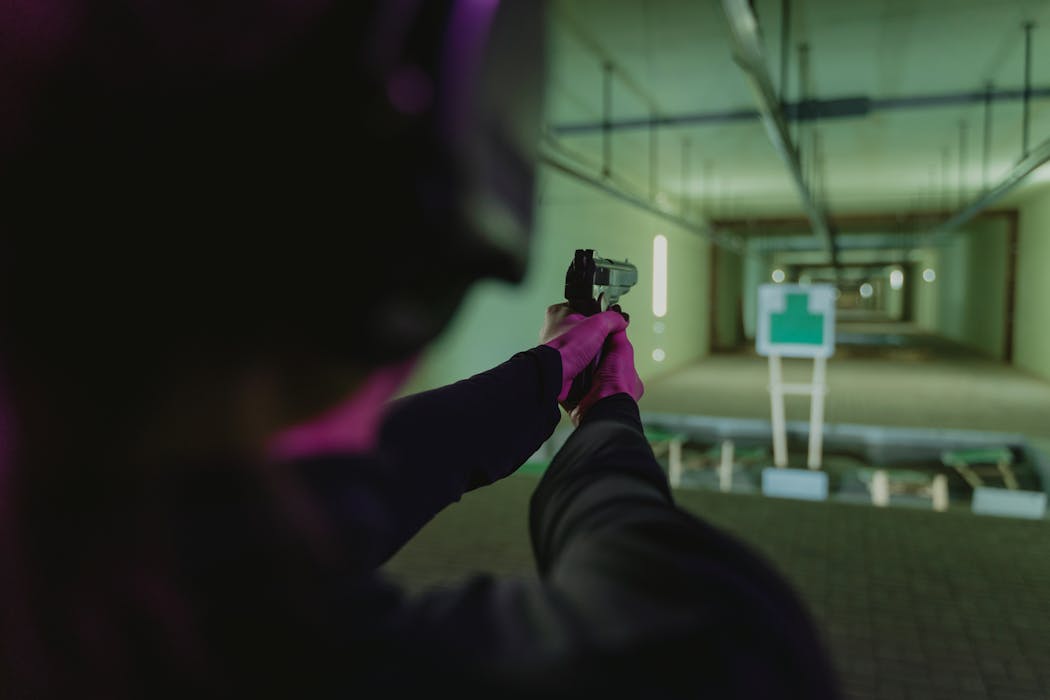
Aging hunters often benefit from steady, thoughtful practice routines that help maintain confidence and accuracy in the field. Consistent range work supports smoother movements, stronger stability, and reliable performance when physical changes begin to influence shooting comfort. Gentle, structured drills give hunters a chance to reinforce familiar skills without unnecessary strain. With the right approach, time at the range becomes a balanced mix of technique, rhythm, and renewed enjoyment of the sport.
Slow-Fire Precision Drills
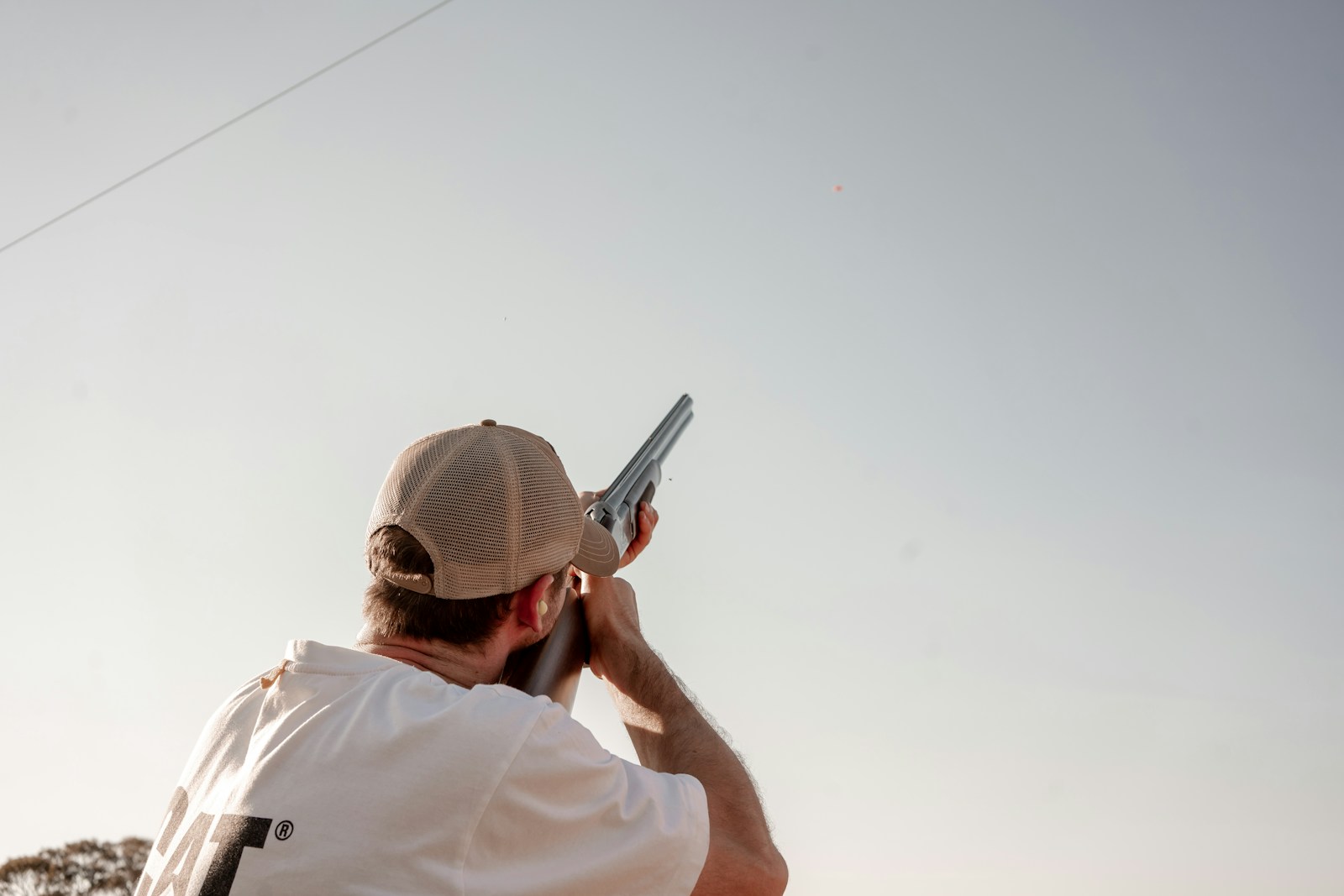
Slow-fire precision drills emphasize calm, deliberate movement that encourages steady aim and controlled breathing. Each shot is taken with full attention on alignment and trigger discipline, which helps aging hunters maintain accuracy without pushing physical limits. Working at comfortable distances reduces pressure while reinforcing smooth fundamentals. The drill promotes consistency and mental focus, allowing hunters to strengthen core shooting habits through repetition and patience.
Supported Shooting Positions
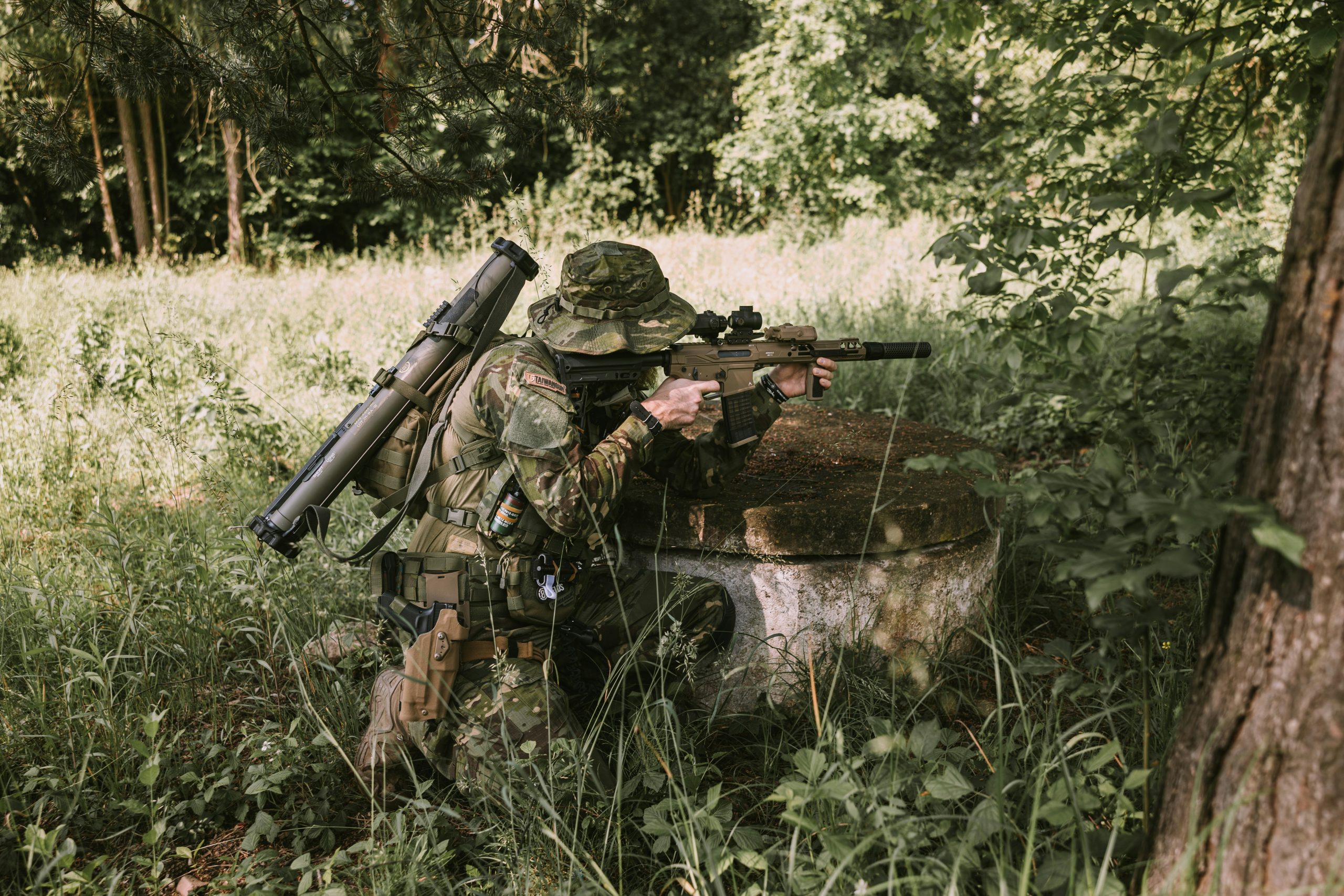
Supported shooting positions offer a practical way to reduce fatigue while reinforcing proper form. Benches, sandbags, or shooting rails create stability that allows hunters to concentrate on technique rather than endurance. This support minimizes strain on shoulders and arms, which becomes increasingly helpful over time. Practicing with assistance helps maintain confidence in the field, where similar stability can be found using natural features such as rocks, trees, or terrain angles.
Low-Recoil Firearm Sessions

Low-recoil sessions give hunters a comfortable environment for extended practice without the discomfort that heavier rounds can cause. Rimfire rifles or reduced-recoil ammunition allow smoother, longer sessions that improve technique while protecting joints and muscles. These lighter sessions help preserve shoulder mobility, reinforce proper follow-through, and maintain healthy shooting form. Over time, this approach supports sustainability in the sport and keeps range visits both productive and enjoyable.
Dry-Fire Practice
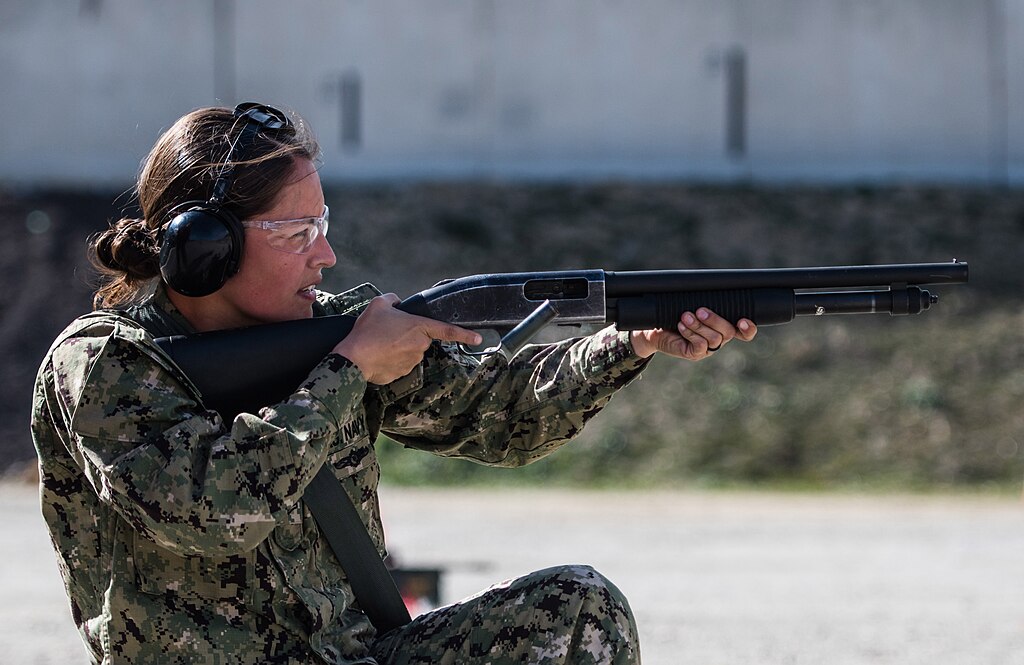
Dry-fire practice delivers a simple and effective way to strengthen trigger control, refine sight picture, and build muscle memory without using ammunition. Repetition of clean mechanical motion helps hunters maintain sharp technique even as strength or stamina changes. The absence of recoil encourages uninterrupted focus on fundamentals. This exercise remains valuable between range trips, offering hunters a reliable method for maintaining consistency, coordination, and overall readiness.
Timed Target Transitions.
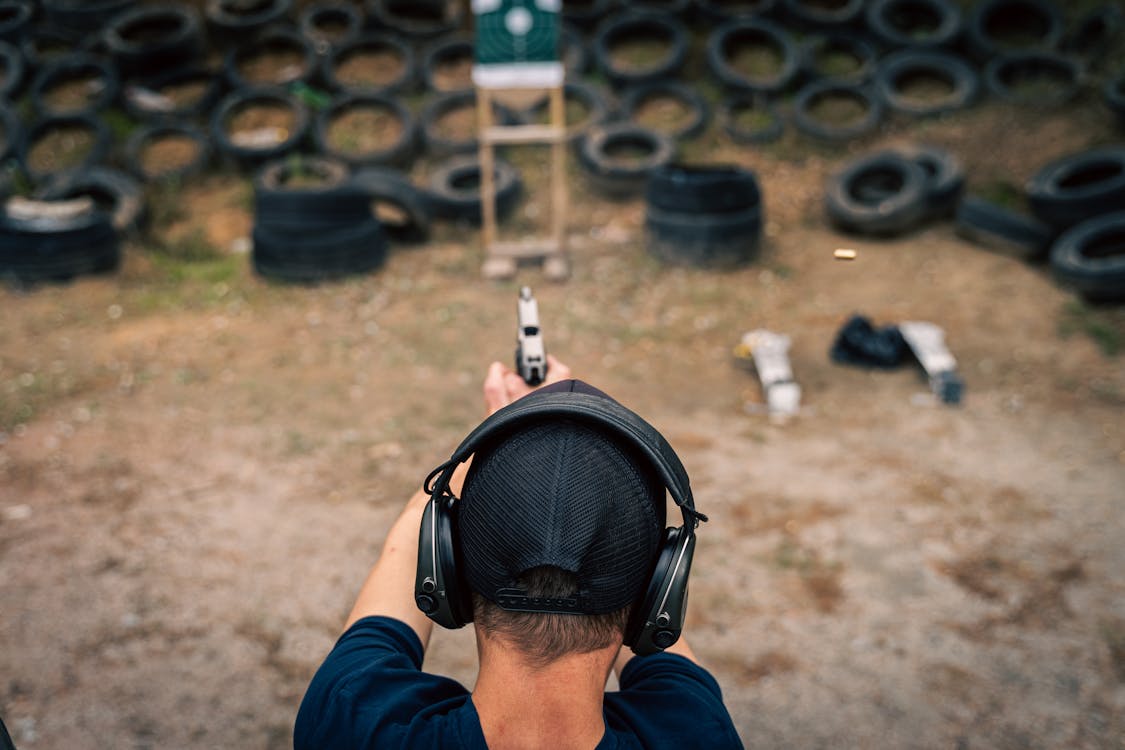
Timed target transitions help hunters develop smooth hand-eye coordination and improve efficiency when shifting focus between targets. Rather than emphasizing speed alone, the drill encourages steady movement, controlled breathing, and balanced posture. Aging hunters benefit from the low-impact nature of these transitions, which refine movement patterns without overwhelming physical stress. With regular practice, the timing becomes intuitive and supports greater confidence in varied shooting scenarios.
Sitting and Kneeling Drills
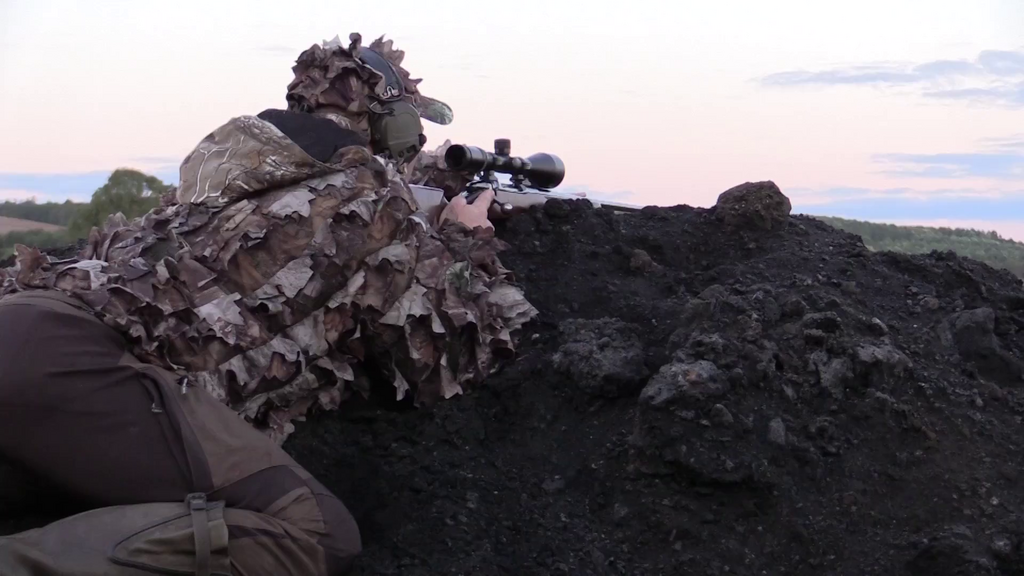
Sitting and kneeling drills prepare hunters for realistic shot opportunities that often occur at ground level. These positions provide enhanced stability while reducing full-body strain, making them ideal for aging hunters seeking comfort without sacrificing accuracy. Practicing these transitions builds flexibility, improves balance, and reinforces a strong shooting platform. Repetition helps ensure that movements feel natural, allowing hunters to rely on these positions in practical field settings.
Breathing-Control Exercises

Breathing-control exercises reinforce the connection between steady respiration and accurate shooting. Hunters learn to release shots during natural pauses in the breath cycle, improving precision and reducing tension. Practicing this rhythm enhances relaxation and supports stronger focus throughout each session. Aging hunters benefit from the calming effect that controlled breathing brings, helping maintain clarity and composure during longer range days and varied shooting conditions.
Light Recoil Management Drills
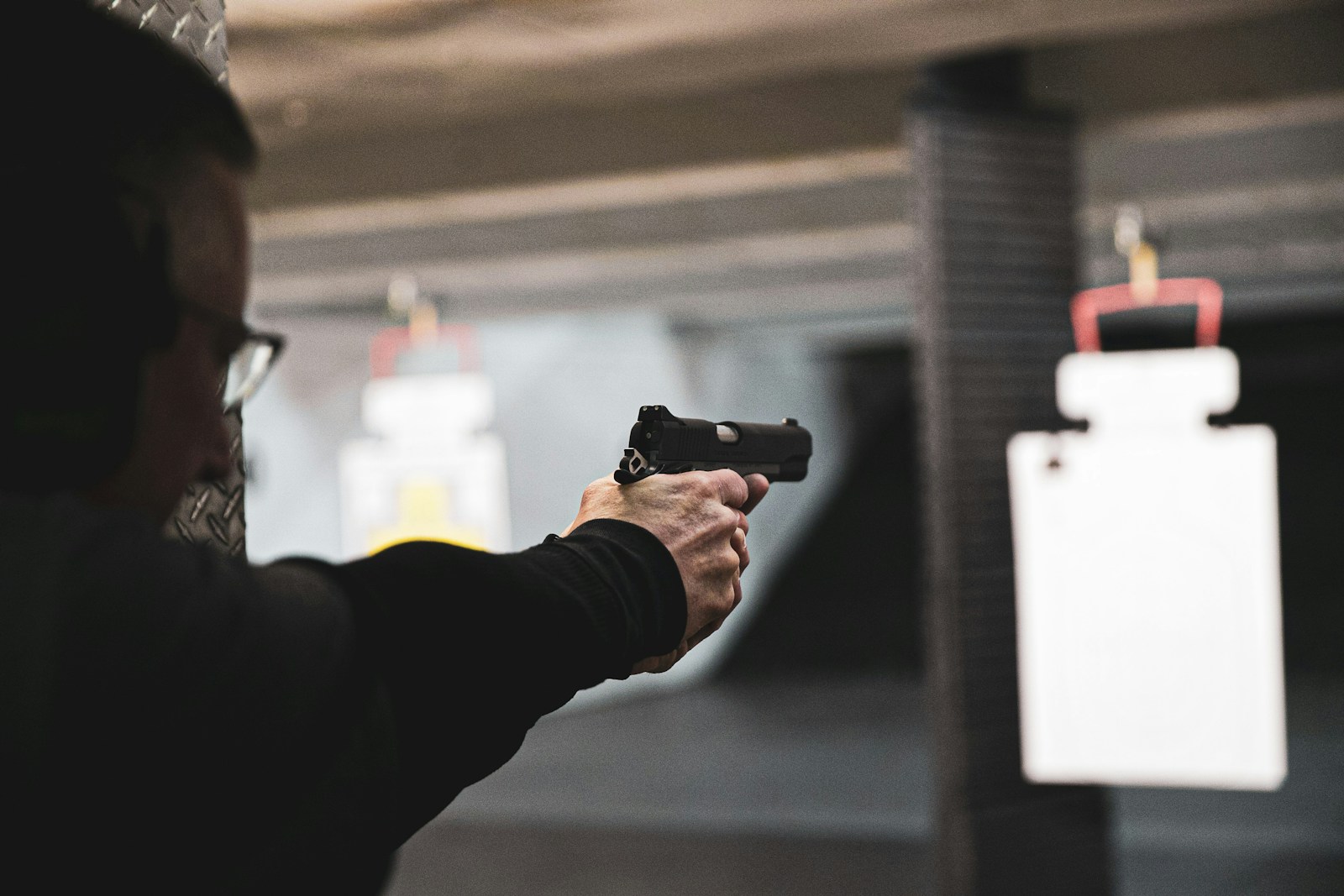
Light recoil management drills teach hunters to maintain proper grip, shoulder placement, and follow-through while working with loads that do not overwhelm the body. These drills help reinforce predictable recoil absorption and smoother recovery after each shot. The reduced strain allows aging hunters to refine their technique without risking discomfort. As confidence grows, the skills transfer effectively to higher-caliber firearms, making overall shooting performance feel more controlled and consistent.
Optics Adjustment Practice
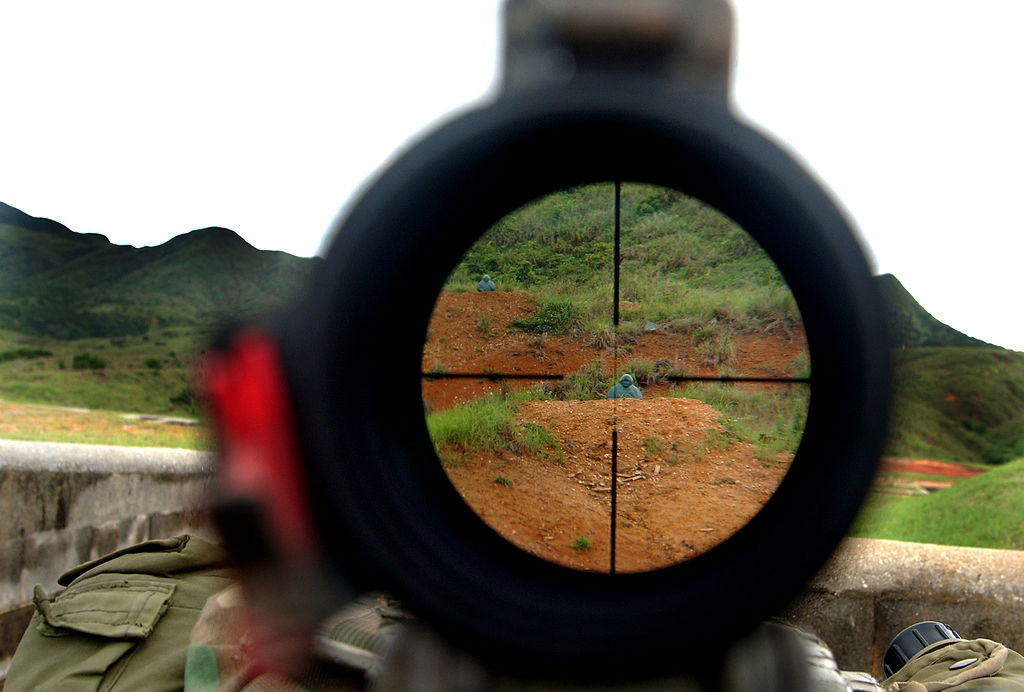
Optics adjustment practice helps hunters stay familiar with scope settings, reticle clarity, and rapid fine-tuning in changing light or distance conditions. Regular adjustment work reduces eye fatigue and builds confidence in long-range accuracy. Aging hunters benefit from maintaining comfort with their visual setup, ensuring crisp focus and dependable alignment. By practicing small corrections often, adjustments become intuitive, contributing to stronger overall shooting performance during both practice and field use.