Many shooters spend hours at the range and still feel stuck at the same skill level. That usually happens because some habits look busy and disciplined but do not actually improve accuracy, consistency, or decision-making. These habits often feel comfortable, repeatable, and even satisfying, which makes them hard to question. Real progress in shooting comes from purposeful practice, honest feedback, and measurable goals, not just time spent firing rounds. Below are nine common shooting habits that feel productive on the surface but quietly slow improvement. Each point explains why the habit is misleading and what is missing beneath it, so you can rethink your practice and get more value from every session.
1. Shooting Large Volumes Without Clear Goals
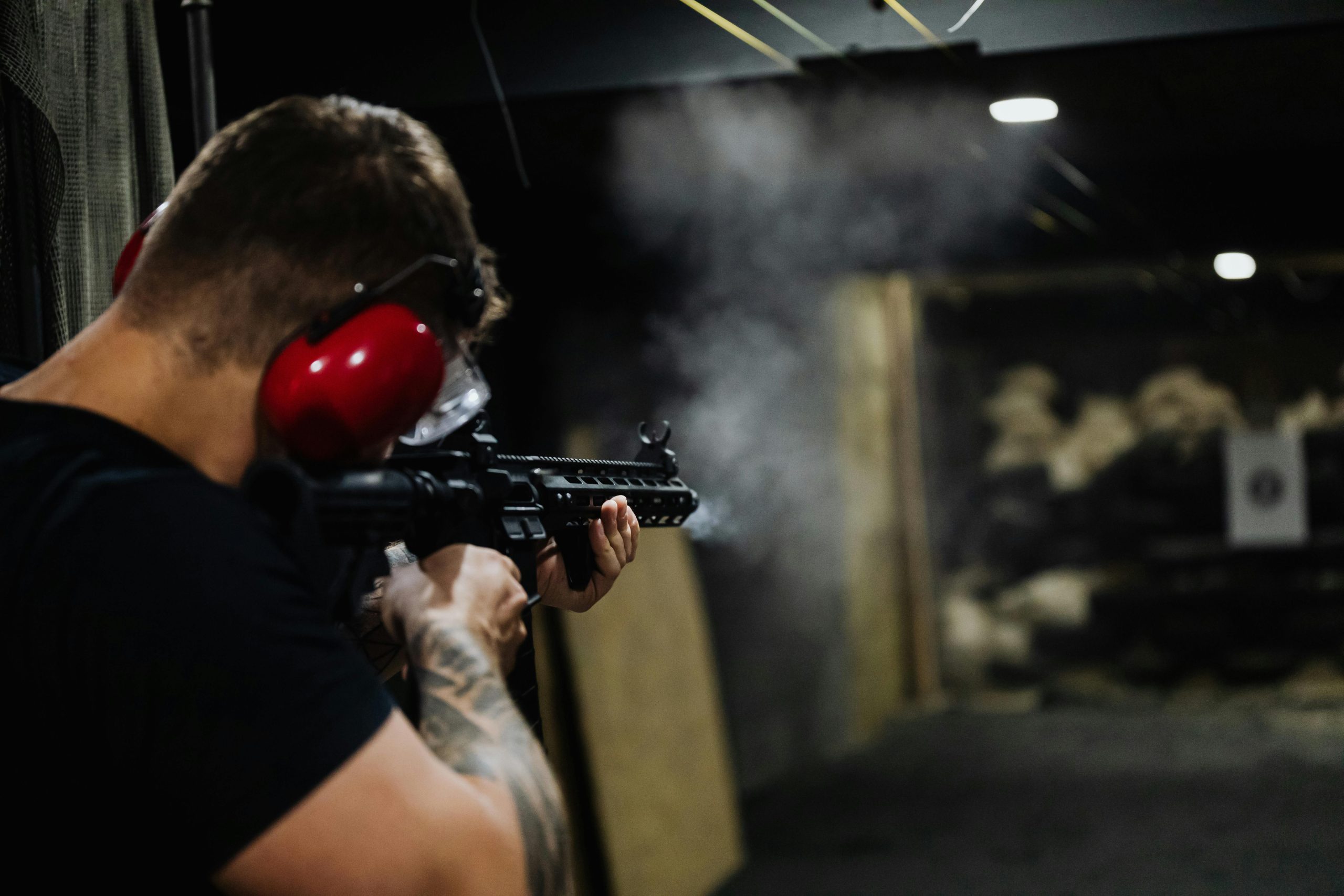
Firing a high number of rounds can feel like serious training, especially when a long session leaves you tired and confident that you put in the work. The problem is that volume without intention usually reinforces existing mistakes. If grip, stance, or trigger control are slightly off, repeating them hundreds of times locks those errors into muscle memory. Many shooters walk away feeling productive simply because they stayed busy, not because they improved. Without specific goals, such as tightening a group or fixing anticipation, the brain has nothing to focus on. Real progress comes from smaller round counts paired with clear objectives, pauses to evaluate results, and adjustments between strings rather than nonstop shooting.
2. Chasing Tight Groups at One Comfortable Distance
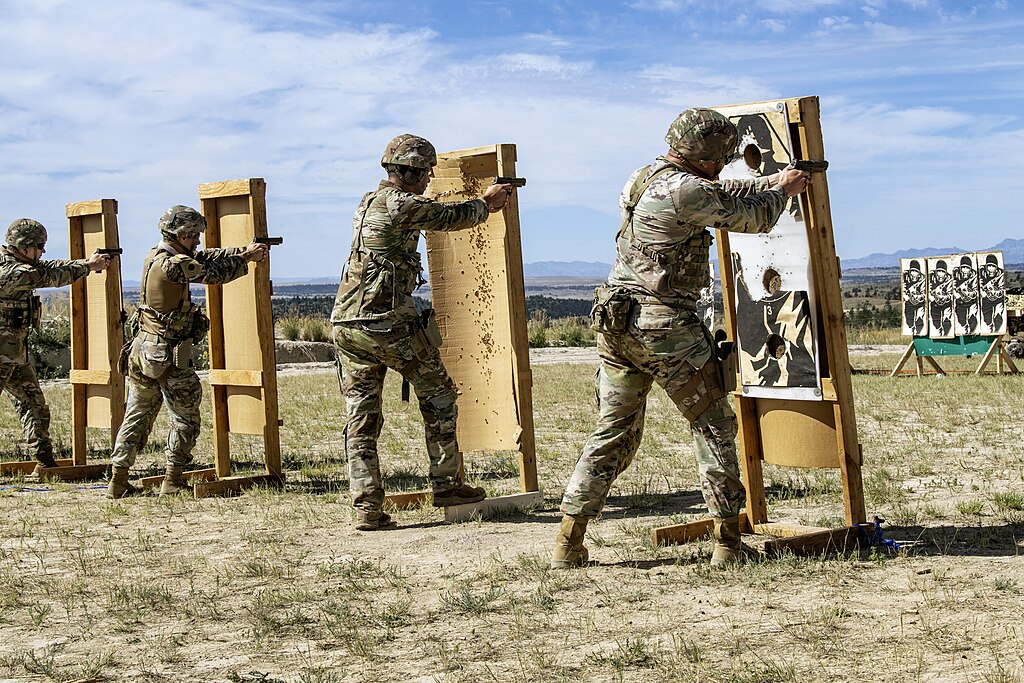
Standing at a familiar distance and trying to make one perfect group feels focused and disciplined. While accuracy matters, staying locked at the same range hides weaknesses. You may be compensating subconsciously with timing or sight picture tricks that only work there. This creates the illusion of mastery while limiting adaptability. Real-world shooting skills depend on handling different distances, target sizes, and angles. When practice never changes, learning stalls. Shooters often mistake comfort for competence. Progress requires stepping back, moving closer, changing target scales, and accepting temporary drops in performance. Those changes reveal flaws that tight groups at one distance conveniently keep hidden.
3. Repeating Drills Without Reviewing Results
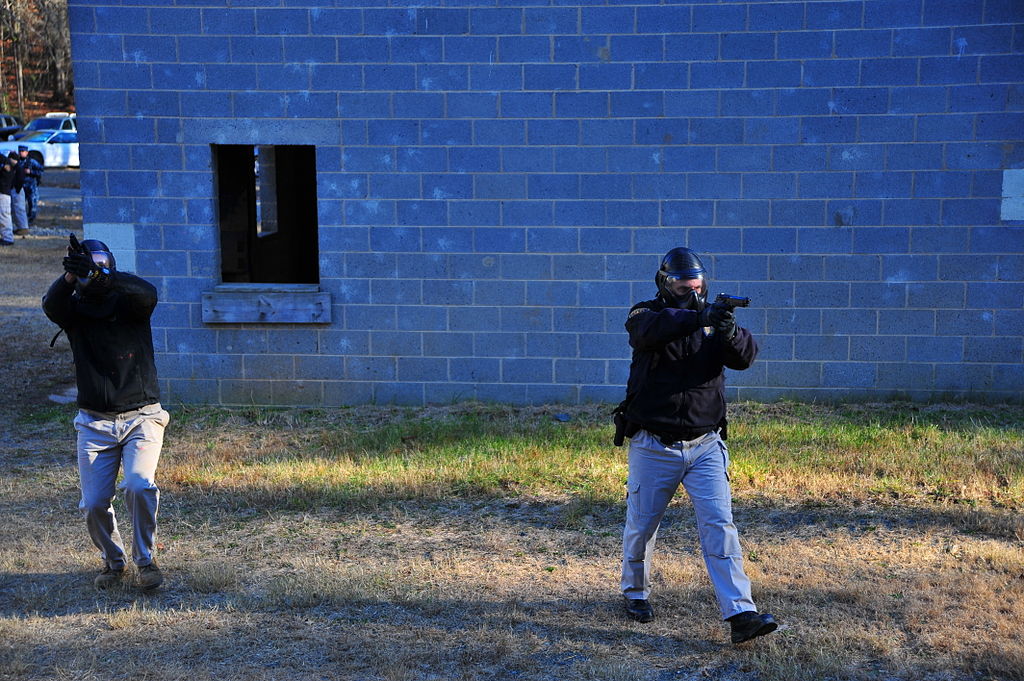
Running the same drill again and again feels structured and responsible. Drills do have value, but only when results are reviewed honestly. Many shooters complete a drill, reset the target, and immediately start again without analyzing hits, timing, or decision-making. This turns drills into routines rather than learning tools. Without feedback, mistakes repeat unnoticed. Shooters may feel productive because the drill has a name and a format, but improvement stalls. The missing step is reflection. Looking at shot placement, tracking times, and asking why errors happened turns a drill into real training instead of a familiar exercise that only feels useful.
4. Focusing Only on Speed Instead of Control
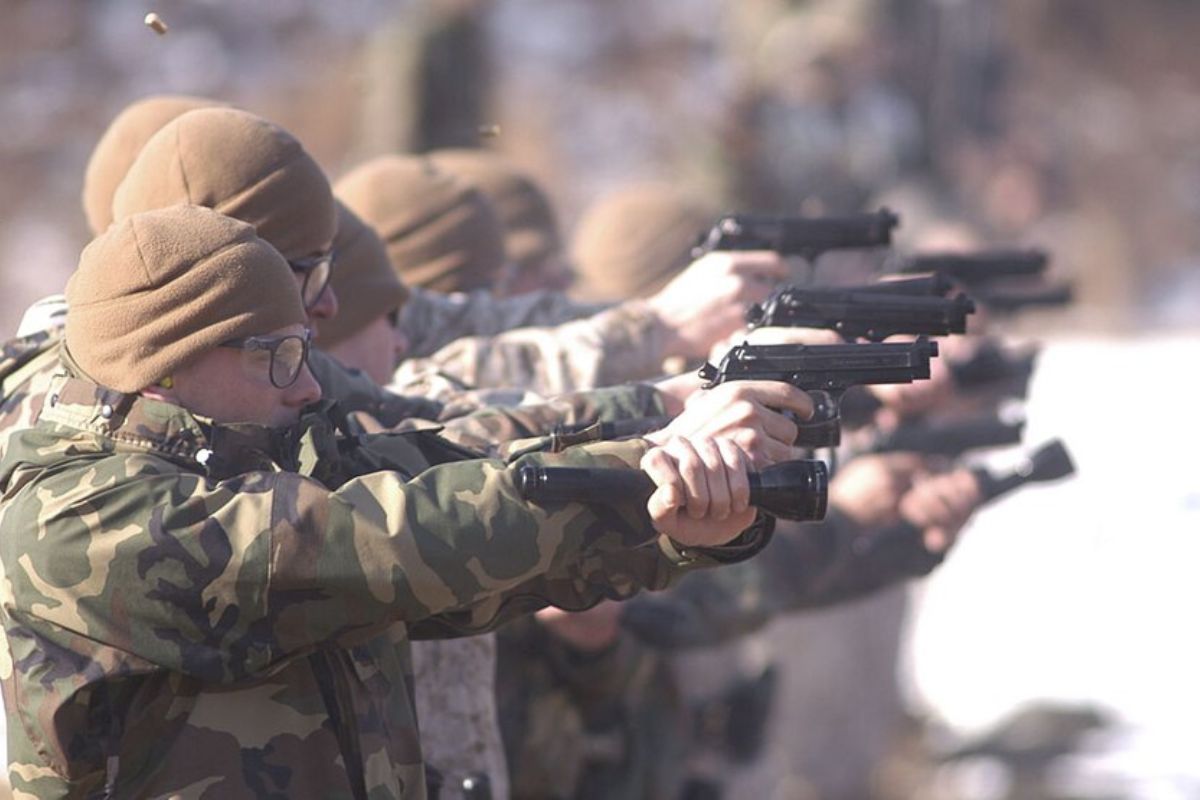
Pushing speed is exciting and makes practice feel intense and competitive. Timers, fast splits, and rapid strings can create a rush that feels like progress. However, speed without control usually masks a fundamental breakdown. Shots may still hit paper, but accuracy, grip consistency, and sight discipline often suffer. Shooters convince themselves they are getting better because numbers on a timer improve, while actual shot quality degrades. This habit rewards rushing instead of efficiency. True improvement balances speed with precision and consistency. Slowing down enough to maintain control, then gradually increasing pace, builds durable skill rather than temporary confidence driven by adrenaline.
5. Avoiding Weak Skills and Hard Drills
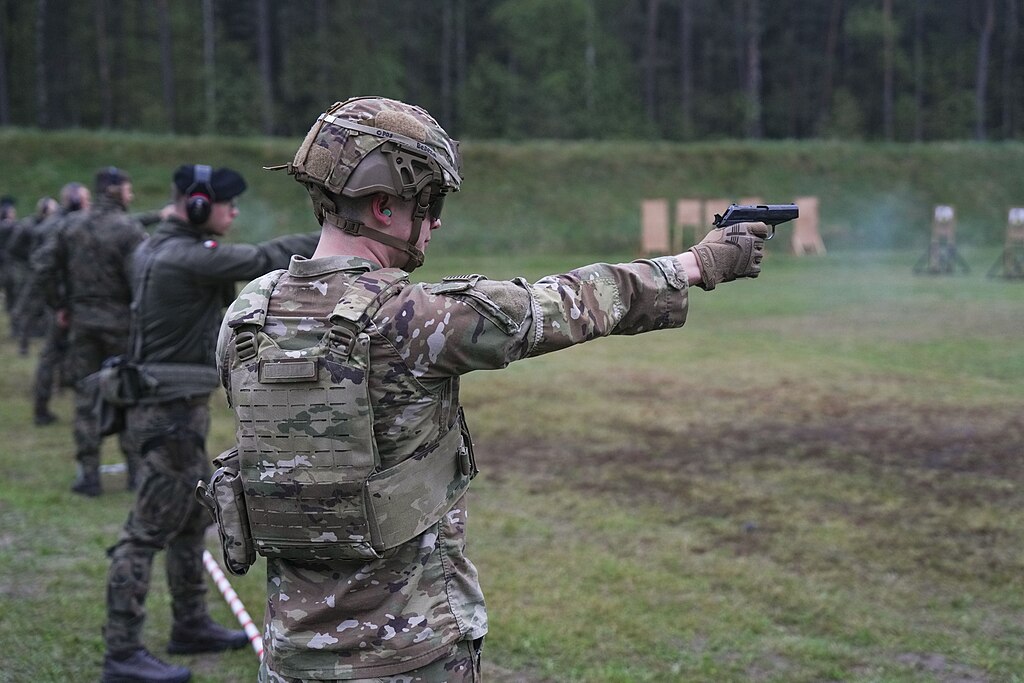
It feels productive to practice what you already do well. Success builds confidence and keeps sessions enjoyable. Unfortunately, avoiding weak areas is one of the biggest progress killers. Shooters often skip support-hand shooting, movement, awkward positions, or longer distances because performance drops. The session still feels productive because hits are clean, and confidence stays high. But growth happens where discomfort lives. Ignoring weak skills preserves them. Effective practice includes targeted time on the hardest tasks, even when results look worse on paper. Feeling less confident during training often means you are finally working on something that truly needs improvement.
6. Constantly Changing Gear Instead of Technique
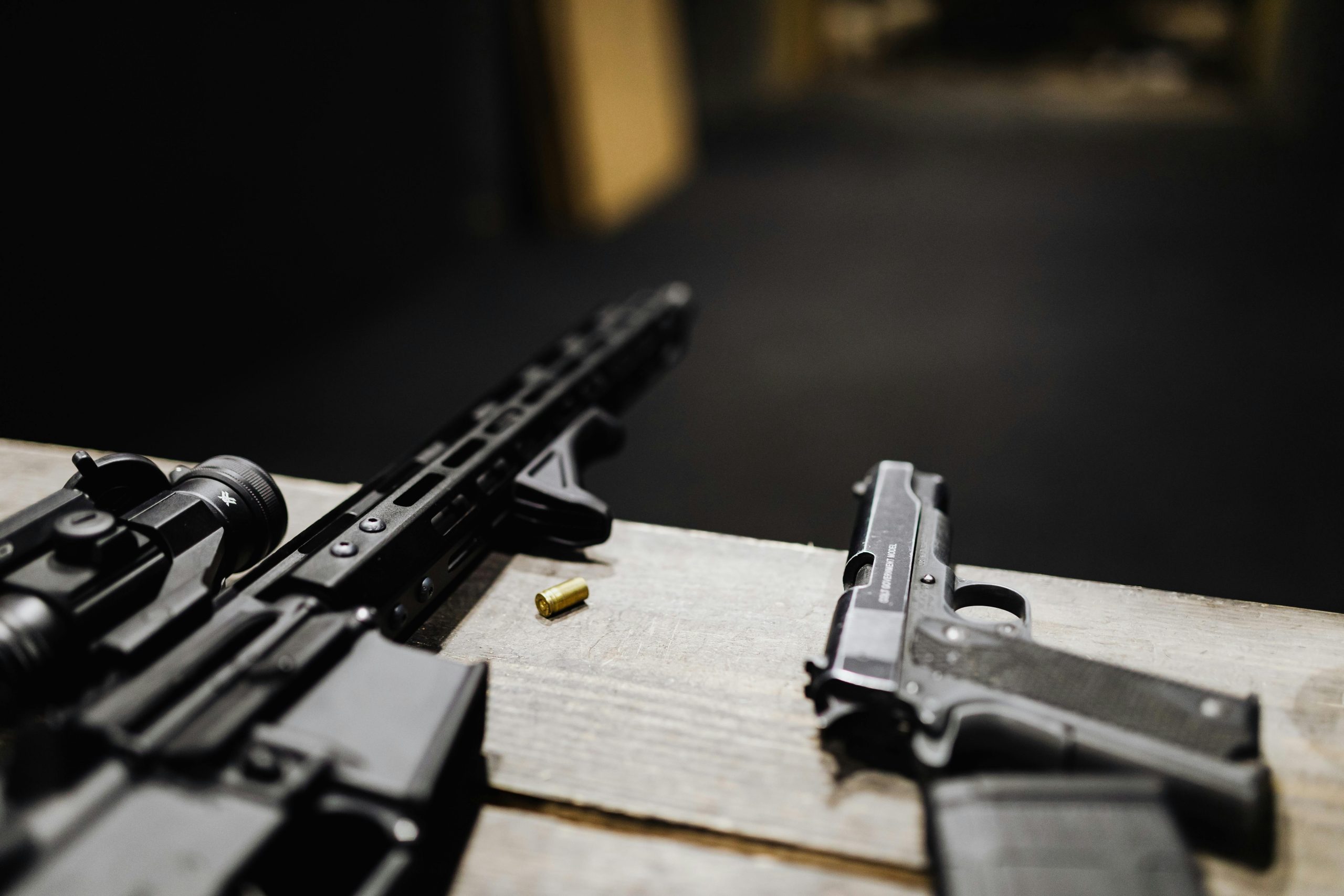
Buying new gear and adjusting equipment feels proactive and solution-oriented. A new optic, grip, or trigger can create excitement and a sense of progress before any real practice happens. While equipment matters, frequent changes distract from skill development. Shooters may blame misses on gear rather than technique, delaying real fixes. Each change also resets familiarity, forcing the shooter to relearn feel and setup. This habit feels productive because it involves research and spending, but it rarely addresses fundamentals. Consistent practice with stable equipment reveals true skill gaps. Technique improves performance far more reliably than constant upgrades.
7. Practicing Only Perfect Conditions
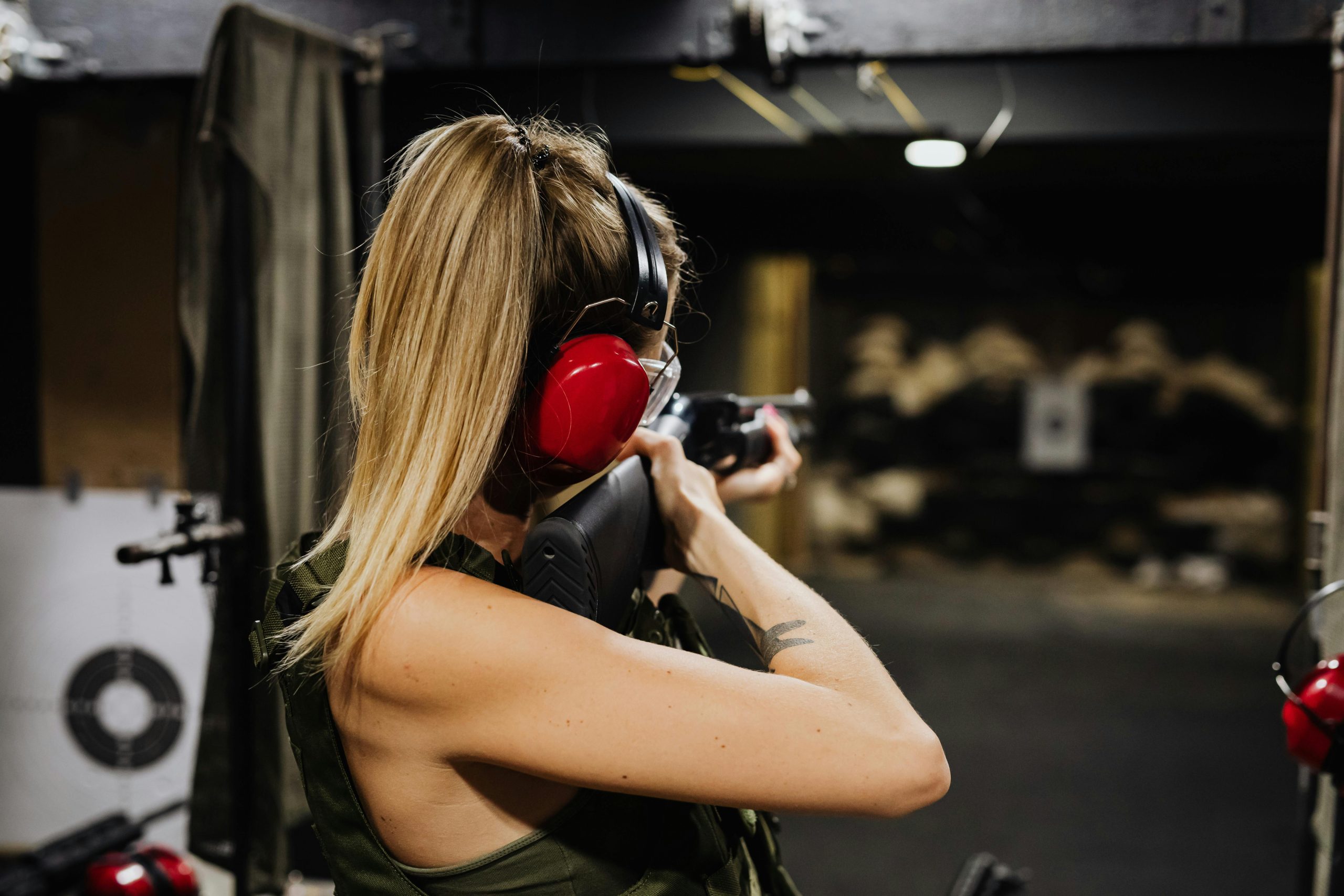
Shooting in ideal lighting, calm weather, and relaxed conditions feels efficient and enjoyable. Clean targets, plenty of time, and no pressure create a smooth practice flow. The problem is that real performance rarely happens in perfect conditions. By avoiding stress, time limits, or environmental challenges, shooters build skills that only work in comfort. This habit feels productive because results look good, but resilience stays weak. Introducing mild pressure, awkward lighting, or limited time exposes how skills hold up under stress. Training that includes imperfect conditions prepares shooters for reality, not just the range environment where everything feels controlled.
8. Ignoring Mental and Decision-Making Skills
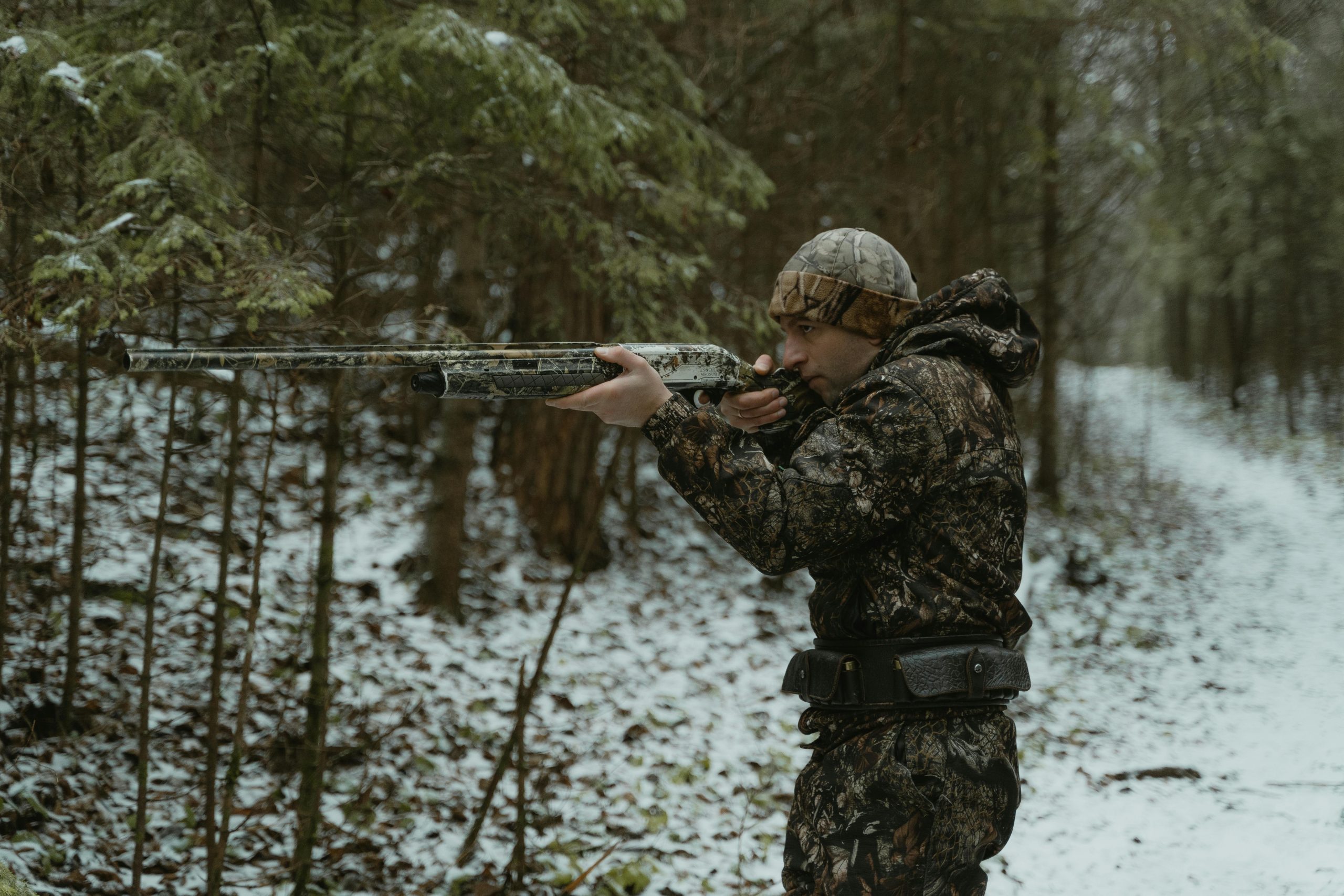
Many shooters focus entirely on mechanics like grip, sights, and trigger press. Working on physical skills feels concrete and measurable. Mental skills, such as focus, patience, and decision-making, are often ignored because they are harder to see. Shooters may feel productive after perfecting a stance while still struggling with rushed shots or poor choices. Without mental discipline, physical skill breaks down under pressure. Training that never addresses mindset creates an incomplete shooter. Pausing to plan shots, managing breathing, and practicing deliberate decisions add depth to practice. Ignoring the mental side limits progress even when mechanics improve.
9. Measuring Progress by Feel Instead of Data
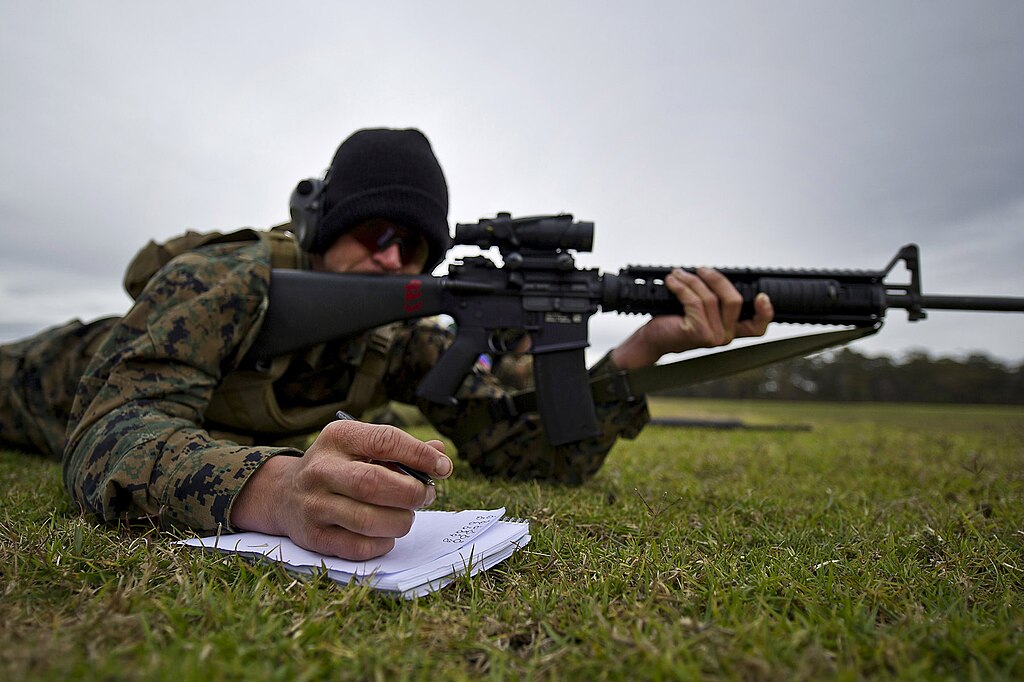
Walking off the range feeling good can be misleading. Many shooters judge progress by confidence or enjoyment rather than measurable results. A session may feel productive simply because it was smooth or fun. Without tracking groups, hit rates, or times, improvement is guessed rather than proven. Feelings fluctuate daily, while data reveals trends. Shooters who rely on feel often miss slow declines or plateaus. Recording results may seem tedious and less exciting, but it exposes what actually works. Real improvement comes from comparing sessions over time, spotting patterns, and adjusting practice based on evidence instead of emotion.