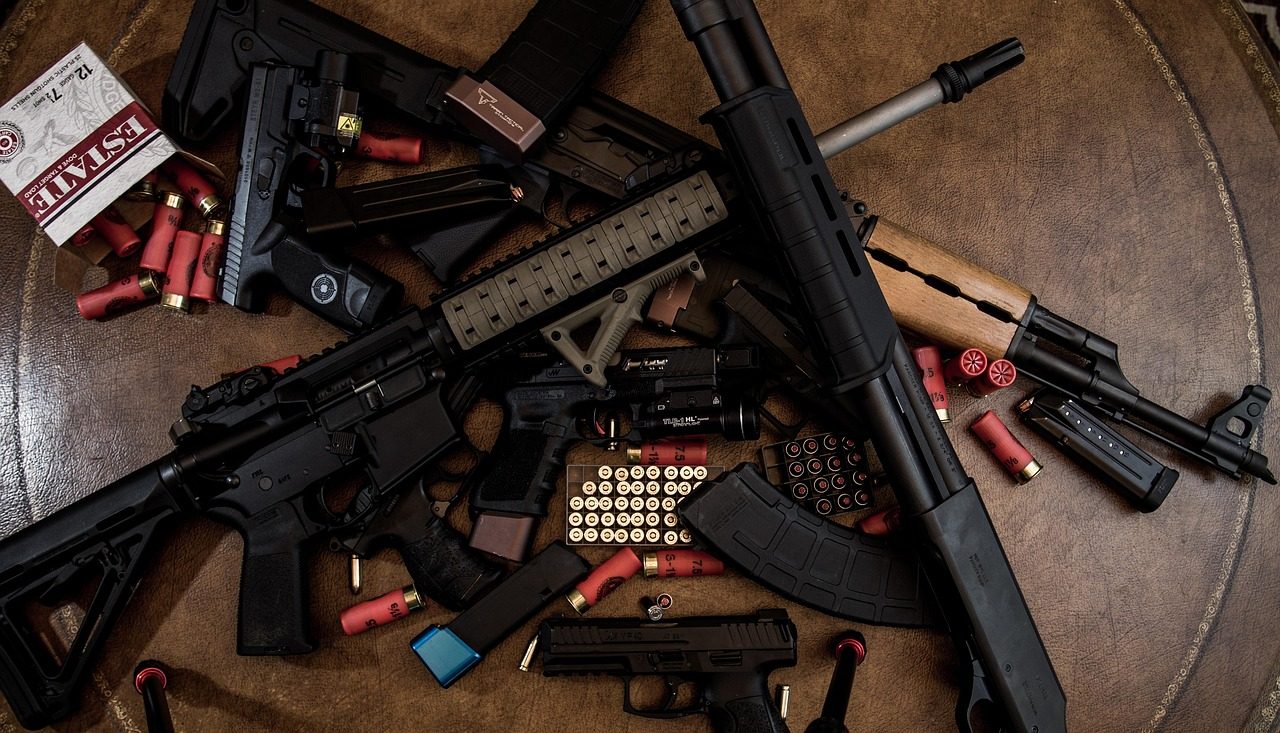
Some firearms defy expectations by pairing low acoustic signatures with surprisingly decisive performance. Often developed for specialized military, intelligence, or security roles, these guns prioritize discretion without sacrificing effectiveness. Their quiet nature comes from thoughtful engineering rather than gimmicks, while their impact comes from caliber choice, mechanical efficiency, or intended use. These weapons are rarely common, widely issued, or casually encountered. Instead, they represent focused solutions to specific problems where silence mattered as much as results. The following nine firearms are known not for volume, but for their unexpectedly forceful impact despite restrained sound profiles.
1. De Lisle Commando Carbine
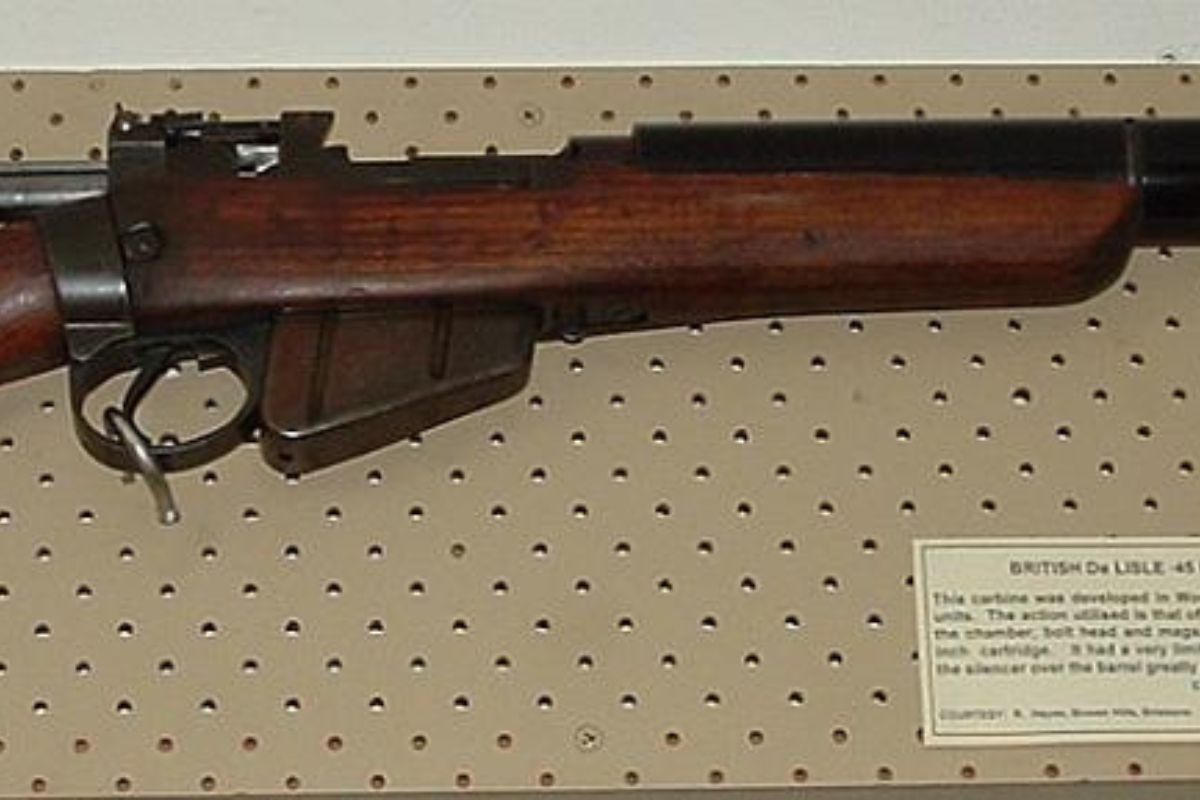
The British De Lisle Commando Carbine is often cited as one of the quietest firearms ever fielded, yet its effectiveness was anything but subtle. Developed during World War II, it was chambered in .45 ACP, a cartridge chosen specifically for subsonic performance. The bolt-action design and massive integral suppressor dramatically reduced report, while the heavy projectile delivered strong close-range stopping power. Issued in very small numbers to special operations units, it excelled in sentry removal and covert missions. Its slow rate of fire was offset by precision and terminal effectiveness. The De Lisle’s reputation stems from how effortlessly it blended near-silence with real battlefield authority, making it legendary despite limited production.
2. Welrod Suppressed Pistol
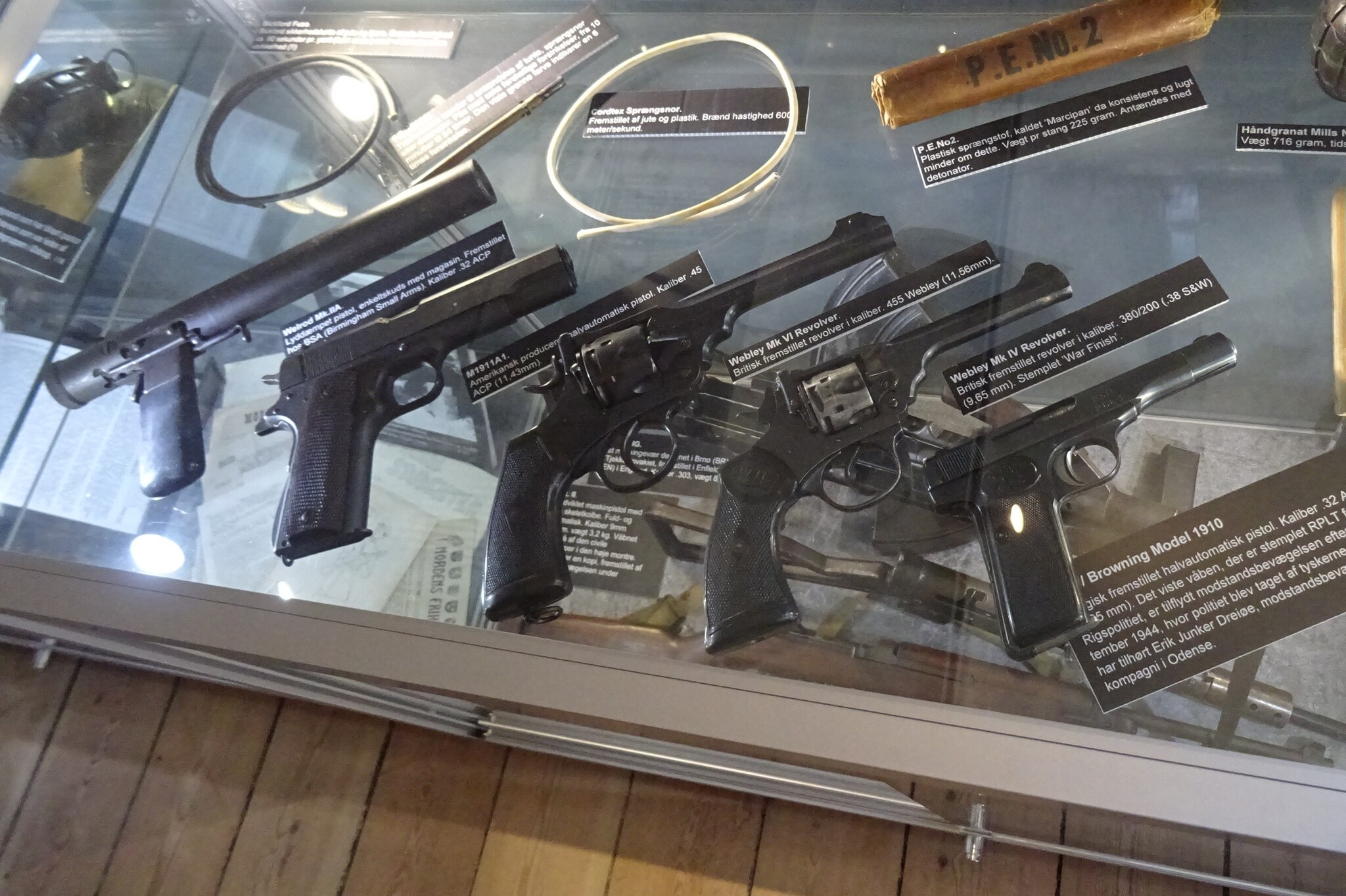
The Welrod was designed with a single purpose: silent lethality. This manually operated pistol eliminated most mechanical noise by requiring the user to cycle the bolt by hand. Chambered primarily in 9×19mm or .32 ACP, it used an integral suppressor and wipe system to minimize sound. What made the Welrod remarkable was not speed or capacity, but consistency and discretion. It was used by Allied intelligence services for clandestine operations where detection was unacceptable. Despite its plain appearance, the Welrod delivered dependable close-range effectiveness. Its quiet report contrasted sharply with its intended consequences, earning it a lasting reputation among historians as a minimalist yet formidable tool.
3. High Standard HDM
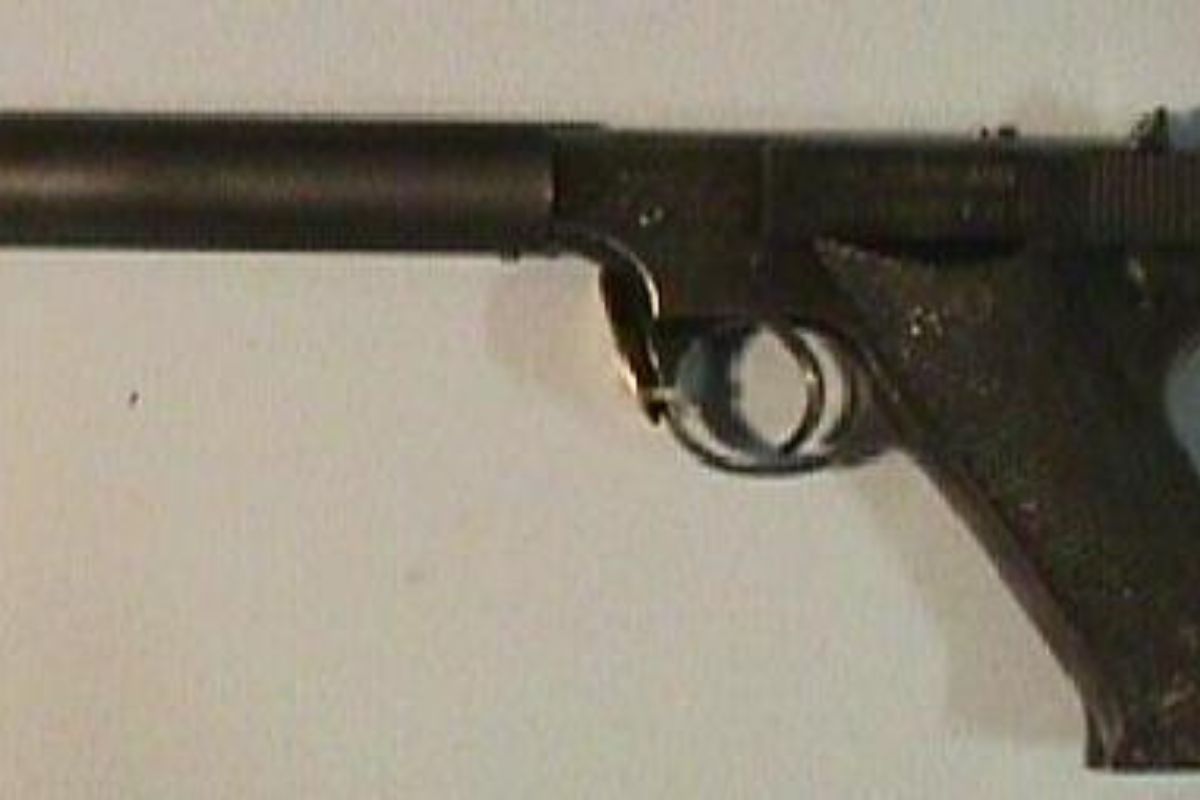
The High Standard HDM suppressed pistol served U.S. intelligence and special units during World War II and beyond. Chambered in .22 LR, it relied on careful ammunition selection and an integral suppressor to achieve extremely low sound levels. While the caliber appears modest, accuracy and precision were the true strengths of the HDM. It was intended for deliberate, controlled use rather than rapid engagement. Its effectiveness came from reliability and shot placement rather than raw energy. The HDM proved that quiet firearms did not need large calibers to be mission-effective. Its understated design masked a serious purpose, reinforcing the idea that discretion and impact can coexist.
4. MP5SD
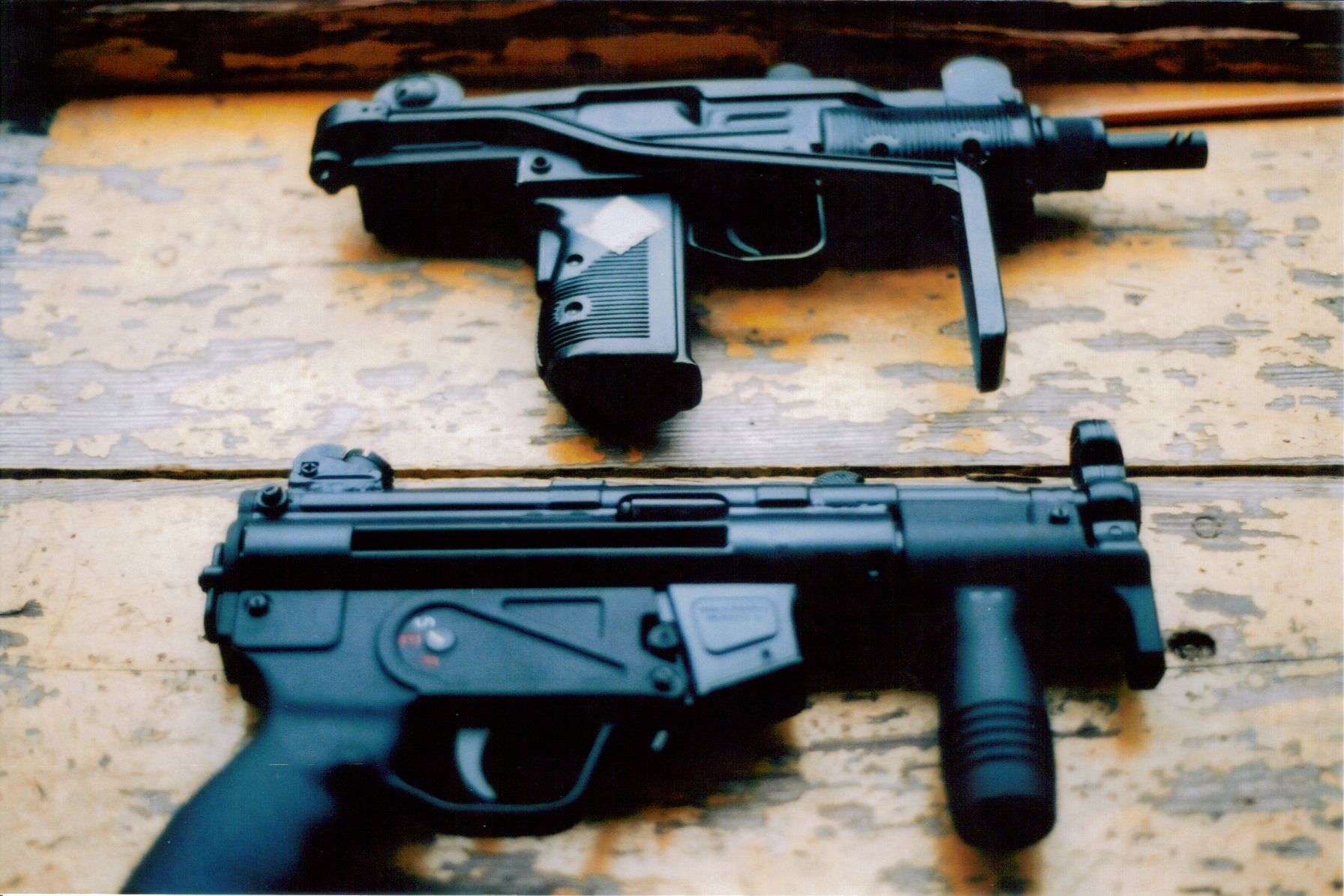
The MP5SD variant of the famous MP5 submachine gun integrates a suppressor into the barrel itself, allowing standard 9×19mm ammunition to be fired at subsonic velocities. This design eliminates the sonic crack without requiring specialized ammunition. The result is a smooth, muted firing signature paired with the MP5’s renowned controllability. Used by military and law enforcement units worldwide, the MP5SD balances quiet operation with rapid follow-up capability. Its effectiveness lies in accurate automatic or semi-automatic fire delivered with minimal auditory footprint. The contrast between its subdued sound and operational capability explains why it remains respected decades after its introduction.
5. VSS Vintorez
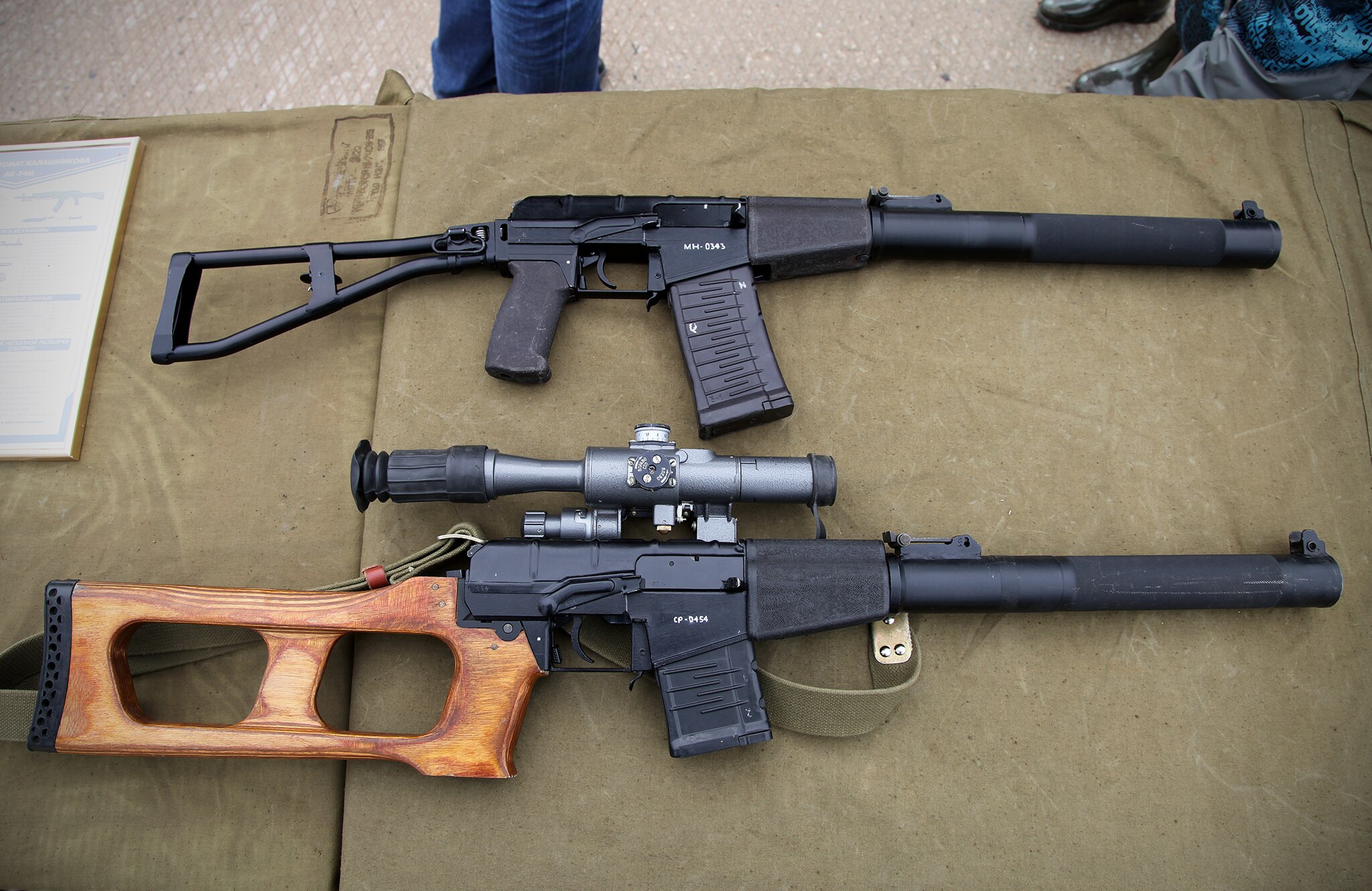
The Russian VSS Vintorez was engineered as a purpose-built suppressed marksman rifle. Chambered in 9×39mm, it fires a heavy, slow projectile designed for subsonic performance with strong terminal effect. The integral suppressor and closed gas system significantly reduce sound and muzzle flash. Despite its quiet report, the VSS is capable of penetrating body armor and intermediate barriers at practical ranges. Its design reflects a philosophy where silence does not imply weakness. Issued in limited numbers to specialized units, the VSS gained a reputation for delivering decisive results without drawing attention, reinforcing its feared status despite restrained acoustics.
6. AS Val
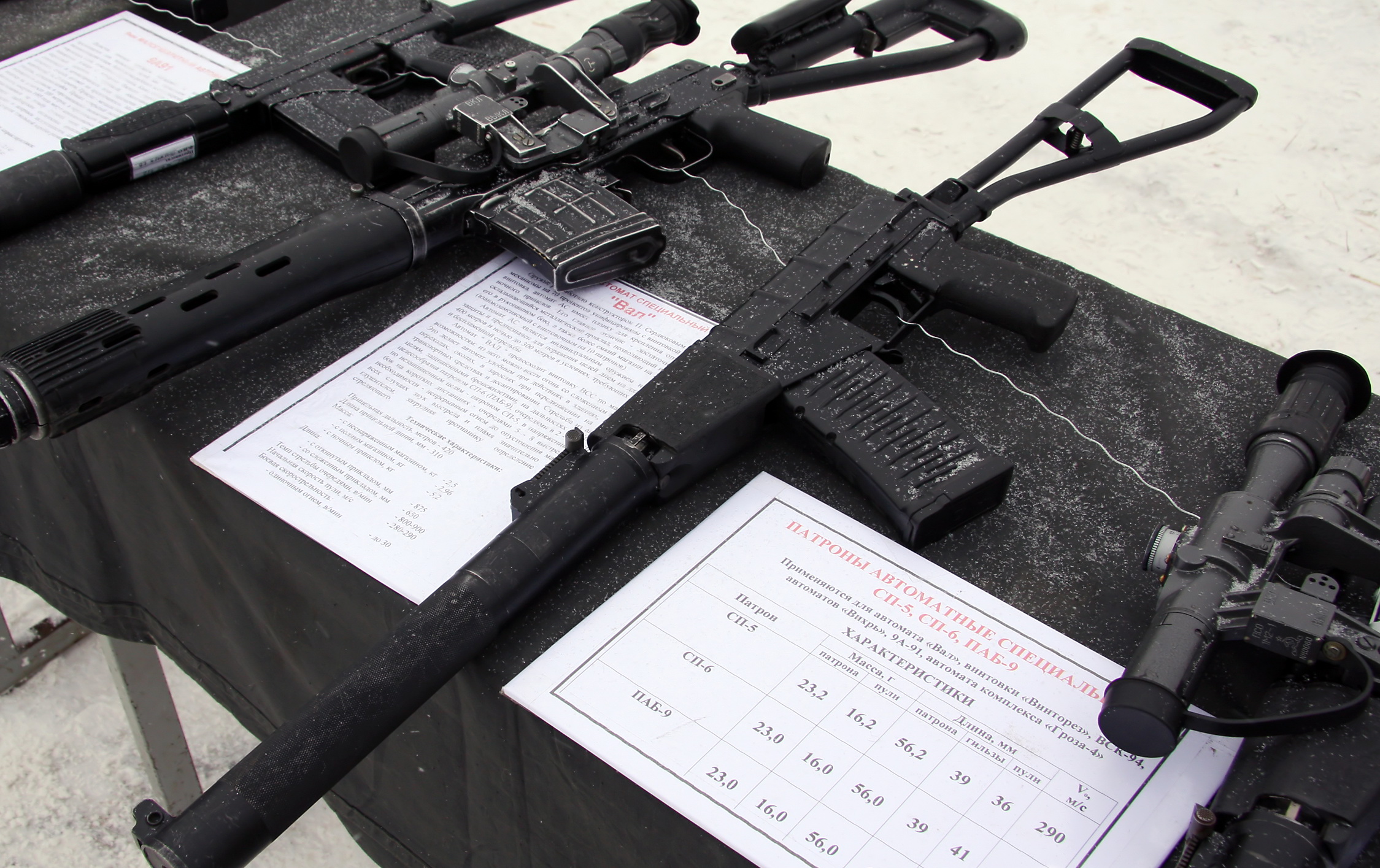
Closely related to the VSS, the AS Val emphasizes automatic fire in a compact suppressed platform. Using the same 9×39mm cartridge, it combines low sound output with notable stopping capability. The integral suppressor is central to the weapon’s identity, allowing effective use in urban or wooded environments. While compact and relatively quiet, the AS Val delivers rapid, controlled fire with authority. Its reputation stems from how little warning it provides before impact. The balance between discretion and force made it attractive for specialized roles, where detection could compromise an entire operation. The AS Val embodies a quiet presence paired with an undeniable effect.
7. Nagant M1895 Suppressed
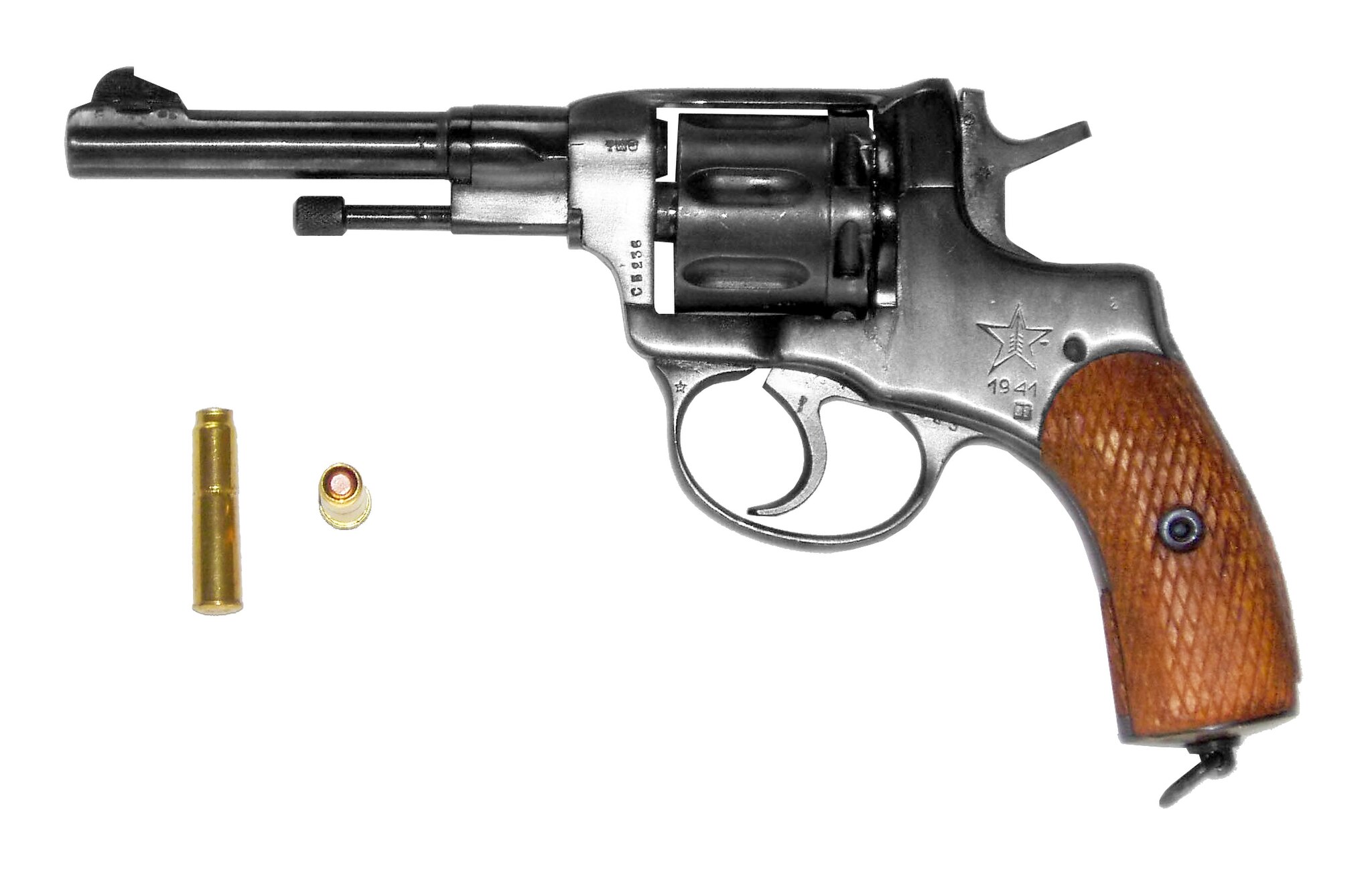
The Nagant M1895 revolver possesses a unique gas-seal system that allows it to be effectively suppressed, an unusual trait for a revolver. When fired, the cylinder moves forward, sealing the gap between the cylinder and the barrel. Paired with a suppressor, this design significantly reduces noise. Chambered in 7.62×38mmR, its performance is modest by modern standards, but historically it proved effective at close range. Its quiet operation contrasted sharply with expectations of revolvers. This mechanical curiosity earned renewed interest during intelligence use, demonstrating that unconventional engineering could produce unexpectedly discreet results.
8. Brügger & Thomet VP9
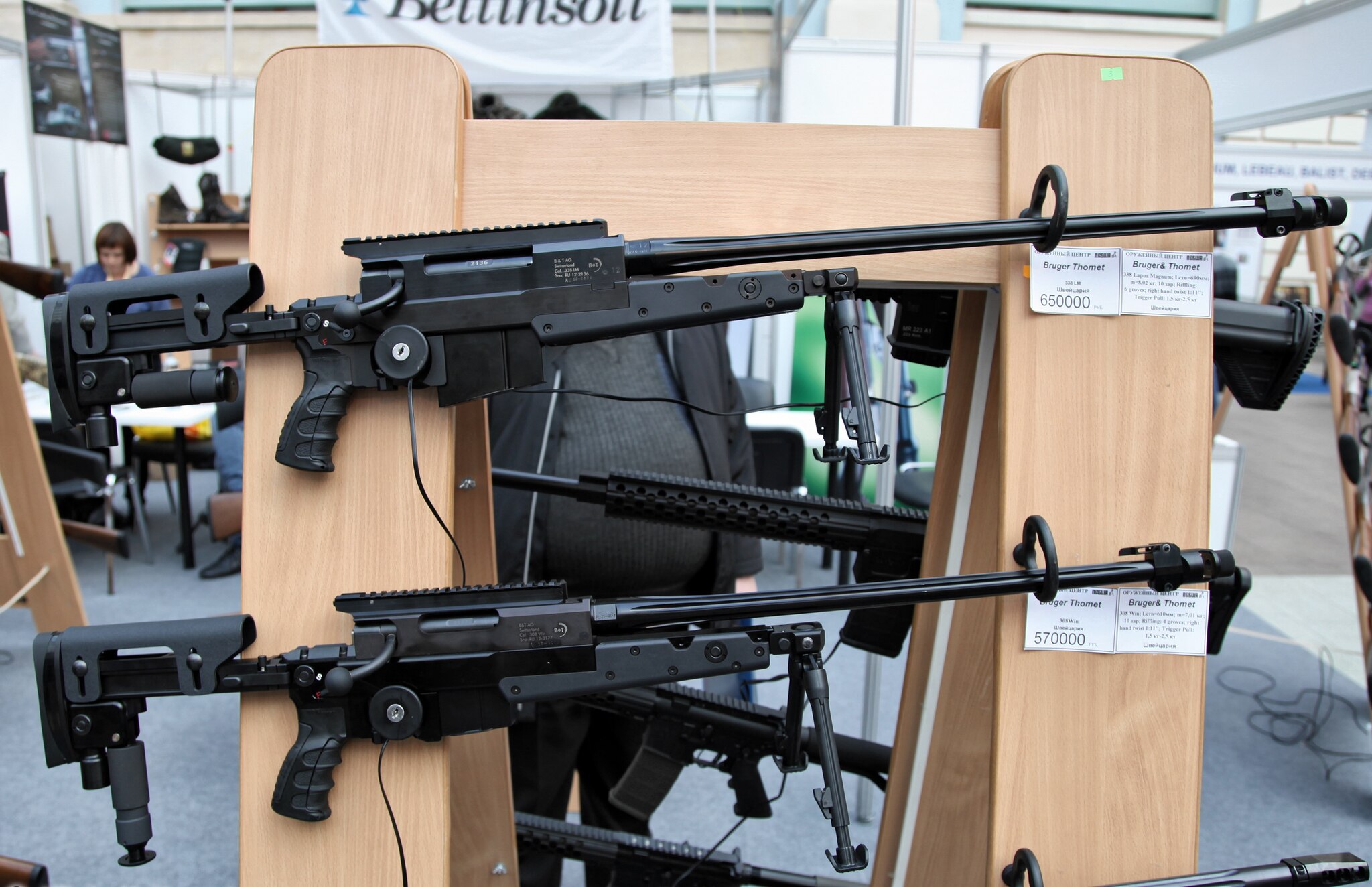
The VP9, sometimes called a modern successor to the Welrod, was developed during the late Cold War era for discreet operations. It is manually operated, eliminating most mechanical noise, and features an integral suppressor. Chambered in 9×19mm, it focuses on reliability and precision rather than rate of fire. Its appearance is deliberately plain, almost industrial, masking its purpose. The VP9’s effectiveness comes from its predictability and control in close-range use. Though rarely encountered, it exemplifies the philosophy that quiet firearms can still deliver serious outcomes without dramatic design flourishes.
9. Ruger MK Series Suppressed Variants
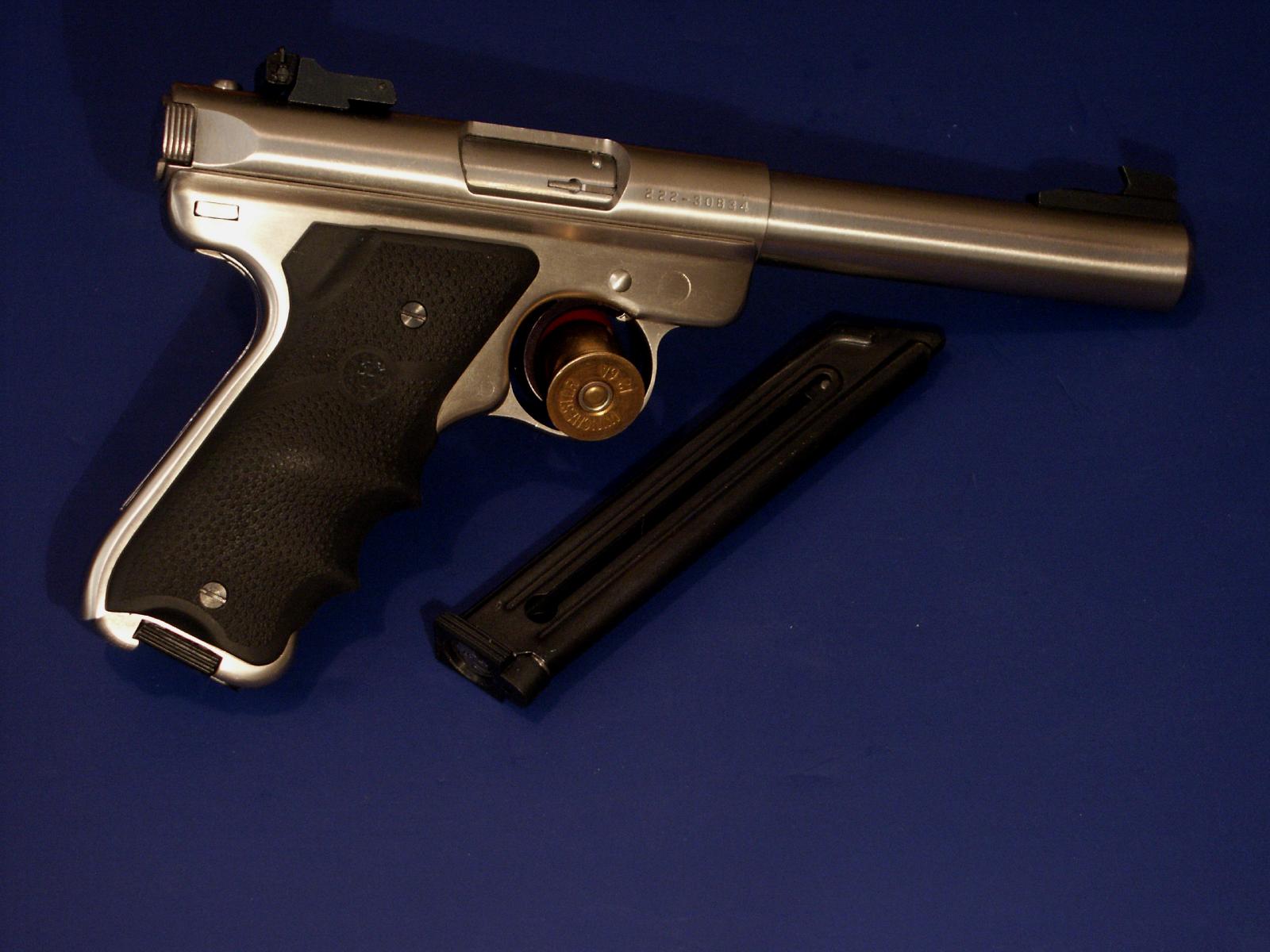
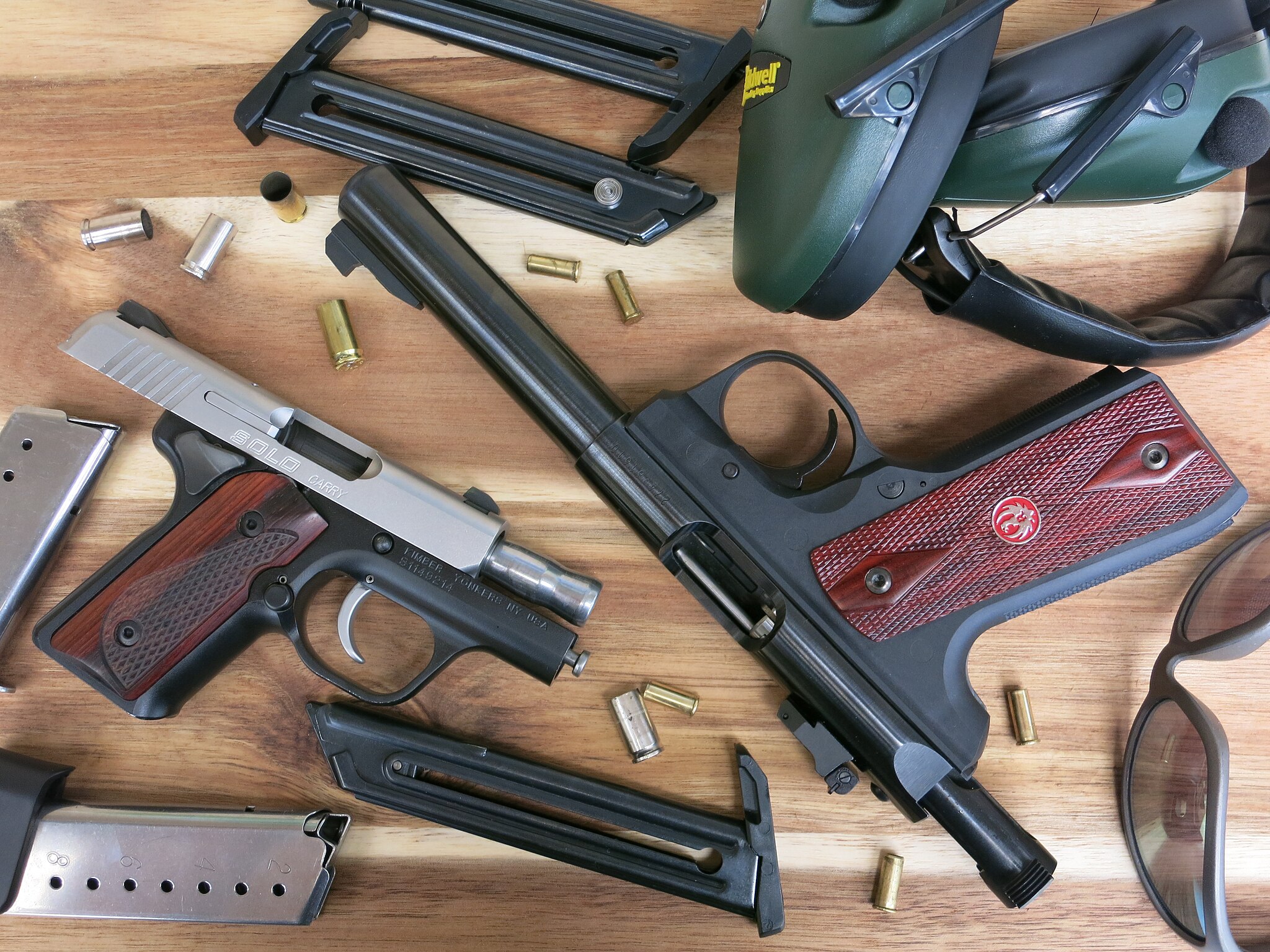
While primarily civilian sporting pistols, suppressed Ruger MK series handguns have demonstrated how modest calibers can deliver surprising effectiveness when paired with accuracy. Chambered in .22 LR, they produce extremely low sound signatures when suppressed. Their strength lies in consistency, precision, and ease of control. Though not designed as military weapons, their performance in controlled roles has been widely noted. The contrast between quiet report and practical effectiveness makes them a frequent reference point in discussions of discreet firearms. They illustrate how design simplicity and accuracy can create impact beyond expectations.