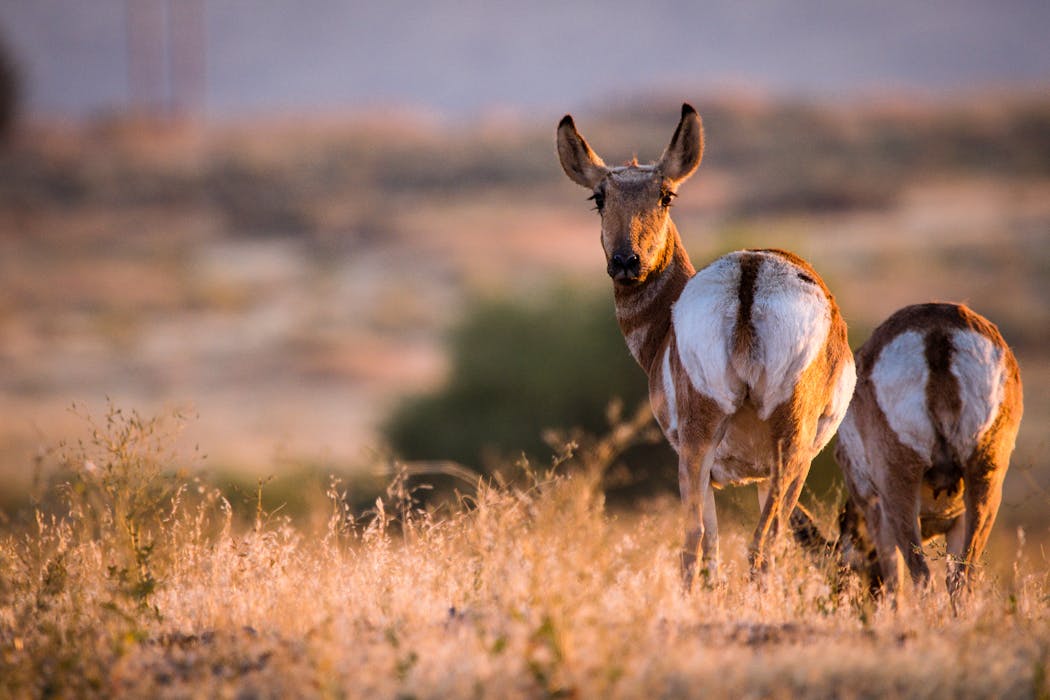
Pronghorn rely on open visibility, distance, and caution to survive, making them especially sensitive to nearby human activity. Camps introduce sound, scent, movement, and visual disruption that alter antelope behavior in subtle ways. Assumptions that hold true far from human presence often collapse once camps appear nearby. Even low profile camps influence travel routes and feeding patterns. Hunters who overlook these effects misread sign and movement. Understanding how camps reshape pronghorn behavior helps correct flawed expectations. These nine common pronghorn hunting assumptions regularly fail near camps, revealing how proximity quietly changes animal responses, pressure dynamics, and realistic hunting outcomes.
Pronghorn Will Ignore Camps At Distance
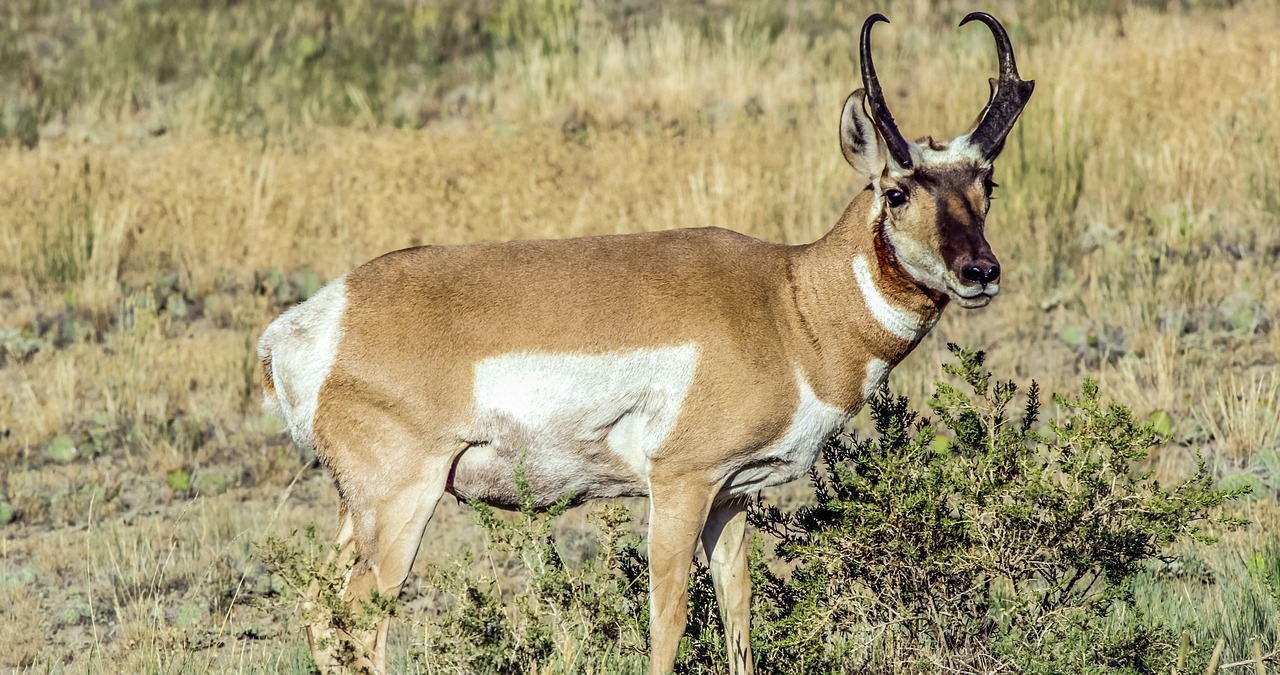
Pronghorn rarely ignore camps, even at considerable distance. Their eyesight detects movement far beyond what hunters expect. Camps introduce repeated visual cues, including vehicles, tents, and human motion. Pronghorn interpret consistent presence as risk. They adjust feeding locations and travel timing accordingly. Wind carries scent farther across open plains. Even quiet camps create long range disturbance. Assuming distance equals invisibility fails in open terrain. Pronghorn respond early by shifting patterns. Camps positioned seemingly far away still influence behavior, reducing daytime movement and pushing animals into less predictable areas beyond effective stalking range during active hunting periods.
Camps Do Not Affect Water Use
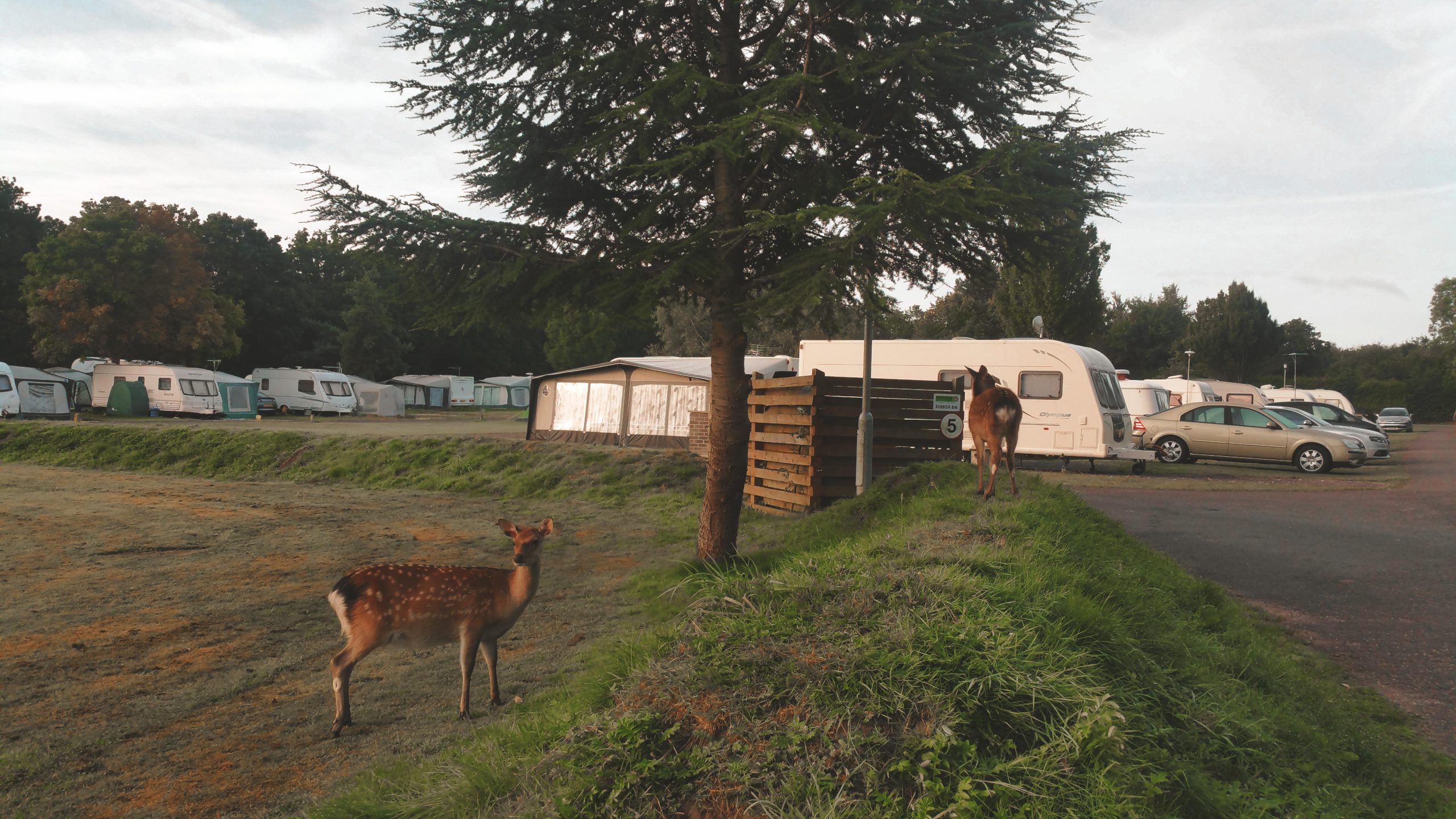
Camps significantly affect pronghorn water use. Pronghorn rely on predictable watering patterns. Camps near stock tanks, reservoirs, or natural sources introduce scent and noise. Pronghorn approach cautiously or delay visits. Watering often shifts to nighttime hours. Hunters expecting daylight patterns misjudge timing. Even minimal activity changes confidence. Assuming water remains unaffected ignores sensitivity. Pronghorn choose alternative sources or reduce visits temporarily. This alters movement corridors. Camps near water quietly disrupt one of the most reliable hunting predictors, leading to empty glassing sessions and reduced opportunity when animals avoid exposed hydration sites near human presence.
Pronghorn Will Continue Normal Travel Routes
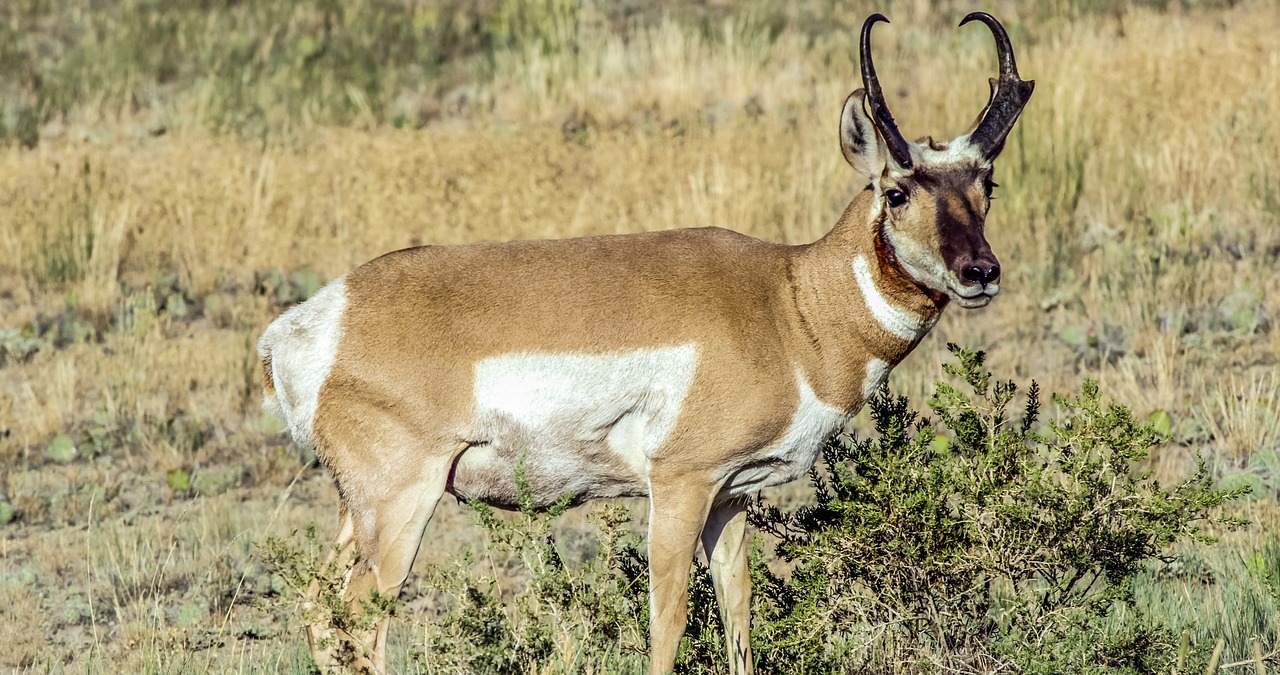
Pronghorn do not maintain normal travel routes near camps. Established paths become avoided zones. Camps intersecting fence gaps, ridgelines, or flats interrupt movement. Pronghorn detour widely around disturbance. Open terrain amplifies visibility. Animals remember obstacles quickly. Assuming routes remain consistent leads hunters to empty ambush points. Camps create behavioral barriers. Pronghorn choose longer, safer detours. These changes persist beyond camp removal. Expecting unchanged movement ignores adaptability. Near camps, travel routes fragment, reducing predictability and forcing hunters to reassess maps, glassing points, and stalk planning with greater attention to altered animal behavior.
Noise Does Not Carry Far On Open Ground

Noise carries extremely far on open ground. Camps generate subtle but constant sound. Vehicle doors, voices, gear movement, and wind noise combine. Pronghorn hear disturbances well beyond perceived range. Sound travels unobstructed across plains. Assuming noise dissipates quickly fails. Repeated sounds condition avoidance. Even infrequent noise disrupts calm. Pronghorn respond by increasing distance buffers. Camps unintentionally broadcast presence across hunting units. Noise sensitivity leads animals to avoid otherwise ideal terrain. Hunters misinterpret absence as low population rather than displacement caused by ongoing camp noise carried efficiently across open landscapes during otherwise quiet periods.
Pronghorn Will Stay Visible Near Camps
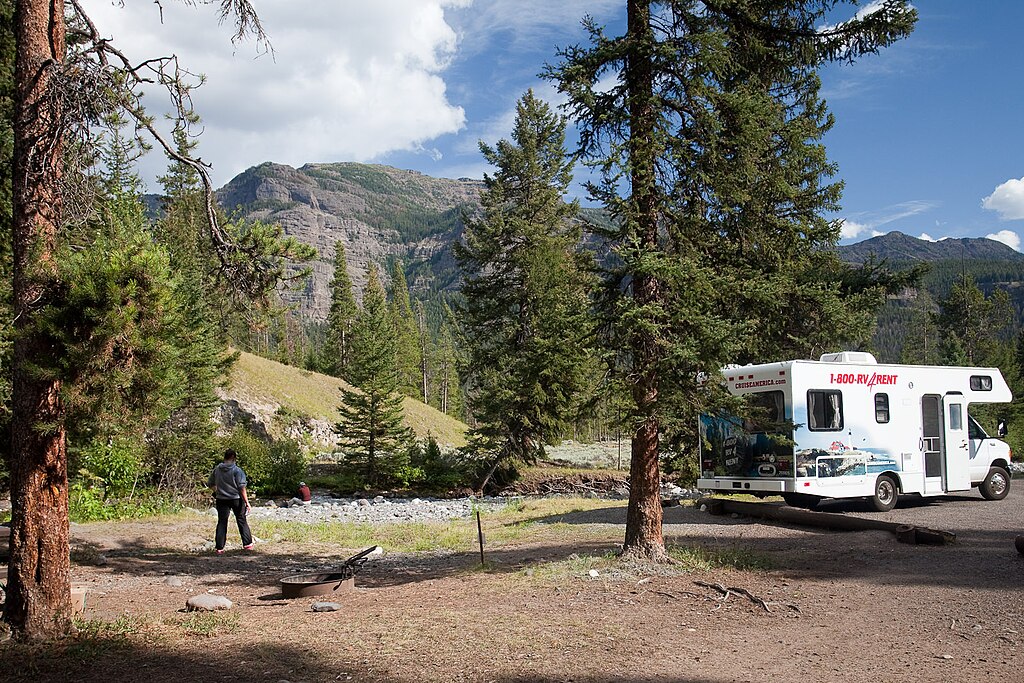
Pronghorn reduce visibility near camps. While pronghorn favor open areas, they avoid prolonged exposure near disturbance. Camps alter risk perception. Animals bed farther out or behind subtle terrain features. Visibility decreases, not increases. Hunters expecting easy spotting near camp areas misread behavior. Pronghorn may remain present but lower profiles. They use distance and slight cover rather than disappearance. Assuming visibility persists leads to overlooking animals positioned beyond normal glassing ranges. Camps compress effective observation zones, pushing pronghorn into areas where spotting requires adjusted optics, patience, and repositioning away from human activity.
Wind Direction Is Less Important Near Camps

Wind direction becomes more important near camps, not less. Pronghorn rely heavily on scent detection. Camps create sustained scent sources. Wind carries odor across flats. Shifting winds repeatedly expose animals. Pronghorn adjust positions to remain upwind. Hunters ignoring wind near camp misjudge animal placement. Assuming pronghorn tolerate scent fails quickly. Camps amplify human odor presence. Animals respond by altering feeding and bedding orientation. Wind patterns dictate safe zones. Near camps, scent management becomes critical, and ignoring airflow leads to repeated failed stalks as pronghorn detect danger long before visual contact occurs.
Pronghorn Will Return Quickly After Disturbance
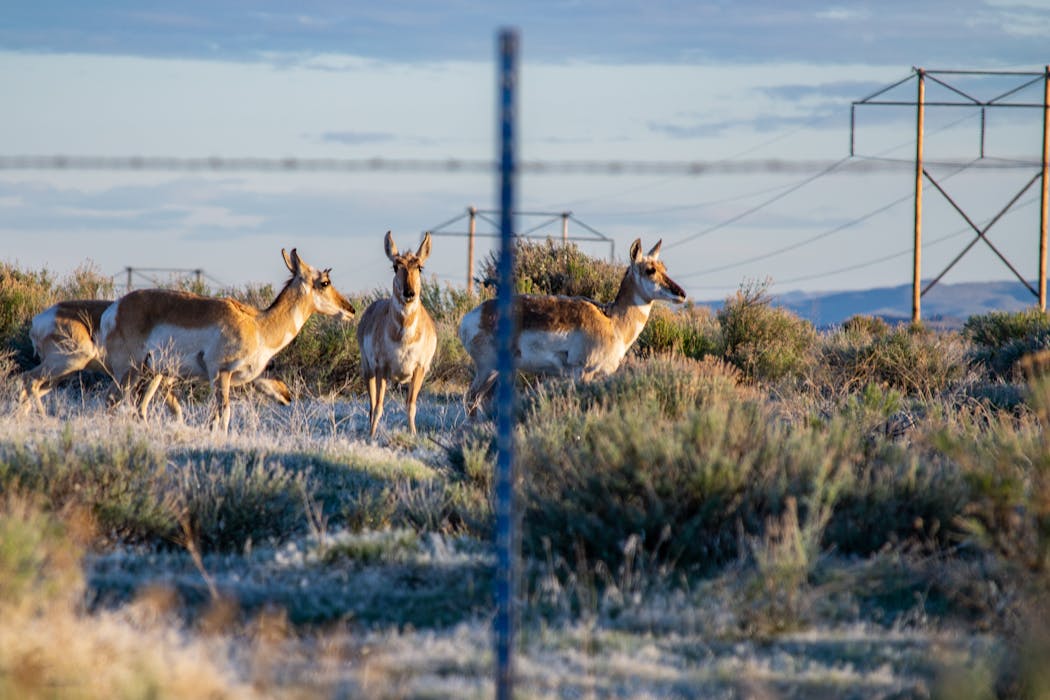
Pronghorn do not always return quickly after disturbance near camps. Repeated exposure teaches avoidance. Camps represent persistent threat rather than temporary intrusion. Even after quiet periods, pronghorn remain cautious. They may relocate miles away. Assuming rapid return creates false optimism. Pronghorn assess risk cumulatively. Camps extend perceived danger duration. Hunters waiting for rebound often waste valuable time. Behavior changes linger beyond disturbance. Near camps, recovery periods lengthen. Expecting immediate normalization ignores learning behavior. Pronghorn prioritize safety over habit, leading to prolonged absence from areas repeatedly influenced by human presence and associated sensory cues.
Camping Location Does Not Affect Stalks
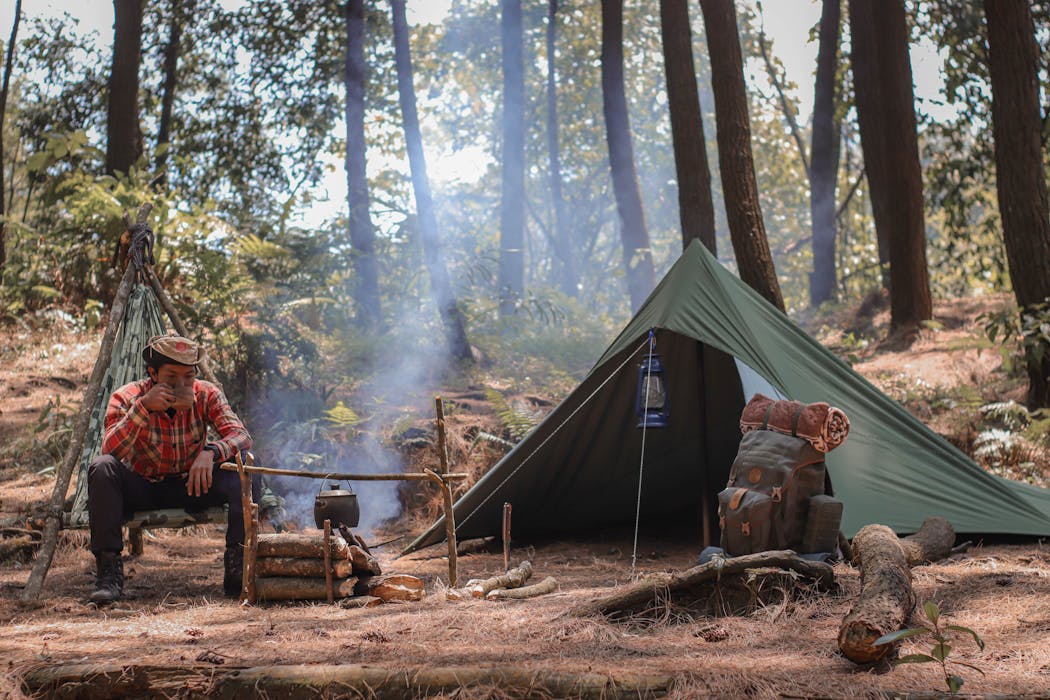
Camping location strongly affects stalking success. Camps influence wind flow, animal alertness, and approach angles. Pronghorn near camps anticipate movement. They watch more intently. Stalks originating near camp encounter heightened vigilance. Camps eliminate surprise. Animals expect approach vectors. Assuming camps remain neutral starting points undermines strategy. Successful stalks require unpredictability. Camps anchor human activity spatially. Pronghorn adjust observation accordingly. Near camps, stalks require longer approaches and more patience. Ignoring camp influence leads to blown stalks and misinterpretation of animal behavior as skittishness rather than learned anticipation.
Camp Presence Does Not Influence Group Behavior
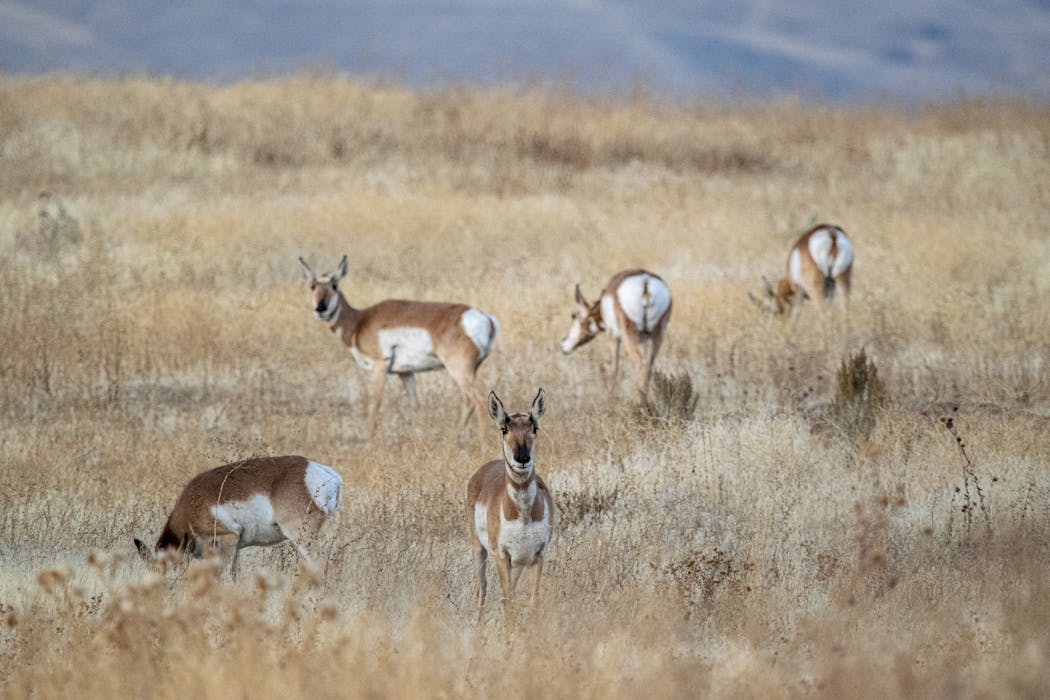
Camp presence influences pronghorn group behavior significantly. Herds tighten or fragment depending on pressure. Lookouts increase. Movement synchronizes. Animals respond collectively to disturbance. Camps introduce constant low level stress. Assuming individual behavior remains unchanged fails. Group dynamics shift to prioritize detection. Larger groups move farther from camps. Smaller groups scatter. Hunters misread group changes as population fluctuation. Camps reshape social responses. Near camps, pronghorn coordinate avoidance more effectively. Ignoring this leads to poor glassing interpretation and missed opportunities as hunters fail to recognize altered grouping patterns driven by sustained nearby human presence.