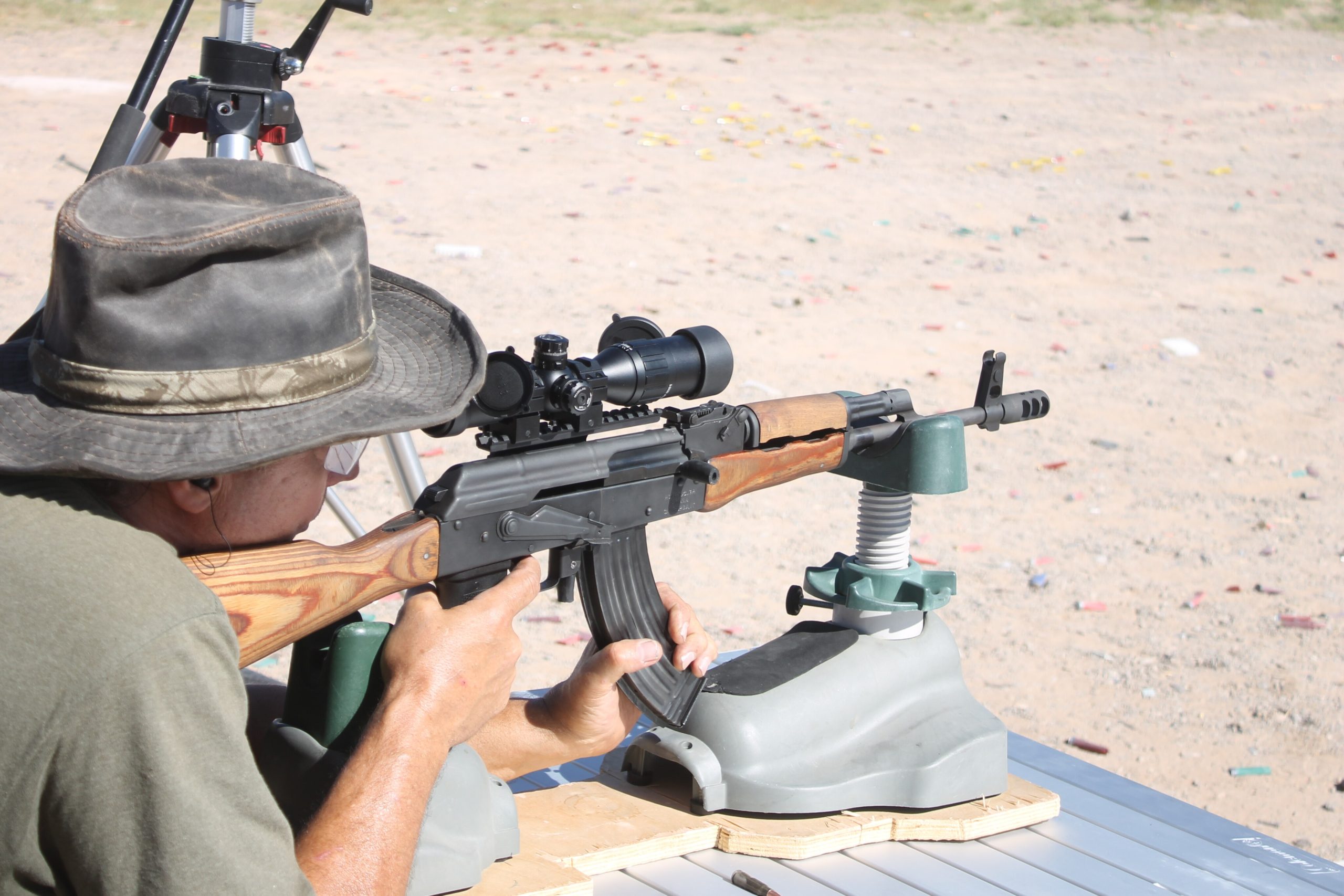
The AK-47 has a reputation for durability, simplicity, and reliability that appeals to many hunters, especially those who value rugged gear. Its ability to function in dirt, rain, and neglect gives it an almost legendary status. However, night hog hunting places very specific demands on a rifle that go far beyond basic reliability. Low light, fast-moving targets, ethical shot placement, and modern optics all play critical roles. When the AK-47 is used in this environment, a number of practical problems begin to surface. These issues don’t make the rifle unusable, but they do create limitations that hunters should understand before relying on it after dark.
1. Limited Accuracy for Ethical Night Shots
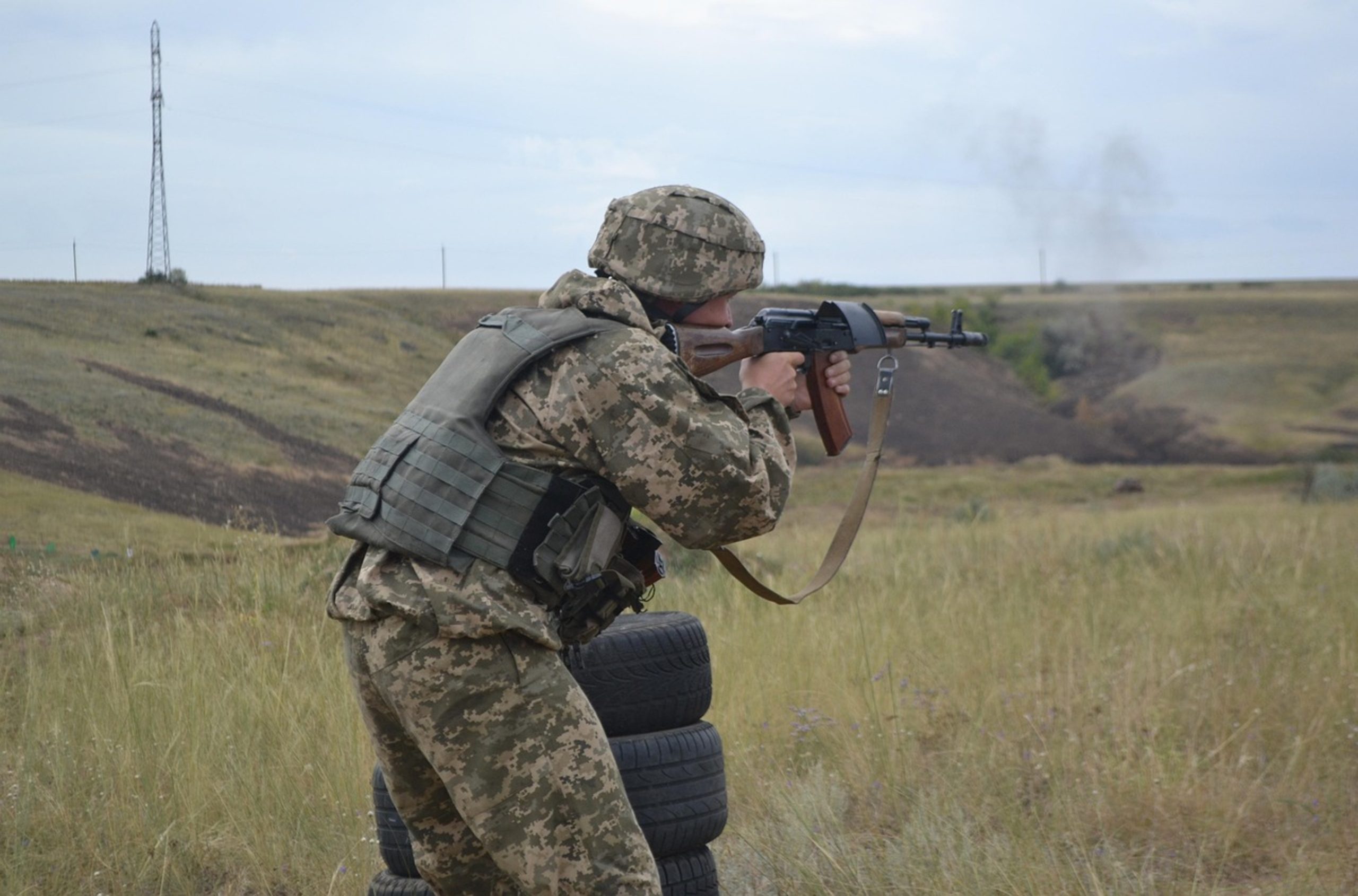
Accuracy becomes far more critical during night hog hunts, where visibility is already reduced and shot windows are brief. Most AK-47 rifles are built with loose tolerances that favor reliability over precision. While acceptable at close range, this level of accuracy can make precise shot placement difficult, especially on larger hogs with thick shoulder shields. At night, hunters often rely on quick identification and controlled shots, leaving little margin for error. A rifle that groups inconsistently increases the risk of wounding rather than cleanly harvesting an animal. This limitation becomes more noticeable when compared to rifles designed with tighter tolerances and better barrel quality.
2. Poor Compatibility With Night Optics
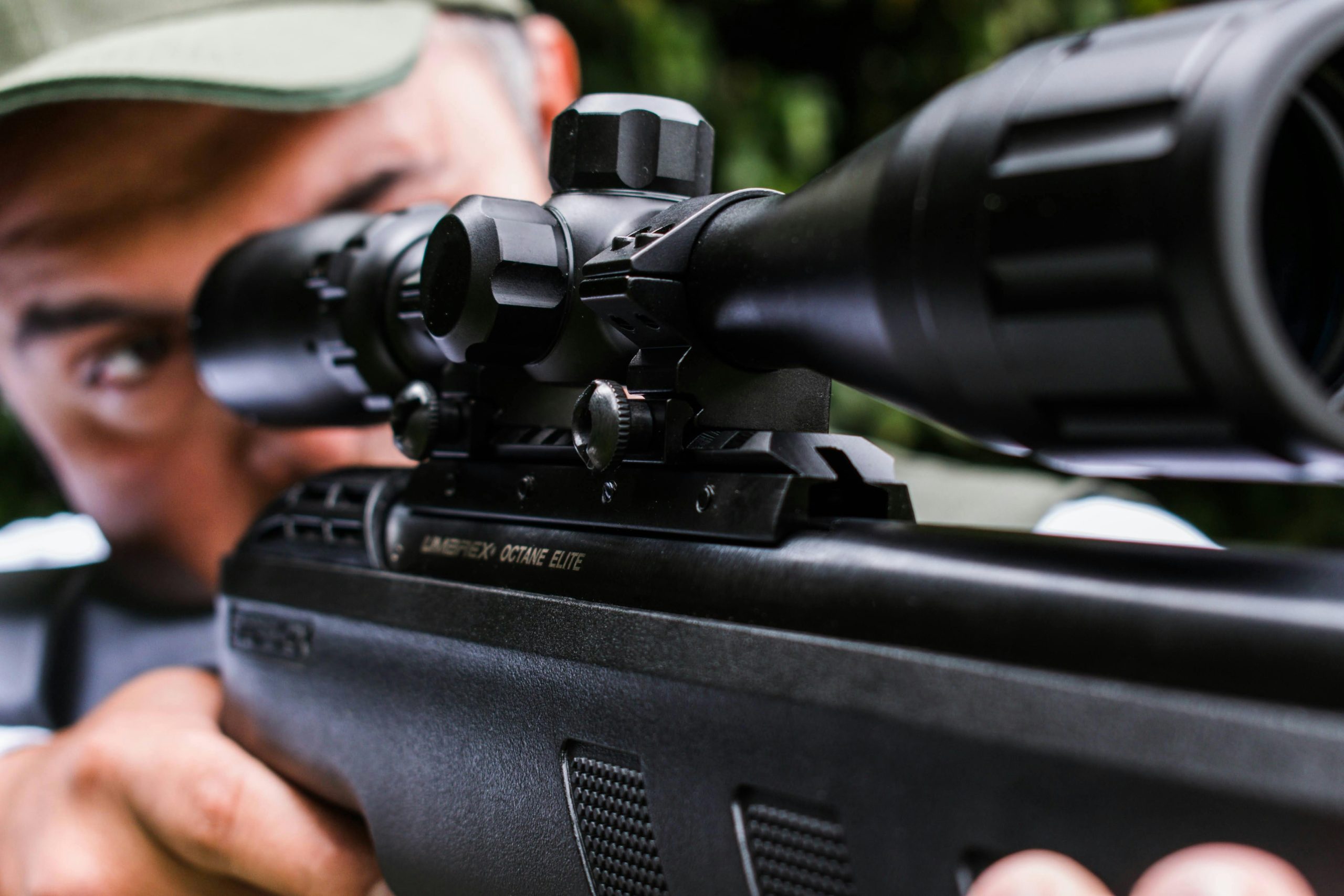
Modern night hog hunting often depends on red dots, night vision, or thermal optics. The AK-47’s design makes mounting these systems more complicated and less stable. Many AK optic mounts sit high above the bore or rely on side rails that vary in quality. This can lead to awkward cheek welds and difficulty maintaining zero. In low-light situations, even minor alignment issues slow target acquisition. The added weight of night optics can also exaggerate balance problems. Compared to platforms designed with optics integration in mind, the AK often feels like it’s being adapted rather than properly equipped.
3. Ergonomics Under Low-Light Stress
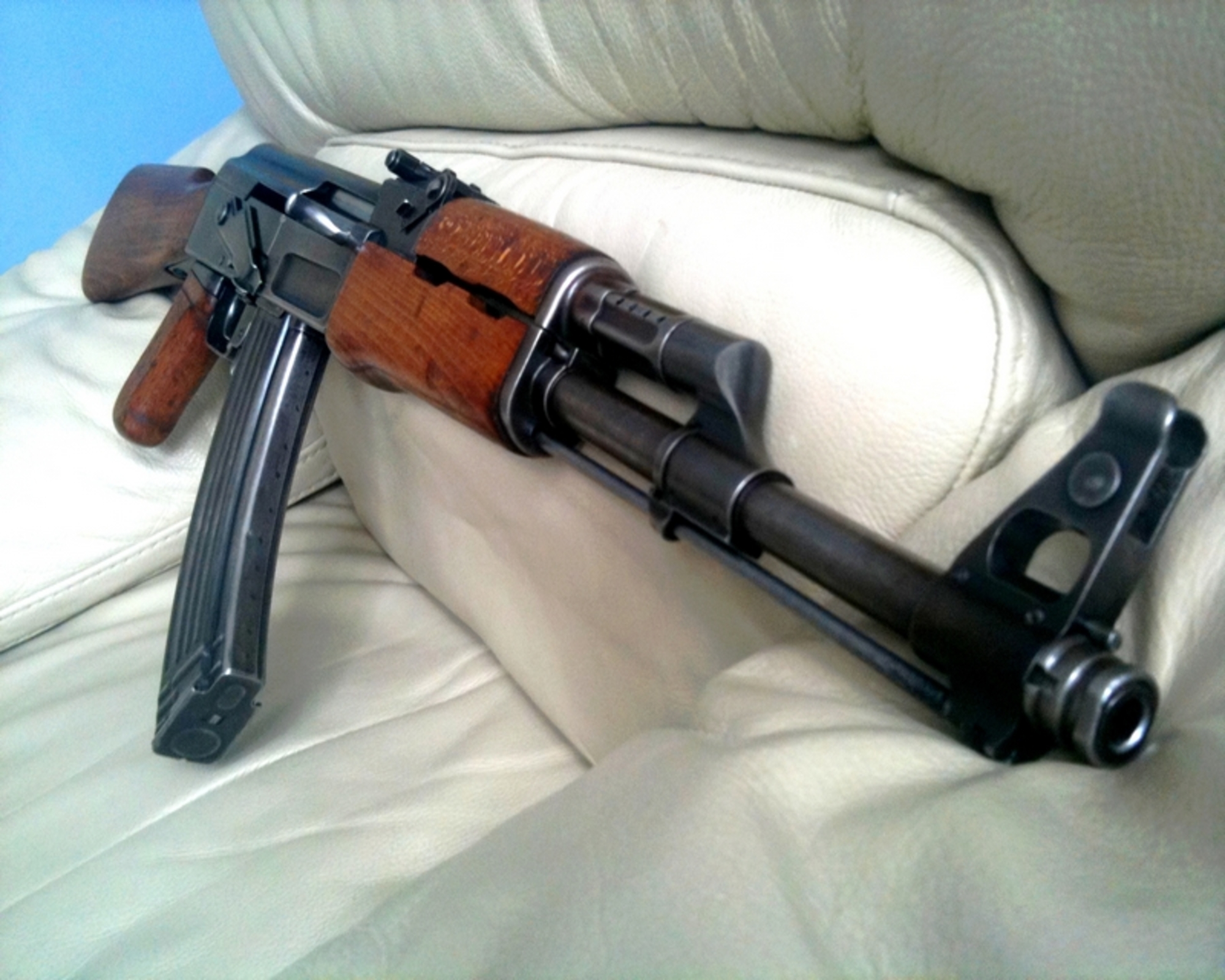
Ergonomics matter more at night, when fine motor skills are reduced and reaction time matters. The AK-47’s safety lever requires large, deliberate movement that can be noisy and slow in the dark. Magazine changes are also less intuitive, especially when visibility is limited. These factors increase fumbling and delay follow-up shots. In a night hog hunt, where animals may scatter or charge unpredictably, slow controls become a liability. Hunters often compensate with repetition, but the design still demands more effort than modern rifles optimized for low-light handling.
4. Excessive Weight and Balance Issues
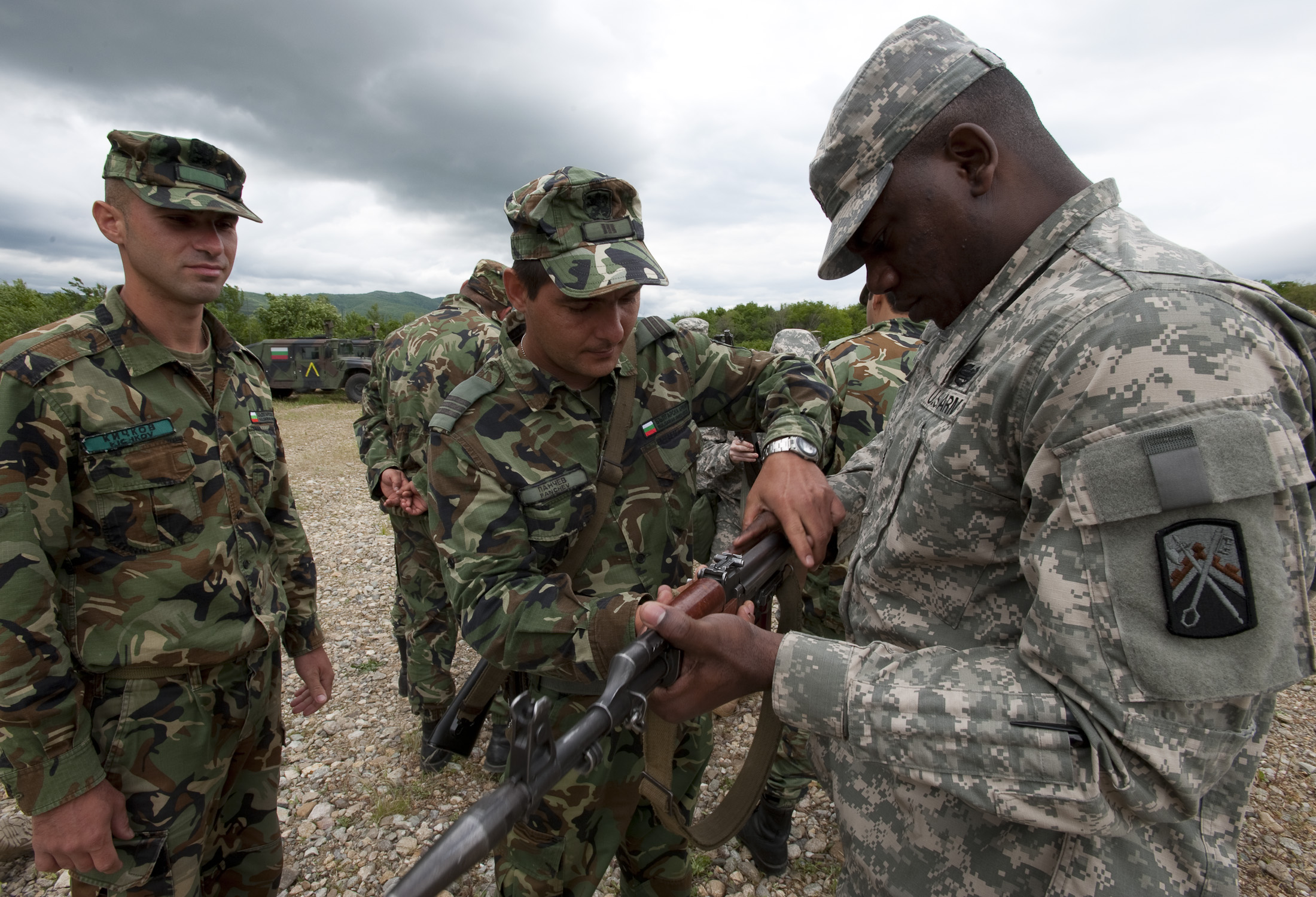
AK-47 rifles are often front-heavy, and this imbalance becomes more noticeable once night-hunting accessories are added. Optics, illuminators, or thermal devices shift weight forward, increasing arm fatigue during extended hunts. Holding the rifle steady while scanning or tracking hogs becomes tiring faster than expected. Fatigue affects stability and shot control, especially during longer sessions. At night, hunters already work harder to process visual information. Carrying a rifle that strains posture and endurance reduces overall effectiveness and comfort, particularly when moving through uneven terrain or standing for long periods.
5. Muzzle Flash and Visual Disruption
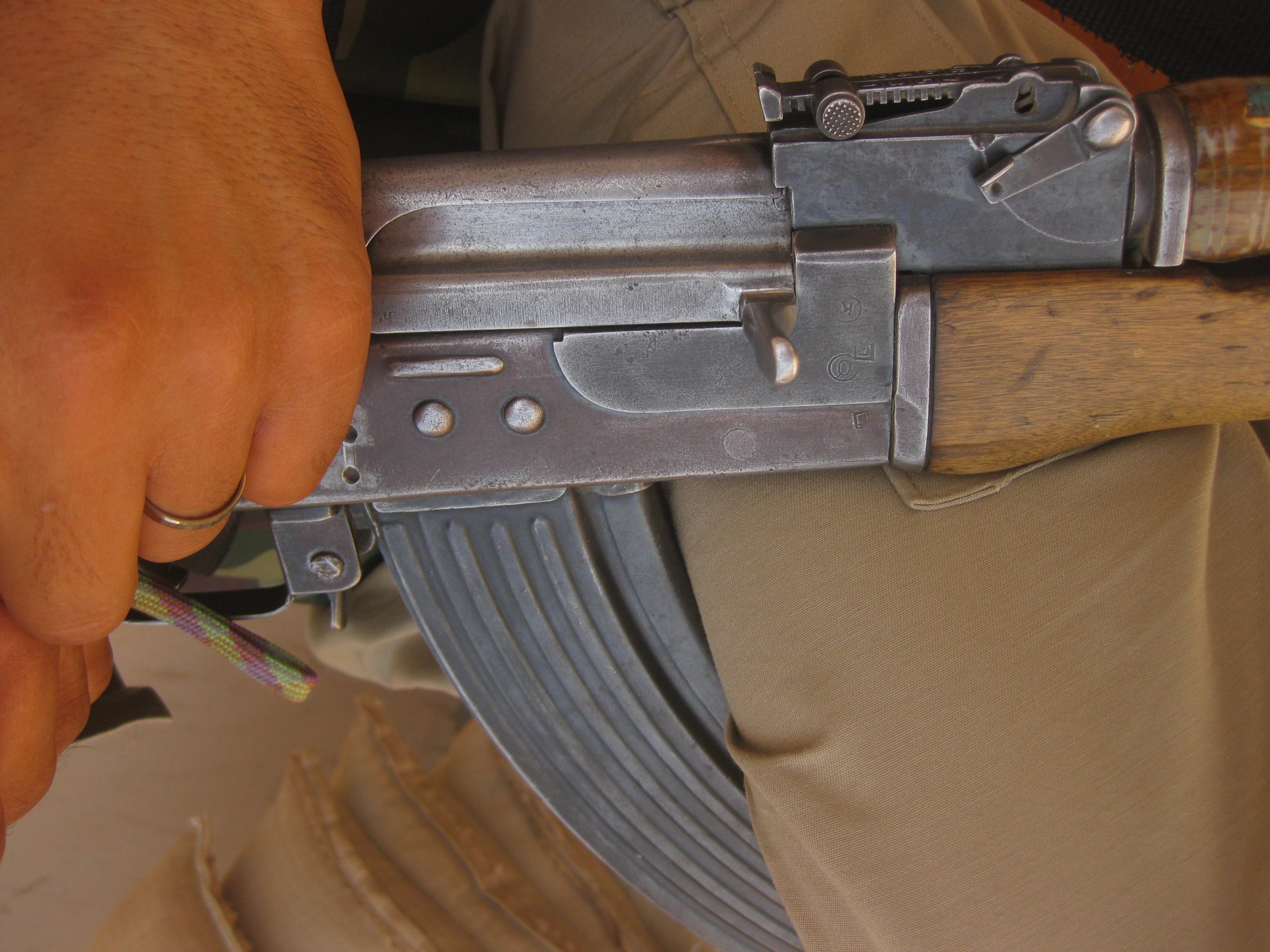
Muzzle flash is a significant issue during night shooting, and many AK-47 rifles produce a bright, disruptive flash. This sudden burst of light can temporarily impair night vision, making it harder to track hog movement after the first shot. Flash also reveals the shooter’s position, which can be problematic during coordinated hunts. While flash suppressors help, not all AK barrels are easily compatible with modern options. Compared to rifles designed with flash reduction in mind, the AK often leaves hunters momentarily blinded, disrupting follow-up shots and situational awareness.
6. Ammunition Limitations for Hog Hunting
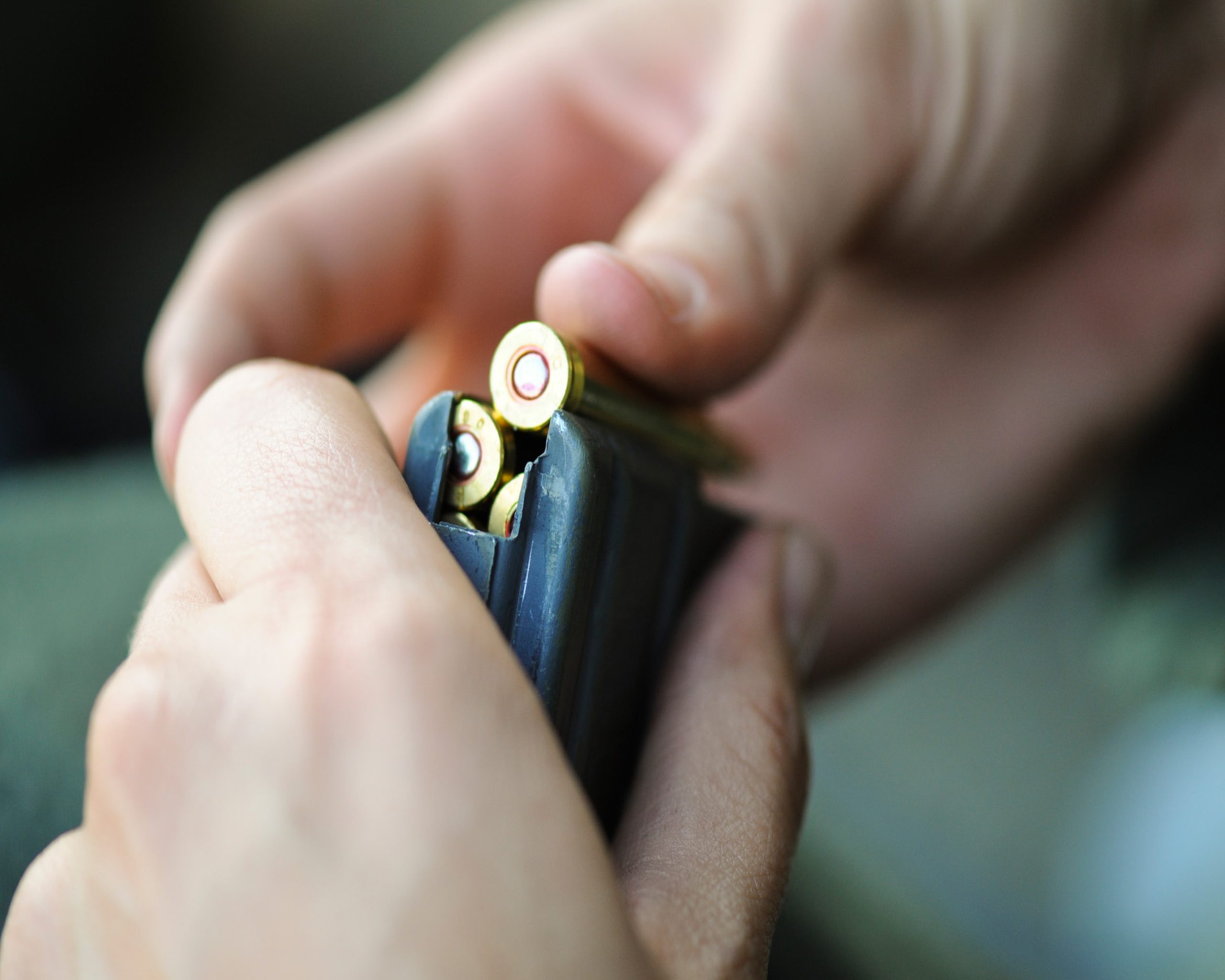
The common 7.62×39 cartridge offers solid penetration but presents challenges at night. Many loads are designed for military use rather than controlled expansion, increasing the risk of overpenetration. This can be unsafe in shared hunting areas or near property boundaries. At night, hunters must be especially cautious about what lies beyond the target. Limited access to purpose-built hunting ammunition reduces flexibility. While suitable loads exist, they are less common than options for more popular hunting calibers, making ethical and safe ammunition selection more difficult.
7. Trigger Quality and Shot Control
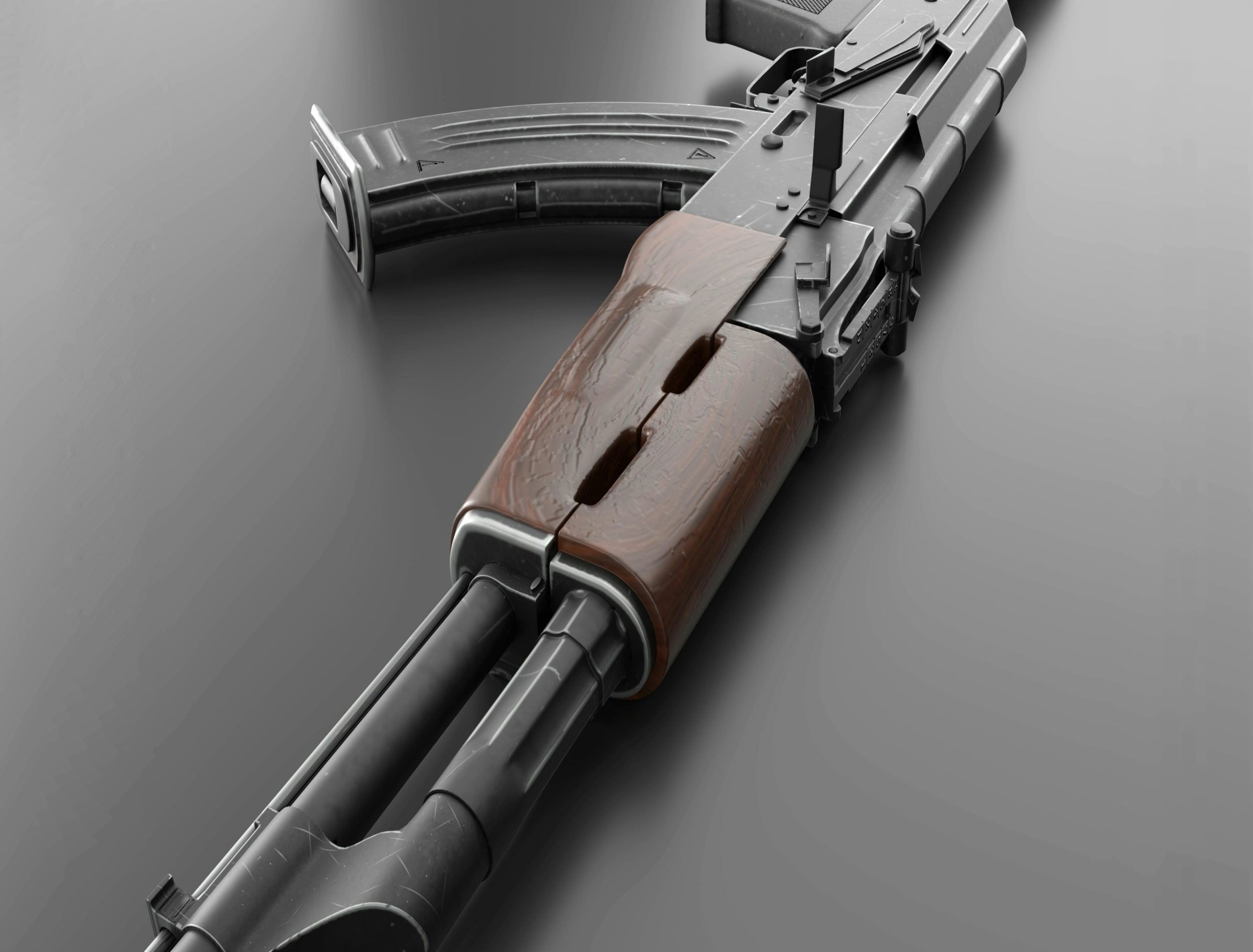
AK-47 triggers are typically heavy and inconsistent compared to modern sporting rifles. At night, when visual cues are limited, smooth trigger control becomes even more important. A rough or unpredictable trigger increases the chance of jerking the shot. This can throw rounds off target during critical moments. Hunters may adapt through practice, but the mechanical limitation remains. In contrast, rifles with cleaner triggers allow more deliberate control under stress. Over time, trigger quality directly affects confidence and consistency during night hunts.
8. Noise and Recoil Management
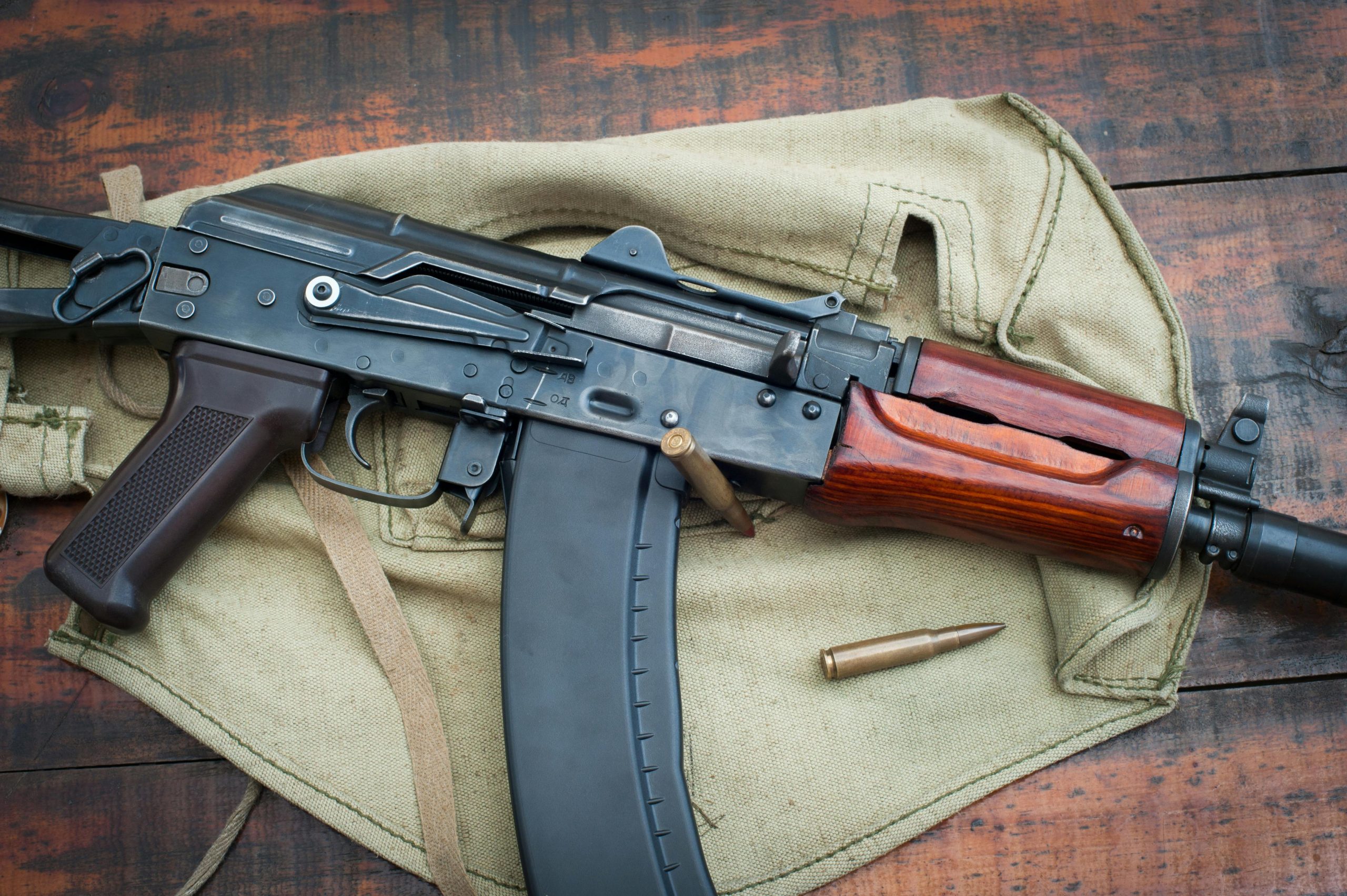
The AK-47 produces a sharp recoil impulse and a distinct report that can feel more pronounced at night. Recoil recovery is slower, making rapid follow-up shots harder when hogs move unpredictably. The noise can also startle nearby hunters or livestock more than expected in quiet nighttime conditions. Suppressor compatibility is often limited or complicated. Without effective recoil and sound management, hunters lose valuable seconds between shots. In night hunting, those seconds often determine whether a clean harvest or a missed opportunity occurs.
9. Legal and Practical Restrictions
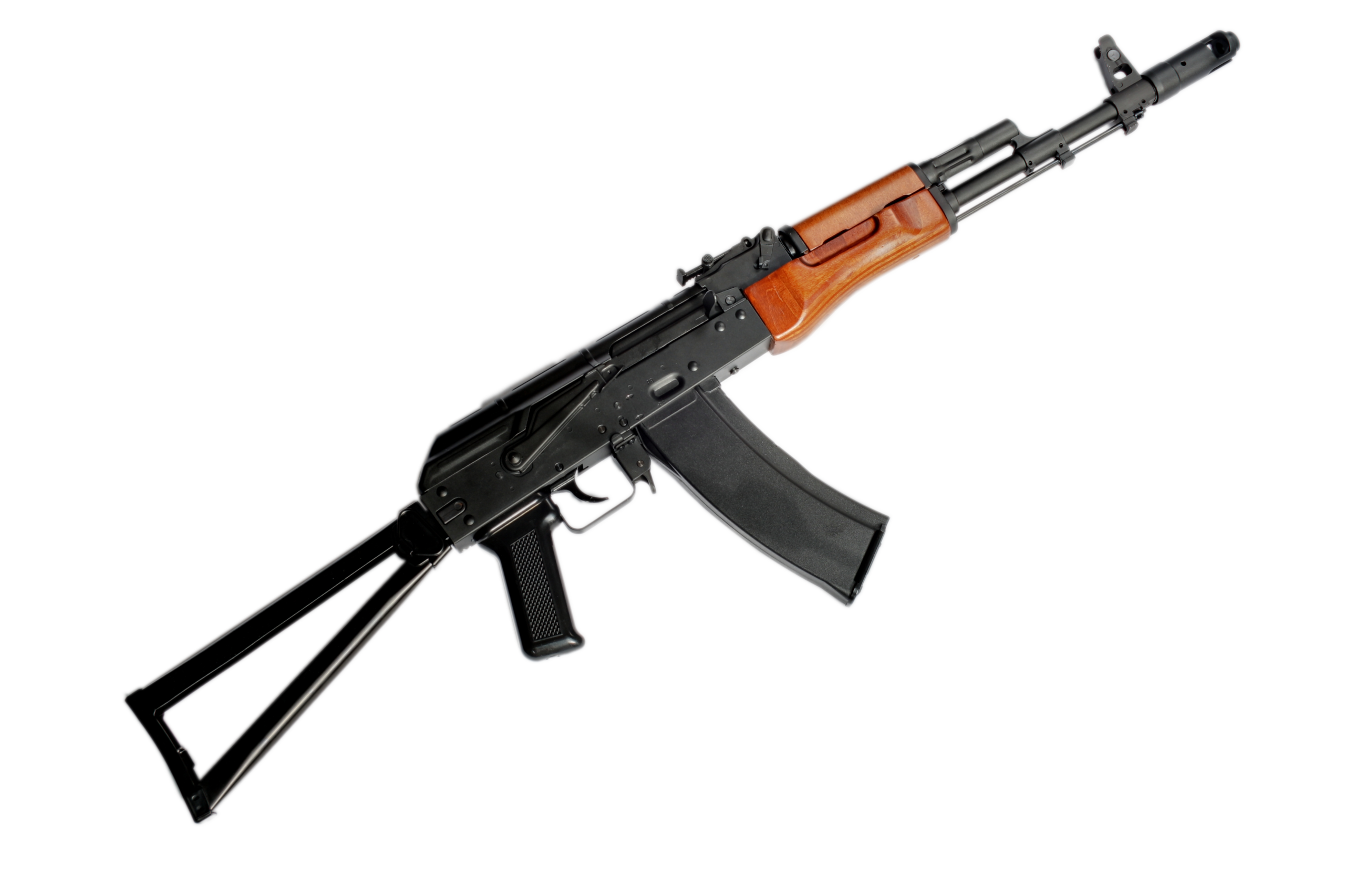
In some regions, the AK-47’s military appearance draws additional scrutiny from landowners or regulators, even when legally owned. This can complicate access to hunting leases or public perception. Transport and storage may also require extra consideration. Night hunting already operates under strict regulations, and using a rifle that raises concerns can create unnecessary complications. Practical hunting rifles often blend in more easily with traditional expectations. These non-technical issues may not affect performance directly, but they influence where, when, and how comfortably a hunter can pursue hogs at night.