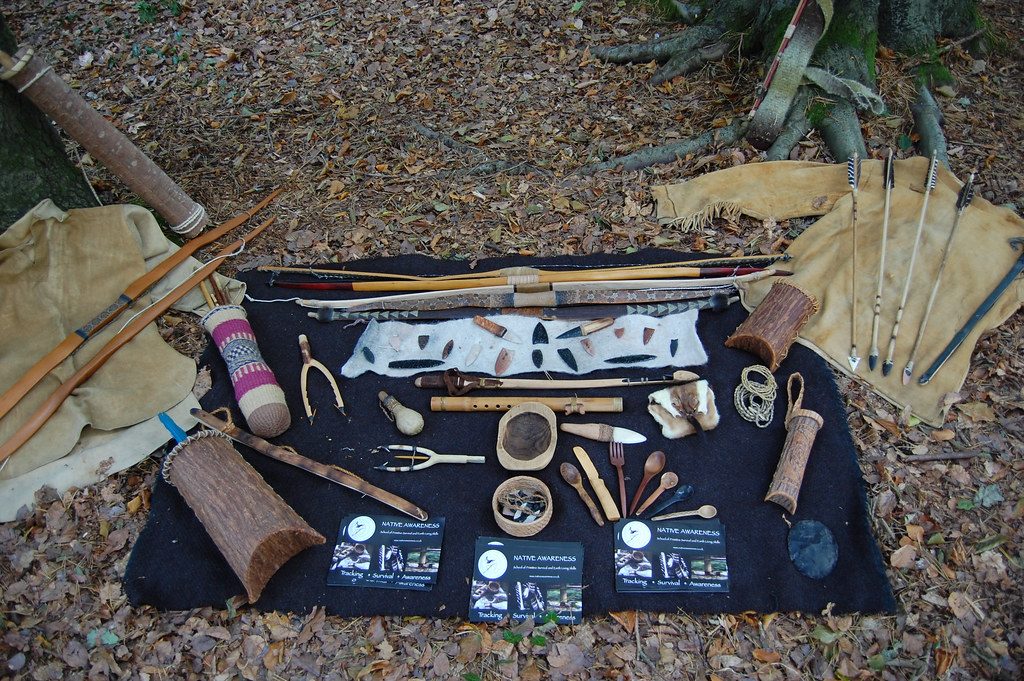
Modern gear makes outdoor survival easier than ever, but there is something empowering about knowing how to create tools from nature itself. Primitive tools were the foundation of human survival, crafted long before metal blades, matches, or technology existed. In 2025, the knowledge of these simple yet effective tools still holds value for campers, adventurers, and survival enthusiasts alike. Learning to make them not only builds practical skills but also reconnects us with the resourcefulness of early humans. Here are nine primitive tools you can create in the wild today.
Stone Knife
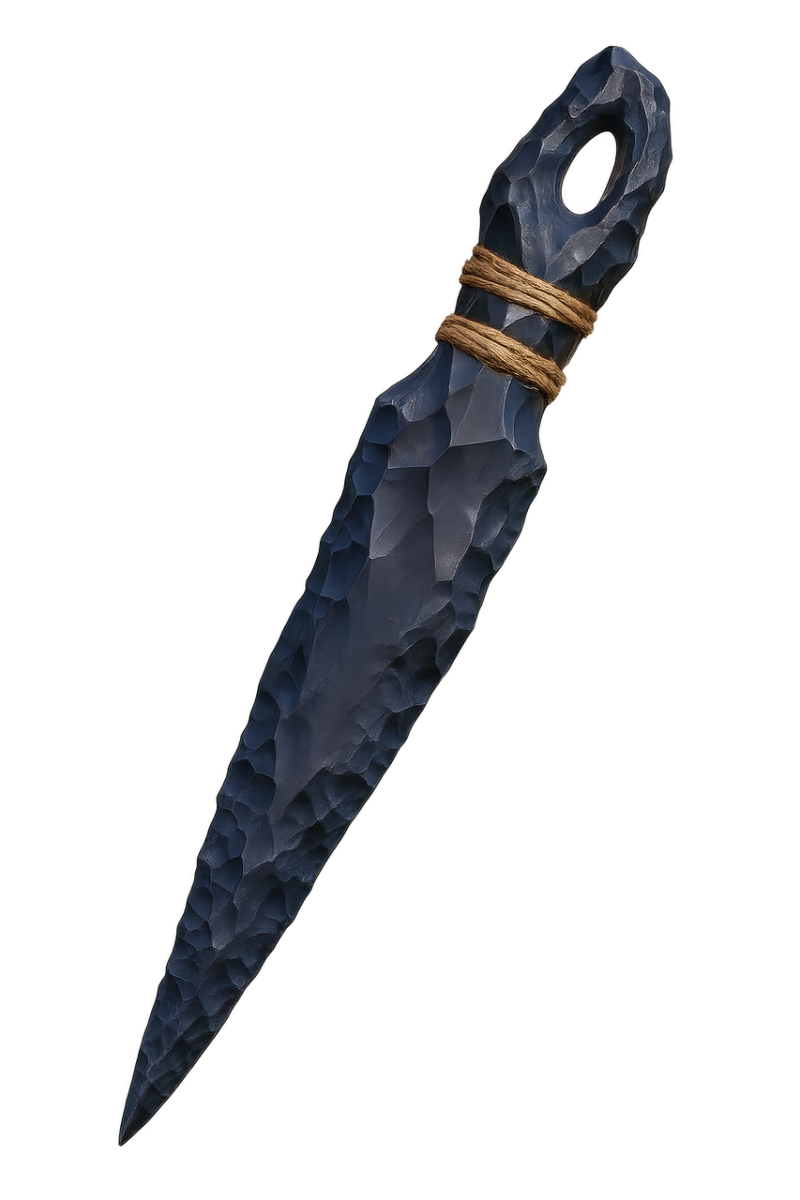
A stone knife is one of the most basic and essential tools you can make. By striking flint, obsidian, or other sharp rocks against a harder surface, you can chip away flakes that form a cutting edge. Though crude compared to modern blades, a stone knife can slice meat, carve wood, and handle most camp tasks.
Wooden Spear

The wooden spear has been used for hunting and defense for thousands of years. Carving a straight branch to a sharp point and hardening it in fire creates a durable weapon. This tool is versatile, working for fishing, small game hunting, and even as a walking stick in rough terrain.
Bow and Arrow

Crafting a bow and arrow takes more effort but greatly increases hunting effectiveness. A flexible branch can be shaped into a bow, with cordage made from plant fibers or animal sinew. Straight sticks sharpened into arrows provide range and accuracy, turning a simple tool into a lifeline for survival.
Fire Drill

Fire is one of the most critical survival needs, and a fire drill allows you to start one without matches or lighters. By using a bow or hand drill method, friction between wood pieces generates heat that ignites tinder. Though it requires patience, mastering this skill ensures warmth and cooking ability anywhere.
Stone Axe
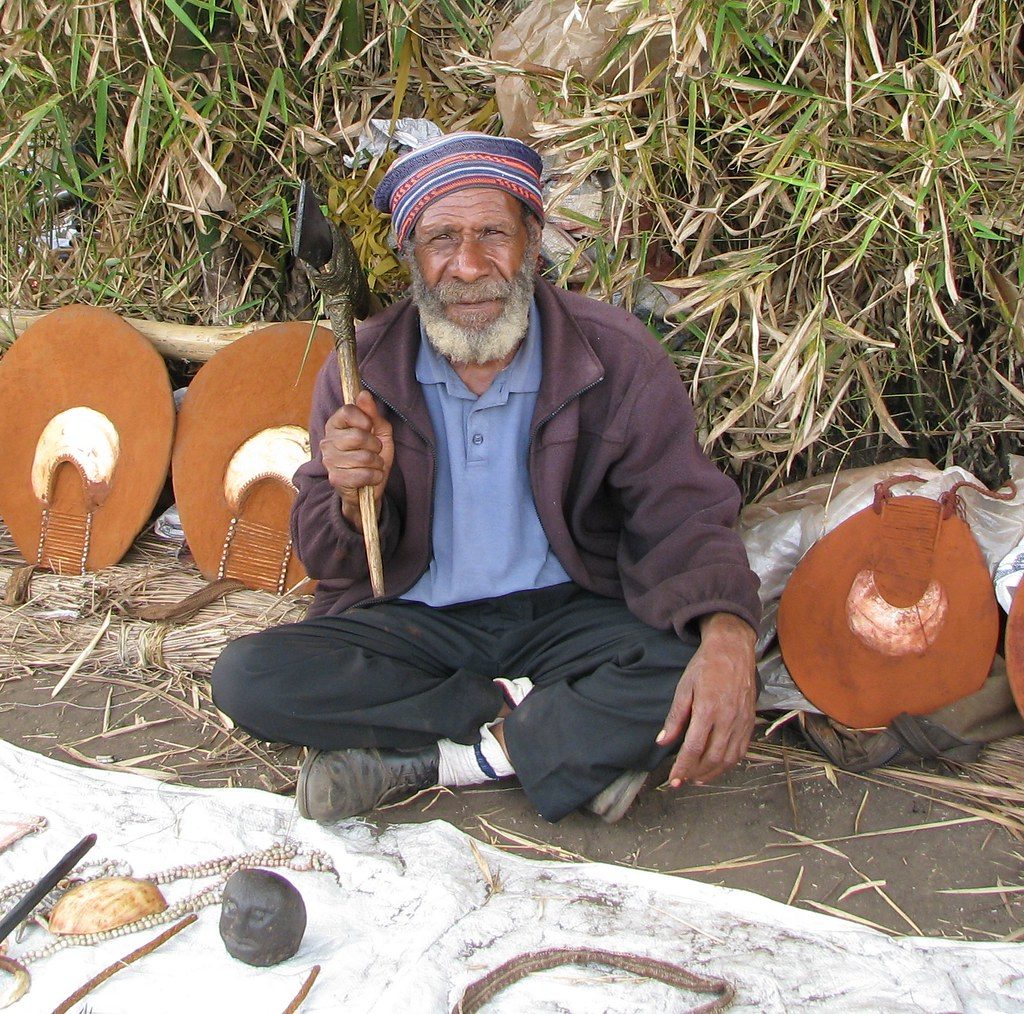
A stone axe combines the strength of rock with the leverage of wood. By securing a sharp-edged stone to a sturdy branch using vines or cordage, you create a powerful chopping tool. This axe can split wood, shape shelters, or be used for protection, making it invaluable in the wild.
Digging Stick

A digging stick may look simple, but it serves countless purposes. Carved from a strong branch, it can be used to dig for roots, create fire pits, or loosen soil for shelter building. Its strength lies in its simplicity, showing how primitive tools can perform essential tasks without complexity.
Cordage

Cordage is the backbone of many primitive tools, holding parts together and providing strength. Fibers from plants like yucca, nettle, or bark can be twisted into rope strong enough for traps, shelters, and tools. Without cordage, many other creations would not hold up under use.
Fish Trap
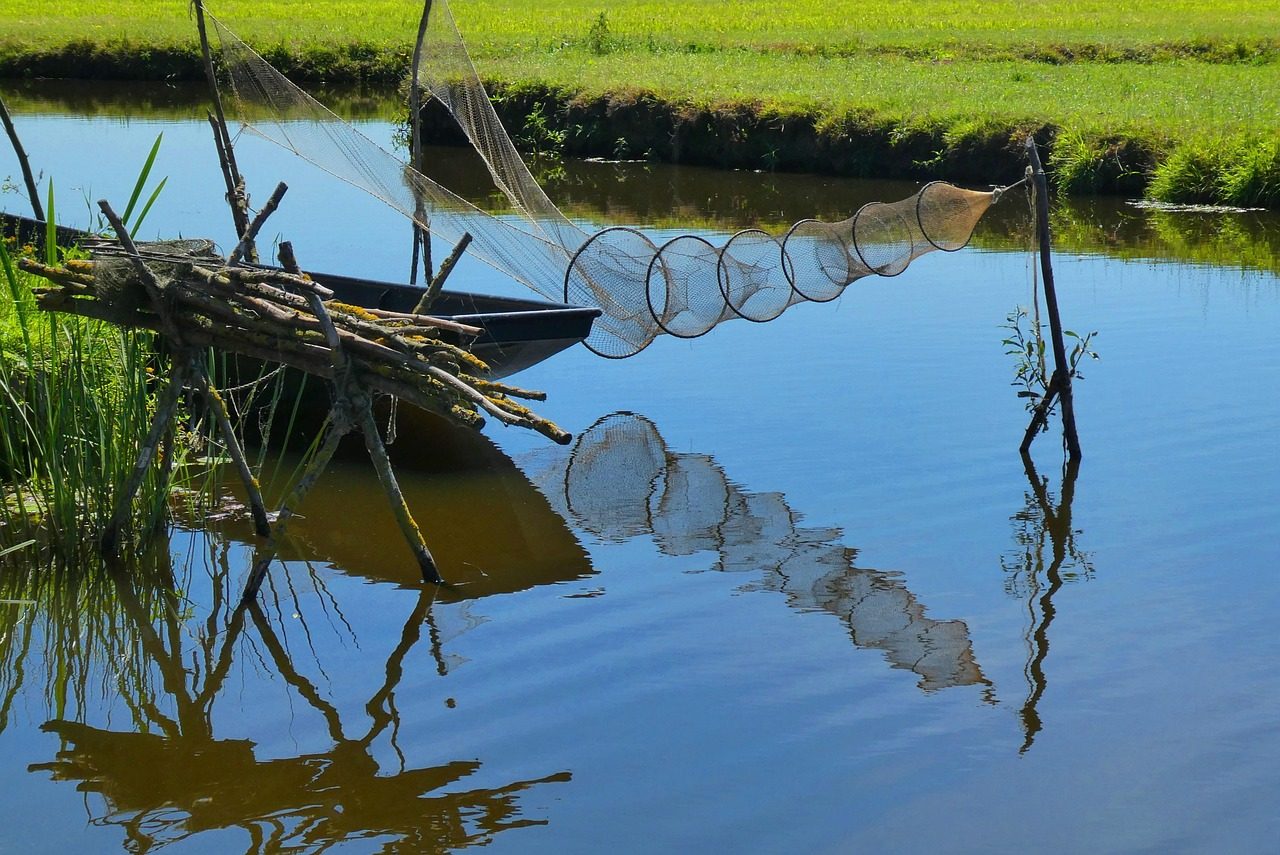
Survival often depends on reliable food sources, and a primitive fish trap can provide just that. By weaving branches into a funnel-shaped structure placed in shallow water, fish can swim in but find it difficult to escape. This method saves energy compared to active fishing.
Stone Hammer
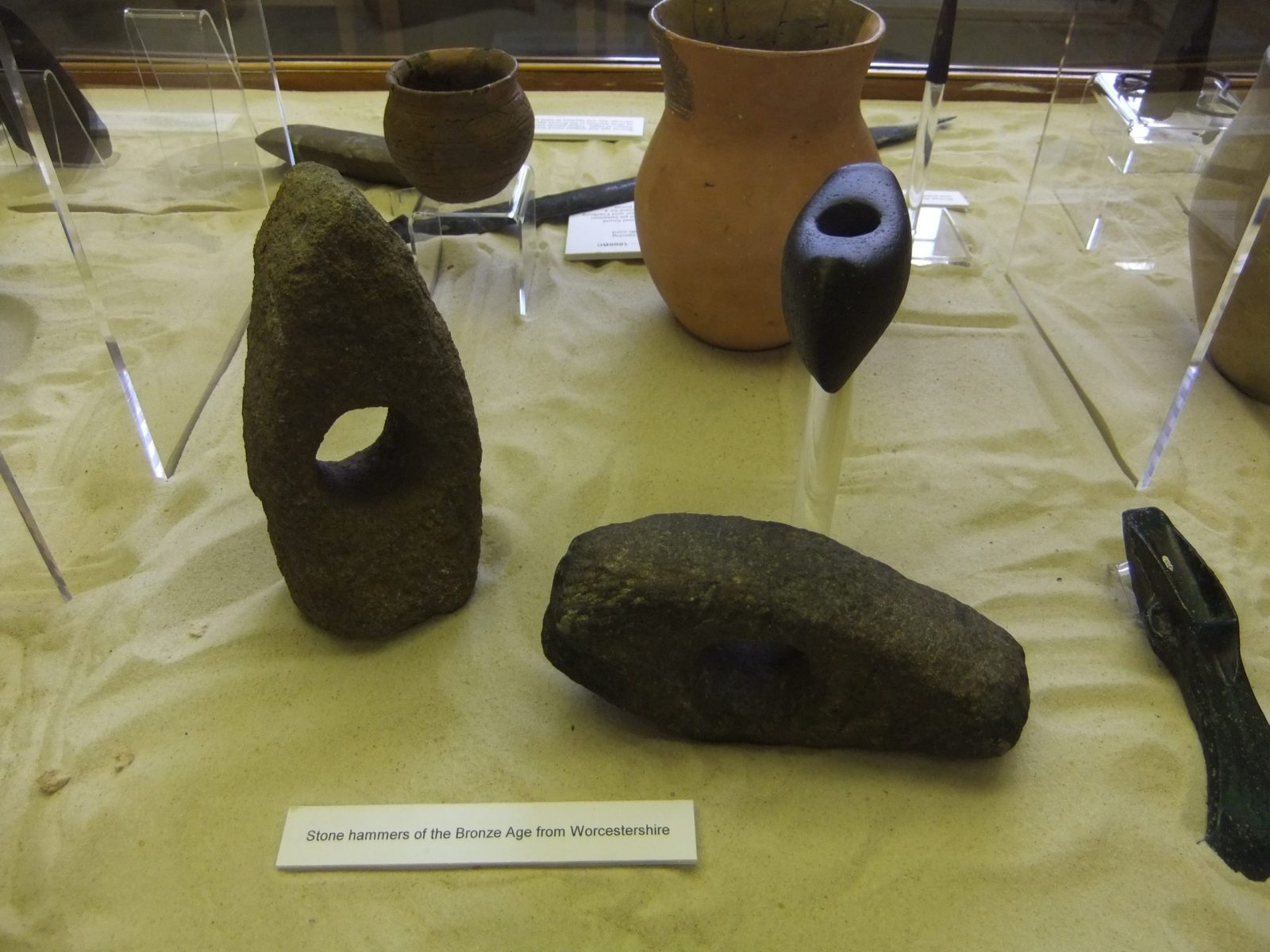
A stone hammer is created by finding a round rock and attaching it securely to a branch. It can also be used without a handle as a handheld pounding tool. From cracking nuts to shaping other tools, this hammer provides strength and force when precision is less important than power.