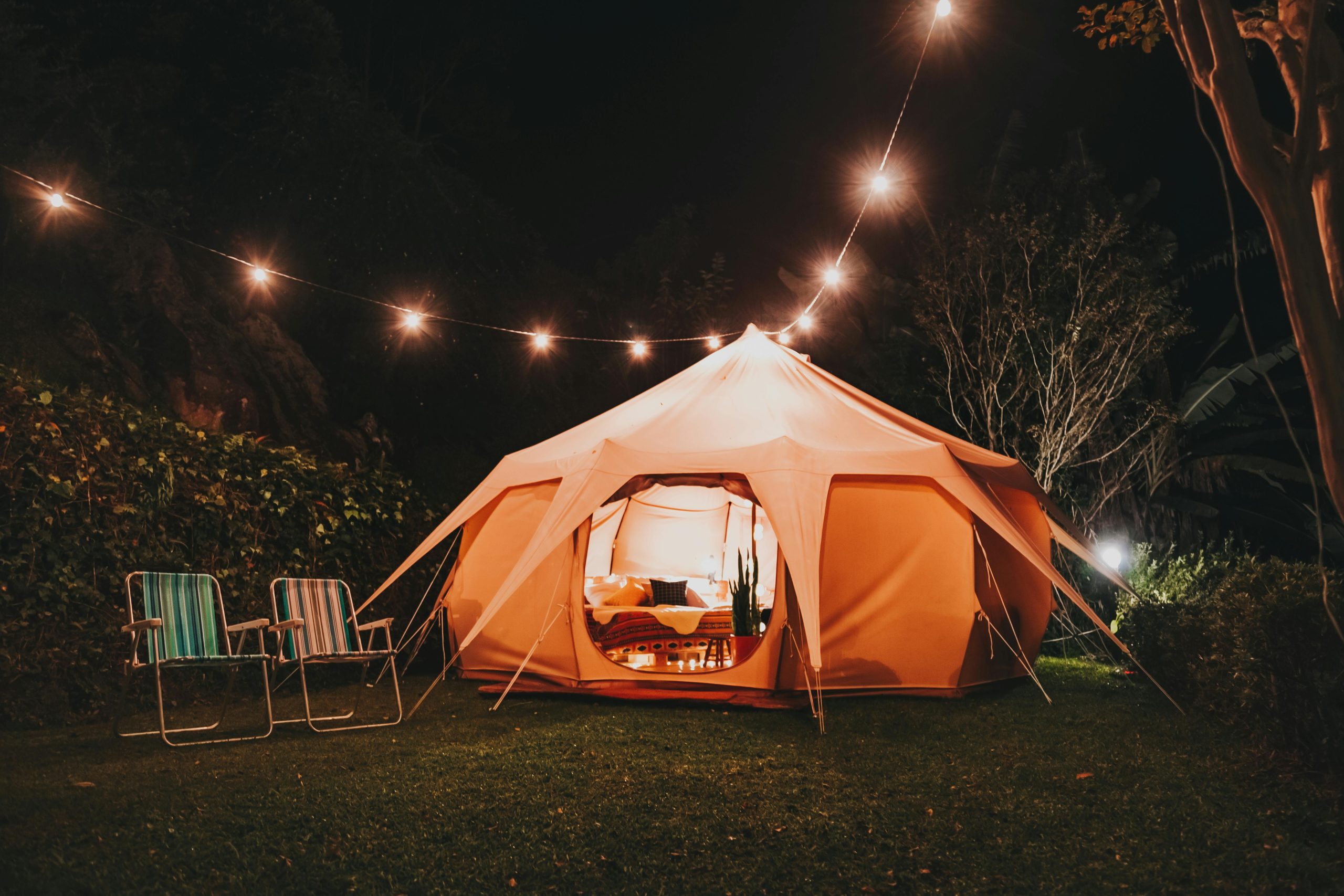
A reliable tent can make the difference between an enjoyable outdoor adventure and a miserable night in the wilderness. Campers depend on their shelters to keep them dry, protected from the wind, and stable in changing weather. Unfortunately, not every tent performs as well in real-world use as it does in advertisements. Many popular models look impressive when first purchased, but reveal serious weaknesses after repeated use on the trail. Problems such as leaking seams, weak poles, or poorly designed rainflies can quickly make a camping trip uncomfortable. Some tents also struggle when exposed to strong wind or heavy rain, which are common conditions during outdoor adventures. Campers often discover these flaws only after spending hours hiking to a remote campsite. Understanding the limitations of certain tents can help outdoor enthusiasts avoid frustrating surprises and choose gear that truly performs when nature becomes unpredictable.
1. Coleman Sundome Tent
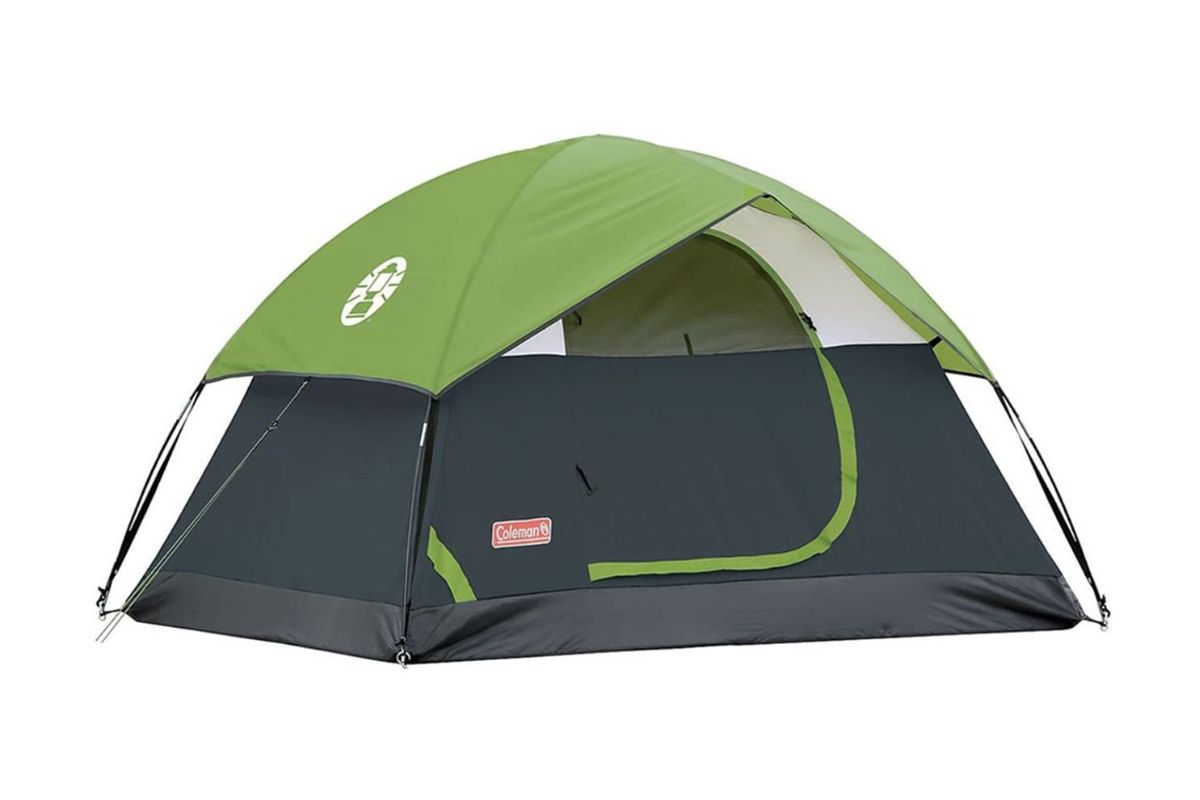
The Coleman Sundome is one of the most widely purchased budget tents in the United States. Many beginners choose it for its affordability and ease of setup. At first glance, the tent seems like a great value for casual camping trips. However, frequent campers have reported several issues that appear after repeated outdoor use. One common complaint involves water leakage during heavy rain. While the tent performs well in light showers, prolonged rainfall can sometimes seep through the seams or along the floor edges. Another concern is the durability of the fiberglass poles. In strong wind conditions, these poles can flex excessively and occasionally crack if the tent is not properly secured. The rainfly also provides limited coverage compared with more advanced tents, leaving certain areas more exposed to moisture. Although the Sundome remains suitable for calm weather and short camping trips, it can struggle when conditions become more demanding.
2. Ozark Trail Instant Cabin Tent
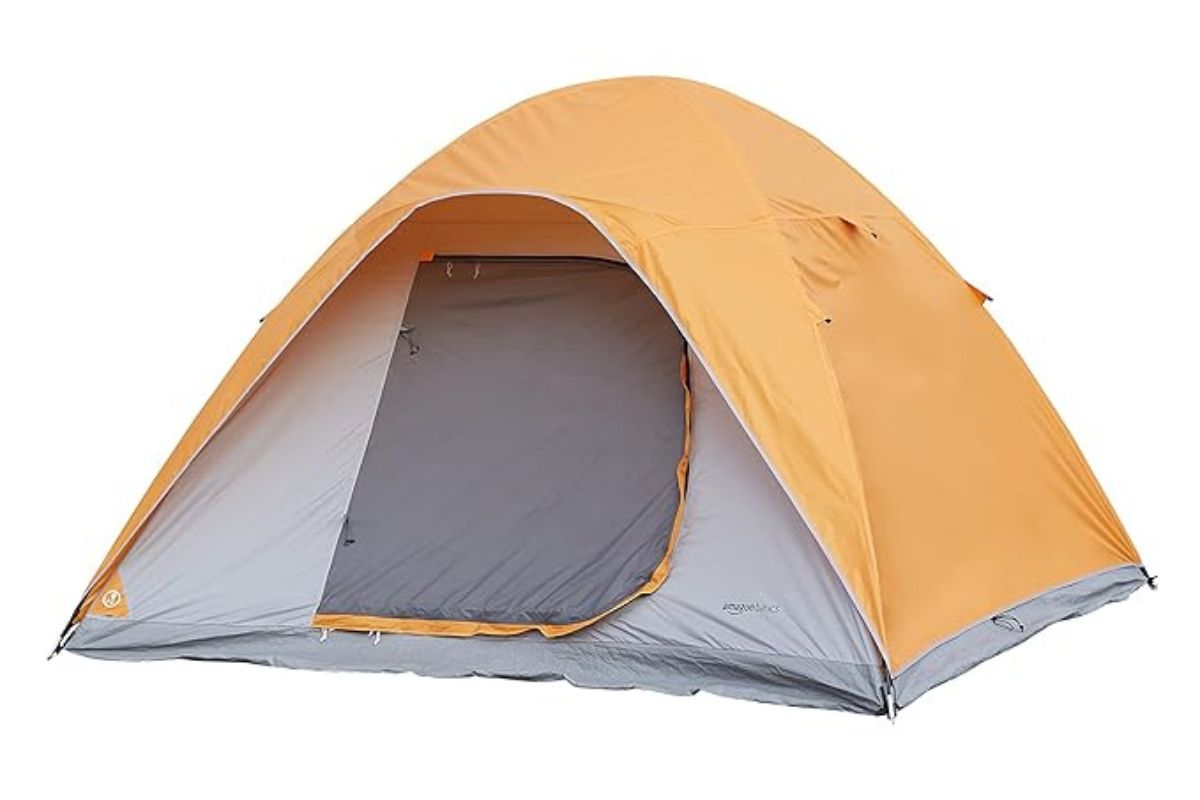
The Ozark Trail Instant Cabin Tent attracts many campers with its quick setup. The frame unfolds rapidly, allowing users to pitch the tent in just a few minutes. This convenience makes it appealing for family camping trips or festivals. However, several problems have been reported when the tent is exposed to rough weather. One major issue involves the stability of the pre-attached frame system. During strong winds, the tall structure can catch large amounts of air, placing stress on the joints and connectors. In some cases, campers have experienced bent poles or partial frame collapse during storms. Another common complaint relates to rain protection. The tent includes a rainfly, but it does not always extend far enough to protect the walls during heavy rain. Water can occasionally seep through seams or fabric panels. While the instant setup is convenient, the design sacrifices some structural strength required for challenging weather conditions.
3. CORE 9 Person Instant Cabin Tent
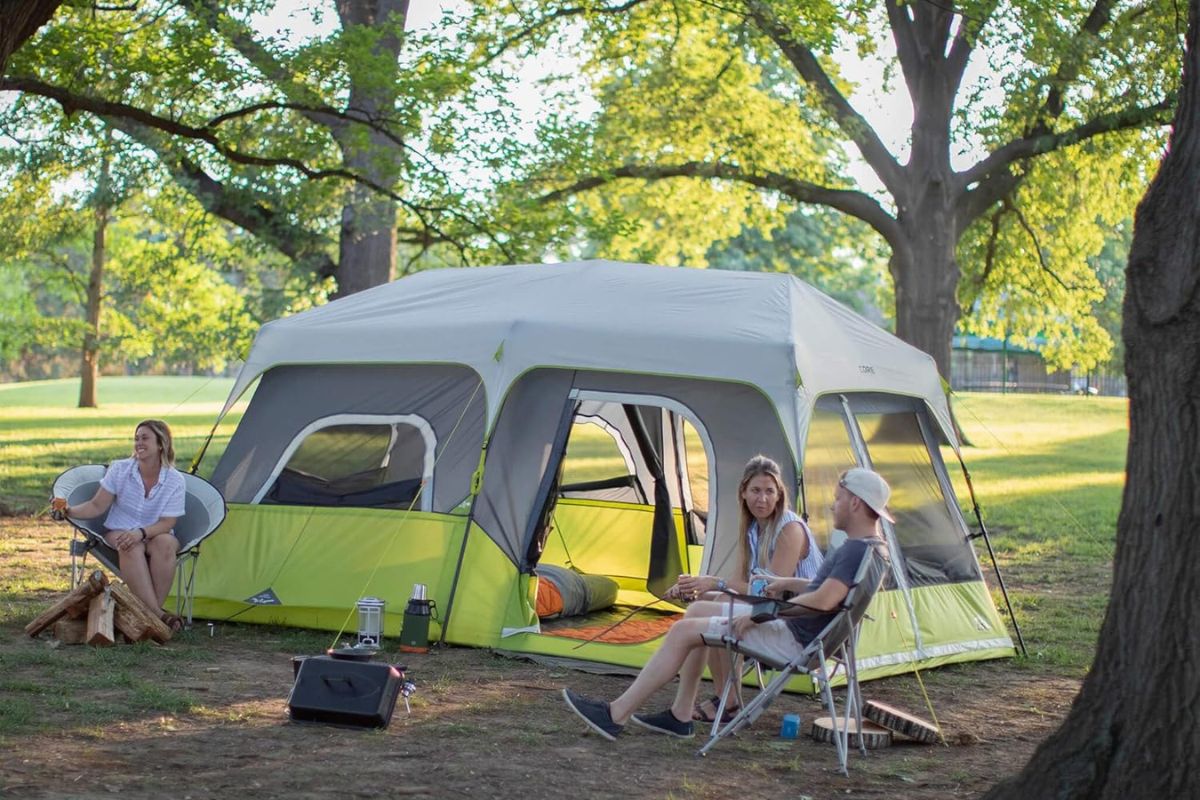
The CORE 9 Person Instant Cabin Tent is popular among large groups who want plenty of interior space. The tall cabin design allows campers to stand upright, making it comfortable for families spending multiple days outdoors. Despite these advantages, some users have reported issues that appear during extended camping trips. One concern involves the waterproofing of the tent seams and floor. During prolonged rainstorms, water may slowly seep through areas that are not fully sealed. Another issue relates to the large surface area of the tent walls. When strong winds hit the structure, the tall sides can act like sails, placing pressure on the frame. This can sometimes cause bent poles or loose joints if the tent is not anchored properly. The fabric itself is relatively thin compared with heavier expedition tents. While the CORE tent works well in mild conditions, it can struggle to remain stable in stronger weather.
4. Wenzel Klondike Tent
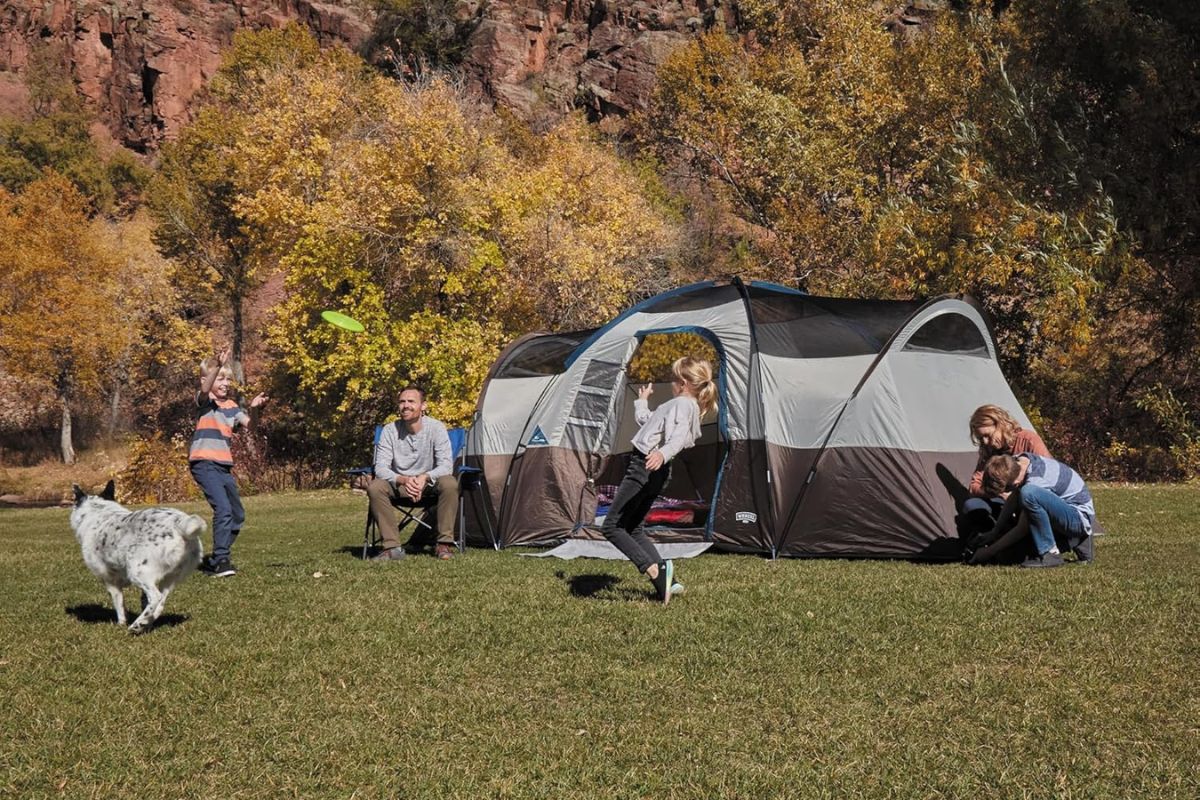
The Wenzel Klondike Tent is well known for its unique design that combines a sleeping area with a screened front porch. Many campers appreciate this layout because it provides additional space to relax on warm evenings. However, the same design can create a few challenges in rough weather. The large front porch area is covered mainly with mesh panels, so the rainfly is required to provide proper protection. If the rainfly is not positioned carefully, wind-driven rain can enter through these mesh sections. Some campers have also reported that the fiberglass poles in the frame feel less sturdy than the aluminum poles in higher-end tents. In windy conditions, the tent may sway more than expected. Over time, repeated bending can weaken the poles. While the Klondike tent offers an enjoyable camping layout, its structure may require extra care in unpredictable weather.
5. Coleman Evanston Screened Tent
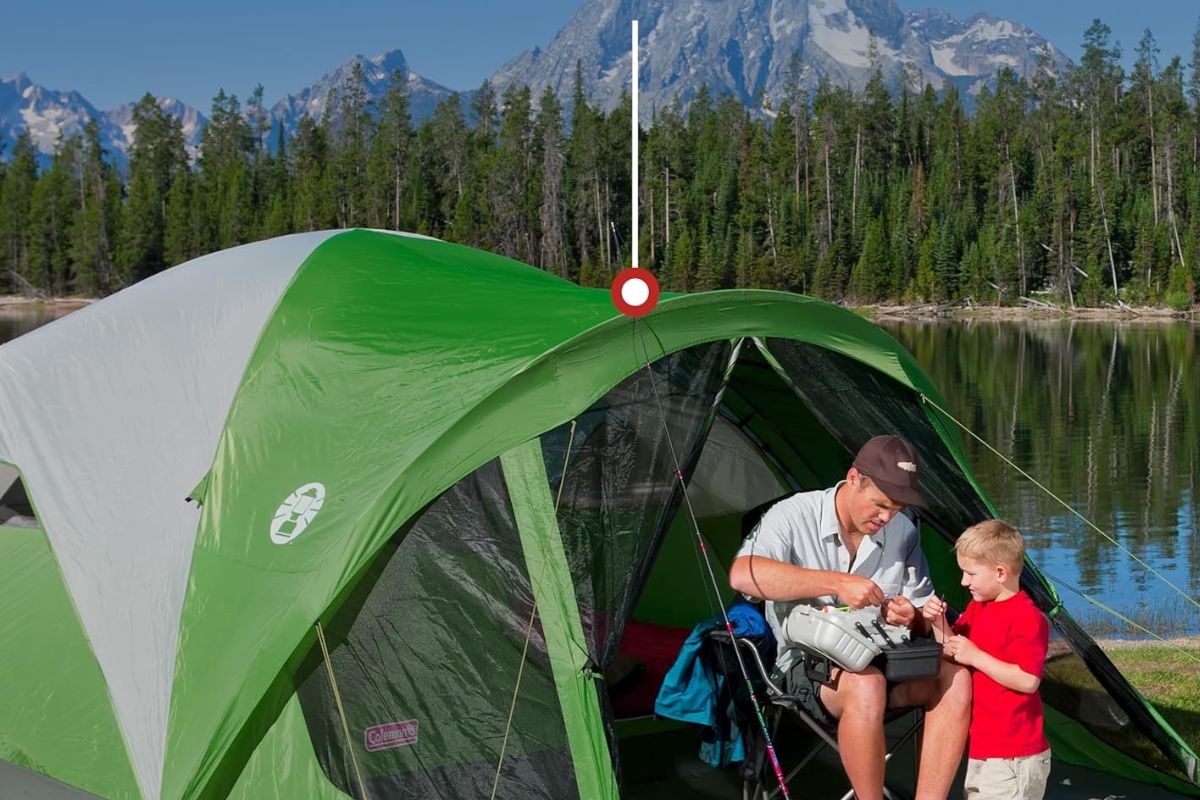
The Coleman Evanston Screened Tent is another family camping shelter that includes a screened porch area for relaxing outdoors. This feature makes it attractive for campers who want protection from insects while still enjoying fresh air. Despite its popularity, some users have experienced issues related to rain protection and stability. The screened porch section depends heavily on the rainfly for weather coverage. When the wind shifts direction during storms, rain can sometimes enter through the mesh walls. Another concern involves the overall frame strength. The fiberglass poles can flex significantly under strong gusts, causing the tent structure to lean or wobble. If the wind becomes stronger, this stress may damage the pole. Additionally, the tent floor is not as thick as some campers expect, making it more vulnerable to moisture if the ground becomes saturated. While comfortable for fair-weather camping, the Evanston tent may struggle in harsher conditions.
6. Amazon Basics Dome Camping Tent
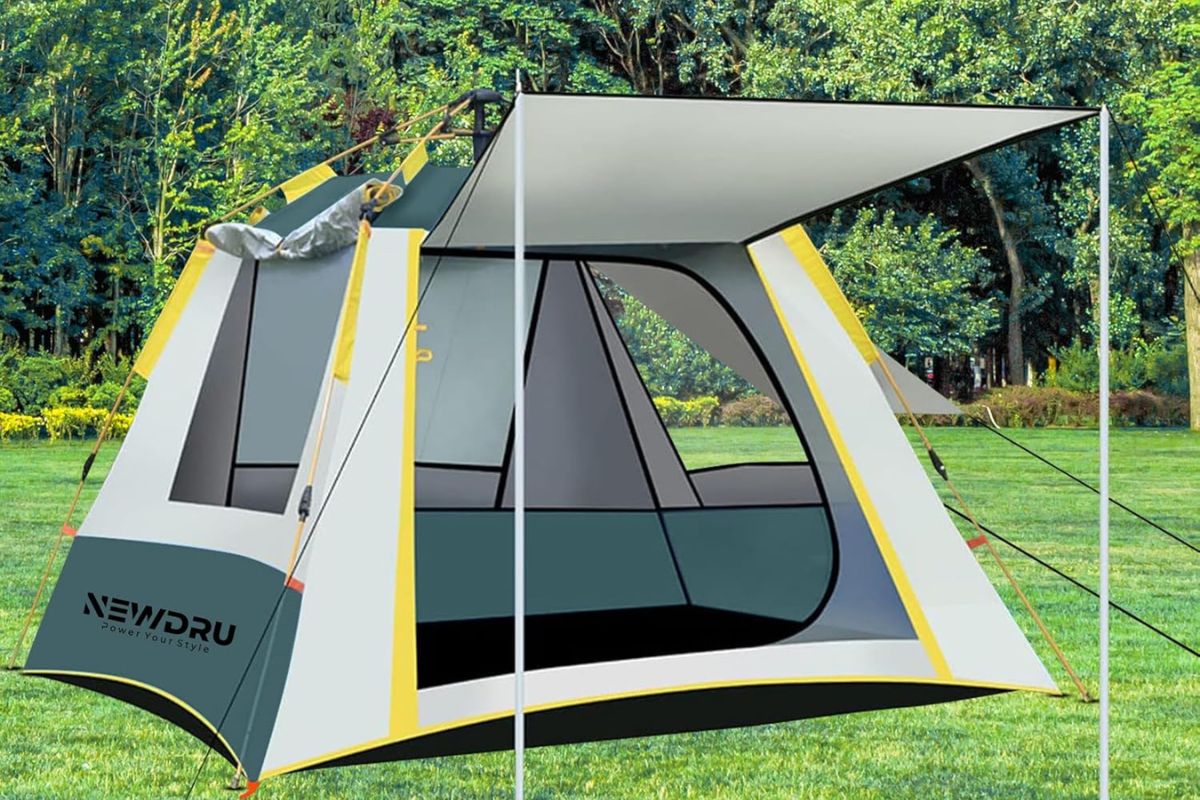
The Amazon Basics Dome Camping Tent appeals to many first-time campers because of its extremely low price and simple design. It is lightweight and easy to assemble, which makes it convenient for short trips or casual outdoor use. However, the budget construction often reveals several weaknesses after repeated camping trips. One common issue involves the durability of the tent fabric. The material is relatively thin and may wear faster when exposed to rough ground or branches. Waterproofing is another concern frequently mentioned by campers. During moderate to heavy rain, water can sometimes seep through seams or accumulate along the tent floor edges. The fiberglass poles are also quite flexible and may not hold up well in strong wind conditions. While the tent can perform adequately during calm summer nights, it is not designed for more demanding environments where weather protection becomes critical.
7. ALPS Mountaineering Lynx Tent
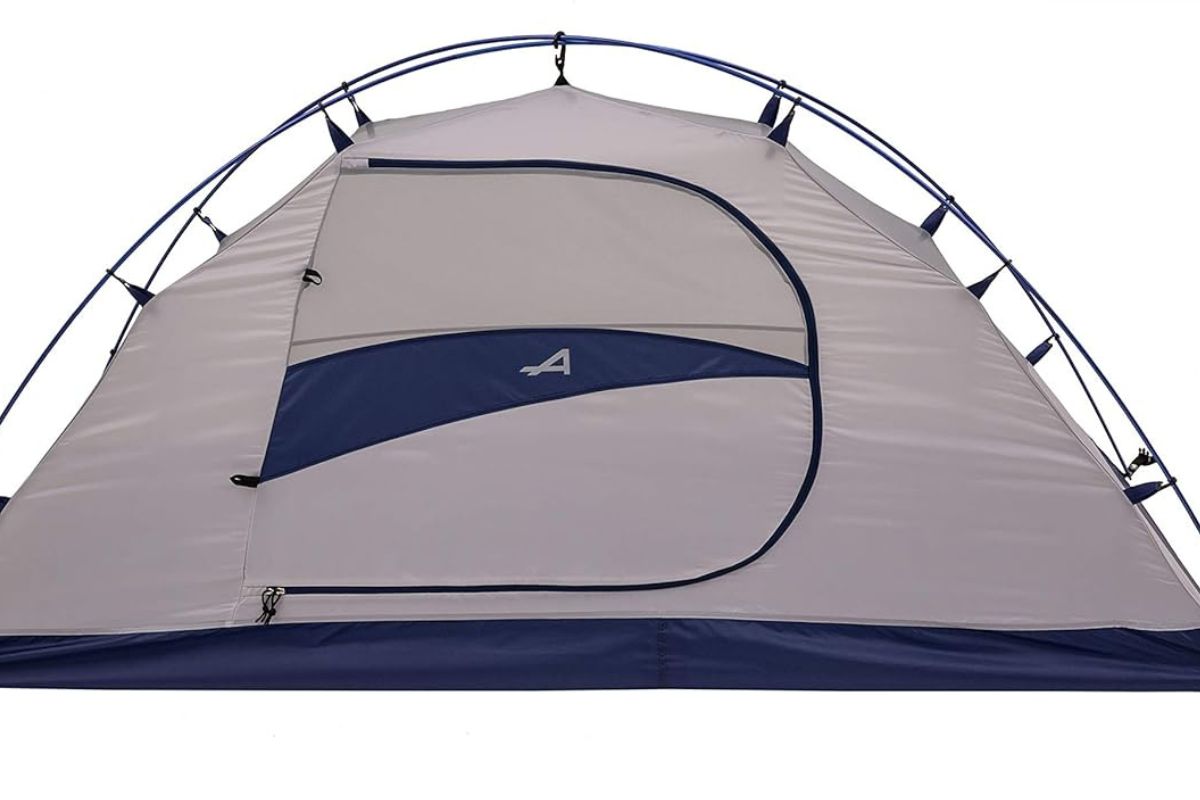
The ALPS Mountaineering Lynx Tent is often recommended as an affordable backpacking shelter that offers solid features for its price. Many hikers appreciate its lightweight design and relatively quick setup process. However, some users have encountered issues that appear during extended backcountry trips. One concern involves condensation inside the tent during humid conditions. Because the tent uses a double-wall design with limited ventilation openings, moisture can accumulate overnight, leaving the interior damp by morning. Another problem sometimes reported involves the durability of the tent poles. While aluminum poles are stronger than fiberglass, they can still bend if the tent is exposed to strong winds without proper guy lines. Additionally, the rainfly coverage may not fully protect the lower sections of the tent walls during heavy storms. While the Lynx tent performs well for many hikers, these limitations can appear during demanding outdoor conditions.
. TETON Sports Mountain Ultra Tent
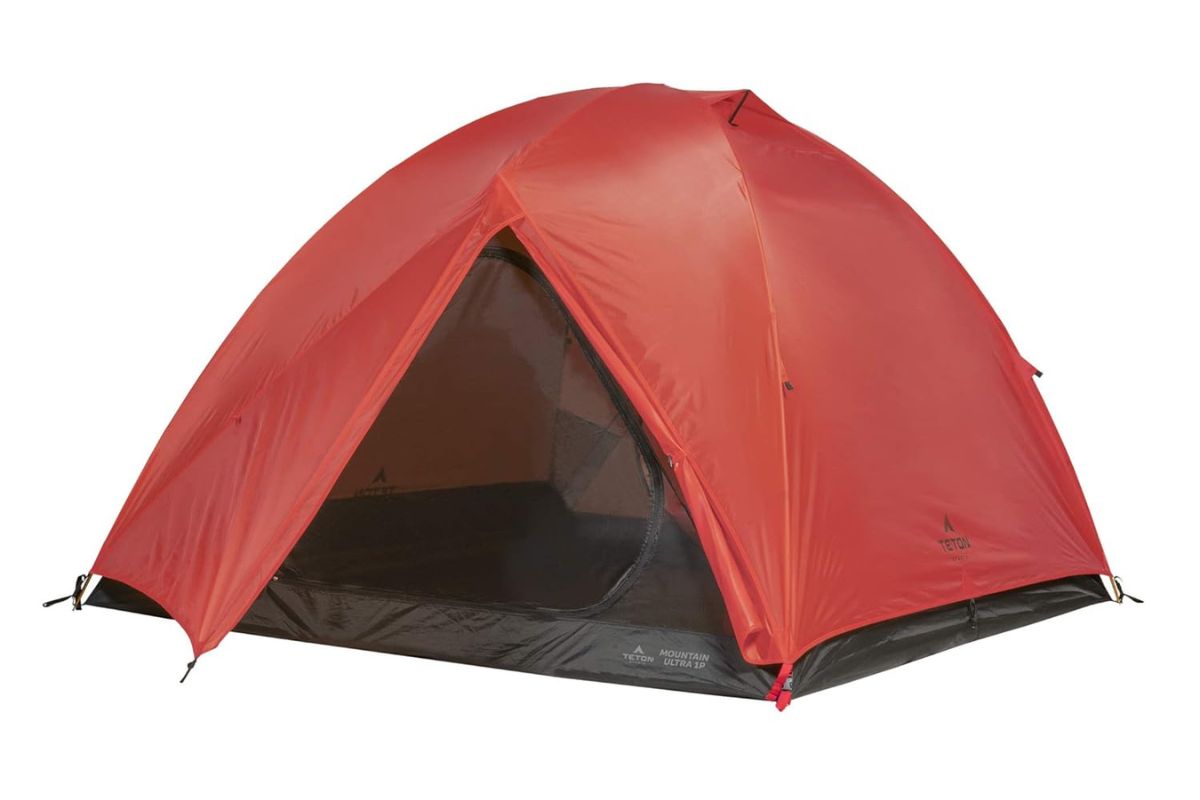
The TETON Sports Mountain Ultra Tent is marketed as a lightweight backpacking shelter designed for hikers who want a balance between comfort and portability. Many users appreciate its compact size and relatively simple setup. However, some outdoor enthusiasts have discovered weaknesses after using the tent in unpredictable weather. One concern is the rainfly design, which may not always provide full coverage in heavy, wind-driven rain. Water can occasionally reach the tent walls if the fly is not tensioned correctly. Another issue reported by hikers involves the thin floor material. While the lightweight fabric helps reduce pack weight, it can be vulnerable to punctures or abrasion on rocky campsite ground. Over time, repeated use on rough surfaces may lead to small leaks. The tent remains convenient for backpacking trips, but campers must be careful when choosing campsites and setting up protection underneath the floor.
9. Kelty Salida Tent
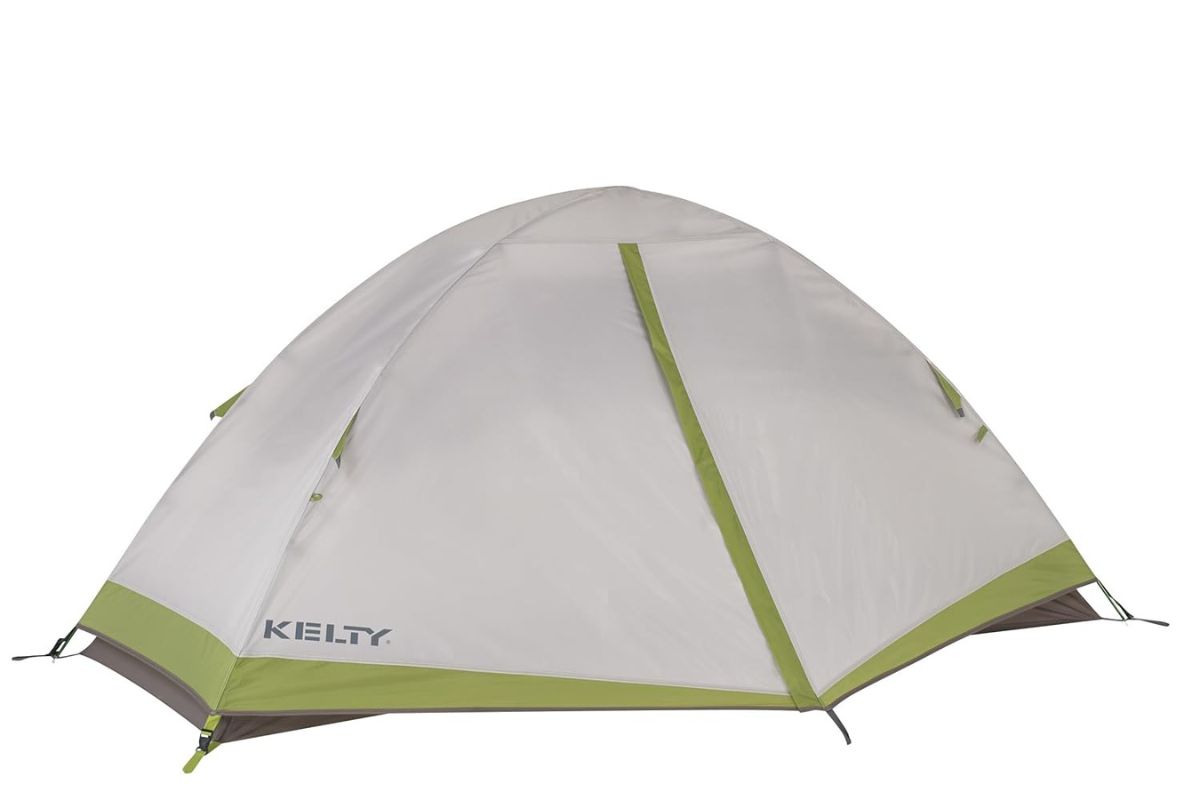
The Kelty Salida Tent is a well-known backpacking shelter that many hikers choose because of its simple design and manageable weight. It offers a straightforward setup that works well for beginners exploring overnight hiking trips. Despite its reputation, some campers have encountered issues after extended outdoor use. One concern involves the limited vestibule space provided by the rainfly. When heavy rain occurs, gear stored outside the sleeping area may become exposed to moisture. Another issue relates to the tent’s pole structure. While the aluminum poles are generally durable, strong wind can place significant stress on the lightweight frame. If the tent is not properly anchored with guy lines, the structure may flex more than expected. Over time, this repeated stress can weaken the pole segments. Although the Salida tent performs well in moderate conditions, it may require careful setup and site selection when the weather is unpredictable.