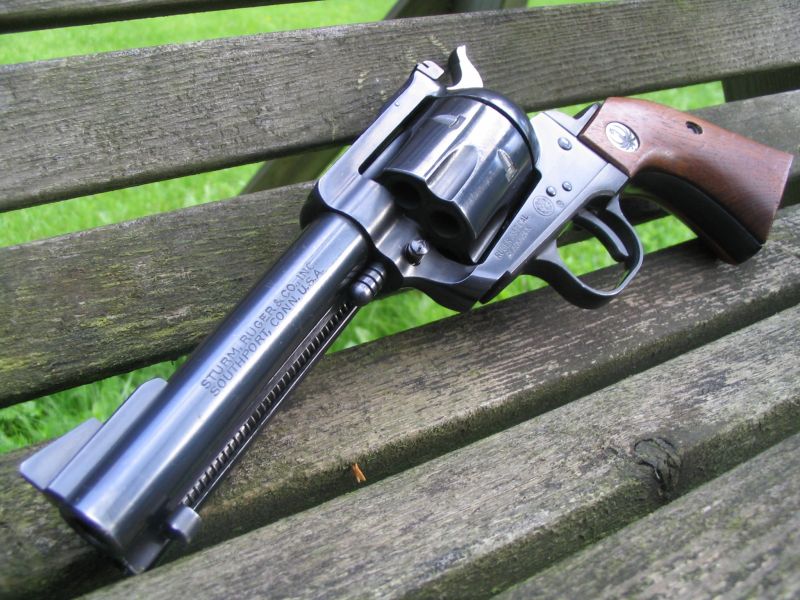
Revolvers hold a timeless appeal. Their mechanical simplicity, classic aesthetics, and long-standing reputation for reliability attract both new shooters and seasoned enthusiasts. Yet popularity and nostalgia do not automatically guarantee satisfaction. Many revolvers that sell well or receive enthusiastic recommendations can reveal practical frustrations after extended ownership. Factors such as recoil behavior, trigger characteristics, weight distribution, maintenance realities, and ergonomics often shape real-world experiences more than initial impressions. Range veterans frequently observe that buyer expectations and daily usability do not always align. What feels impressive at the gun counter may feel very different during repeated range sessions. The following examples reflect common categories of revolvers that some owners later question, not because they are inherently poor firearms, but because their design traits may clash with individual preferences or intended use.
1. Ultra Lightweight Magnum Revolvers
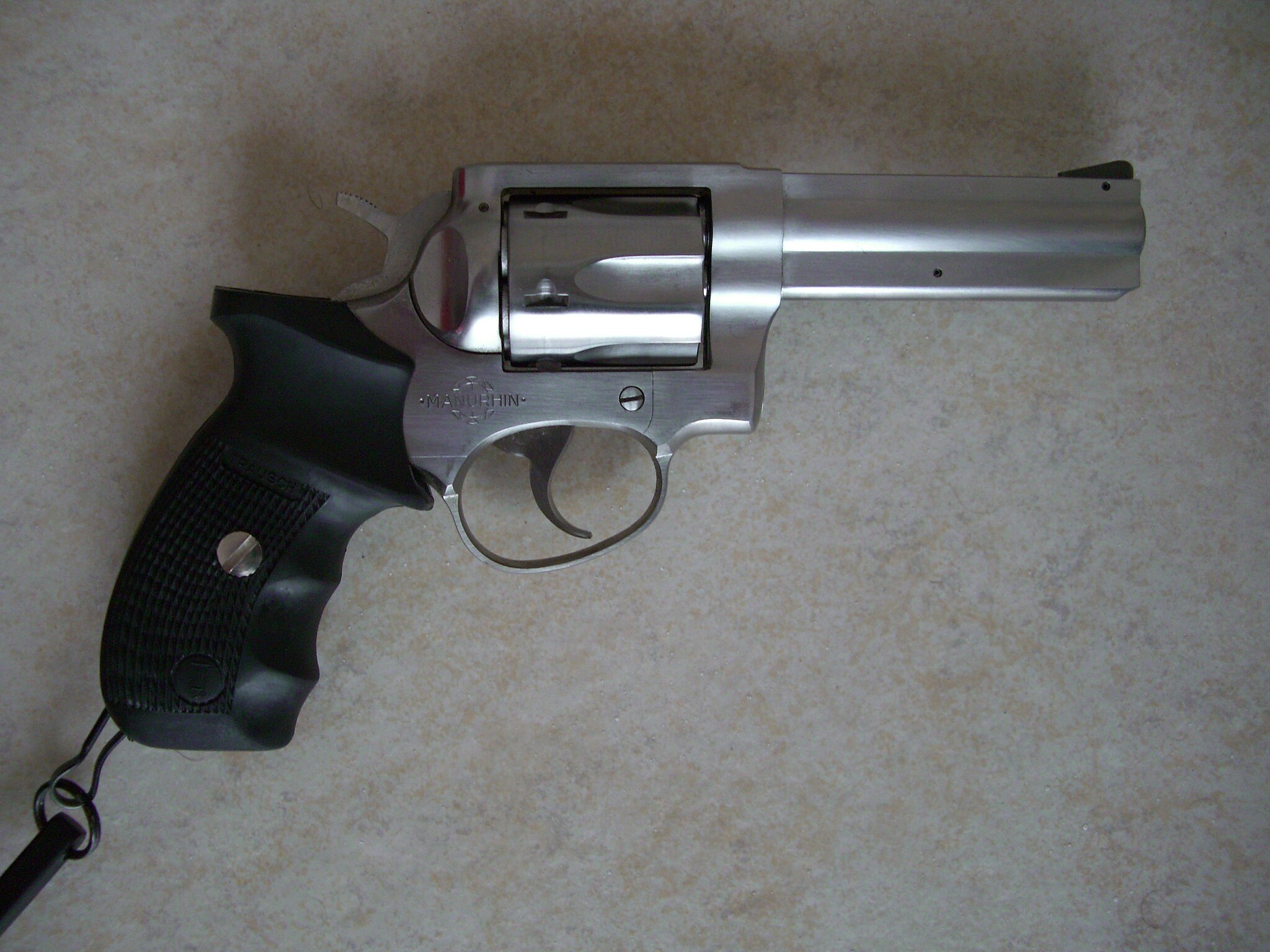
Lightweight magnum revolvers often attract buyers seeking easy carry and powerful chambering. While reduced weight improves portability, it can significantly amplify felt recoil. Shooters sometimes underestimate how sharply a light frame transmits energy to the hand. Extended practice sessions may become uncomfortable, discouraging regular training. Recoil anticipation can also affect accuracy and confidence. Many owners discover that theoretical convenience feels less appealing once shooting fatigue sets in. Heavier revolvers frequently provide a more controllable experience without sacrificing practical effectiveness. The balance between comfort and portability remains highly personal. Lightweight magnum platforms may perform exactly as designed, yet expectations shaped by marketing can differ from real-world handling impressions.
2. Snub Nose Revolvers for Range Use
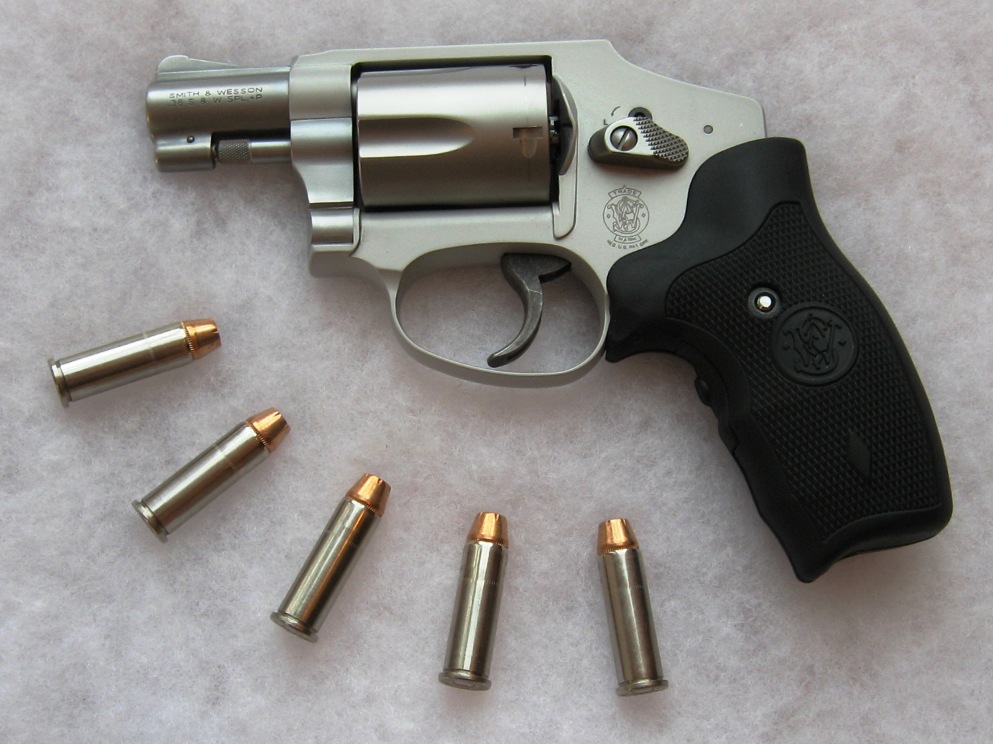
Snub nose revolvers remain extremely popular for concealed carry, but they can frustrate shooters who primarily intend range practice. Short barrels reduce sight radius, often making precision shooting more challenging. Smaller grips may feel less stable during repeated firing. Recoil perception can also increase compared to longer-barreled models. Buyers sometimes select compact designs, assuming universal versatility, only to find that extended range sessions feel less enjoyable. Snub nose revolvers excel in specific roles, yet their handling dynamics may not suit every purpose. Understanding intended use before purchase helps prevent disappointment. Practical satisfaction depends heavily on realistic role alignment.
3. Heavy Steel Revolvers for Carry
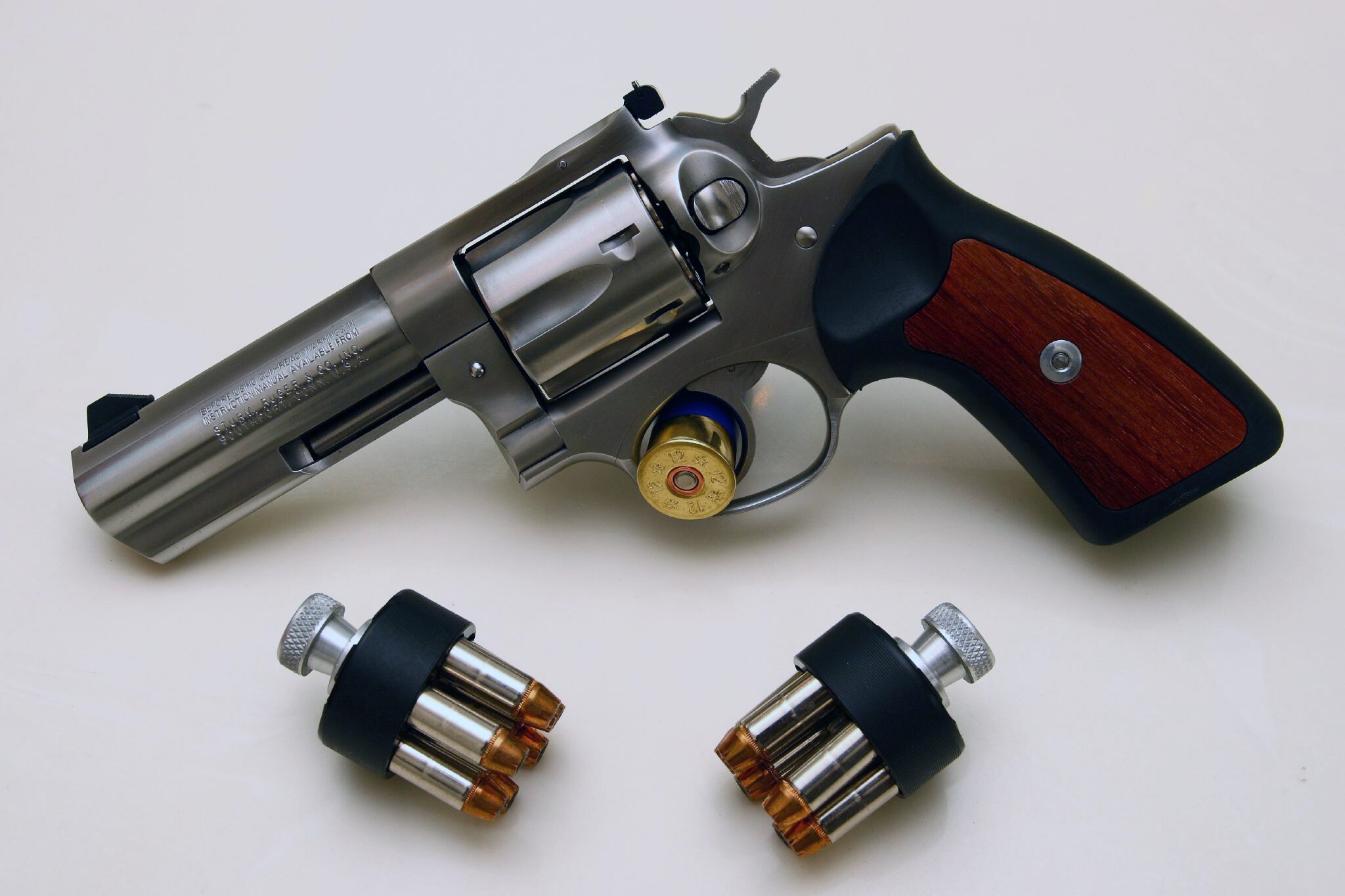
Large steel revolvers project durability and recoil control, qualities that appeal strongly at first glance. However, their substantial weight can become inconvenient for regular carrying. What feels reassuring initially may feel burdensome over time. Holster comfort, mobility, and fatigue influence long-term usability. Some owners discover that consistent carry proves less practical than anticipated. Modern materials often achieve comparable strength with reduced mass. Weight distribution matters as much as overall size. Carry comfort remains highly subjective. Heavy steel revolvers remain excellent range companions, yet daily portability expectations can shift once real-world experience replaces initial enthusiasm.
4. Budget Revolvers With Rough Triggers
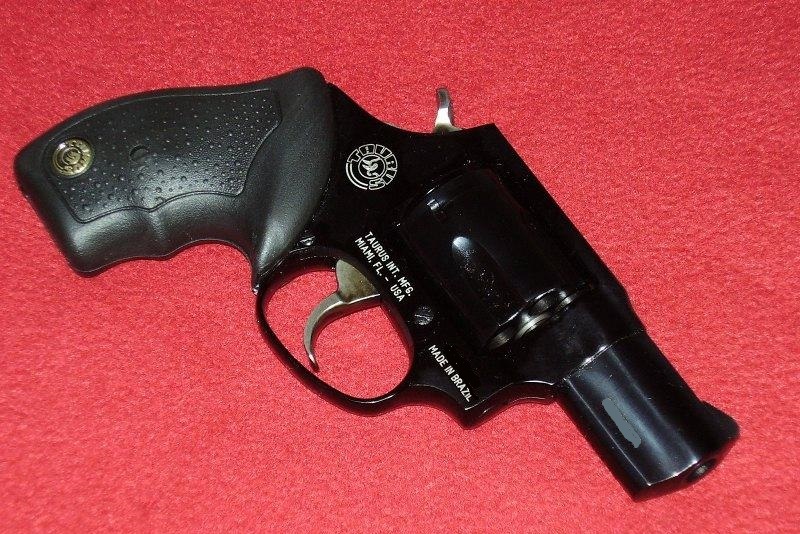
Affordable revolvers provide accessible entry points, but trigger quality sometimes shapes owner regret. Heavier or inconsistent trigger pulls can affect accuracy and shooting enjoyment. While break-in periods may improve feel, not every owner wishes to invest additional time or cost. Expectations influenced by appearance or reputation may exceed practical experience. Trigger comfort remains deeply subjective yet universally important. Reliable function alone does not guarantee satisfying performance. Shooters often prioritize predictability and smoothness. Budget revolvers may offer strong value, yet trigger characteristics frequently influence long-term perception more than buyers initially anticipate.
5. Exotic Caliber Revolvers
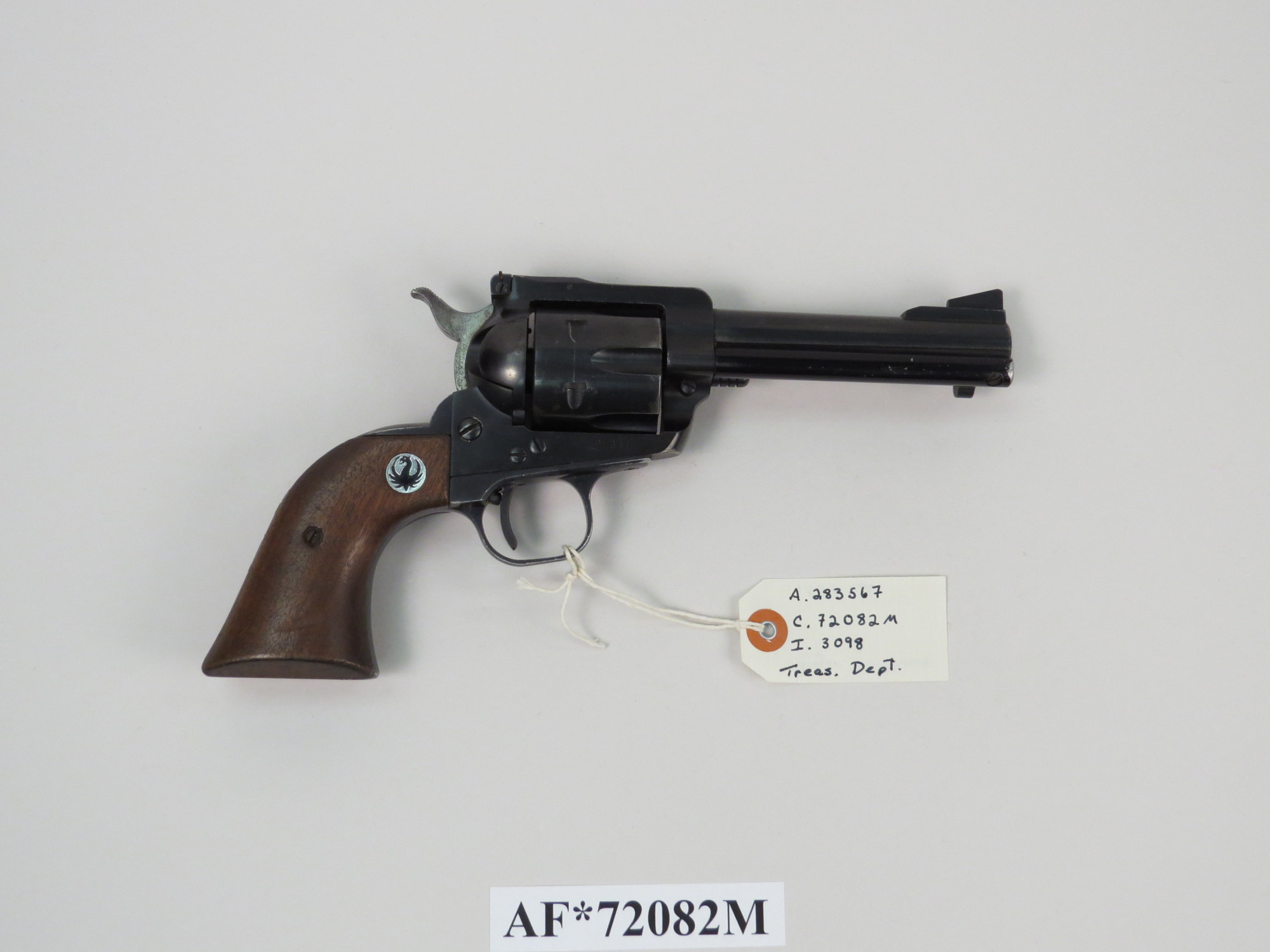
Uncommon calibers generate curiosity and enthusiasm, yet logistical realities can dampen excitement. Ammunition availability, pricing, and variety significantly affect ownership convenience. Shooters may struggle to find suitable loads or maintain consistent practice routines. Novelty may fade as resupply challenges emerge. Practical firearms typically benefit from widely accessible cartridges. Performance advantages rarely offset persistent availability concerns. Range veterans often emphasize sustainability over uniqueness. Exotic chamberings may deliver interesting experiences, yet everyday usability depends heavily on ammunition accessibility. Convenience shapes satisfaction as much as mechanical design.
6. Compact Grips That Limit Comfort
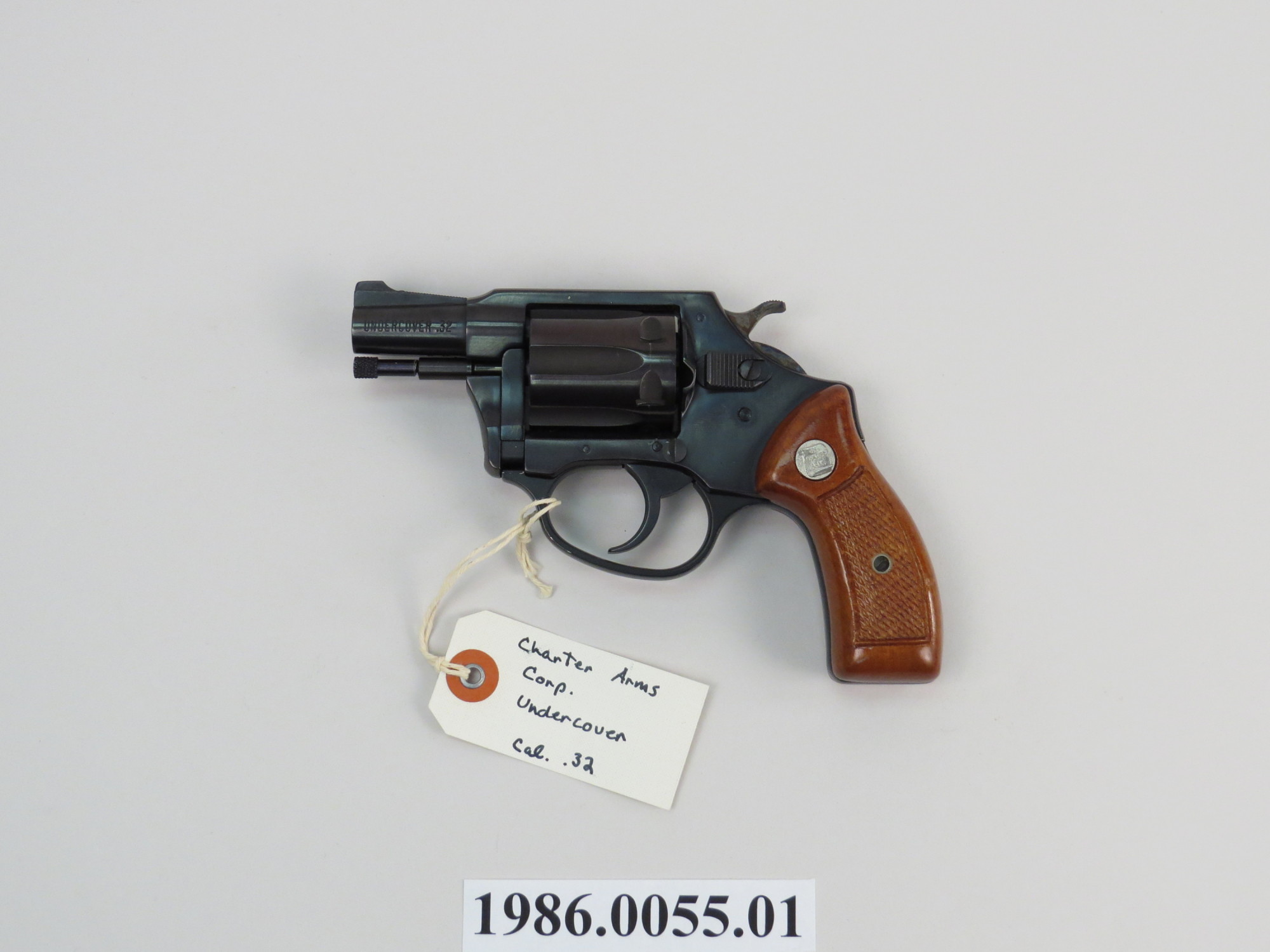
Grip design strongly influences revolver handling. Smaller grips intended for concealment or styling may reduce comfort during extended shooting. Hand fit varies widely between individuals. A grip that feels acceptable briefly may feel unstable or fatiguing over time. Recoil control and trigger reach depend on ergonomic compatibility. Buyers sometimes overlook grip dimensions while focusing on appearance or weight. Personal comfort often outweighs specifications. Adjustable or replaceable grips provide flexibility. Practical satisfaction frequently depends on how naturally a revolver interfaces with the shooter rather than its mechanical reputation alone.
7. Overly Specialized Hunting Revolvers
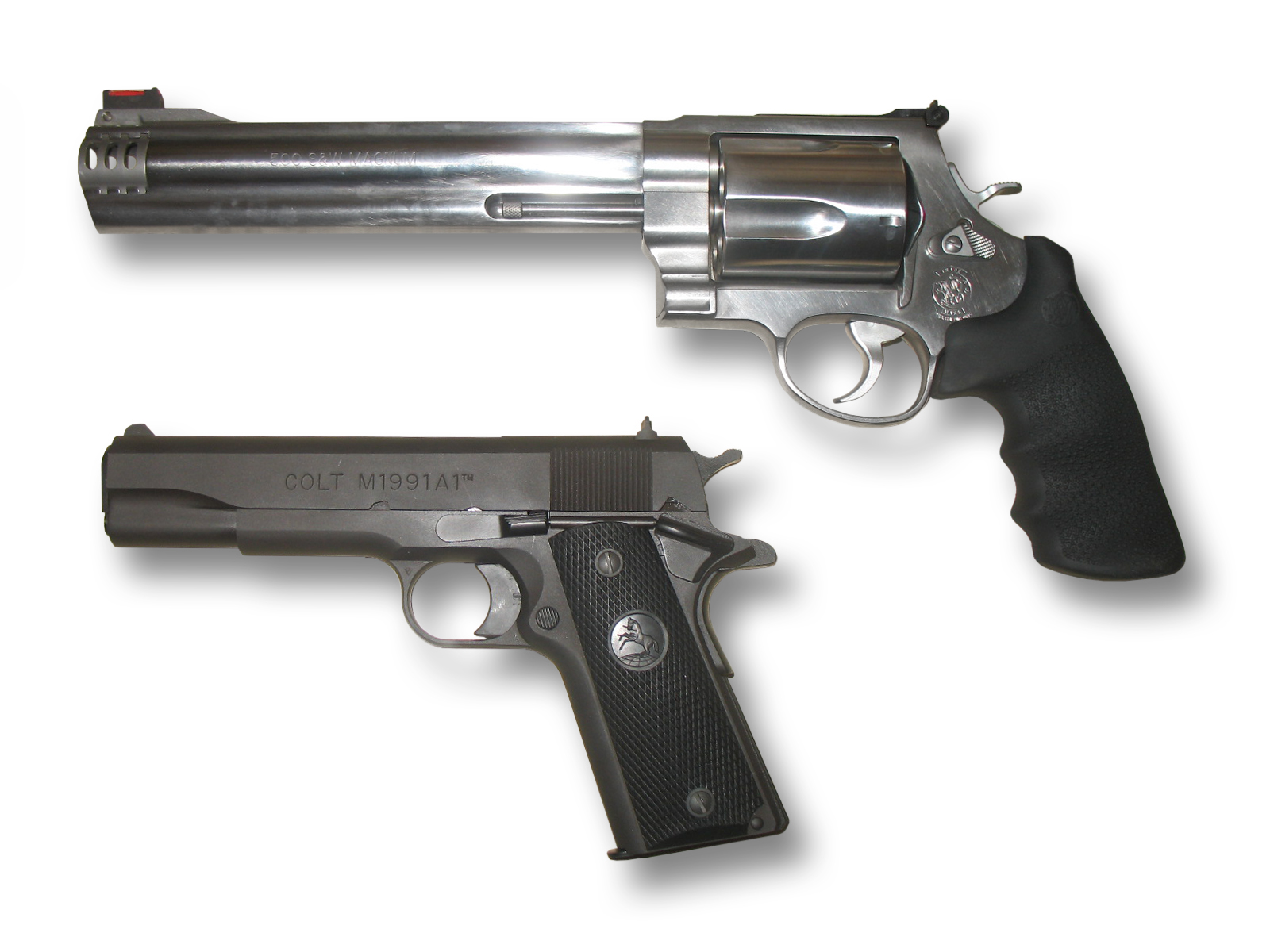
Hunting revolvers optimized for power and accuracy can prove less versatile than buyers expect. Longer barrels and heavier frames may feel unwieldy outside their intended role. Carrying such platforms for general use can reduce convenience. Specialized designs excel within defined boundaries. Field adaptability often matters more than peak performance. Owners sometimes realize their needs differ from initial assumptions. Versatility remains highly valued by many shooters. Careful role consideration prevents mismatched expectations. Specialized revolvers remain impressive tools, yet broader usability concerns may influence long-term satisfaction.
8. Classic Designs With Modern Expectations
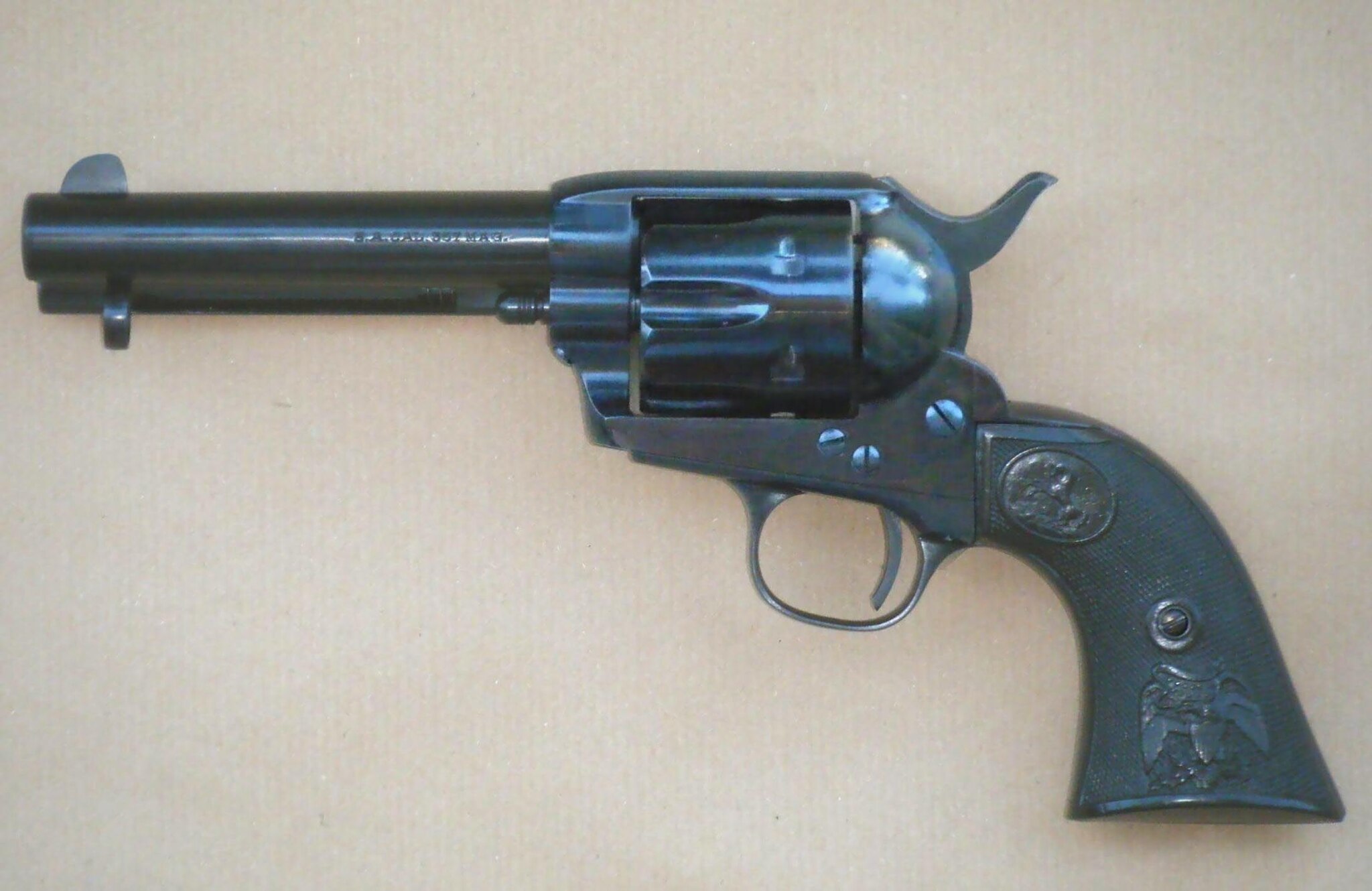
Historically significant revolvers attract collectors and enthusiasts, yet modern usability expectations can create friction. Older designs may exhibit different trigger dynamics, sight configurations, or handling characteristics. Buyers influenced by nostalgia may anticipate contemporary convenience. Practical experience sometimes reveals unexpected learning curves. Classic revolvers remain mechanically fascinating, yet daily shooting comfort depends on familiarity and preference. Appreciating historical context helps align expectations. Satisfaction often stems from understanding design heritage rather than assuming modern performance parity.
9. Reputation Driven Purchases
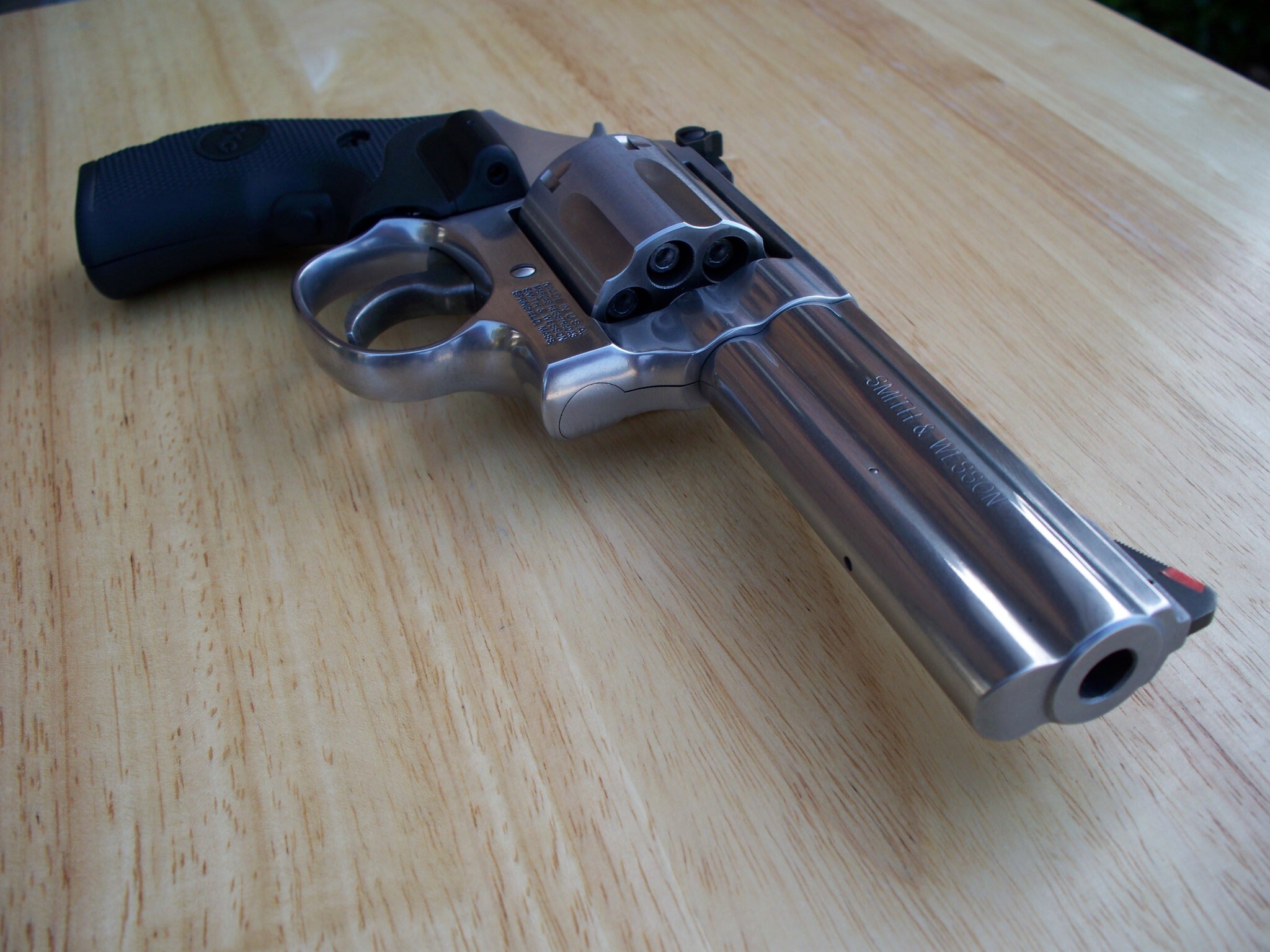
Brand reputation and popularity frequently influence revolver selection. However, widely praised models may not suit every shooter equally. Ergonomics, weight balance, and trigger feel vary greatly between individuals. Expectations shaped by recommendations may overlook personal fit. Range veterans often encourage hands-on evaluation whenever possible. Practical satisfaction emerges from compatibility rather than consensus alone. Even excellent revolvers may disappoint if user preferences differ. Informed purchasing decisions depend on critical assessment rather than reputation alone.