Outdoor skills often rely on flexibility, endurance, and repetition, which naturally shift with age. After forty, learning new physical skills outdoors remains possible, but the process changes. Recovery takes longer. Muscle memory builds more slowly. Confidence can clash with unfamiliar techniques. Environmental exposure feels different. These challenges do not prevent growth, yet they demand patience and smarter training approaches. Understanding which skills become harder helps set realistic expectations. These outdoor abilities highlight how aging influences learning curves, risk tolerance, and adaptation, reminding people that progress remains achievable through adjusted pacing, preparation, and consistent practice over time.
Bushcraft Knife Control
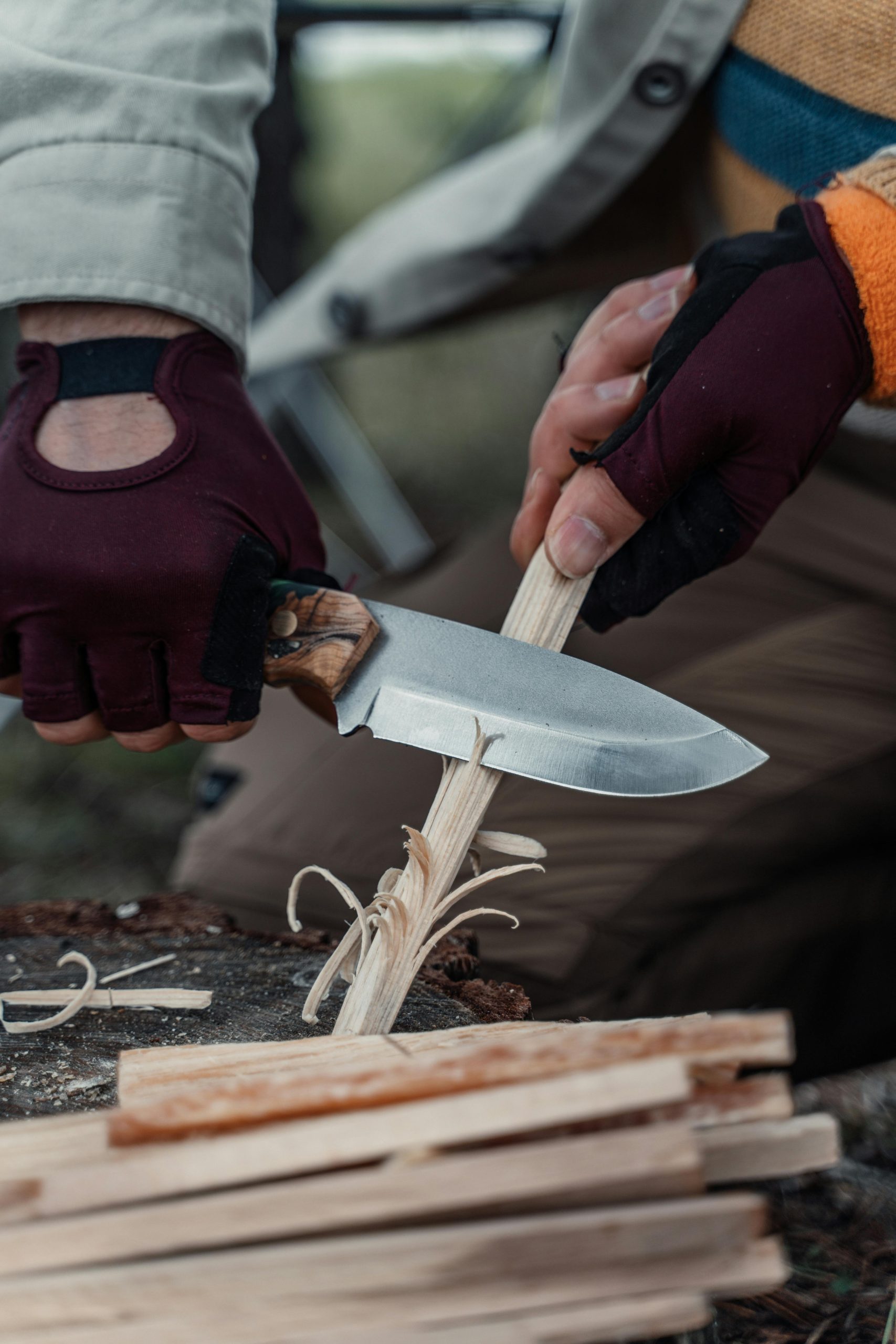
Bushcraft knife control becomes harder after forty due to changes in grip strength and fine motor precision. Carving demands steady wrists and sustained pressure. Hand fatigue arrives sooner. Recovery between sessions takes longer. Minor strain accumulates quickly. Learning controlled cuts requires repetition without rushing. Cold temperatures worsen stiffness. Confidence sometimes encourages unsafe force. Younger learners adapt faster through muscle memory. Older learners must slow down. Proper technique remains achievable, but mastering knife control later in life requires deliberate pacing, frequent breaks, and increased attention to ergonomics, safety positioning, and tool selection to avoid injury.
Backpack Load Management
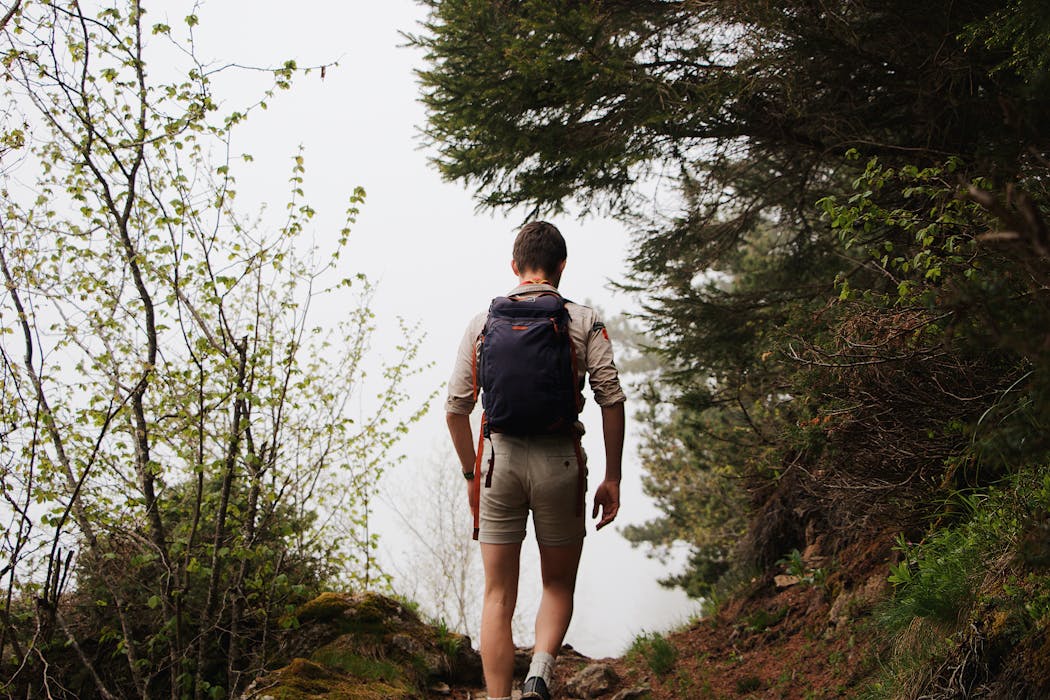
Backpack load management grows more challenging with age as joints respond differently to strain. Knees, hips, and lower back absorb cumulative stress. Balance shifts subtly over uneven ground. Learning optimal weight distribution takes longer. Mistakes cause soreness lasting days. Core strength declines without training. Overconfidence leads to overpacking. Younger bodies compensate more easily. After forty, efficiency matters greatly. Adjusting straps, reducing pack weight, and refining movement technique become essential skills. Learning load management later in life requires patience, body awareness, and gradual conditioning to prevent injury and maintain long term mobility.
Cold Weather Endurance
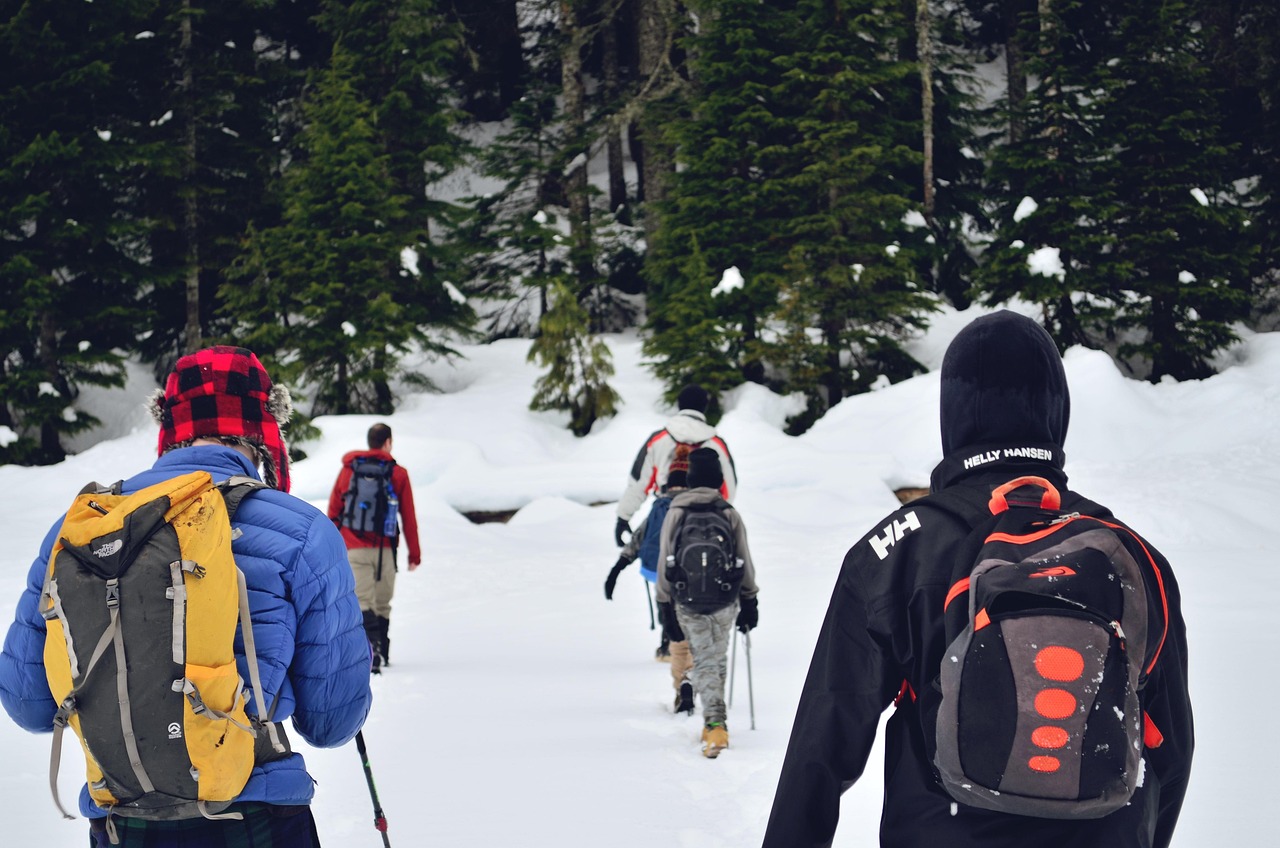
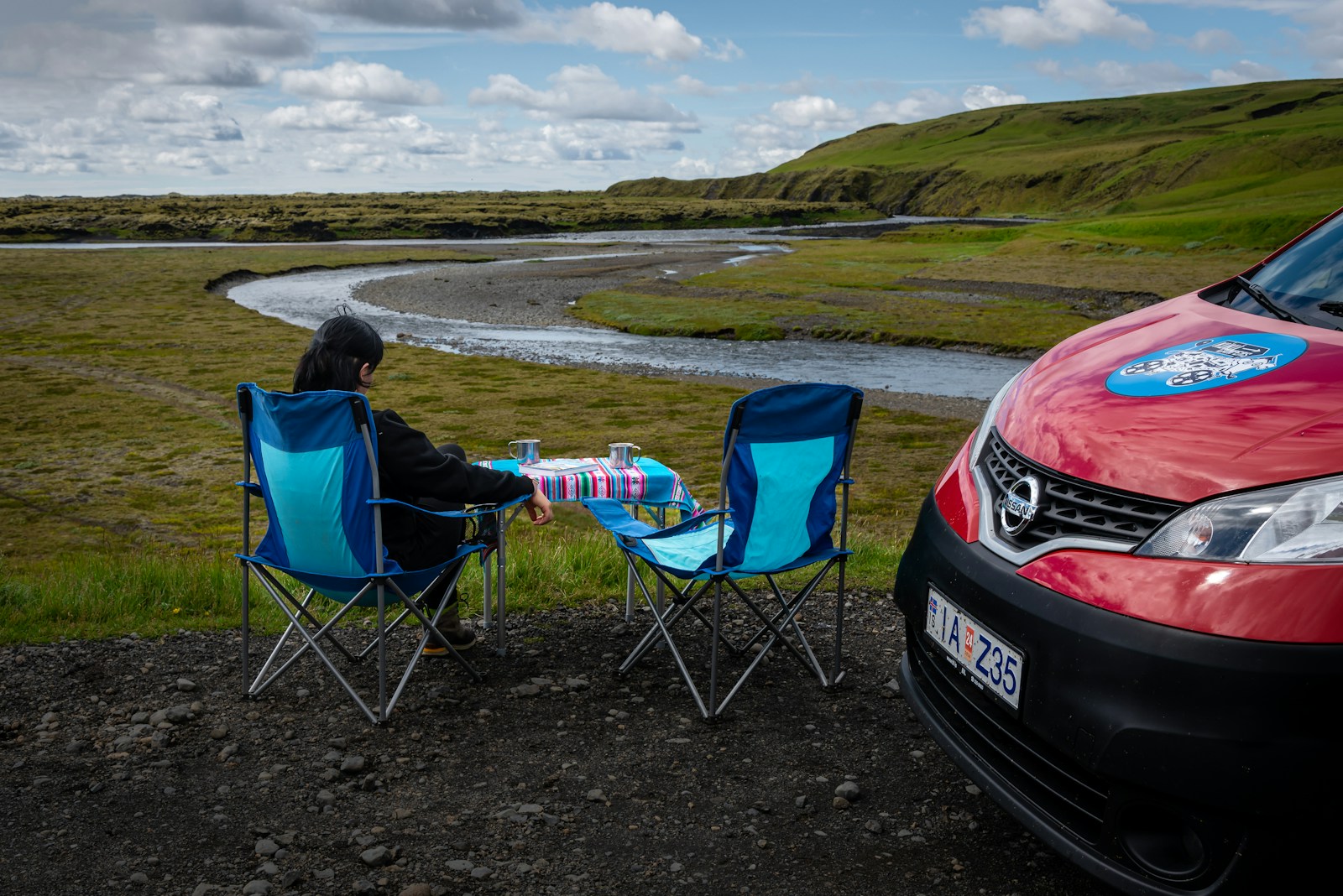
Cold weather endurance becomes harder to develop after forty due to circulation changes. Hands and feet lose warmth faster. Recovery from cold exposure slows. Shivering drains energy quickly. Learning layering strategies requires trial and error. Younger bodies adapt faster to temperature swings. Older learners feel discomfort sooner. Overexertion increases risk. Proper hydration becomes critical. Mental tolerance shifts. Building cold resilience later in life demands careful clothing choices, controlled exposure, and conservative pacing. Skill development focuses less on toughness and more on thermal management, planning, and recognizing early signs of cold related stress.
Technical Navigation
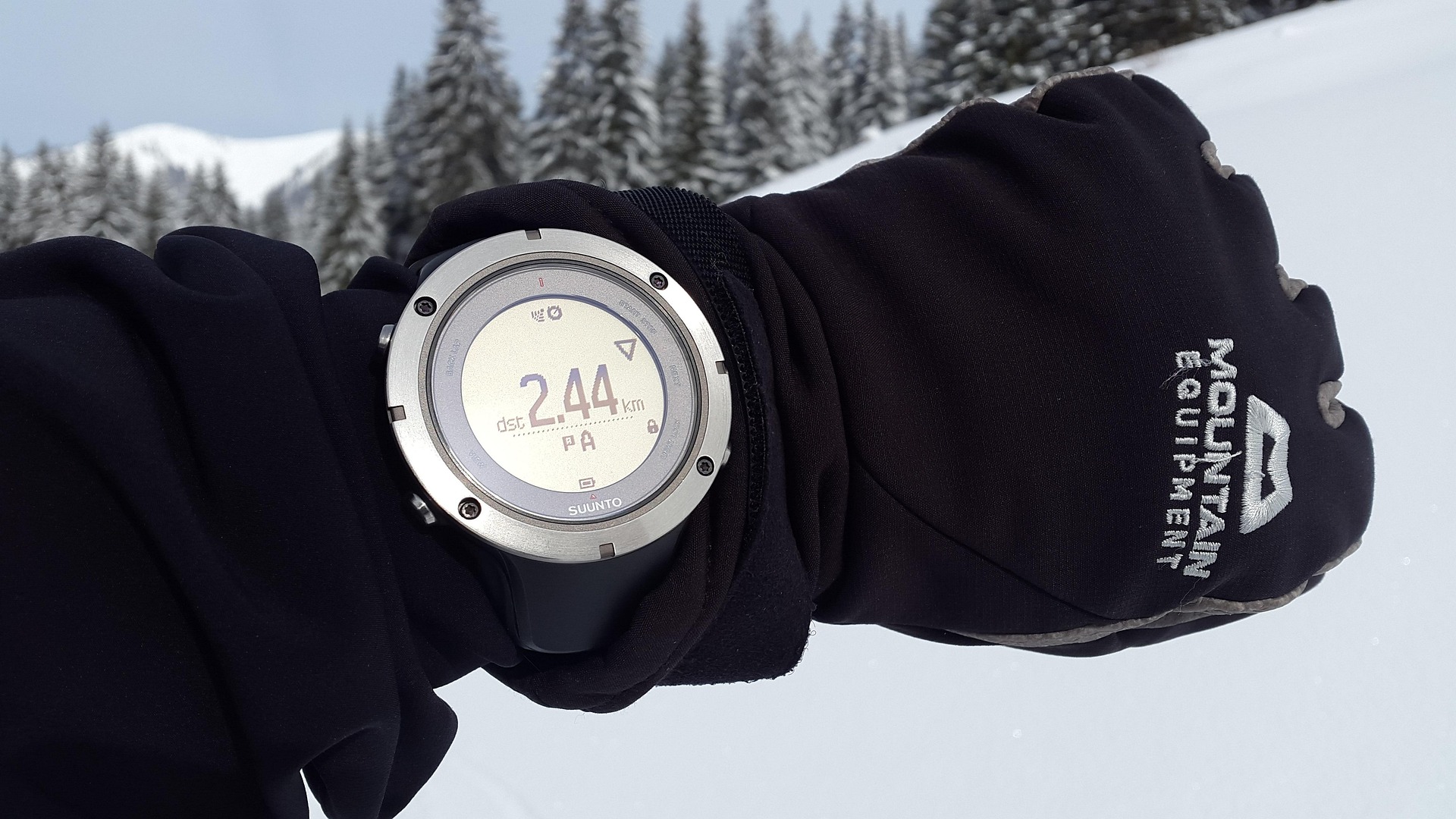
Technical navigation challenges increase after forty as memory retention and multitasking change. Learning map reading, compass use, and terrain interpretation requires focused repetition. Distractions interfere more easily and fatigue affects concentration. Younger learners absorb patterns faster but older learners rely on experience but struggle with new systems. Visual acuity shifts impact detail recognition. Practicing navigation later in life demands structured sessions, slower pacing, and frequent reinforcement. Mastery remains achievable, but progress depends on patience, minimizing cognitive overload, and integrating navigation habits gradually into real outings rather than relying on rapid instruction alone.
Rock Scrambling
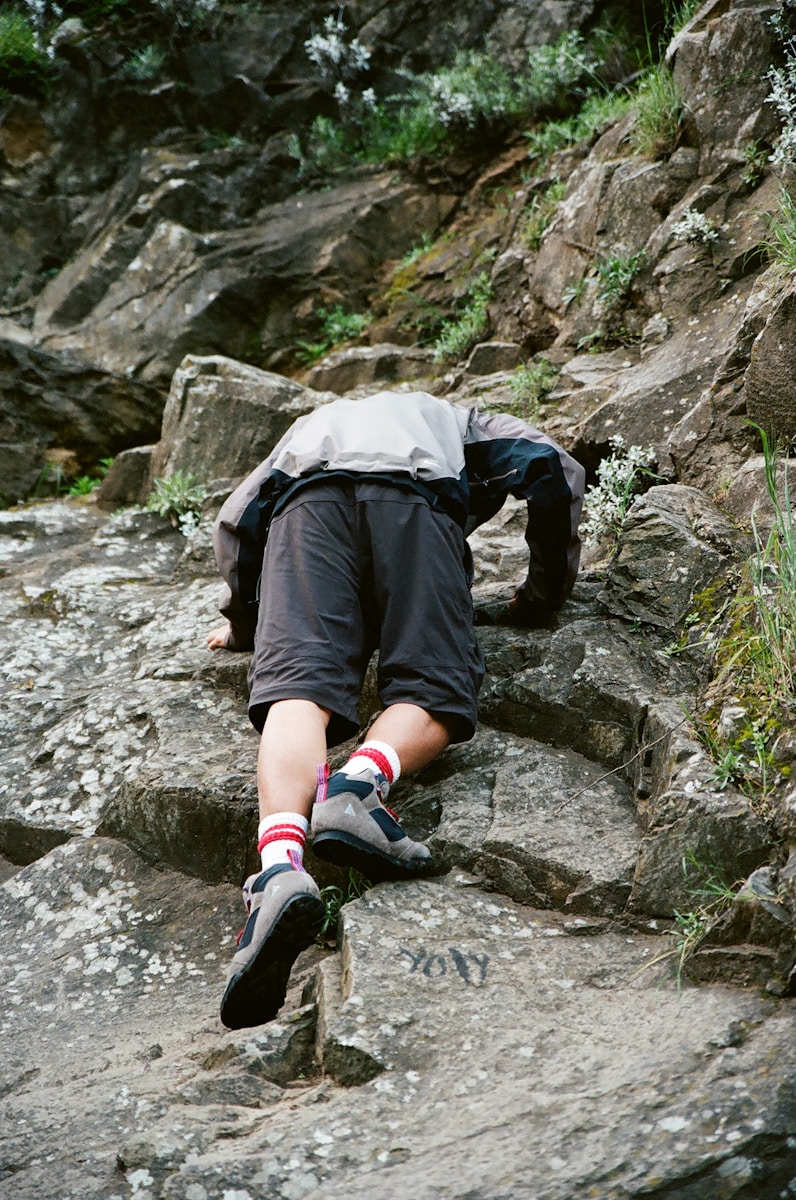
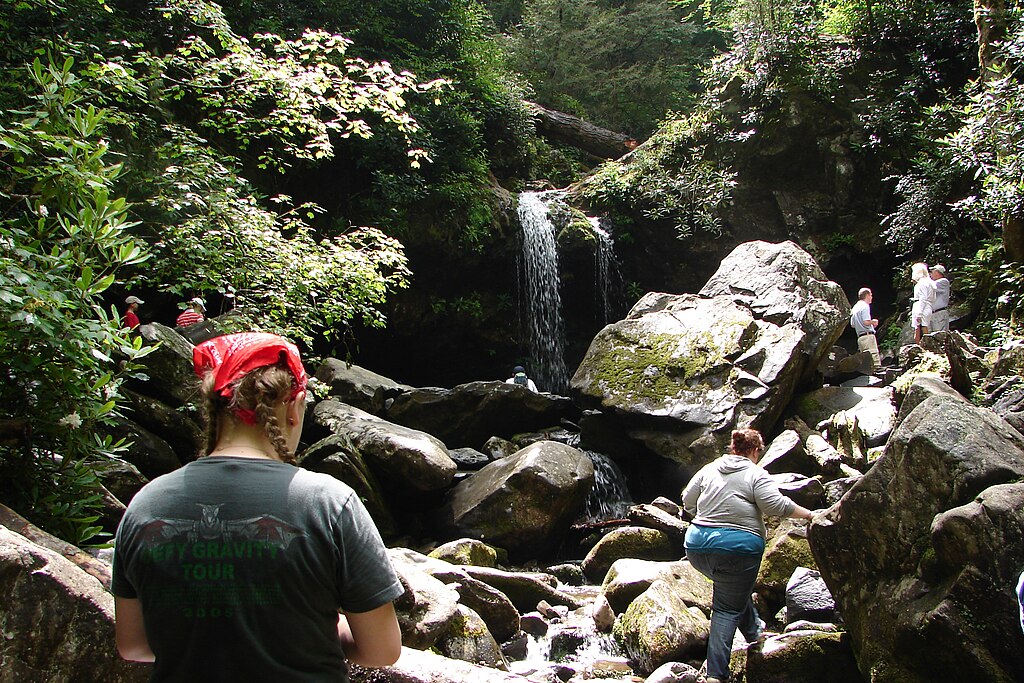
Rock scrambling becomes harder after forty as flexibility and reaction speed decline, balance recovery slows, grip strength weakens, and falls carry greater consequences. Learning precise foot placement demands confidence without rushing, yet joint stiffness and fatigue limit movement options and increase risk. Younger bodies tolerate slips better, while older learners hesitate more appropriately. Mastering scrambling later in life requires deliberate practice, ongoing strength maintenance, and conservative route choices where technique matters more than speed. Building this skill safely involves controlled environments, protective gear, and accepting limits while refining movement efficiency rather than chasing aggressive lines.
Fire Building In Wet Conditions
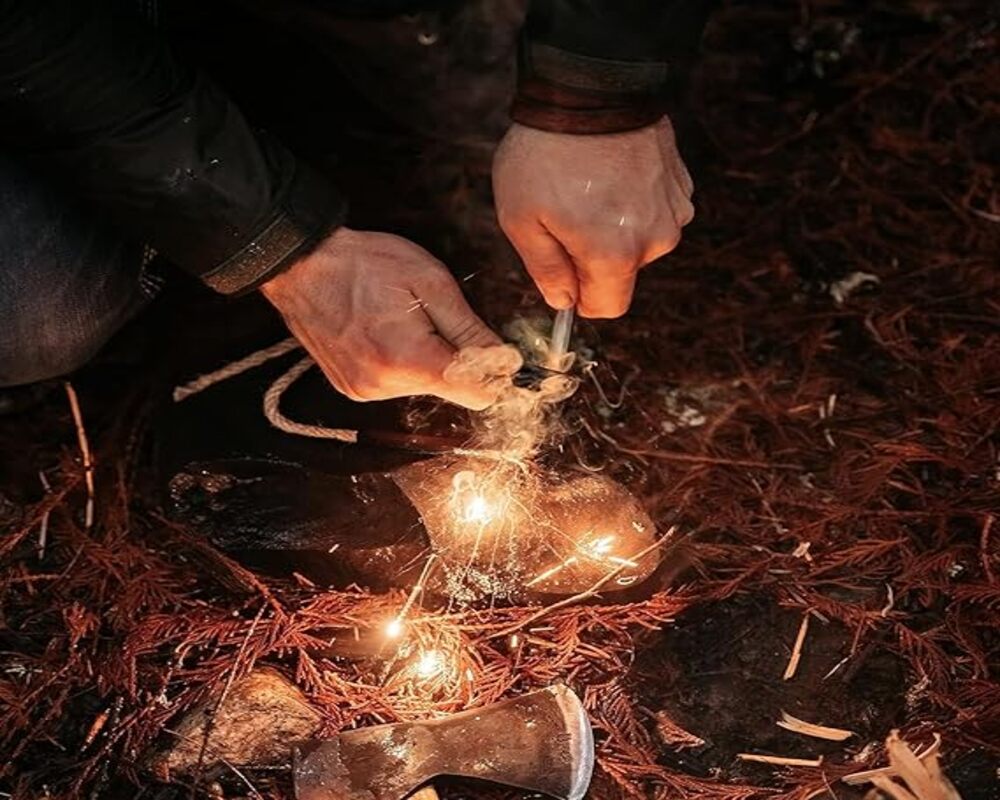
Fire building in wet conditions grows harder after forty due to reduced hand endurance, lower patience tolerance, and fine motor control that suffers under cold stress. Processing damp materials requires sustained effort, while fatigue discourages persistence and increases strain injury risk. Younger learners often push through longer, but later learners benefit from focusing on preparation, efficient material selection, and tool assistance. Learning moisture management techniques still demands repetition, yet success relies on minimizing exertion, conserving energy, and emphasizing planning rather than brute force when environmental conditions resist ignition.
Endurance Hiking
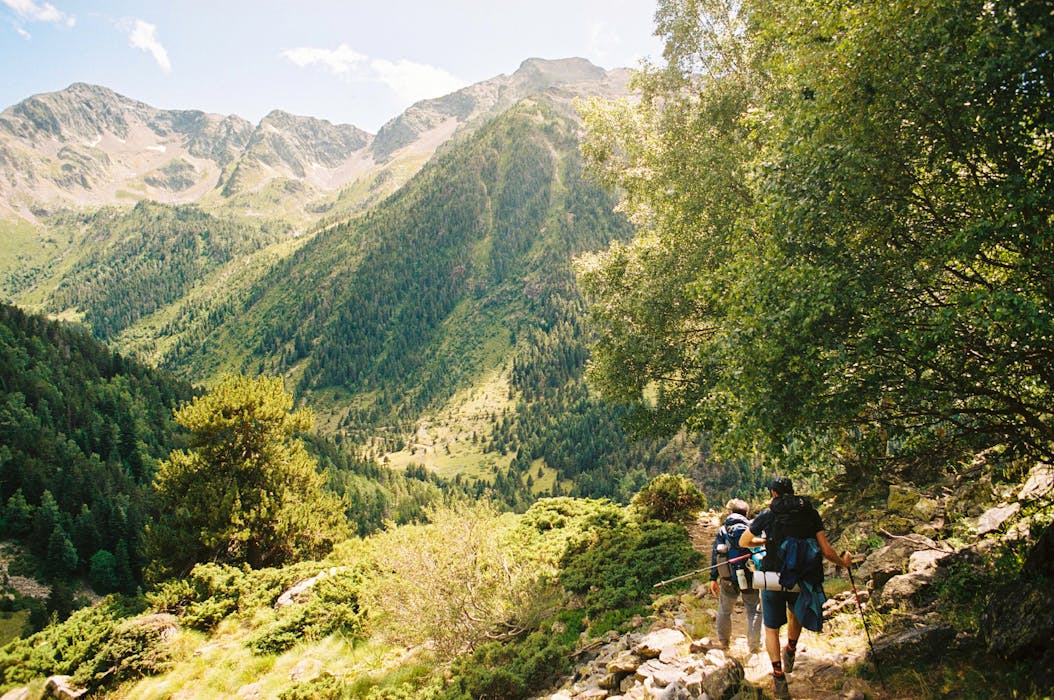
Endurance hiking becomes harder to develop after forty as recovery time lengthens, muscle soreness persists, tendons respond slowly, and cardiovascular adaptation requires patience. Younger hikers bounce back faster, making pacing a critical lesson for older learners. Overexertion leads to setbacks, while hydration and nutrition mistakes amplify fatigue and mental endurance shifts. Building long distance capability later in life requires gradual progression, realistic mileage goals, and rest prioritization. Technique refinement matters more than speed, and consistent listening to physical signals allows endurance hiking to remain achievable with proper recovery between demanding outings.
Tree Climbing
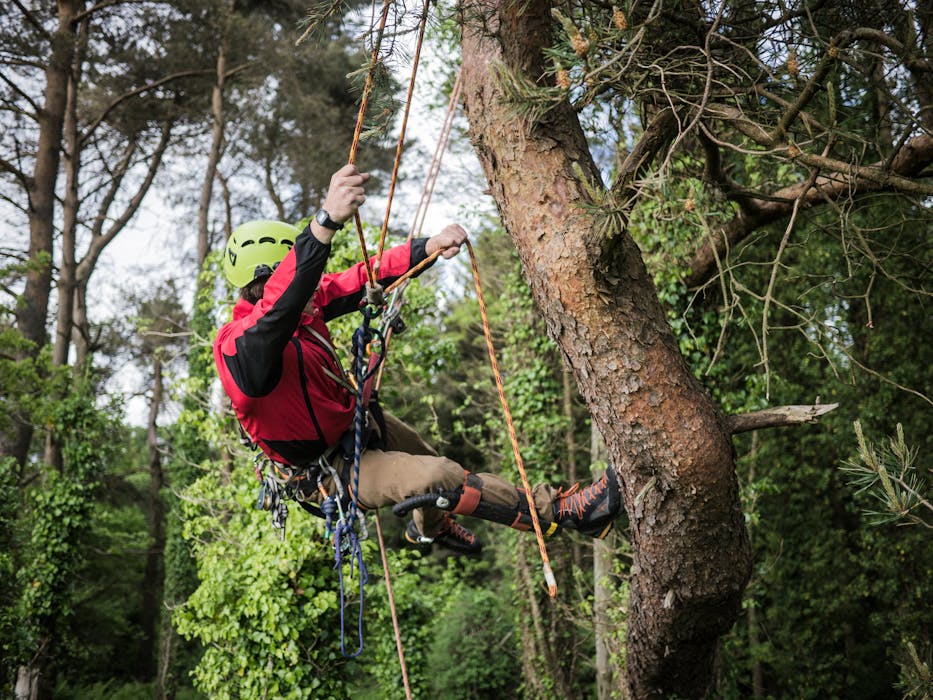
Tree climbing grows more difficult after forty due to strength to weight changes, declining grip endurance, reduced shoulder mobility, and increased joint sensitivity. Falls carry higher risk, and balance corrections slow, making fatigue a limiting factor. Learning safe climbing techniques requires trust, repetition, and realistic pacing. Younger learners adapt quickly, while older learners hesitate appropriately. Developing climbing skill later in life demands conservative practice, safety gear, and clear expectations, with success focusing on controlled movement, strength maintenance, and recognizing when conditions or physical readiness make climbing unsafe despite technical knowledge.
Learning New Footwear Systems
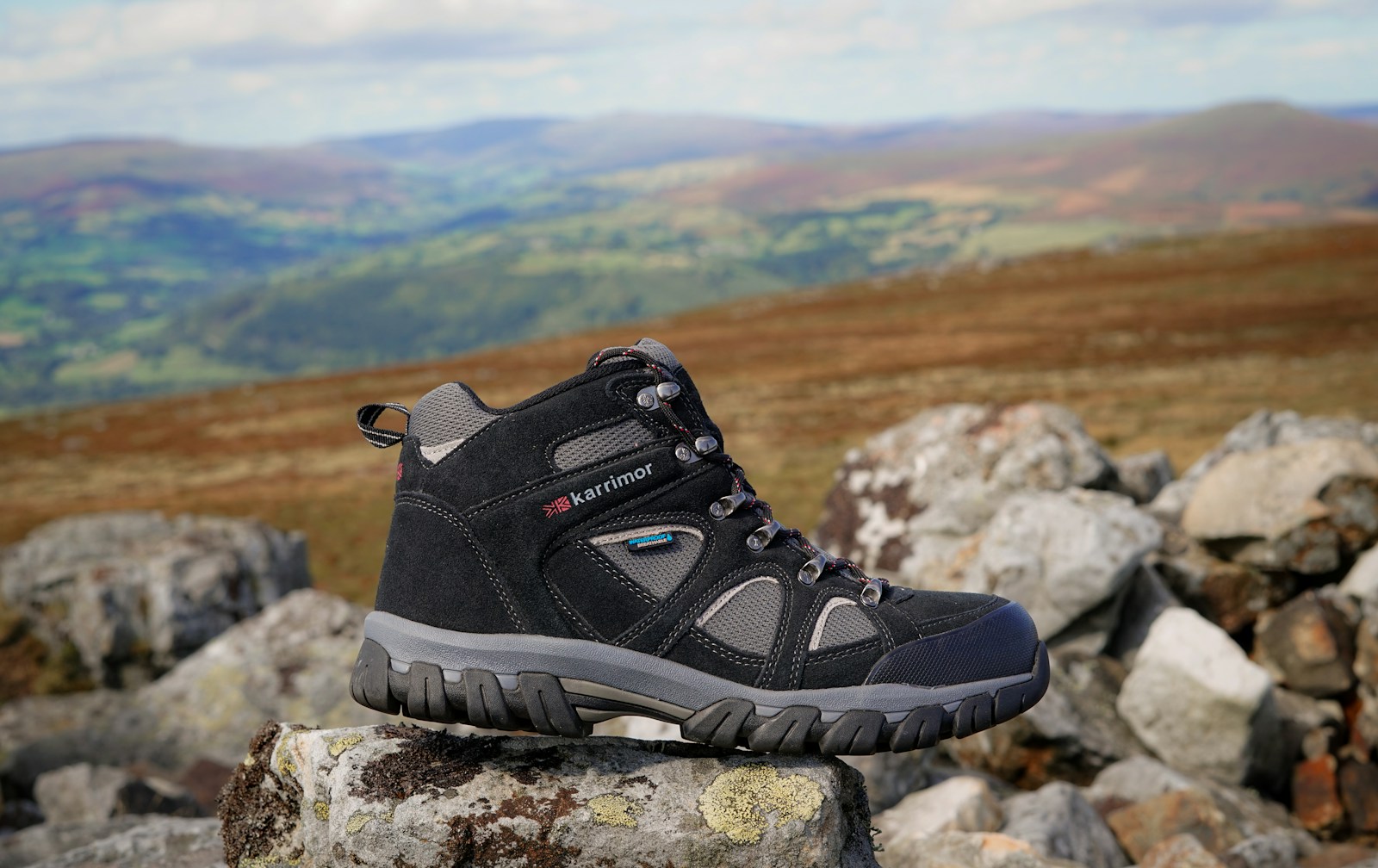
Learning new footwear systems becomes harder after forty as feet lose adaptability, breaking in boots takes longer, and pressure points cause inflammation quickly. Balance adjustments feel unfamiliar, blisters heal slower, and prolonged discomfort challenges confidence. Younger hikers adjust faster, while older learners must practice patience when learning gait changes. Overconfidence delays necessary adjustments. Mastery later in life requires gradual use, careful fitting, and willingness to abandon unsuitable options early. Because comfort directly affects performance, footwear learning remains critical but slower, demanding cautious experimentation and attentive self assessment.