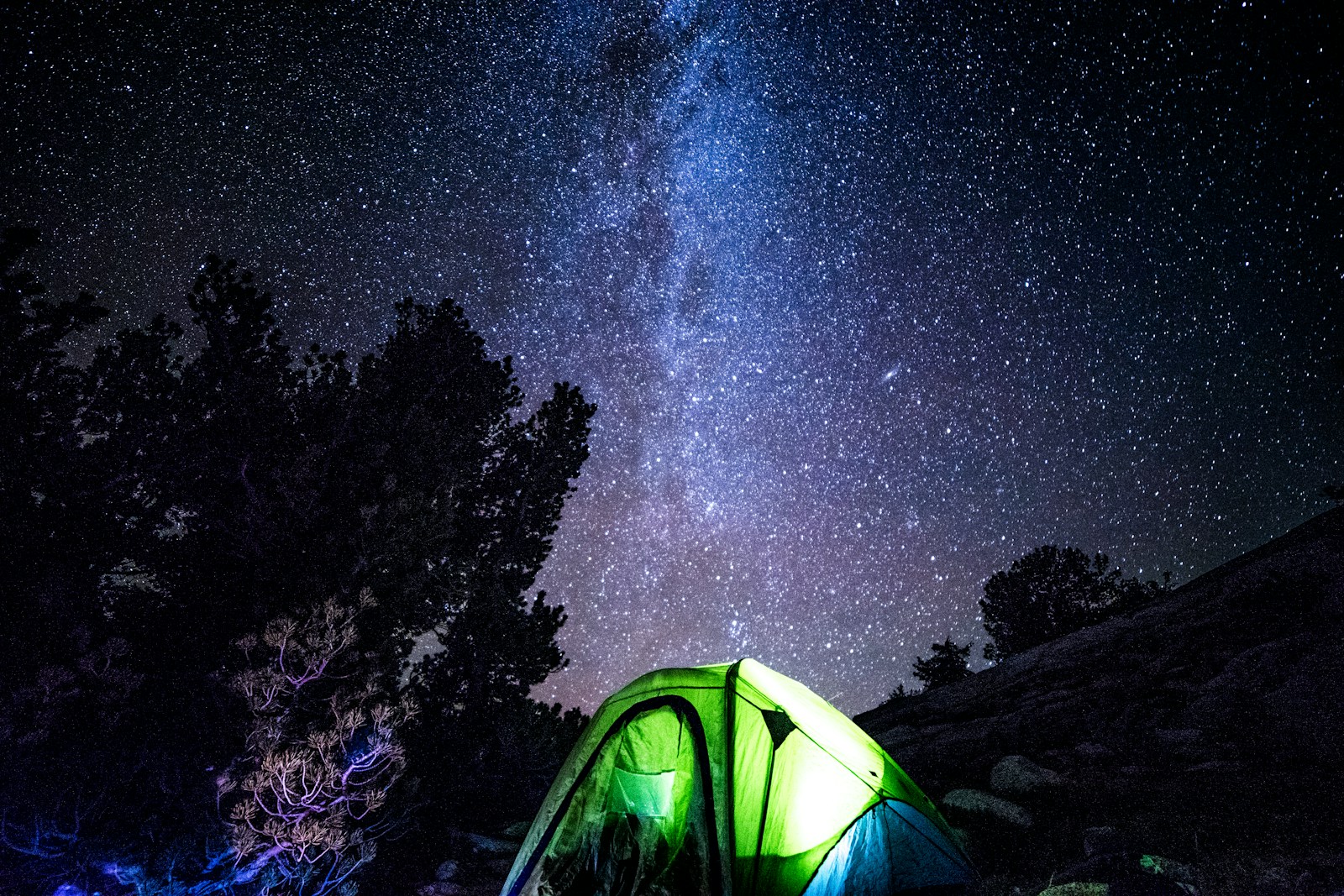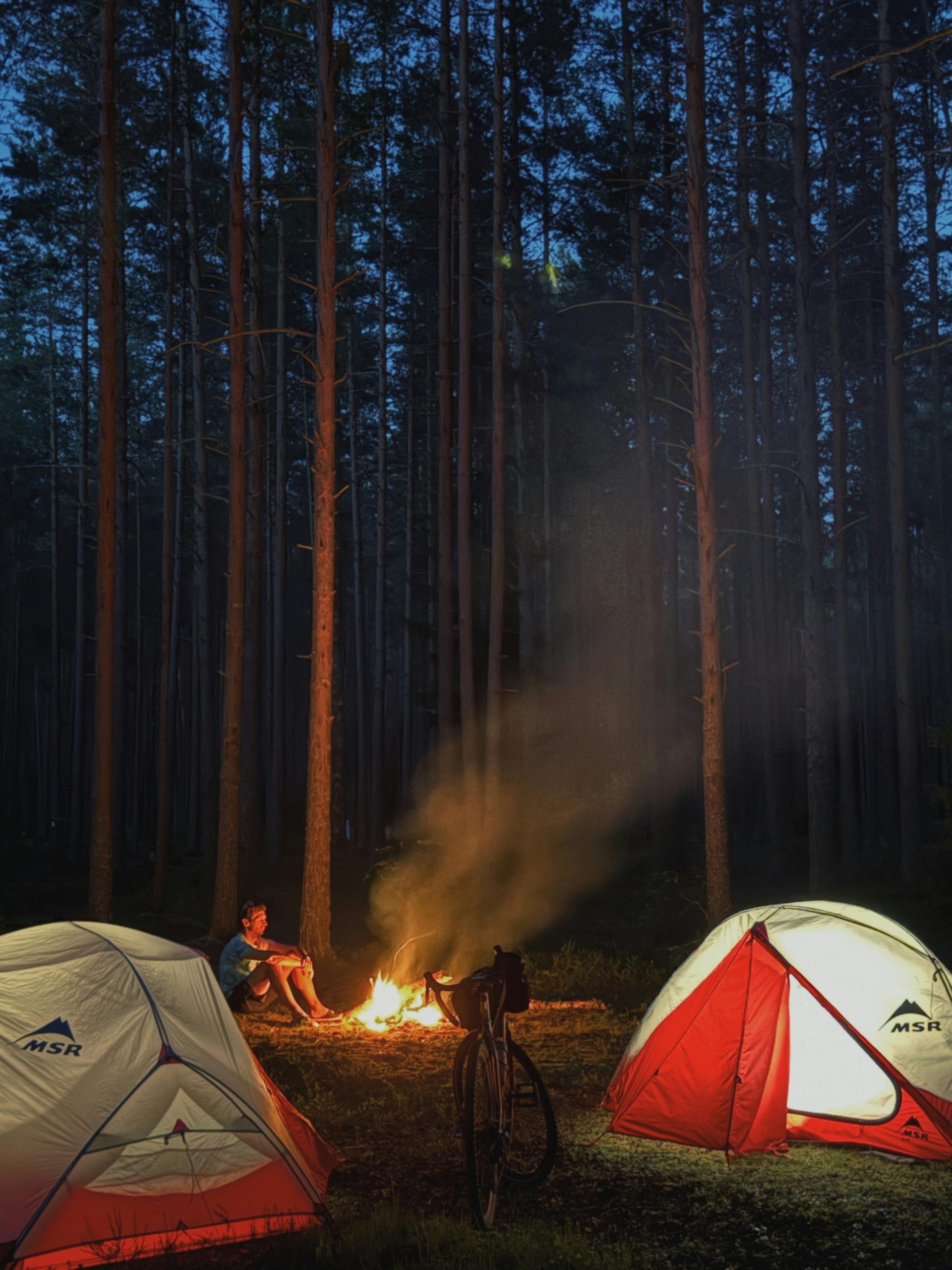
Camping offers a chance to enjoy quiet landscapes, fresh air, and time away from routine, but it also requires careful attention to behavior that influences fire safety outdoors. Wildfires often begin from small sparks or overlooked details that seem harmless in the moment, especially during dry seasons when vegetation ignites easily. Many common camping habits, such as placing fire rings too close to brush, leaving embers unattended, or failing to consider wind direction, play a larger role in fire outbreaks than most people realize. Understanding how small errors contribute to larger risks helps highlight the importance of responsible and thoughtful campsite management. Recognizing these mistakes encourages safer practices that protect forests, wildlife, and the many communities connected to outdoor recreation environments.
Building Fires Too Close to Vegetation
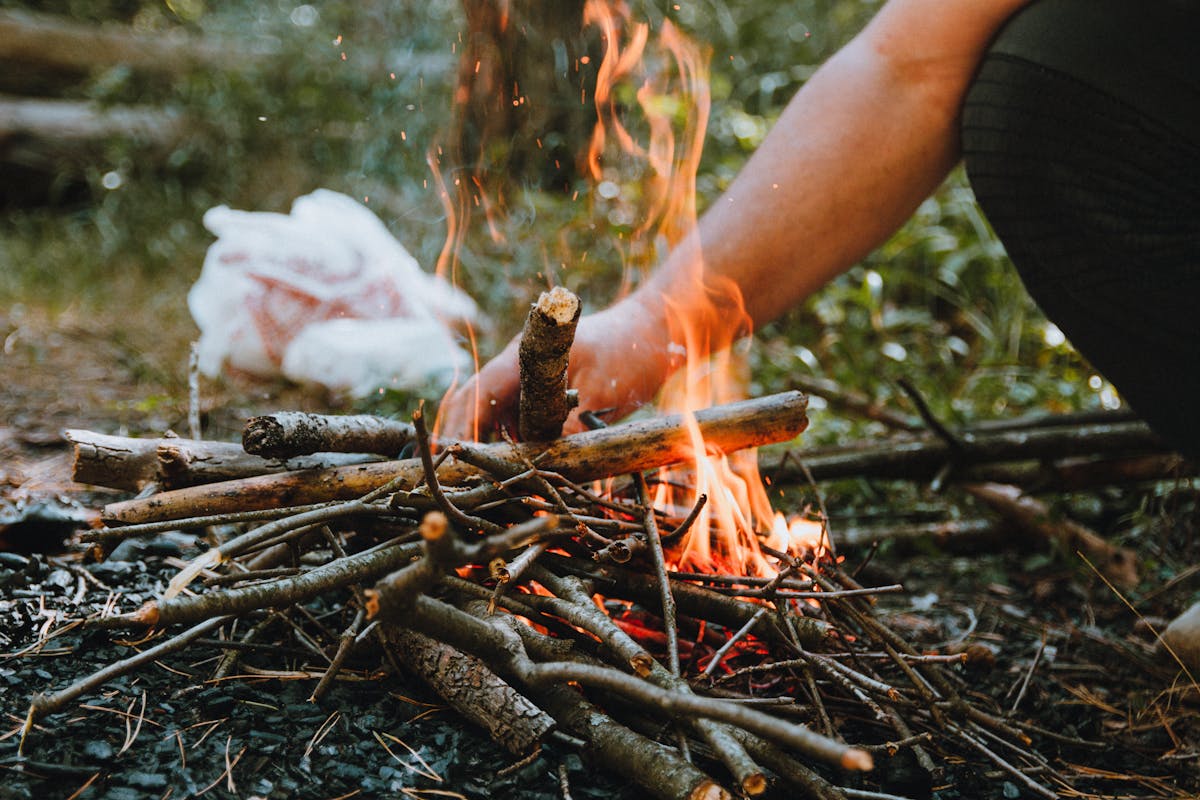
A fire built too close to dry grass, low branches, or brush significantly increases the chance of flames spreading beyond the intended area. Even small sparks can catch dry vegetation quickly, especially during late summer or early fall when conditions become tinder-dry. Campers sometimes underestimate how far heat radiates outward and fail to clear enough space around their fire ring. Wind gusts can lift embers and carry them into surrounding growth, turning a contained fire into a hazardous situation. Creating a wide, debris-free zone around a fire is essential for reducing risk. Paying close attention to vegetation density and dryness helps ensure that flames remain safely contained within a properly prepared space, especially during increasingly unpredictable seasonal weather conditions.
Leaving Fires Unattended
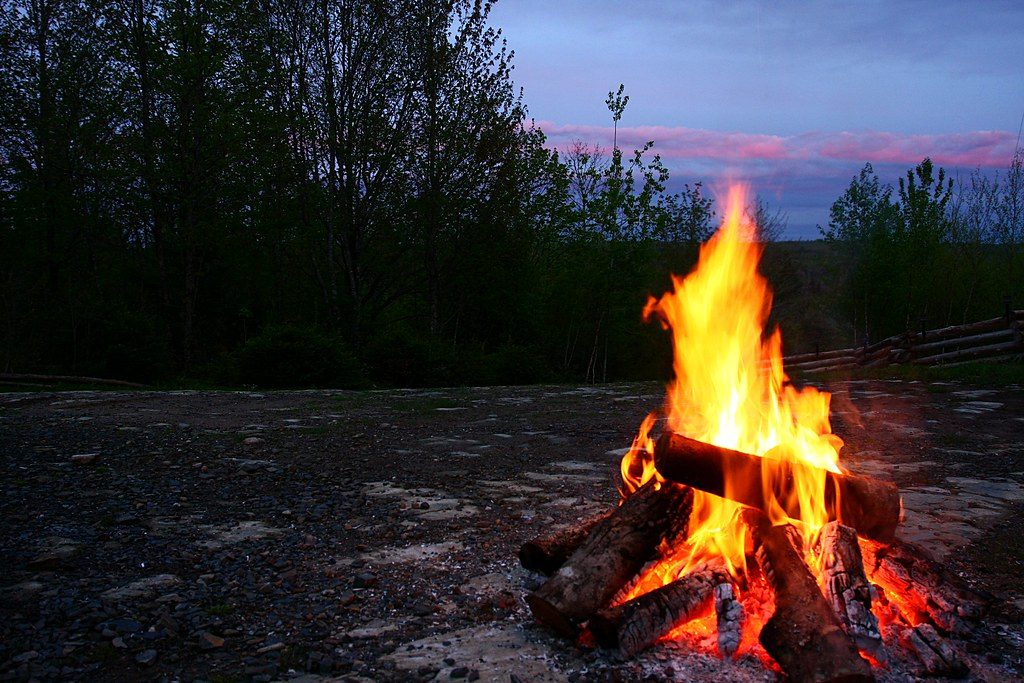
An unattended fire poses one of the greatest wildfire risks in outdoor settings, as embers can flare unexpectedly or shift when wind moves through a campsite. Even a low-burning fire retains enough heat to ignite nearby debris, making constant supervision essential. Campers may step away briefly to gather supplies or explore nearby trails, unaware of how quickly conditions change. Animals or falling branches can disturb a fire ring and cause embers to scatter. The safest fires are those watched closely from start to finish, with someone always present to monitor flame behavior. Consistent attention greatly reduces the likelihood of accidental spread and ensures the fire remains manageable throughout its use, even when environmental conditions shift rapidly around the campsite.
Failing to Fully Extinguish Fires
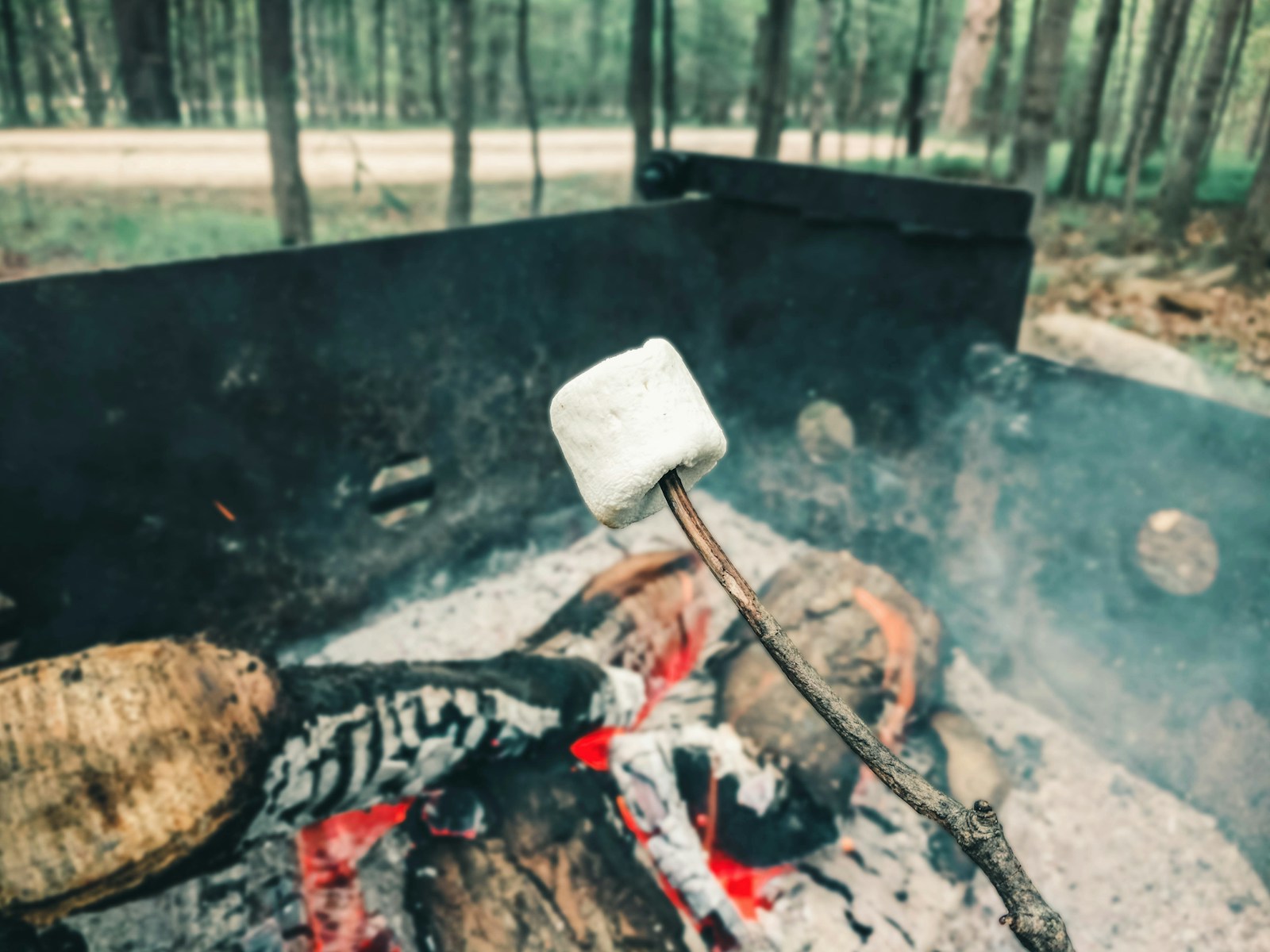
A fire that appears extinguished may still contain hot coals beneath the surface capable of reigniting hours later. Many campers stop after pouring a small amount of water onto the embers without stirring or checking for remaining heat. Warm ash can smolder quietly and ignite nearby materials when the wind picks up, or temperatures rise during the day. Fully extinguishing a fire requires soaking the ashes thoroughly, mixing them to expose hidden coals, and repeating the process until the entire area feels cold. This method ensures no residual heat remains. Properly cooled fire pits become safe for departure and prevent unintended wildfire ignition after campers leave the area, especially in places experiencing persistent seasonal dryness.
Ignoring Wind Conditions
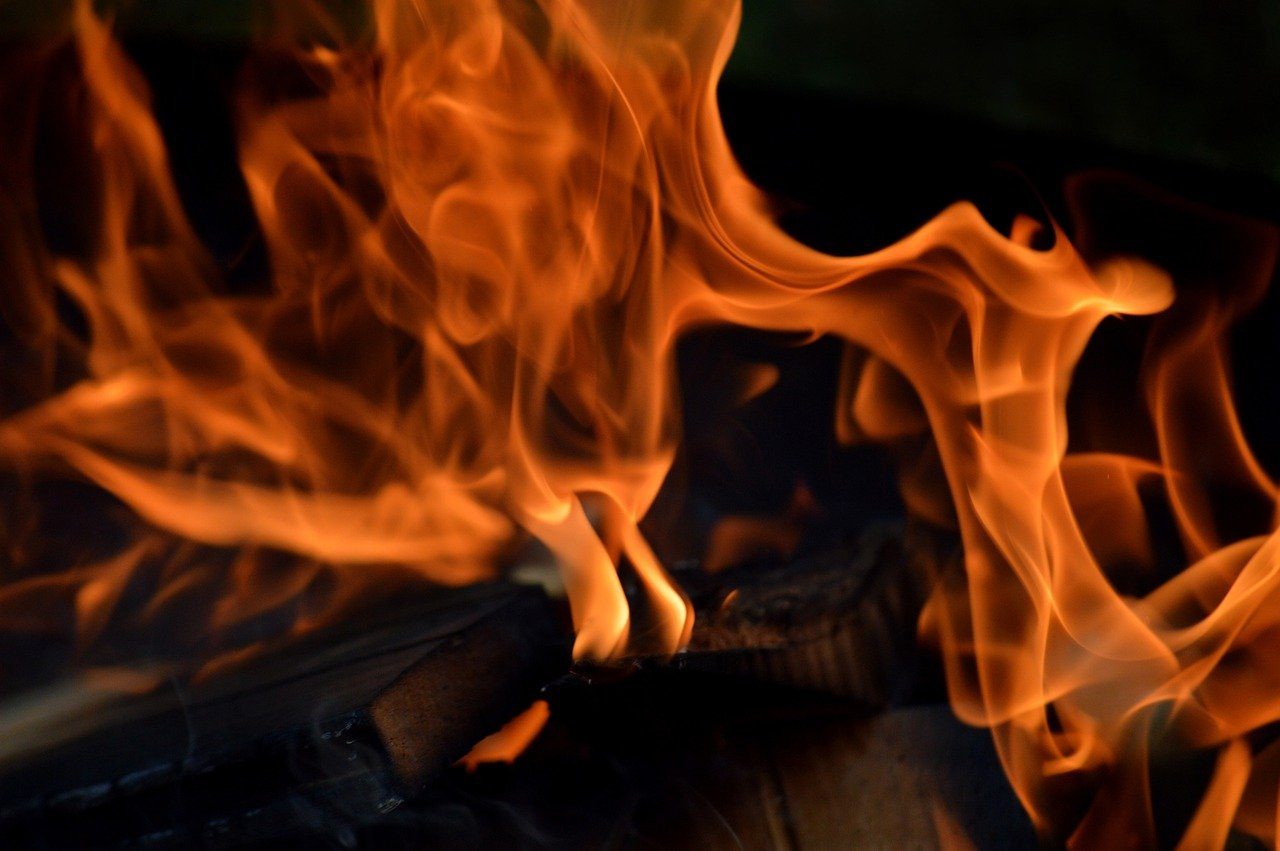
Wind plays a major role in wildfire spread, yet many campers overlook its importance when choosing where and how to build a fire. Strong gusts can lift embers high into the air and carry them significant distances, igniting dry foliage far from the campsite. Even moderate winds can shift flames toward tents or equipment, increasing the potential for accidental ignition. Campers who build fires without considering wind direction or sheltering terrain create unnecessary risks. Observing wind patterns and selecting a protected, low-exposure spot significantly reduces danger. Awareness of these conditions helps maintain a controlled flame and minimizes the chance of sparks escaping the immediate fire area, especially during wind-driven seasonal weather changes.
Using Too Much Firestarter
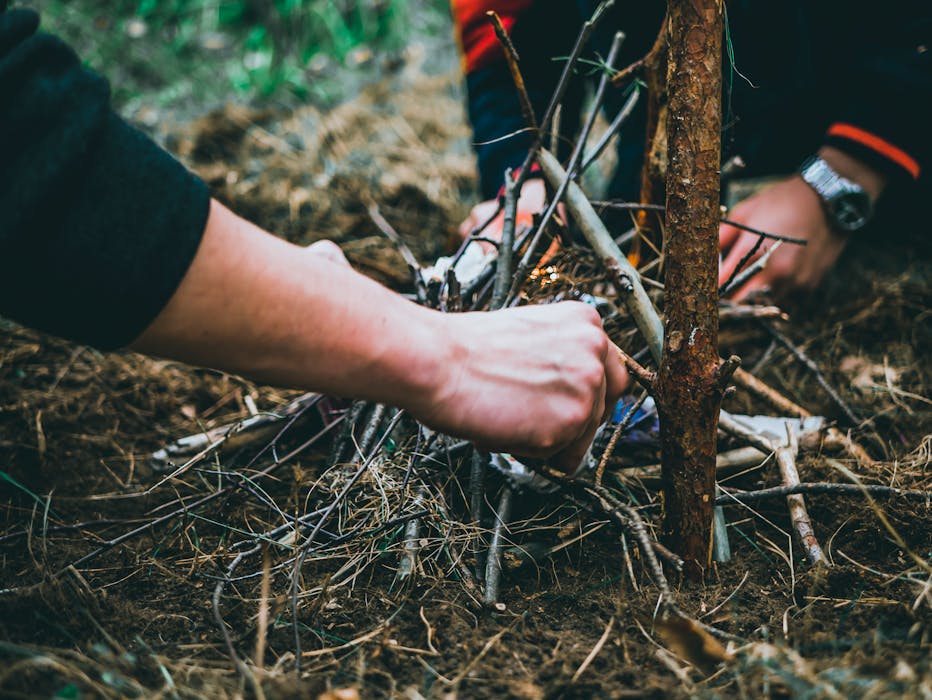
Firestarters, such as lighter fluid or accelerants, can cause flames to grow unpredictably and become difficult to control. Excessive use results in sudden flare-ups that may send sparks flying into nearby vegetation. Many campers turn to firestarters when damp wood makes ignition challenging, yet overuse introduces unnecessary hazards. A safer approach involves building a structured fire with small, dry materials that ignite gradually. Relying on accelerants reduces stability and increases the risk of creating flames that jump beyond the fire ring. Understanding how to create a balanced fire without overloading fuel helps keep the flame manageable and prevents sudden bursts that escalate wildfire risk, especially during periods of elevated environmental dryness.
Burning Unapproved Materials
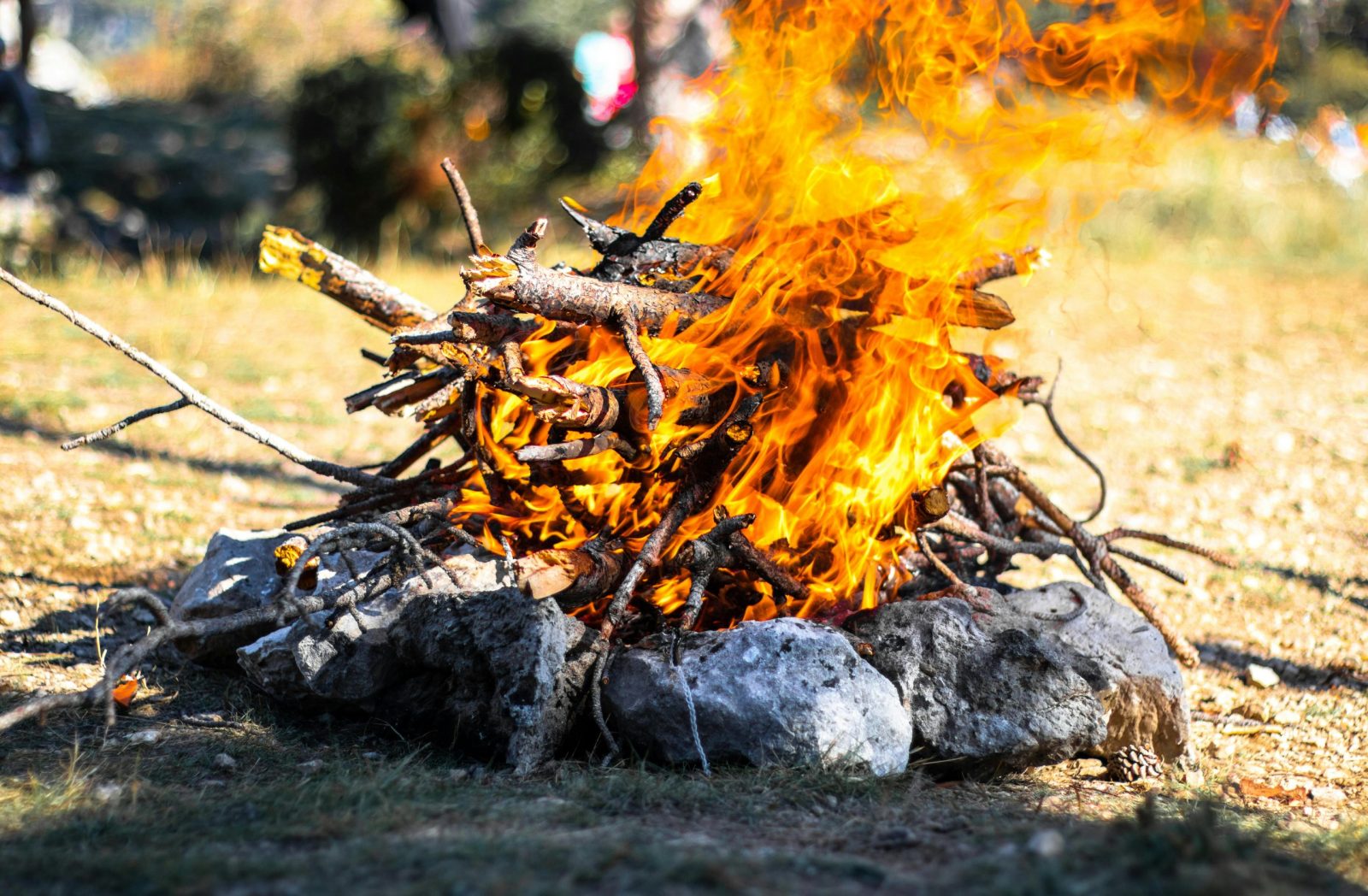
Burning inappropriate or unapproved materials, such as trash, plastics, or treated wood, increases wildfire risk and introduces toxic fumes into the environment. These materials burn unevenly and can produce sparks or embers that drift beyond the fire pit. Some items, particularly aerosols and sealed containers, may explode under heat and send fragments into dry vegetation. Campers sometimes add such materials unintentionally when cleaning up their site or clearing debris. Sticking to natural, seasoned firewood provides greater control and ensures more predictable burning behavior. Avoiding hazardous materials helps maintain a safer fire environment and preserves air quality around the campsite, especially when conditions become prone to rapid ignition.
Improper Fire Ring Construction
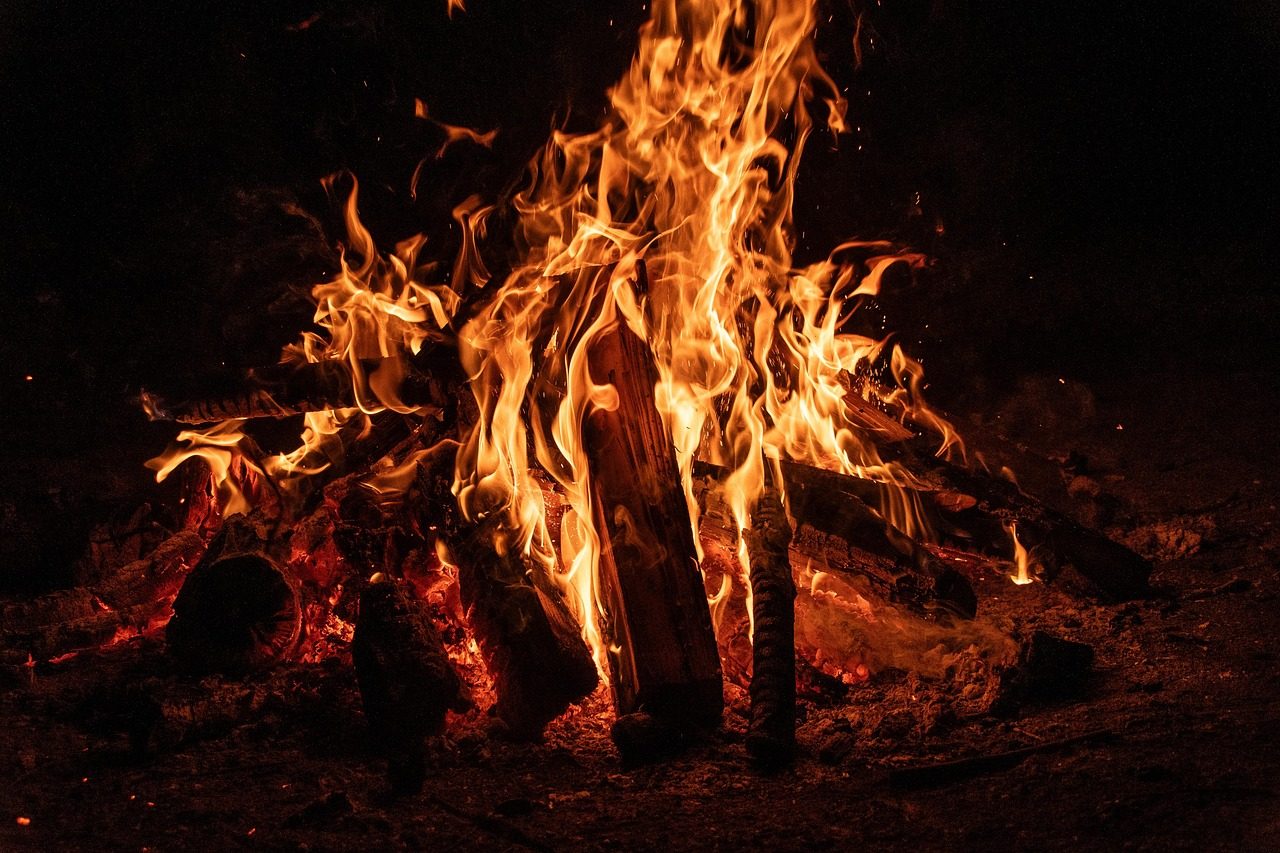
A poorly constructed fire ring fails to contain heat and embers effectively, increasing the risk of accidental spread. Campers who create rings from scattered stones or place them on uneven ground may leave gaps where sparks escape. Fire rings built without clearing surrounding debris also invite flames to extend beyond the intended perimeter. Proper construction includes selecting a stable, level area and forming a solid boundary that withstands heat. Removing leaves, grass, and twigs within a safe radius strengthens the protective barrier. A well-built fire ring supports safer fire behavior and reduces the chance of fires extending into unprepared terrain, particularly in heavily forested or drought-stricken areas.
Neglecting Local Fire Restrictions
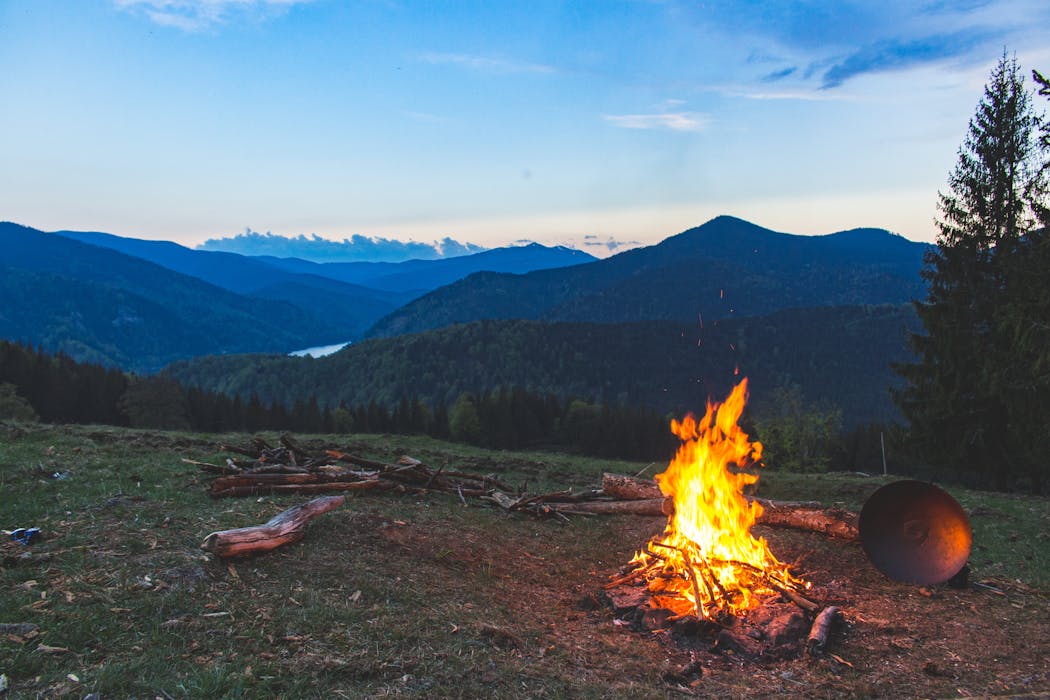
Fire restrictions exist to protect landscapes during periods of heightened wildfire risk, yet some campers overlook or misunderstand these regulations. Ignoring posted warnings or assuming conditions remain safe can lead to accidental ignition in vulnerable areas. Restrictions may include limits on open flames, requirements for contained stoves, or complete bans on campfires. Weather patterns shift quickly, prompting updates that campers must review upon arrival. Understanding and respecting these guidelines helps prevent fires from starting during sensitive periods. Compliance with local rules ensures safer recreation and supports efforts to preserve natural environments during high-risk seasons, especially in regions experiencing prolonged drought conditions.
Leaving Smoldering Cooking Areas
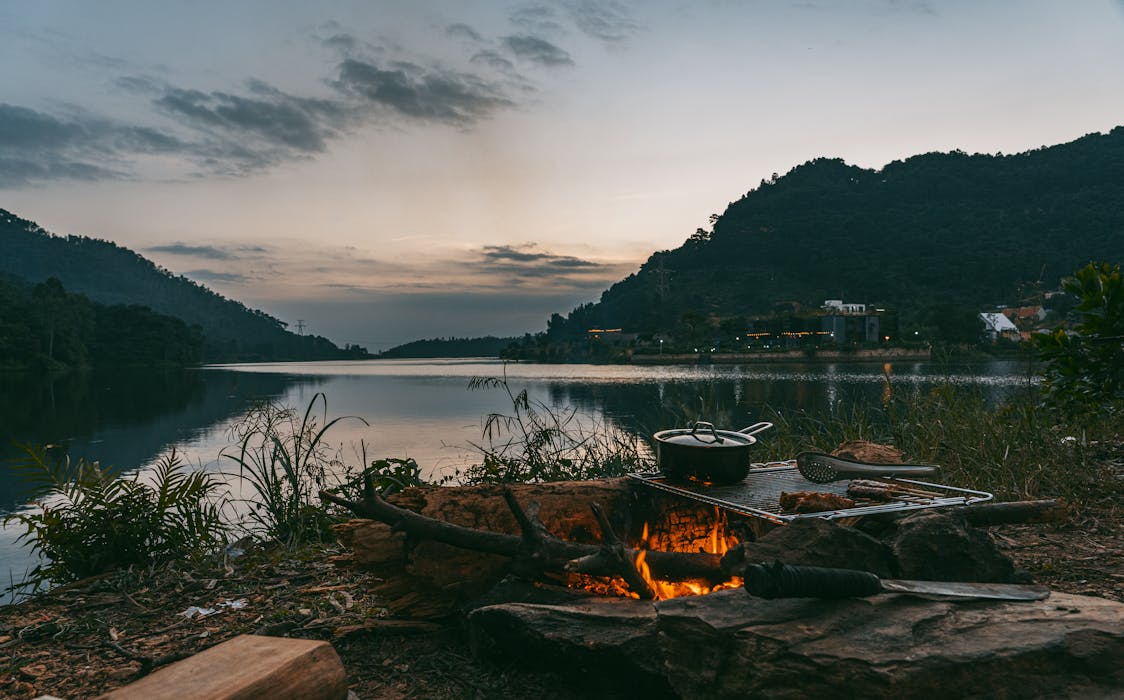
Cooking areas can retain significant heat long after food preparation ends, especially in grills, stoves, or metal surfaces that trap warmth. Campers sometimes overlook these spots when packing up, unaware that embers or grease residue may still hold enough heat to ignite nearby debris. Wind can disturb ash piles or blow lightweight materials into cooking zones, sparking unintentional fires. Proper cooling, cleaning, and inspection of cooking areas reduces this risk. Ensuring all heat sources have fully dissipated helps maintain a safe campsite and prevents accidental fire ignition after campers leave the site, particularly in dry or windy seasonal environments.