Learning 9 knife tricks every outdoorsman should know will significantly improve any wilderness experience and ensure better safety during remote adventures. A sharp blade serves as a vital survival tool that performs far beyond simple cutting tasks when used with proper technique and precision. Skilled enthusiasts understand that a knife is an extension of their hands during critical bushcraft projects or basic campsite maintenance chores. Mastering these specific methods allows a person to build shelters and prepare food more efficiently while conserving valuable energy. This guide explores versatile techniques that every responsible nature lover must learn before heading into the wild.
The Push Cut Technique
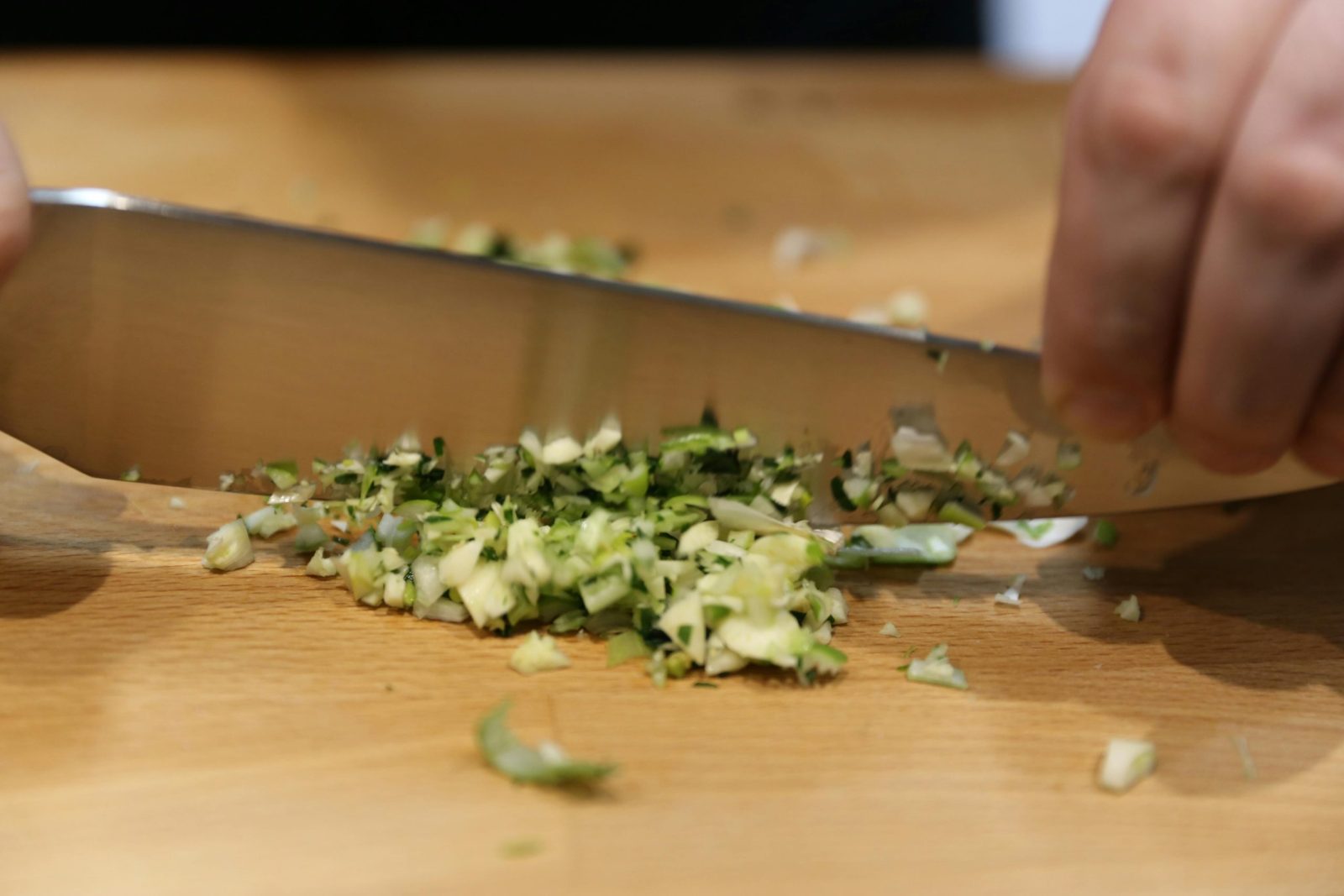
The push cut remains a fundamental skill that provides maximum control and safety when carving wood for various camp projects. This method involves placing the thumb on the spine of the blade to apply steady downward pressure away from the body. By using the strength of the arm instead of just the wrist the operator achieves a very clean and deep slice. This trick is perfect for making notches or smoothing out rough surfaces on a walking stick or a tent peg. Consistent practice helps prevent the blade from slipping and ensures that every movement remains purposeful and remarkably safe.
Making Feather Sticks
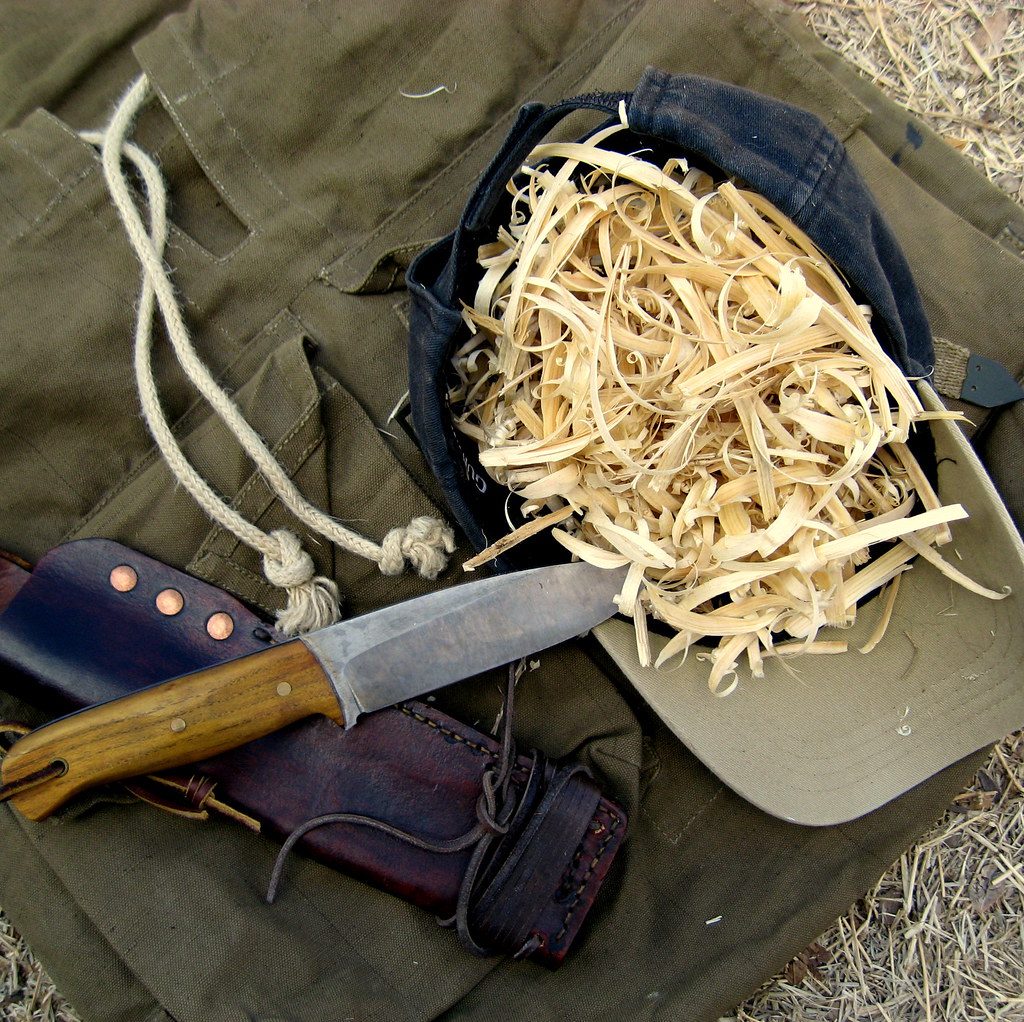
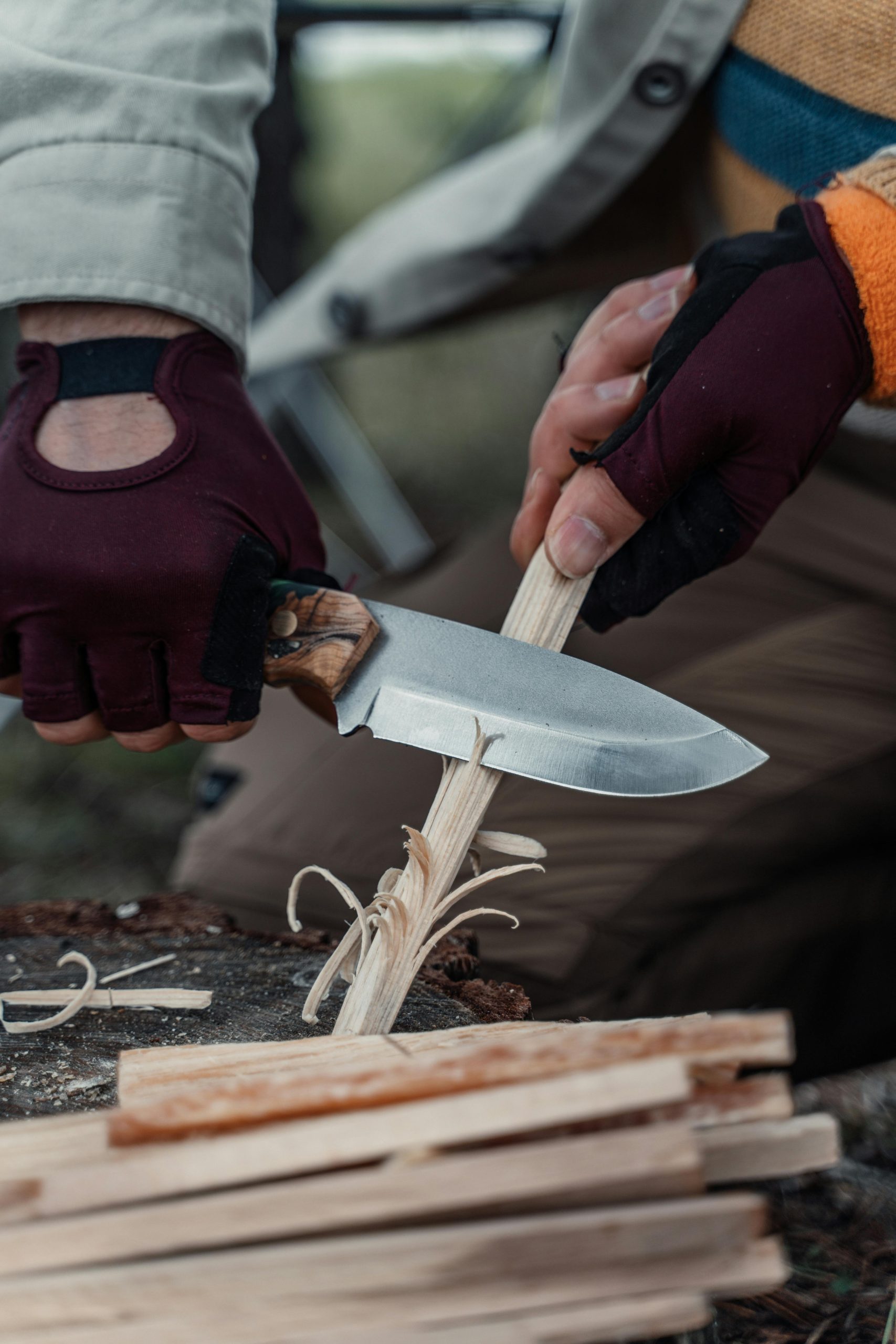
Creating feather sticks is a vital fire starting skill that allows a person to light a damp wood pile during rainy weather. This trick involves taking a dry piece of wood and shaving thin curls that remain attached to the main branch. These delicate shavings catch a spark very easily because they offer a high surface area to catch the heat. A sharp blade is essential to create the thin and translucent curls required for a successful transition from a spark to a flame. Mastering this rhythmic motion ensures that a warm campfire is always possible even in the most challenging conditions.
Batonning Heavy Logs
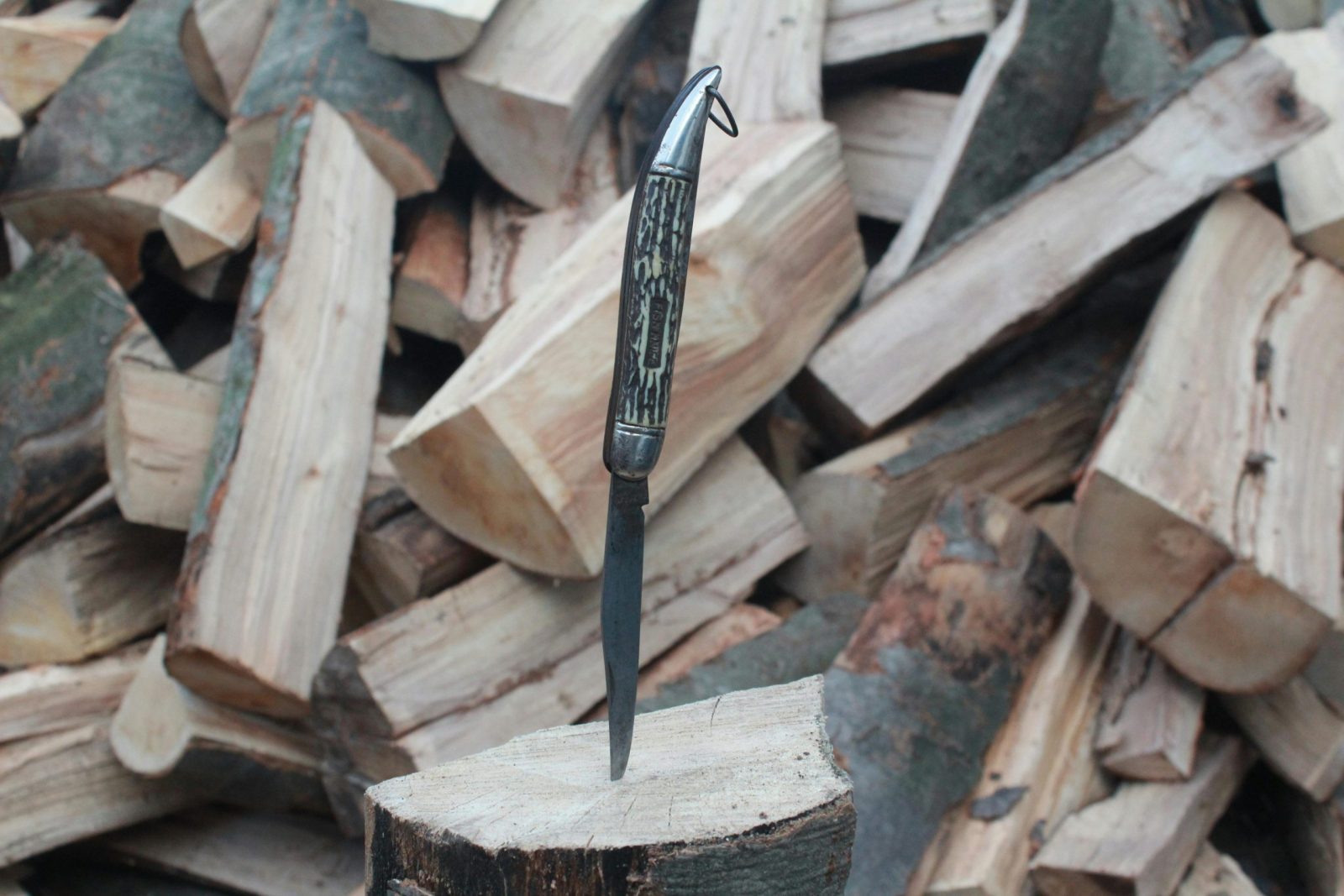
Batonning is a clever trick that allows a small fixed blade knife to split large logs into manageable pieces of kindling. The outdoorsman places the edge of the knife on top of the wood and strikes the spine with a separate heavy branch. This mechanical advantage allows the blade to act like a wedge and split the tough grain with minimal physical effort. It is an excellent way to reach the dry heart of a log when the exterior is soaked by heavy snow or rain. Always ensure the knife has a full tang construction to avoid breaking the handle during this.
The Chest Lever Grip
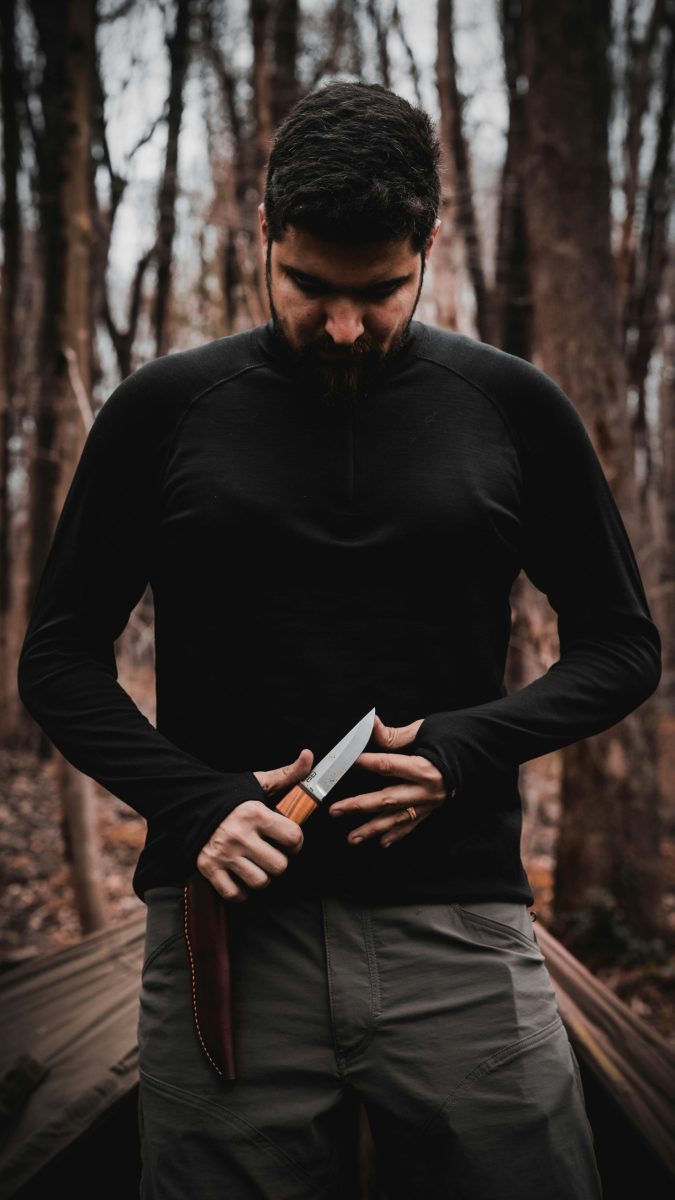
The chest lever grip offers incredible power and safety when performing heavy duty carving or sharpening tasks at the campsite. To execute this move the person holds the knife close to their chest with the blade facing away from the muscles. By using the large back and shoulder muscles to pull the arms apart the blade slices through tough material with ease. This controlled motion keeps the sharp edge close to the body where it cannot fly off and cause accidental injury. It is the preferred method for making precision cuts in hard woods when extra mechanical force is needed today.
Creating Precise Notches
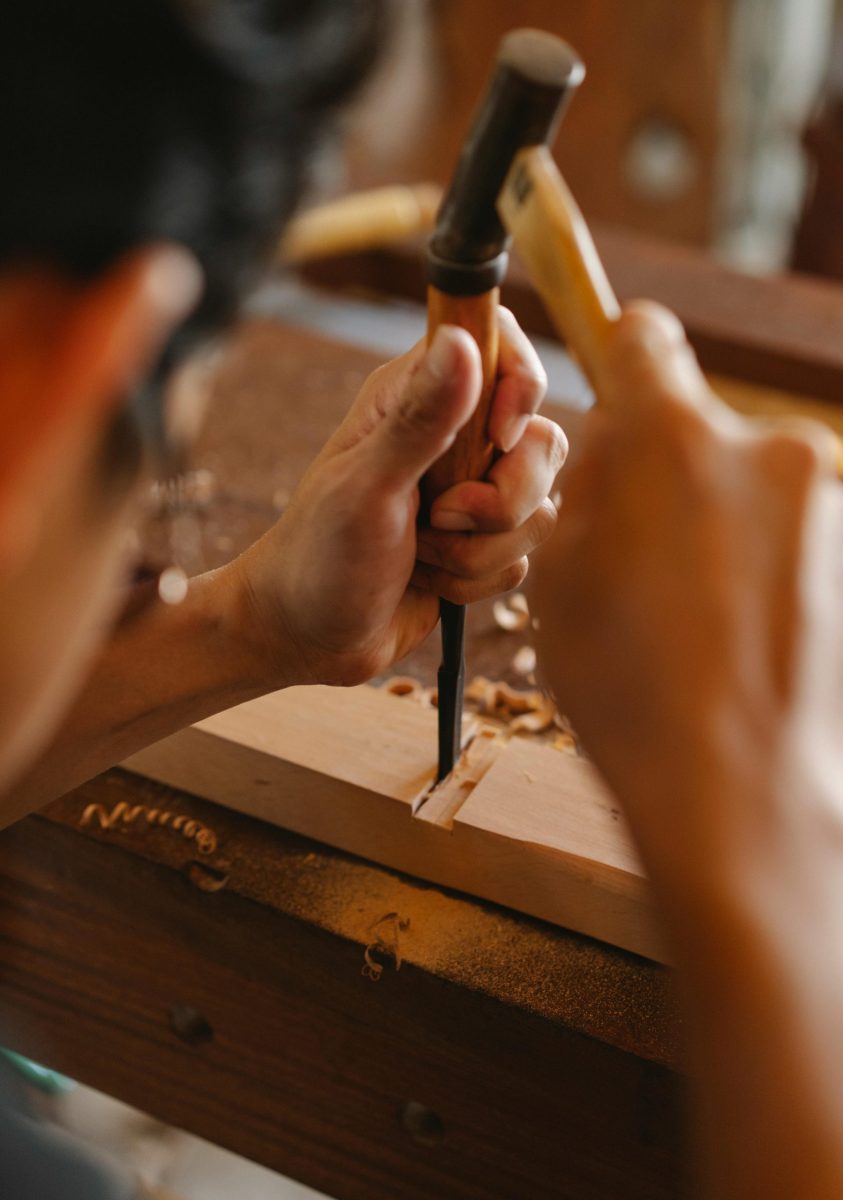
Notching wood is a critical skill for building sturdy shelters or traps that rely on tight and secure friction fits. The outdoorsman makes a series of small vertical cuts followed by angled slices to remove material in a very specific pattern. These notches allow branches to interlock perfectly which creates a stable frame for a lean to or a tripod. Using the tip of the knife for fine detail work ensures that the joints are tight and reliable under pressure. This trick transforms simple sticks into functional structures that can withstand the wind and rain throughout a cold night.
Striking A Ferro Rod
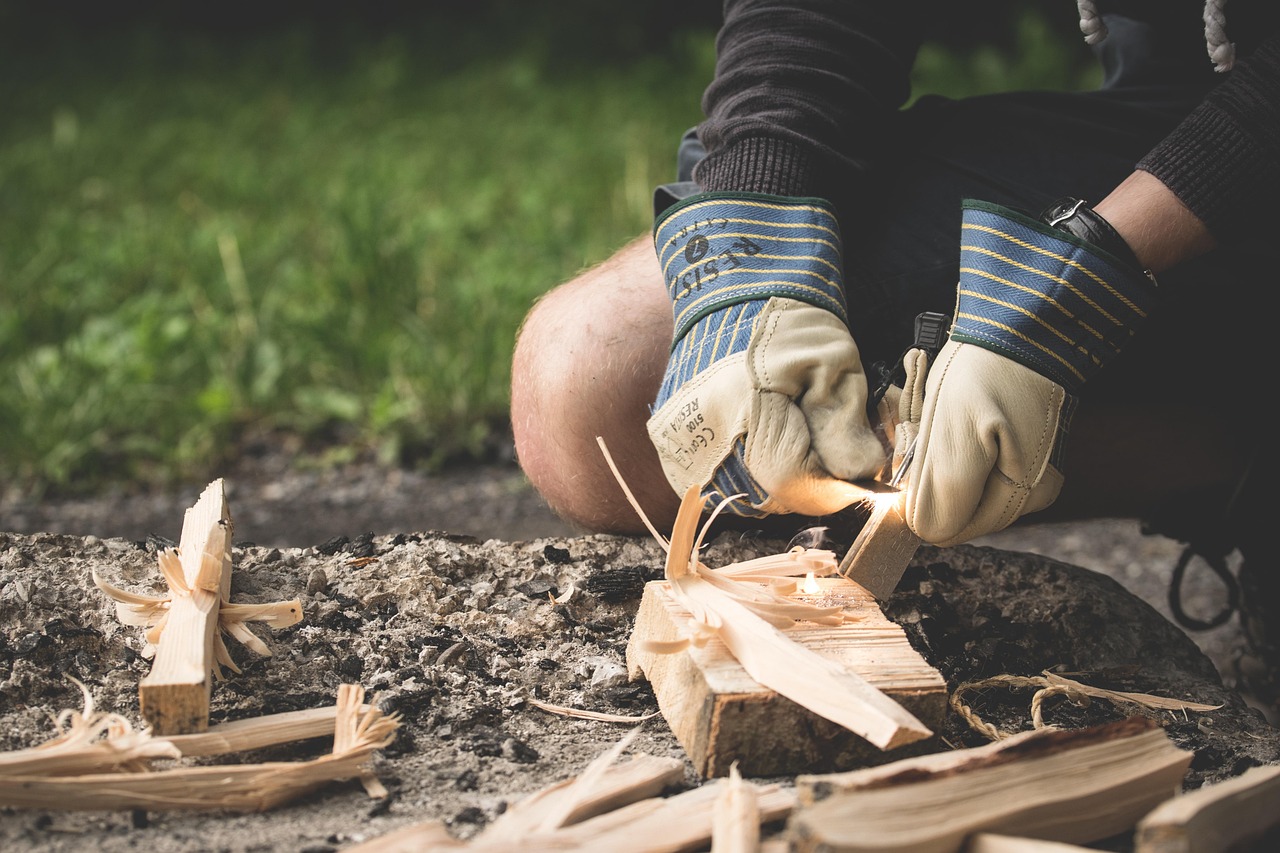
Many experts use the spine of their knife as a reliable striker for a ferrocerium rod to create hot sparks. A sharp ninety degree angle on the back of the blade allows for the efficient removal of material to produce a fire. This trick saves the sharp primary edge of the knife for cutting tasks while providing a spark that reaches over three thousand degrees. It is important to ensure the spine is not rounded or polished to achieve the best results when striking. Carrying a knife with this feature eliminates the need for matches or a lighter in an emergency.
Cleaning Small Game
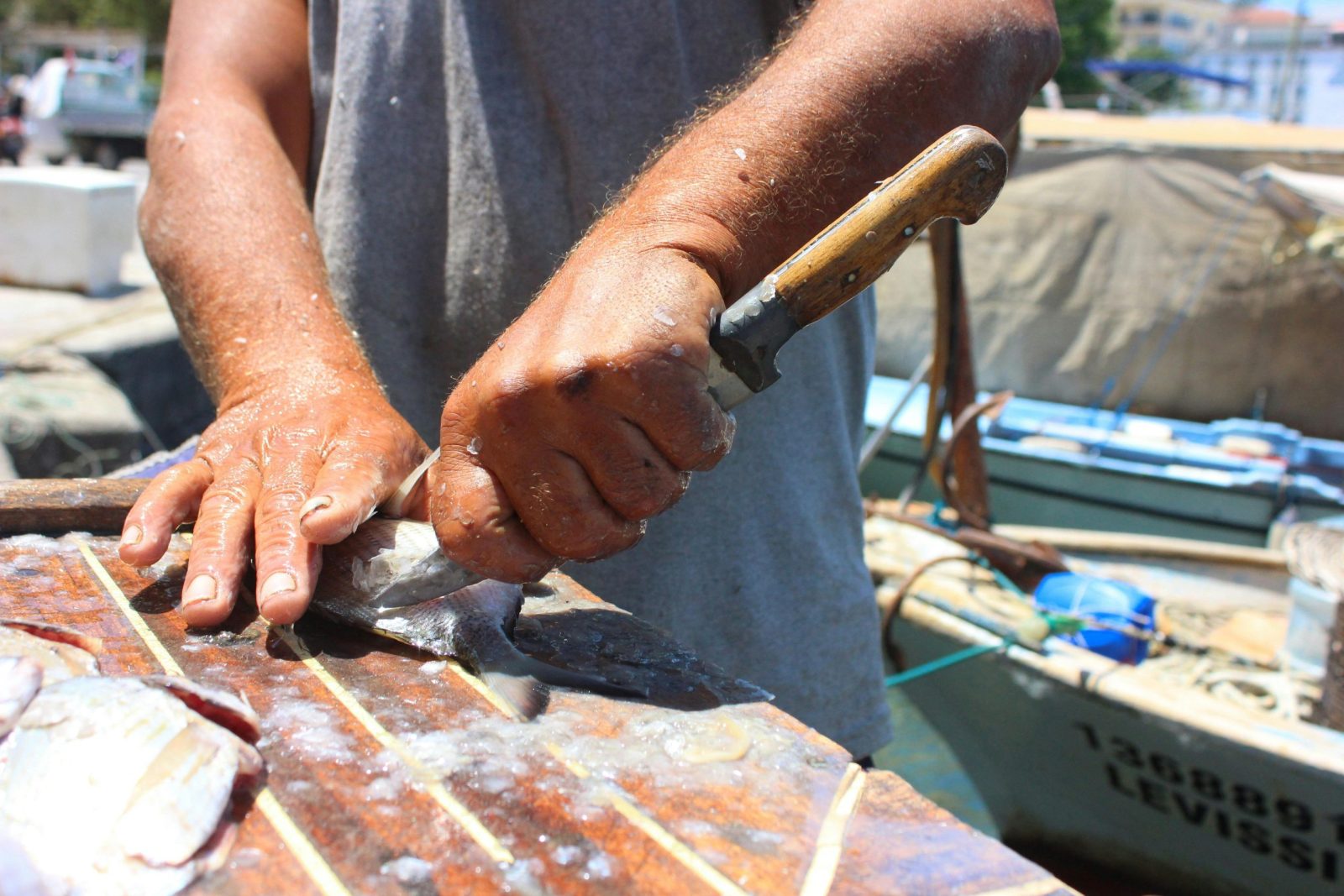
A properly maintained knife is a surgical tool that allows an outdoorsman to process fish or small game with extreme efficiency. Using the belly of the blade provides long and smooth strokes that separate skin from meat without damaging any of the important tissue. Precision is key during this process to avoid puncturing internal organs and ruining the harvest for dinner. Keeping the blade sharp ensures that the job is quick and respectful to the animal being processed for food. This skill is essential for anyone who plans to rely on the land for sustenance during long wilderness stays.
Peeling Natural Cordage
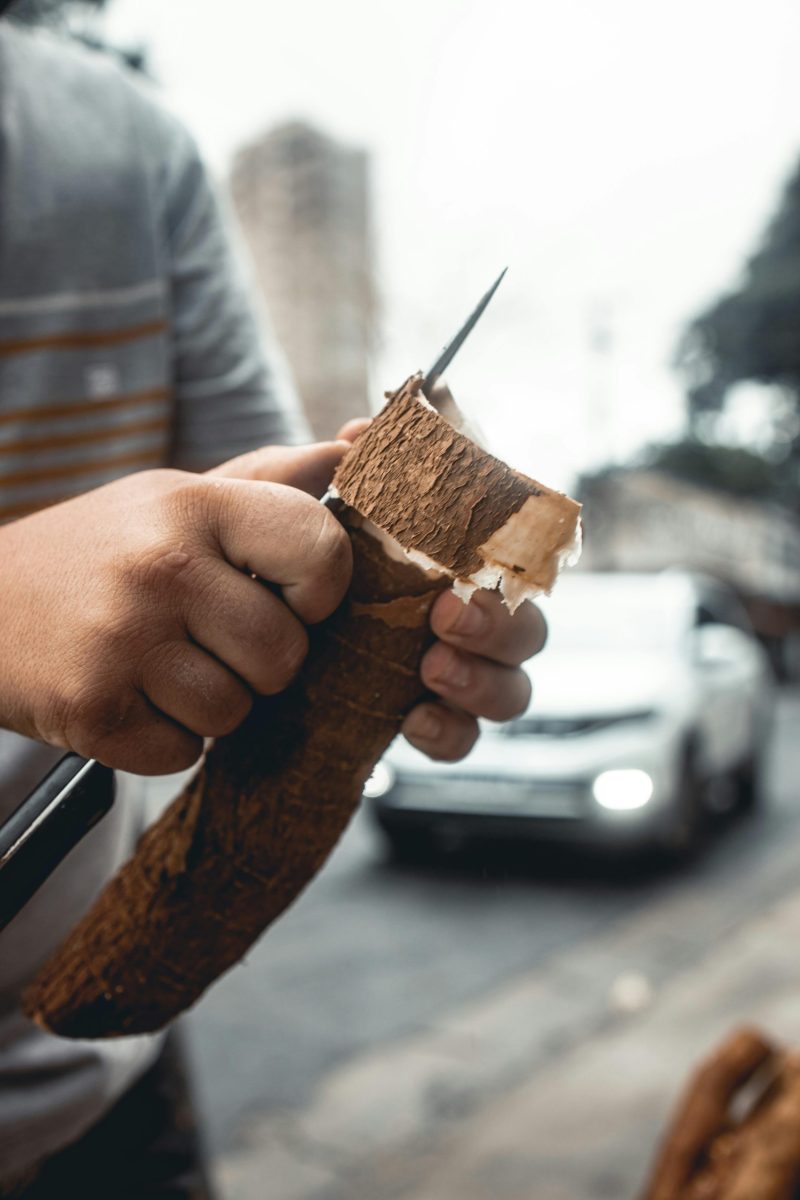
The ability to harvest natural cordage from willow or cedar bark is a trick that provides endless supplies of strong rope. An outdoorsman uses a shallow slicing motion to remove the inner bark without cutting too deep into the wood of the tree. This flexible material can be twisted together to create ties for shelters or repairs for broken gear in the field. A sharp knife makes the stripping process much easier and prevents the fibers from tearing or becoming too damaged. Learning to identify and process these natural resources is a hallmark of a truly skilled and prepared woodsman.
Using The Pommel
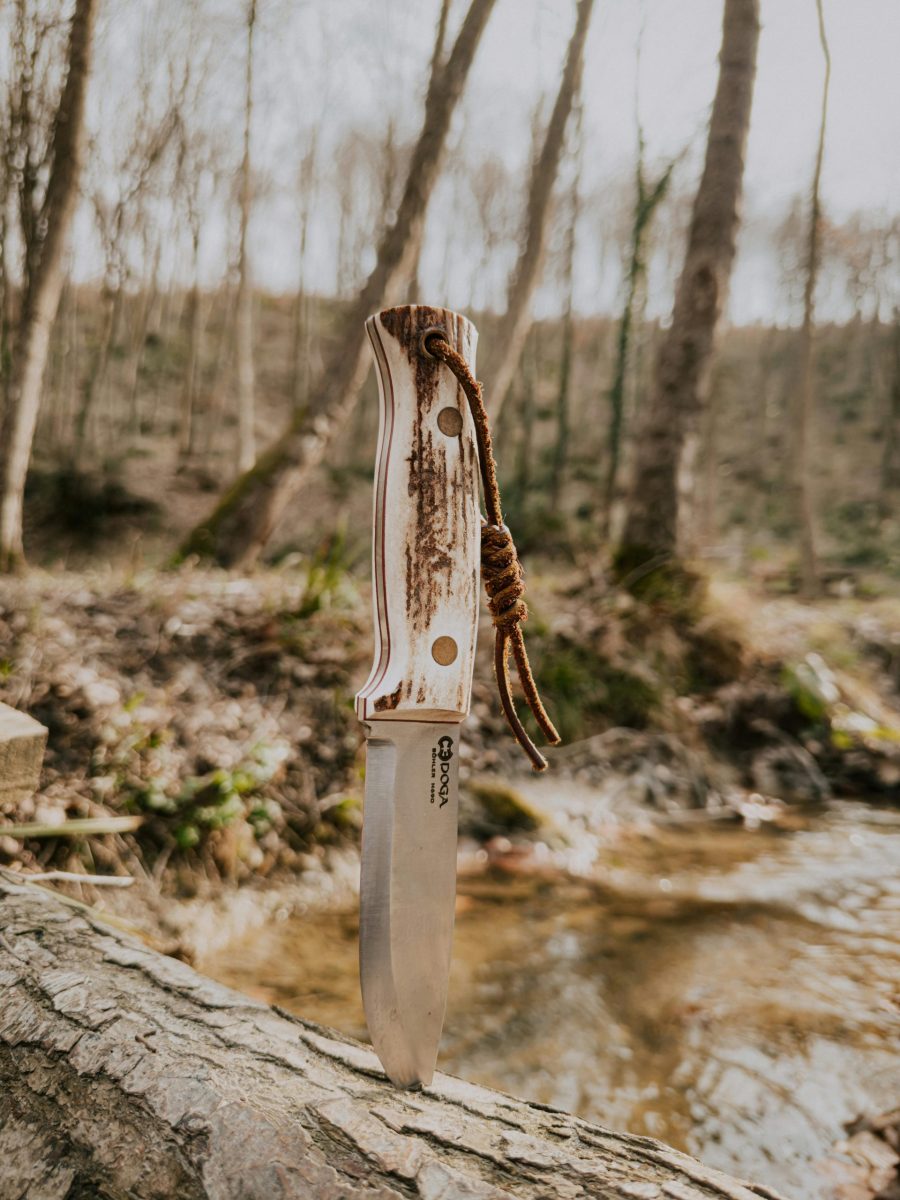
The pommel or the butt of a knife handle can serve as a functional hammer for light duty camp tasks. This trick is useful for driving tent stakes into hard ground or crushing nuts and seeds for a nutritious wilderness meal. A solid metal pommel protects the hand and ensures that the knife remains a multi functional tool beyond just a cutting edge. It can also be used to grind charcoal for making primitive glue or signaling for help in a dire situation. This final trick maximizes the utility of the tool and proves that every part has a purpose.