Survival culture often highlights gear and tools as solutions to danger, yet experience shows that misplaced confidence can create new risks. Many commonly praised items offer limited benefit when conditions become unpredictable or skills fall short. Outdoor educators and search teams frequently note that judgment, planning, and adaptability matter more than any single object. This article explores nine items survivalists often trust unquestioningly, even though those items rarely perform as expected in real emergencies. Understanding these limitations encourages safer preparation, better decision making, and a focus on practical knowledge rather than reliance on equipment myths.
A Large Survival Knife

A large survival knife is often portrayed as the ultimate wilderness solution, yet its usefulness is frequently overstated. Oversized blades add weight, reduce control, and fatigue hands during prolonged tasks. Many essential activities like food prep, carving, and repairs require precision rather than brute force. Smaller knives or multitools often outperform large blades in real conditions. Injury risk also increases when handling heavy knives without ideal footing. Survival training consistently emphasizes skill and judgment over blade size. A dependable, manageable tool combined with practice proves far more valuable than an intimidating knife alone overall reliability.
Firestarter Gadgets

Firestarter gadgets promise effortless flames, but many fail under moisture, cold, or wind. Ferro rods, spark wheels, and novelty igniters demand technique that beginners often lack. Without preparation, these tools frustrate rather than help during emergencies. Wet tinder and numb fingers further reduce effectiveness. Experienced outdoors instructors stress learning multiple ignition methods using simple materials. Natural tinder identification, fire lays, and patience matter more than specialized devices. When conditions worsen, knowledge and adaptability determine success. Relying solely on gadgets creates false confidence and delays critical warmth or signaling needs. Such failures occur during extended wilderness emergencies.
Paracord Bracelets
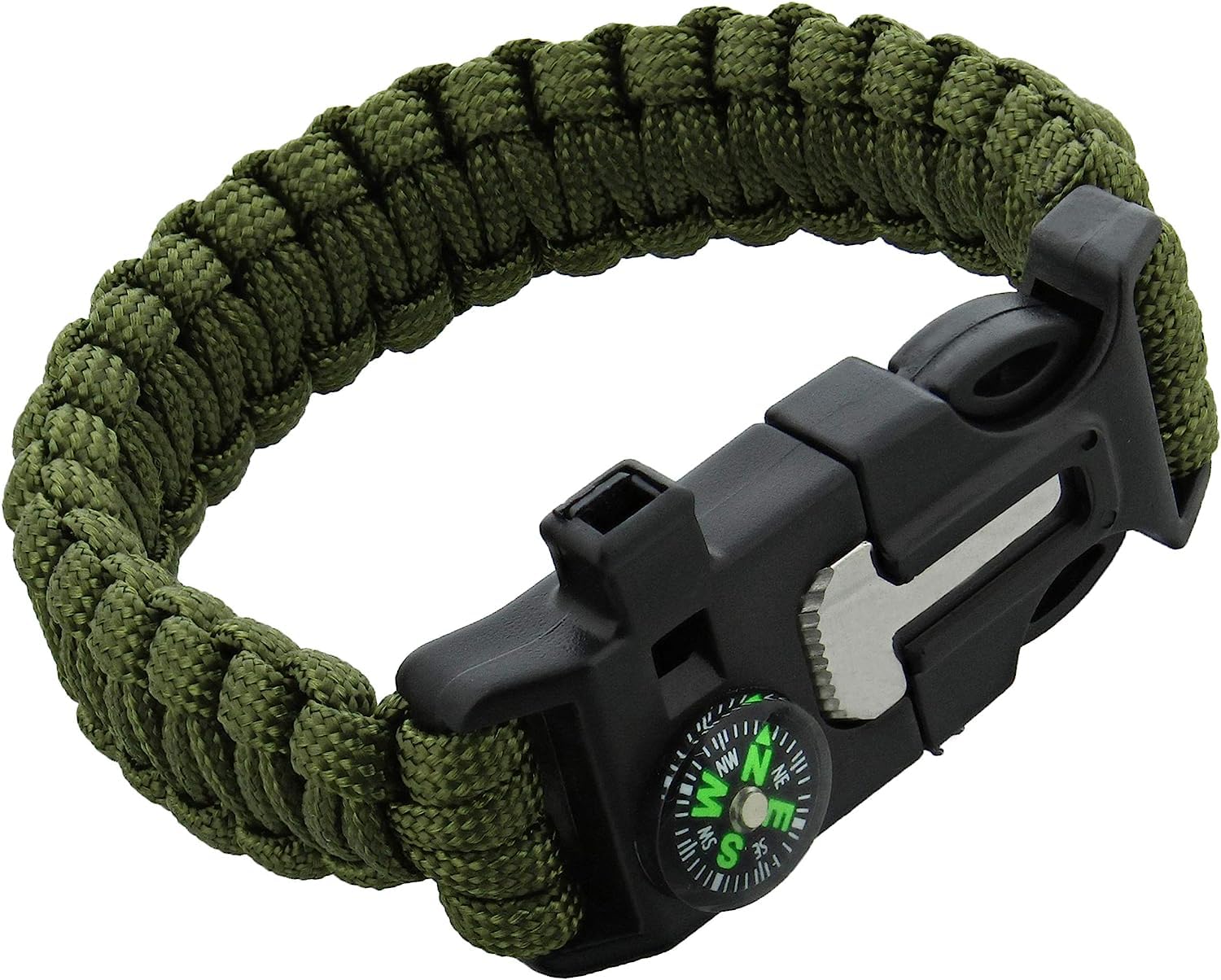
Paracord bracelets are marketed as compact lifelines, yet they provide limited real world advantage. The cord length is usually minimal and inconvenient to deploy quickly. Unraveling a bracelet under stress wastes time and dexterity. Serious shelter building or repairs require far more cordage than bracelets offer. Dedicated rope or properly packed paracord proves more reliable and accessible. Survival specialists recommend storing cord in usable coils rather than decorative forms. Depending on novelty accessories can distract from thoughtful packing strategies that prioritize function, accessibility, and realistic task requirements in challenging environments across varied outdoor survival scenarios.
Handheld GPS Units
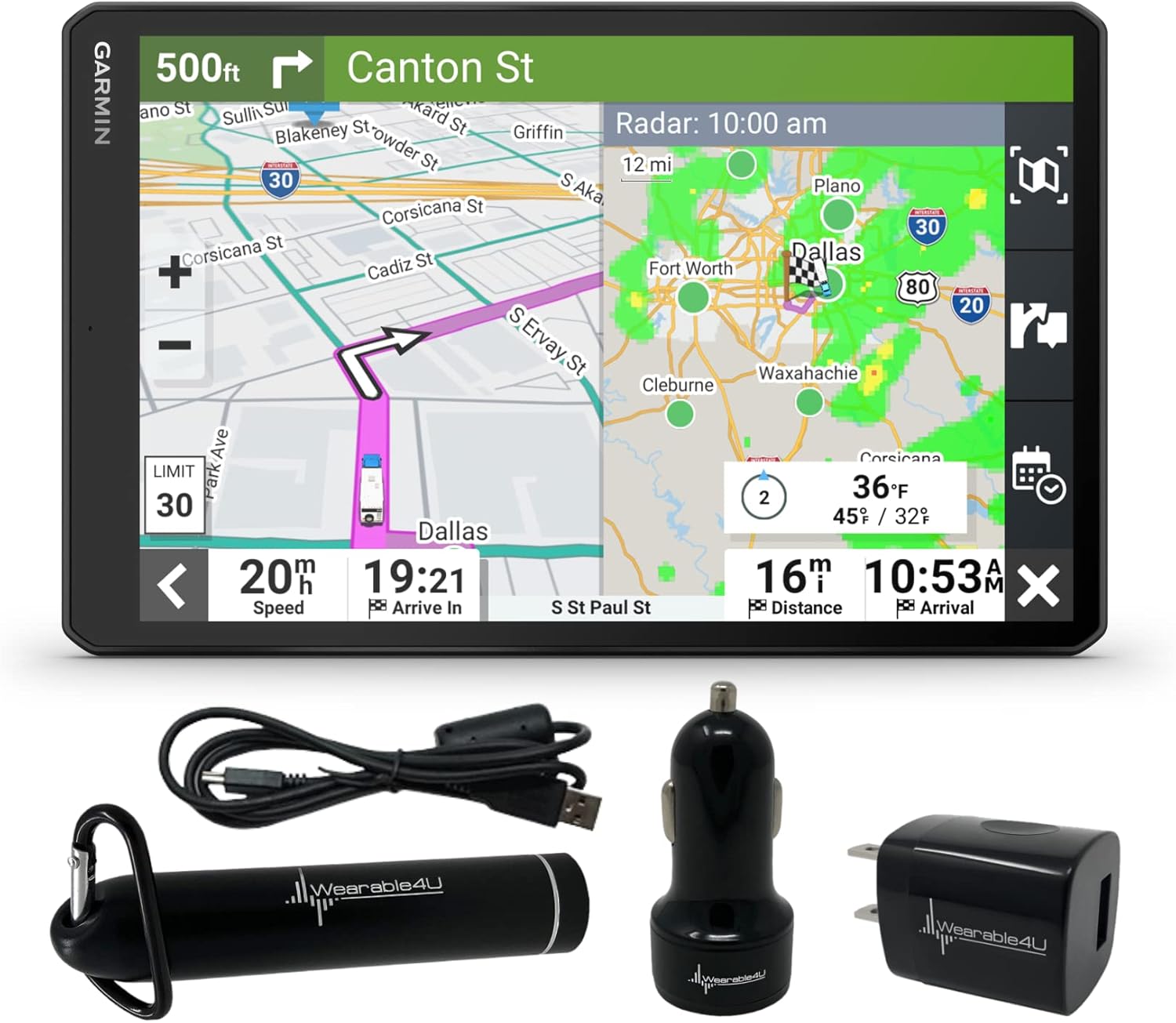
Handheld GPS units inspire confidence, yet overreliance introduces significant risk. Batteries drain quickly in cold or extended use, leaving users without navigation. Dense forest, canyons, and storms can disrupt satellite reception. When devices fail, unpracticed map reading becomes a liability. Outdoor safety courses stress mastering compass and topographic map skills as primary navigation tools. Electronics should supplement, not replace, foundational knowledge. Carrying backups and practicing analog navigation builds resilience. Trusting a screen without understanding terrain increases disorientation and delays safe decision making in unfamiliar wilderness settings especially during emergencies requiring calm judgment and situational awareness.
Firearms For Protection
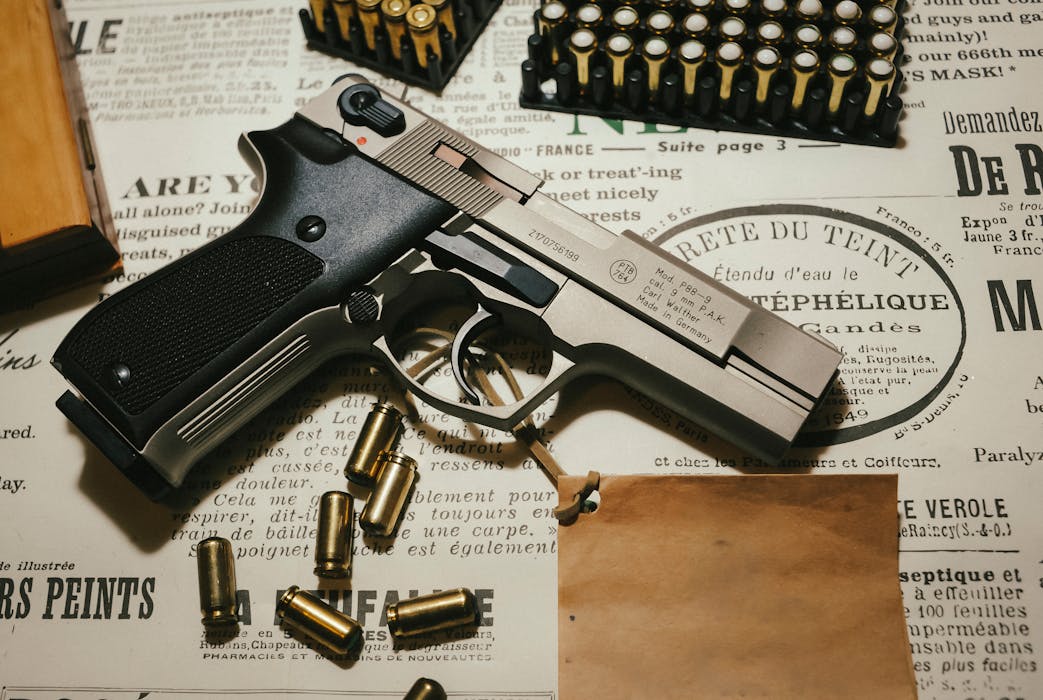
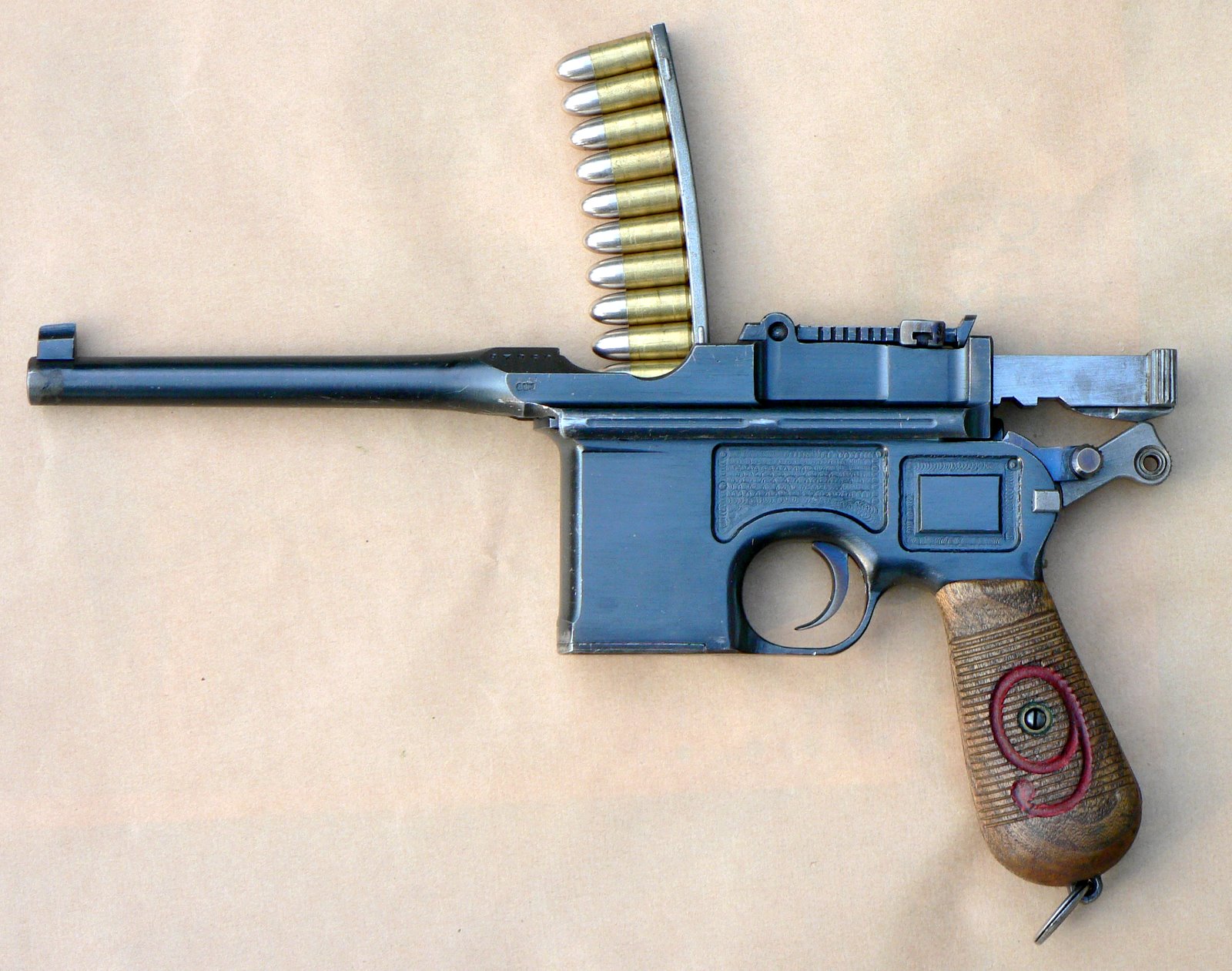
Firearms are often viewed as definitive protection from wildlife, yet they present complex challenges. Accuracy under stress is difficult without extensive training. Many animals react unpredictably to gunfire, sometimes escalating danger. Legal restrictions also limit firearm use in many parks and regions. Weight and maintenance further complicate carrying firearms safely outdoors. Wildlife agencies emphasize avoidance, deterrents, and education over lethal options. Bear spray, noise awareness, and proper food storage reduce encounters effectively. Depending on firearms alone ignores safer, proven strategies rooted in understanding animal behavior and habitat dynamics supported by decades of field research findings.
Survival Fishing Kits
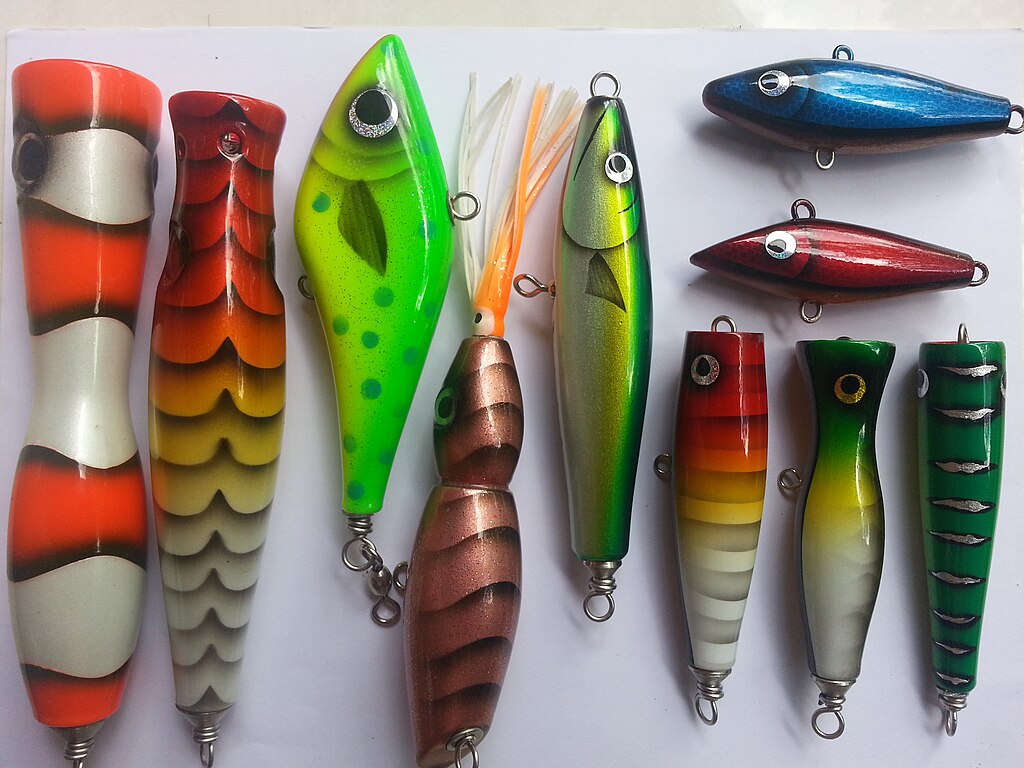
Compact survival fishing kits appear resourceful, but they rarely deliver reliable nutrition. Catching fish requires suitable water, time, and practiced technique. Improvised kits often lack line strength, appropriate hooks, or bait options. Energy expenditure may exceed caloric return, especially in emergencies. Fisheries experts note that fishing success varies widely by season and location. Depending on fishing distracts from more dependable food planning. Carried rations and knowledge of edible plants provide consistency. Treating fishing kits as guarantees can create false expectations and divert focus from realistic survival priorities during short term wilderness emergencies with limited resources available.
Solar Chargers
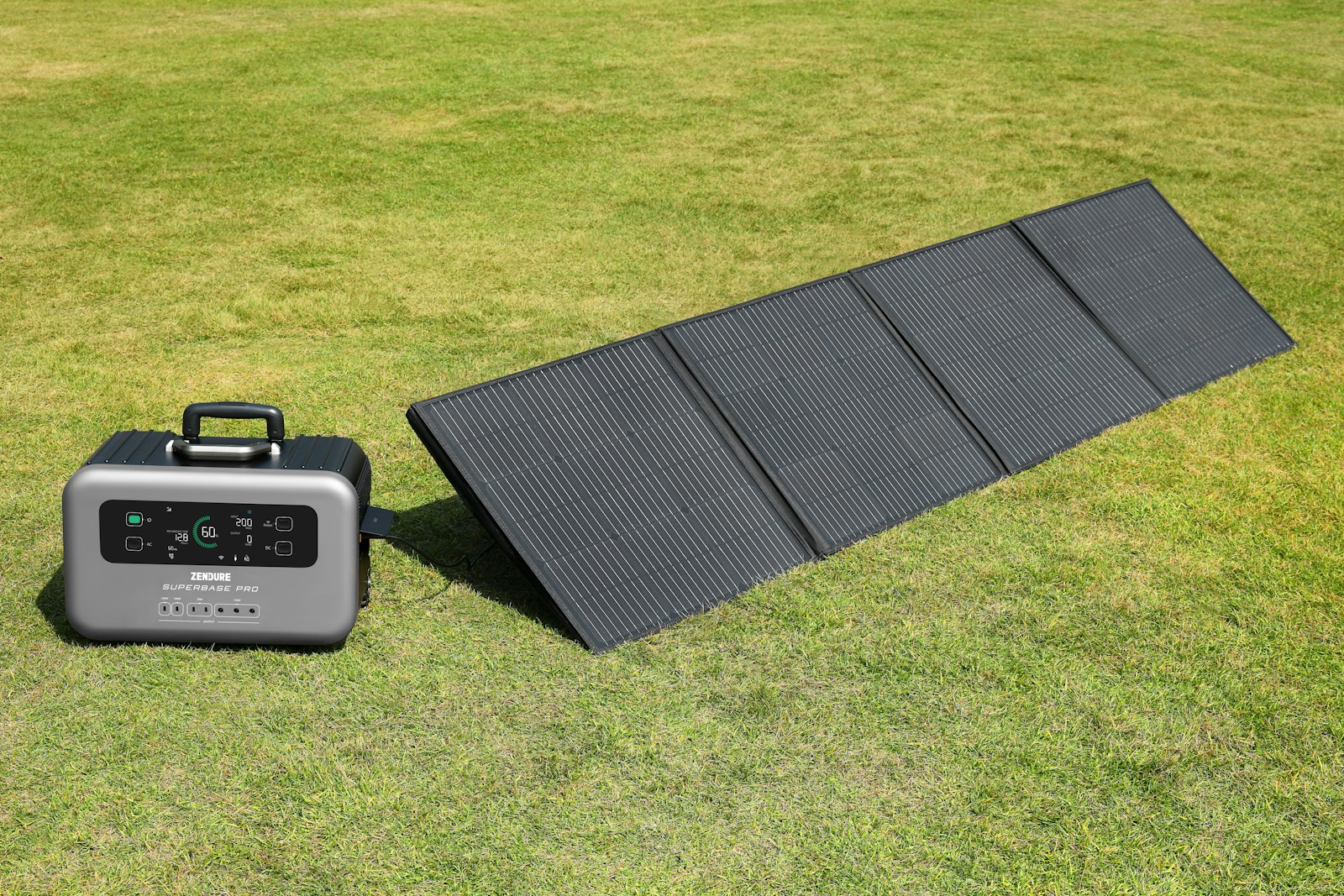
Portable solar chargers suggest endless power, but real conditions limit performance. Dense canopy, overcast skies, and short daylight reduce charging capacity. Many devices charge slowly and require precise sun angles. In cold weather, battery efficiency declines further. Outdoor professionals caution against assuming solar reliability during emergencies. Power needs should be minimized rather than expanded. Spare batteries and low energy devices offer predictability. Treating solar chargers as primary solutions risks communication loss when conditions fail to cooperate in unpredictable wilderness environments especially during storms, winter travel, or heavily forested routes where sunlight exposure remains inconsistent daily.
Emergency Whistles Alone
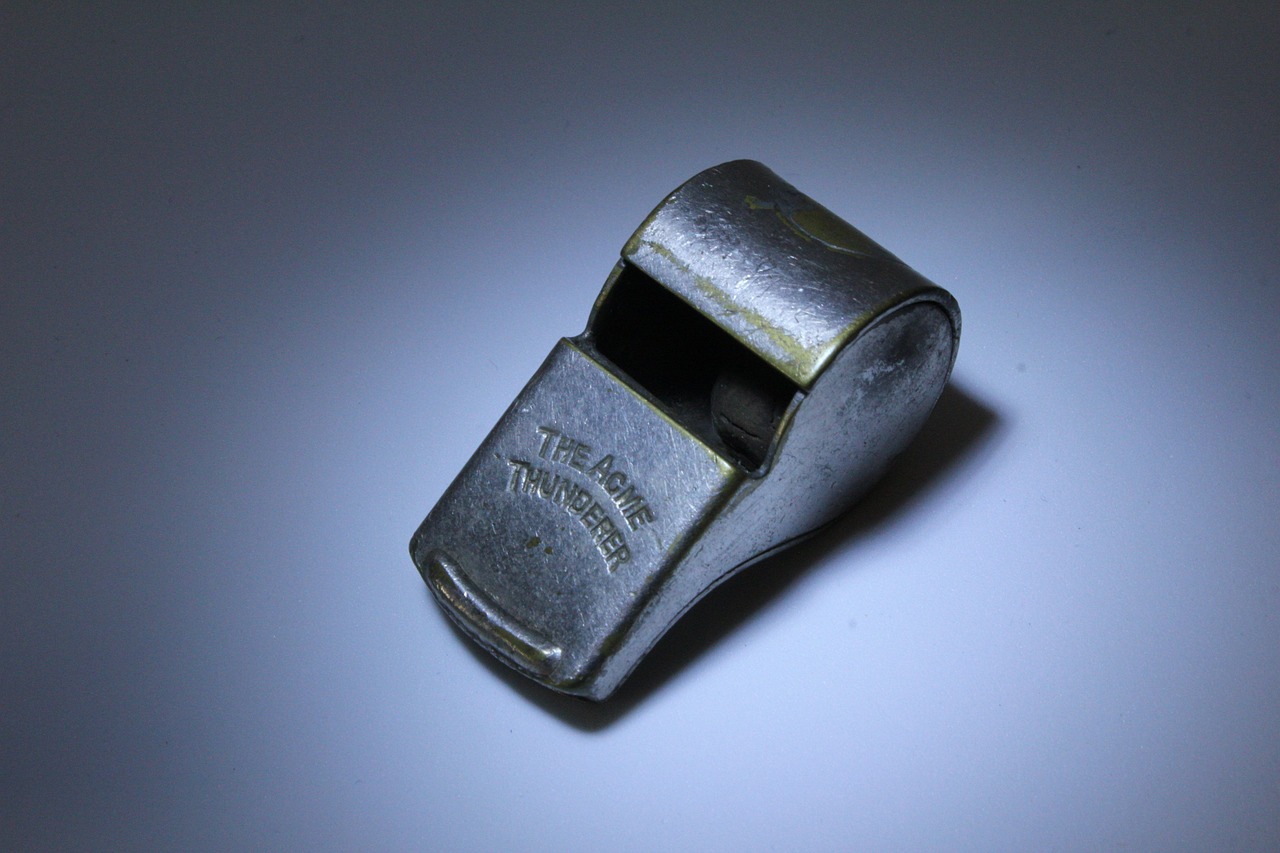
Emergency whistles are valuable signaling tools, but they cannot guarantee rescue. Sound range depends on terrain, wind, and nearby listeners. In remote areas, no one may be close enough to hear signals. Whistles also require sustained effort and lung capacity. Search teams emphasize combining signaling methods for effectiveness. Visual signals, movement patterns, and trip plans matter equally. Relying solely on a whistle overlooks broader communication strategies. Effective rescue outcomes result from layered preparation rather than dependence on a single lightweight device within varied landscapes and changing environmental conditions that influence sound travel unpredictably over distance.
Overpacked Bug Out Bags
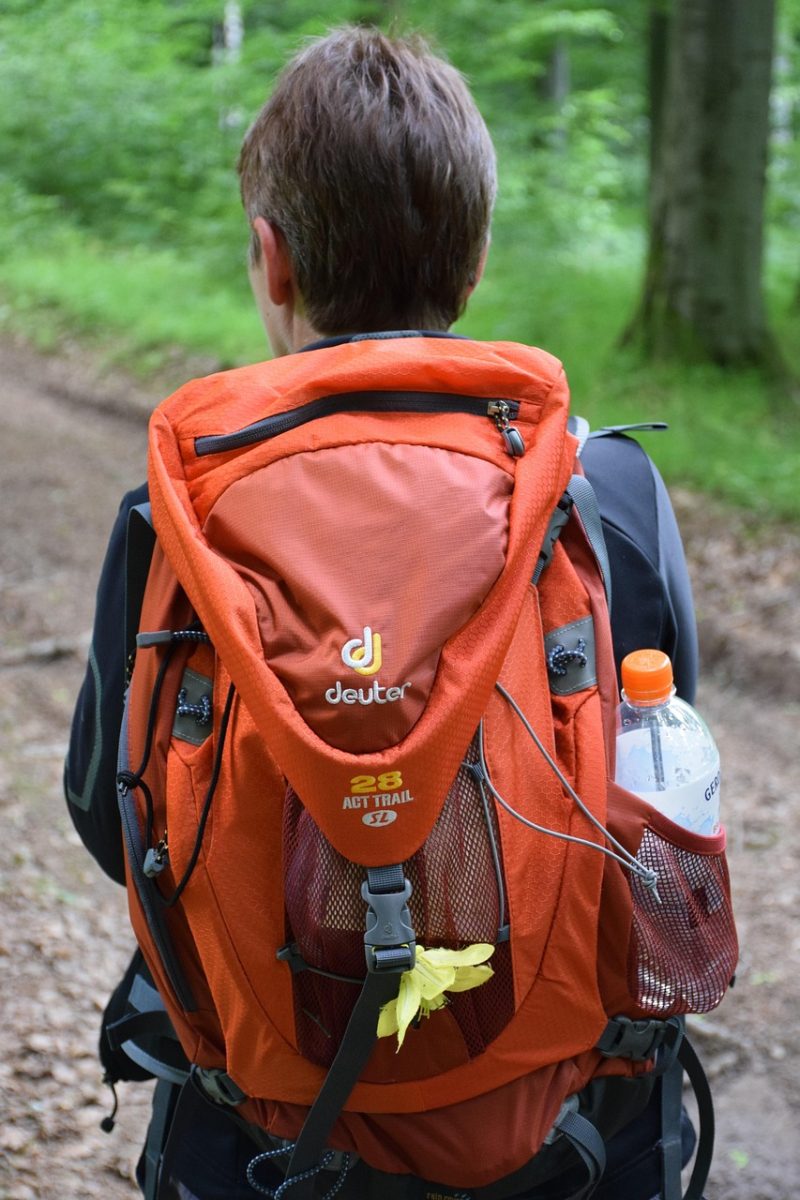
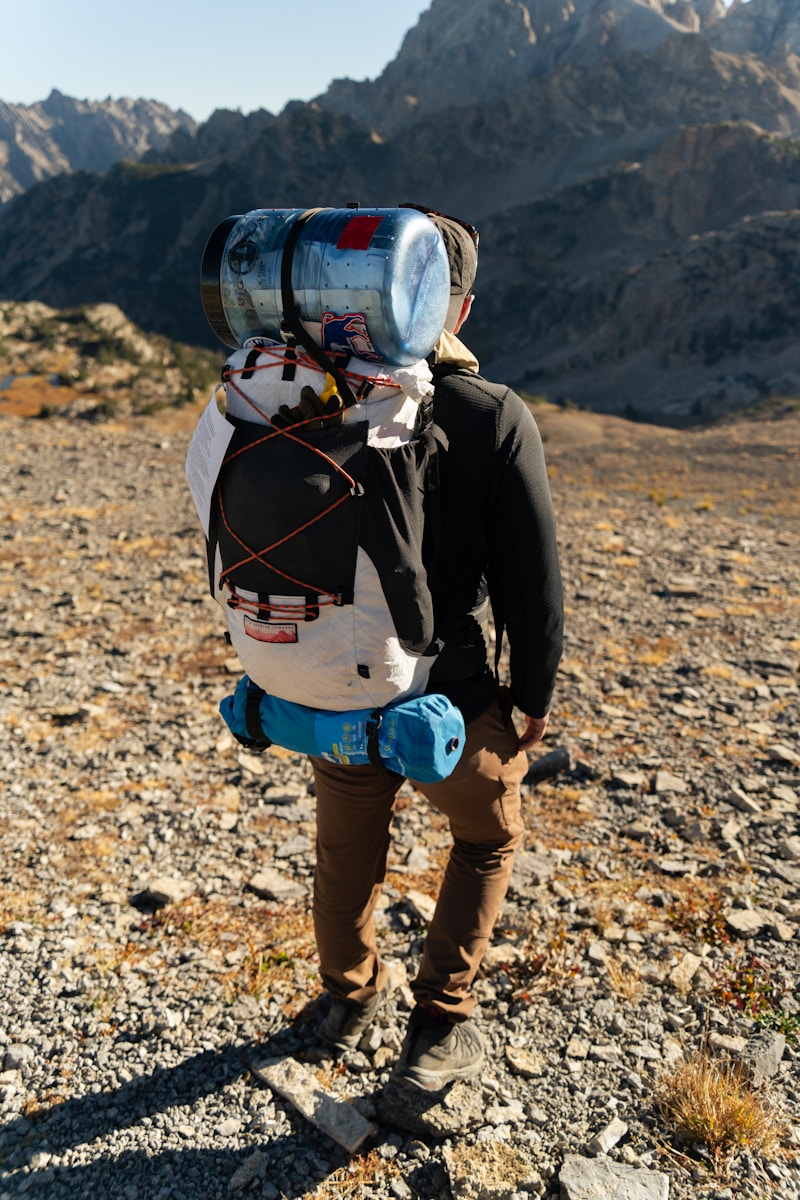
Overpacked bug out bags appear thorough, yet excess weight undermines mobility and endurance. Heavy loads increase fatigue, slow travel, and raise injury risk. Many packed items go unused while critical skills remain unpracticed. Emergency management professionals recommend prioritizing essentials matched to environment and duration. Testing pack weight through practice hikes reveals realistic limits. Flexible planning allows adaptation rather than rigid dependence on gear. A lighter, purposeful pack supports decision making and movement. Believing more equipment equals safety often results in exhaustion when efficiency matters most during urgent evacuations or prolonged wilderness travel scenarios situations arise.