The idea of owning one rifle that can handle every hunting situation is appealing, especially for hunters who value simplicity, familiarity, and reduced gear costs. A single do-everything rifle promises confidence, muscle memory, and fewer decisions before heading into the field. However, hunting environments, game species, and shot conditions vary far more than most people expect. What works well for one scenario often introduces subtle disadvantages in another. Over time, these compromises stack up, affecting accuracy, ethics, comfort, and overall success. While a single rifle can certainly harvest game, relying on it exclusively creates limitations that experienced hunters eventually notice. Understanding these drawbacks helps hunters make informed choices about equipment, expectations, and when specialization actually matters.
1. Caliber Compromises Across Game Sizes
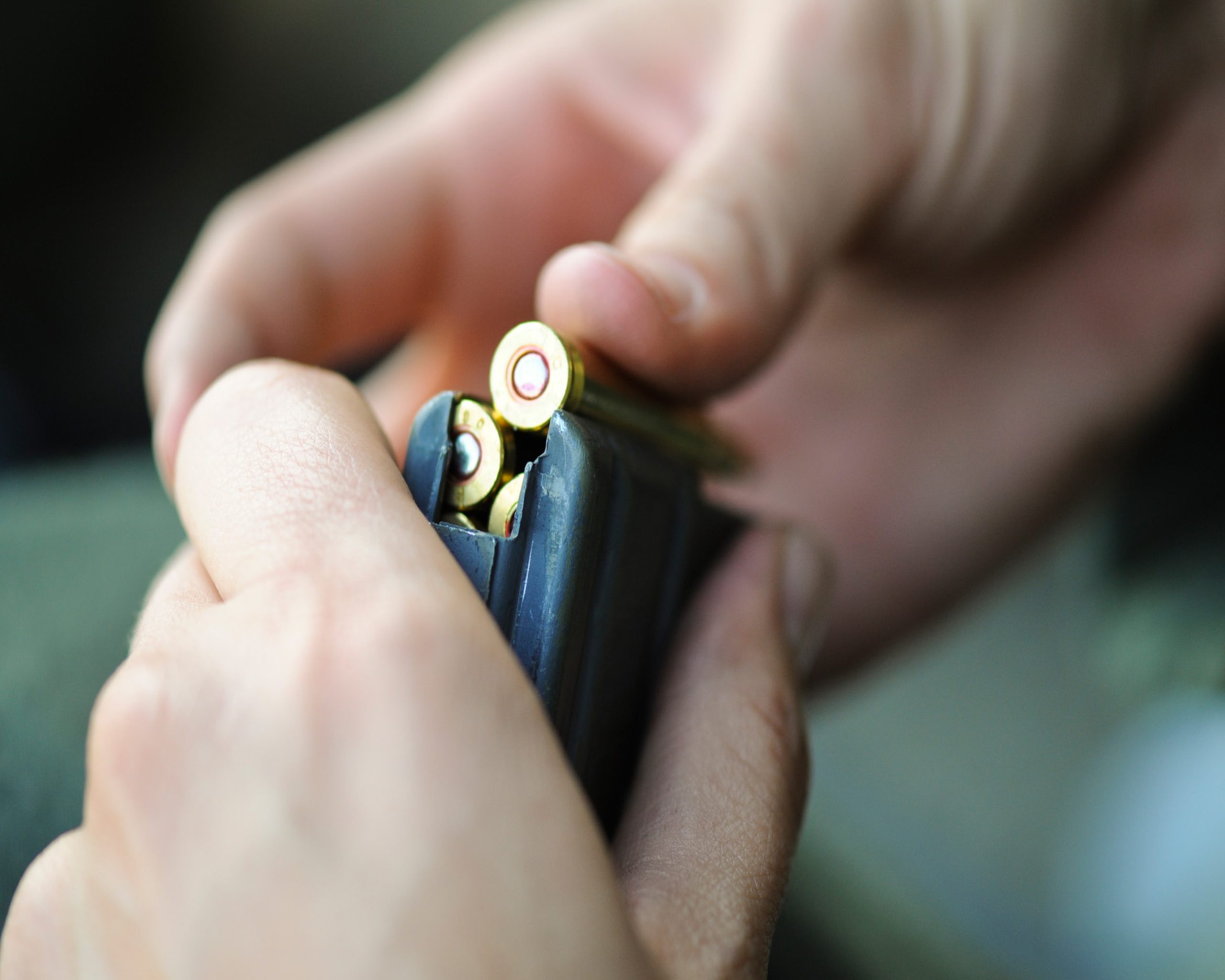
A single rifle forces a caliber compromise that rarely excels across all game sizes. Cartridges suitable for deer may lack ideal penetration or energy for large game, while heavier calibers can be excessive for smaller animals. Using one caliber means accepting marginal performance at one end of the spectrum. This often results in narrower shot placement windows, increased meat damage, or reduced ethical margins. Hunters may pass up responsible shots simply because their caliber isn’t well matched to the animal. Over time, this limitation influences confidence and decision-making. Specialized calibers exist because different game present different anatomical and ethical challenges that one cartridge cannot fully address.
2. Weight and Handling Trade-Offs
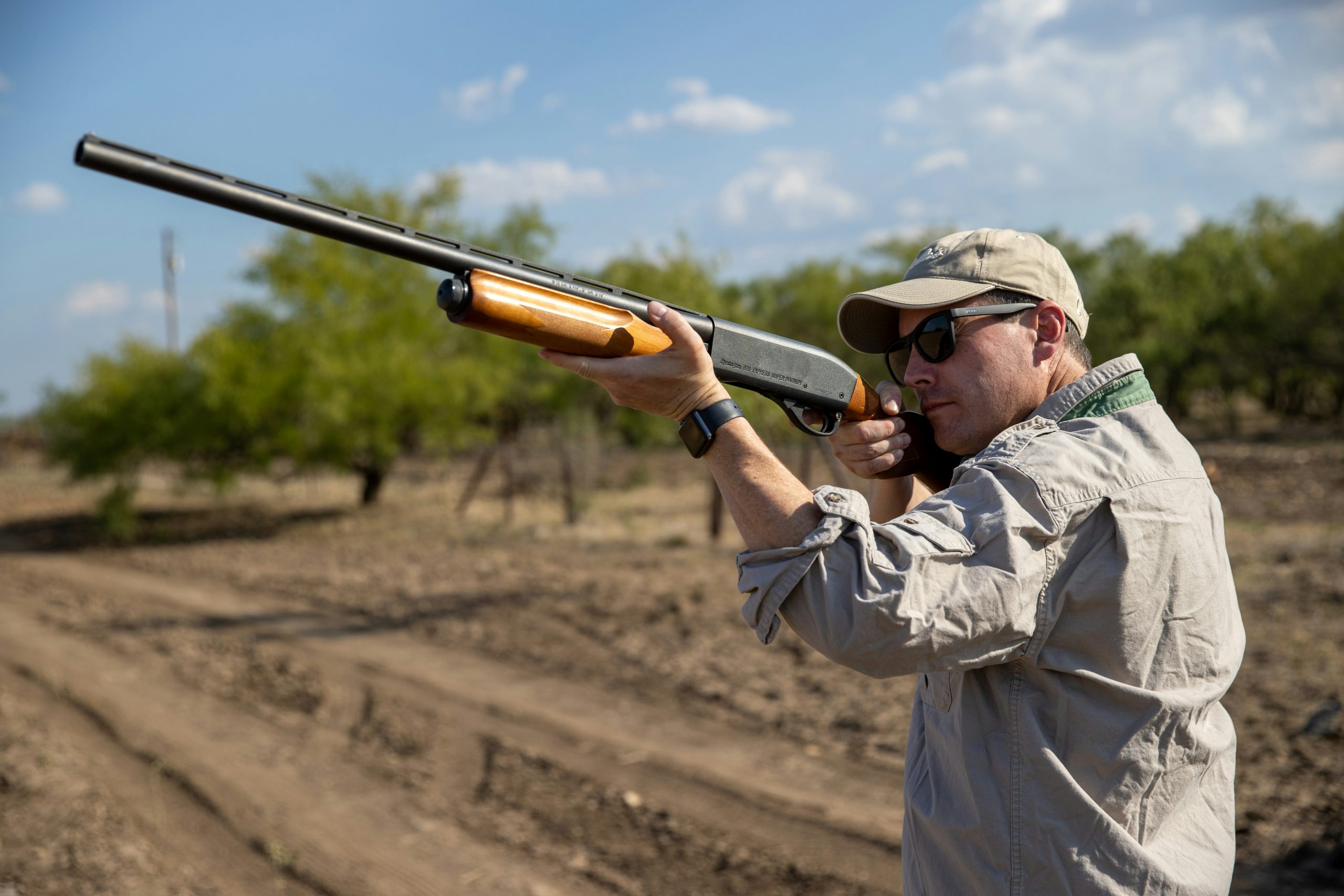
A rifle balanced for long-range or large-game hunting often feels cumbersome during long stalks or quick-moving small-game pursuits. Barrel length, stock design, and overall weight influence how a rifle carries and swings. One rifle rarely balances perfectly for every style of hunt. A heavier setup may stabilize long shots but causes fatigue during all-day hunts. A lighter rifle may carry but feel unstable in windy or longer-range conditions. These handling compromises affect reaction time and shooting comfort. Over many hunts, fatigue and awkward handling reduce enjoyment and performance, even if the rifle itself remains mechanically reliable.
3. Optics Limitations Across Environments
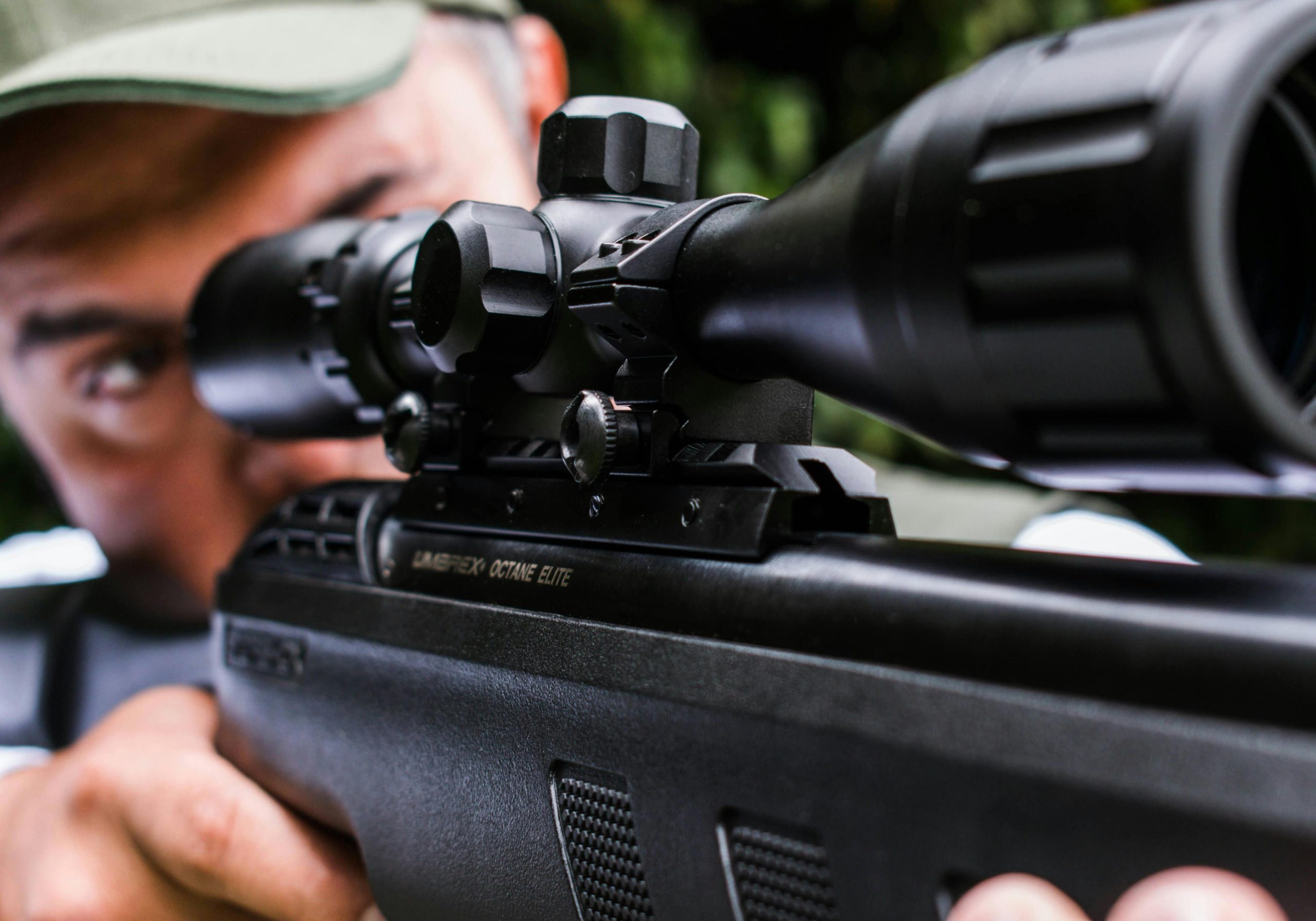
Mounting one optic to serve all hunting needs introduces unavoidable limitations. A high-magnification scope favors long-range precision but slows target acquisition in dense woods. A low-power optic excels in close cover but restricts effective range in open terrain. Variable scopes help but still involve trade-offs in field of view, clarity, and weight. Constantly adjusting magnification under pressure isn’t always practical. Lighting conditions, terrain, and target distance change faster than equipment can adapt. Relying on one optic setup often means it’s never truly optimized for the moment, subtly reducing effectiveness in critical situations.
4. Ammunition Selection Constraints
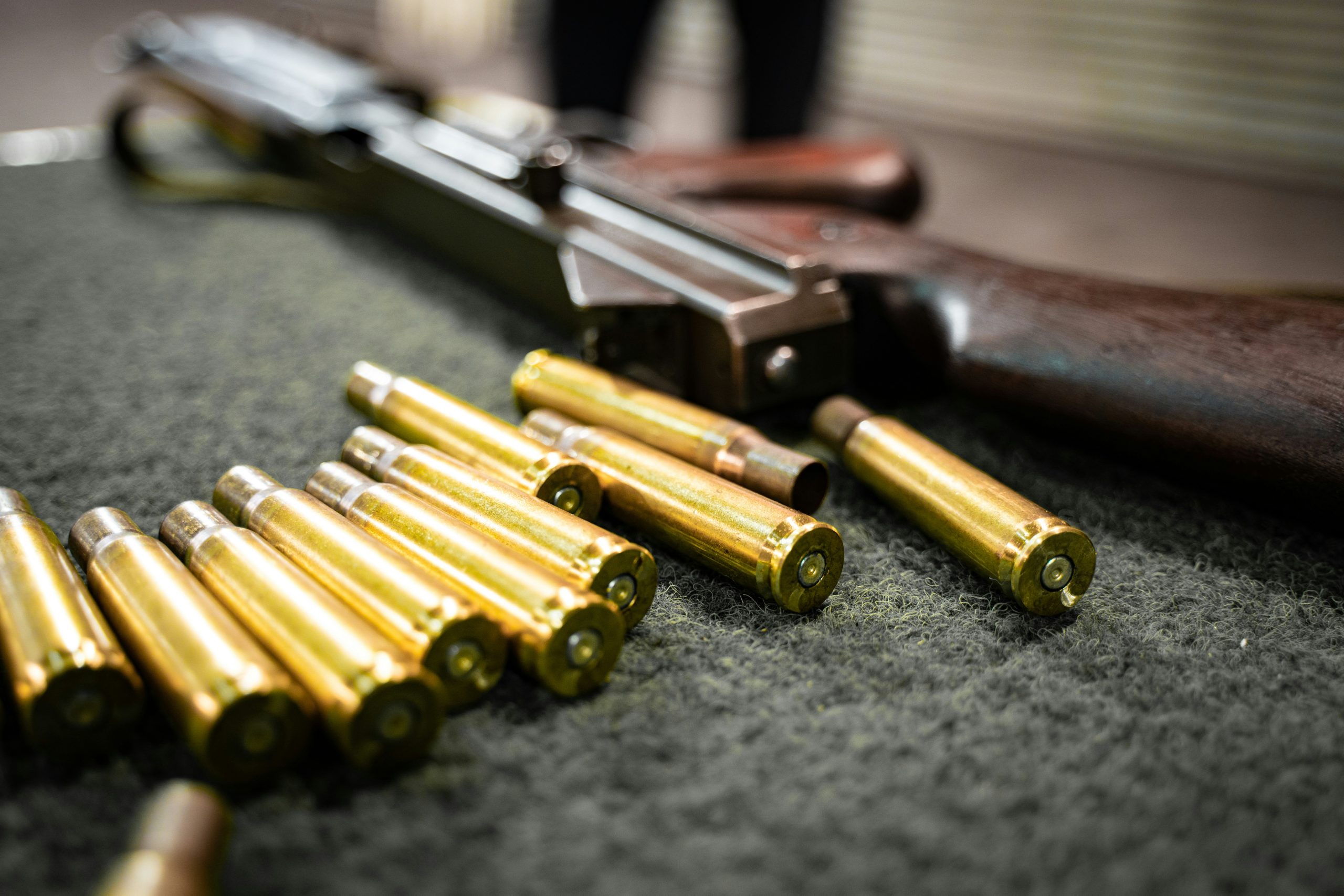
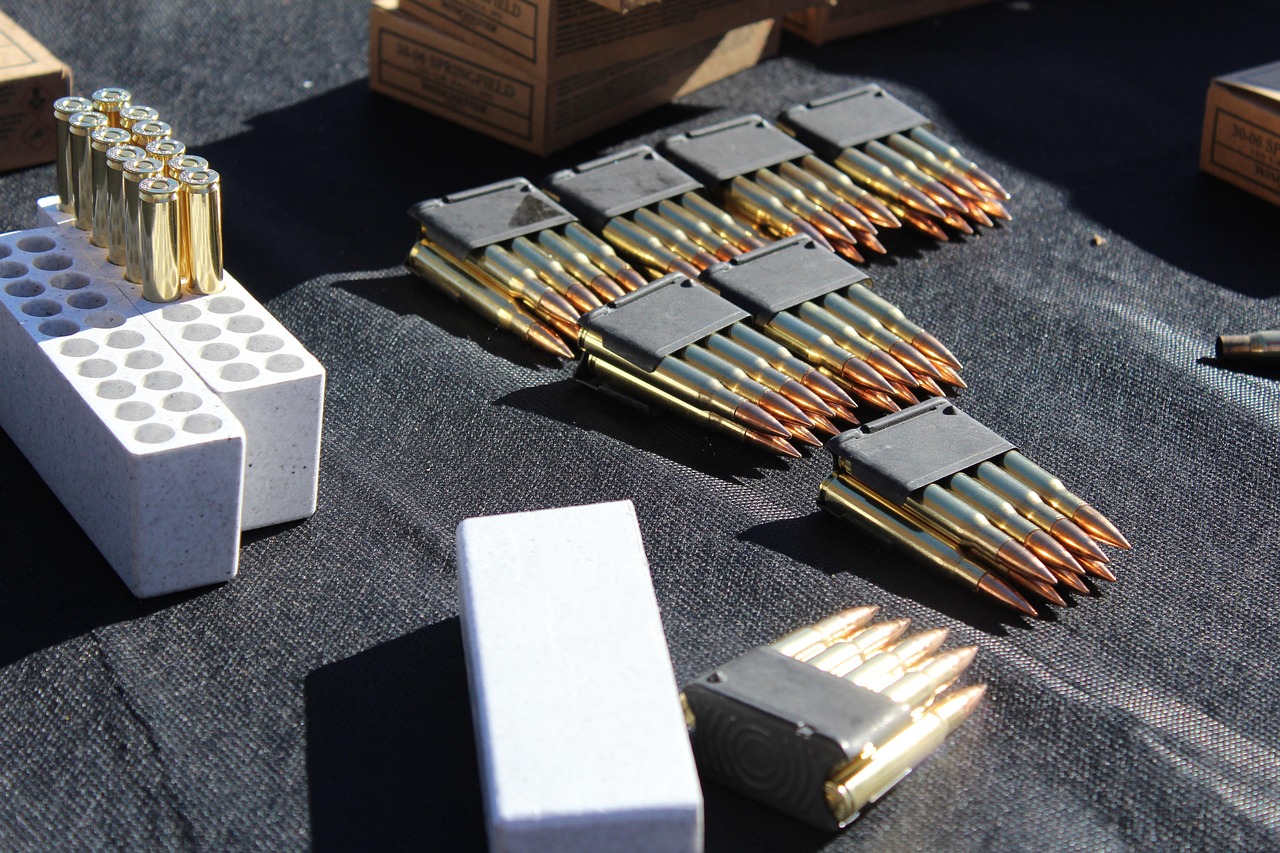
Using one rifle encourages sticking with a narrow range of ammunition that functions reliably and maintains zero. While bullet selection can help adapt to different games, no single load performs perfectly in all conditions. Bullets optimized for penetration may over-penetrate smaller animals, while softer bullets may fail on heavier bone. Switching loads frequently introduces zero shifts and uncertainty. Hunters may hesitate to experiment due to time or cost, limiting adaptability. Over time, ammunition compromises become routine, reducing confidence in terminal performance. Purpose-built rifles often allow ammunition choices tailored precisely to the hunt at hand.
5. Reduced Adaptability to Terrain
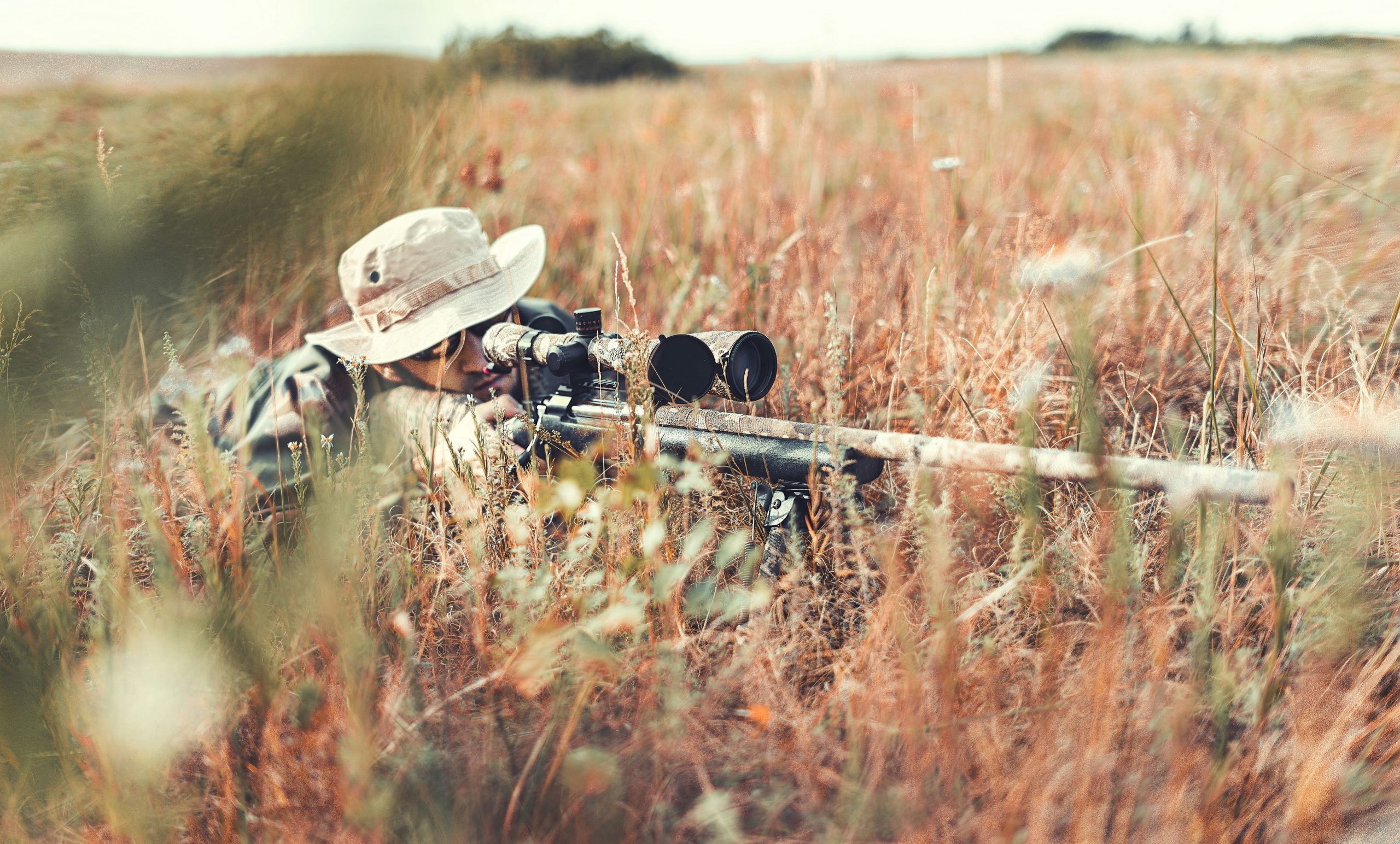
Different terrain types demand different rifle characteristics. Thick brush favors short barrels and fast handling, while open plains reward stability and precision. A single rifle inevitably favors one terrain over others. Maneuvering a long rifle in tight cover can be awkward and noisy, while shorter rifles may struggle to deliver consistent accuracy at distance. Terrain influences shooting positions, visibility, and reaction time. When a rifle doesn’t align with the environment, hunters compensate with posture and technique, increasing fatigue and error potential. These adjustments subtly erode efficiency and enjoyment over repeated hunts.
6. Trigger and Stock Fit Limitations
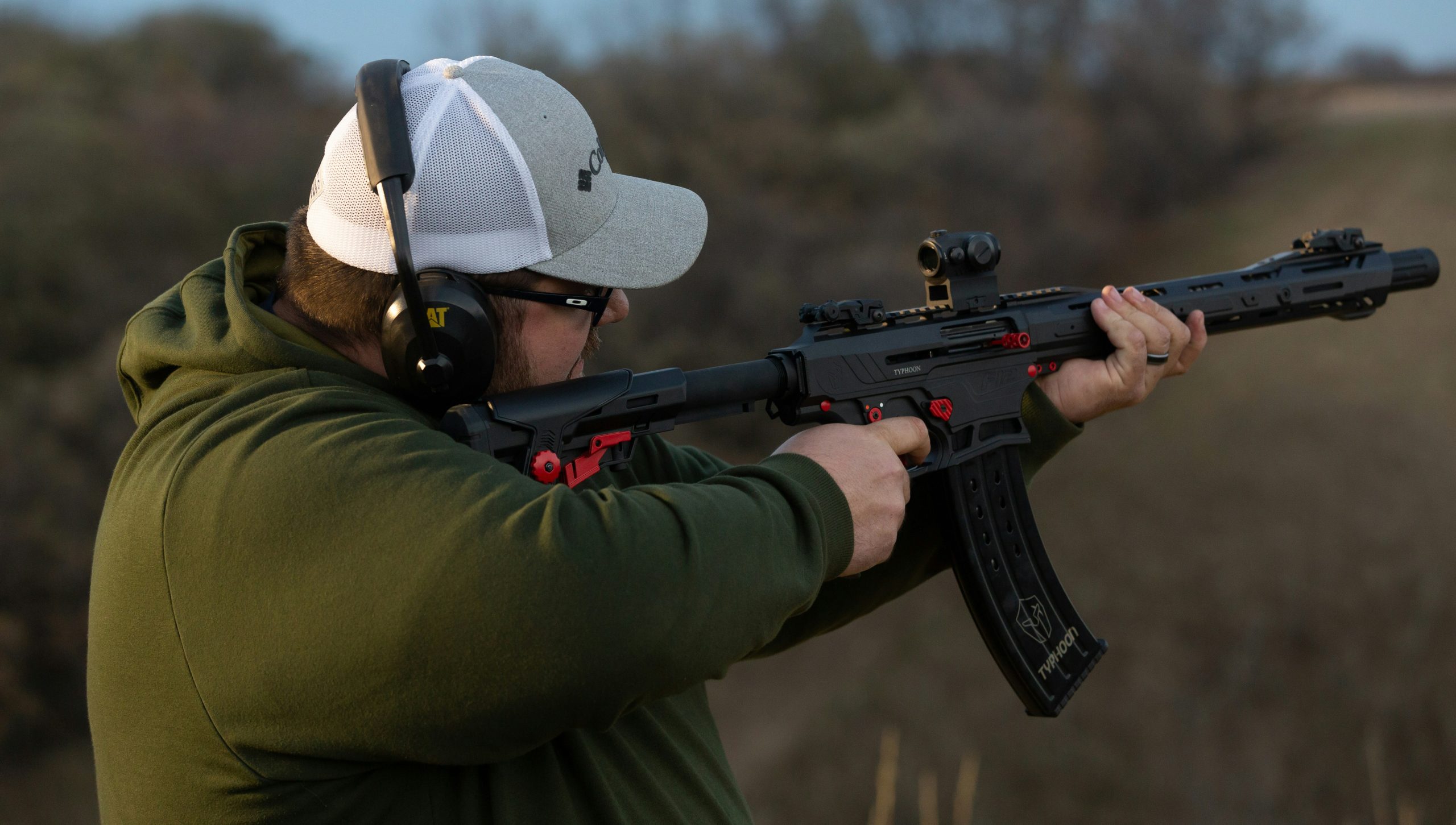
Stock dimensions and trigger characteristics are often overlooked but matter greatly across hunting styles. A stock that fits well for prone shooting may feel awkward offhand. Trigger weights suitable for cold-weather gloves may feel heavy during precision shots. One rifle setup locks the hunter into a single ergonomic profile. Over time, this mismatch affects consistency and comfort. Poor fit encourages bad habits and inconsistent shooting mechanics. Dedicated rifles often allow tailored ergonomics for specific shooting styles, reducing strain and improving repeatable accuracy. A single rifle rarely fits every scenario equally well.
7. Wear and Tear Concentration
Using one rifle for everything concentrates wear on a single platform. Barrel erosion, action wear, and stock damage accumulate faster, especially when the rifle is exposed to varied weather and terrain. This can gradually reduce accuracy and reliability. Maintenance becomes more critical, and downtime affects all hunting plans. Hunters may hesitate to practice as much to preserve barrel life, limiting skill development. Spreading use across multiple rifles distributes wear and extends service life. Relying on one rifle increases dependence on its condition, making any issue more disruptive to long-term hunting routines.
8. Missed Opportunities for Skill Development
Different rifles teach different skills. Lightweight rifles sharpen snap shooting, while precision rigs develop ballistic understanding and wind reading. Using only one rifle limits exposure to these learning opportunities. Hunters may become proficient within a narrow skill set while neglecting others. This reduces adaptability when conditions change unexpectedly. Skill growth thrives on varied challenges, and equipment diversity supports that process. Over time, reliance on one rifle can plateau development, making new hunting situations feel more difficult than necessary. Broader experience often builds confidence that equipment familiarity alone cannot provide.
9. Psychological Overconfidence in Familiar Gear
Carrying the same rifle everywhere can create a false sense of preparedness. Familiarity breeds confidence, but it can also mask limitations. Hunters may push equipment beyond its ideal use because it has “worked before.” This mindset increases risk-taking and poor shot decisions. Equipment should match conditions, not justify them. Overconfidence in a single rifle can discourage honest evaluation of whether it’s truly the right tool for the hunt. Recognizing limitations encourages smarter planning and ethical restraint. A versatile hunter values adaptability as much as familiarity, knowing that no single rifle is perfect for everything.