Long downhill stretches often place extra stress on the knees because each step increases impact and forces the body to absorb more pressure than during flat or uphill travel. Many hikers find that managing this strain requires deliberate technique rather than relying on strength alone, especially during extended descents where fatigue builds gradually. Certain methods help distribute force more evenly, improve stability, and reduce repetitive shock that contributes to discomfort. These techniques work by engaging supportive muscles, adjusting posture, or shifting weight in ways that protect vulnerable joints. Understanding how these strategies function offers practical insight into maintaining comfort and control throughout long, steep descents.
Shortening Stride Length
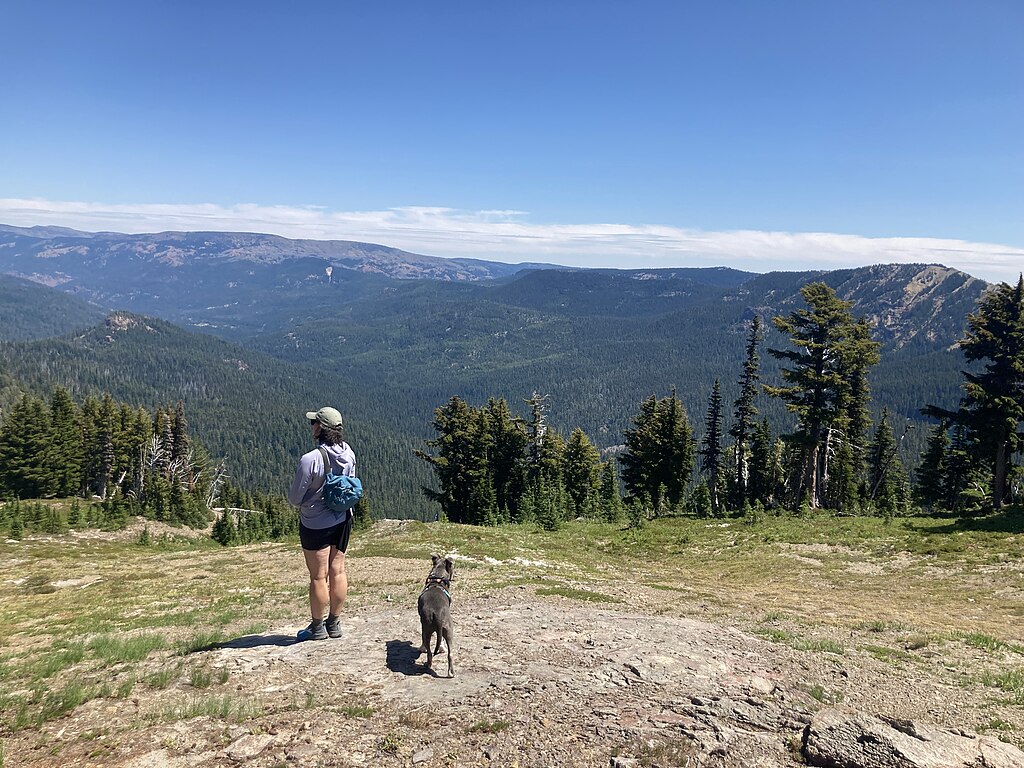
Shortening stride length reduces knee burn because it limits the force placed on the joint with each step by preventing the leg from extending too far forward. A shorter stride keeps the body’s center of gravity aligned over the feet, which lowers impact and improves balance on uneven or rocky terrain. This technique works effectively because it encourages controlled movement rather than sudden drops, allowing the leg muscles to absorb pressure gradually. Shorter steps also reduce the braking motion that strains the knees during steep descents, making the downward path feel smoother and more manageable over long distances.
Engaging Core and Glute Muscles
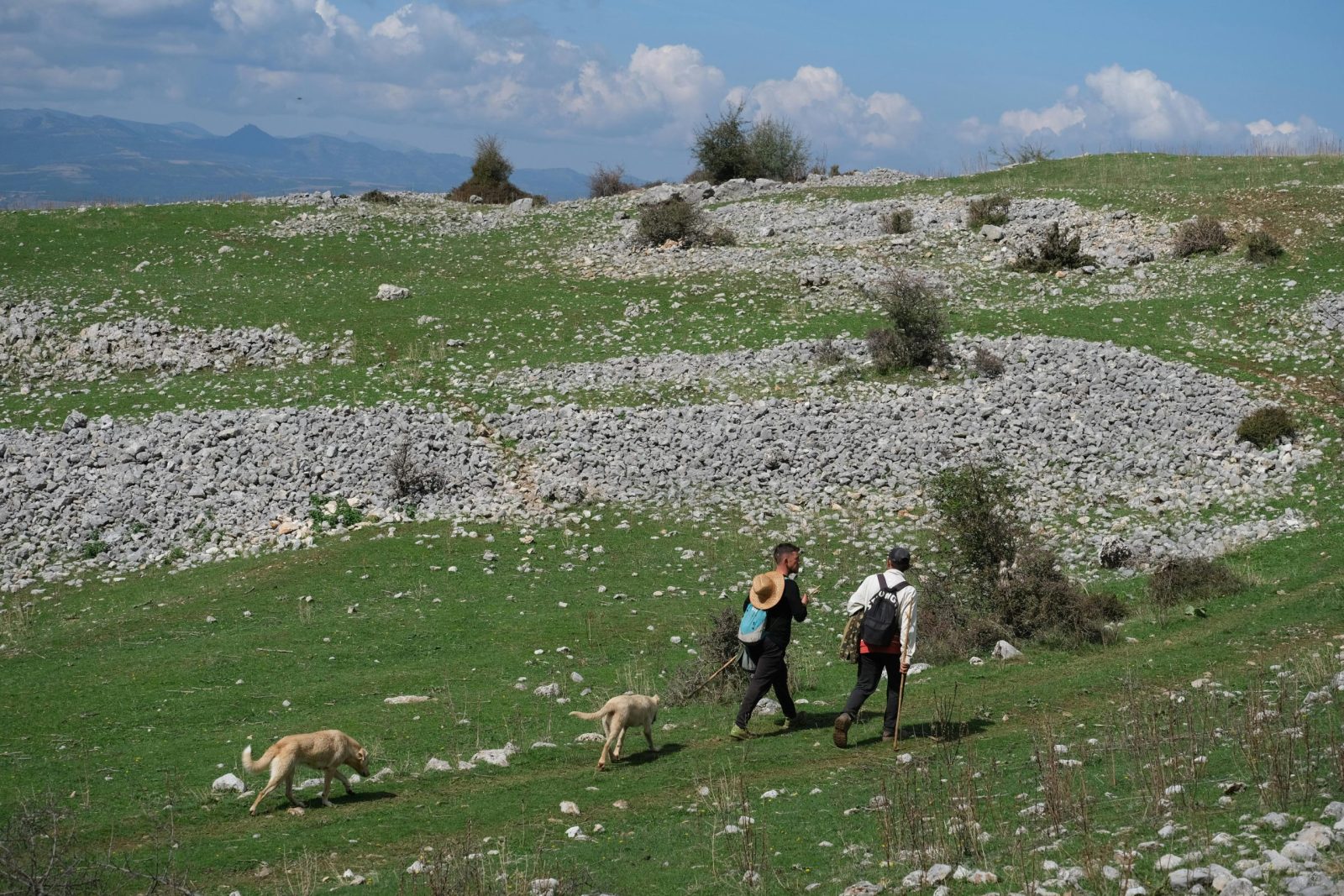
Engaging core and glute muscles helps prevent knee discomfort because these muscle groups stabilize the lower body and reduce the workload placed directly on the knees. Strong engagement supports alignment during each step and minimizes wobbling that can create uneven stress on the joint. This technique works well on long downhills because the core controls upper body movement while the glutes absorb impact that would otherwise travel through the knees. When these muscles stay activated, the descent becomes more controlled, and the body maintains better posture even on loose or shifting ground. This shared distribution of effort helps protect the knees from overuse during prolonged downhill travel.
Keeping Knees Slightly Bent
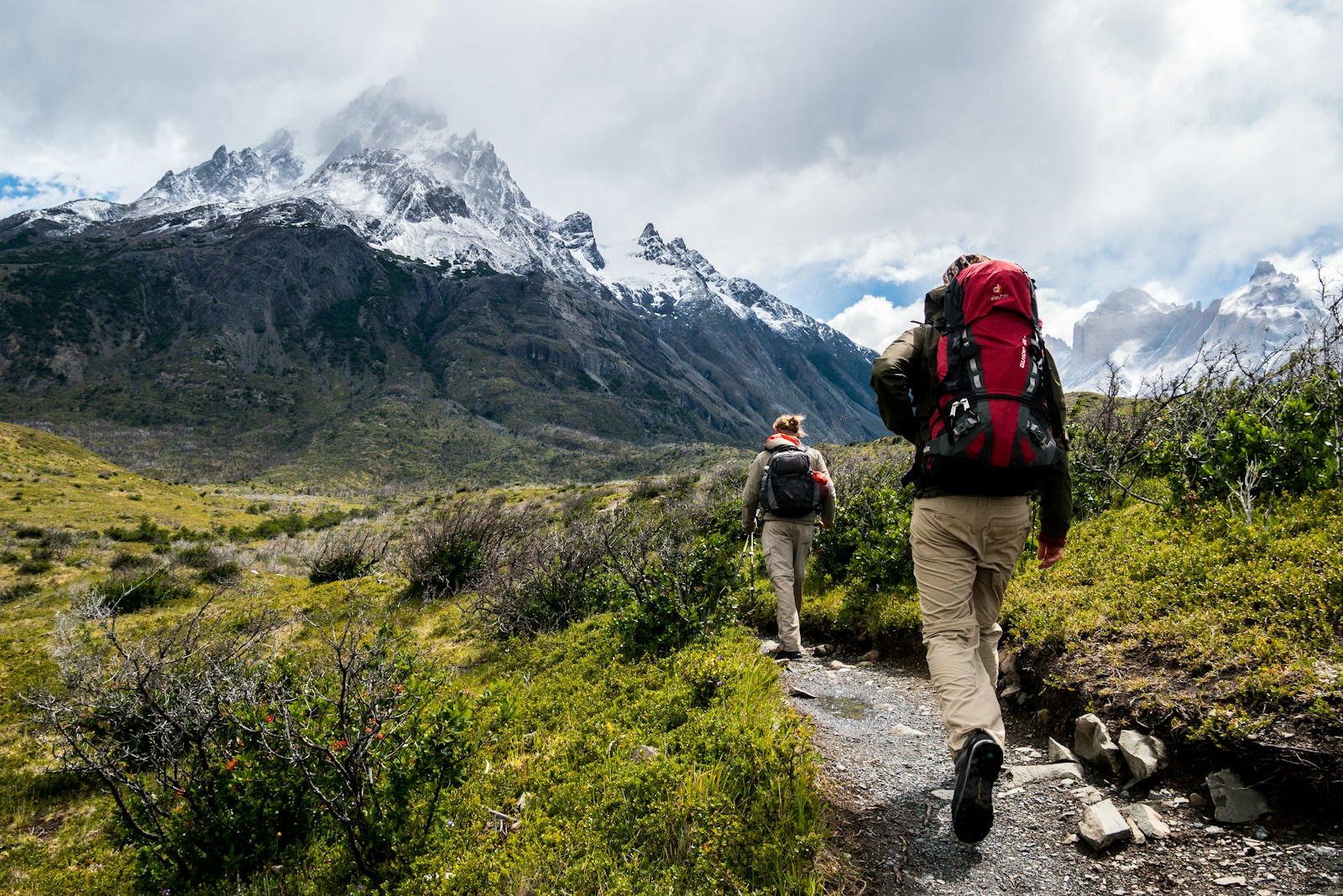
Keeping the knees slightly bent during descent reduces knee burn because it prevents the joints from locking, which forces them to absorb impact in a rigid position. A soft bend allows surrounding muscles to cushion each step and disperse pressure more evenly. This technique works effectively on varied terrain because bent knees adapt quickly to sudden changes in slope or surface. The controlled movement also reduces the jarring sensation that often builds up during long downhill stretches. Maintaining this posture improves stability and encourages smoother steps, which lowers strain on the connective tissues that support the knee joint.
Using Trekking Poles for Support
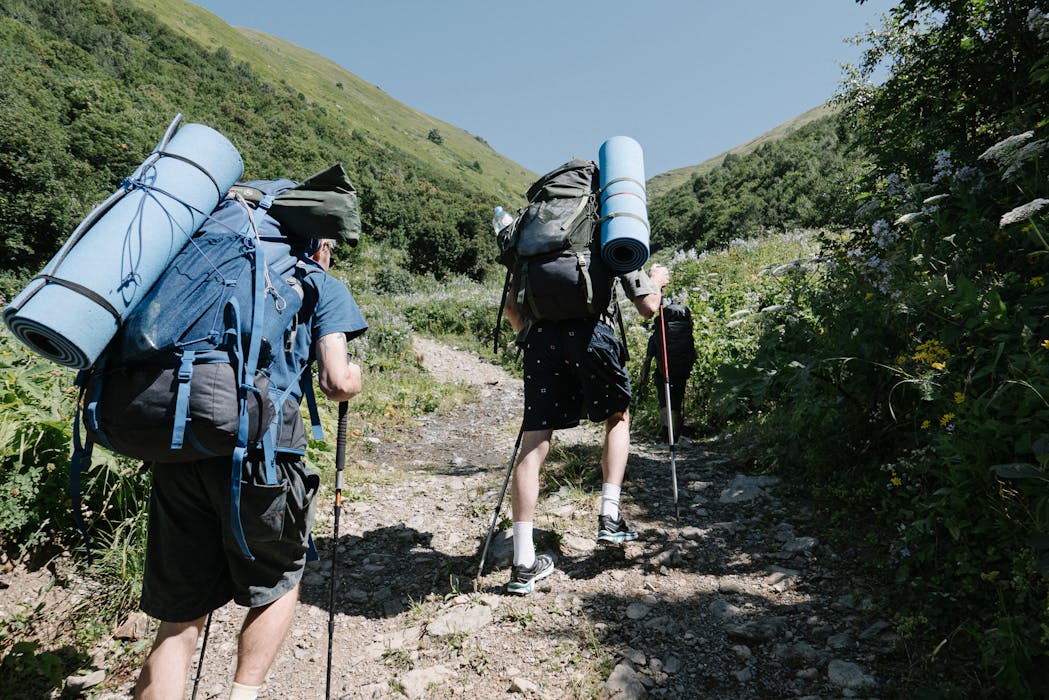
Using trekking poles provides noticeable relief on long downhills because the poles shift part of the body’s weight upward into the arms, reducing the amount of force directed into the knees. Poles also enhance balance, helping hikers stay steady on loose soil, gravel, or uneven stone. This technique works effectively because it allows the upper body to share responsibility for controlling speed and momentum, which lowers pressure during each step. When used consistently, poles create a four-point support system that smooths out the descent and prevents sudden jolts. This distribution of effort protects the knees from repetitive impact that often leads to discomfort.
Maintaining an Upright Posture

Maintaining an upright posture prevents knee burn by ensuring that weight settles naturally over the hips and ankles rather than shifting forward into the knees. Leaning too far back increases braking force, while leaning forward overloads the joint. A balanced stance allows the legs to move smoothly without excess strain. This technique works well during steep descents because it keeps the spine aligned and reduces tension through the lower body. An upright posture also encourages more efficient muscle engagement, which supports controlled steps and lowers shock with each footfall. These adjustments help maintain comfort over long distances.
Zigzagging Down Steep Slopes
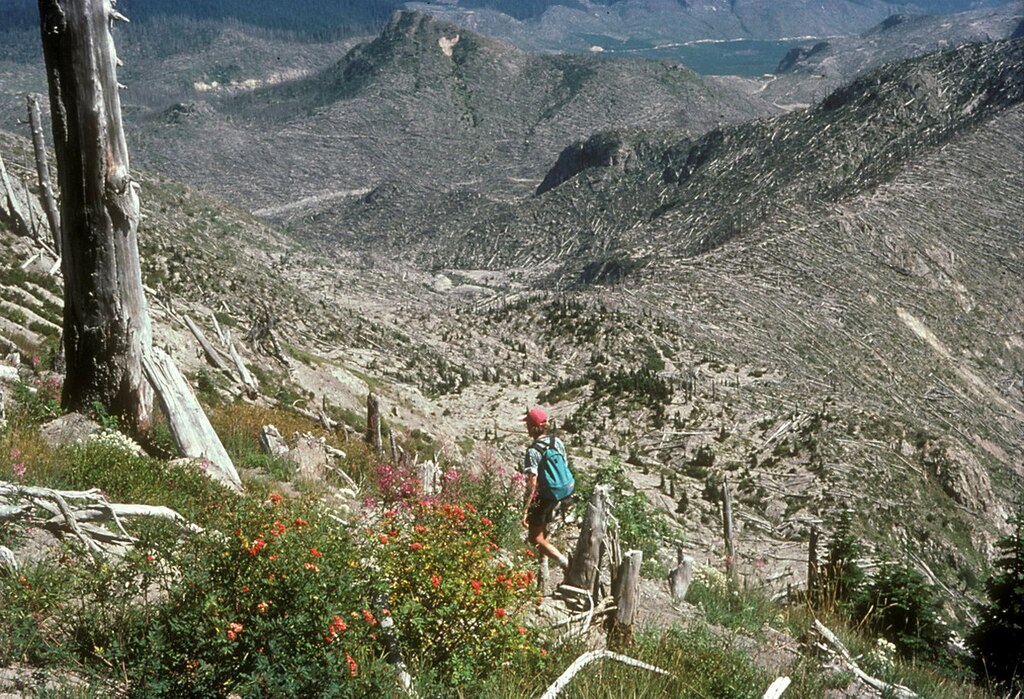
Zigzagging down steep slopes reduces knee strain because it softens the angle of descent by breaking a straight vertical drop into smaller, more manageable sections. This sideways movement decreases impact because each step covers less vertical distance. The technique works effectively on steep terrain where direct downward travel would create excessive pressure on the knees. Zigzagging also improves traction by allowing the feet to land at an angle, creating greater surface contact with the ground. This approach moderates speed naturally and provides better stability, helping prevent fatigue and joint discomfort during longer downhill stretches.
Strengthening Quadriceps and Hamstring Muscles
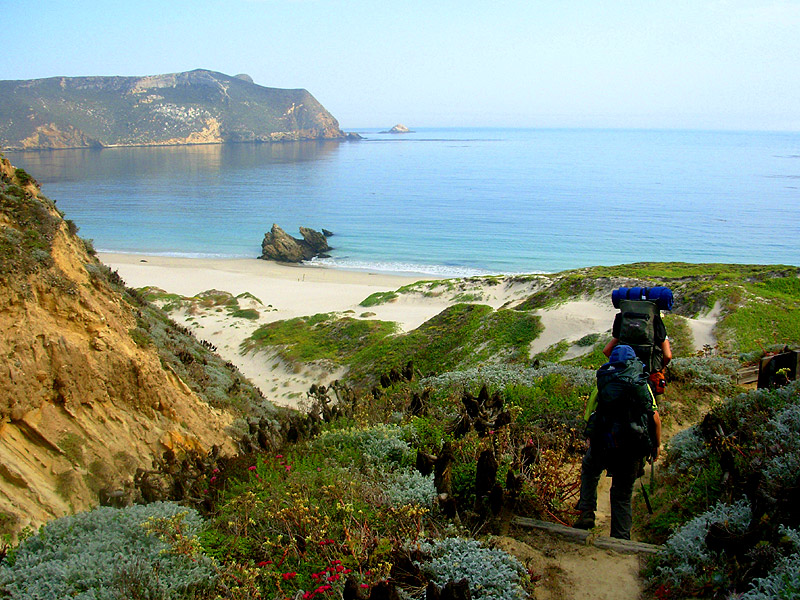
Strengthening quadriceps and hamstring muscles helps prevent knee burn because these muscle groups support the knee joint and absorb much of the impact created during downhill movement. Strong quadriceps control the forward motion of the leg, while balanced hamstrings stabilize the joint from behind. This technique works effectively because improved muscle conditioning reduces reliance on passive structures such as ligaments and cartilage. With stronger leg muscles, downhill steps feel smoother and less jarring, especially on extended trails. Consistent strength training enhances endurance, allowing the body to maintain form throughout long descents and reducing the likelihood of knee fatigue.
Choosing Supportive Footwear
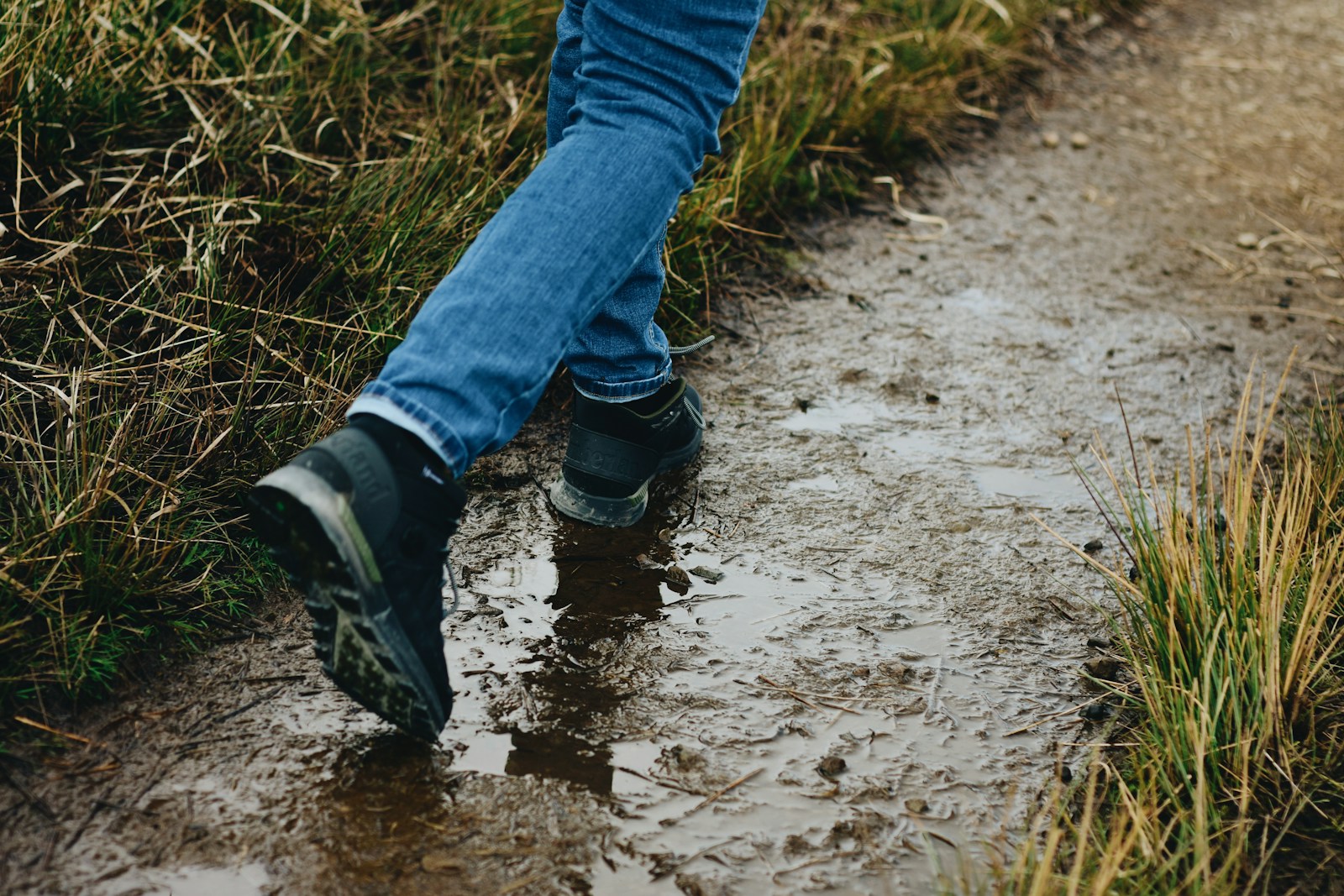
Choosing supportive footwear reduces knee burn because well-designed hiking shoes absorb part of the impact that would otherwise travel directly into the joints. Cushioned midsoles help soften each step while firm heel counters stabilize the foot and prevent rolling that strains the knees. This technique works effectively on varied surfaces because proper footwear maintains alignment and encourages even weight distribution. Good traction also reduces slipping, which prevents sudden jerking motions that increase stress. Supportive shoes allow the lower body to move with greater control, which helps keep knee pressure manageable during long downhills.
Controlling Descent Speed

Controlling descent speed prevents knee discomfort because slower, deliberate steps reduce the braking force applied during each movement. Rapid downhill travel increases impact and makes it harder for muscles to absorb shock consistently. This technique works effectively because a steady pace allows the legs to maintain proper form and prevents overloading the knees. By managing speed, the body distributes pressure more evenly across the joints and muscles, which helps maintain comfort during extended descents. Controlled pacing also supports balance, reducing the risk of misplaced steps that create additional strain on the knees over time.