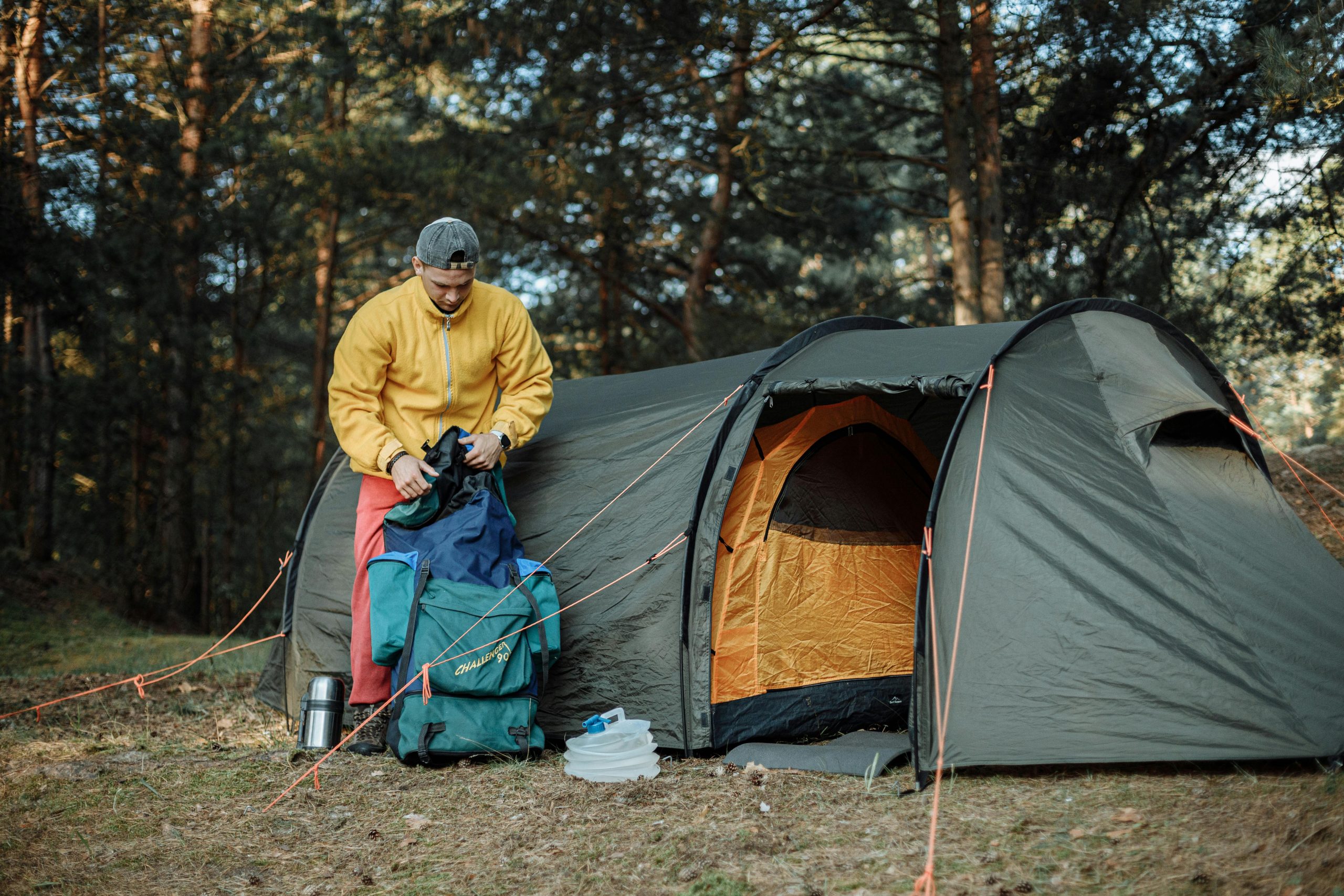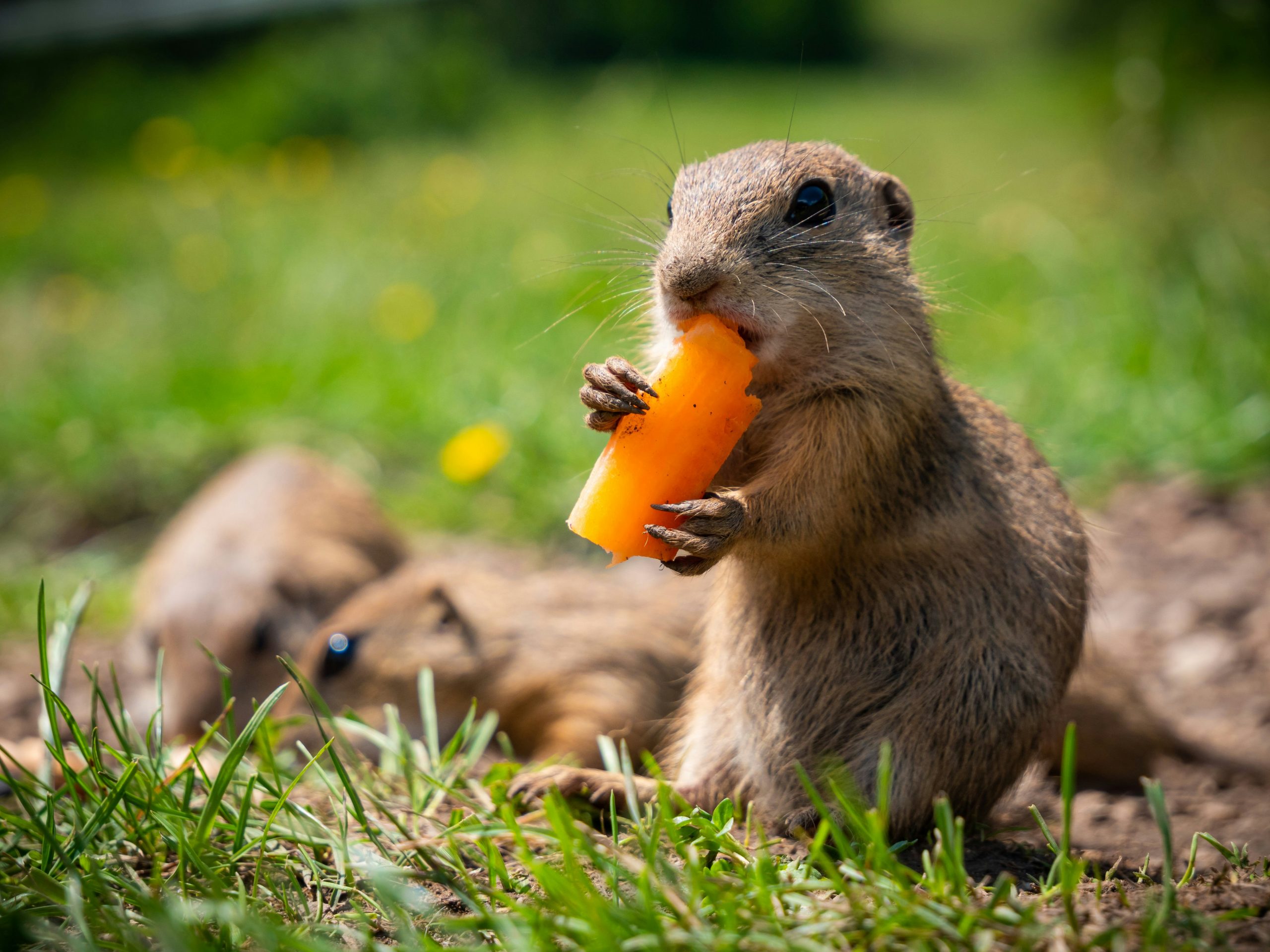
Many campers and hikers underestimate how strongly certain foods can draw wildlife toward campsites, trails, and parking areas. Even small crumbs or faint odors can travel far enough to lure animals searching for an easy meal. As outdoor recreation increases, so does the importance of understanding which foods appeal most to wildlife and why leaving them unsecured can create risky encounters. From sugary drinks to fatty leftovers, each item carries its own level of attraction, and learning how to manage them responsibly helps protect both people and animals. Knowing these high-interest foods is the first step toward safer outdoor habits.
1. Sugary Snacks and Candy
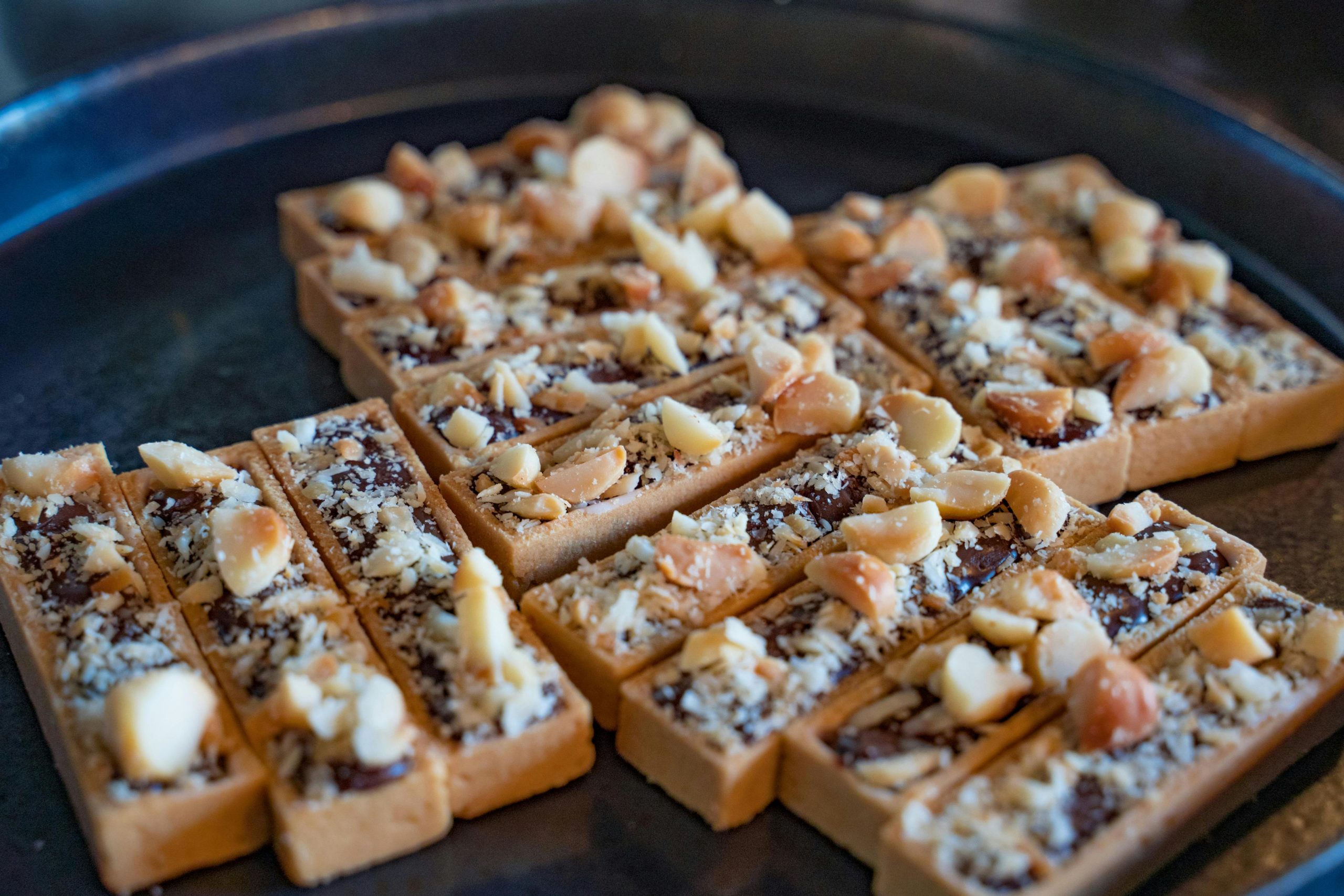
Sugary snacks like candy bars, pastries, and cookies release strong aromas that travel far in warm or humid conditions, making them one of the most common wildlife attractants in outdoor areas. Even unopened wrappers can leak sweet scents that animals easily detect. Species such as raccoons, bears, squirrels, and certain birds associate sugary smells with effortless calories, causing them to approach campsites or rest spots more boldly. Crumbs left behind on clothing or gear can also draw interest, especially from smaller scavengers that quickly learn to search areas where hikers frequently stop.
2. Meat, Fish, and Greasy Leftovers
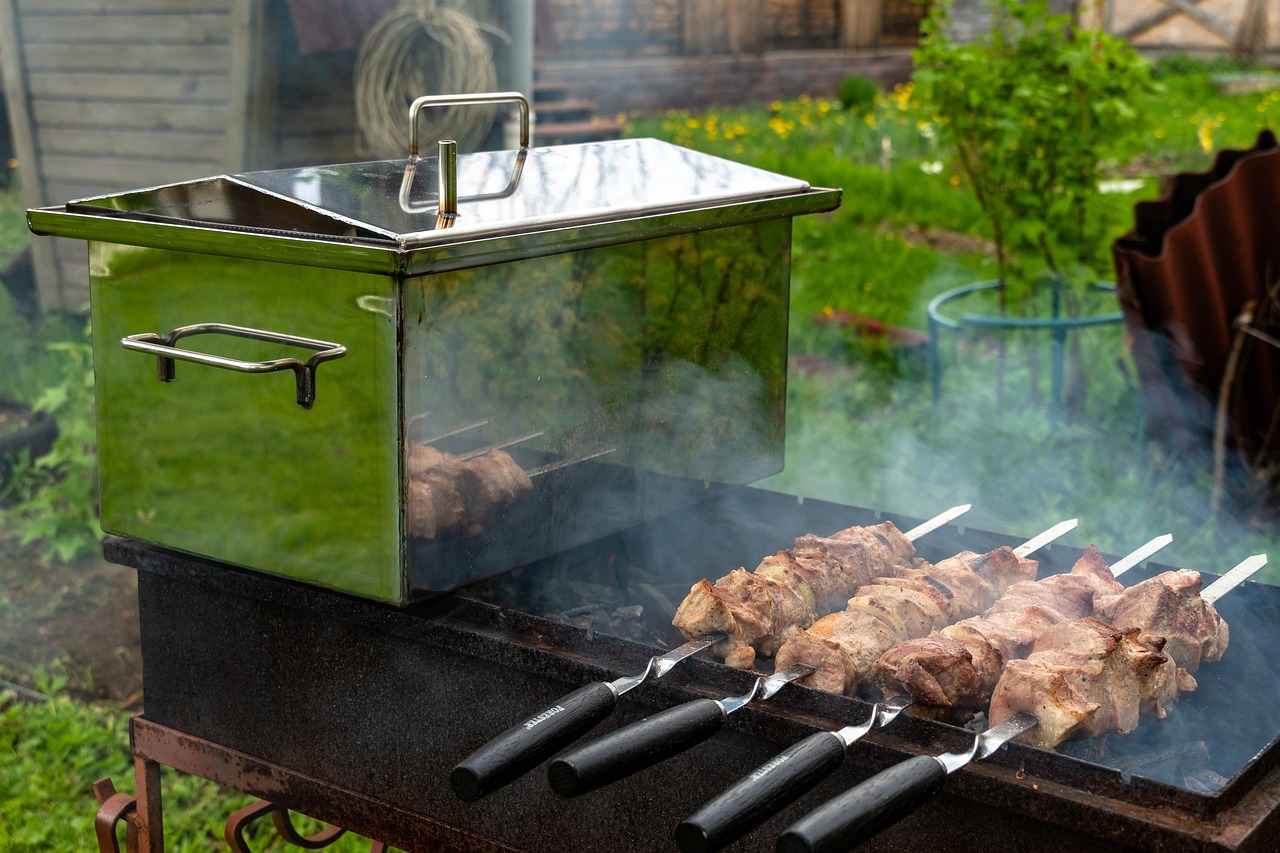
The scent of cooked meat, raw fish, and greasy scraps is among the strongest signals animals can pick up, often traveling much farther than people expect. Bears, coyotes, foxes, skunks, and many scavenging birds follow these aromas with impressive accuracy. Even charred residue on grills or oils absorbed into napkins can attract wildlife hours after a meal is finished. When hikers prepare meat-heavy dishes outdoors, the lingering smell clings to cookware, clothing, and surrounding vegetation. Because fats and proteins are high-value foods in nature, animals are more likely to approach directly when these scents are present.
3. Fresh Fruit and Fruit Peels

Fruit may feel harmless, but its natural sugars and bright aromas make it particularly enticing to a wide range of wildlife. Apples, oranges, bananas, and berries release noticeable scent even when fully intact, and discarded peels intensify that scent as they begin to break down. Deer, rodents, raccoons, and bears actively search for these odors as part of their natural diet, often investigating campsites for dropped pieces. Because fruit decomposes quickly, its smell becomes more potent in warm weather. Many hikers underestimate how far citrus or over-ripe fruit scents can drift, drawing animals from surprising distances.
4. Nuts, Seeds, and Trail Mix
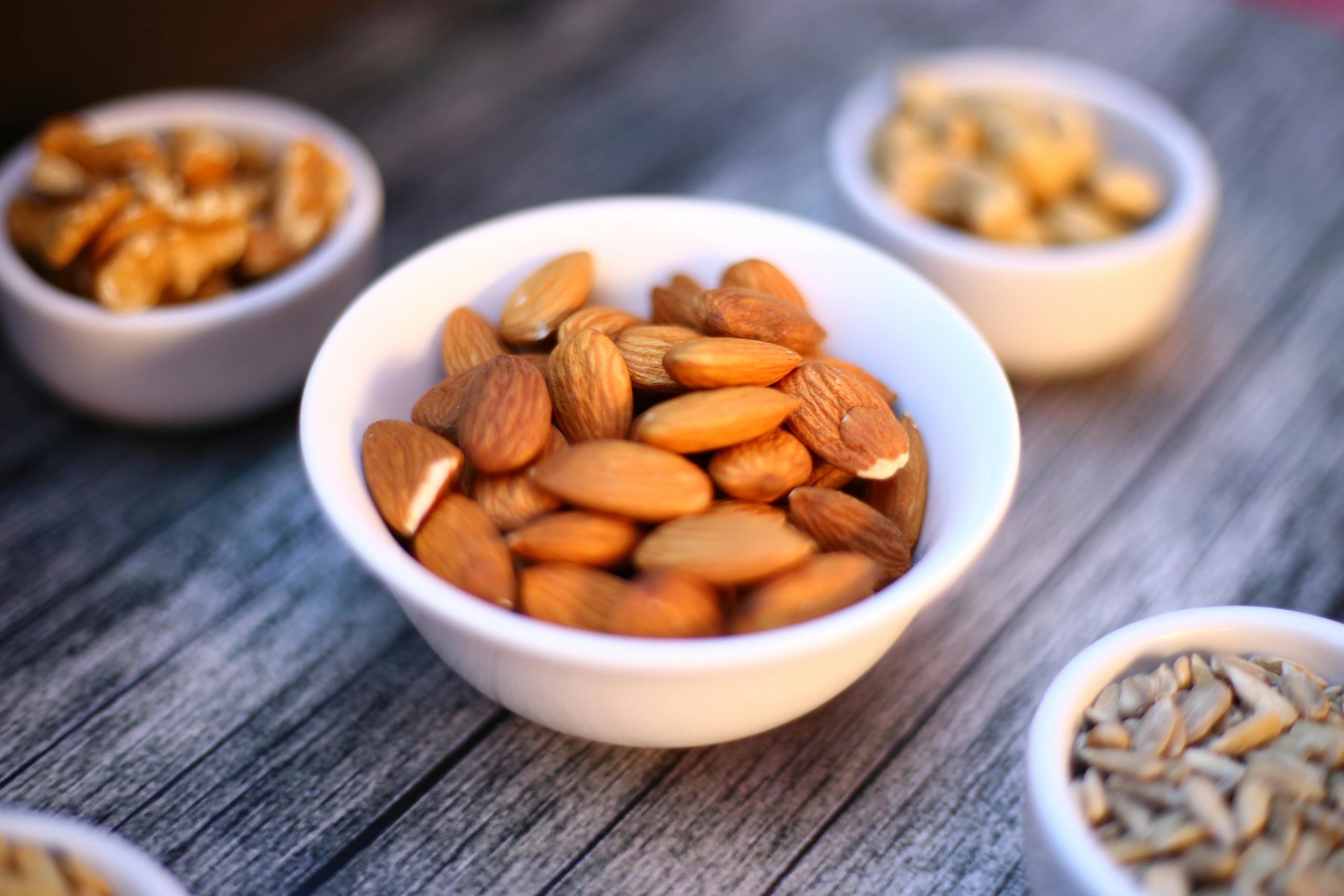
Trail mix, nut blends, peanut butter, and seed packets are incredibly calorie-dense, making them highly desirable to wildlife. Oils from nuts and seeds release subtle but long-lasting aromas that animals detect even when containers appear sealed. Squirrels, chipmunks, birds, raccoons, and even bears recognize these scents as high-energy resources and will investigate any spilled pieces. Because hikers often keep trail mix handy in side pockets, the scent can transfer onto gear or clothing without notice. A few lost kernels on the ground can create repeat visits from persistent scavengers, eventually drawing in larger predators searching for small prey.
5. Pet Food and Kibble
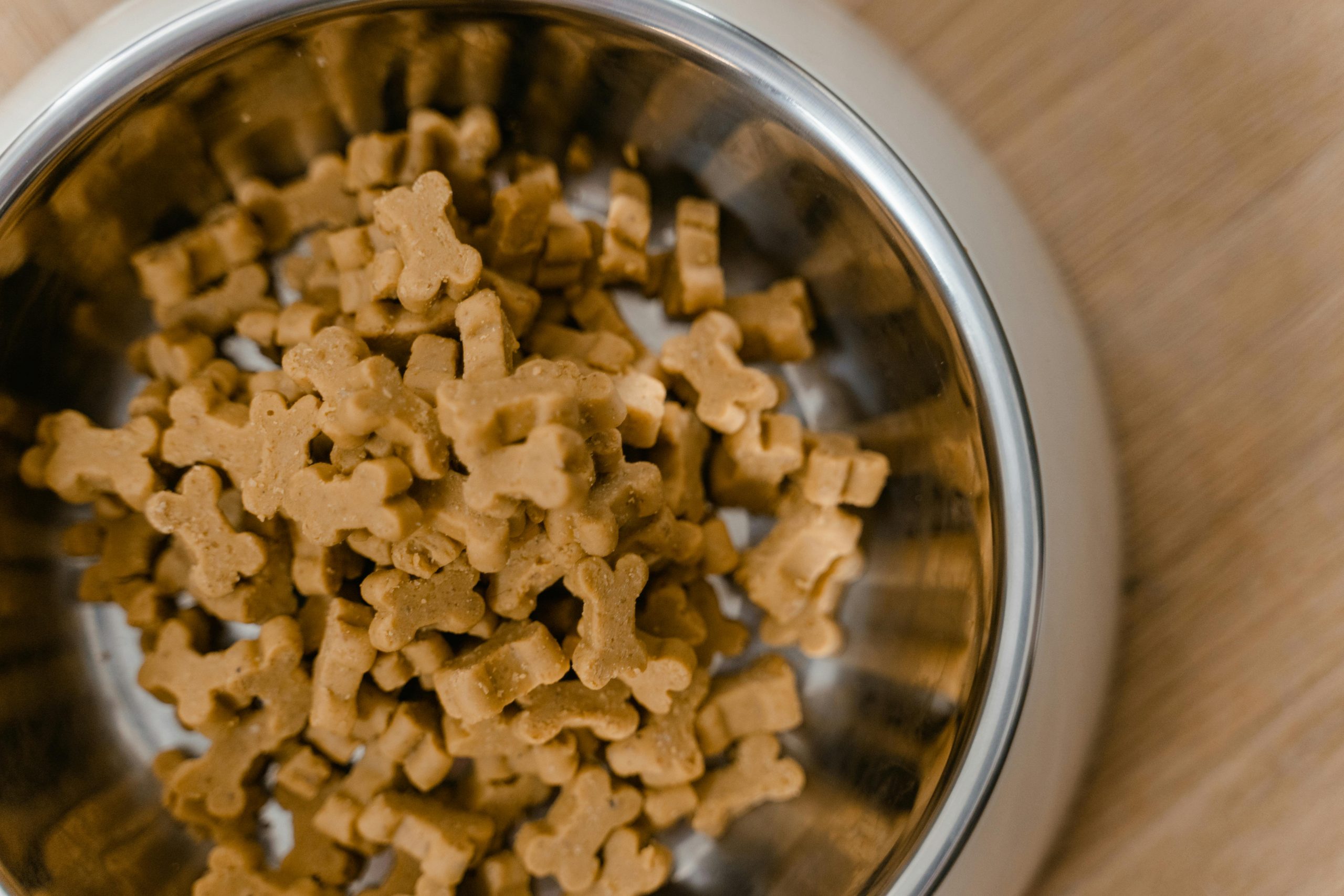
Pet food contains concentrated proteins, fats, and grains, emitting a scent that attracts wildlife just as strongly as human meals. Raccoons, foxes, skunks, bears, and various birds quickly learn to associate the smell of kibble with easy access to calories. Campers traveling with dogs sometimes underestimate how appealing pet food is, leaving bags or bowls unattended for short moments that still allow animals to slip in. Even tiny spills around feeding spots can spark nighttime scavenging. Because kibble blends resemble natural prey scents, many animals investigate persistently, creating conflict if the food is not stored properly after meals.
6. Bread, Crackers, and Baked Goods
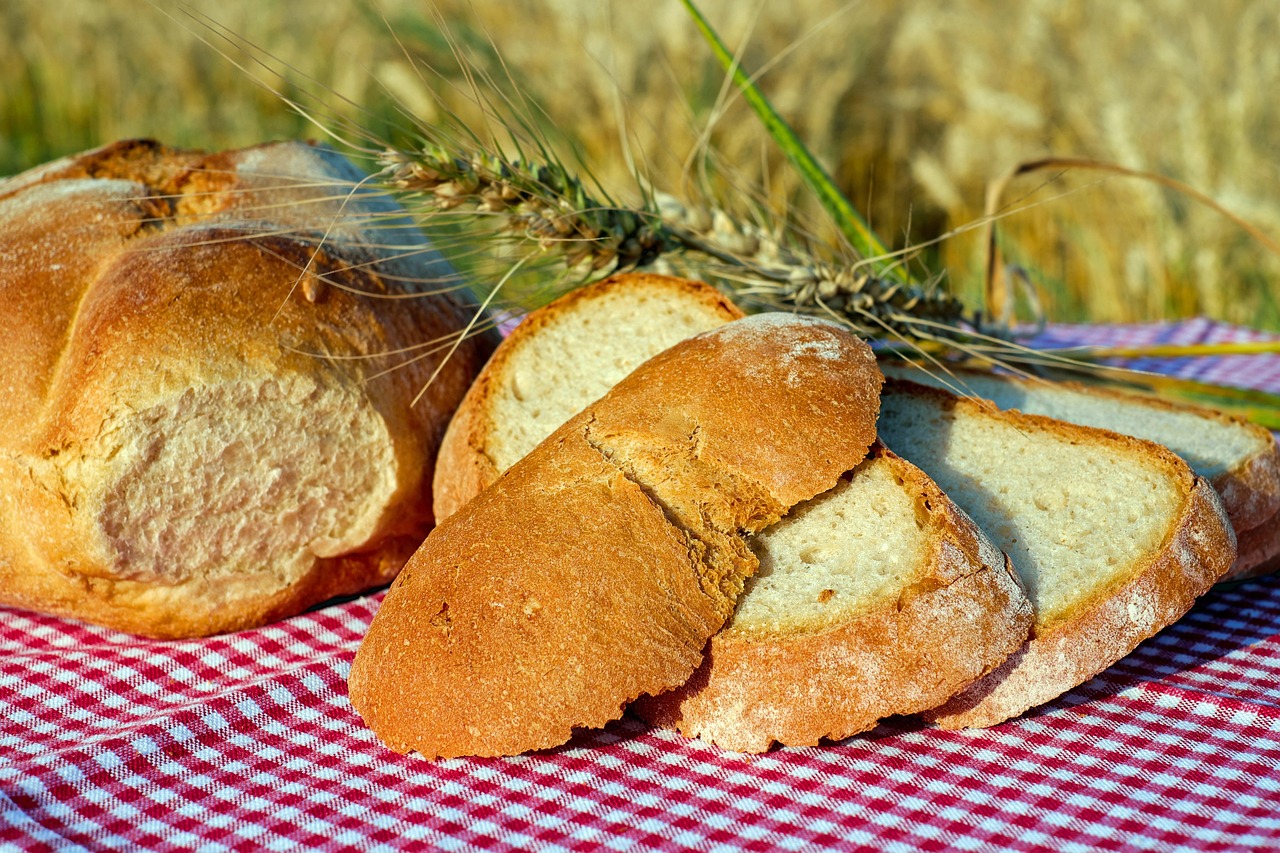
Bread products may not seem highly aromatic, yet their mild scent and crumb-forming texture make them significant wildlife attractants. Crumbs scatter easily around picnic areas and campsites, drawing mice, squirrels, and birds that quickly acclimate to human-provided food. Once small animals congregate, larger predators may follow, increasing potential encounters for hikers. Sweet baked goods like muffins or rolls heighten attraction due to added sugar and fats. Because bread absorbs moisture slowly, the scent lingers longer than expected, especially in humid environments. Wildlife accustomed to popular recreation areas will actively search for leftover crumbs and soft bakery items.
7. Cooking Oils, Grease, and Leftover Seasonings

Even after meals are cleaned up, leftover cooking oils, grill residue, and spice-coated surfaces continue releasing strong aromas that wildlife can detect easily. Used foil, oil-soaked towels, and unwashed pans emit savory scents for hours, drawing scavengers such as raccoons, bears, coyotes, and opportunistic birds. Many hikers underestimate how strongly garlic, onion, pepper blends, and chili seasonings linger in the air and cling to gear. Grease left near fire pits or cooling areas creates long-lasting scent trails that animals follow directly to campsites. Proper cleanup is essential to prevent nighttime visits and reduce habituation.
8. Dairy Products and Cheese

Cheese, yogurt, and other dairy items produce savory and fatty aromas that many omnivorous wildlife species find irresistible. Soft cheeses in particular release strong scents that travel widely in warm or windy conditions. Even small remnants stuck to packaging or cutting tools can leave enough odor to attract raccoons, foxes, bears, and skunks. As dairy spoils quickly outdoors, souring scents intensify, pulling animals from greater distances. Wildlife often treats dairy as a rare but highly valuable resource, causing bold approaches when it’s left unattended. Because dairy residues linger, proper sealing and cleanup are essential for safety.
9. Leftover Garbage and Food Scraps

Garbage is one of the most powerful wildlife attractants because it mixes multiple strong odors, such as sugar, grease, salt, and decay, into one easily detectable source. Animals like bears, raccoons, coyotes, and ravens quickly learn to target trash bags, especially in areas with frequent human activity. Once they succeed, they return repeatedly, increasing risks for both campers and wildlife. Even tiny scraps tossed into bushes can create persistent scent trails that attract scavengers. Improperly stored trash leads to habituation, causing animals to associate humans with reliable food. Secure disposal is crucial for reducing conflicts and protecting natural behavior.