When planning for emergencies, many people assume that any firearm in their possession will automatically provide safety and security. However, overreliance on certain guns can lead to unexpected problems, ranging from mechanical failures to impracticality in real-world scenarios. Not all firearms are equally suited for survival situations, self-defense, or long-term preparedness. Understanding which guns tend to be overtrusted and why can help ensure your emergency plan is realistic, functional, and safer for you and your loved ones.
1. M16
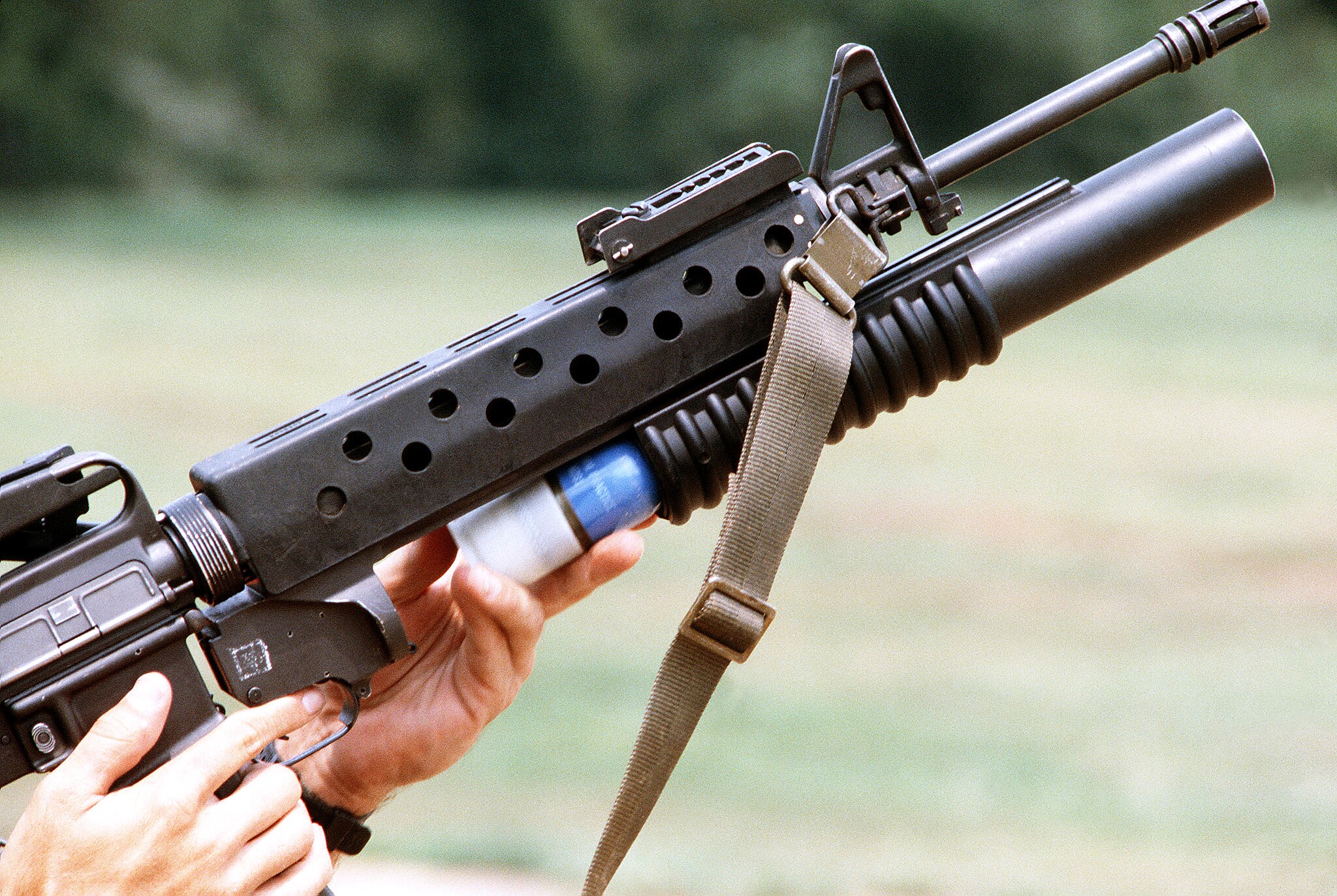
The M16 is often romanticized as the ultimate survival rifle due to its automatic fire capability and military fame. In reality, it consumes ammunition extremely quickly, making long-term use in emergencies impractical. Its recoil and weight reduce controllability, especially for inexperienced users under stress. Maintenance is complex and frequent, and legal restrictions complicate ownership. Overreliance on this rifle can give a false sense of security, as true mastery requires skill, resources, and access to parts and ammo that many emergency planners cannot sustain.
2. Desert Eagle
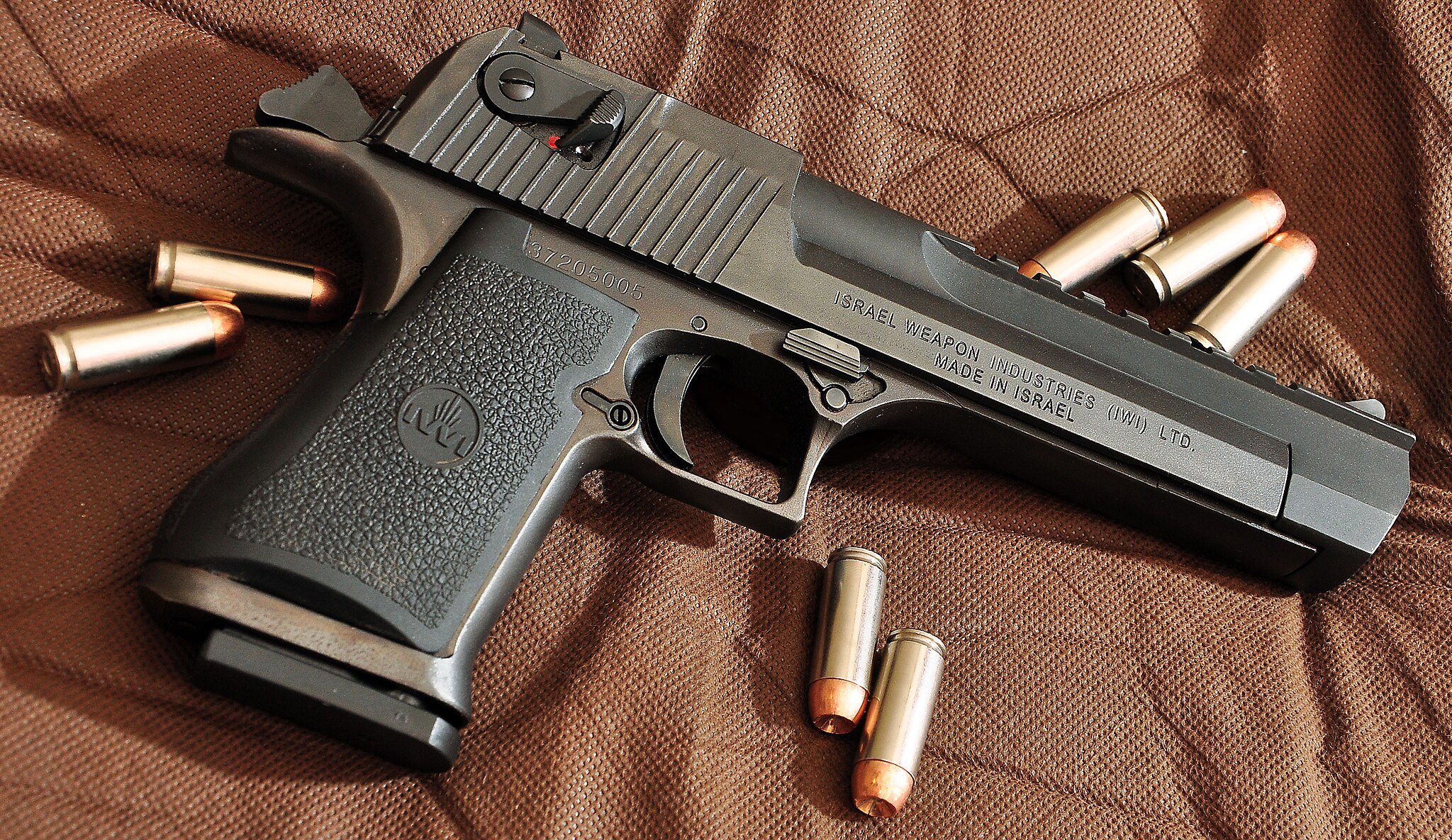
The Desert Eagle is famed for its enormous .50 AE power, but in emergencies, it is often overtrusted. Heavy recoil and limited magazine capacity make rapid follow-up shots challenging, especially under stress. Its large size makes concealed carry and everyday practicality difficult. While impressive in theory, it sacrifices control and sustained defensive capability, making it less reliable than medium-caliber pistols. Assuming it will automatically neutralize threats can create dangerous gaps in emergency planning where accuracy and capacity matter more than raw power.
3. Colt Single Action Army
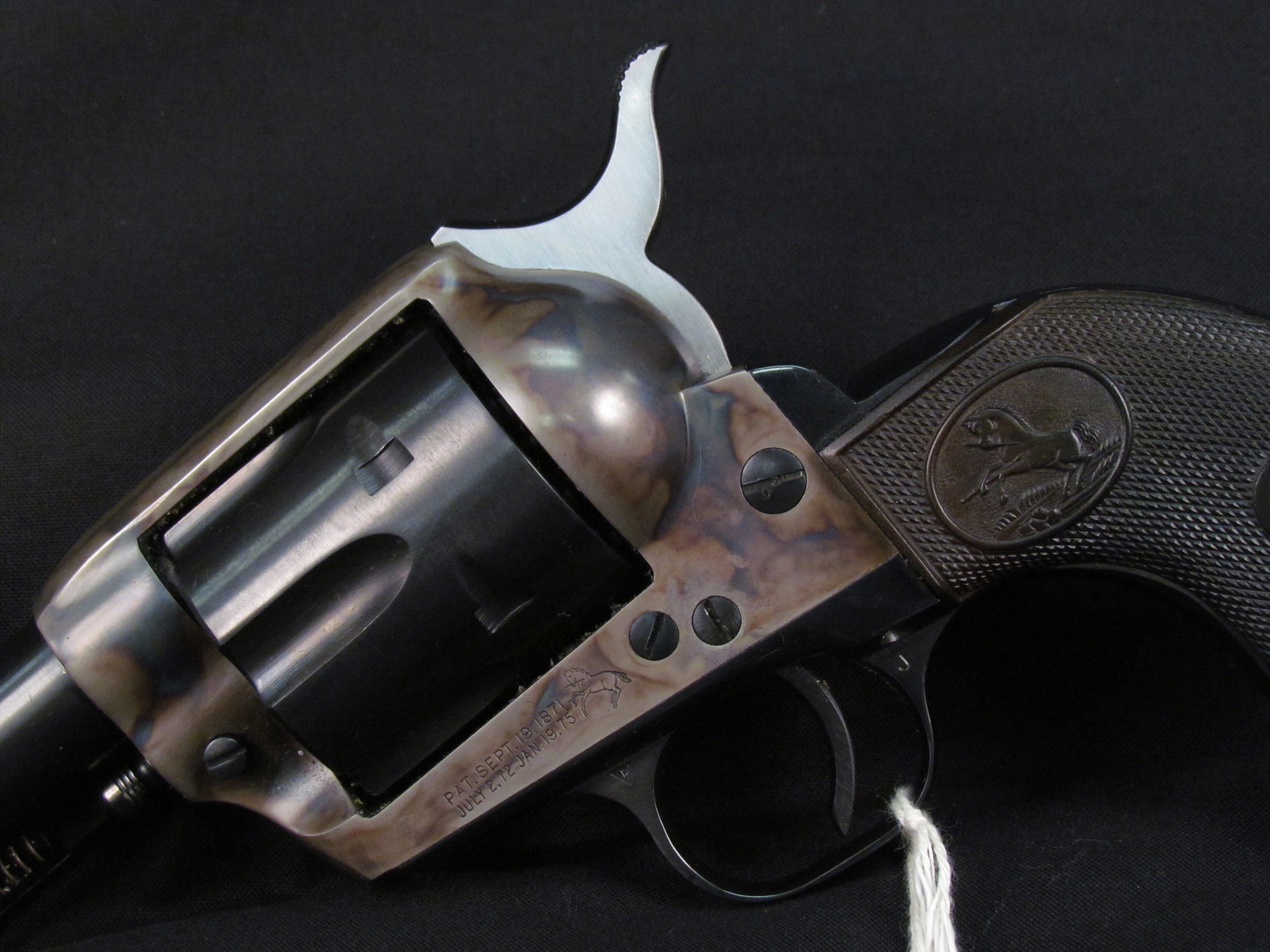
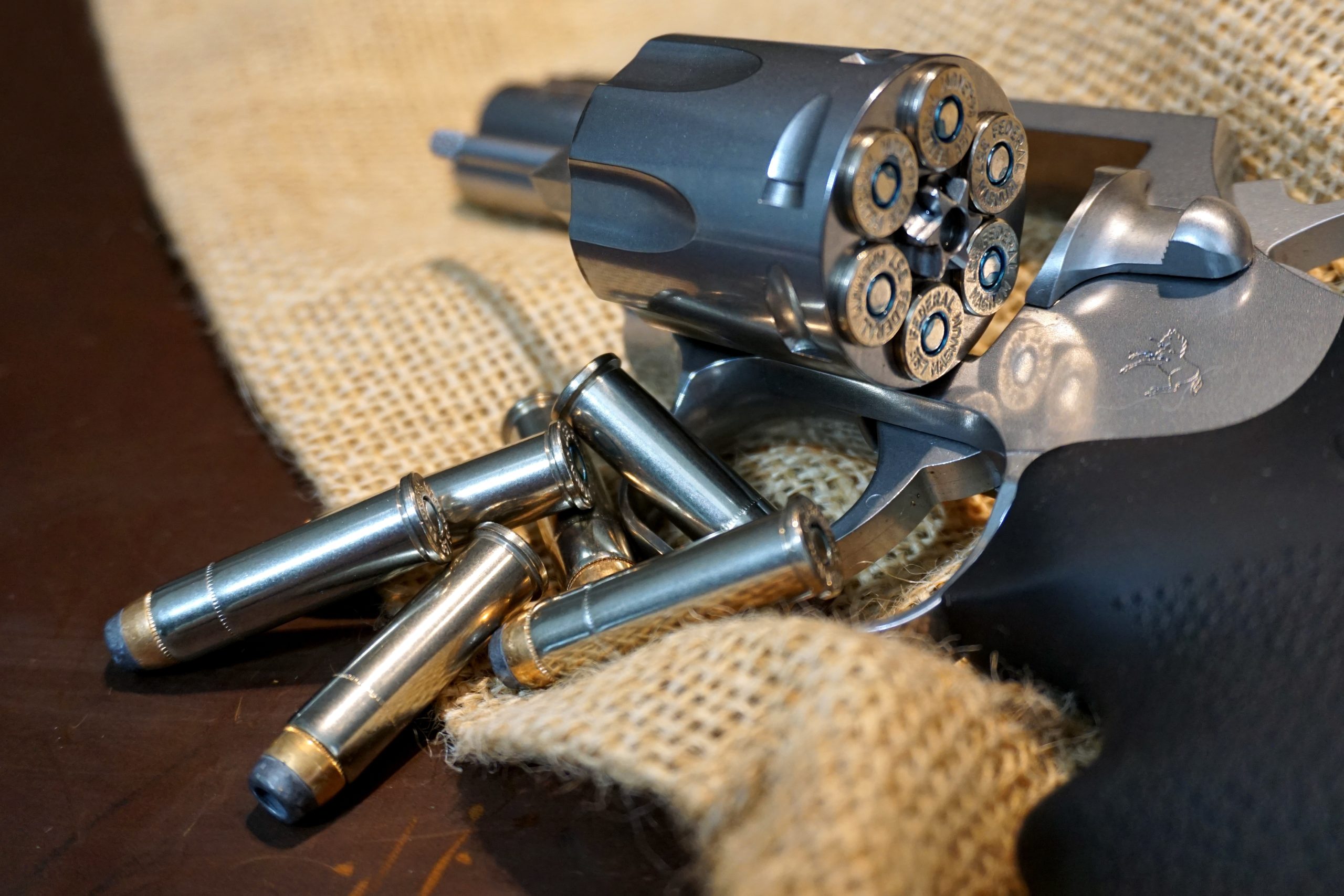
The Colt Single Action Army is an iconic revolver with historical appeal, but it is often overtrusted in survival scenarios. Its mechanism is sensitive, ammunition is less common, and it requires careful maintenance. Reloading is slow compared to modern revolvers or semi-automatic pistols. While excellent for historical shooting or controlled ranges, it is unreliable in high-stress emergencies. Overestimating its practicality can leave users unprepared when reliability, rapid fire, and consistent performance are critical for real-world defensive situations.
4. Remington 1100
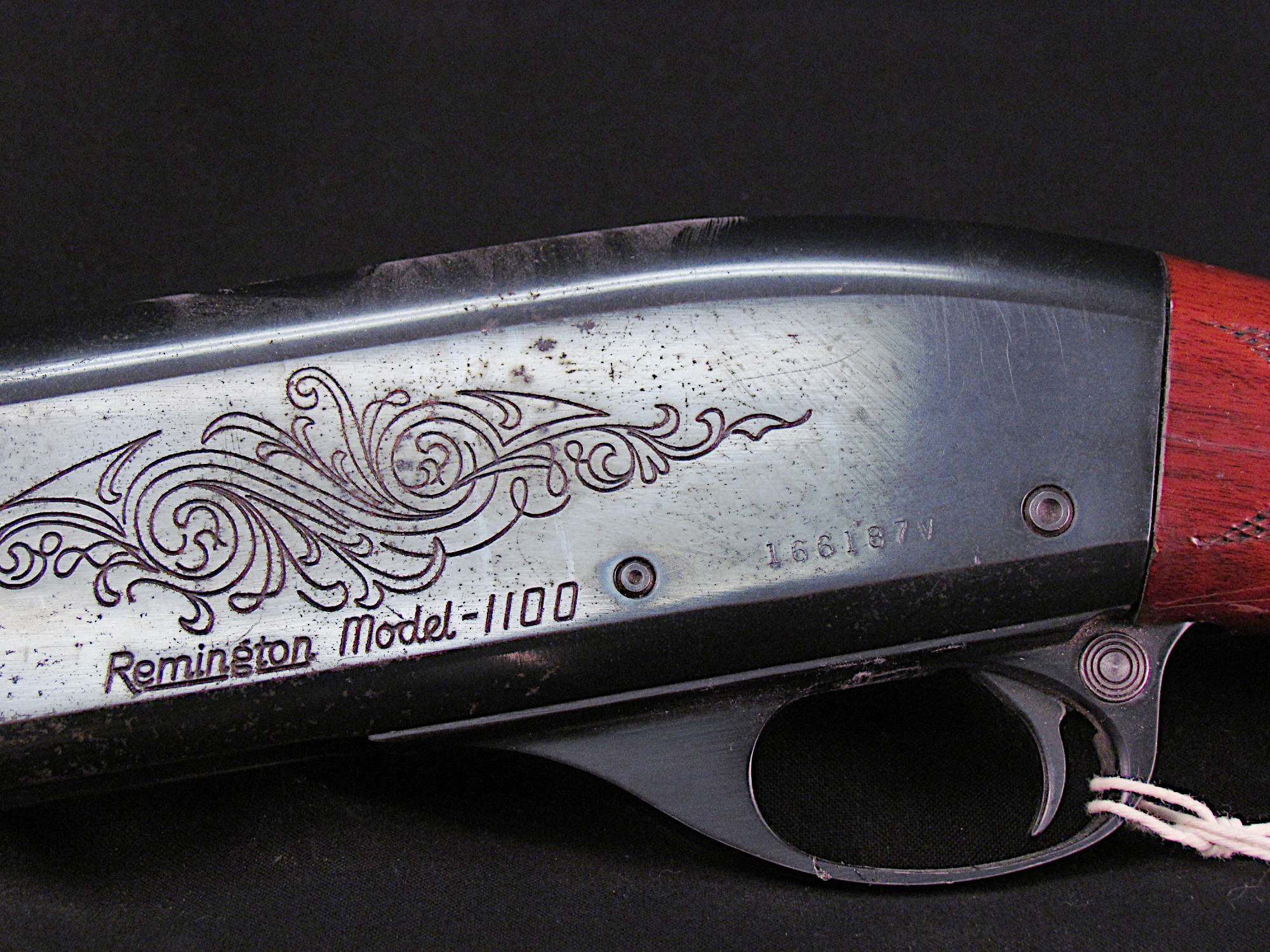
The Remington 1100 semi-automatic shotgun is commonly assumed to be perfect for home defense, but it is often overtrusted. Magazine capacity is limited, recoil can fatigue users during repeated shots, and fouling or weak springs can lead to malfunctions. Many users expect one or two rounds to handle any threat, which is unrealistic. In emergency planning, shotguns must balance reliability, sustained capacity, and ease of handling. Overreliance on this model alone may compromise defensive effectiveness under stressful, prolonged situations.
5. Ruger 10/22
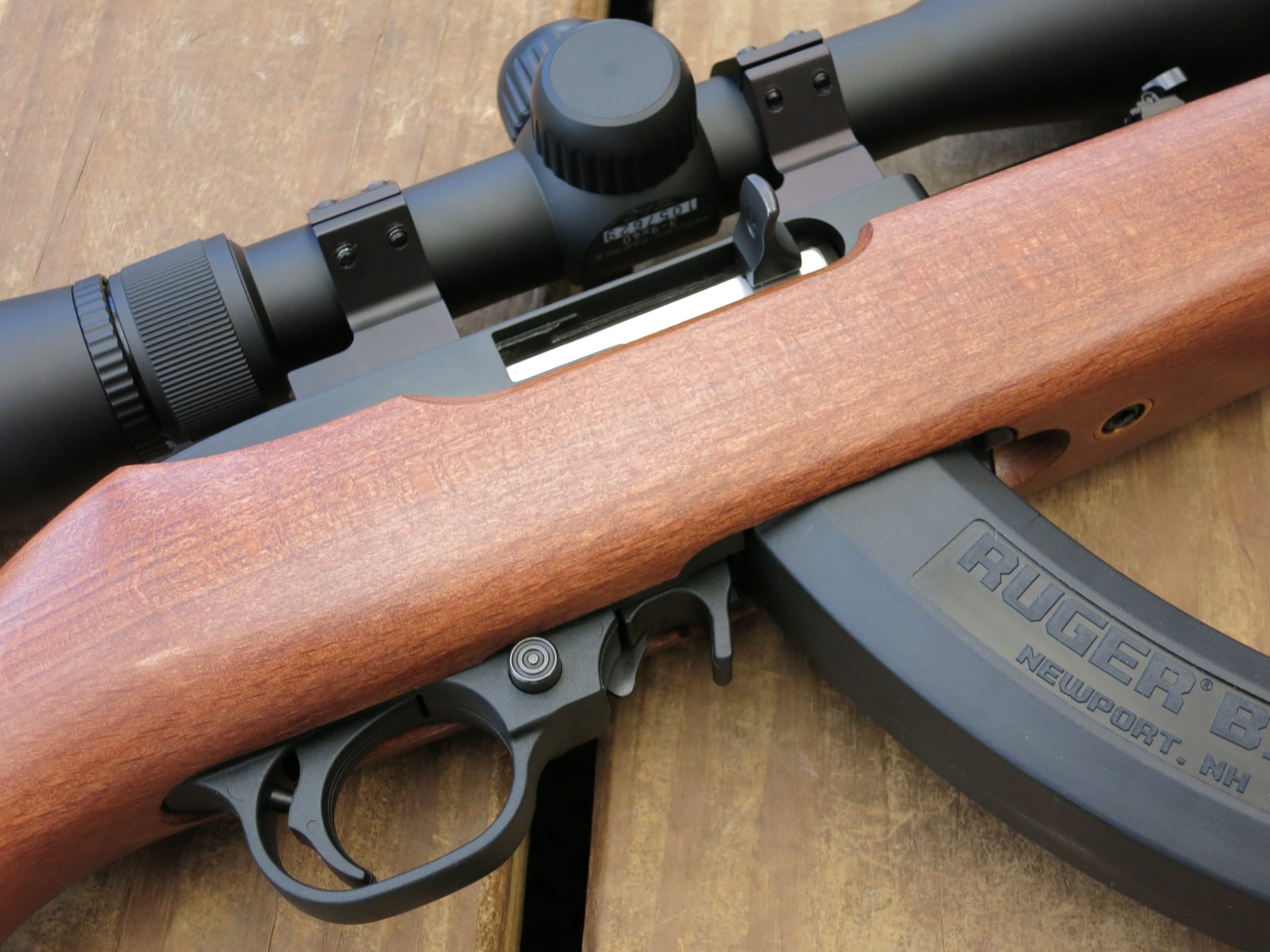
The Ruger 10/22, especially with a suppressor, is popular for its quiet operation and accuracy. However, it is often overtrusted for general emergency preparedness. Suppressors do not make firearms silent, and the added weight and length can hinder maneuverability. Maintenance is more complex, and specific ammo types are sometimes required for optimal performance. While excellent for controlled practice or small-game hunting, relying on it in emergencies can create a false sense of tactical advantage, as faster, more reliable firearms are usually better suited for stress-filled defensive scenarios.
6. Custom 1911
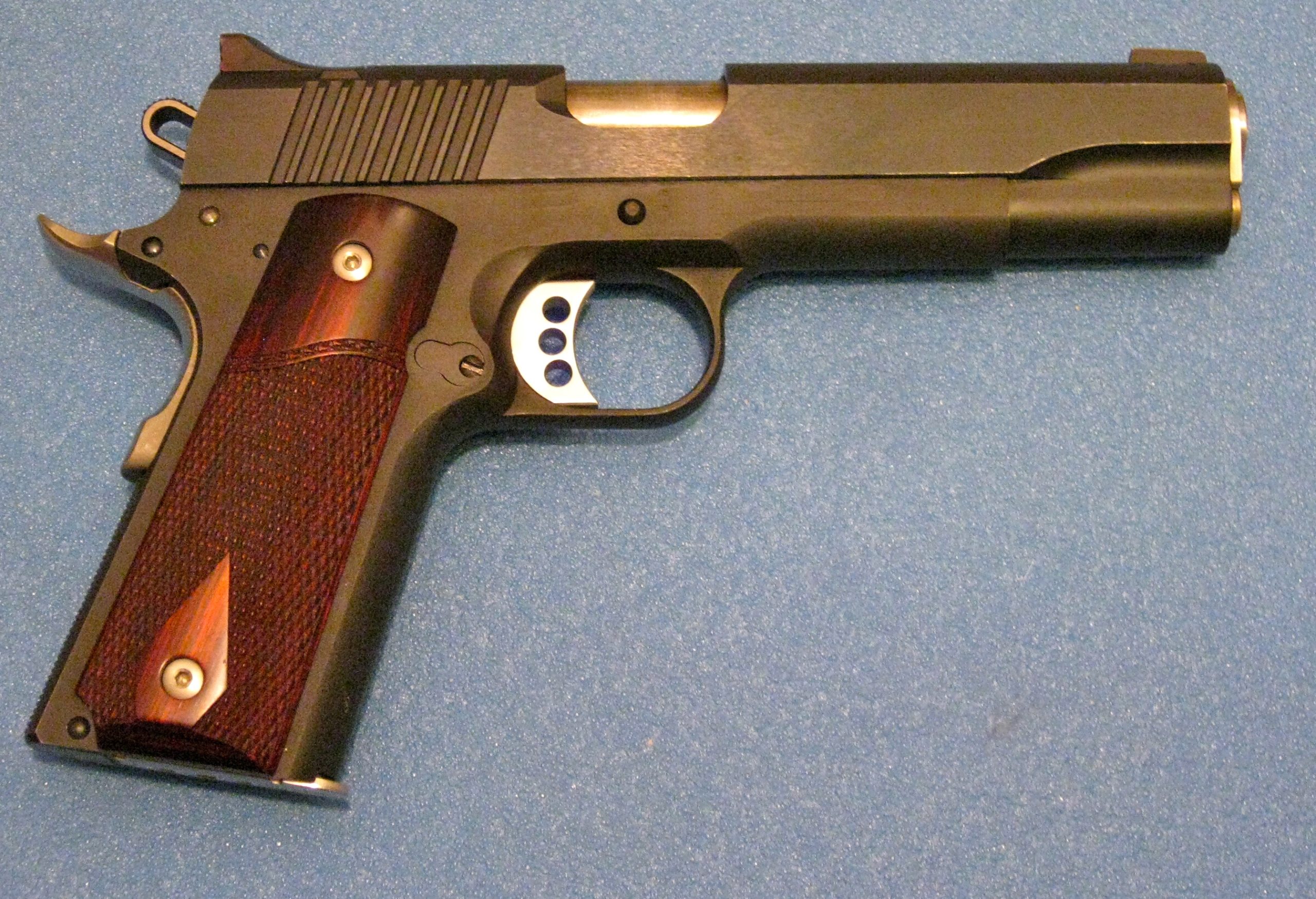
Custom 1911 pistols are often highly polished, modified, and visually impressive, but they are overtrusted in real-world emergencies. Exotic parts can fail, and maintenance requires expertise. Performance may drop in dirty or stressful environments. While effective in controlled competitions or range shooting, relying on a custom 1911 in survival situations can be dangerous. Its flashiness and perceived superiority often give a false sense of preparedness, whereas a standard, well-maintained firearm usually provides more reliable, consistent results under pressure.
7. Glock 43
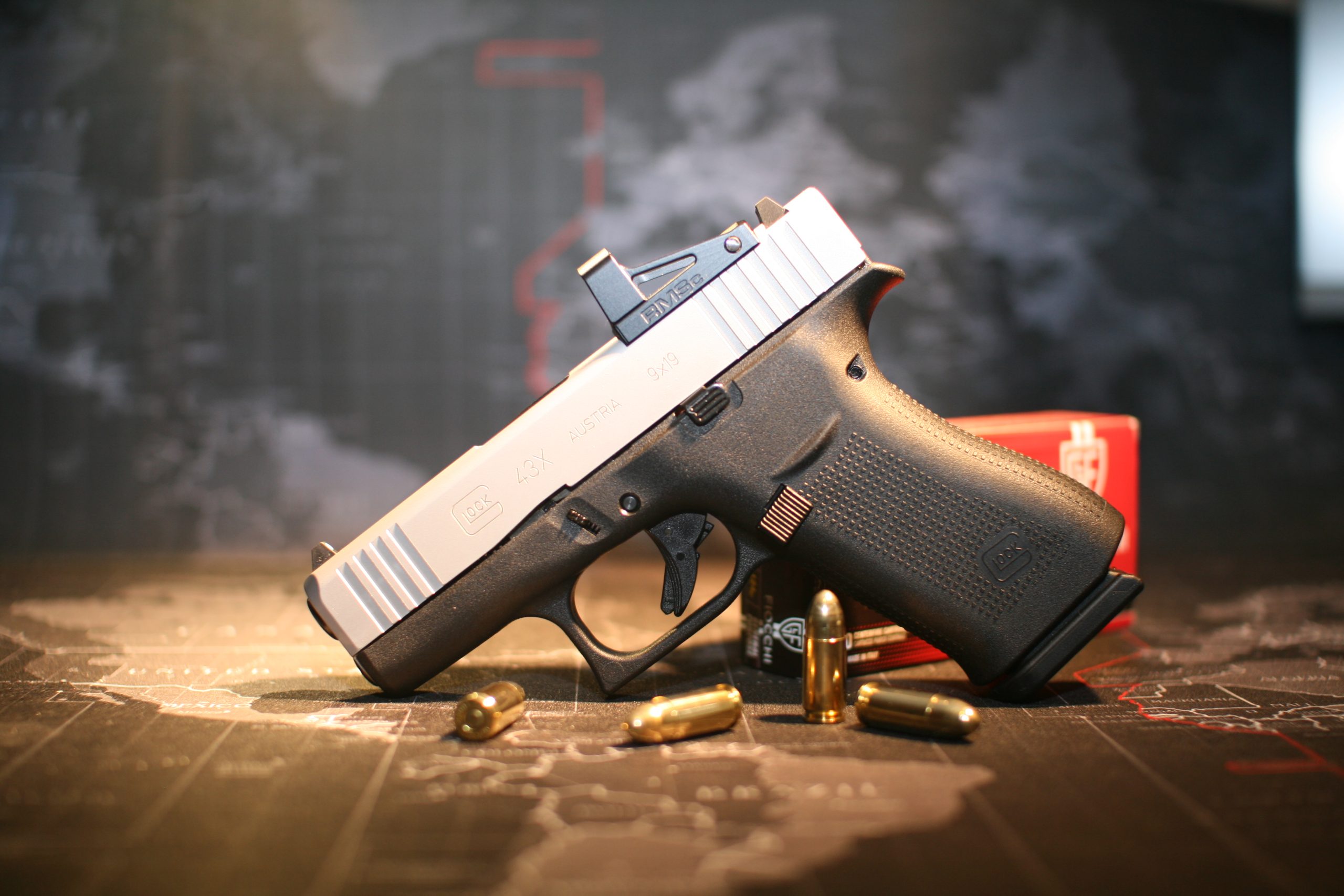
The Glock 43 is a popular subcompact, single-stack pistol, but it is often overtrusted for defense due to its limited magazine capacity. Its small size can reduce accuracy and control, especially for inexperienced shooters. Reloading rapidly in a real emergency can be difficult, and reliance on convenience may compromise effectiveness. While excellent for concealed carry, overestimating its capabilities can leave users unprepared in high-stress situations. Mid-sized pistols typically offer a better balance of capacity, ergonomics, and controllability for emergency defense.
8. Remington 700
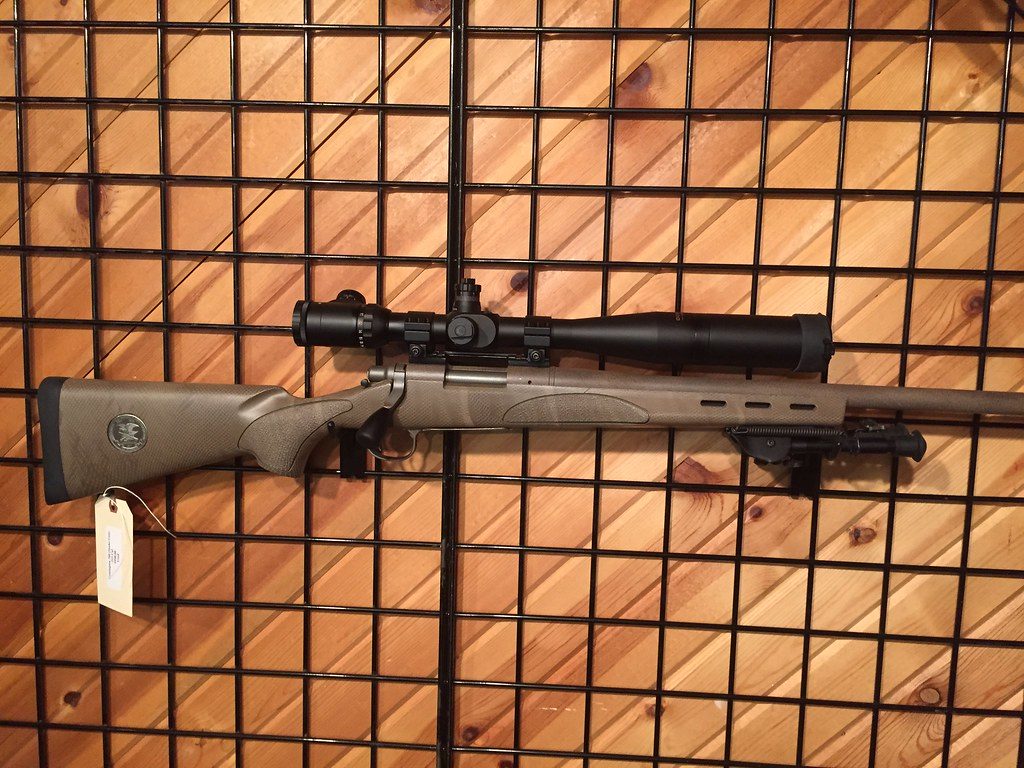
The Remington 700 bolt-action rifle is renowned for precision and long-range performance, but is overtrusted for rapid defense. Its single-shot, slow-cycling design limits effectiveness against multiple or fast-moving threats. Follow-up shots are difficult under stress, especially for inexperienced users. Assuming a Remington 700 can cover all defensive scenarios creates gaps in preparedness. While excellent for hunting or controlled precision shooting, emergency planning requires firearms that allow rapid, reliable engagement with minimal delay.
9. AK-47
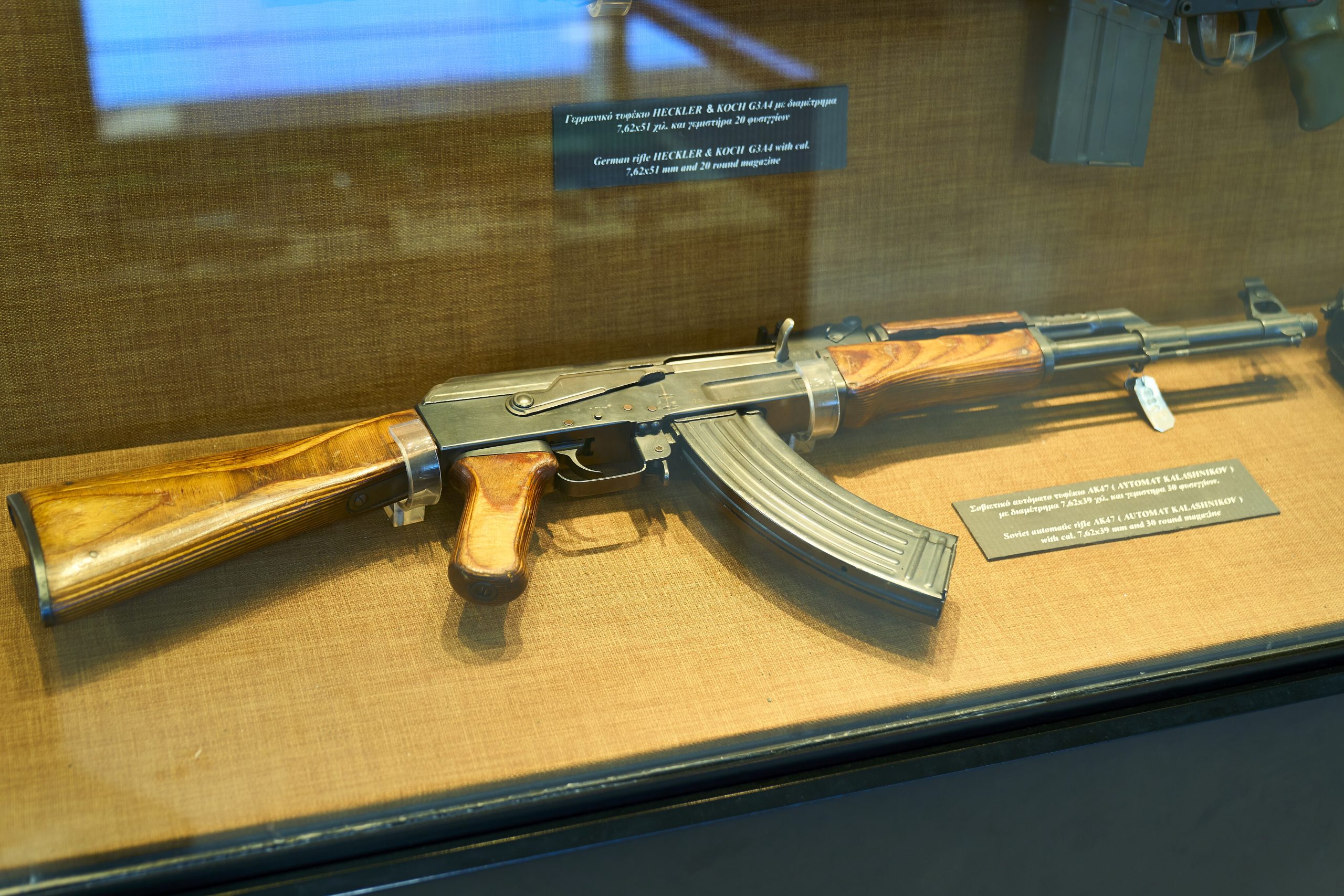
The AK-47 is one of the most iconic rifles worldwide, but it is often overtrusted in survival or emergency planning. While known for reliability in some conditions, many users underestimate its limitations in controlled, defensive scenarios. Ammunition is heavy, recoil can reduce accuracy for rapid follow-up shots, and magazine capacity can be restrictive in prolonged engagements. Overreliance can give a false sense of security, as environmental factors, maintenance neglect, or lack of proper training can severely reduce effectiveness. Understanding its realistic strengths and weaknesses is critical for preparedness.