
Firearms often enter survival discussions, yet caliber choice matters more than many realize. Weight, availability, recoil, and versatility determine whether a cartridge supports long term resilience or creates added risk. Some calibers appear powerful or popular but fail under survival priorities like sustainability, adaptability, and practicality. Ammunition scarcity, excessive recoil, limited utility, or specialized purpose can undermine preparedness. Survival scenarios reward balance rather than extremes. Understanding which calibers complicate logistics helps clarify realistic planning. These nine firearms calibers frequently appear capable but perform poorly when evaluated through survival focused criteria shaped by endurance, access, control, and long term usability rather than short term effectiveness alone.
.50 BMG
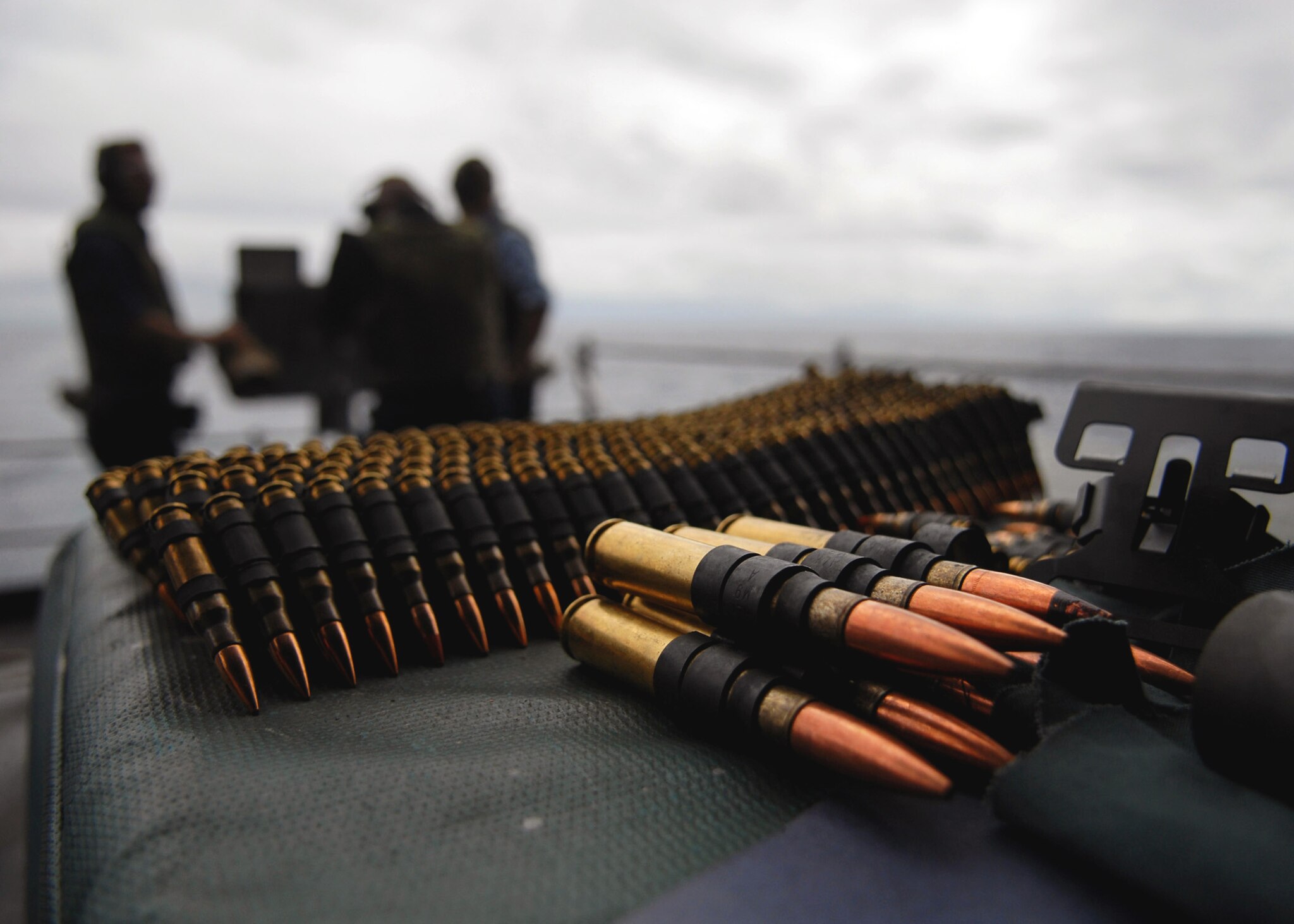
The .50 BMG projects extreme power but fails survival practicality. Rifles chambered for it are heavy, bulky, and difficult to transport. Ammunition weighs significantly, limiting carry capacity. Recoil and noise create immediate drawbacks. The caliber exceeds realistic hunting or defensive needs. Ammunition availability remains limited and expensive. Maintenance requires specialized components. Overpenetration introduces safety risks. In survival contexts, discretion and efficiency matter more than raw force. The .50 BMG creates logistical strain without providing proportional benefit. Its battlefield origins do not translate to adaptable survival use, making it an impractical choice despite its intimidating reputation.
.338 Lapua Magnum
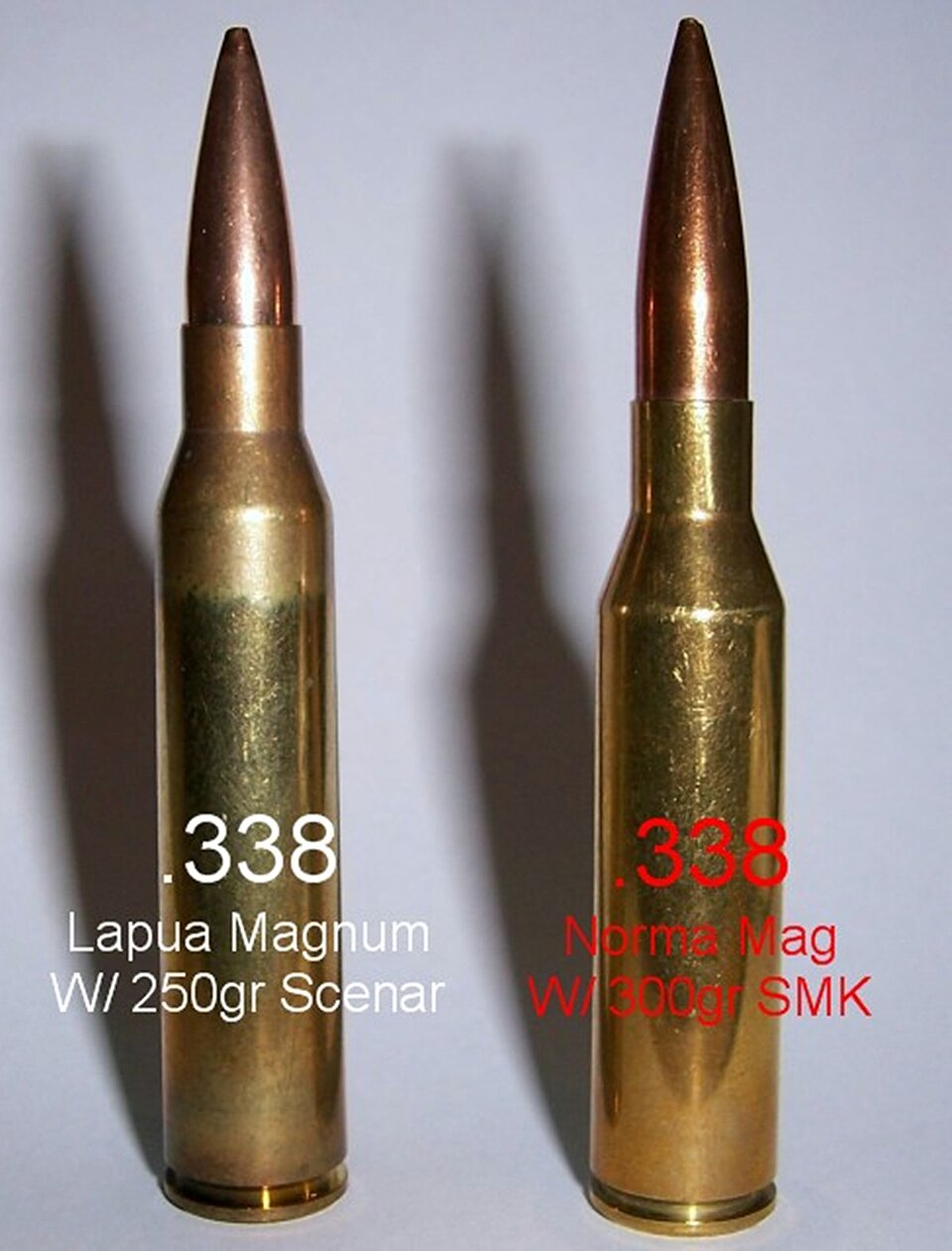
The .338 Lapua Magnum excels at long range precision but struggles in survival roles. Rifles are heavy and specialized. Ammunition remains expensive and scarce. The caliber prioritizes extreme distance engagement rarely relevant to survival needs. Recoil limits rapid follow up shots. Overkill reduces meat preservation during hunting. Carrying sufficient rounds proves impractical. Maintenance and parts access remain limited. Survival scenarios favor versatility, not niche performance. The .338 Lapua Magnum delivers impressive ballistics while undermining portability, sustainability, and adaptability, making it poorly suited for prolonged or resource limited conditions where simplicity and availability define resilience more than specialized accuracy.
.224 Valkyrie
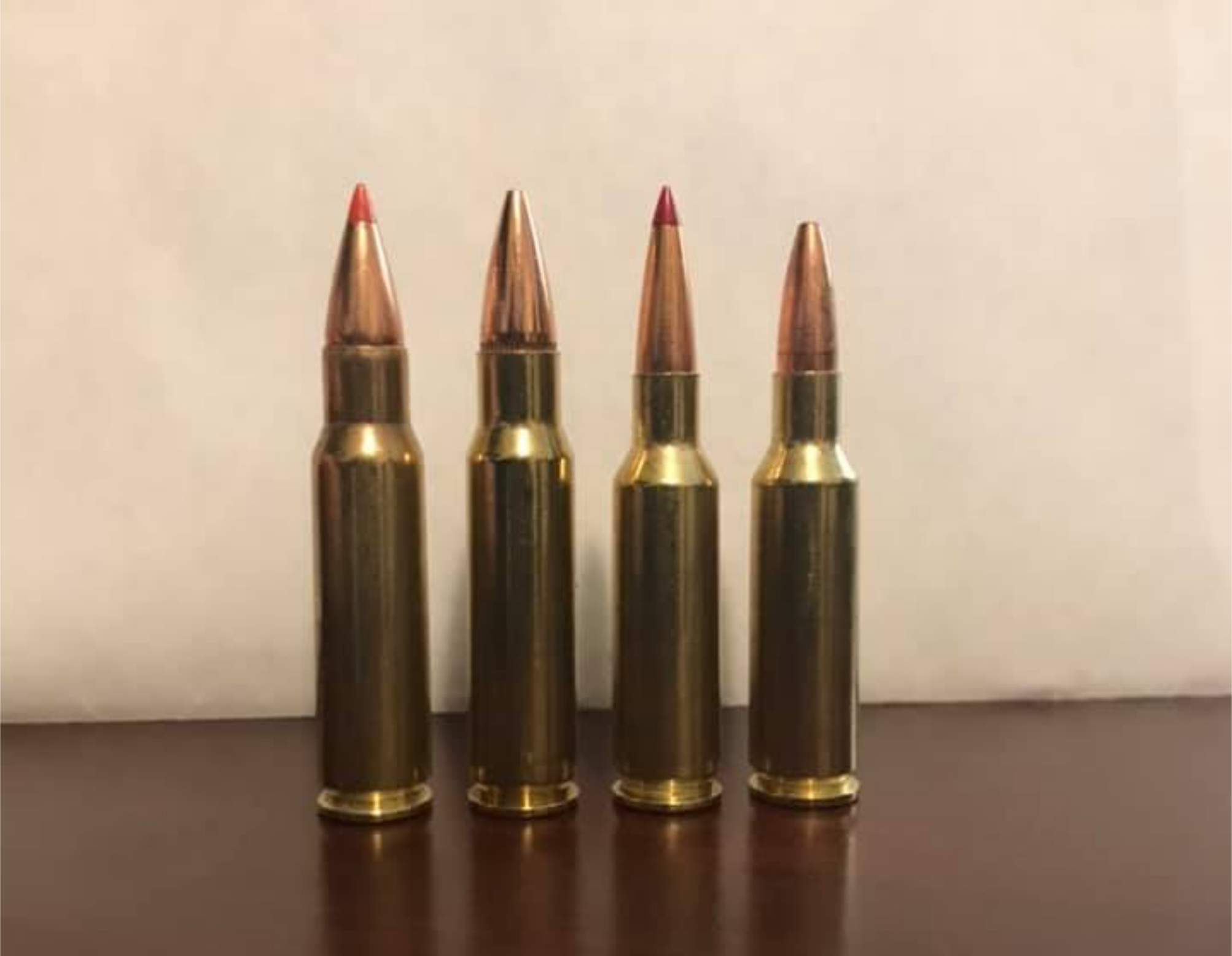
The .224 Valkyrie appears modern but struggles in survival settings. Ammunition availability remains inconsistent outside specialized markets. Performance advantages depend on specific barrel lengths and loads. Energy drops quickly outside optimized conditions. The caliber offers limited benefit over more common alternatives. Logistics become complicated without clear gains. Survival favors widespread ammunition compatibility. The .224 Valkyrie introduces dependency on niche supply chains. When conditions deteriorate, obscure calibers become liabilities. While effective in controlled environments, the .224 Valkyrie lacks the flexibility and availability required for long term survival, making it a poor choice when reliability and access outweigh marginal ballistic improvements.
.17 HMR
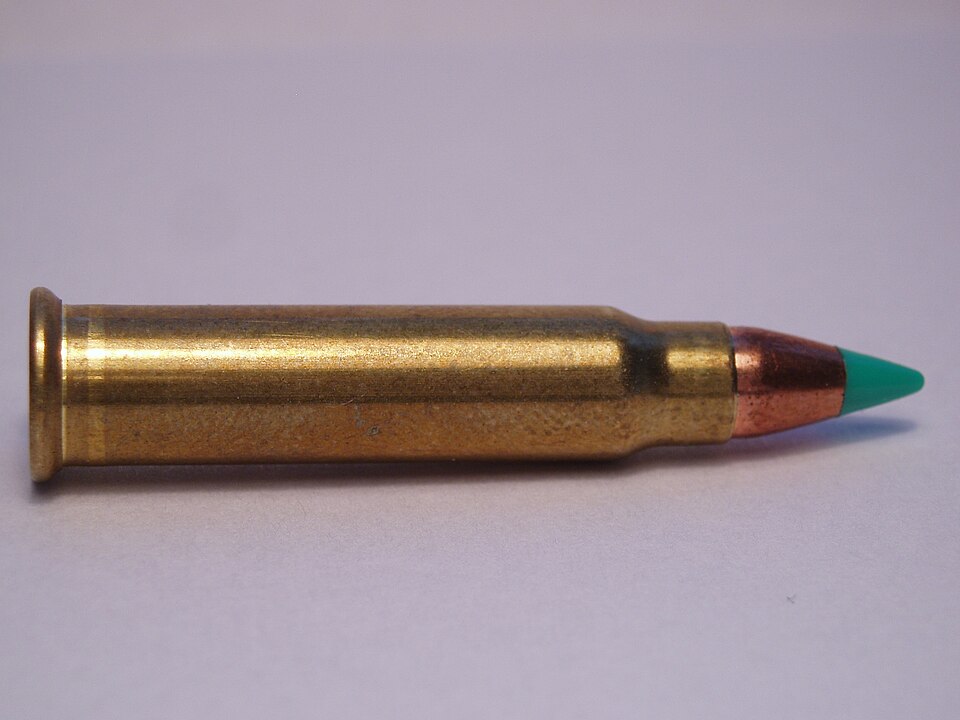
The .17 HMR offers accuracy but lacks survival versatility. The rimfire design limits reliability under harsh conditions. Terminal performance proves inadequate for larger game or defense. Wind sensitivity reduces effectiveness outdoors. Ammunition availability remains inconsistent compared to common rimfire options. The lightweight bullet sacrifices penetration. Survival scenarios demand adaptability across tasks. The .17 HMR excels at small pest control but fails broader needs. Depending on it restricts options when circumstances change. Its narrow utility makes it unsuitable as a primary survival caliber, where flexibility, dependable ignition, and broader effectiveness matter more than precision alone.
.410 Bore
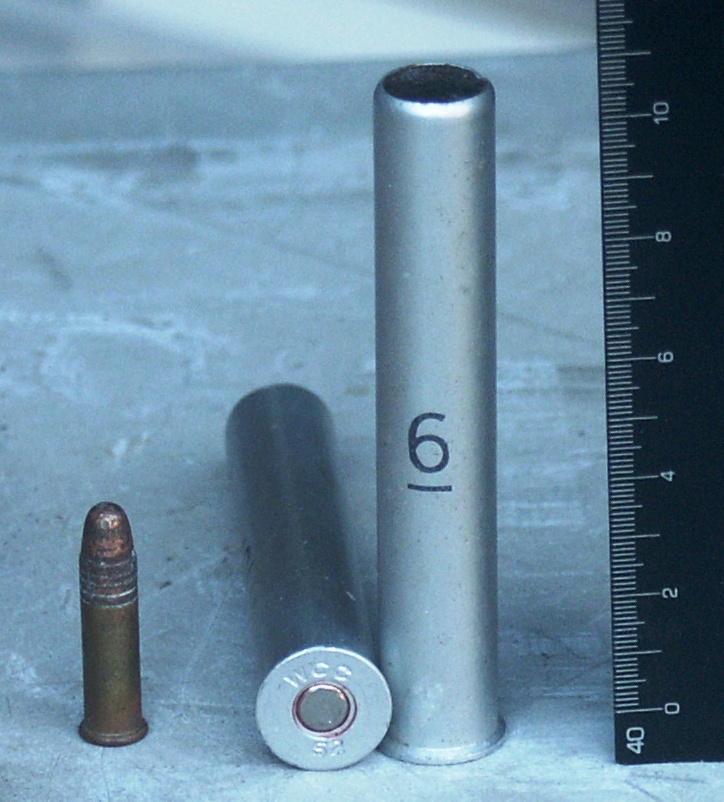
The .410 bore shotgun round appears manageable but underperforms in survival roles. Limited shot payload reduces effectiveness for hunting and defense. Ammunition variety remains restricted. Effective range stays short. The caliber demands precise shot placement under stress. Reloading options are limited. Survival scenarios favor forgiving performance. The .410 bore lacks versatility compared to larger gauges. Lightweight recoil does not compensate for reduced capability. Depending on it narrows food acquisition options. While useful for specific tasks, the .410 bore struggles as a primary survival choice where adaptability, range, and effectiveness across varied conditions prove essential.
5.7x28mm
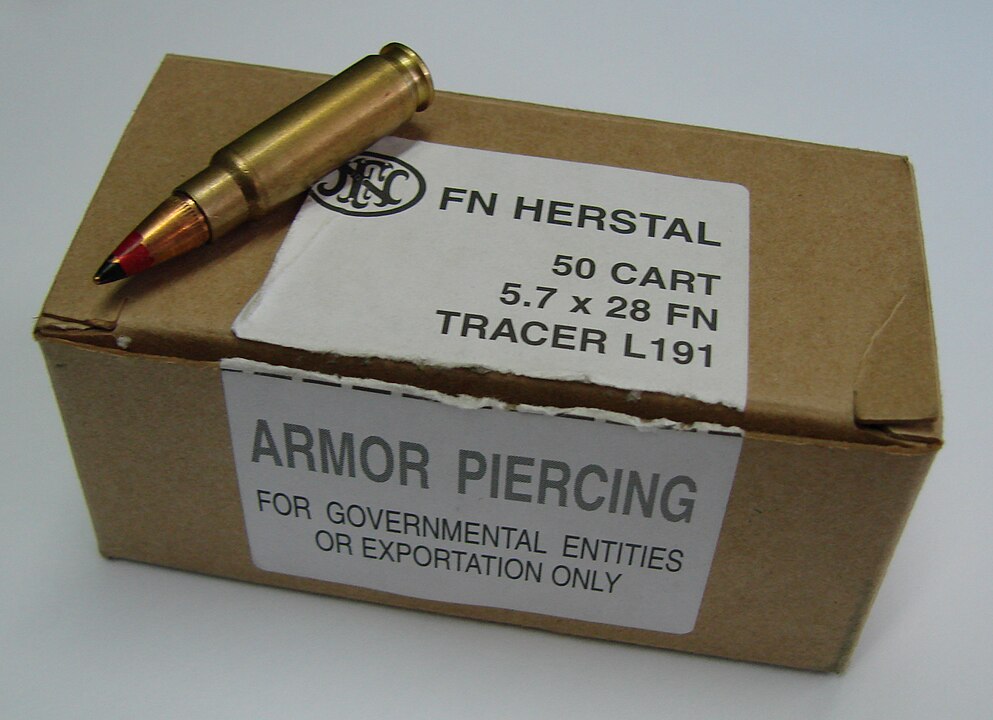
The 5.7x28mm cartridge appears lightweight but complicates survival planning. Ammunition availability remains limited and expensive. Terminal performance varies widely by load. Civilian platforms restrict versatility. The cartridge relies on velocity rather than mass, reducing effectiveness in hunting roles. Reloading options remain uncommon. Survival scenarios reward simplicity and proven effectiveness. The 5.7x28mm introduces supply challenges without clear survival advantages. When access matters more than innovation, niche calibers falter. This cartridge excels in specific roles but fails broader survival demands requiring flexibility, availability, and reliable performance across multiple tasks.
.300 Weatherby Magnum
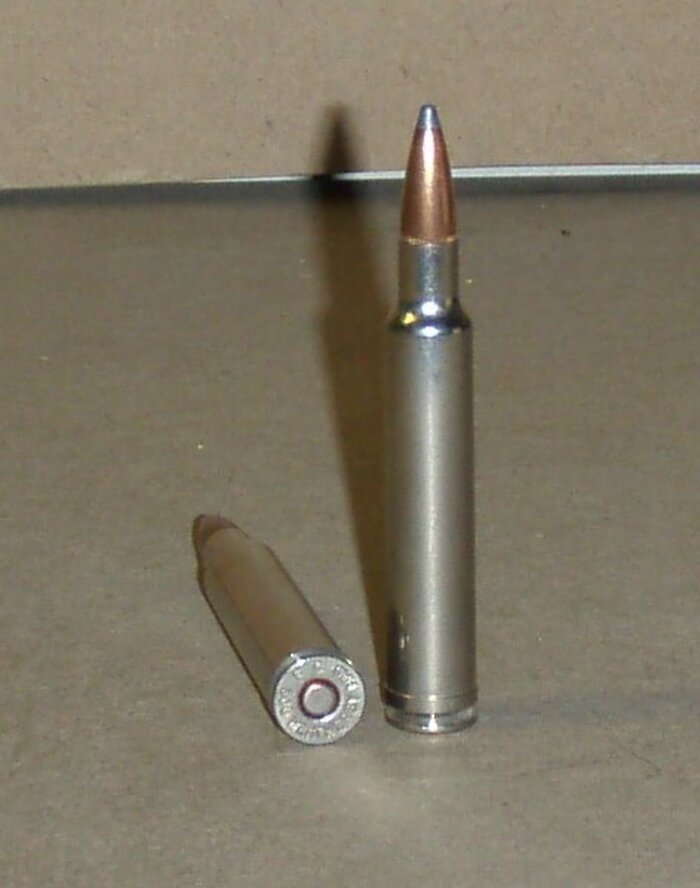
The .300 Weatherby Magnum delivers power but undermines sustainability. Recoil increases fatigue and reduces accuracy. Ammunition remains expensive and scarce. Overpowered performance damages usable game meat. Rifles tend to be heavy. Barrel wear accelerates. The caliber exceeds realistic survival needs. Carrying sufficient ammunition proves impractical. Survival scenarios reward efficiency over excess. The .300 Weatherby Magnum complicates logistics without offering proportional benefits. While effective for specialized hunting, it fails as a balanced survival caliber where availability, control, and long term endurance outweigh maximum velocity or energy.
.204 Ruger
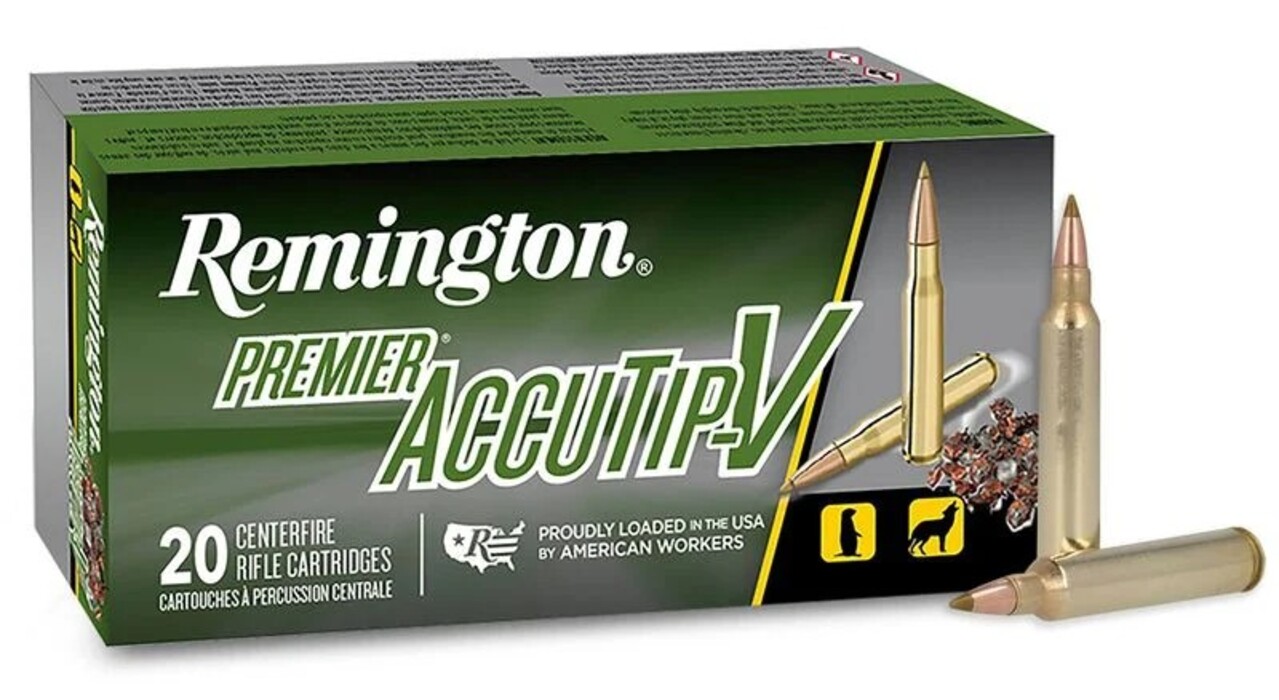
The .204 Ruger offers high velocity but limited survival application. Lightweight bullets reduce penetration and versatility. Wind drift affects accuracy. Ammunition availability remains limited. The caliber struggles beyond small game roles. Survival scenarios demand broader capability. Over specialization restricts adaptability. Reloading components may be difficult to source. The .204 Ruger prioritizes speed over practicality. In prolonged scenarios, common calibers outperform niche designs. Depending on the .204 Ruger narrows options and complicates logistics, making it poorly suited for survival planning where reliability, availability, and multi purpose effectiveness define success.
.458 SOCOM
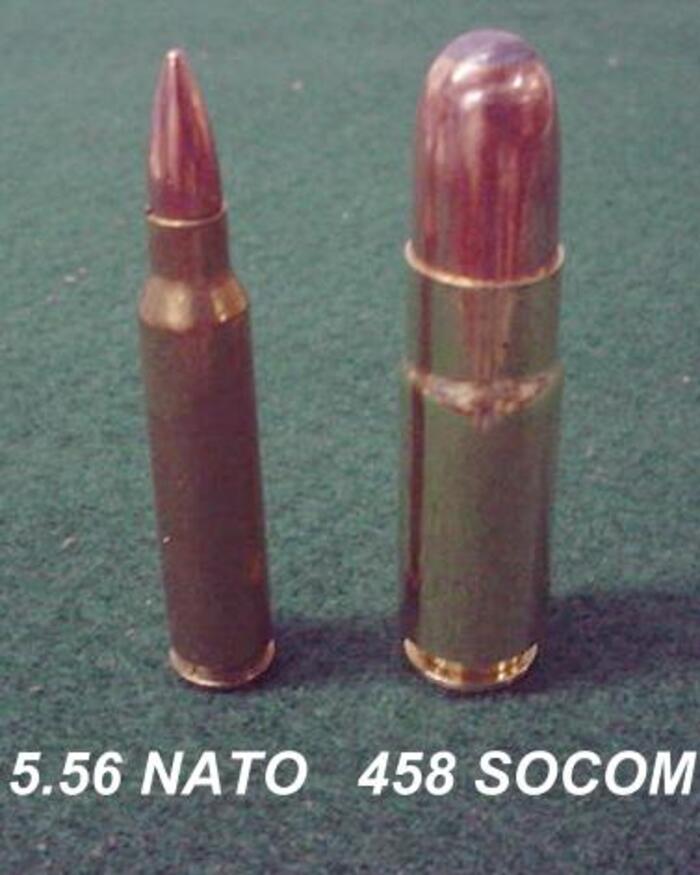
The .458 SOCOM appears powerful but limits survival practicality. Ammunition remains uncommon and heavy. Recoil reduces controllability. Effective range stays short. Reloading components require specialized sourcing. The caliber focuses on close range impact rather than versatility. Survival contexts favor adaptable performance across distances. Carrying sufficient ammunition becomes burdensome. The .458 SOCOM excels in specific tactical roles but fails survival priorities. Its weight, supply challenges, and narrow application outweigh benefits. When sustainability matters, such specialized calibers introduce unnecessary complications rather than resilience.