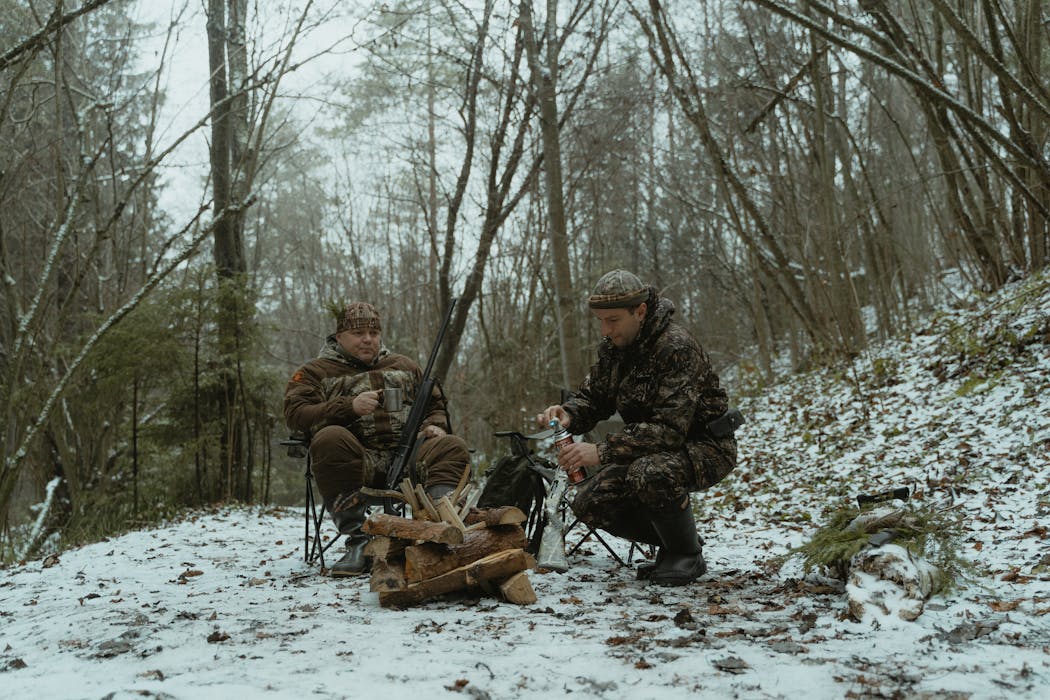
Decades of hunting shape firearm habits in ways that go beyond technique or equipment preference. After forty years in the field, hunters tend to develop routines rooted in safety, efficiency, and experience earned through repetition. These habits reflect lessons learned across changing regulations, landscapes, and technology. Time teaches patience, restraint, and respect for both firearms and surroundings. Small adjustments become second nature, often unnoticed by the hunter but visible to others. Together, these habits illustrate how long term experience reshapes firearm handling into something deliberate and consistent, guided by memory, responsibility, and an understanding of consequences rather than impulse or novelty.
Treating Every Firearm As Loaded
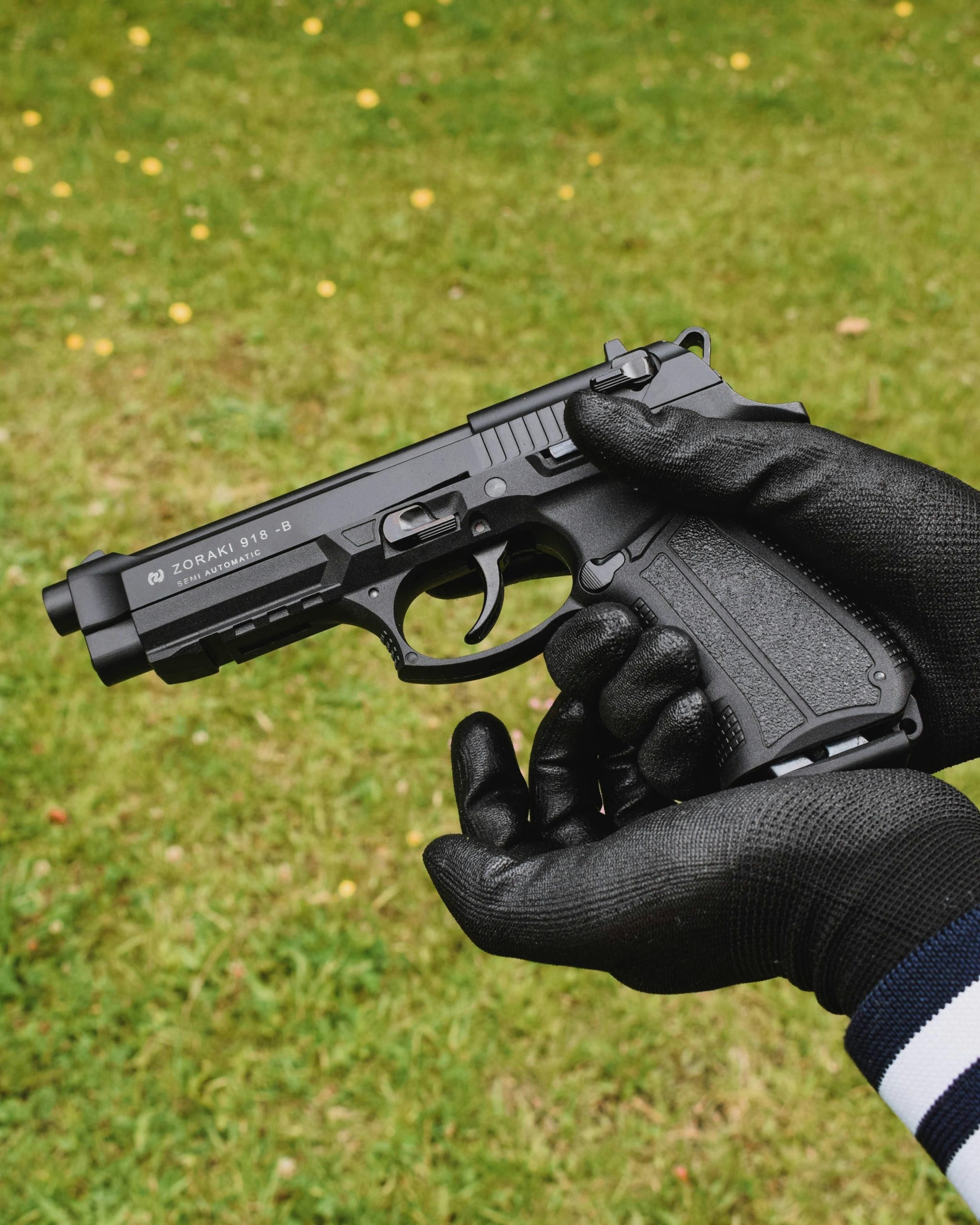
After forty years of hunting, experienced hunters consistently treat every firearm as loaded, regardless of circumstance. This habit develops through repeated reinforcement of safety principles and firsthand awareness of accidents. Actions such as checking chambers, controlling muzzle direction, and maintaining trigger discipline become automatic. Even during cleaning or transport, caution remains constant. This mindset does not rely on assumptions or familiarity. Instead, it reflects respect for the firearm’s potential. Long experience teaches that complacency leads to mistakes. By always assuming a firearm is loaded, seasoned hunters reduce risk, protect others, and demonstrate disciplined behavior shaped by decades of responsibility and practical learning in varied environments.
Prioritizing Muzzle Awareness
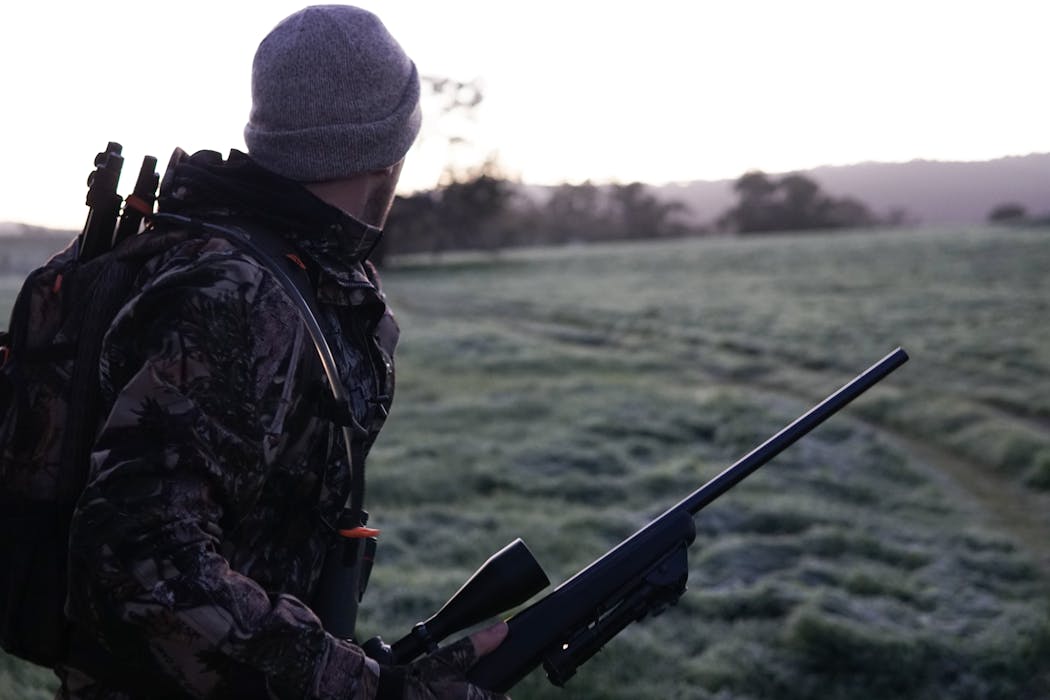
Hunters with forty years of experience develop constant awareness of where a firearm is pointed. Muzzle control becomes instinctive, whether walking through brush, crossing obstacles, or sitting in a blind. This habit extends beyond active hunting moments into casual handling. Experience reinforces that accidents often stem from lapses in direction, not intention. As a result, seasoned hunters adjust body position and grip without conscious thought. They remain aware of companions, terrain, and surroundings. This discipline reflects accumulated understanding that safety depends on consistent behavior, not conditions. Muzzle awareness becomes a quiet, continuous practice shaped by long exposure to real world situations.
Choosing Familiar Firearms
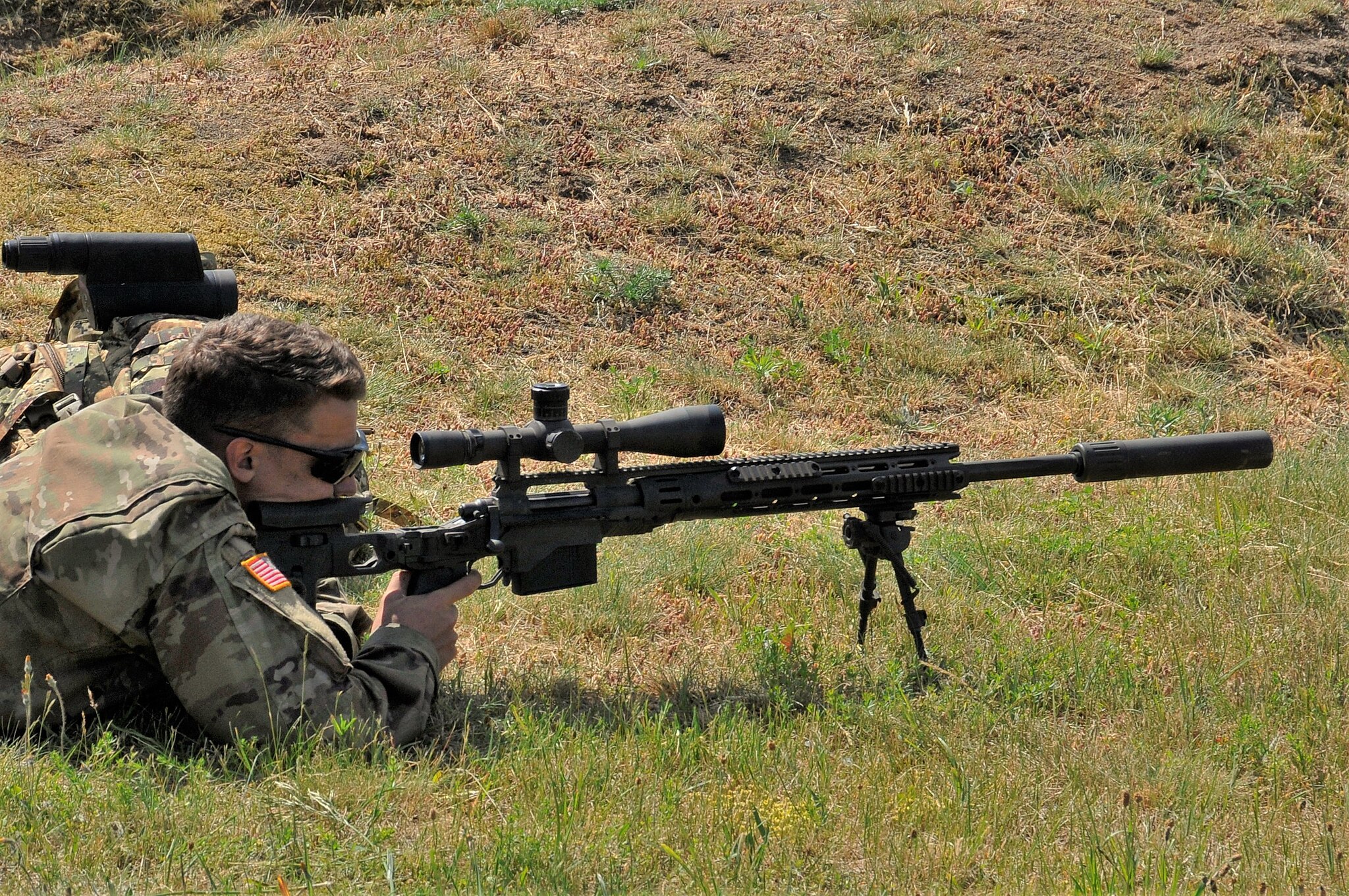
After decades of hunting, many hunters prefer familiar firearms over newer options. Experience teaches that confidence and reliability matter more than novelty. Familiar firearms offer known recoil, handling, and maintenance needs. This habit develops as hunters recognize how muscle memory improves accuracy and safety. Switching equipment becomes less appealing with age and experience. Familiarity reduces hesitation and distraction in critical moments. Hunters learn how their firearms behave in cold, wet, or difficult conditions. This preference reflects trust built over years of use. Choosing familiar tools supports consistency, allowing focus on environment, ethics, and decision making rather than adjustment or experimentation.
Practicing Conservative Shot Selection
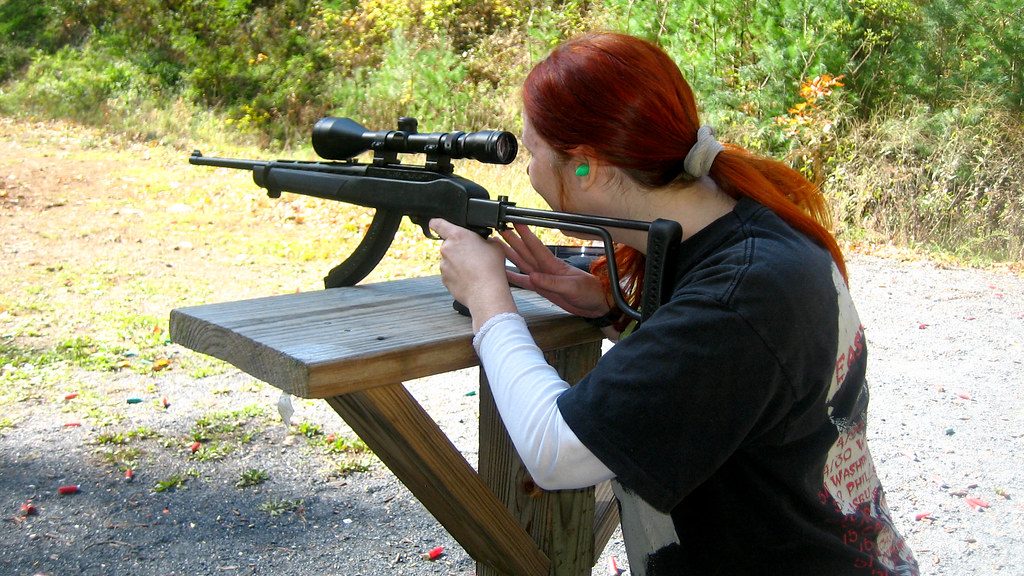
Hunters with long experience often develop conservative shot selection habits. Decades in the field reinforce the importance of clean, ethical shots over opportunity. Experienced hunters wait for proper angles, distances, and conditions. They understand how terrain, movement, and weather affect outcomes. Missed chances matter less than wounded game. This habit reflects patience earned through repetition and reflection. Over time, hunters learn restraint through both success and regret. Conservative shot selection becomes automatic, guided by respect for wildlife and responsibility. Experience shifts focus from filling tags to ensuring humane outcomes, reinforcing ethical standards shaped by years of observation and consequence.
Maintaining Firearms Regularly

After forty years, hunters develop disciplined firearm maintenance routines. Experience teaches that reliability depends on care rather than brand or age. Regular cleaning, inspection, and lubrication become part of preparation rather than reaction. Hunters learn how dirt, moisture, and temperature affect performance. Small issues are addressed early to prevent failure in the field. Maintenance habits often follow hunting seasons closely. This routine reflects understanding that neglect leads to malfunction. Experienced hunters trust firearms they maintain themselves. Over decades, this habit becomes ingrained, ensuring safety and performance while extending the life of equipment through consistent, attentive care shaped by long term use.
Transporting Firearms Carefully
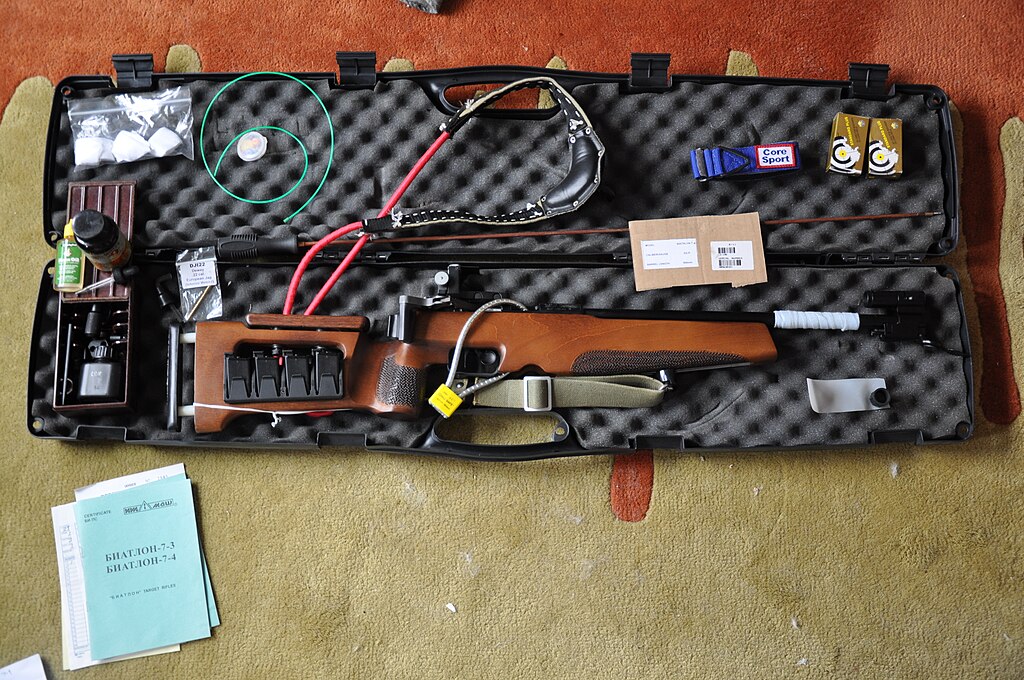
Longtime hunters develop careful firearm transport habits shaped by years of varied conditions. Firearms are unloaded, secured, and protected during travel. Experience reinforces the importance of safe handling around vehicles, camps, and public spaces. Hunters learn to anticipate movement, bumps, and environmental exposure. Cases, actions, and placement are chosen deliberately. This habit reflects awareness that many accidents occur outside active hunting moments. Careful transport becomes routine rather than precautionary. Decades of experience emphasize responsibility beyond the field. Transporting firearms safely protects people, equipment, and reputation, reinforcing a broader understanding of safety shaped by long term participation in hunting culture.
Adjusting Handling For Conditions

After decades of hunting, firearm handling adapts naturally to environmental conditions. Cold affects dexterity, wet weather impacts grip, and uneven terrain changes balance. Experienced hunters anticipate these factors instinctively. They adjust grip, stance, and pacing without conscious effort. This habit develops through repeated exposure to challenging situations. Over time, hunters learn how conditions influence safety and accuracy. Adjustments become subtle but constant. This adaptability reflects practical knowledge rather than instruction. Experience teaches that conditions change quickly. Hunters who have spent forty years outdoors handle firearms with flexibility, maintaining control and awareness regardless of weather, terrain, or physical limitations encountered over time.
Limiting Unnecessary Handling
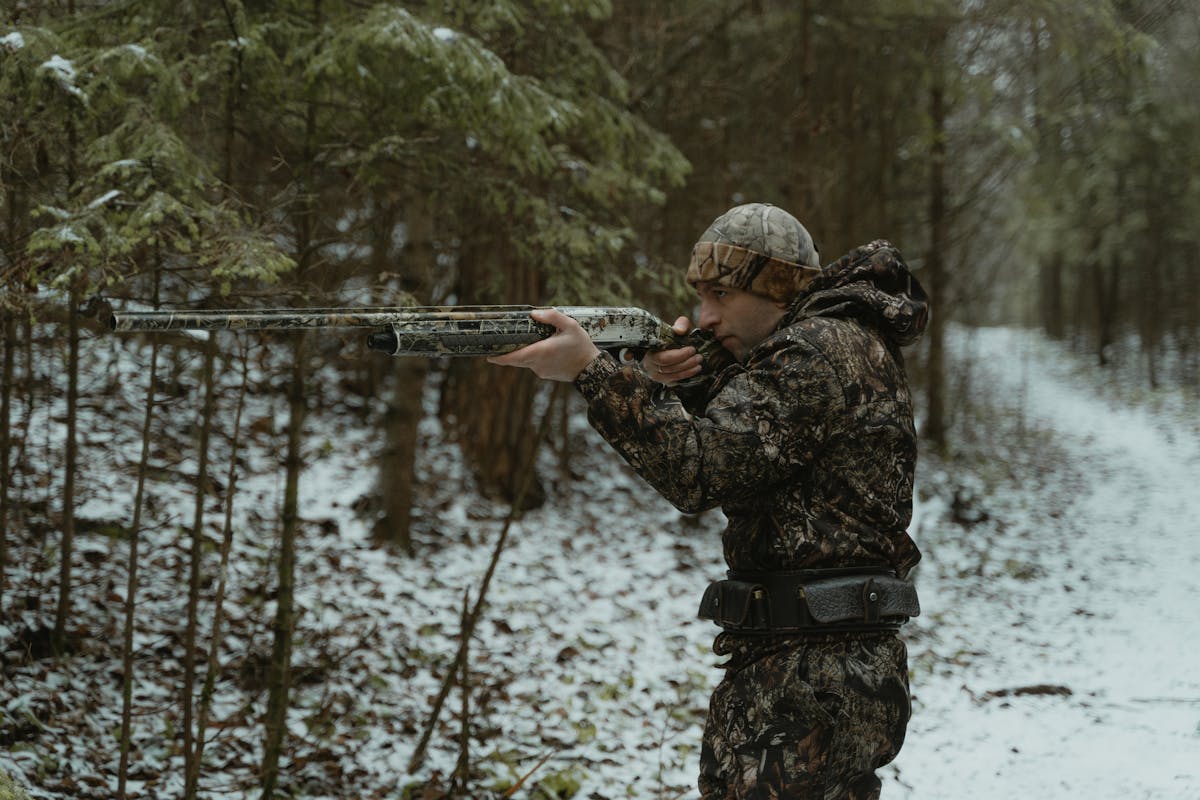
Hunters with extensive experience tend to limit unnecessary firearm handling. Decades in the field reinforce that fewer movements reduce risk. Firearms are handled purposefully rather than casually. This habit reflects confidence and restraint developed over time. Experienced hunters avoid fidgeting, adjusting, or showing equipment without reason. They understand that distractions increase error. Firearms remain secured when not in use. This behavior becomes habitual, reflecting maturity and awareness. Limiting handling also preserves equipment condition. Over forty years, hunters learn that efficiency and safety align. Purposeful handling replaces excess motion, demonstrating discipline shaped by accumulated experience and understanding of potential consequences.
Teaching By Example
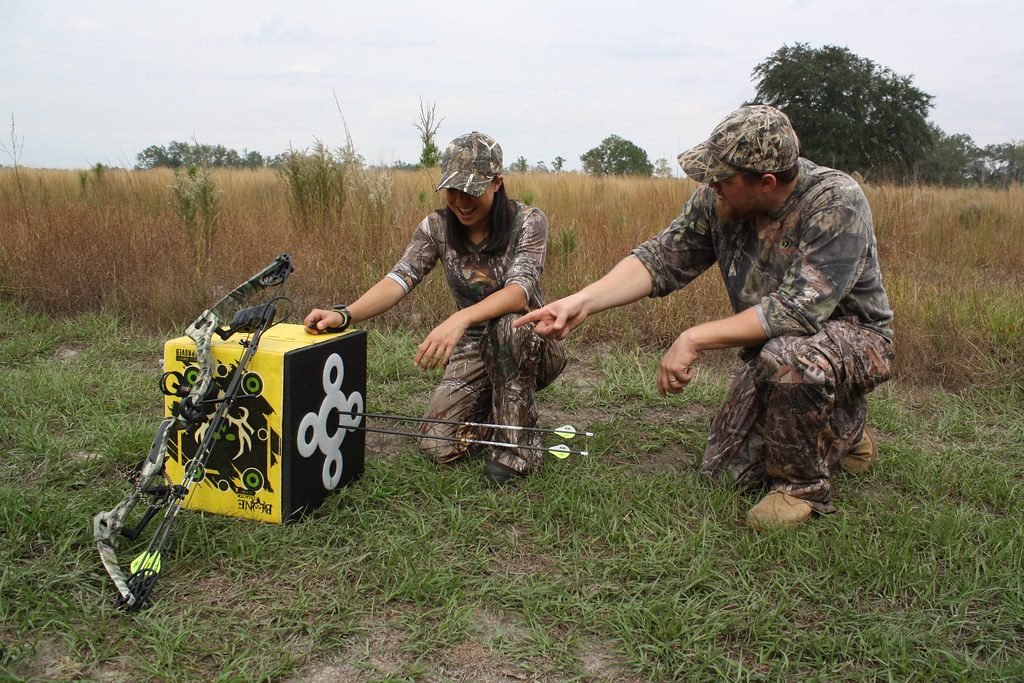
After forty years of hunting, firearm habits often extend into mentorship through example. Experienced hunters model safety and discipline rather than relying solely on instruction. Actions demonstrate proper handling more effectively than words. Younger hunters observe consistent behavior and absorb standards naturally. This habit reflects awareness of influence gained through longevity. Experienced hunters recognize their responsibility to represent hunting culture responsibly. Teaching becomes integrated into routine behavior. By consistently practicing safe firearm habits, seasoned hunters pass down values shaped by experience. This example driven approach reinforces tradition, safety, and respect, ensuring lessons learned over decades continue through observation, reinforcing responsible firearm use across generations.