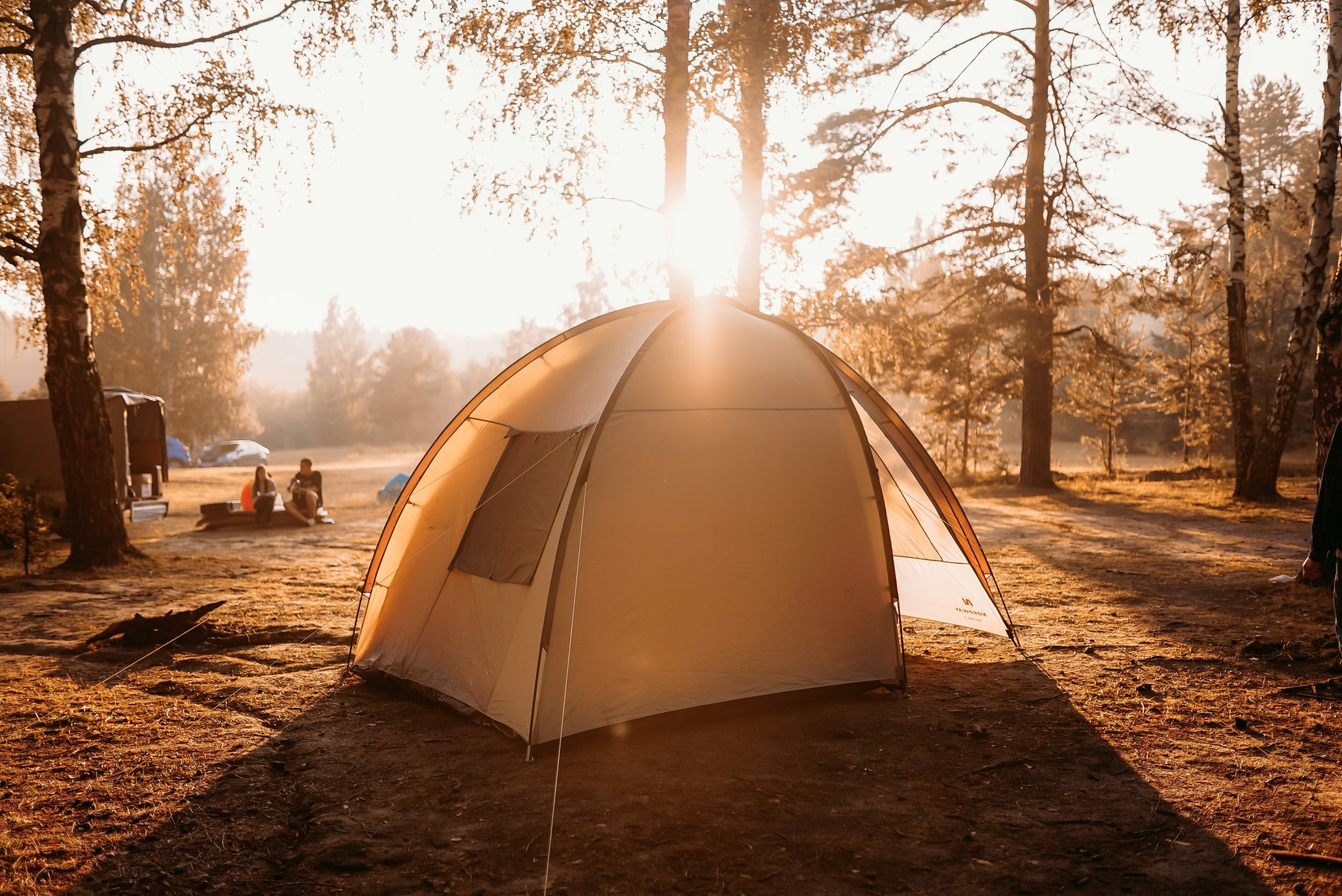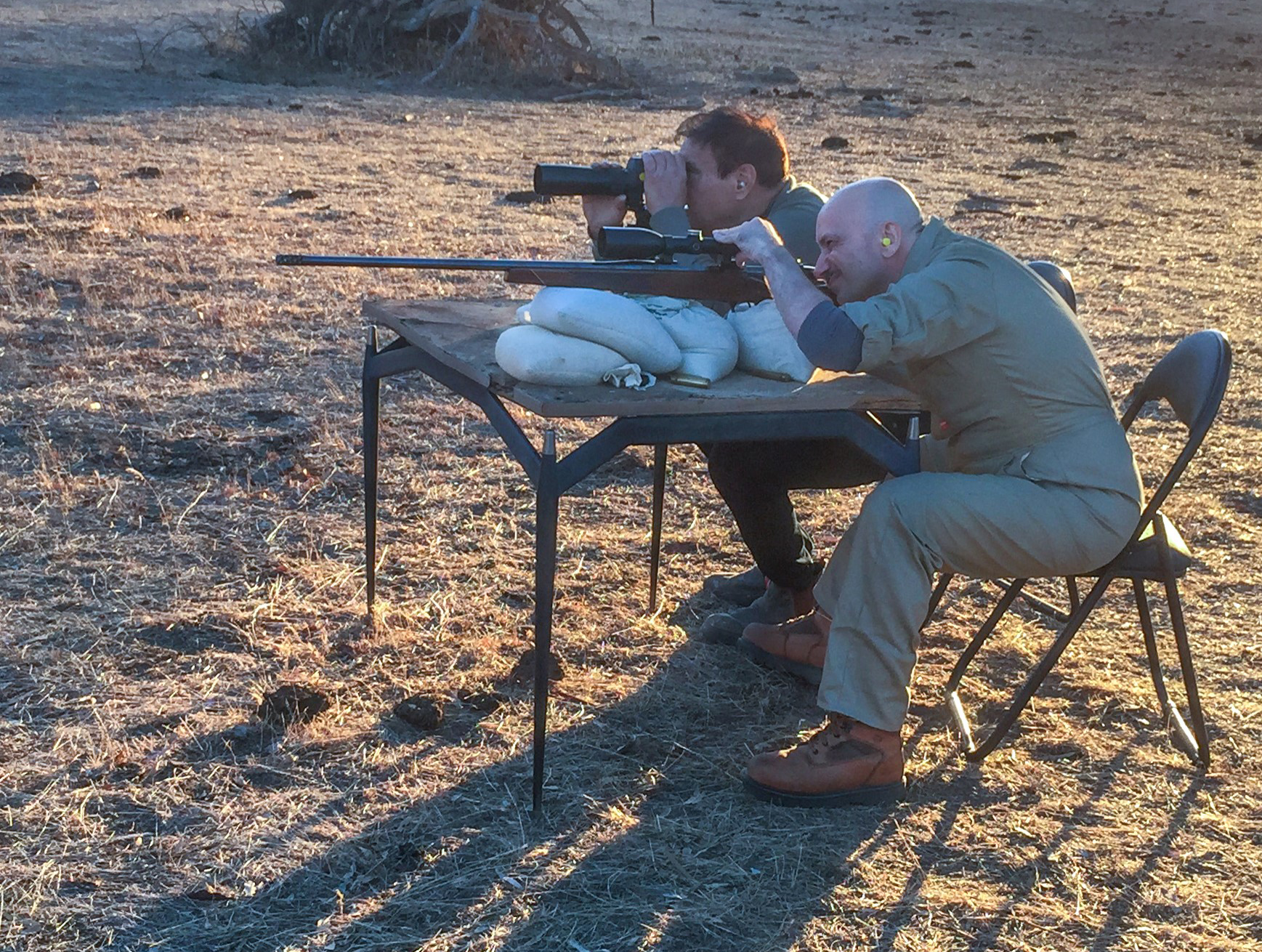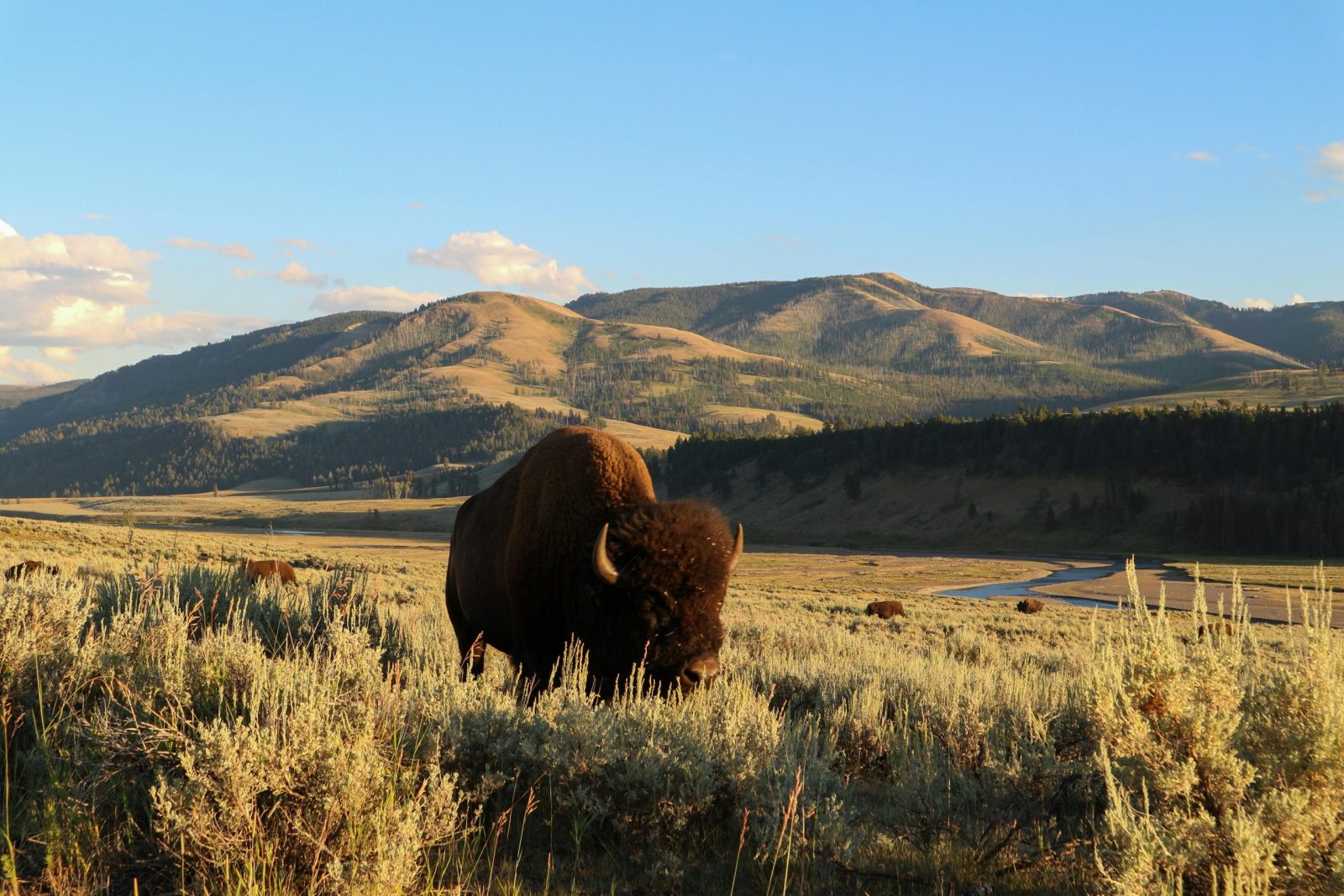
Elk hunting in Wyoming becomes especially memorable when camping sits close to landscapes shaped by wide valleys, forested ridges, and steady wildlife movement. Many regions across the state offer natural access to open meadows, timbered slopes, and gentle migration corridors that support productive days in the field. Camping beside these areas creates a smooth rhythm between early starts, long tracking sessions, and peaceful evenings. With the right location chosen ahead of time, each day blends practical convenience with the immersive quiet of Wyoming’s wild country.
Bridger-Teton National Forest
Bridger-Teton features broad forests, clear streams, and open meadows that attract strong elk activity throughout the season. Campsites near shaded corridors provide quick access to areas where cool temperatures draw animals during early hours. The forest’s shifting elevations form dependable travel routes that shape daily movement patterns. Quiet pockets just off main trails offer space for patient observation while maintaining a comfortable distance from busy recreation zones. This combination of scenery and access makes long days outdoors feel steady and well-paced.
Shoshone National Forest
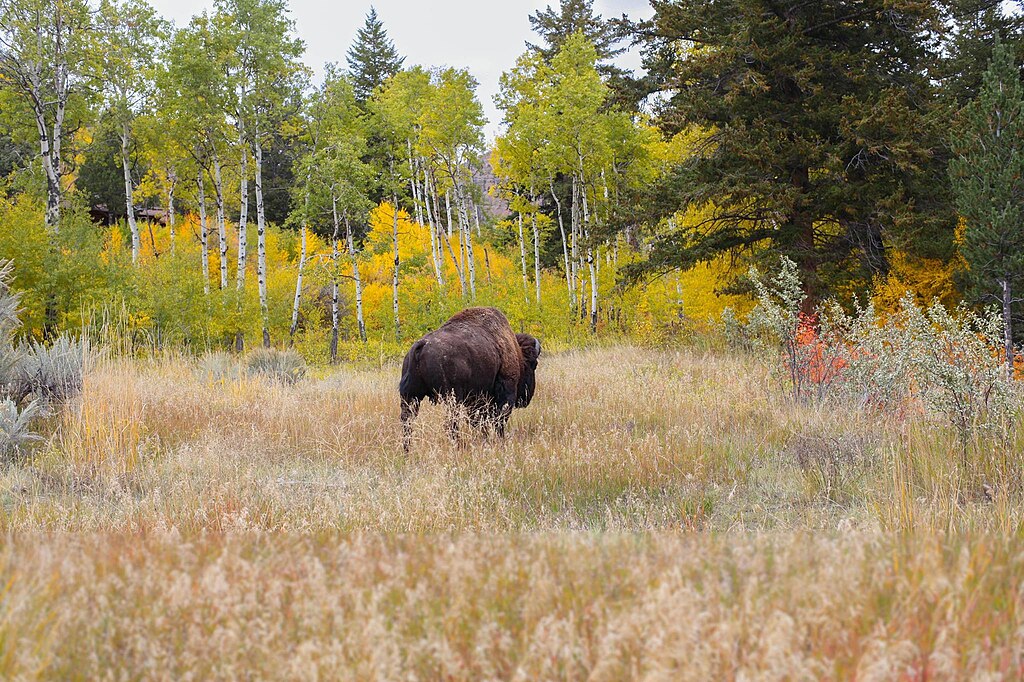
Shoshone presents rugged mountains, deep timber pockets, and wide basins that support elk seeking shelter and food. Camping close to these features reduces long approaches and keeps attention centered on productive terrain. Dense stands of spruce and fir create natural cover that encourages reliable wildlife presence. Broad ridgelines reveal helpful vantage points where movement becomes easier to follow during cooler parts of the day. This varied environment blends high elevation drama with steady patterns that reward focused time in the woods.
Medicine Bow National Forest
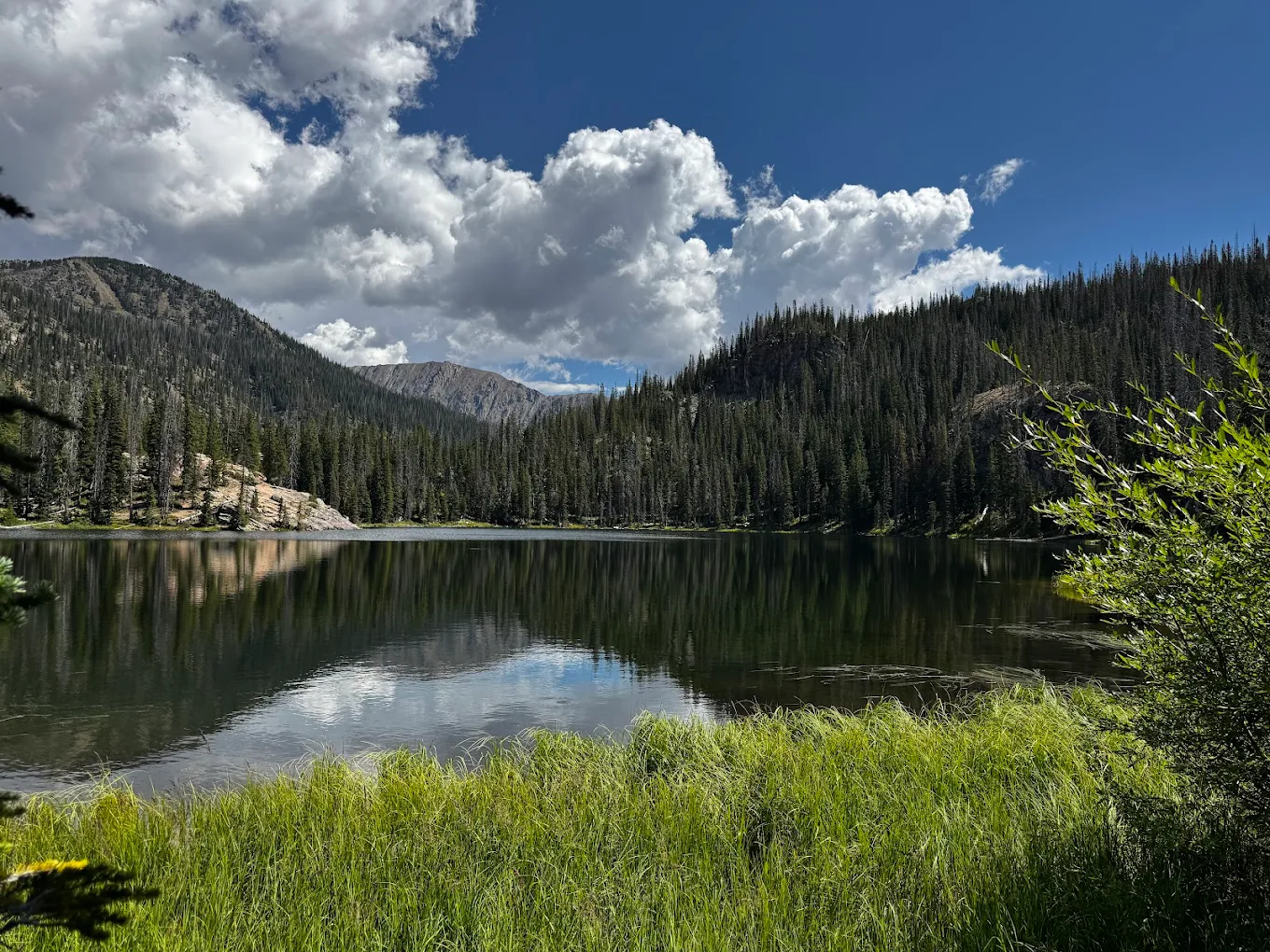
Medicine Bow offers windswept plateaus, sparkling lakes, and mixed woodlands that sustain healthy elk herds. Campsites rest near soft meadows where fresh signs often appear after cool nights. Trails that cross from timber to open fields help guide steady navigation toward active pockets of land. Subtle shifts in elevation create natural funnels that support movement across different parts of the forest. Long stretches of quiet terrain make it simple to settle into a slower pace that matches the natural flow of the region.
Bighorn National Forest
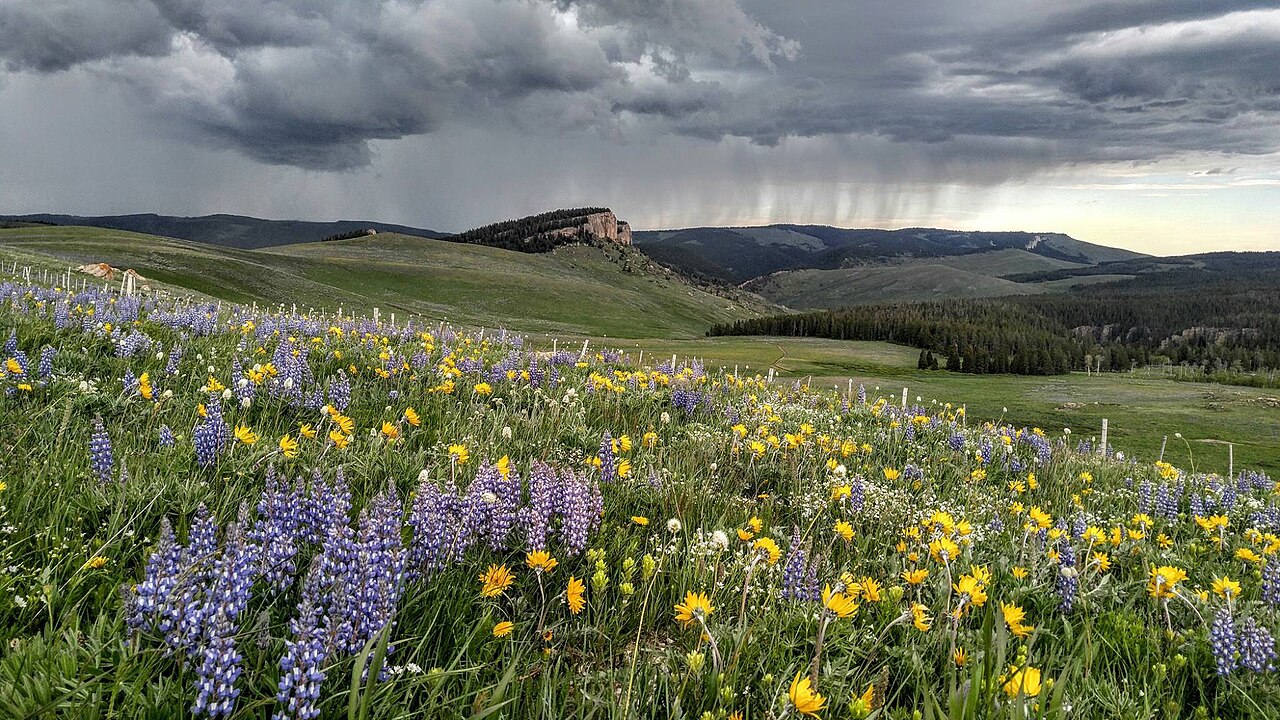
Bighorn encompasses steep canyons, grassy benches, and dense spruce stands that appeal to elk throughout the year. Campsites near these habitats provide early access to areas where predictable movement occurs around dawn and dusk. Breezes moving through the higher elevations carry gentle cues of nearby activity, adding a sense of awareness to each outing. The forest’s mix of rugged slopes and sheltered hollows supports full days of patient tracking. This landscape delivers both variety and calmness, creating a comfortable rhythm for extended stays.
Snowy Range Region
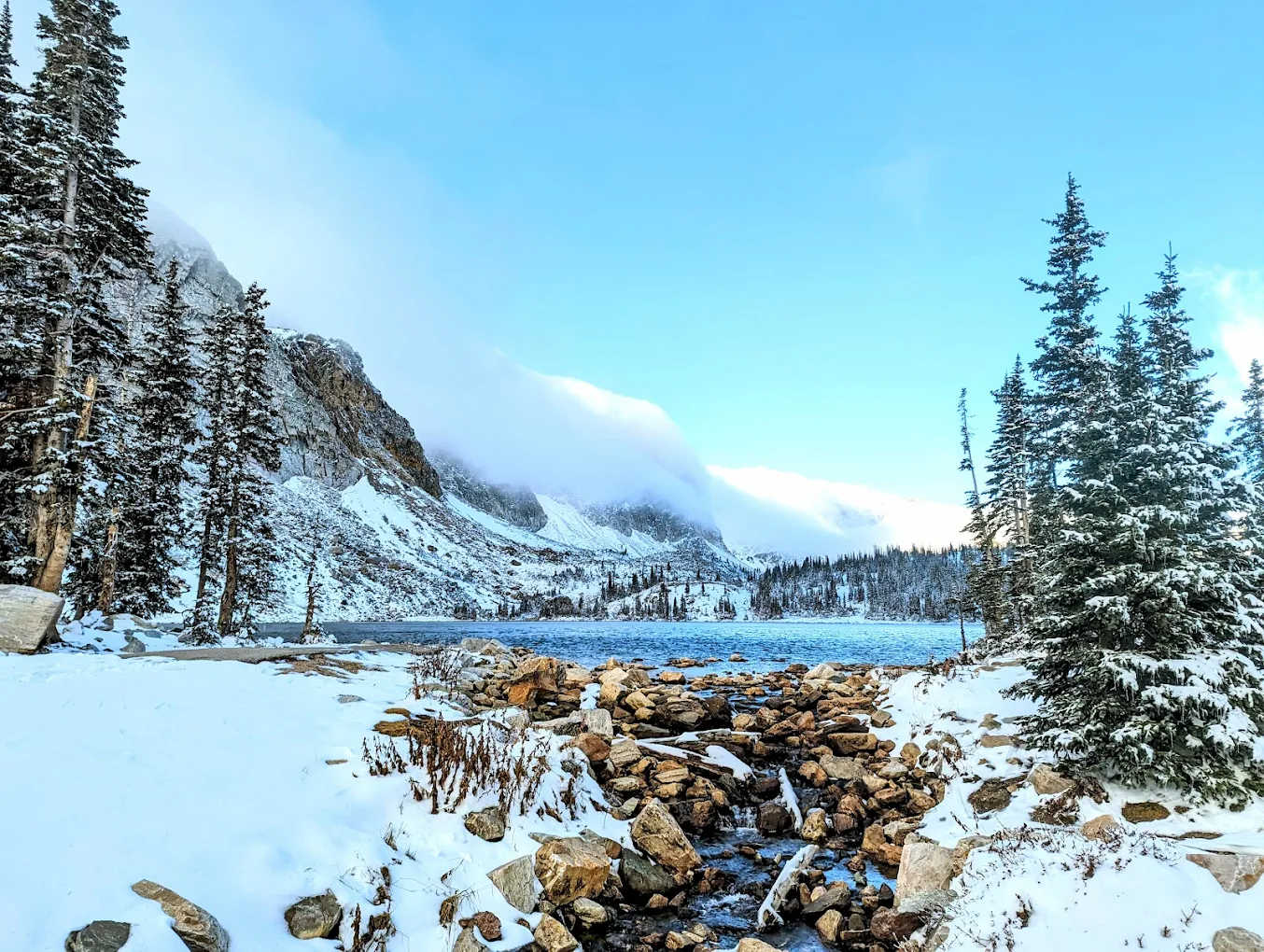
The Snowy Range brings cool alpine air, high meadows, and bright lakes that draw elk during the early season. Camps placed near these open spaces offer clear sightlines across long stretches of land where animals often graze. Timbered slopes surrounding the meadows provide shelter and create natural routes that elk follow throughout the day. Light shifts across the peaks add color and clarity to early morning observations. This balance of open and wooded terrain makes the region appealing for long, steady days outdoors.
Wind River Range
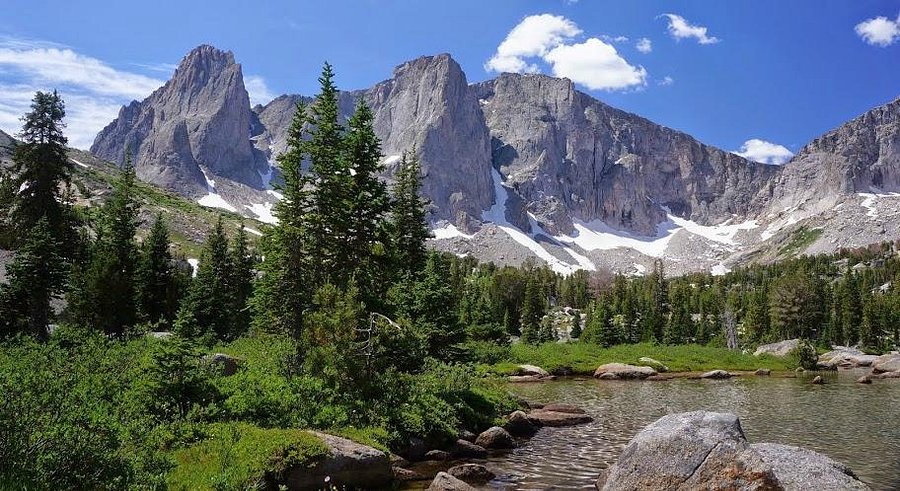
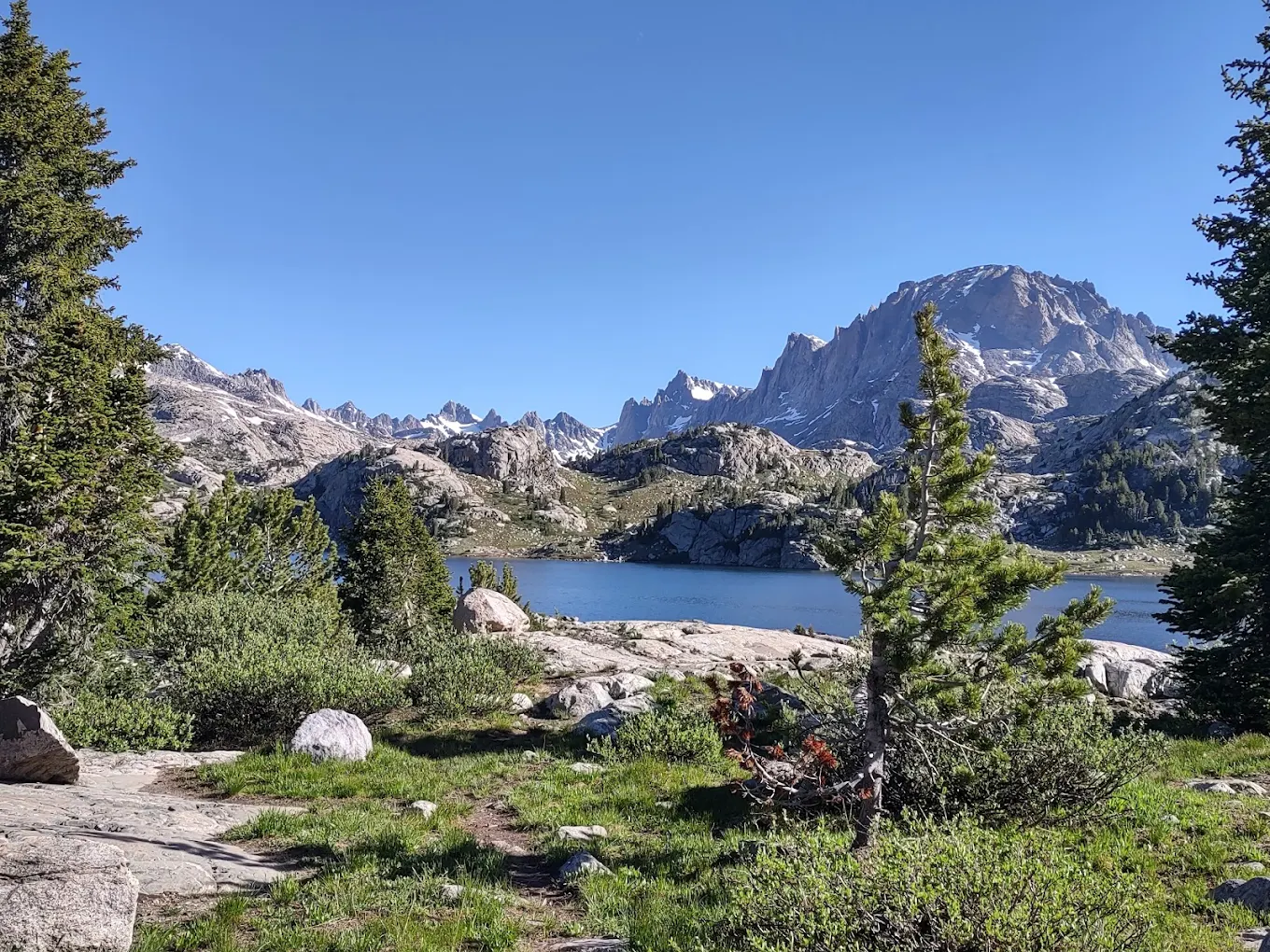
The Wind River Range features dramatic granite peaks, lush valleys, and remote basins that offer reliable habitat for elk seeking solitude. Campsites near these areas provide quick access to morning feeding grounds and shaded afternoon bedding sites. Water sources scattered throughout the range support consistent wildlife movement during warmer periods. The combination of deep quiet, rugged terrain, and expansive views encourages a thoughtful and deliberate pace. Each day unfolds naturally across the wide open landscape, offering a sense of calm and focus.
Green River Region
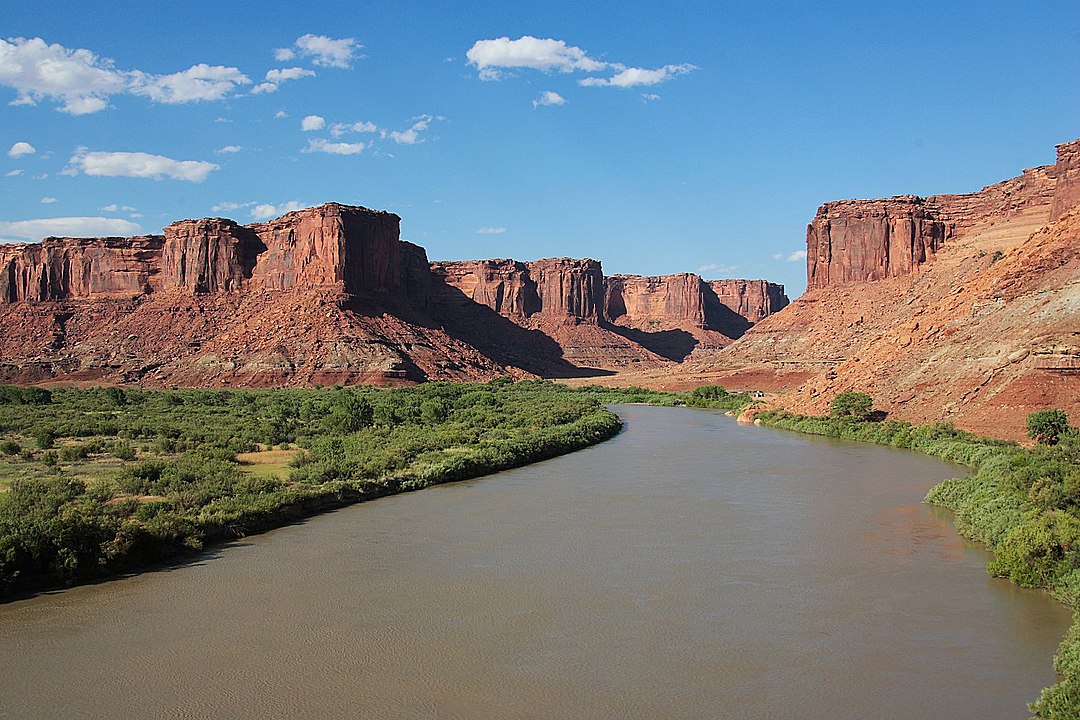
The Green River corridor contains rolling sage flats, cottonwood stands, and river-fed meadows that create dependable movement patterns during the season. Campsites near the water offer convenient entry points to trails that connect several active zones. Soft light across the valley helps highlight activity during cooler morning and evening periods. The terrain’s gentle slopes and broad sightlines support steady tracking without steep climbs. This region’s open character and accessible layout make it well-suited for extended observation.
Thunder Basin National Grassland
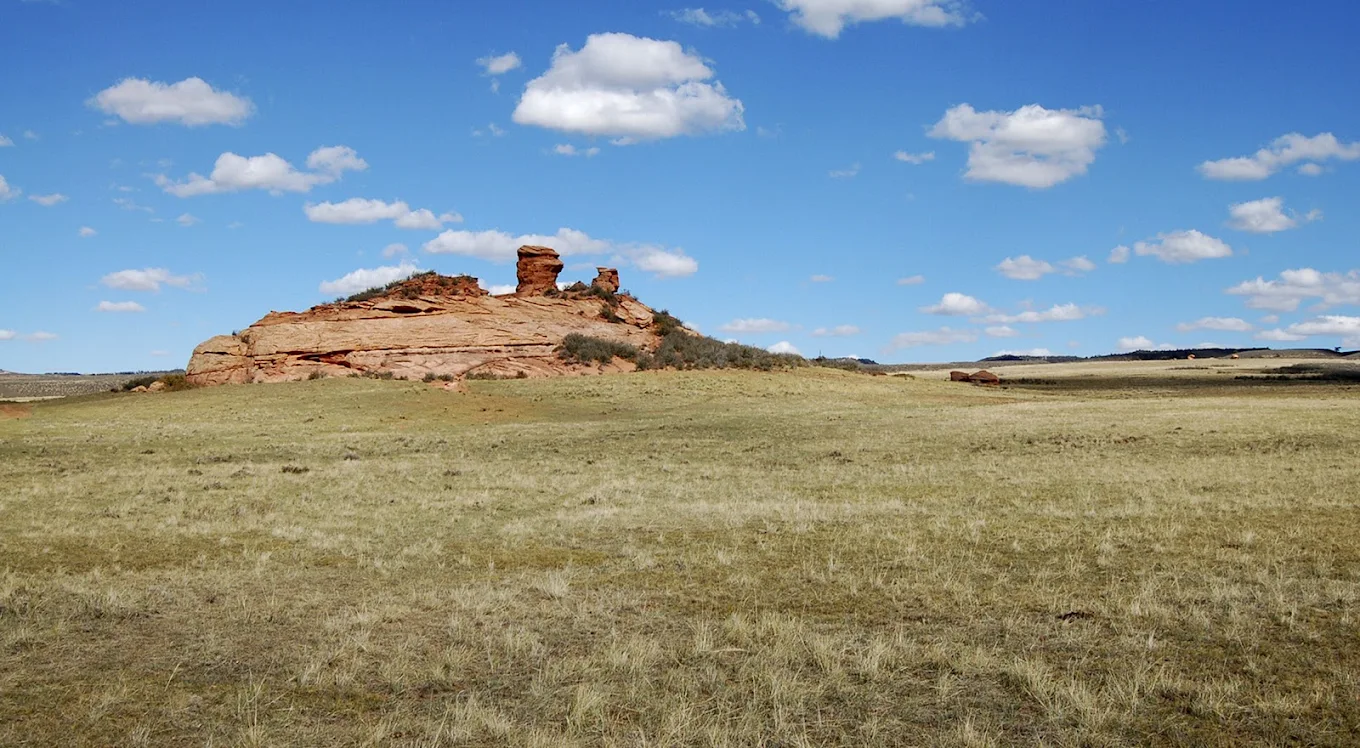
Thunder Basin features vast prairies, brush-lined draws, and small timber pockets that provide habitat for mobile elk herds. Camping beside these open stretches allows smooth transitions between early scouting and midday rest. Natural cover along shallow ravines creates predictable travel corridors that help guide movement. Wide horizons make subtle shifts easier to detect across the landscape. The grassland’s quiet atmosphere and uninterrupted scenery encourage long, calm periods of watching and listening.
Absaroka Range
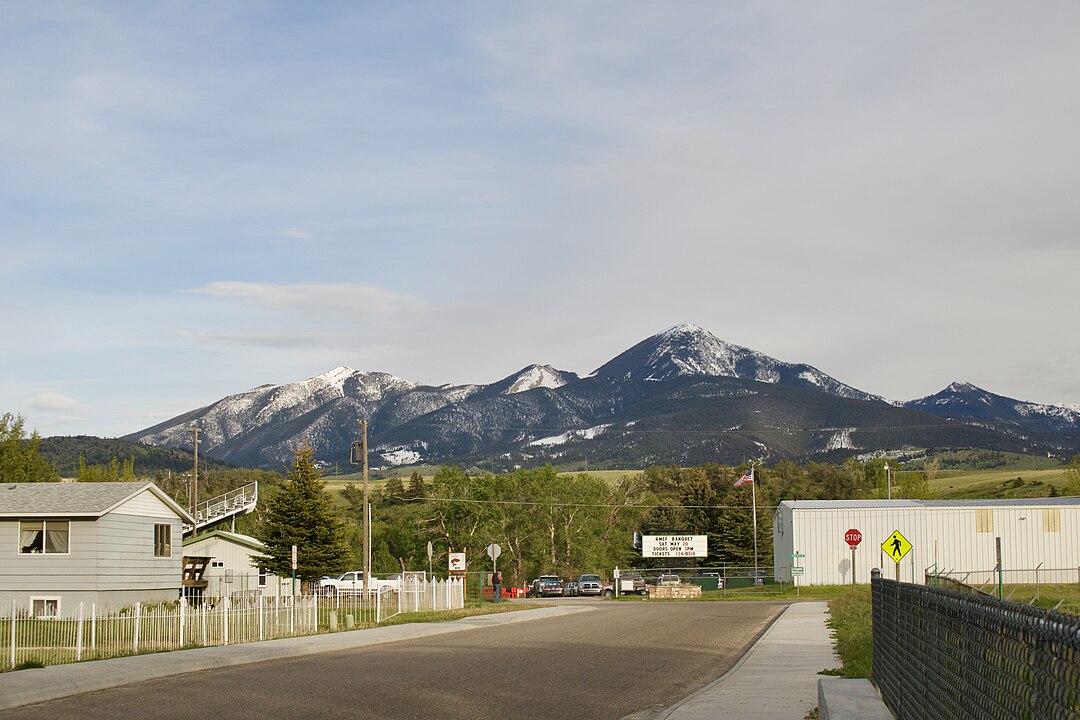
The Absaroka Range blends volcanic cliffs, dense conifer stands, and sweeping valleys that support strong elk populations. Camps placed near these rugged features offer direct access to both high ridges and protected lowlands. Elevation changes influence wind direction and travel paths, creating areas where movement becomes easier to track. The region’s striking scenery heightens the sense of immersion from morning until evening. Time spent here feels steady and grounded, with each ridge offering new possibilities.