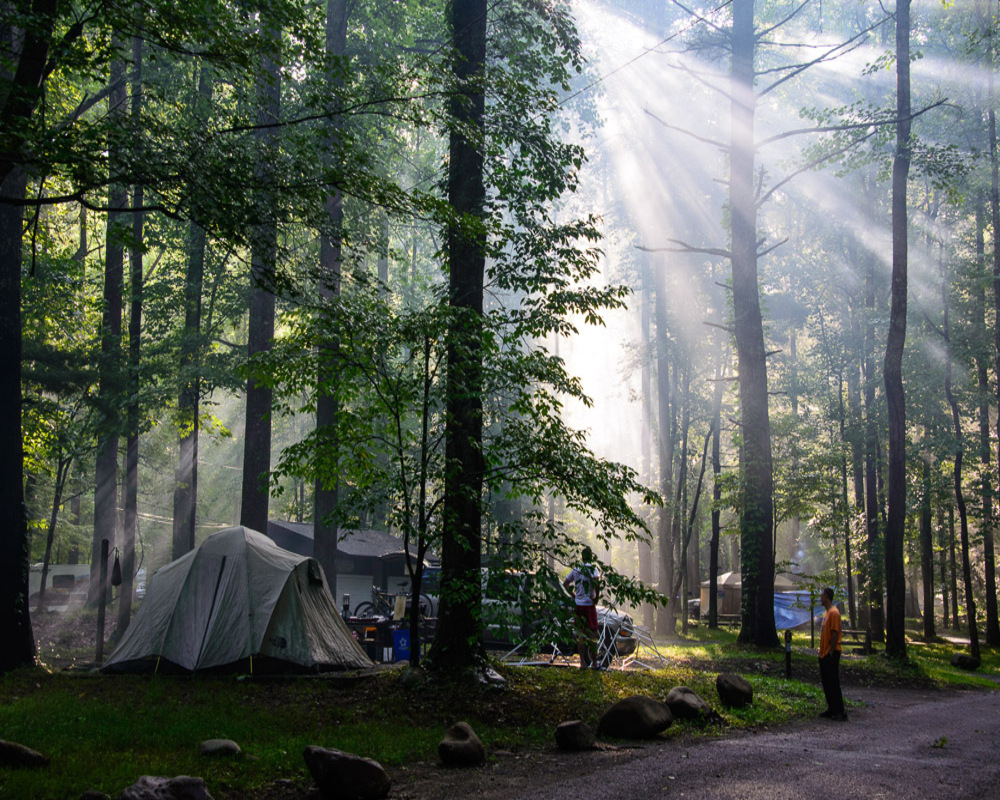
Camping advice often sounds reassuring, especially when it comes packaged as safety wisdom passed down through guides, blogs, or fellow campers. Many practices appear sensible on paper, promising protection, efficiency, or peace of mind in outdoor settings. Yet real world conditions, human behavior, and unpredictable environments can quietly undermine those ideas. What seems safe in theory sometimes introduces new risks when applied without context or experience. Examining common camping practices that fail to deliver their promised safety reveals why adaptability, awareness, and realistic planning matter more than rigid rules when spending time outdoors across varied landscapes.
Sleeping With Food Inside the Tent

Sleeping with food inside the tent seems convenient and protective, but it often increases risk. Scents linger on packaging, clothing, and hands, attracting wildlife far more effectively than sealed containers outside. Animals searching for food may damage tents or behave aggressively. Even small creatures like rodents can create hazards through bites or contamination. Campers sometimes believe proximity allows control, yet wildlife responds to smell, not supervision. Proper food storage away from sleeping areas remains safer. This practice highlights how perceived control can replace proven precautions, leading to avoidable encounters and disrupted nights in natural environments across many camping regions.
Building Fires Close to Campsites
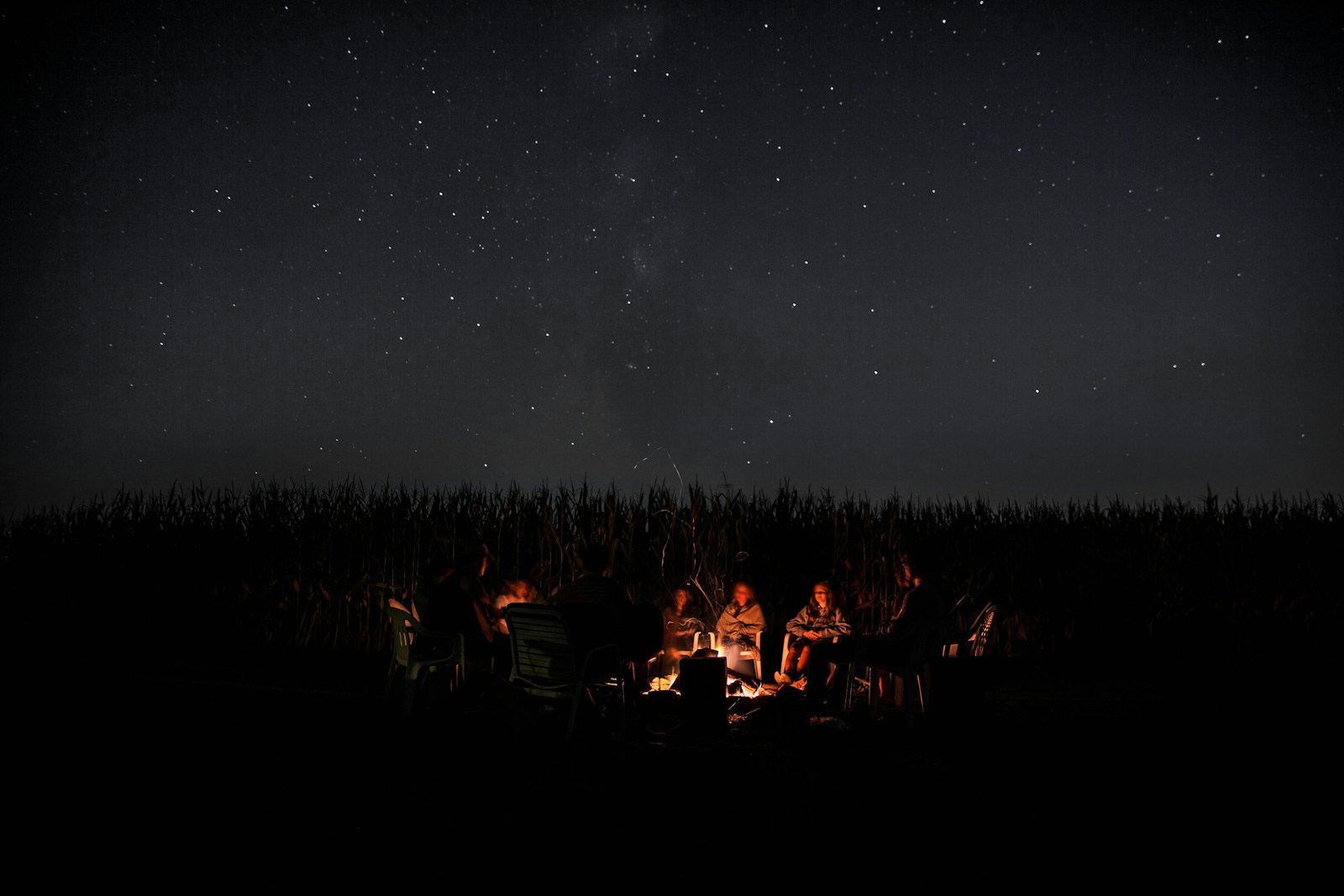
Building a fire close to campsites feels practical for warmth and cooking, yet it introduces serious hazards. Sparks can travel farther than expected, especially in dry or windy conditions. Nearby tents, gear, or vegetation may ignite quickly. Campers often underestimate shifting weather or ground conditions. Fire pits placed too close reduce reaction time if flames spread. While convenience drives placement, distance offers safety. Established fire rings exist for a reason. This practice demonstrates how comfort driven decisions can conflict with fire behavior realities, increasing the risk of uncontrolled burns, injuries, or campsite damage during otherwise routine outdoor stays.
Relying Solely on GPS Devices
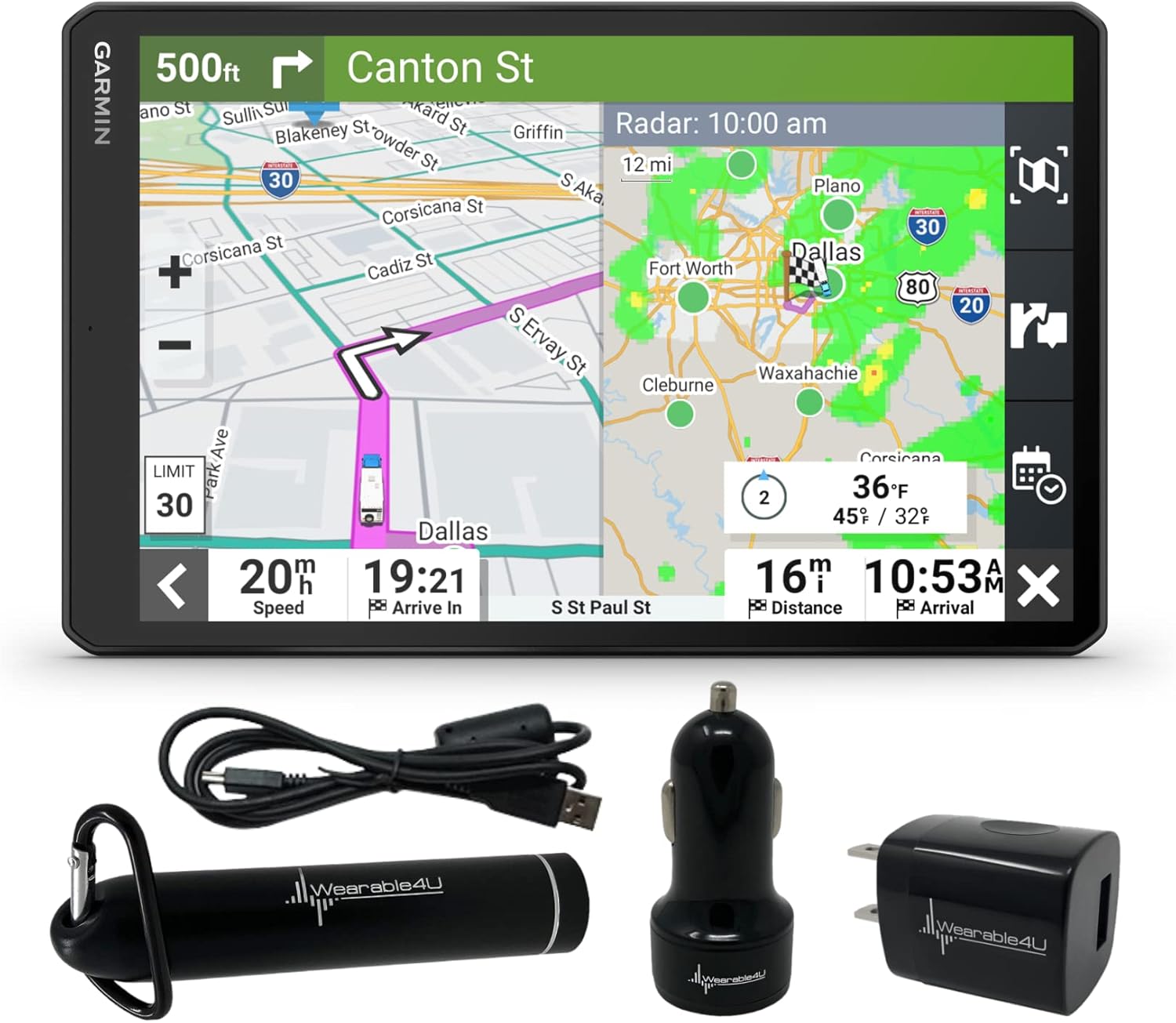
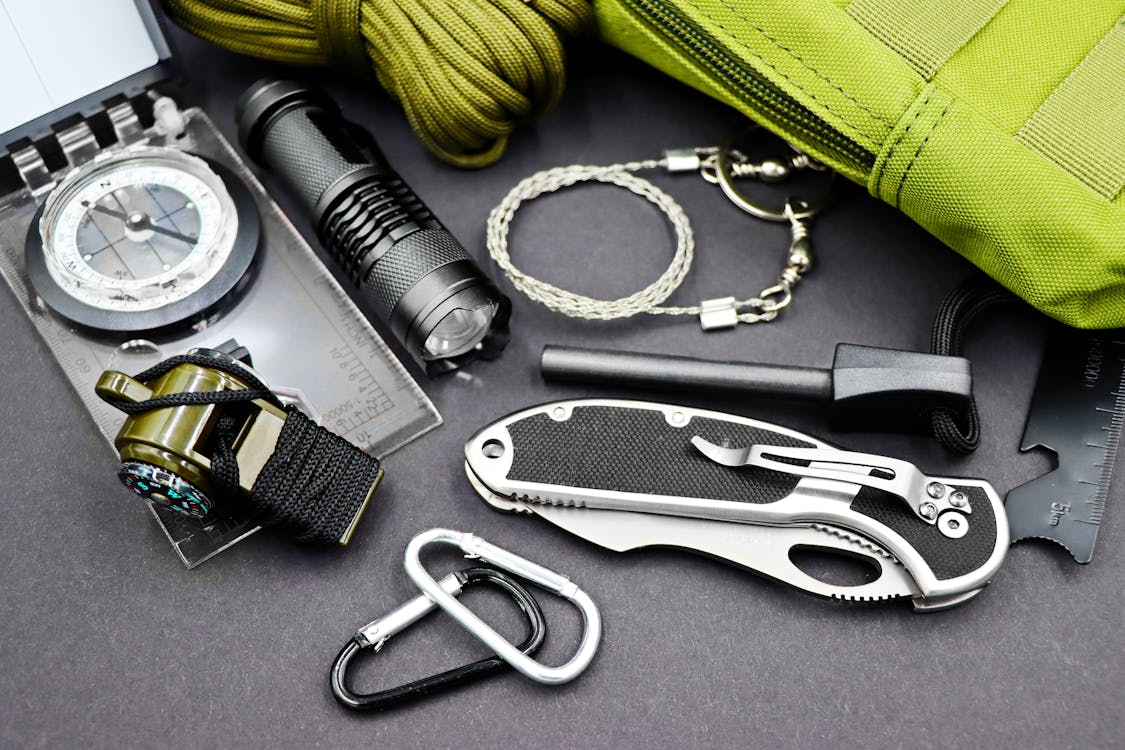
Relying solely on GPS devices seems modern and efficient, but it carries hidden dangers. Batteries fail, signals drop, and software can malfunction in remote areas. Overconfidence in digital navigation may reduce attention to surroundings or traditional skills. When devices stop working, unprepared campers face disorientation. Maps and compass knowledge provide critical backups. Terrain, weather, and tree cover further limit accuracy. GPS works best as a supplement, not a replacement. This practice reveals how technological trust can weaken situational awareness, turning a helpful tool into a liability when conditions change unexpectedly far from reliable connectivity or immediate assistance.
Using Improvised Bear Bags
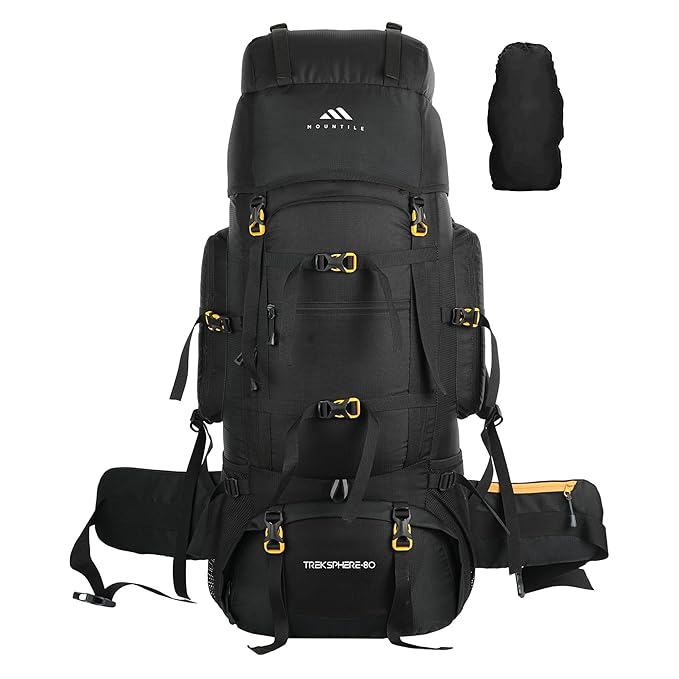
Using improvised bear bags often appears sufficient, yet it frequently fails in practice. Thin ropes break, knots slip, and improper hanging height allows animals access. Many campers misjudge distance from trunks or branches. Bears and smaller animals learn quickly, exploiting weak setups. While hanging food feels proactive, incorrect methods create false security. Approved bear canisters or lockers offer greater reliability. This practice shows how partial knowledge can increase risk by encouraging complacency. Without proper technique and equipment, improvised solutions may attract wildlife rather than deter it, leading to dangerous encounters and food loss in bear country areas.
Hiking Without Telling Anyone

Hiking without telling anyone can feel liberating and independent, but it removes a critical safety net. In emergencies, rescue efforts depend on timelines and locations. Without shared plans, delays increase dramatically. Injuries, weather shifts, or navigational errors become more dangerous when nobody expects a return. Campers sometimes assume short trips reduce risk. Reality proves otherwise. Informing others requires minimal effort and provides accountability. This practice illustrates how self reliance can cross into isolation. Outdoor safety often depends less on skill than on communication, ensuring help can arrive when unpredictable situations arise beyond personal control.
Wearing New Boots on Long Treks
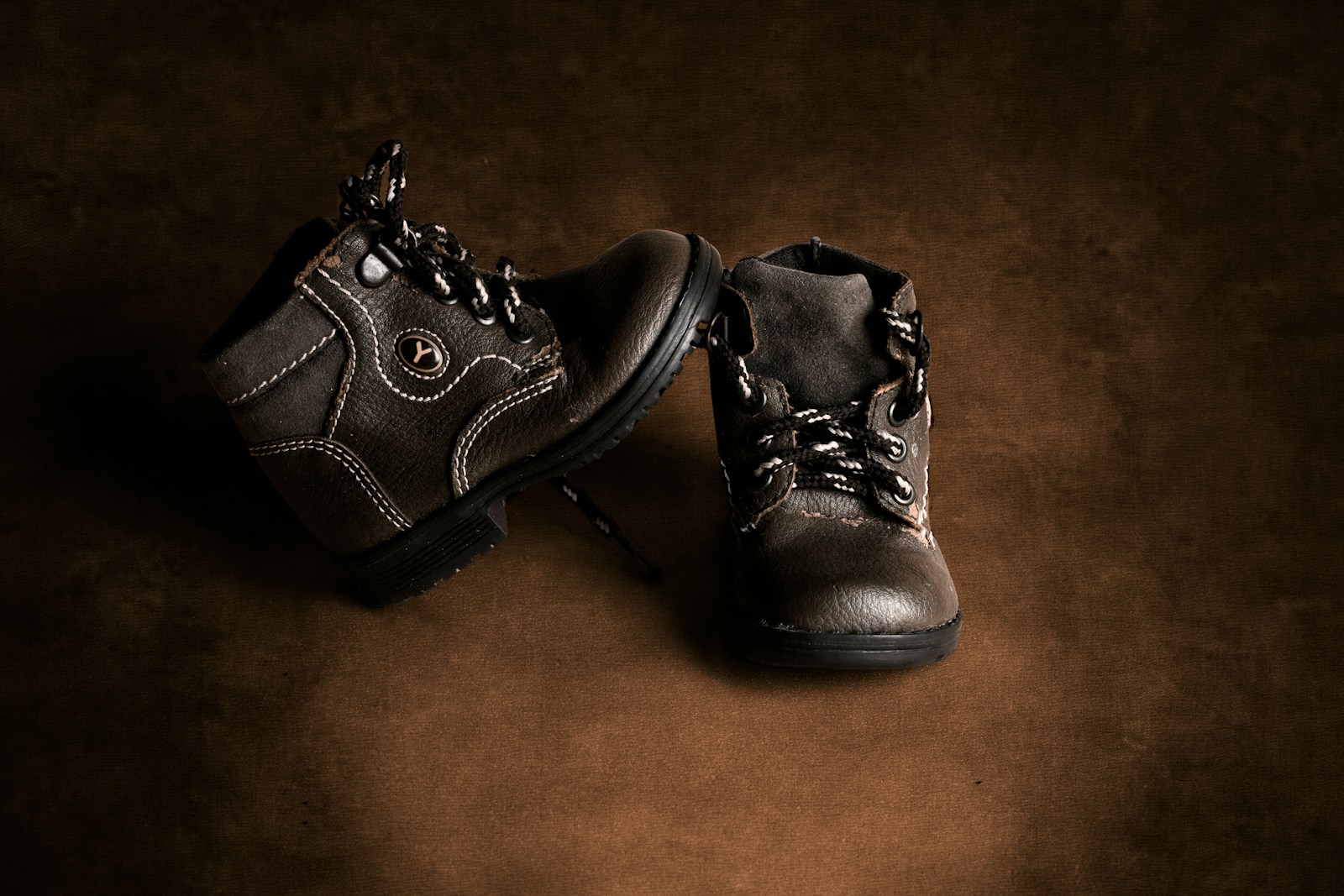
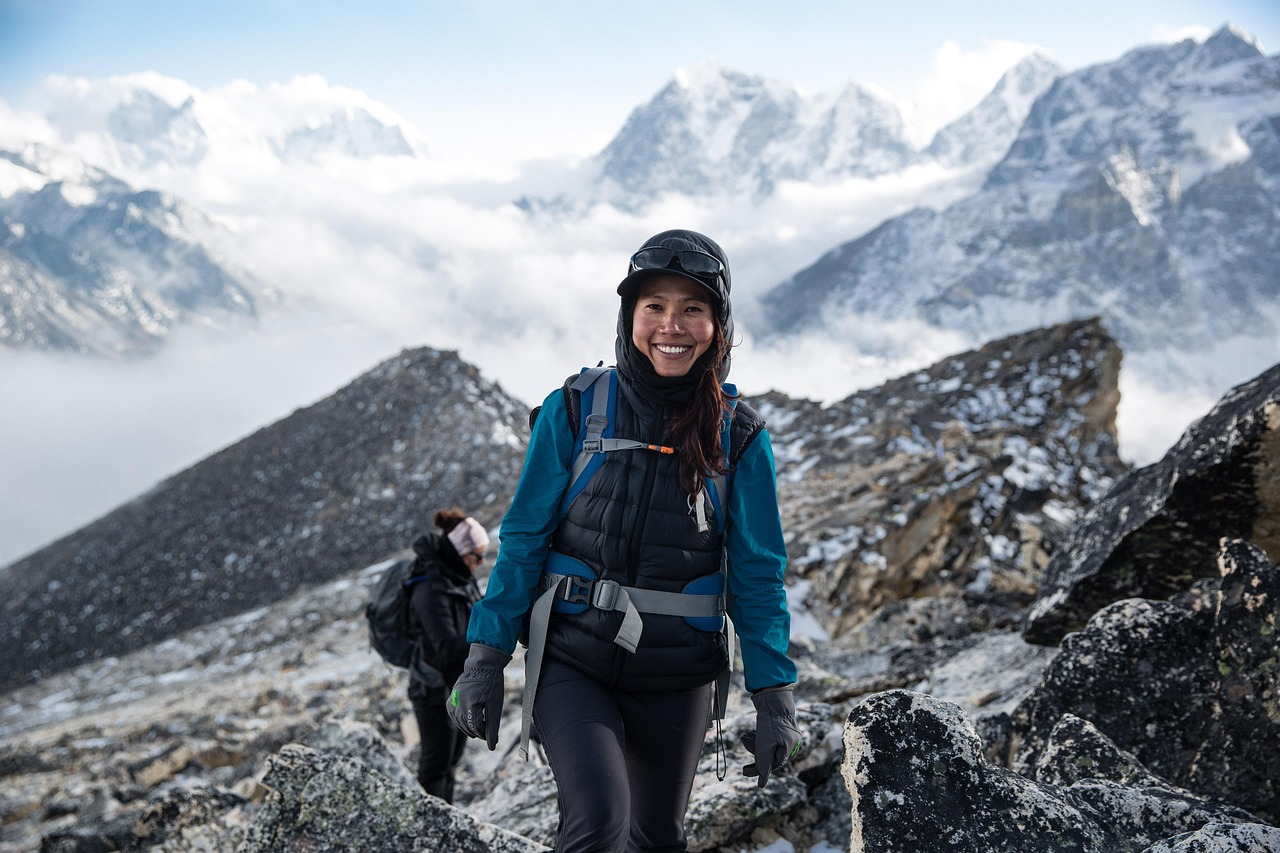
Wearing new boots on long treks seems logical for support, yet it often causes injury. Unbroken footwear creates friction, blisters, and pressure points that worsen over distance. Pain alters gait, increasing fall risk. Campers may push through discomfort, compounding damage. Breaking in boots gradually allows materials to soften and fit properly. Tested footwear improves stability and endurance. This practice highlights how equipment quality alone does not guarantee safety. Familiarity matters more. Ignoring the adaptation period can turn protective gear into a liability, undermining mobility and decision making during demanding hikes across uneven terrain.
Camping Near Water for Convenience
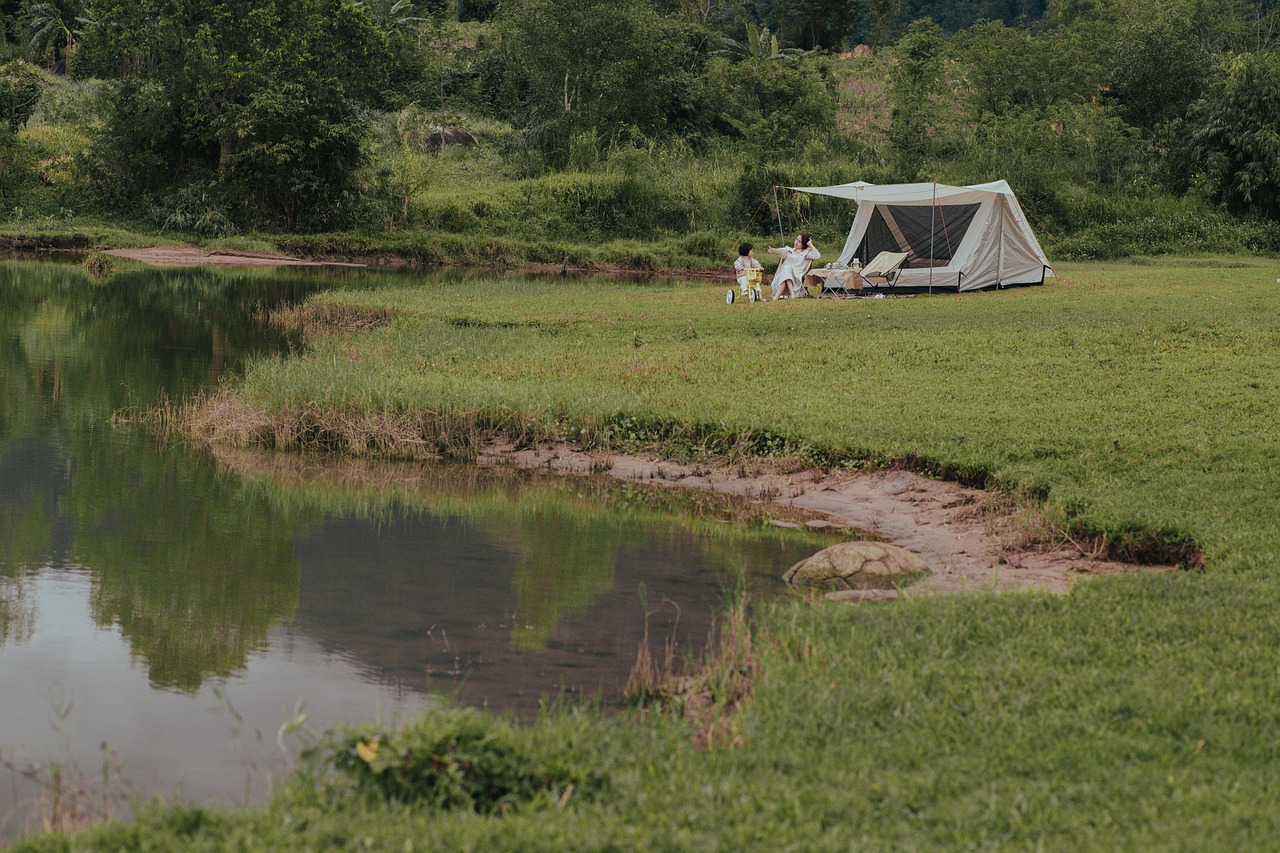
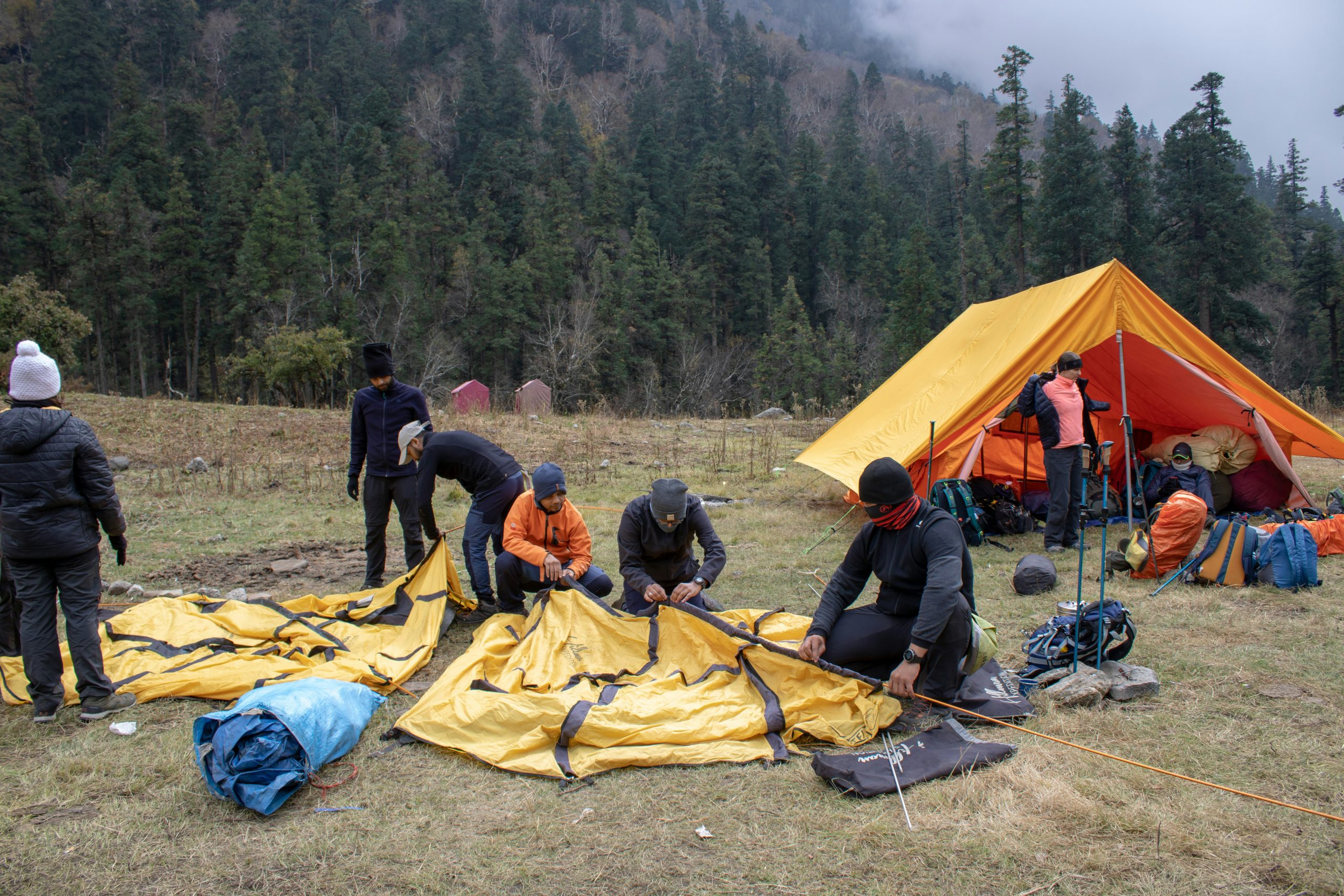
Camping near water offers easy access, but it introduces overlooked dangers. Rising water levels from rain or upstream release can flood campsites quickly. Insects concentrate near water, increasing exposure to bites and disease. Cold air settles in low areas, raising hypothermia risk overnight. Wildlife also frequents water sources. While proximity simplifies chores, distance improves safety. Selecting elevated sites reduces hazards. This practice shows how convenience driven choices can conflict with environmental dynamics. Understanding water behavior and microclimates matters more than immediate access when establishing camps in varied landscapes.
Depending on Layering Without Weather Checks

Depending on layering without checking weather forecasts feels prepared, yet it can mislead. Layering works best when matched to actual conditions. Unexpected storms, temperature drops, or wind overwhelm inadequate materials. Campers sometimes assume layers compensate for lack of planning. Without waterproof or insulating pieces, exposure risk rises. Weather awareness guides appropriate gear choices. Forecasts offer critical context for terrain and season. This practice demonstrates how general advice cannot replace specific preparation. Safety improves when layering strategies align with realistic conditions rather than assumptions, reducing exposure related injuries during extended outdoor stays.
Assuming Cell Phones Work Everywhere
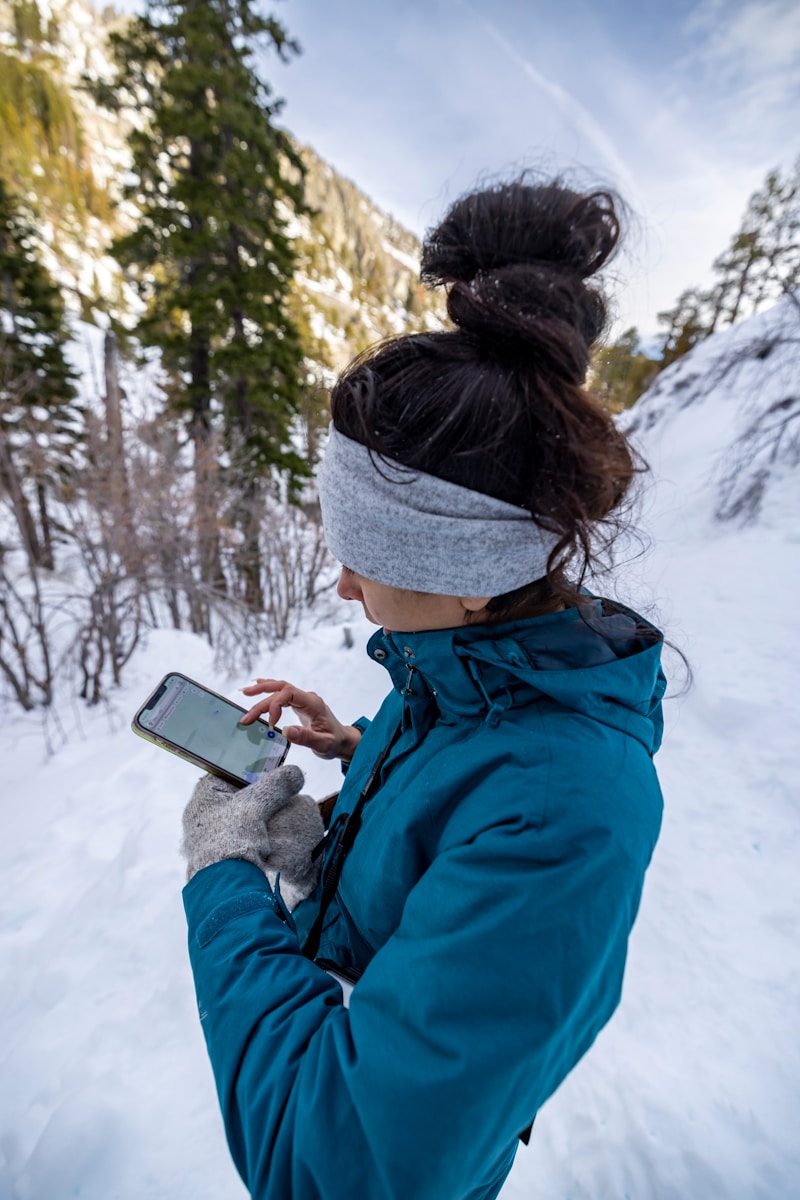
Assuming cell phones work everywhere creates dangerous complacency. Coverage maps exaggerate reliability, especially in mountains, forests, or deserts. Dead zones appear unexpectedly, cutting off communication. Campers may skip emergency devices, trusting phones alone. When accidents occur, isolation increases risk. Battery drain accelerates in cold or constant searching for signal. Satellite communicators or personal locator beacons provide better coverage. This practice highlights how everyday technology fosters false confidence outdoors. Planning for communication failure improves safety, ensuring help remains reachable when environments disrupt familiar tools relied upon in daily life.