The natural world is full of predators that rely on speed to capture their prey. 9 animals that strike so fast you don’t get a second chance demonstrate the terrifying efficiency of evolution. These creatures possess biological mechanisms that allow them to move faster than the blink of a human eye. Survival often depends on split-second reactions that determine whether an animal eats or starves. Observing these lightning-fast attacks reveals the incredible power hidden within muscles and tendons. This list explores the species that have mastered the art of the ambush strike to dominate their environments.
Peacock Mantis Shrimp
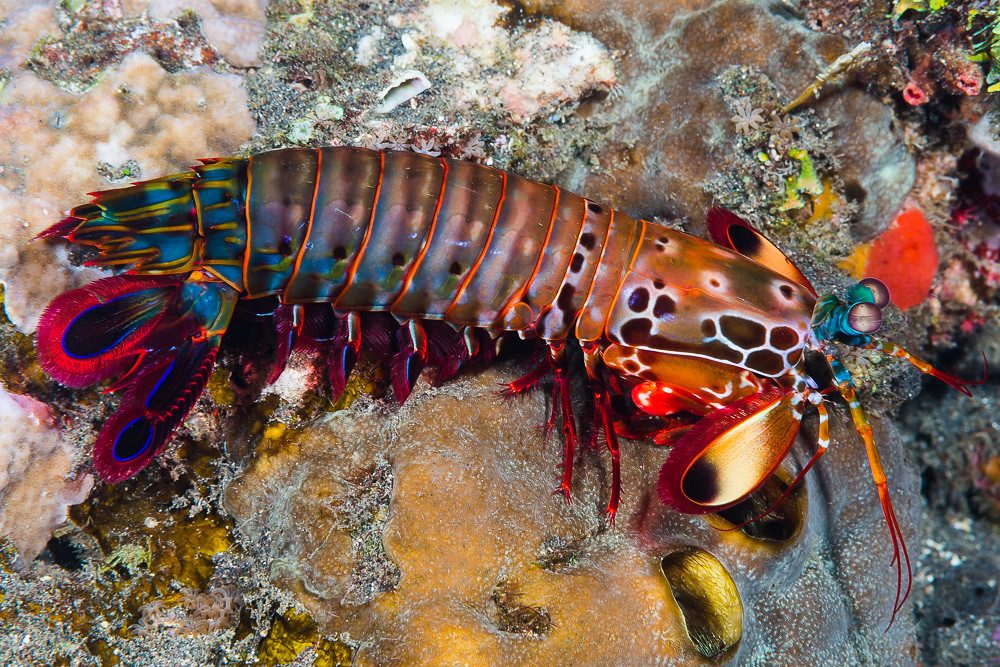
The peacock mantis shrimp throws a punch that accelerates faster than a bullet leaving a gun barrel. This small crustacean uses its club-like appendages to smash open hard snail shells and crab carapaces with devastating force. The strike creates a cavitation bubble in the water that collapses, generating immense heat and light instantly. Even if the initial impact misses the target, the shockwave alone is often enough to stun or kill prey. Aquariums rarely house these colorful animals because they can shatter glass tanks. Their visual systems and striking power make them unique hunters in the ocean.
Peregrine Falcon
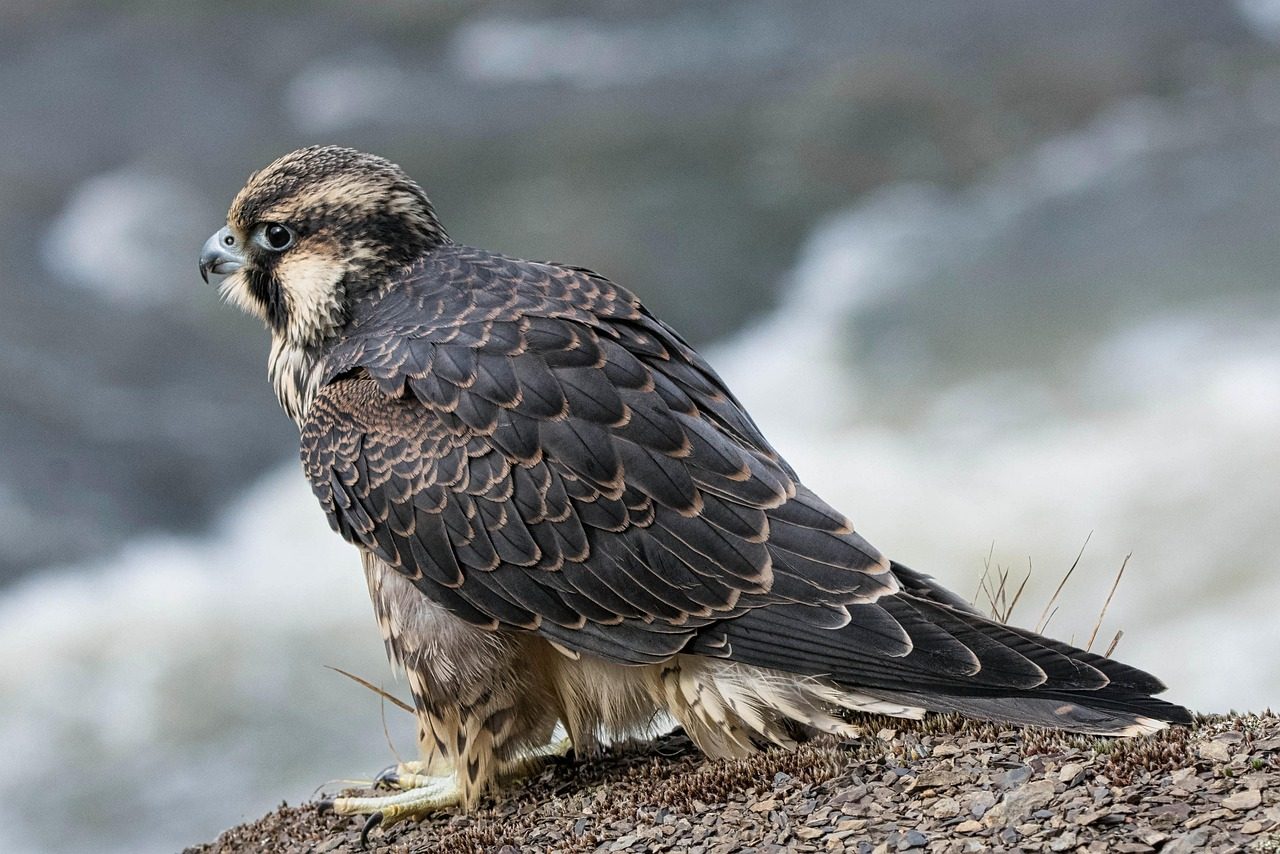
Peregrine falcons are the fastest animals on the planet during their hunting stoop or high-speed dive. Gravity assists these birds as they drop from great heights to strike other birds in mid-air with closed talons. The impact forces are so severe that the prey is often killed instantly before it falls to the ground. Special adaptations in their nostrils allow them to breathe normally while traveling at over two hundred miles per hour. Their vision remains sharp and focused on the target throughout the entire descent. No other aerial predator matches their sheer velocity and precision.
Cheetah
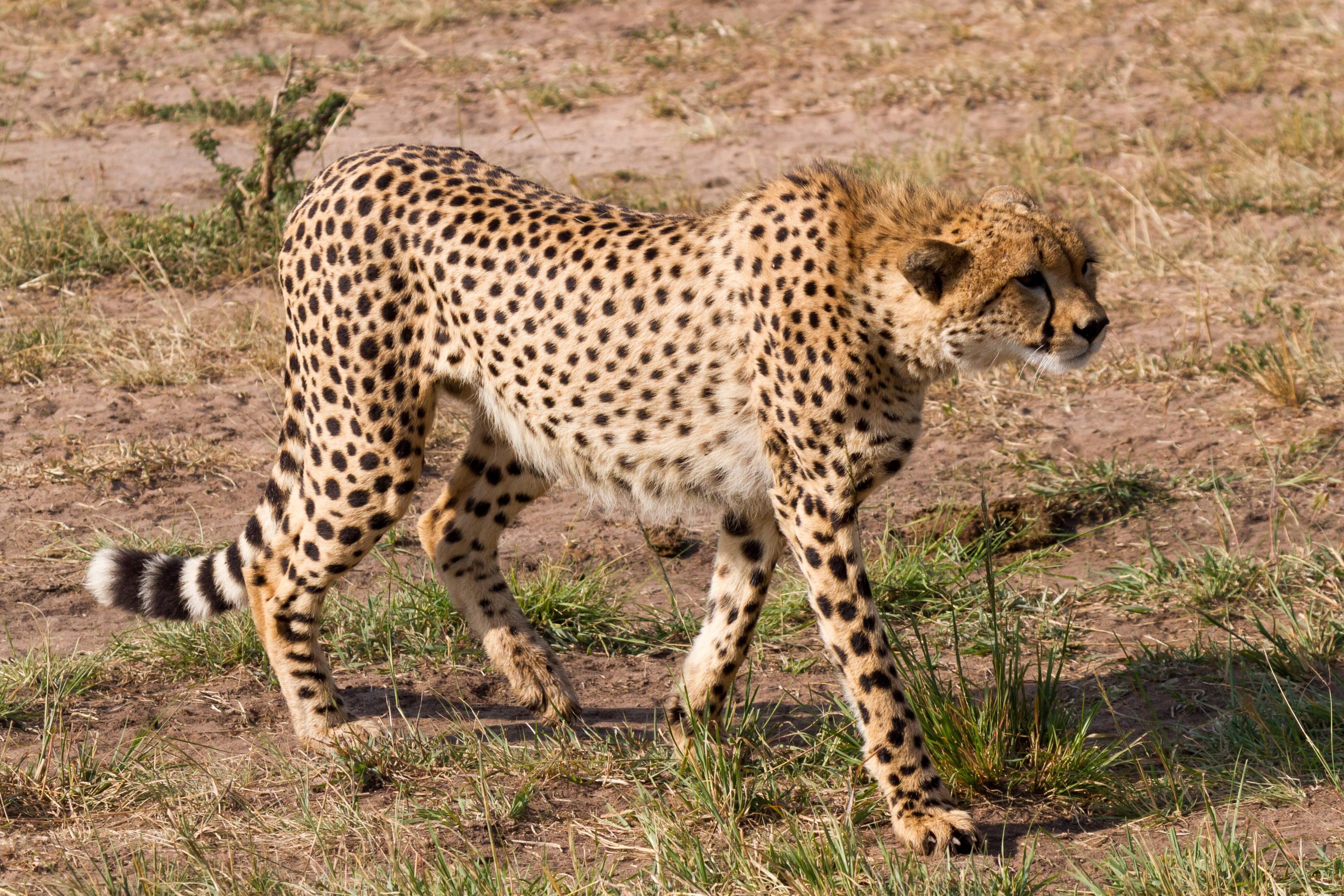
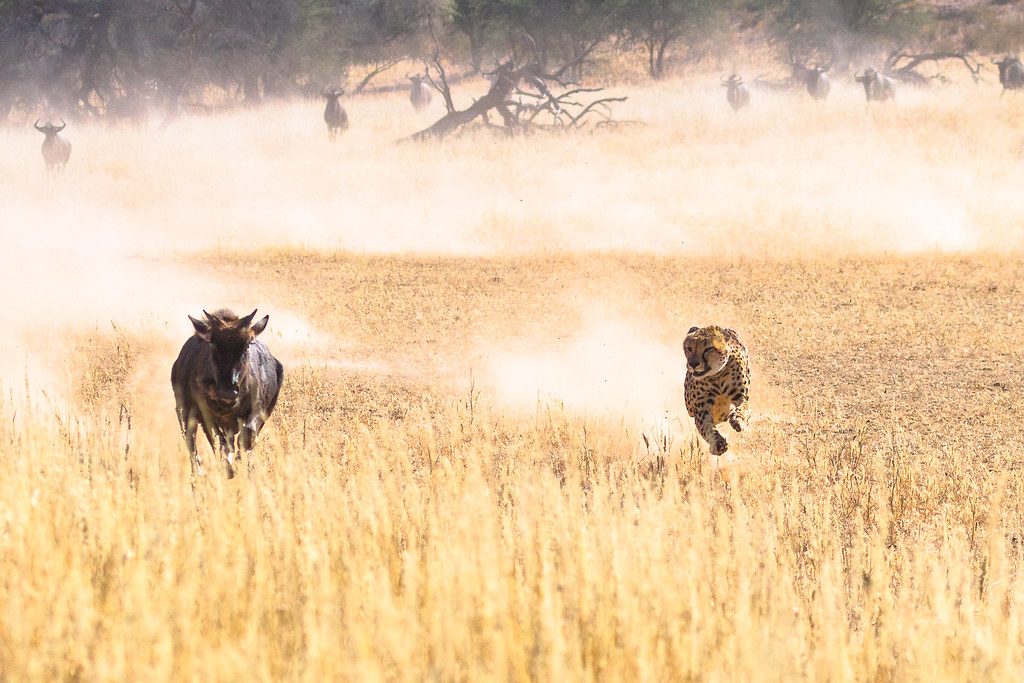
Cheetahs are famous for their ability to accelerate from zero to sixty miles per hour in seconds. This big cat relies on explosive speed rather than stealth or strength to catch nimble gazelles on the savannah. Their flexible spine and non-retractable claws provide the necessary traction for making sharp turns during a high-speed chase. A cheetah trips its prey with a paw swipe before delivering a suffocating bite to the throat. These sprints consume massive amounts of energy and can only be sustained for very short distances. Their specialized physique is built entirely for pure straight-line velocity.
Black Mamba
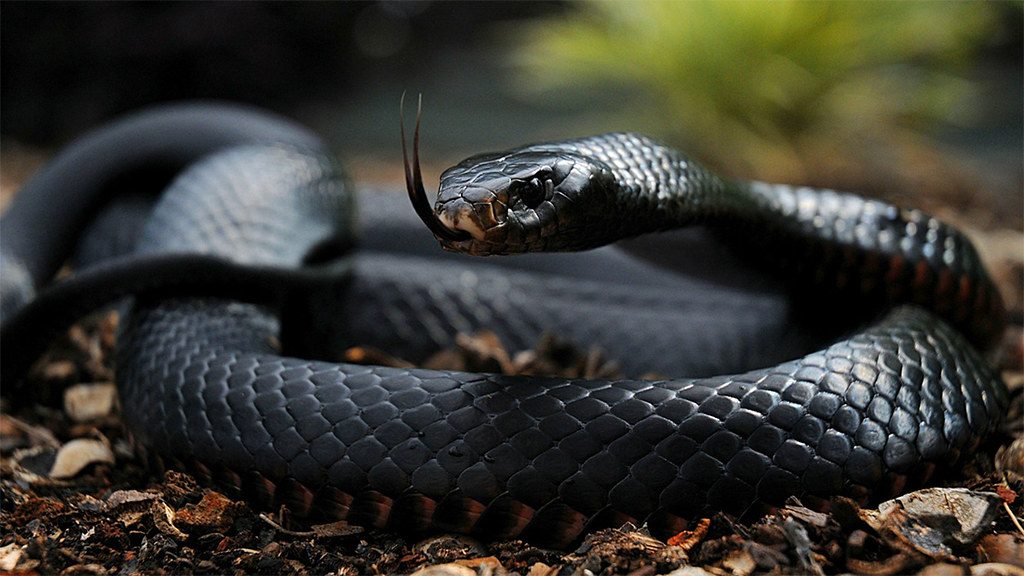
The black mamba is widely feared as one of the fastest and most aggressive snakes in Africa. It can move across the ground at speeds reaching twelve miles per hour to chase down fleeing victims. When cornered, this reptile strikes repeatedly with incredible accuracy and injects potent neurotoxic venom with every bite. The venom acts rapidly to shut down the nervous system and cause respiratory failure within a short time. Its grey mouth interior serves as a terrifying warning display before the attack begins. Avoiding this snake is difficult because it reacts to threats with immediate aggression.
Trap-Jaw Ant
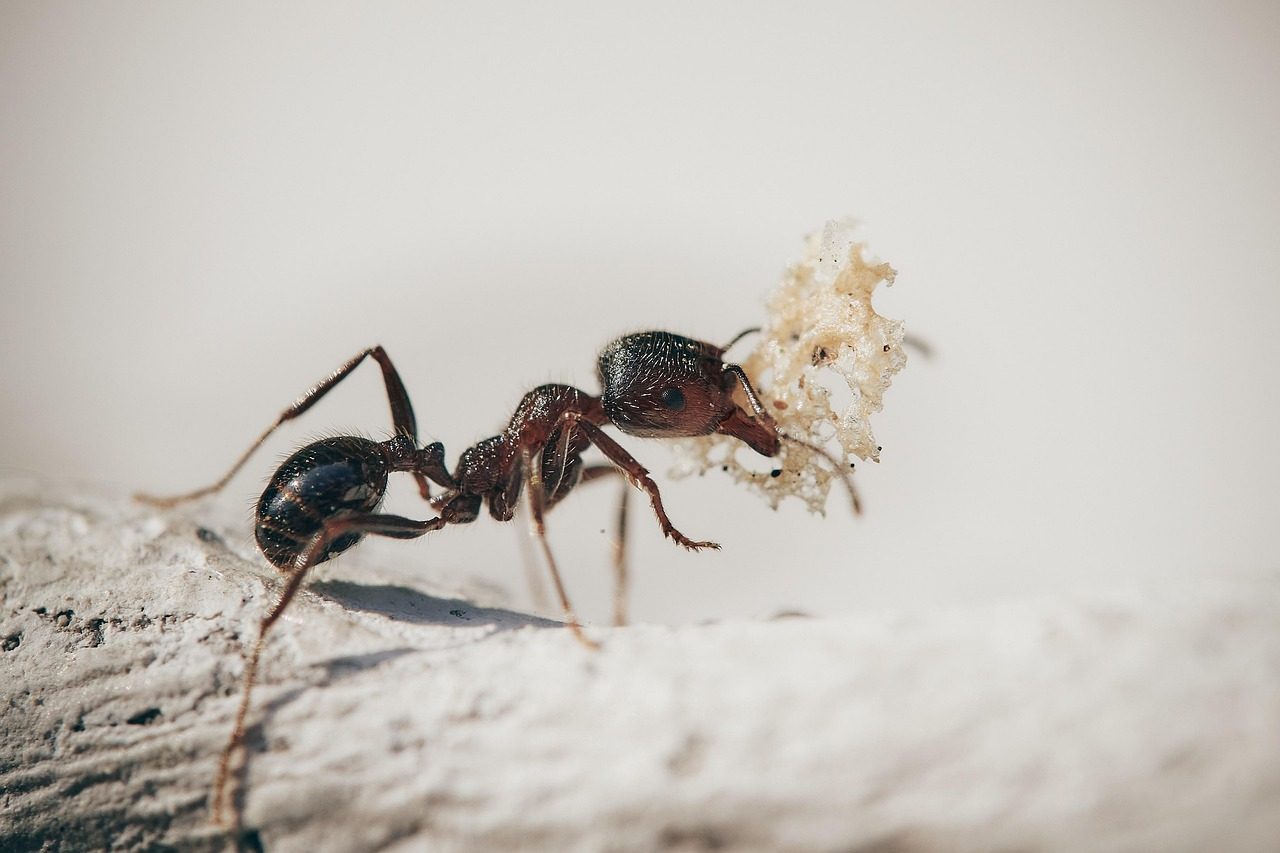
Trap-jaw ants possess mandibles that snap shut at speeds exceeding one hundred and forty miles per hour. This mechanism is one of the fastest recorded predatory movements in the entire animal kingdom. The ant uses this spring-loaded jaw to capture prey or to launch itself backward away from danger. Trigger hairs on the mandibles sense contact and release the stored energy in a fraction of a millisecond. This biological catapult allows the insect to escape predators that are much larger and faster. Their entire survival strategy revolves around this high-speed snapping action used for both hunting and defense.
Death Adder
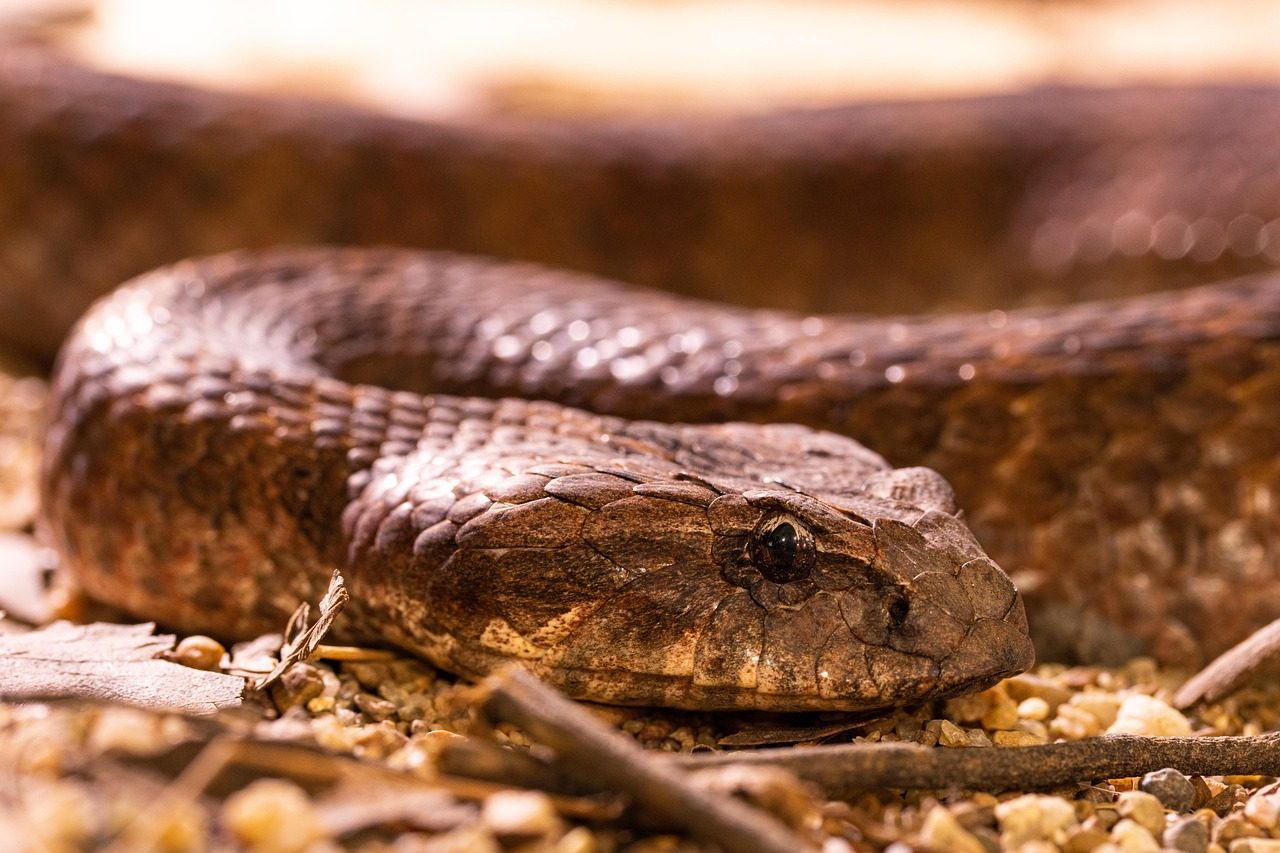
Australian death adders are masters of camouflage that rely on the fastest strike of any snake species. They bury themselves in leaf litter and wiggle a worm-like lure at the end of their tail to attract curious prey. When a lizard or bird investigates the movement, the adder strikes in less than a tenth of a second. The attack is so fast that the human eye cannot register the motion until the snake returns to its coil. Their venom is highly toxic and attacks the nerves effectively. Reliance on speed and stealth makes them dangerous to unwary hikers.
Striated Frogfish
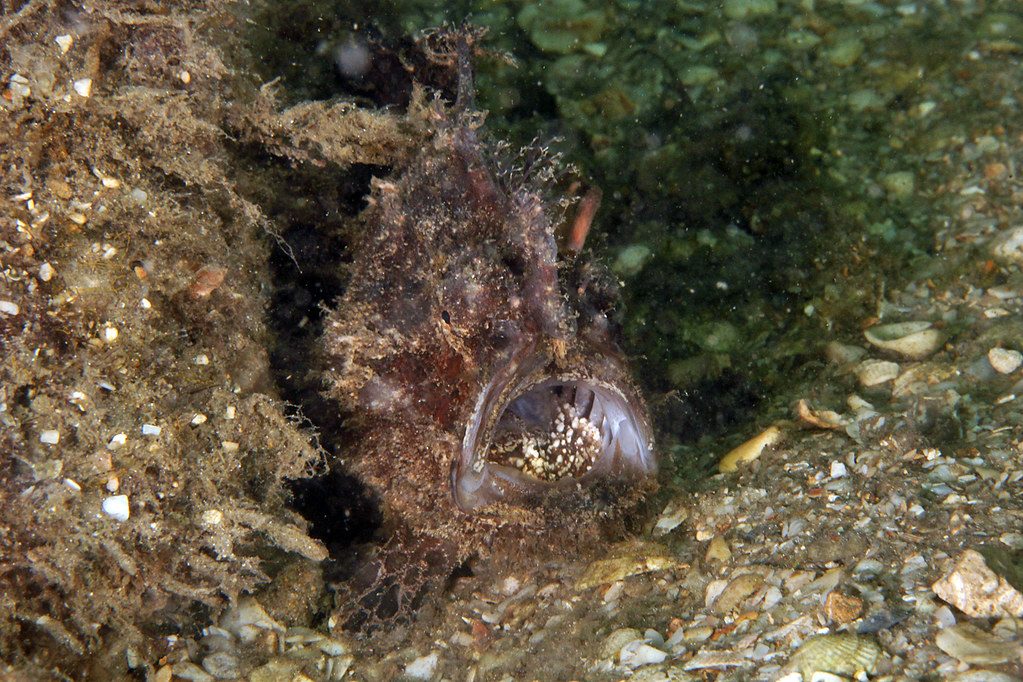
Frogfish are experts at aggressive mimicry and possess the fastest feeding strike of any vertebrate fish. They blend perfectly with coral or sponges and remain motionless while waiting for a meal to swim past. Their mouth expands rapidly to create a vacuum that sucks the prey inside in just six milliseconds. This suction feeding happens so quickly that slow-motion cameras are required to see the event clearly. The prey simply vanishes from the water column without ever realizing it was in danger. This camouflage and speed combination allows them to eat fish nearly as large as themselves.
Dragonfly
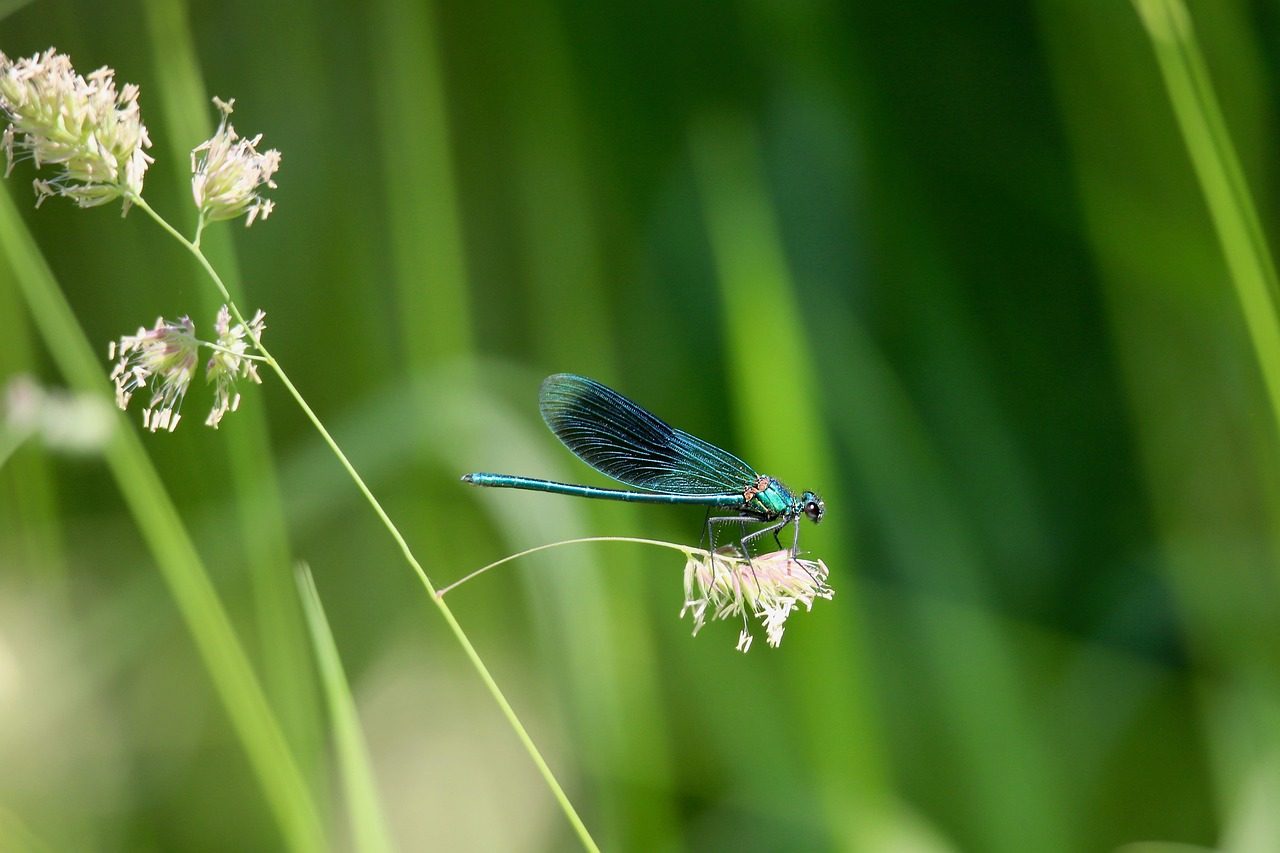
Dragonflies are ancient aerial predators that calculate the trajectory of their prey to intercept it mid-flight. They capture insects like mosquitoes and flies with a success rate that exceeds ninety-five percent in the wild. Their four wings operate independently, which allows them to hover, dive, and turn instantly. A dragonfly snatches its victim with its legs while flying at speeds up to thirty-five miles per hour. This interception method is far more efficient than simply chasing the target from behind. Their compound eyes provide a nearly three-hundred-sixty-degree view to spot potential meals from any direction.
Geography Cone Snail
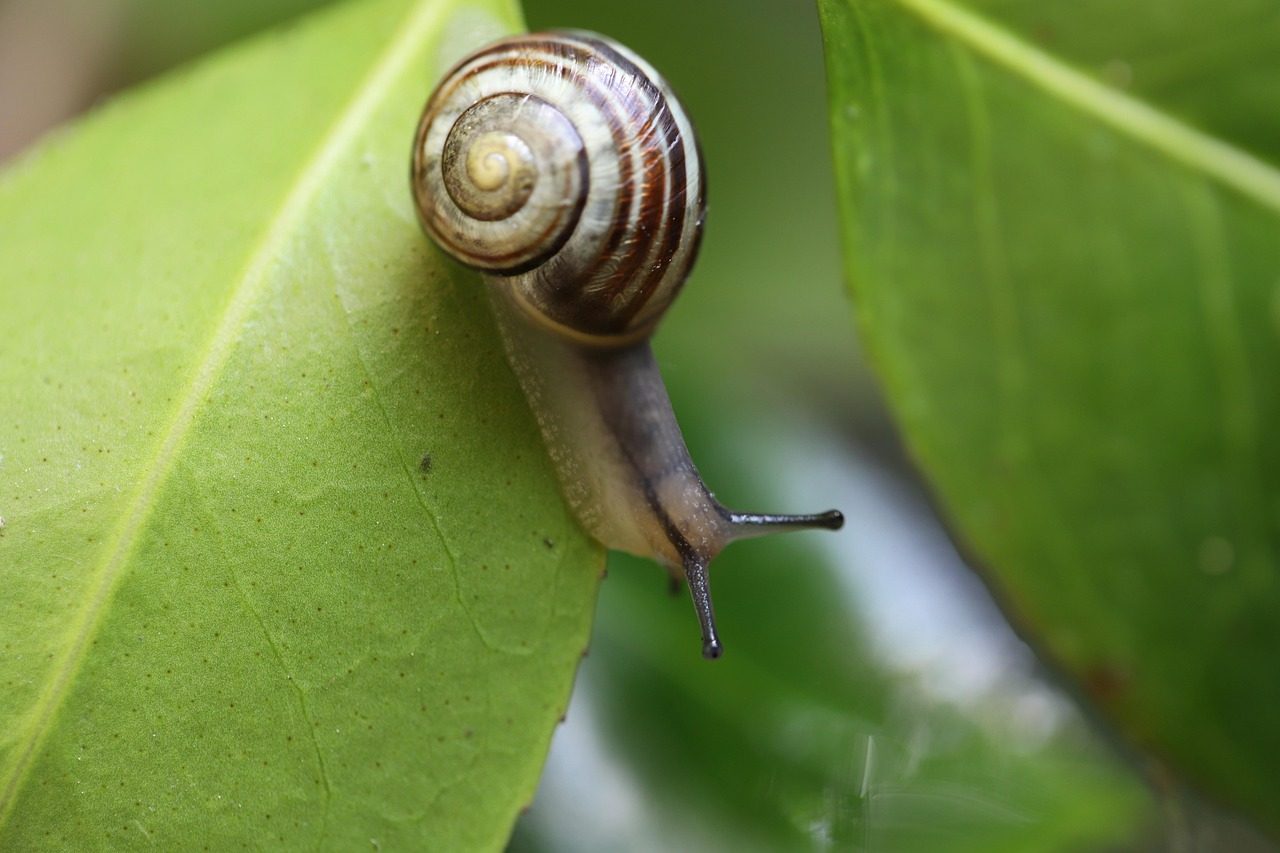
The geography cone snail may look harmless, but it hunts fish with a venomous harpoon-like tooth. It detects sleeping fish by scent and extends a proboscis slowly towards the intended target. Once in range, the snail fires the harpoon instantly to inject a complex cocktail of paralyzing toxins. The fish is immobilized immediately, which prevents it from swimming away or thrashing about. This slow-moving gastropod relies entirely on chemical warfare delivered with high-speed precision to catch fast vertebrates. Collectors must be extremely careful because a single sting can be fatal to humans due to the potent venom.