Nature often plays tricks on perception. Some animals appear intimidating due to size, posture, or facial features, yet their behavior tells a very different story. Domestication, selective breeding, and gentle temperaments can turn fierce appearances into harmless companions. These animals are frequently misunderstood, judged by looks rather than reality. Understanding their true nature helps break myths and encourages respectful coexistence. This list explores animals that may look dangerous at first glance but are not wild and are generally safe around humans when treated properly. Appearance alone rarely tells the full story in the animal world.
1. Tibetan Mastiff
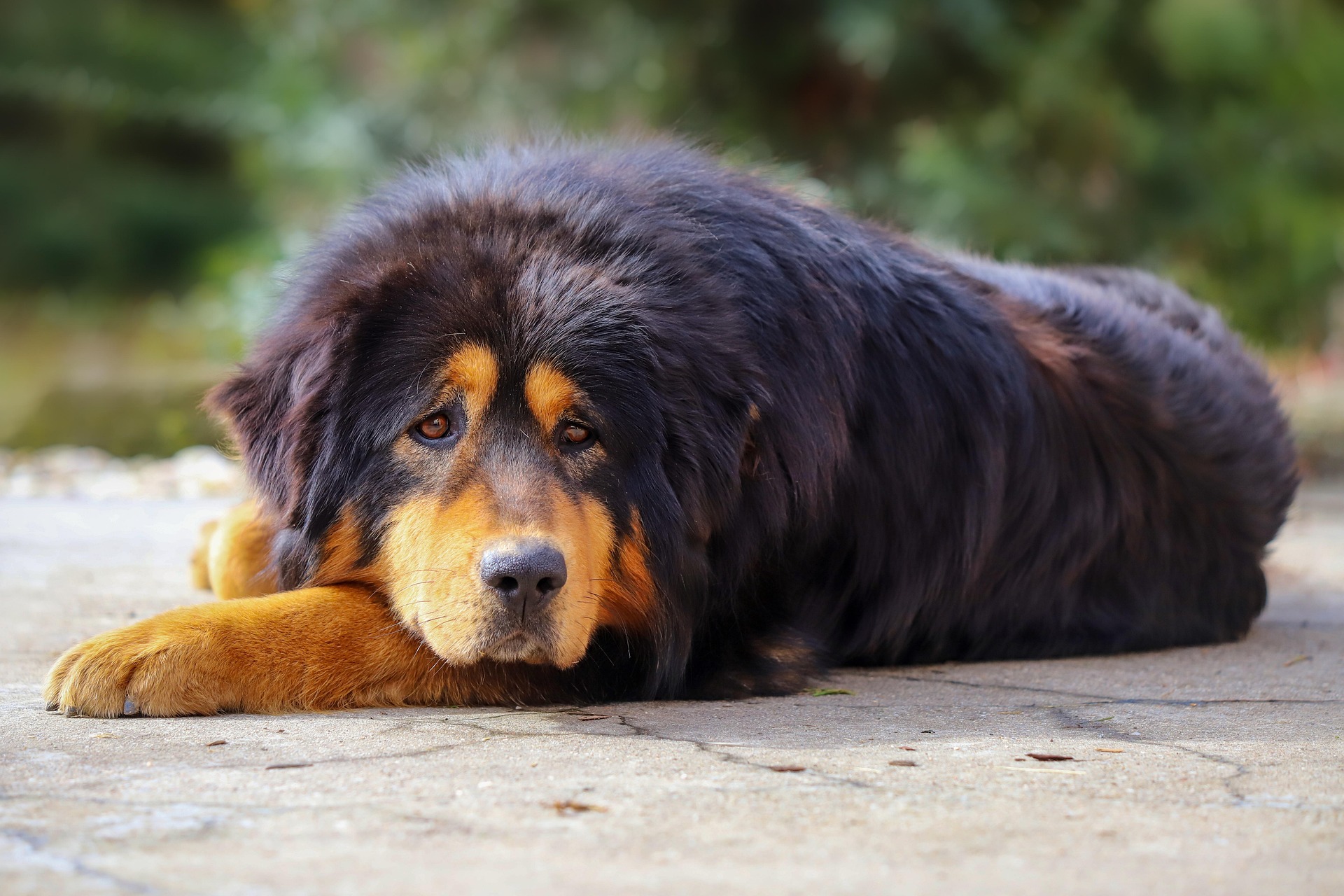
The Tibetan Mastiff looks like something out of a legend. Its massive frame, thick mane, and deep bark create an image of a fearsome predator. In reality, this dog is calm, loyal, and deeply attached to its family. Bred historically to guard livestock, it relies more on presence than aggression. Tibetan Mastiffs are independent thinkers, not attack dogs. They are protective but not violent without reason. When properly trained and socialized, they are gentle with children and respectful toward strangers. Their intimidating look hides a composed and thoughtful temperament shaped by centuries of human companionship.
2. Ankole-Watusi Cattle
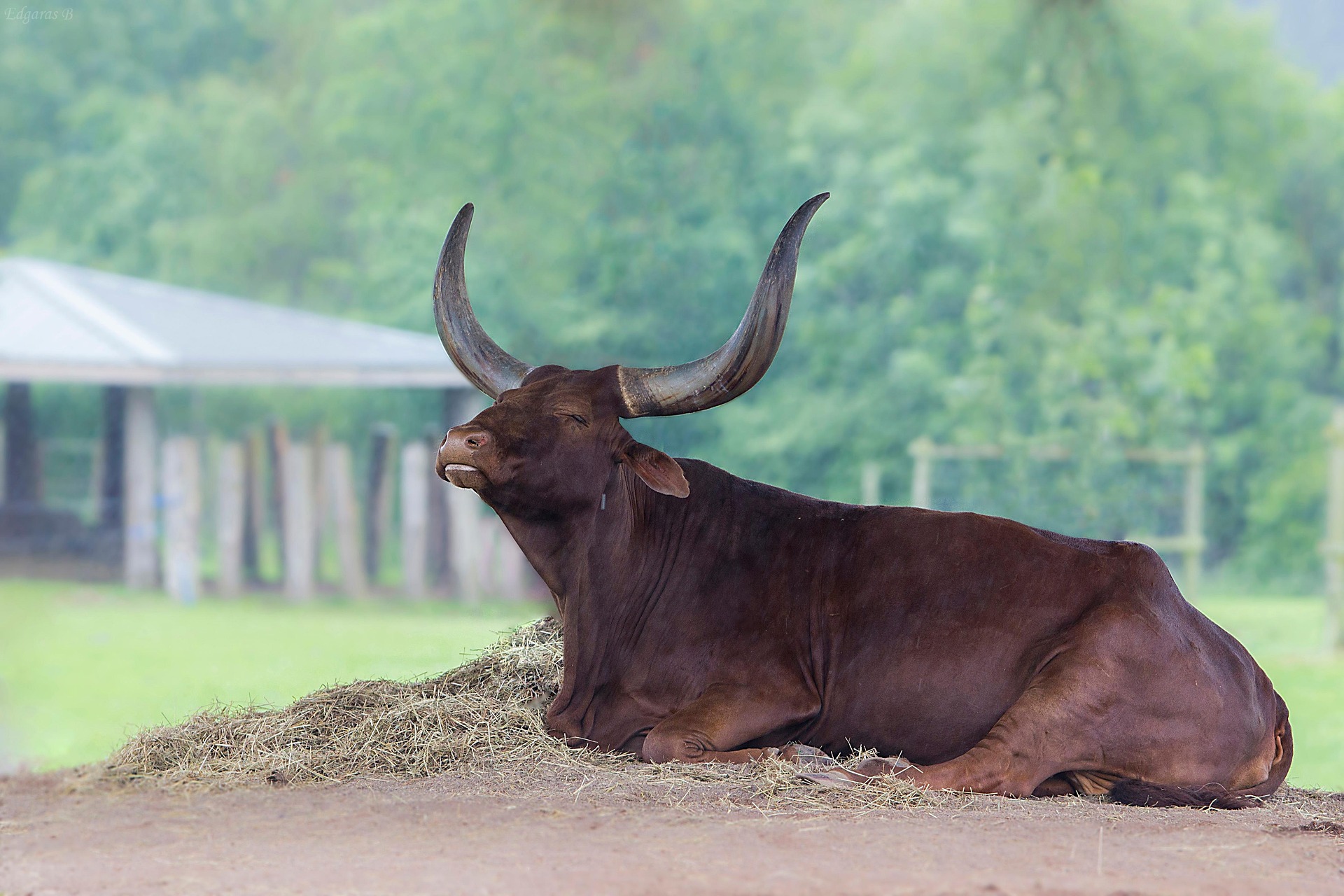
With horns that can span over eight feet, Ankole-Watusi cattle look incredibly dangerous. Their appearance alone can make people uneasy. Despite this, they are one of the calmest cattle breeds in the world. These animals were raised closely with humans for generations in Africa, resulting in a gentle and tolerant nature. The large horns help regulate body temperature, not combat threats. Ankole-Watusi cattle move slowly, respond well to handlers, and rarely show aggression. Their dramatic silhouette masks a peaceful grazing lifestyle built around domestication and human care rather than wild survival instincts.
3. Percheron Horse
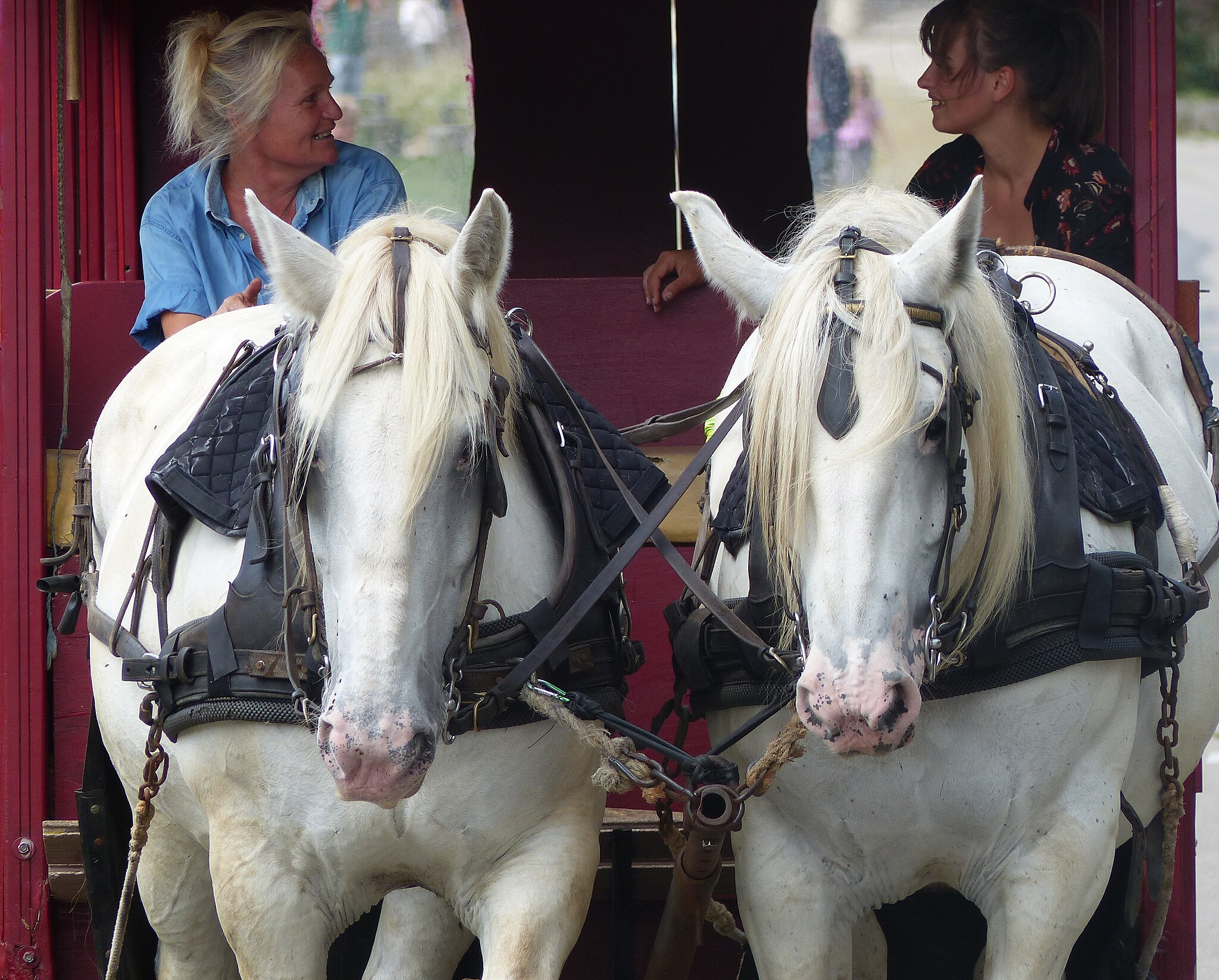
Percheron horses are enormous, muscular, and powerful, often weighing over a ton. Their size can be intimidating, especially to those unfamiliar with draft horses. However, Percherons are famously gentle and cooperative. Bred for pulling heavy loads, they were designed to work closely with humans. Their calm disposition makes them excellent for farm work, parades, and even therapeutic programs. They are patient, intelligent, and responsive to guidance. The Percheron’s strength is balanced by a steady temperament, proving that physical power does not equal aggression in domesticated animals.
4. Cane Corso

The Cane Corso has a serious expression, cropped ears in some regions, and a muscular build that suggests danger. In truth, this breed is highly trainable, loyal, and stable when responsibly raised. Originating as a working dog, it thrives on structure and leadership. Cane Corsos are protective but not unpredictable. They form strong bonds with their families and are typically calm indoors. Aggression usually results from poor training, not instinct. With proper care, the Cane Corso becomes a reliable guardian and affectionate companion rather than the threat its appearance implies.
5. American Bison
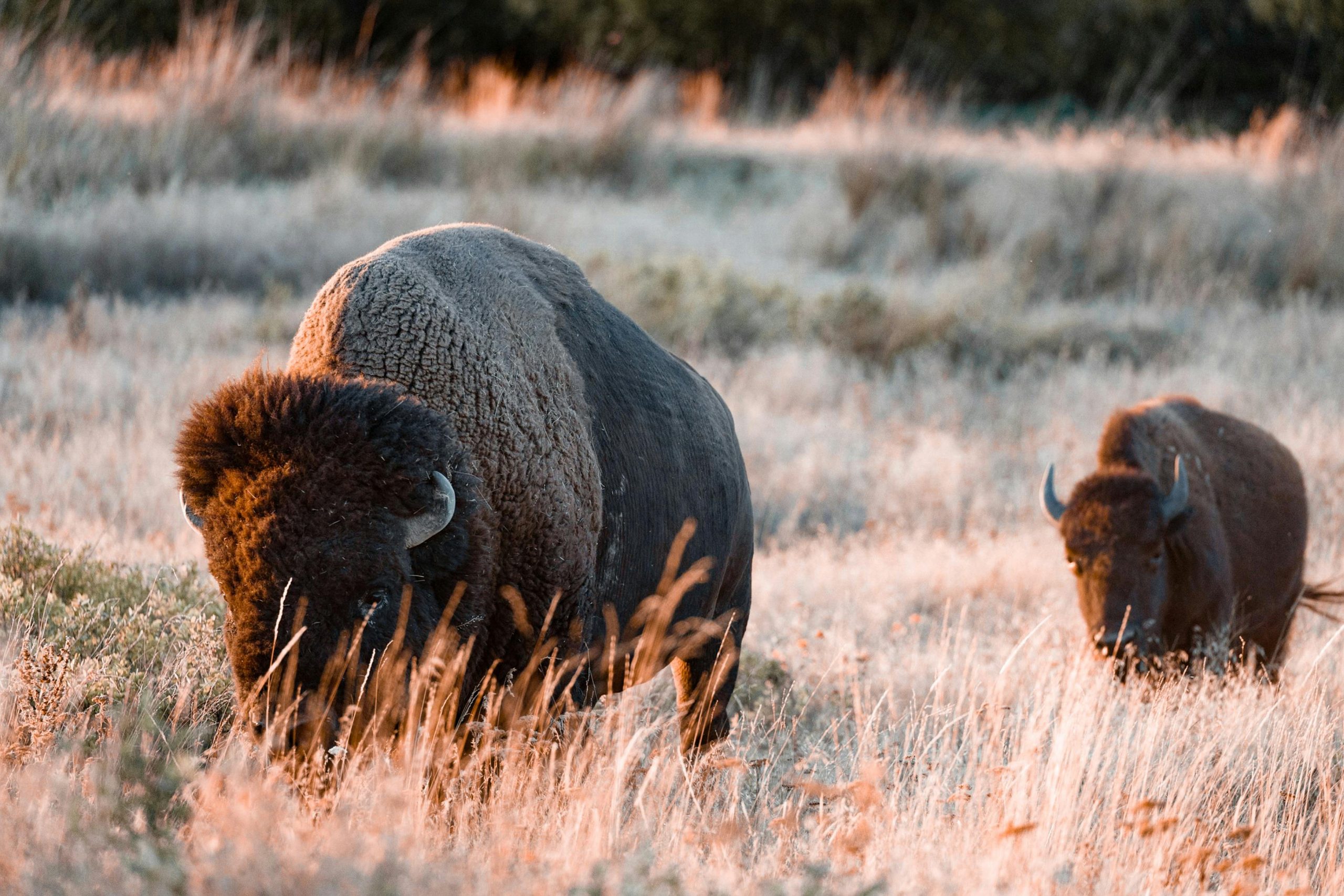
The American bison looks wild, heavy, and unstoppable. Its massive shoulders and curved horns suggest an uncontrollable animal. While bison are not pets, they are not wild predators either. They are grazing animals with predictable behavior patterns. Bison generally avoid humans and react defensively only when threatened. Their intimidating look comes from size, not hostility. Managed herds exist across North America, showing their ability to live under human care. Though respect is necessary, their presence represents power and endurance rather than inherent aggression or wild unpredictability.
6. Boer Goat
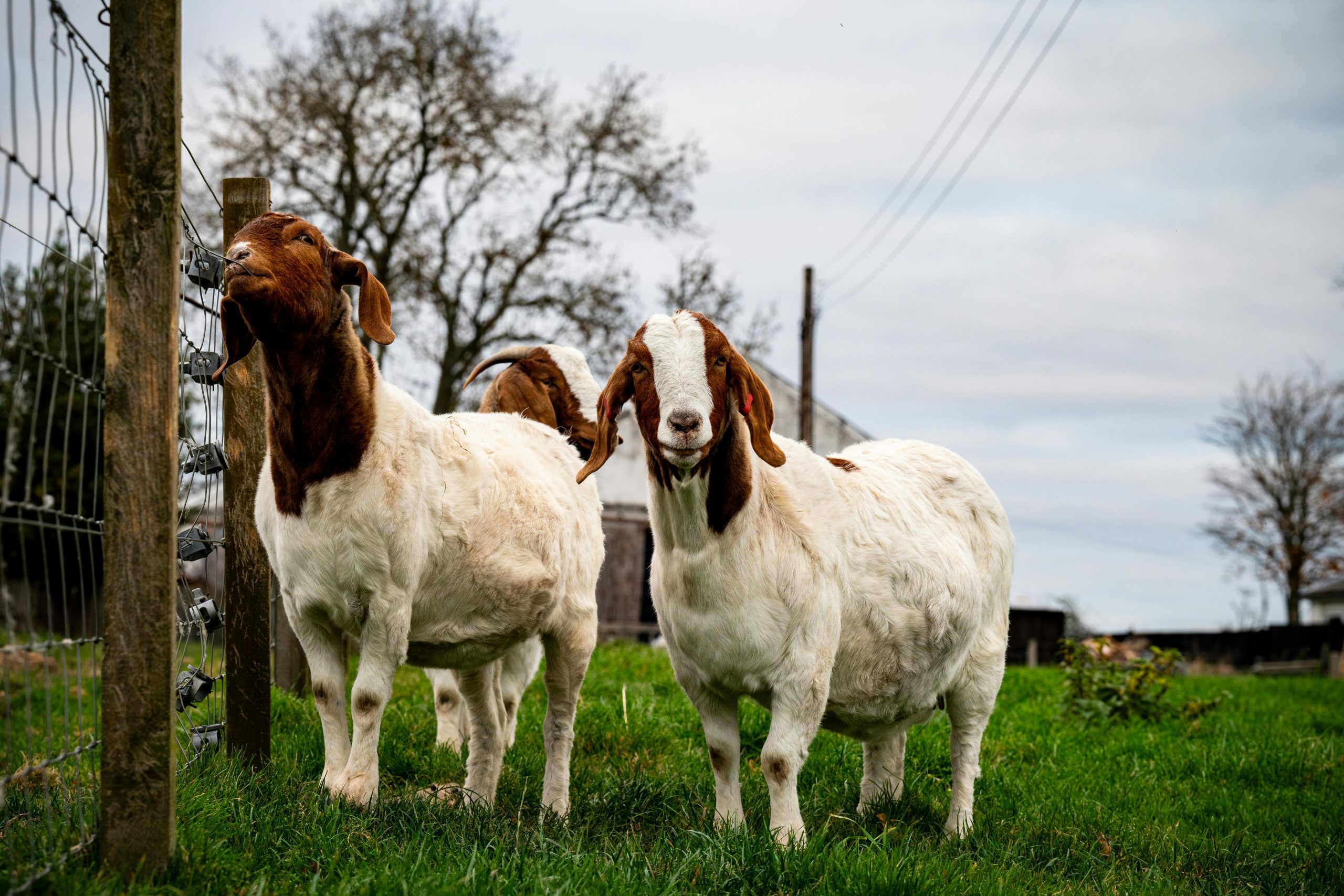
Boer goats are thick-bodied, horned, and strong, giving them a tough appearance. People often assume they are aggressive or difficult to handle. In reality, Boer goats are docile and easygoing. Bred specifically for meat production, they were selected for calm behavior and fast growth. They tolerate human handling well and are often used in small farms. Their horns are more for defense against predators than for conflict. Boer goats prefer grazing and resting over confrontation. Their sturdy build hides a relaxed temperament shaped by generations of domesticated breeding.
7. Scottish Highland Cattle
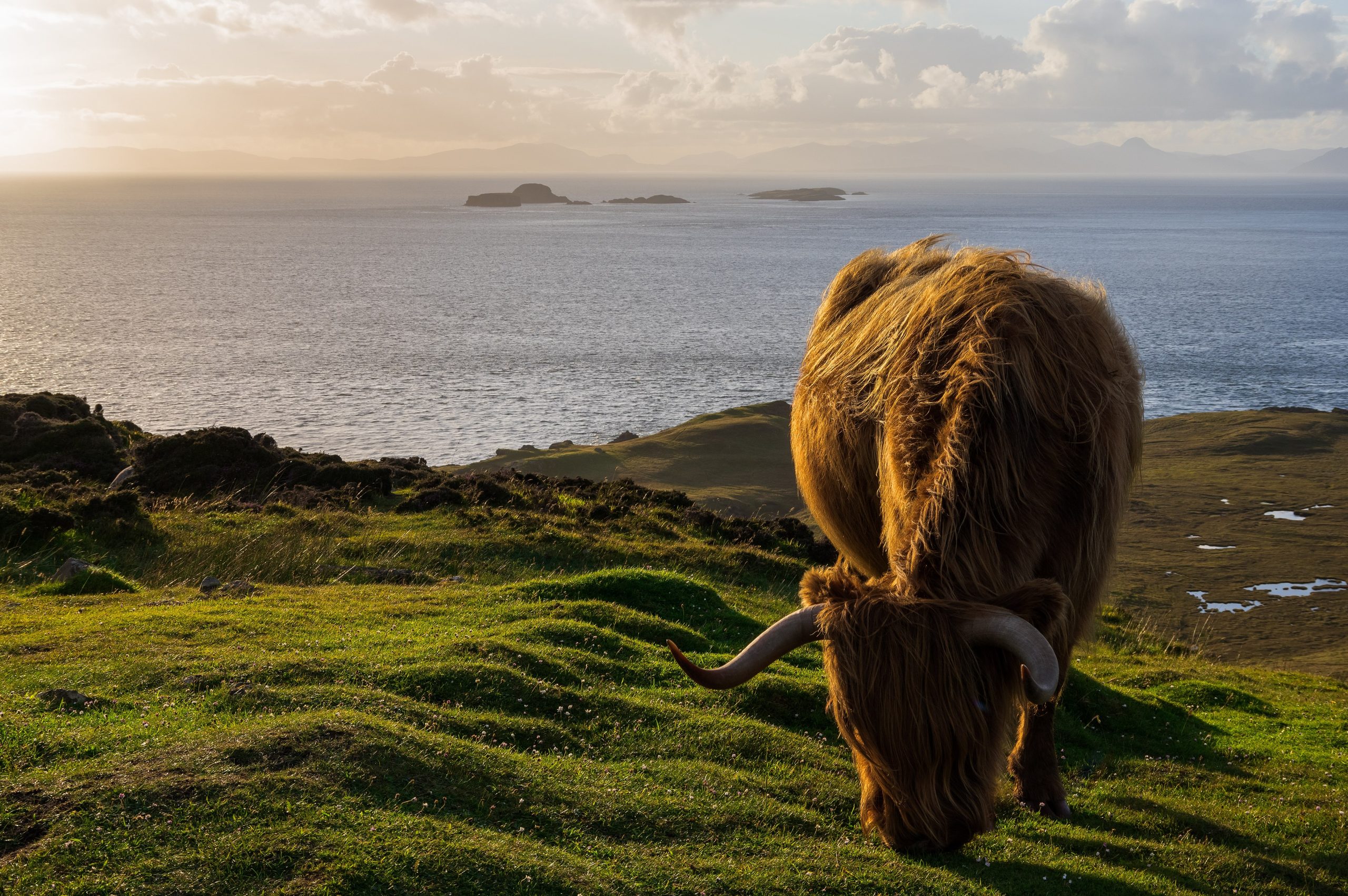
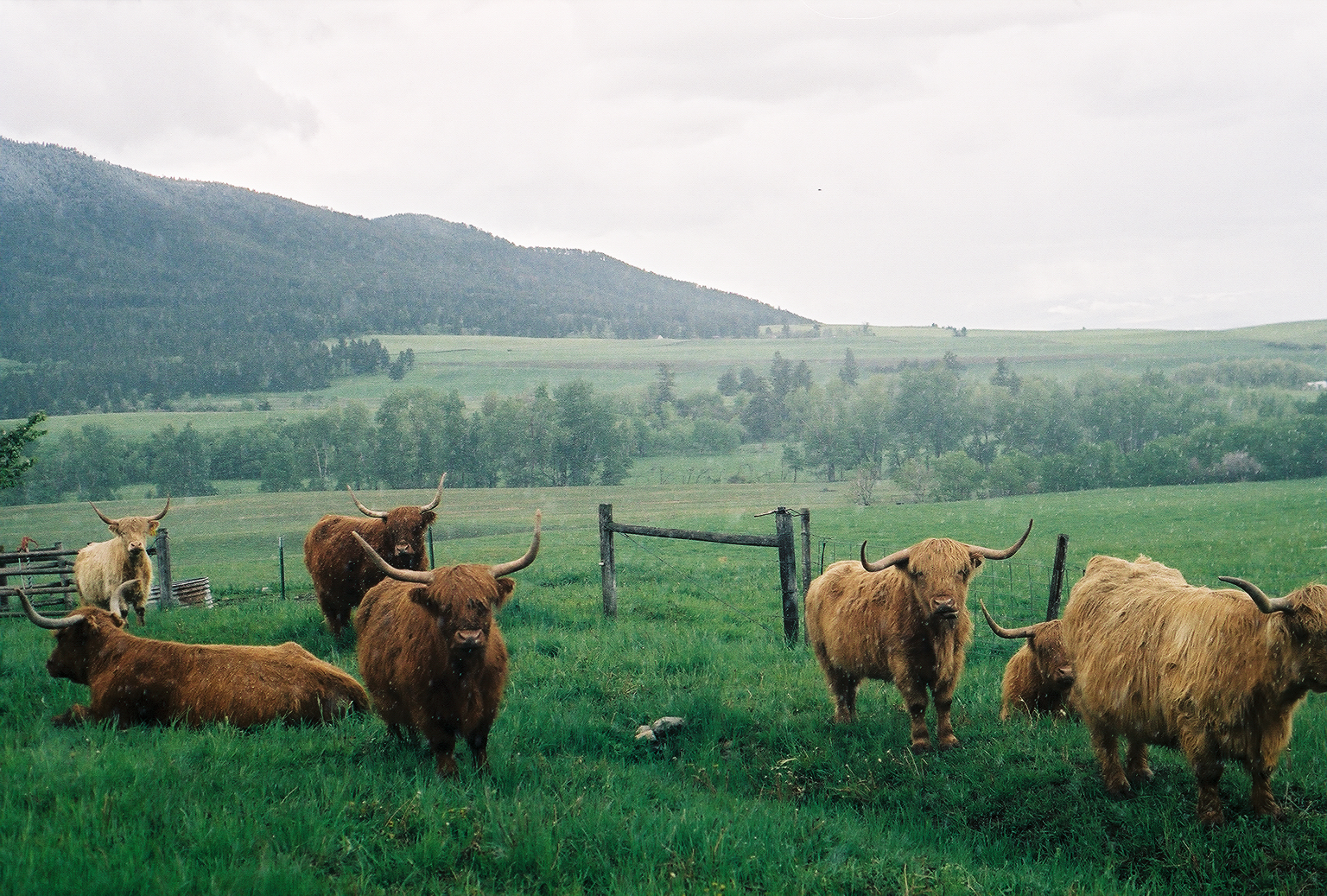
Long horns and shaggy coats give Scottish Highland cattle a rugged, almost prehistoric look. Despite this, they are known for being calm and approachable. These cattle evolved to survive harsh weather, not to intimidate threats. They are slow-moving, patient, and easy to manage. Farmers often note their friendly behavior toward humans. The horns serve practical purposes, including digging through snow. Highland cattle spend most of their time grazing peacefully. Their dramatic appearance contrasts sharply with their gentle nature, making them one of the most misunderstood farm animals.
8. Belgian Malinois
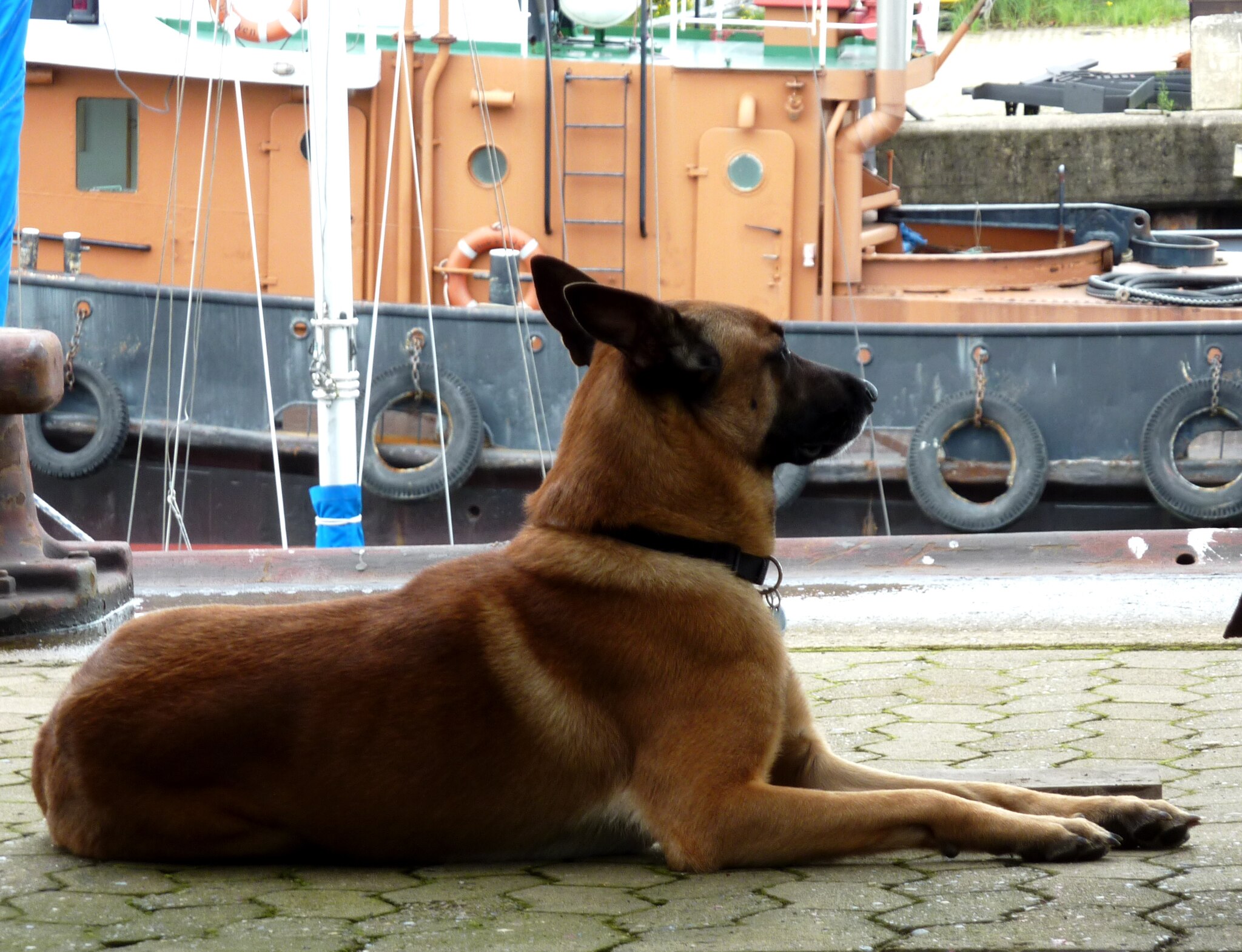
Often associated with military and police work, the Belgian Malinois looks intense and alert at all times. This leads many to believe it is aggressive by nature. In reality, the breed is highly intelligent and driven, not hostile. Malinois thrive on structure, training, and purpose. Without guidance, their energy can be misunderstood as aggression. With proper handling, they are loyal, responsive, and deeply bonded to their handlers. Their sharp focus and athletic build project danger, but their behavior reflects discipline and cooperation rather than wild or uncontrolled instincts.
9. Ostrich
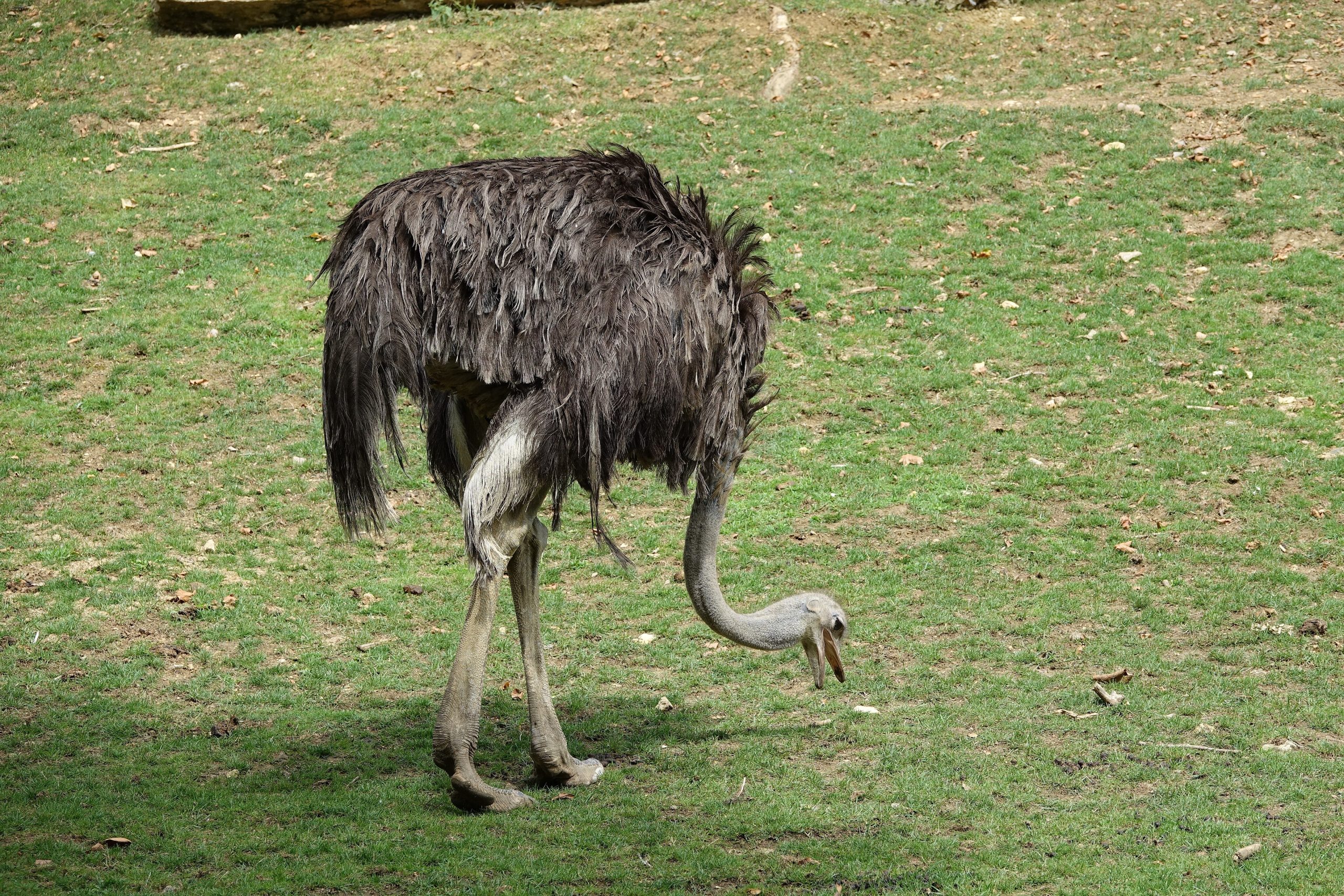
Standing taller than most humans and capable of powerful kicks, the ostrich looks genuinely dangerous. Despite this, ostriches are not predators and do not hunt or attack without reason. They rely on speed and avoidance as primary defenses. Ostriches raised in farms adapt well to human presence. Aggression usually occurs only if they feel cornered or threatened. Their intimidating size and stare exaggerate their actual behavior. Ostriches spend most of their time foraging and resting. Their appearance suggests menace, but their instincts focus on survival, not confrontation.