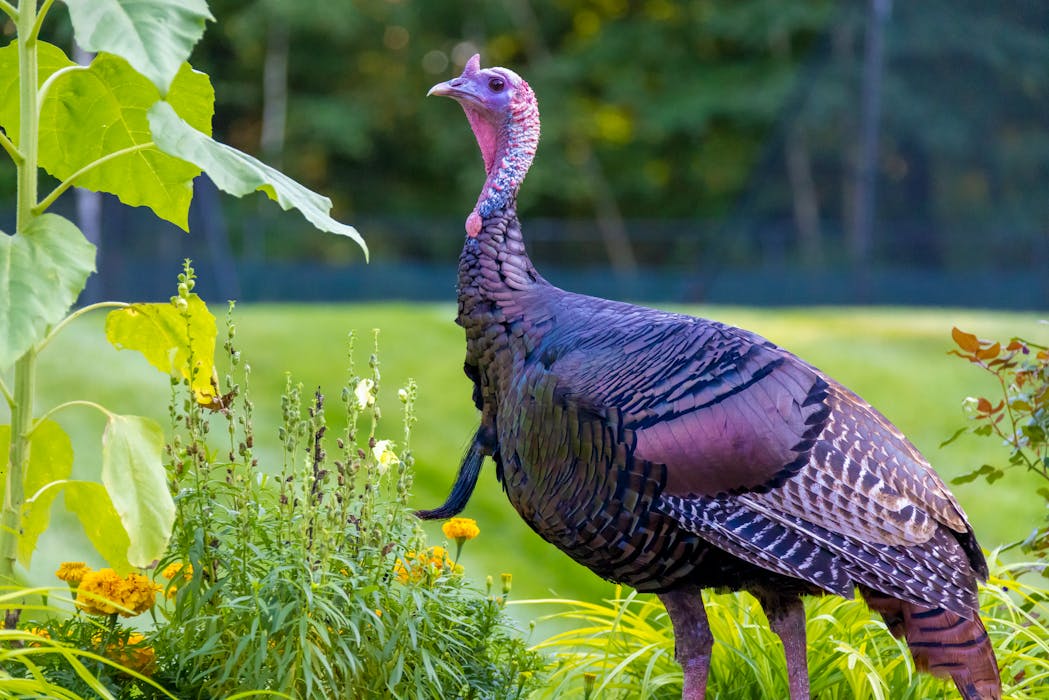
Roosted turkeys rely on consistent nighttime conditions to rest, remain alert, and prepare for early morning movement. Camp location can quietly disrupt those patterns long before sunrise. Sound, scent, light, and physical presence influence how turkeys choose roost trees and whether they remain settled overnight. Even low impact camping can interfere when placed poorly. Turkeys respond quickly to perceived threats and environmental changes. Understanding how camp placement affects roost behavior matters for hunters, wildlife watchers, and low disturbance campers. These eight ways camp location interferes with roosted turkeys explain how subtle positioning choices reshape turkey behavior overnight.
Camping Too Close To Roost Trees
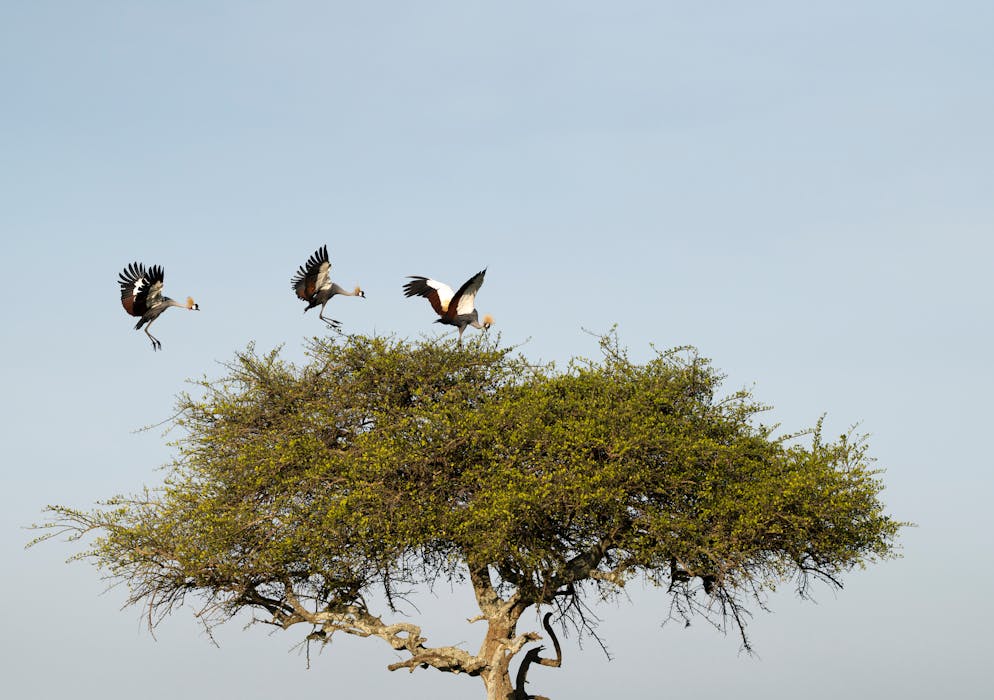
Camping too close to roost trees disrupts turkey security immediately. Turkeys choose roosts based on elevation, visibility, and escape routes. Human presence beneath or near roosts introduces unfamiliar scent and sound. Even quiet movement carries upward at night. Turkeys detect disturbance and abandon roosts before dawn. Proximity increases perceived predation risk. Birds may flush prematurely or relocate entirely. Campers often underestimate vertical scent movement. Roost areas require space. Setting camp nearby interferes with rest cycles and morning patterns. Turkeys forced to relocate overnight expend energy and alter travel routes, reducing predictability and increasing stress across the flock during critical roosting hours.
Setting Camp In Travel Corridors
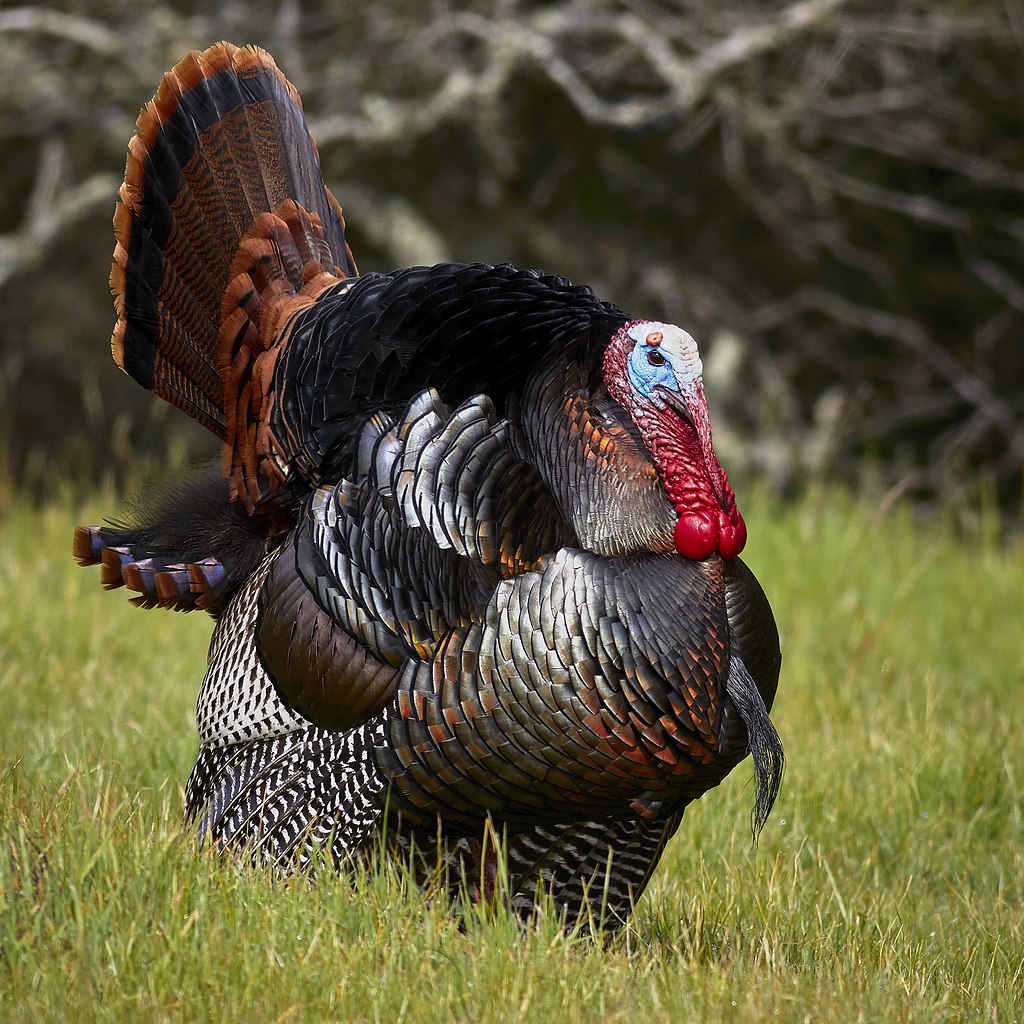
Setting camp in travel corridors interferes with roosted turkeys indirectly. Turkeys use consistent routes between roosts and feeding areas. Camps placed along ridges, logging roads, or creek bottoms block movement. Overnight scent buildup alters route confidence. Turkeys approaching roosts detect human presence and shift locations. Morning flydown paths change unexpectedly. Campers may never see birds, yet influence movement significantly. Travel corridors concentrate activity. Blocking them disrupts normal behavior. Turkeys adjust by selecting alternate roosts or delaying movement. Camp placement that intersects these corridors quietly reshapes turkey patterns without obvious signs, reducing consistent roost use and altering flock dynamics.
Camping On Elevated Ridges
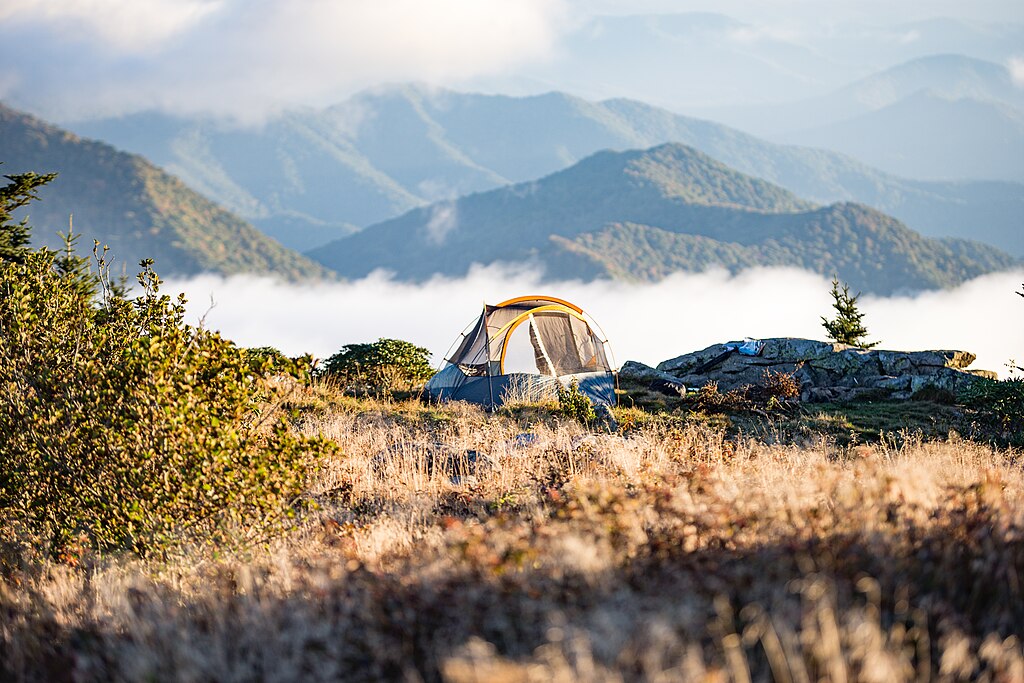
Camping on elevated ridges interferes with roosted turkeys by altering perceived dominance. Turkeys favor high ground for roosting to detect danger. Camps placed on ridges introduce silhouettes, noise, and light above surrounding terrain. Smoke and scent travel downhill. Turkeys roosting nearby sense presence from below. Elevated camps reduce security advantage. Birds may abandon otherwise ideal roosts. Campers often choose ridges for views and drainage, unaware of impact. Roost selection depends on elevation control. Competing for high ground disrupts that balance. Turkeys respond by relocating to lower, less optimal areas, altering roost distribution and early morning movement patterns across the landscape.
Using Camps Near Water Sources
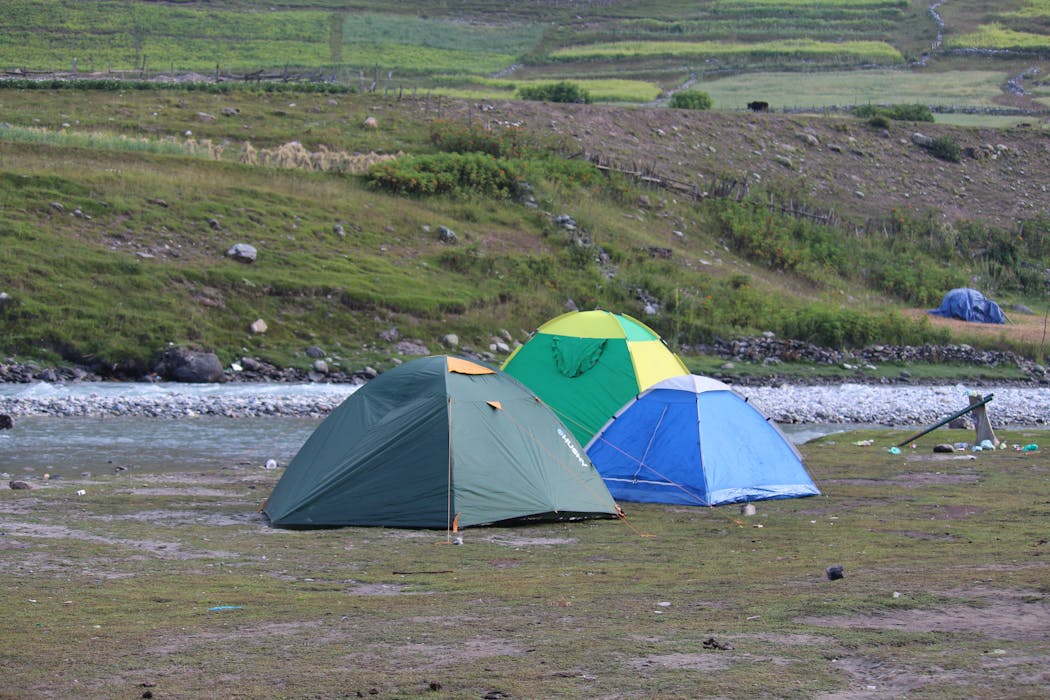
Using camps near water sources interferes with roosted turkeys through scent and activity. Turkeys frequently roost near creeks or rivers for escape and travel. Camps near water concentrate noise and smell in low areas. Evening setup coincides with roost approach. Turkeys detect disturbance and avoid nearby trees. Water carries scent downstream overnight. Morning flydown zones shift away from camp. Campers choose water for convenience, but proximity alters turkey confidence. Roost selection prioritizes safety and access. Human presence near water removes both. Turkeys relocate to quieter stretches, changing habitual roosting patterns and reducing use of otherwise reliable riparian roost areas.
Creating Light Near Roost Zones
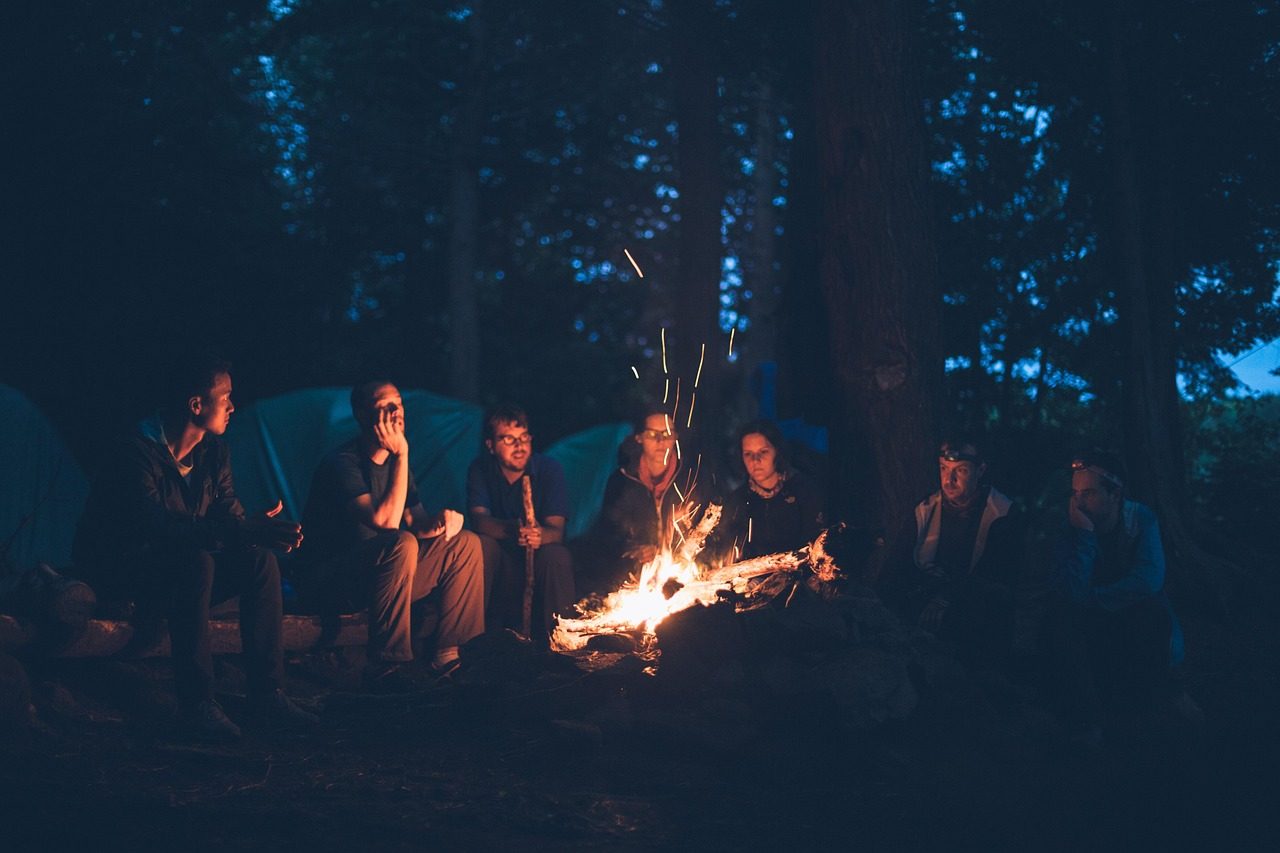
Creating light near roost zones interferes strongly with turkey behavior. Headlamps, lanterns, and fires illuminate areas turkeys expect darkness. Sudden or sustained light signals danger. Turkeys rely on darkness for concealment while roosted. Light exposure disrupts their sense of security. Even brief flashes can cause alertness and movement. Birds may shift position within trees or abandon roosts entirely. Campers often underestimate light travel through timber. Artificial light contrasts sharply with natural conditions. Roosting turkeys respond quickly. Camps that produce light near roost zones change overnight behavior, increasing early flushes and altering morning flydown timing and direction unpredictably.
Camping Downwind Of Roost Areas
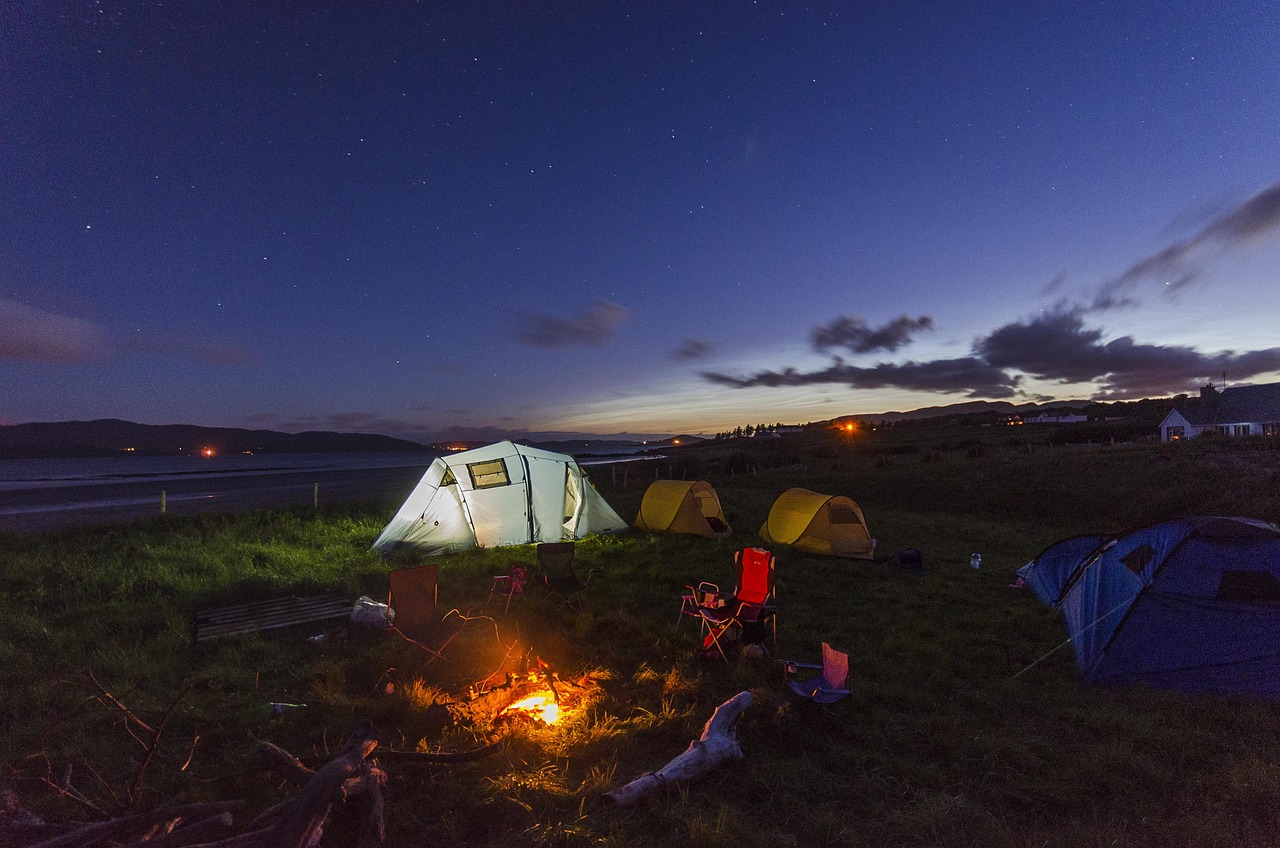
Camping downwind of roost areas interferes with turkeys through scent detection. Turkeys possess keen awareness of airborne cues. Human scent drifting toward roost trees triggers avoidance. Overnight thermals carry scent uphill or downhill depending on conditions. Camps positioned downwind expose roosts continuously. Turkeys may tolerate brief disturbance but avoid sustained scent presence. Campers rarely consider wind direction overnight. Changing winds compound impact. Roosted birds associate scent with threat. They relocate to areas with cleaner airflow. Camp placement ignoring wind dynamics interferes with roost stability, causing turkeys to abandon familiar trees and altering established roosting patterns across multiple nights.
Establishing Camp Too Early Near Roosts
Establishing camp too early near roosts interferes with turkey evening routines. Turkeys approach roosts gradually before dusk. Early human activity overlaps with staging behavior. Noise, movement, and scent disrupt pre roosting patterns. Birds may delay roosting or choose alternate trees. Once disturbed, turkeys remember locations. Even if camps quiet later, impact persists. Campers arriving early believe disturbance fades by nightfall. Turkeys interpret early presence as ongoing threat. Roost decisions shift accordingly. Setting camp too early near roost areas interferes with turkey timing, leading to altered roost selection, delayed settling, and increased nighttime movement.
Camping In Narrow Valleys
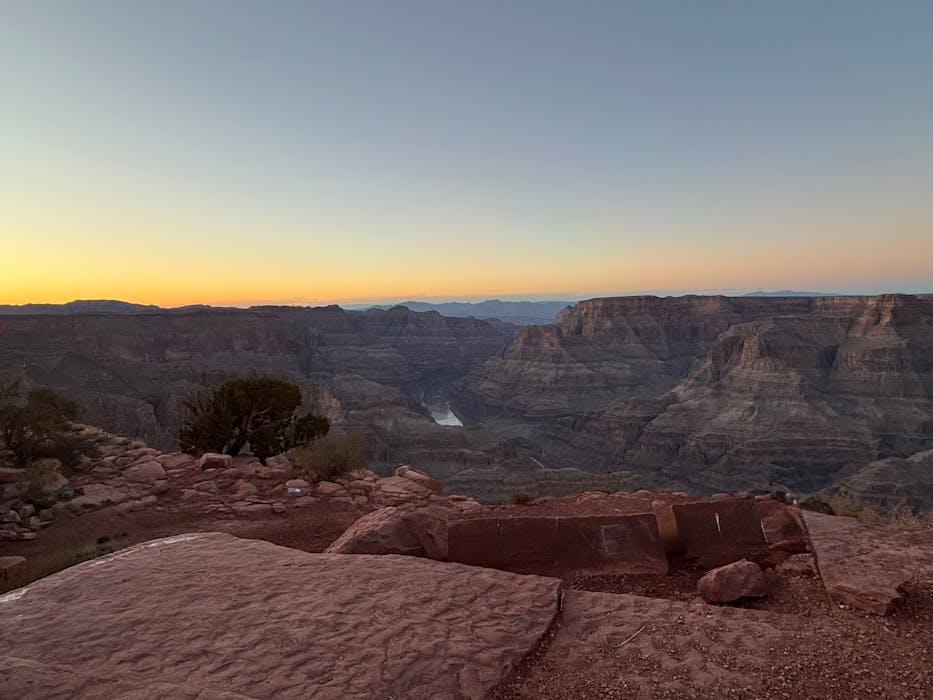
Camping in narrow valleys interferes with roosted turkeys by amplifying disturbance. Valleys funnel sound, scent, and light. Noise echoes upward toward roost trees. Smoke and odor concentrate in confined spaces. Turkeys roosting along slopes detect disturbance more easily. Valleys often serve as travel and feeding routes. Camps placed there affect multiple functions. Turkeys sense increased risk and avoid nearby roosts. Campers favor valleys for shelter, unaware of impact. Narrow terrain magnifies presence. Roosting turkeys respond by moving higher or farther away, reducing roost density and altering traditional valley associated roosting and movement patterns overnight.