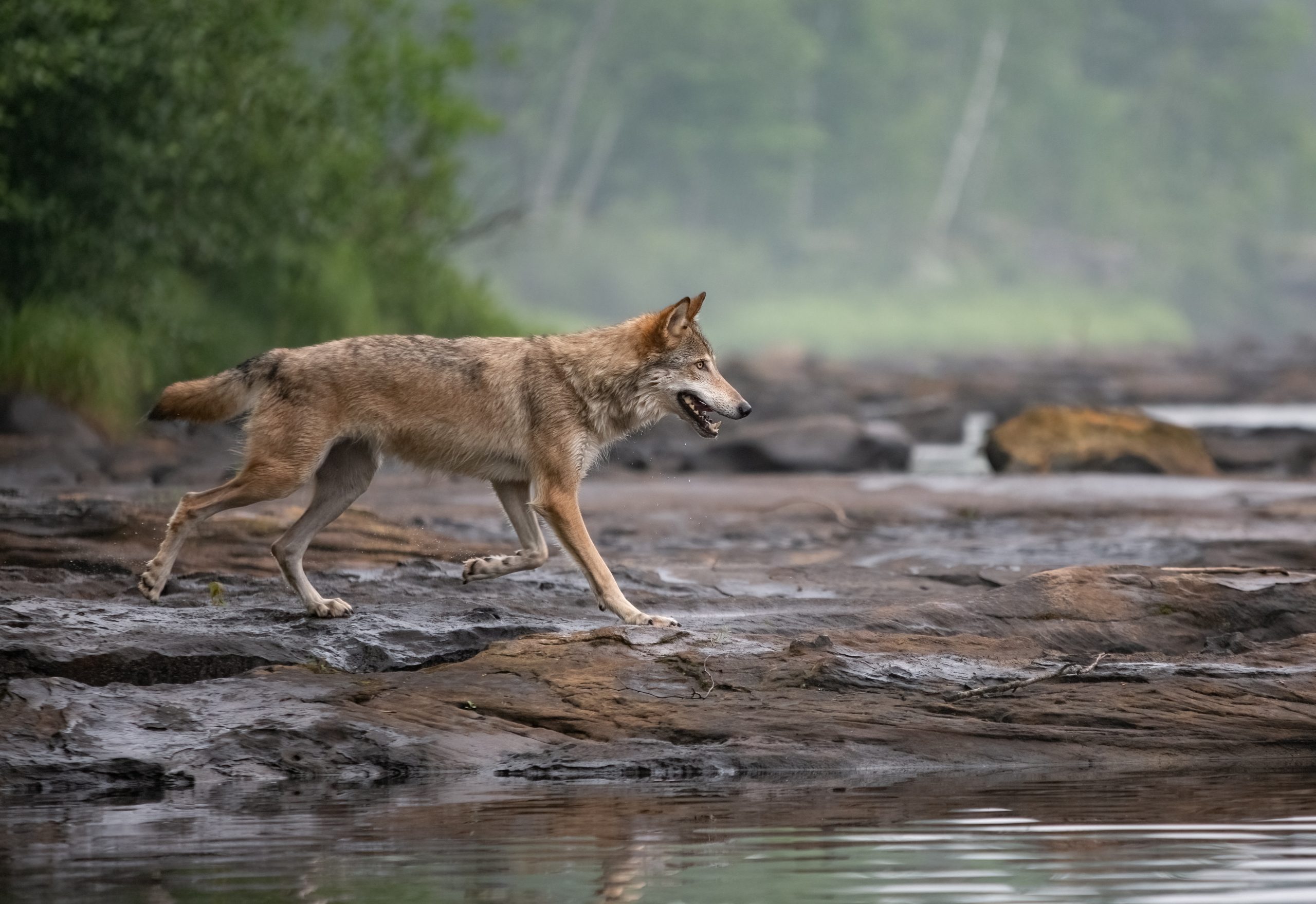
For the first time in decades, wolves are steadily reclaiming parts of the United States where they were once absent or nearly extinct. After years of extreme persecution in the early 20th century, legal protections under the Endangered Species Act helped gray wolves and their subspecies recover. Conservation efforts, protected wilderness corridors, and reintroduction programs have allowed wolves to expand into new habitats, adapt to changing landscapes, and increase their population footprint across the country. This resurgence is not uniform; some states are seeing rapid growth, others steady stabilization, and a few represent important frontiers where wolves are just beginning to re‑establish breeding populations. Here’s a deeper look at eight states where wolf populations are expanding significantly and why each one matters in the broader story of wolf recovery in America.
1. Minnesota
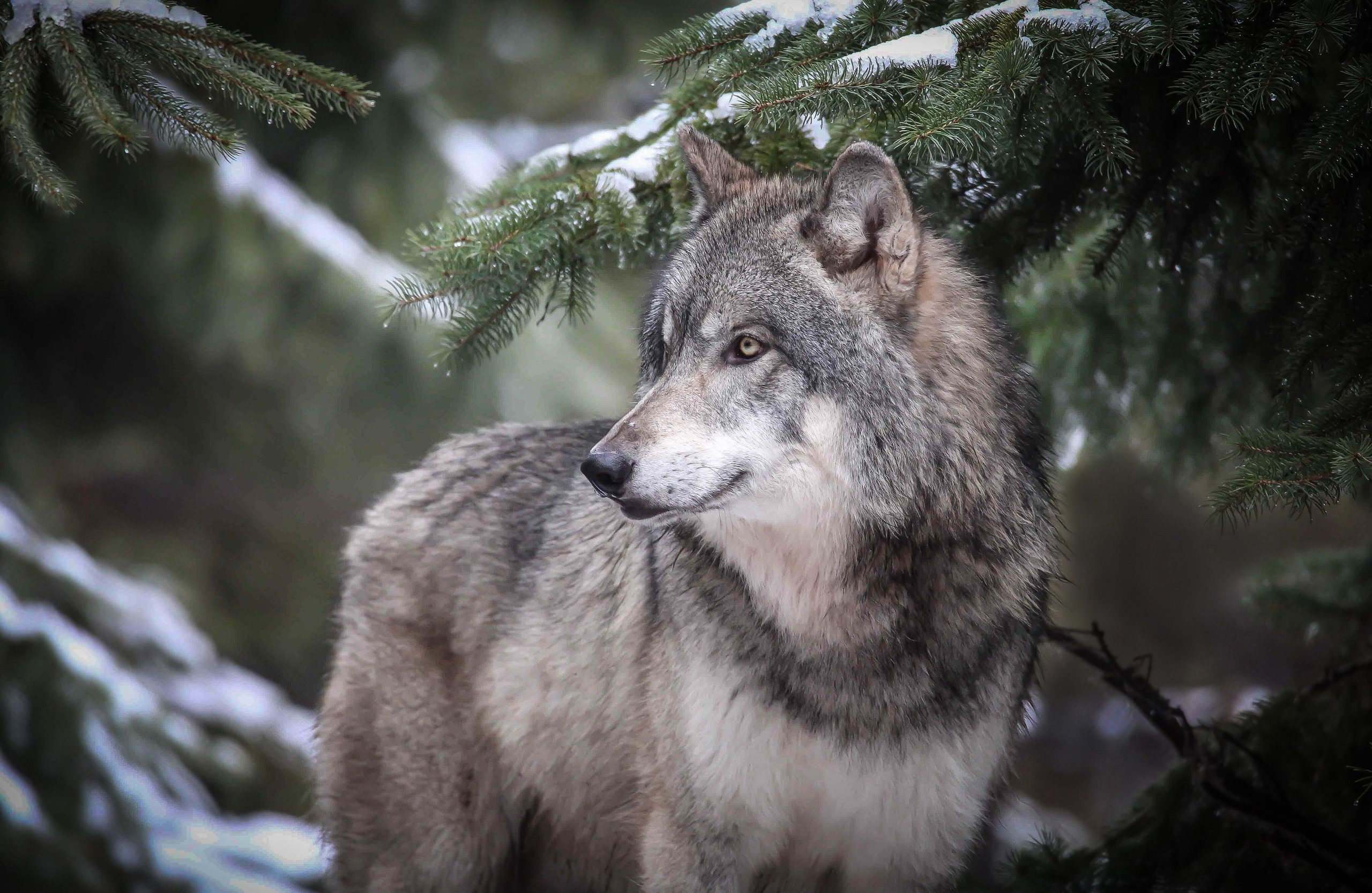
Minnesota’s wolf population stands among the largest in the lower 48 states and remains a cornerstone of U.S. wolf recovery. Decades of protective measures have allowed the gray wolf to flourish across vast northern forests, lakes, and low‑density human zones. Current estimates place the population in the thousands, reflecting ongoing stability and natural dispersal from Canada. The state’s wolf presence supports complex ecosystems by balancing prey species like deer and elk. Strong state wildlife management partnerships, scientific monitoring, and public education have all contributed to Minnesota’s role as a resilient wolf stronghold in the contiguous United States.
2. Wisconsin
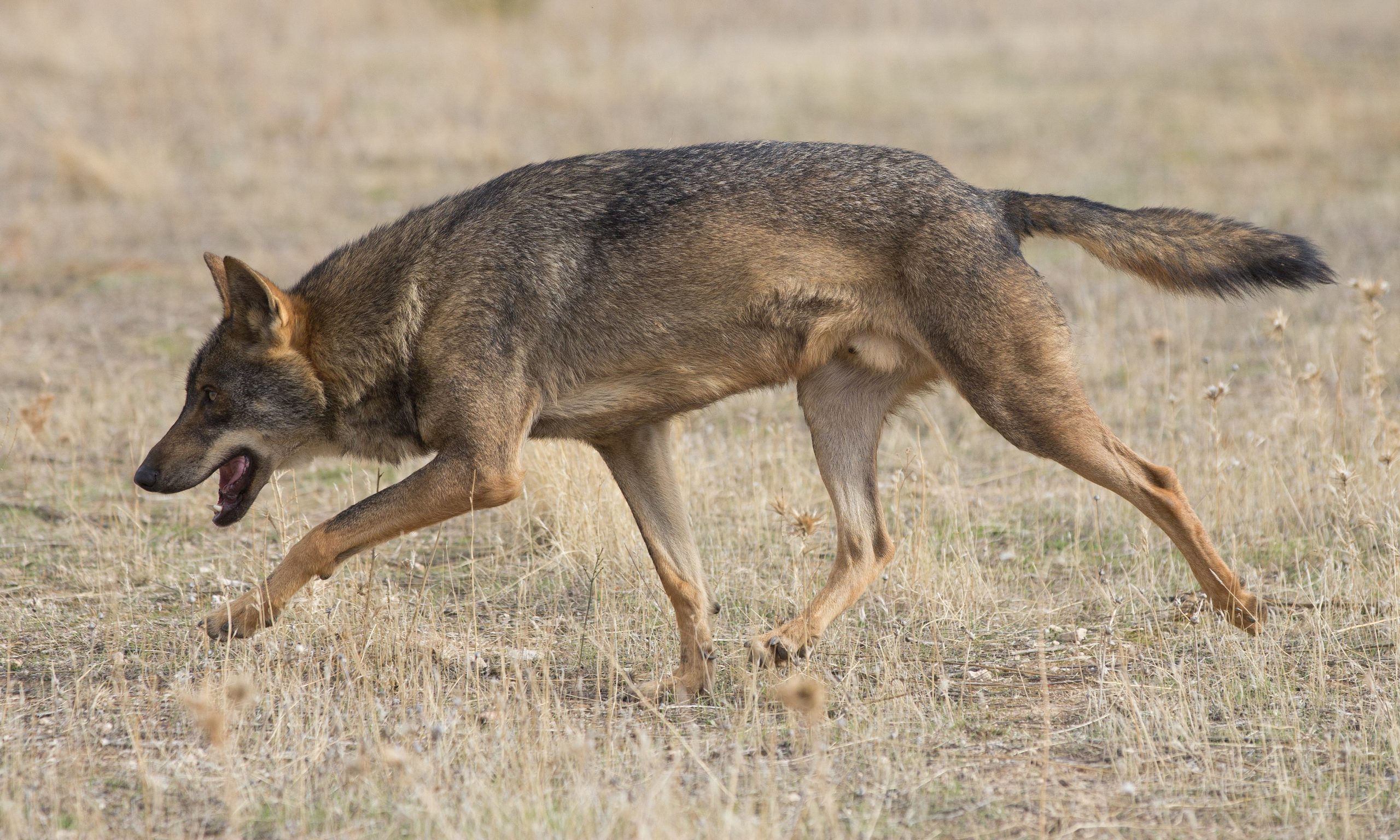
Wisconsin’s gray wolf population has shown impressive resilience thanks to strict protections and landscape connectivity across northern woods and wetlands. Non‑lethal conflict strategies and strong regulatory frameworks have minimized threats from hunting, helping wolves expand into new territories within the state. The population has crossed the one‑thousand mark in recent counts, and biologists continuously track pack distribution through surveys and public reports. Wolves in Wisconsin are an important part of the ecosystem, contributing to healthy ungulate populations and more diverse forest habitats. Their continued recovery is seen as a conservation success story with ongoing community engagement and adaptive management.
3. Michigan
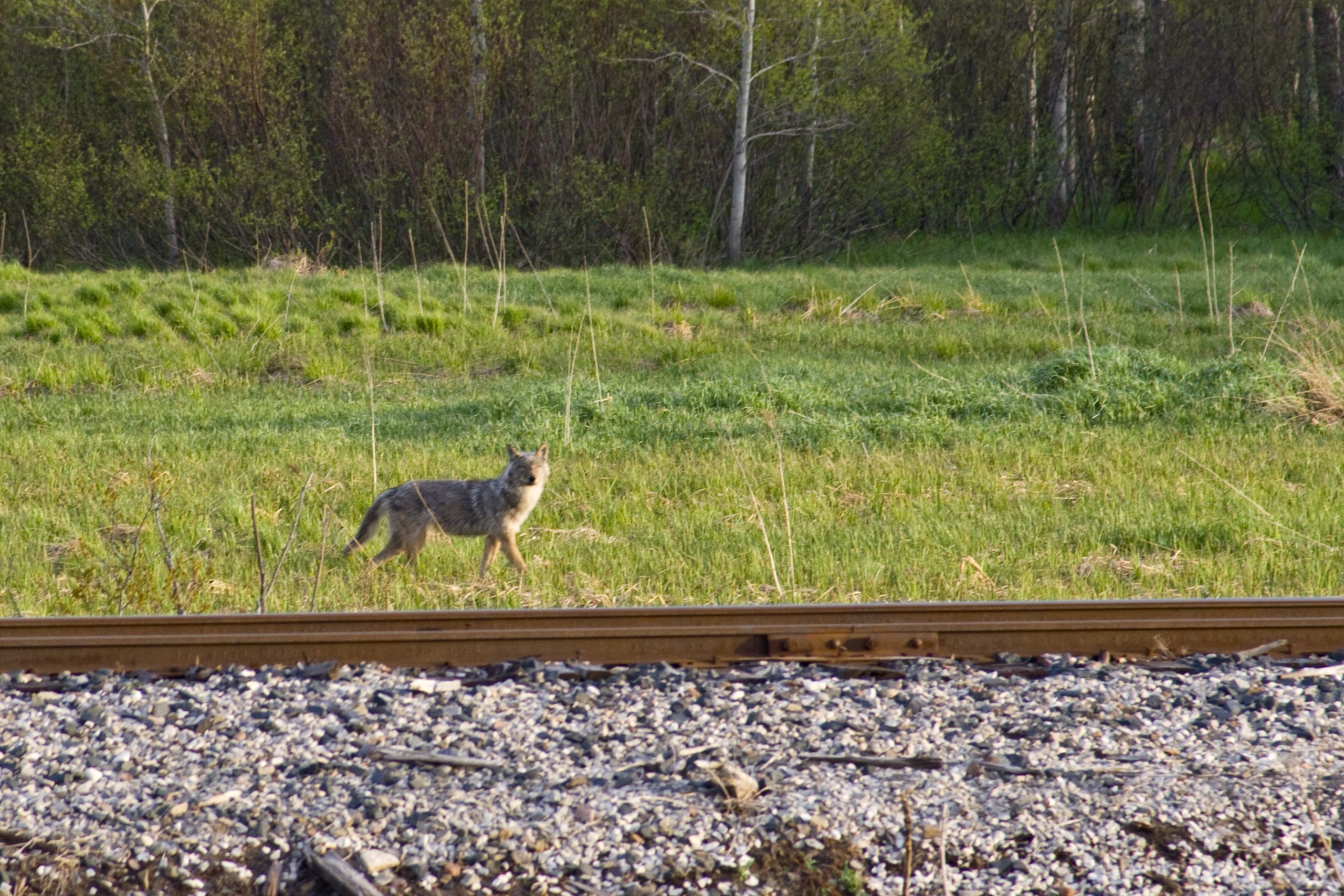
Michigan’s Upper Peninsula hosts a thriving gray wolf population that has recovered from near extirpation. These wolves were once wiped out in the region but began returning naturally from neighboring Minnesota and Ontario after federal protections were enforced in the late 20th century. Today, Michigan’s wolf population counts in the high hundreds, and state wildlife officials manage them with an emphasis on coexistence. Wolves play a key role in controlling deer populations and maintaining forest health. Citizen science, research, and conflict mitigation efforts all support sustainable growth, making Michigan an important and expanding part of the Great Lakes wolf community.
4. Oregon
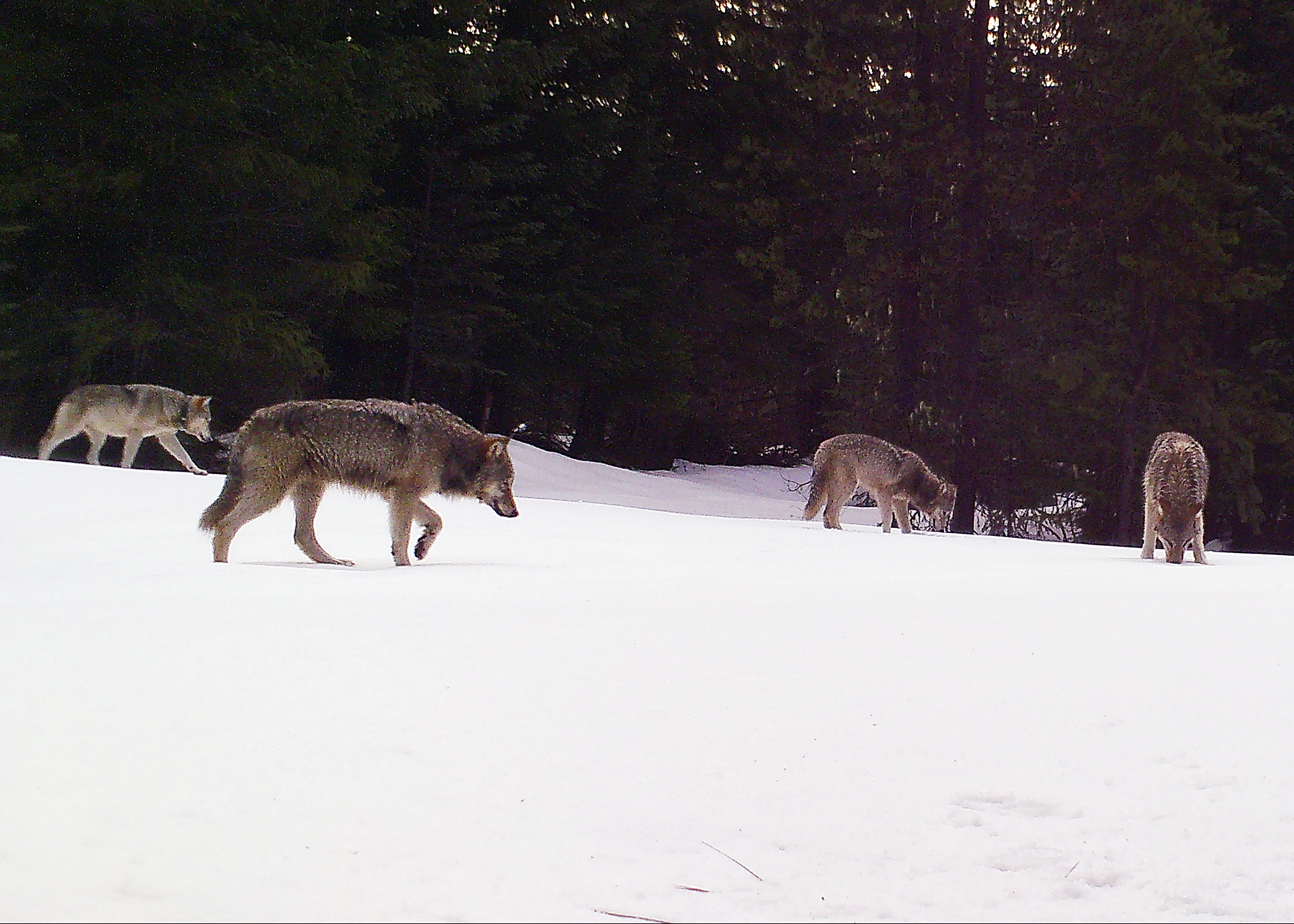
In Oregon, the wolf population has grown from a handful of pioneers into several dozen packs spread across wide swaths of the Cascades and Blue Mountains. Wolves originally recolonized Oregon from Idaho, moving into suitable habitat and establishing territories where prey and cover are abundant. Recent state reports indicate a continuing upward trend in both pack numbers and geographical reach. Protective measures paired with conflict management have helped wolves flourish, and Oregon has one of the most dynamic expanding wolf populations in the West. While challenges like livestock interactions persist, the species’ resilience in Oregon underscores its ability to reclaim parts of its historic range.
5. Washington
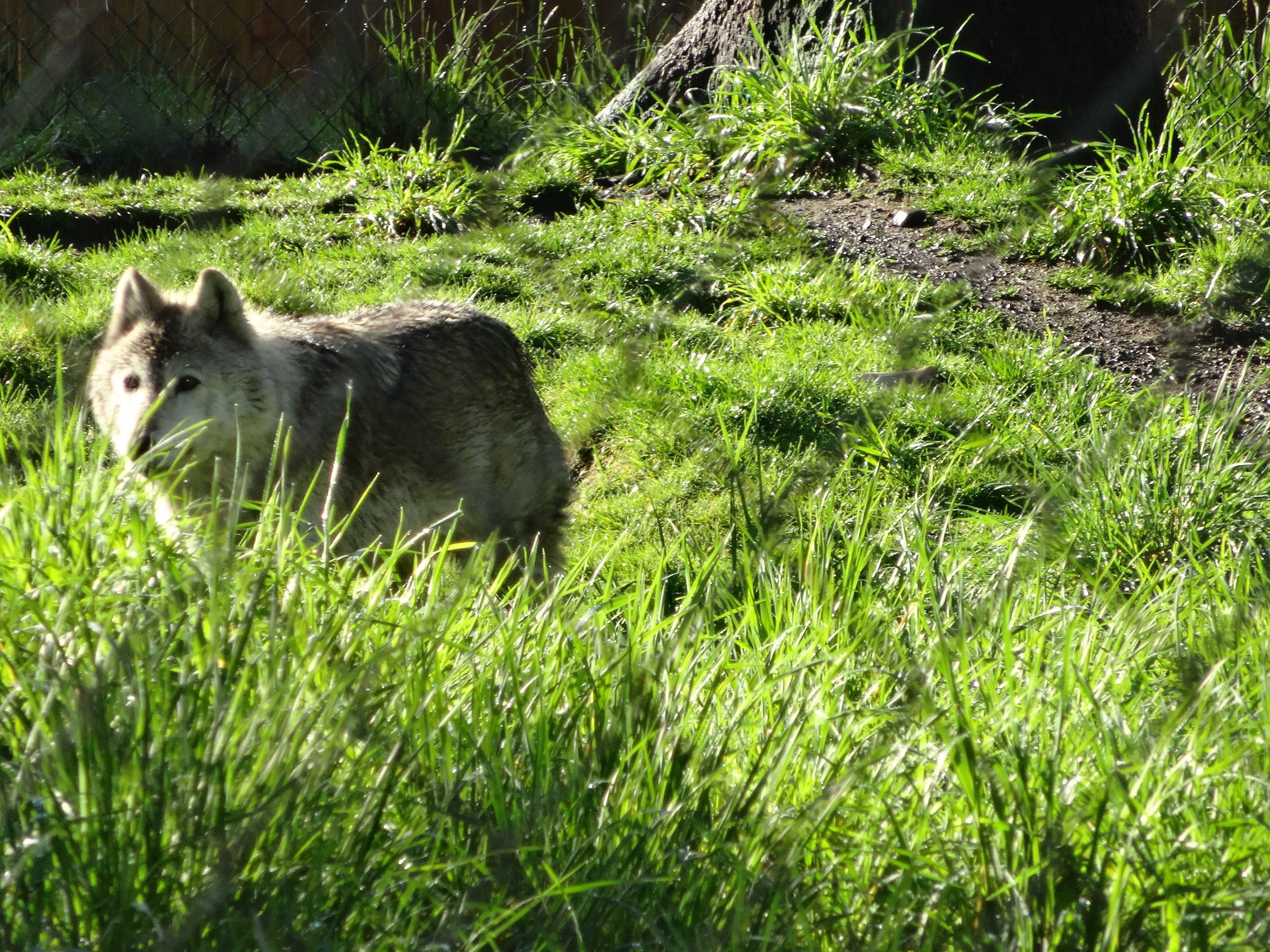
Washington’s wolf recovery represents a remarkable comeback after decades of absence. Since the first confirmed pack in the early 2000s, wolves have steadily spread into forested regions and rugged terrain across the state. Though recent reports showed minor fluctuations in overall numbers due to natural cycles and management adjustments, the long‑term trend remains one of expansion. Biologists are tracking dozens of packs with increasing breeding success, and wolves are now found farther west and south than in past decades. Wolf conservation in Washington continues to balance ecological benefits with coexistence strategies to reduce conflicts with ranching communities.
6. California
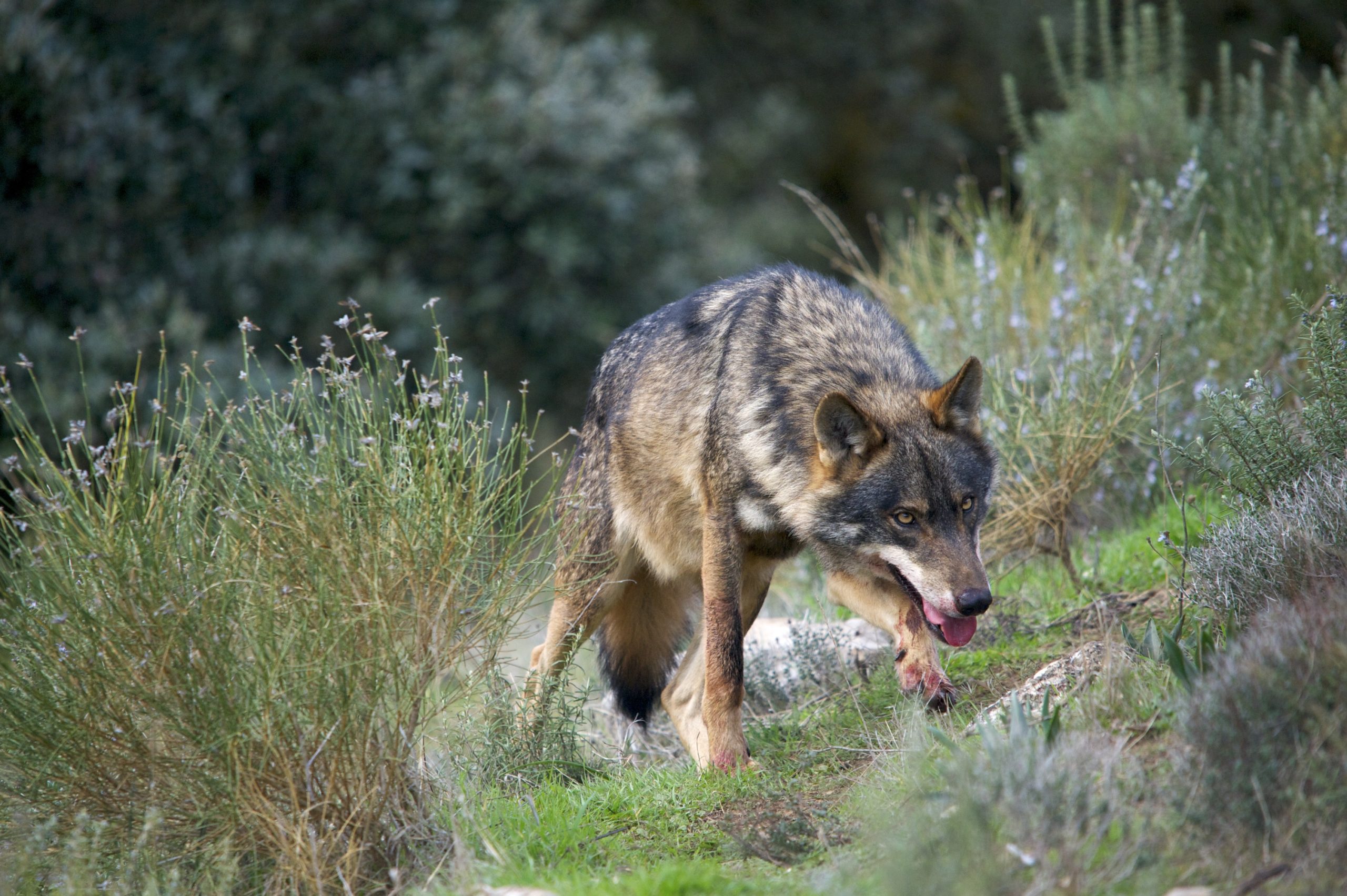
California’s wolf population tells a remarkable story of natural recolonization. After being absent for nearly a century, gray wolves began dispersing into northern California from Oregon in the last decade. Today, multiple packs roam the state, including new additions confirmed in recent surveys. The California Department of Fish and Wildlife reports that wolves have established territories across diverse landscapes, signaling that the deep forest and mountainous regions offer viable habitat. Conservationists view this expansion as a hopeful sign of long‑term recovery. Despite occasional livestock concerns, the growing wolf presence enriches California’s ecological tapestry.
7. Idaho
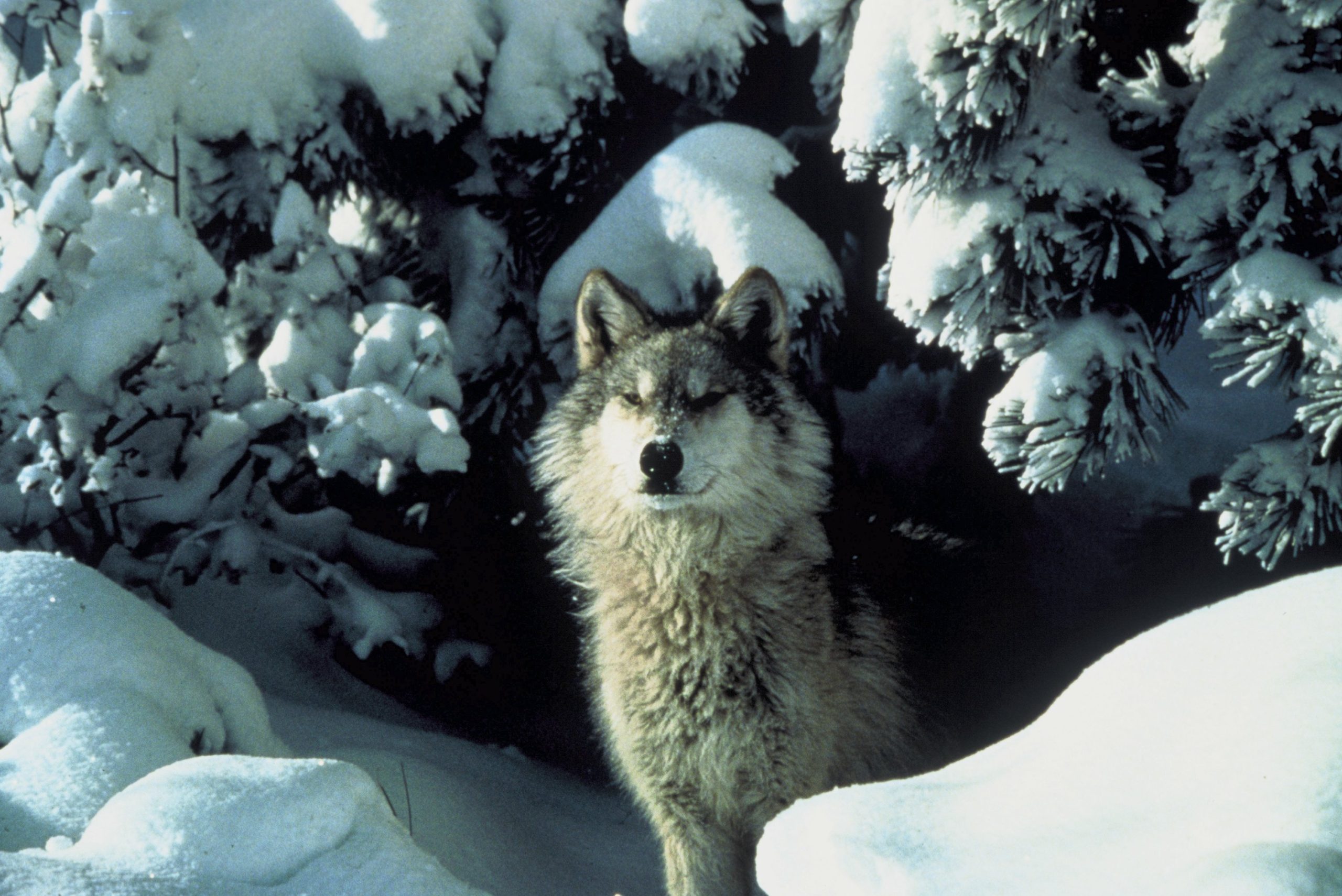
Idaho’s wolf population remains a centerpiece of the Northern Rocky Mountain recovery region, thanks to expansive wilderness areas and prey abundance. Although Idaho permits regulated hunting under state management, wolves continue to occupy large swaths of public lands, ranging from forests to sagebrush plains. Biologists regularly document stable pack numbers and significant breeding activity despite management challenges. The wolves here are part of a broader tri‑state recovery cluster that includes Montana and Wyoming, creating one of the most ecologically intact wolf strongholds in the lower 48. Their presence contributes to landscape health and supports biodiversity.
8. New Mexico & Arizona
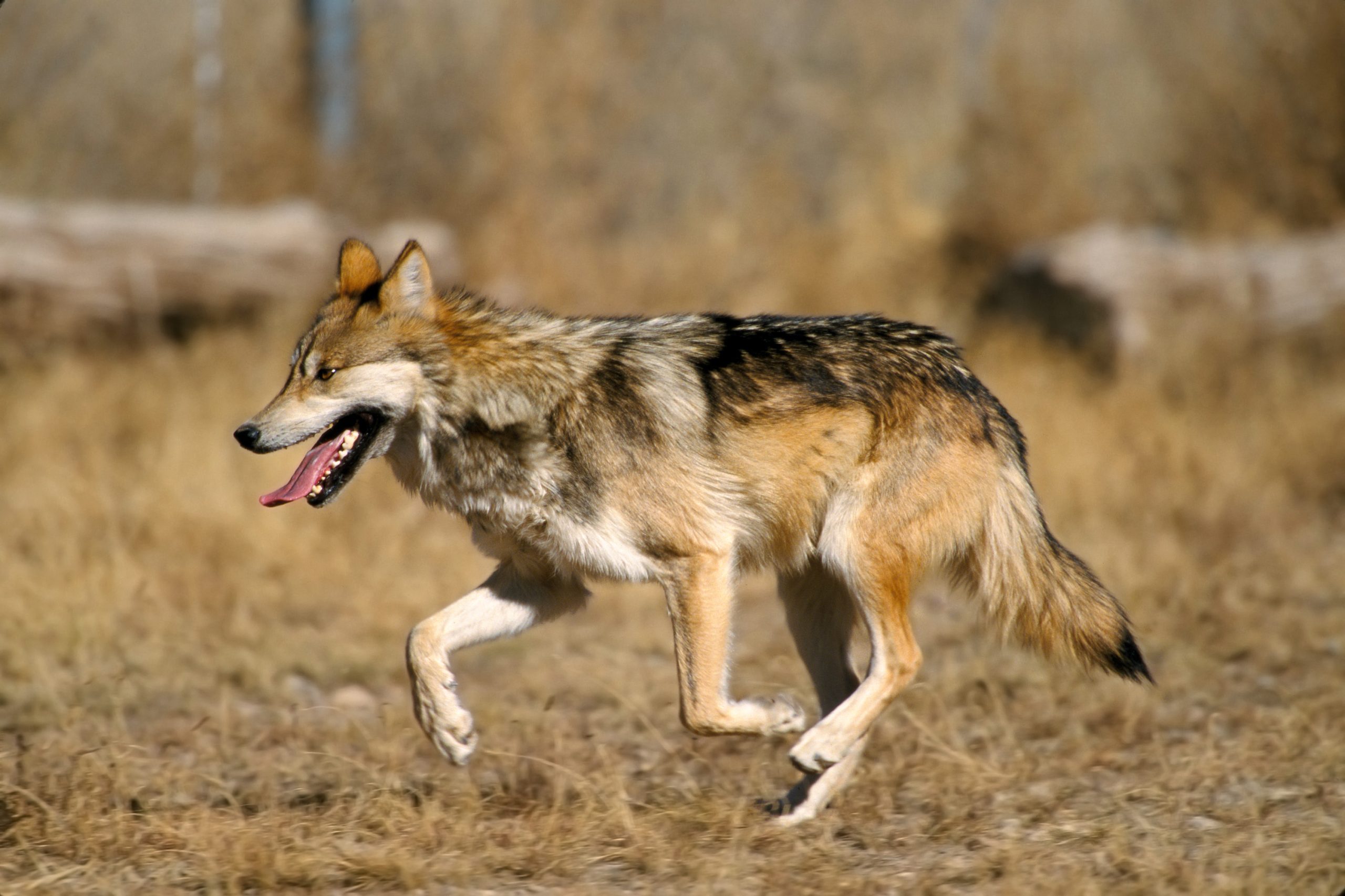
In the Southwest, a distinct subspecies,s the Mexican gray wolf, is making one of the fastest recoveries in the nation. Intensive reintroduction programs launched decades ago have helped this smaller wolf flourish in rugged terrain across New Mexico and Arizona. Recent counts show several hundred individuals spread across both states, surpassing early recovery targets for the species. These wolves are a conservation priority due to their historic decline, and federal and state agencies work closely with ranchers to promote coexistence and genetic diversity. The Mexican wolf’s expansion reflects dedicated long‑term management and growing public support for apex predator restoration.