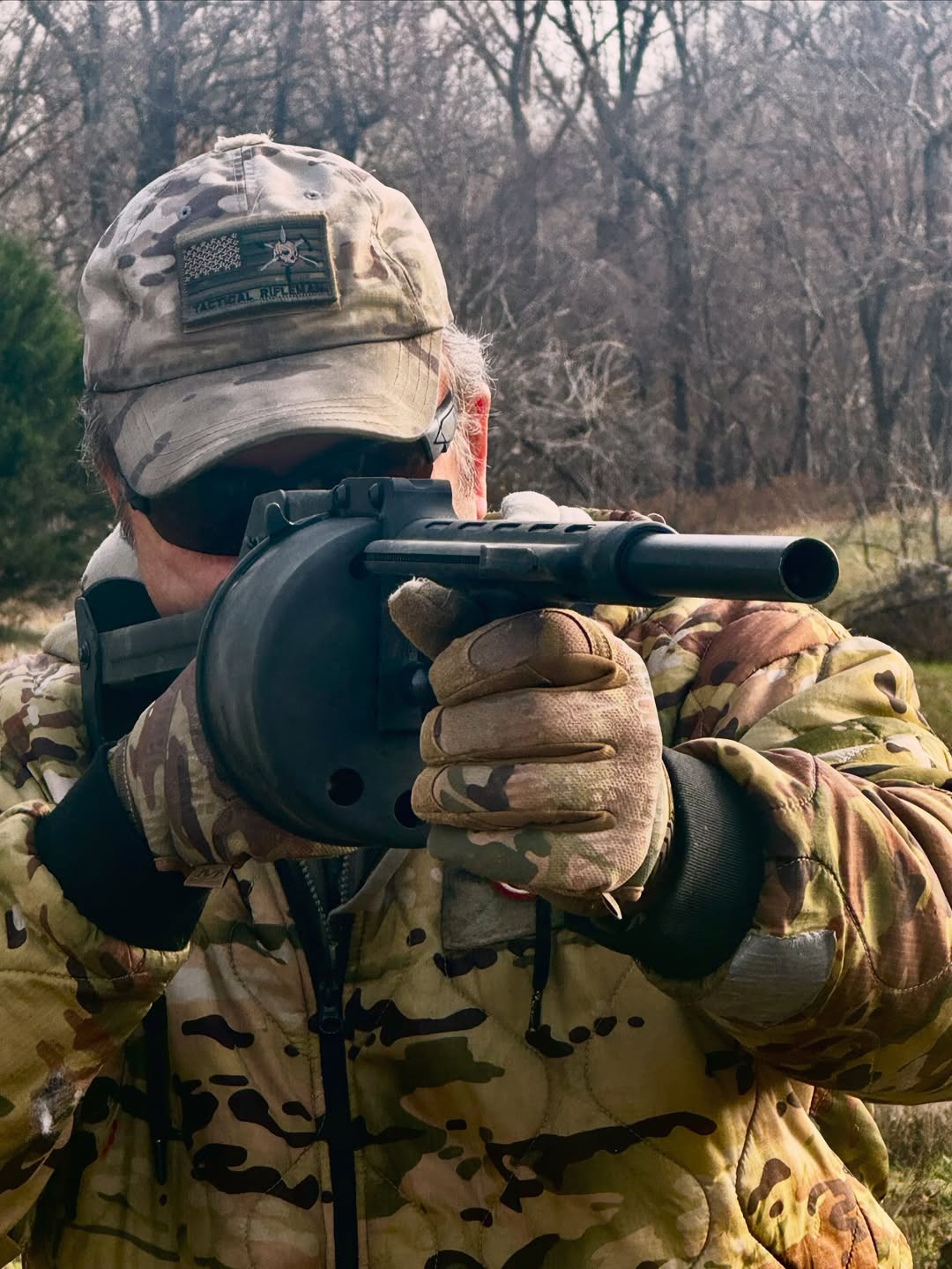
Gun markets fluctuate, yet some firearms consistently struggle to find buyers. Factors include practicality, legality, maintenance, recoil, ammunition cost, and limited real world use. Collectors and enthusiasts often admire these guns, but demand remains thin even when prices drop sharply. Changing regulations, modern alternatives, and shifting shooting habits also influence interest. This article examines eight distinct types of guns that rarely sell regardless of discounts. Each category reflects documented market behavior rather than opinion, focusing on why resale lags. Understanding these patterns helps explain how utility, perception, and context shape firearm demand over time nationally.
Oversized Magnum Revolvers
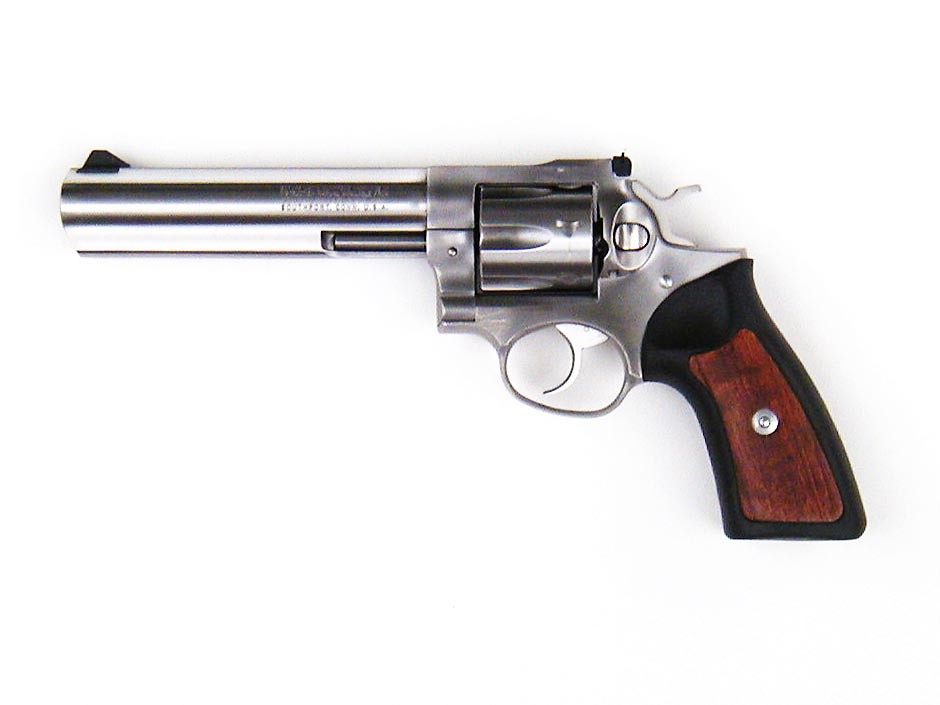
Oversized magnum revolvers attract attention but rarely buyers. Extreme recoil, heavy frames, and limited practical application narrow interest quickly. Ammunition costs remain high, and range use becomes uncomfortable for many shooters. Home defense and concealed carry needs rarely align with these dimensions. Collectors may appreciate engineering or novelty, yet resale data shows slow turnover. Even steep discounts fail to offset discomfort and limited versatility. As lighter, more manageable handguns dominate the market, oversized magnum revolvers often linger unsold on shelves, online listings, and private sale boards for extended periods across regional secondary firearm markets nationwide.
Single Shot Rifles
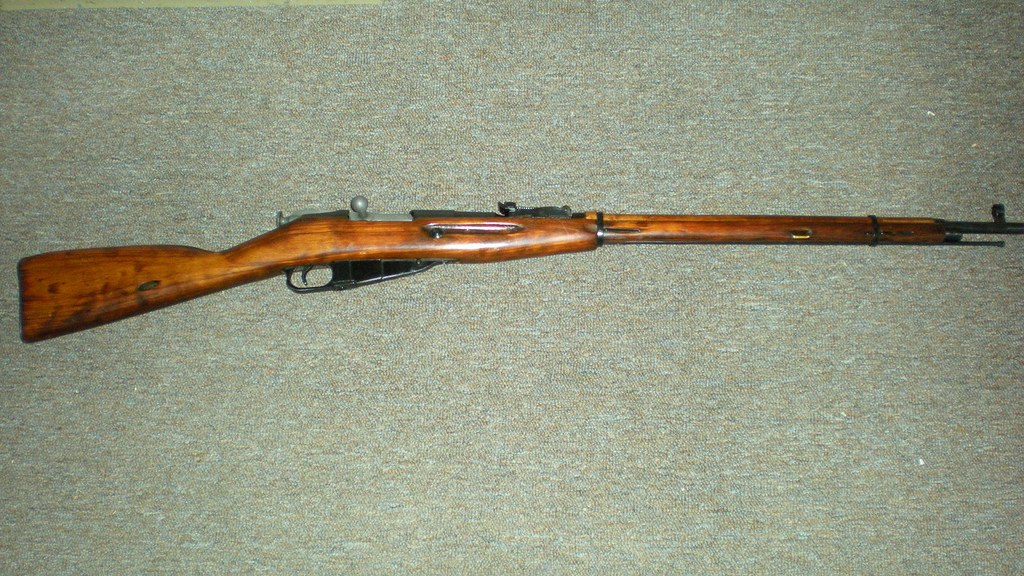
Single shot rifles emphasize precision and discipline, yet modern buyers often pass. Limited capacity slows follow up shots and reduces appeal for hunting or sport shooting. Semi automatic and bolt action alternatives offer flexibility without significant cost increases. New shooters prefer forgiving platforms, while experienced shooters seek efficiency. Collectors value craftsmanship, but mainstream demand remains low. Pricing reductions rarely overcome functional limitations. As hunting regulations evolve and convenience matters more, single shot rifles frequently sit unsold despite solid accuracy, quality materials, and historical significance within firearm development across broader secondary sales channels today nationwide consistently.
Ultra Compact Derringers
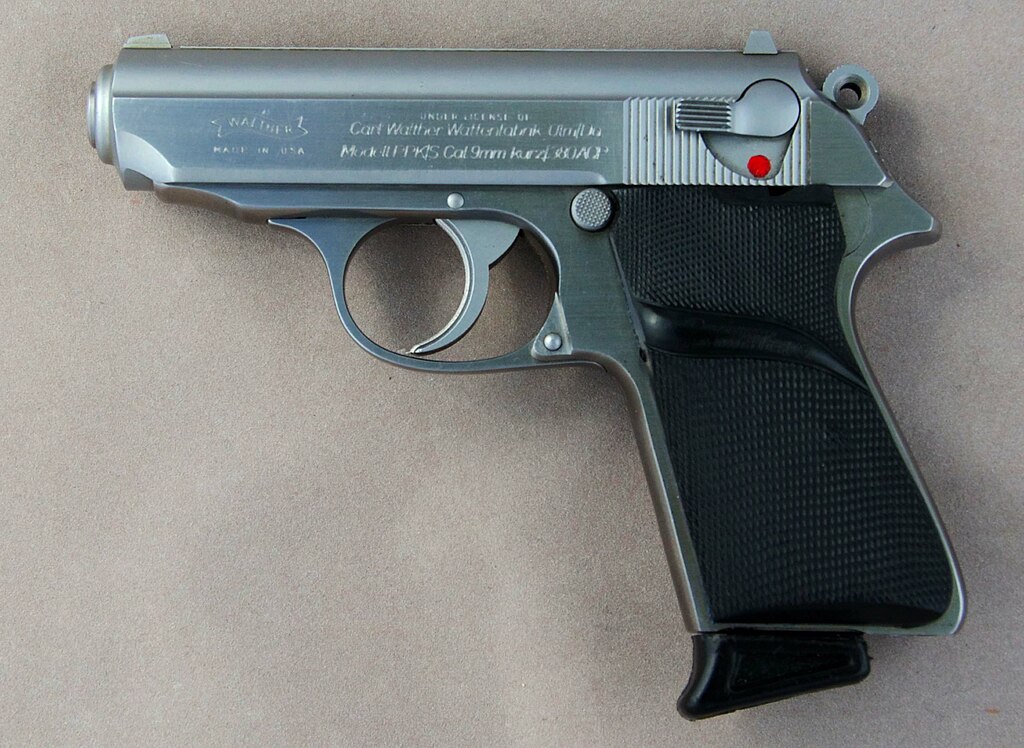
Ultra compact derringers carry novelty appeal but minimal sustained demand. Limited capacity, stiff triggers, and sharp recoil reduce practical usefulness. Short barrels compromise accuracy, while slow reloads deter defensive applications. Buyers often reconsider after handling or firing. Modern micro pistols outperform derringers in safety, capacity, and reliability. Collectors sometimes seek vintage examples, yet prices rarely justify ownership. Even deeply discounted models struggle to move as consumers favor ergonomics, training compatibility, and real world performance over extreme concealment gimmicks and historical curiosity alone within contemporary firearms markets nationwide today overall for most buyers consistently over time.
Very Large Bore Hunting Rifles
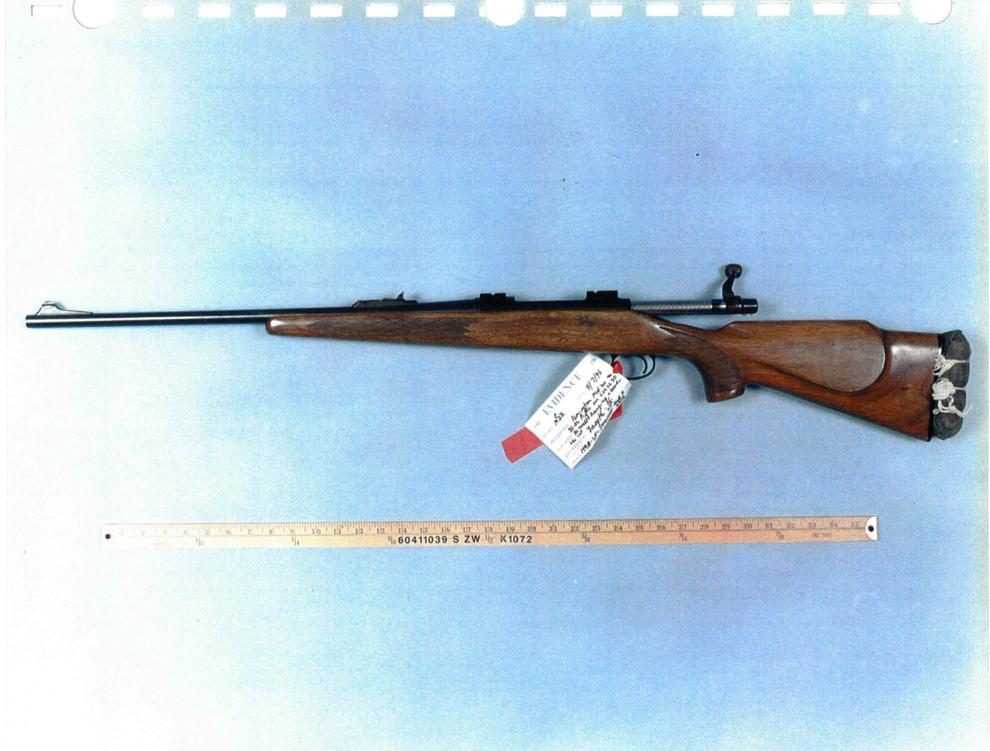
Very large bore hunting rifles impress with power but face narrow demand. Heavy recoil, weight, and ammunition expense limit ownership. Intended for dangerous game hunting, these rifles exceed needs of most regions. Legal travel and storage challenges further complicate purchases. Specialized training becomes essential, increasing commitment. Even seasoned hunters rarely require such capability. As guided safaris decline and regulations tighten, resale slows dramatically. Price cuts rarely compensate for limited opportunity, physical strain, and storage demands associated with very large bore hunting rifles in modern civilian markets across secondary resale environments today nationwide for buyers overall.
Antique Obsolete Caliber Firearms
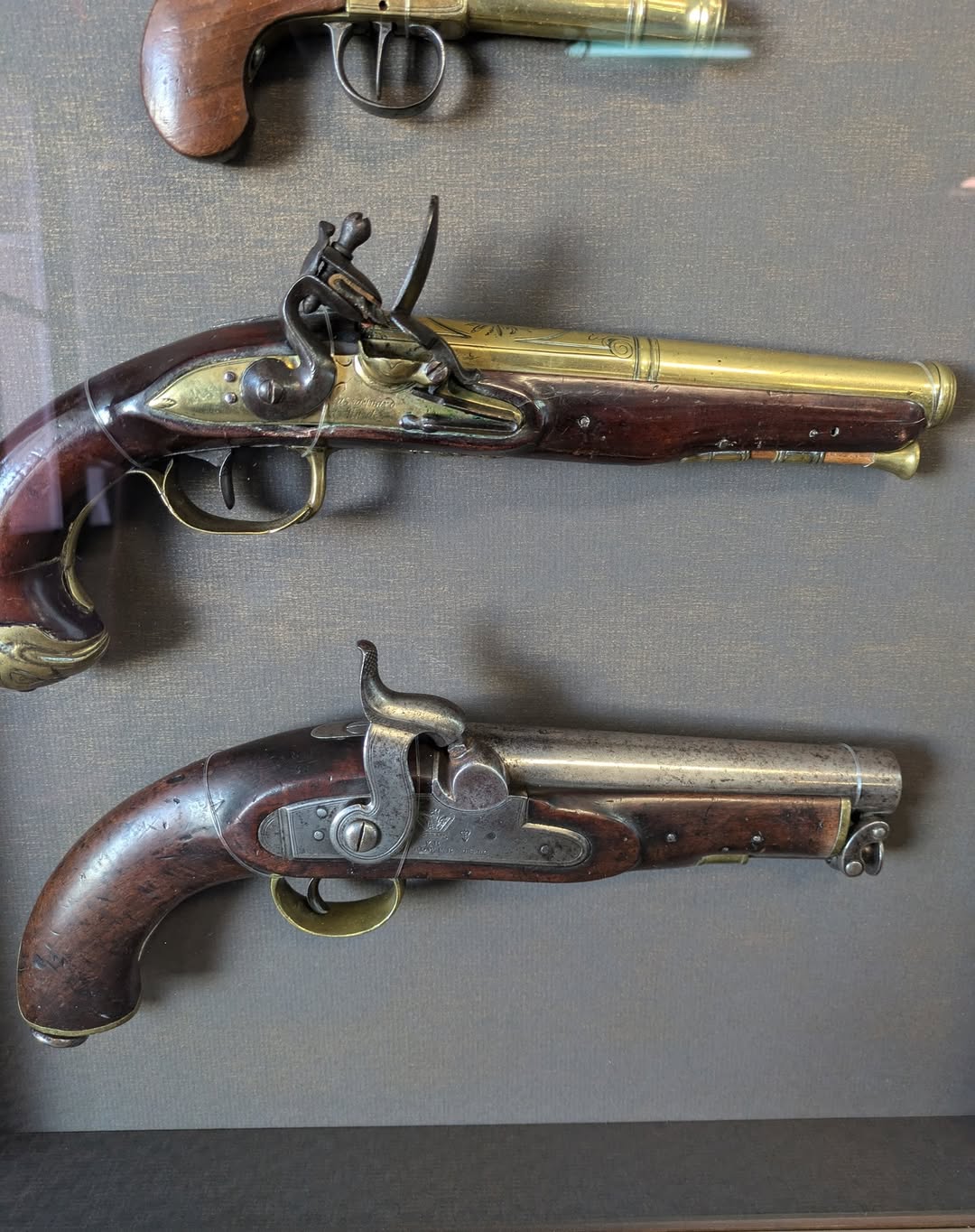
Antique obsolete caliber firearms attract historians but few active buyers. Ammunition availability remains scarce or requires custom loading knowledge. Maintenance demands specialized care, increasing cost and risk. Shooting these firearms may accelerate wear, reducing value. Many owners treat them as display pieces only. Legal definitions vary, confusing potential purchasers. Without practical shooting use, demand stays limited. Even reduced pricing cannot overcome logistical hurdles, safety concerns, and limited support infrastructure surrounding obsolete calibers in today’s regulated firearm marketplace especially for modern recreational shooters and collectors alike across secondary markets nationwide today with consistent resale challenges persisting.
Extremely Customized Firearms
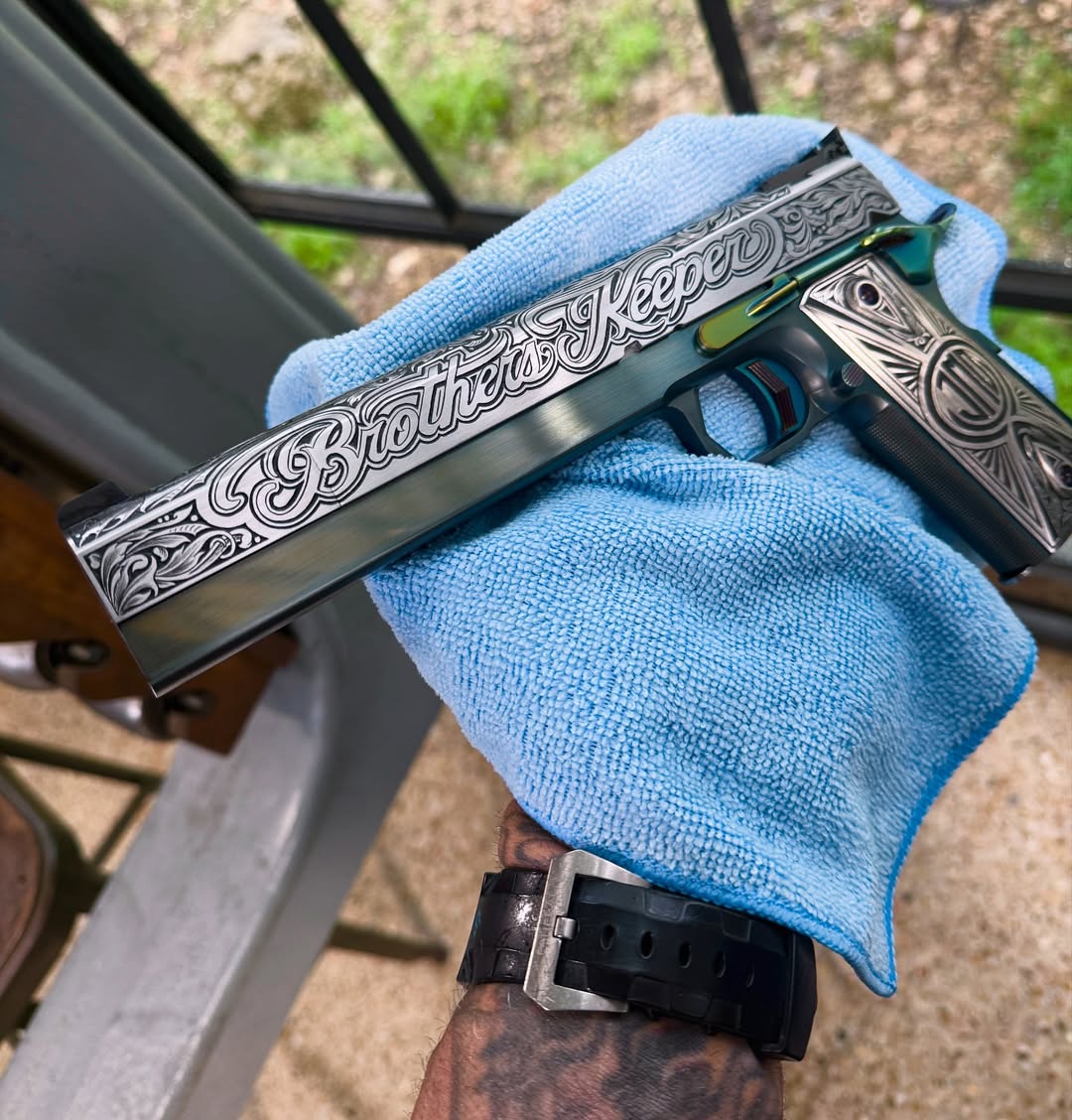
Extremely customized firearms reflect personal taste but restrict resale appeal. Modifications may not suit another shooter’s ergonomics or preferences. Custom finishes, triggers, and accessories complicate valuation. Potential buyers worry about workmanship, reliability, and voided warranties. Original factory configuration typically retains broader demand. Even expensive upgrades rarely translate into higher resale prices. As a result, heavily modified guns often stagnate, regardless of discounts. Buyers favor adaptable platforms over personalized builds, making extreme customization a barrier rather than a selling point within most firearm resale markets across regional secondary sales environments nationwide today consistently for most sellers.
Uncommon Caliber Semi Automatic Pistols
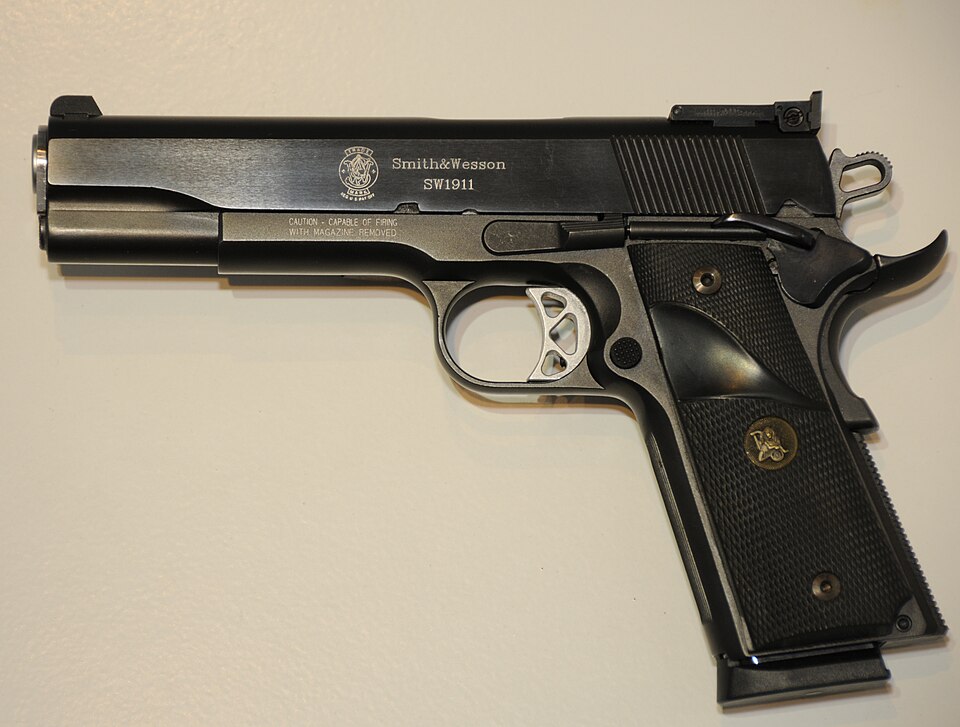
Uncommon caliber semi automatic pistols struggle despite modern designs. Ammunition availability remains inconsistent and expensive, discouraging regular practice. Retailers stock limited quantities, increasing buyer hesitation. Training courses and range rentals rarely support these calibers. Practical advantages over mainstream options remain marginal. As logistics outweigh novelty, interest fades quickly. Even aggressive price cuts fail to stimulate demand. Buyers favor common calibers offering affordability, compatibility, and resale confidence. As a result, uncommon caliber semi automatic pistols often remain listed long after comparable models sell across secondary markets nationwide today consistently for most sellers and retailers alike now.
Non Practical Novelty Firearms
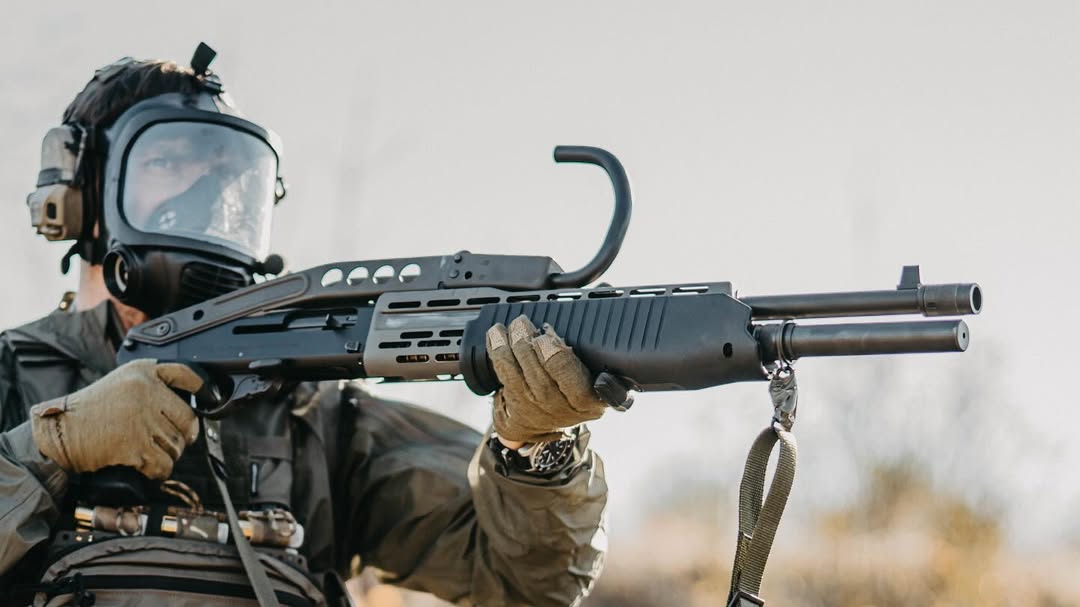
Non practical novelty firearms generate curiosity but little sustained demand. Unusual shapes, exaggerated designs, or fictional influences limit usability. Many function poorly or lack support for parts and service. Owners often discover display value outweighs shooting enjoyment. Safety concerns further reduce appeal. As novelty fades, resale becomes difficult. Price reductions rarely change outcomes. Buyers prioritize reliability, ergonomics, and training compatibility over spectacle. Consequently, novelty firearms frequently remain unsold, occupying listings longer than functional counterparts in competitive firearm resale environments across modern secondary markets nationwide today for extended periods with limited buyer interest overall consistently observed.