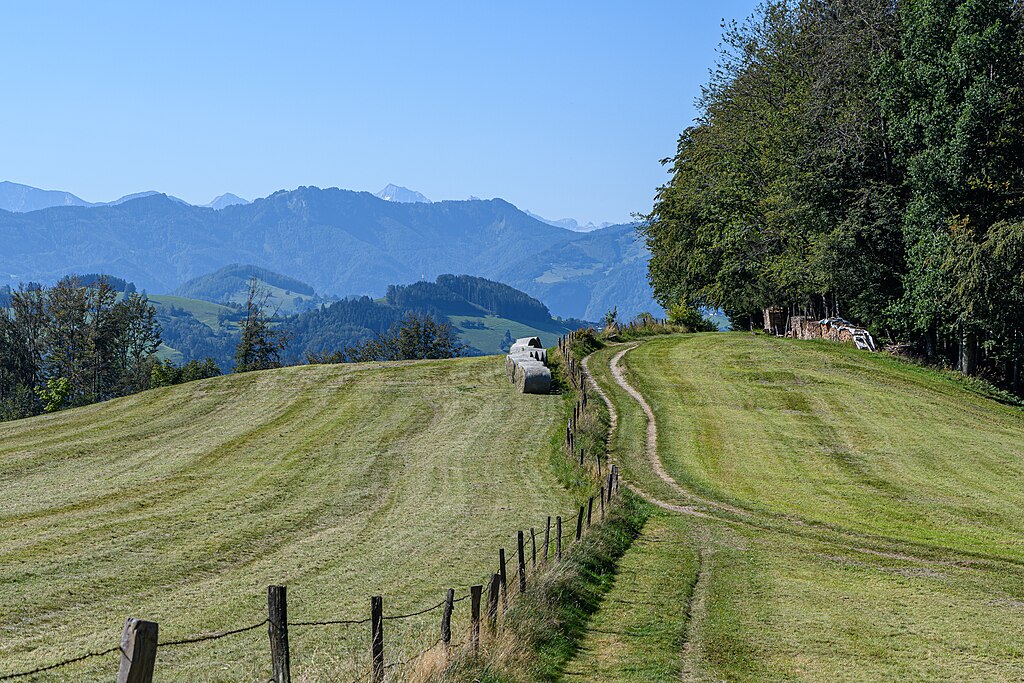
Hiking trails in the 1960s offered adventure, solitude, and freedom, but they also carried risks that modern hikers rarely encounter. Safety standards were still evolving, equipment was basic by today’s measure, and outdoor knowledge often came from experience rather than formal training. Trails were rougher, information was harder to access, and help was far away when things went wrong. Many hazards that were once accepted as normal have since been reduced or eliminated through better planning, technology, and education. Understanding these older trail dangers helps explain how far outdoor safety has progressed and why hikers from that era needed strong judgment, patience, and resilience on every trip.
1. Poorly Marked or Unmarked Trails
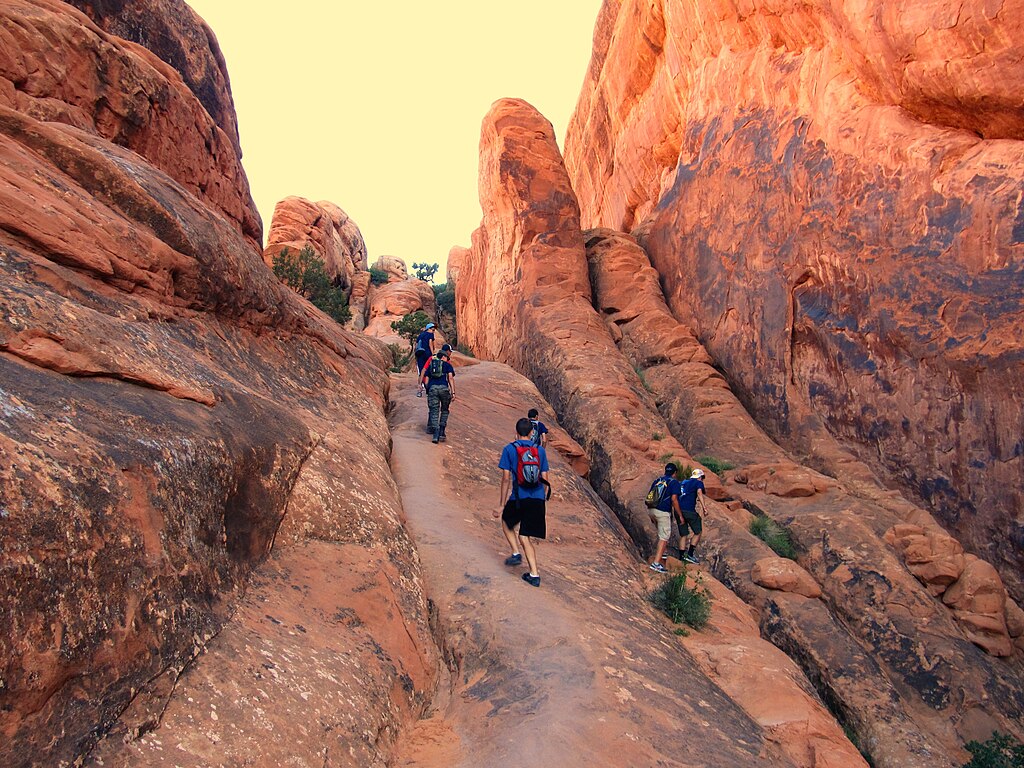
In the 1960s, trail marking was inconsistent and often unreliable. Many routes had few signs, faded paint blazes, or none at all. Trail junctions were frequently unmarked, forcing hikers to rely on memory, terrain features, or guesswork. Maintenance depended heavily on volunteers, and storms or overgrowth could erase paths quickly. Losing the trail was considered a normal inconvenience rather than an emergency. Hikers expected to backtrack or bushwhack until they found familiar ground. Without clear markers, even experienced hikers could wander far off the route. Compared to today’s standardized signage and well-maintained paths, navigation errors were far more common and far more dangerous.
2. Limited and Outdated Trail Maps
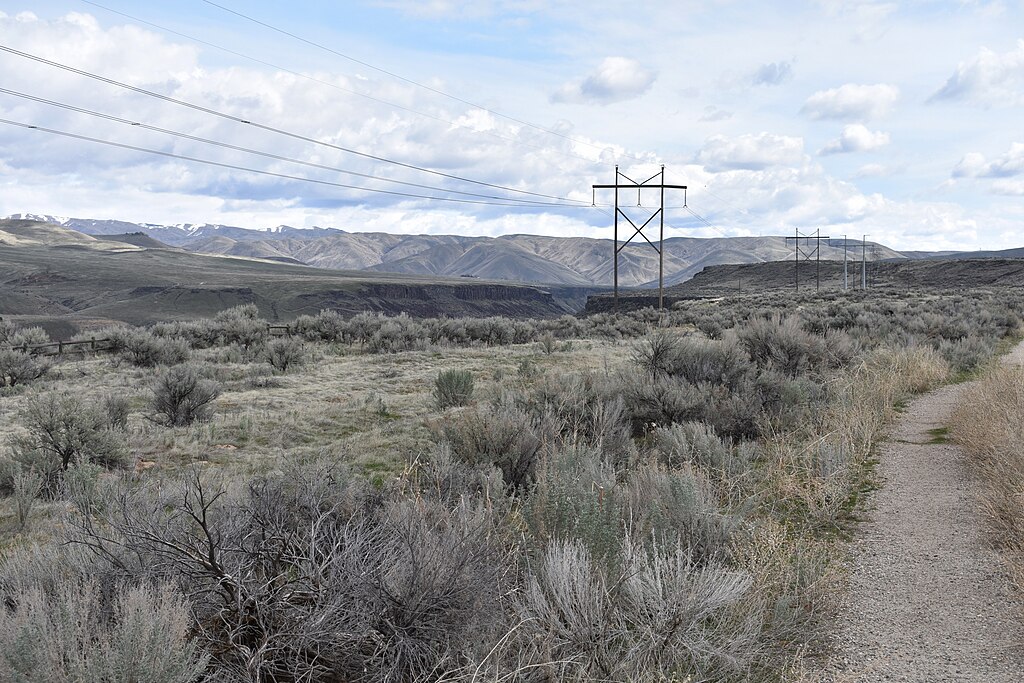
Accurate trail maps were difficult to find in the 1960s, and many hikers relied on general topographic maps that lacked detailed trail information. Updates were slow, meaning maps could show routes that no longer existed or miss newly created ones. Printing quality was often poor, making fine details hard to read. Waterproof maps were rare, so rain or sweat could ruin essential navigation tools. Without digital backups, a damaged map could leave hikers guessing for hours. Route planning required imagination and local knowledge. Modern hikers benefit from detailed, frequently updated maps, but in the 1960s, uncertainty was built into nearly every hike.
3. Heavy and Rigid Footwear
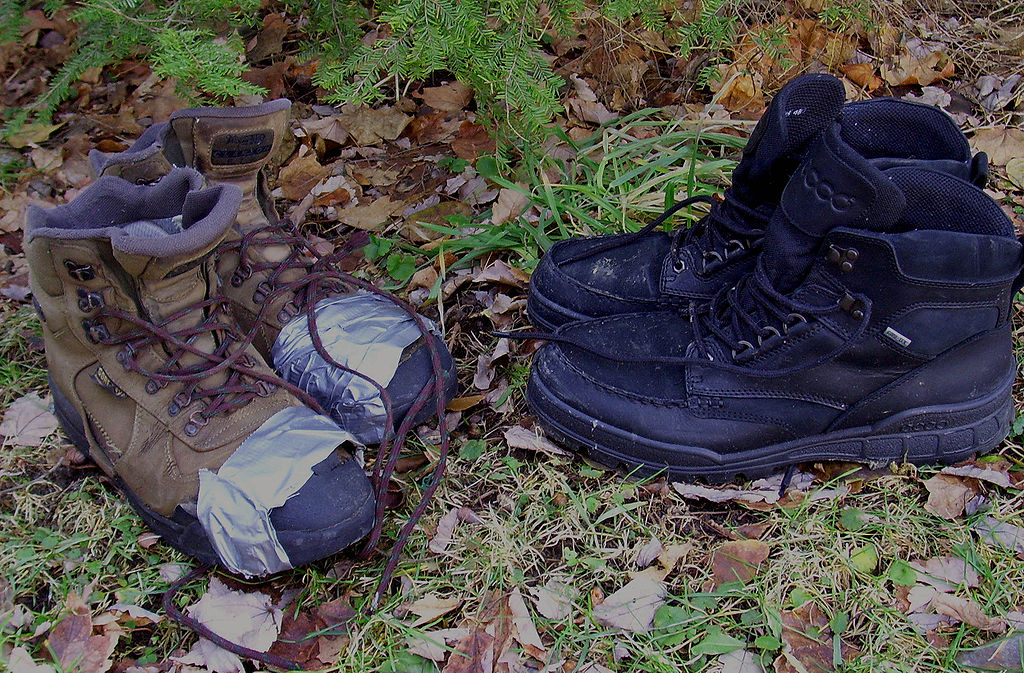
Hiking footwear in the 1960s prioritized durability over comfort. Boots were typically made from thick leather with stiff soles and minimal cushioning. While tough, they were slow to break in and could cause painful blisters and sore joints. Traction on wet rock or loose soil was limited compared to modern rubber compounds. Poor fit options meant many hikers simply endured discomfort. Wet boots dried slowly, increasing the risk of foot injuries and fatigue. Long days on the trail were physically punishing. Today’s lightweight, supportive footwear has reduced these risks, but earlier hikers faced foot pain as a constant and accepted hazard.
4. Unpredictable Weather Information

Weather forecasting during the 1960s was broad and imprecise. Hikers usually relied on radio reports or newspaper forecasts that covered large regions rather than specific locations. Sudden storms, temperature drops, or heat waves often arrived without warning. Once on the trail, there was no way to receive updates. Poor weather decisions could lead to exposure, hypothermia, or heat exhaustion. Clothing systems were less advanced, making conditions harder to manage. Modern hikers can check forecasts multiple times a day, but earlier hikers accepted uncertainty and often paid the price when conditions changed unexpectedly.
5. Slow Emergency Response

Emergency response capabilities on trails were limited in the 1960s. Search and rescue teams existed but were small, underfunded, and slow to mobilize. Communication options were almost nonexistent once hikers left the trailhead. Injured hikers often had to self-rescue or wait for others to stumble upon them. Helicopter rescues were rare and not always available. A simple injury could become life-threatening due to delayed care. This reality forced hikers to be highly cautious and self-reliant. Today’s faster response systems have dramatically reduced the danger, but earlier hikers faced isolation as a serious risk.
6. Bulky and Inefficient Gear

Outdoor gear in the 1960s was heavy, awkward, and uncomfortable by modern standards. Backpacks lacked proper frames and padding, leading to poor weight distribution and back strain. Tents and sleeping bags were bulky and less weather-resistant. Carrying extra weight increased fatigue and the likelihood of slips or falls. Gear failures were common, and repairs required creativity. Many hikers simply accepted discomfort as part of the experience. Modern lightweight materials have improved safety and endurance, but in the 1960s, gear itself was often a hazard that drained energy and reduced mobility.
7. Environmental Pollution Near Trails

Environmental protections were limited during the 1960s, and some trails passed near polluted rivers, mining areas, or industrial sites. Water sources were often assumed to be safe without treatment. Chemical runoff, heavy metals, and waste were poorly understood risks. Hikers could unknowingly drink contaminated water or camp near hazardous areas. Awareness of long-term health effects was minimal. Today’s environmental regulations and water treatment practices have reduced these dangers, but earlier hikers faced invisible threats that were rarely discussed or avoided.
8. Limited Safety Education and Awareness
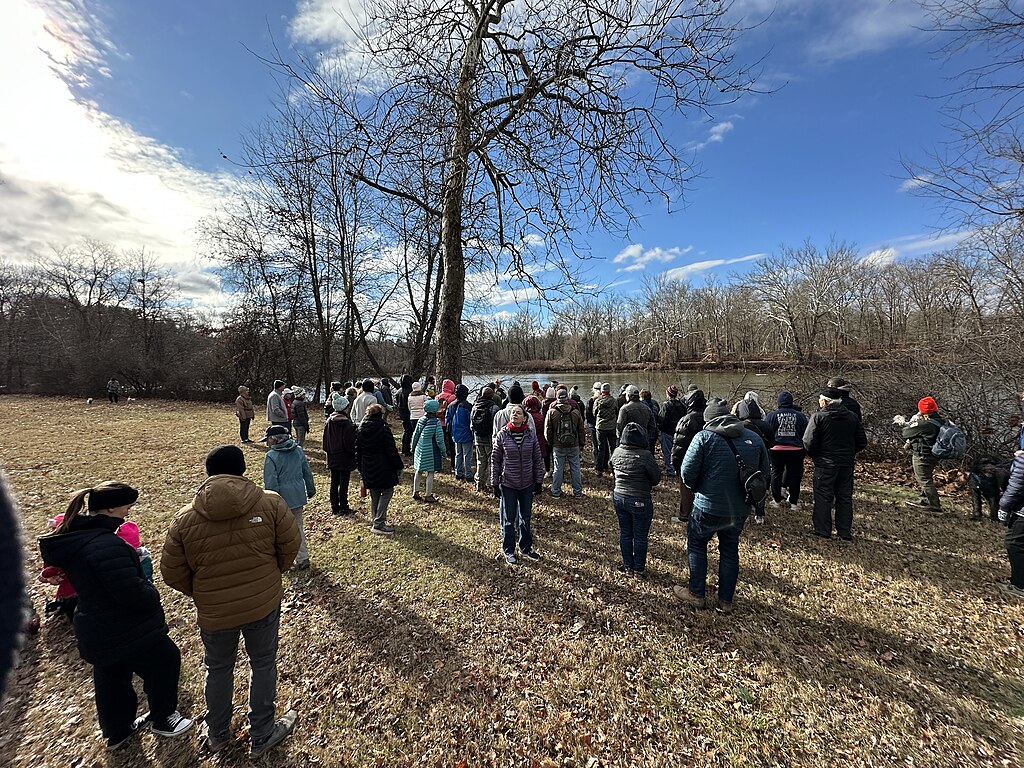
Formal outdoor safety education was uncommon in the 1960s. Most hikers learned through experience, trial and error, or advice from friends. Concepts like layering clothing, hydration planning, and risk assessment were not widely standardized. Many accidents occurred due to simple misunderstandings rather than extreme conditions. Guidebooks existed but were less comprehensive. Without structured learning, mistakes were common and sometimes costly. Modern outdoor education has transformed trail safety, but earlier hikers relied heavily on personal judgment and adaptability in environments that offered little forgiveness.