b Most trail injuries do not happen in a single dramatic moment. They develop quietly through repeated habits that feel harmless at the time. Hikers often finish trips feeling tired but satisfied, unaware that small stresses are stacking up inside joints, muscles, and tendons. These injuries surface days or even weeks later, making the cause difficult to identify. Understanding the habits that slowly damage the body helps prevent long recovery periods and keeps trail time enjoyable for years instead of seasons.
1. Overstriding on Uneven Terrain
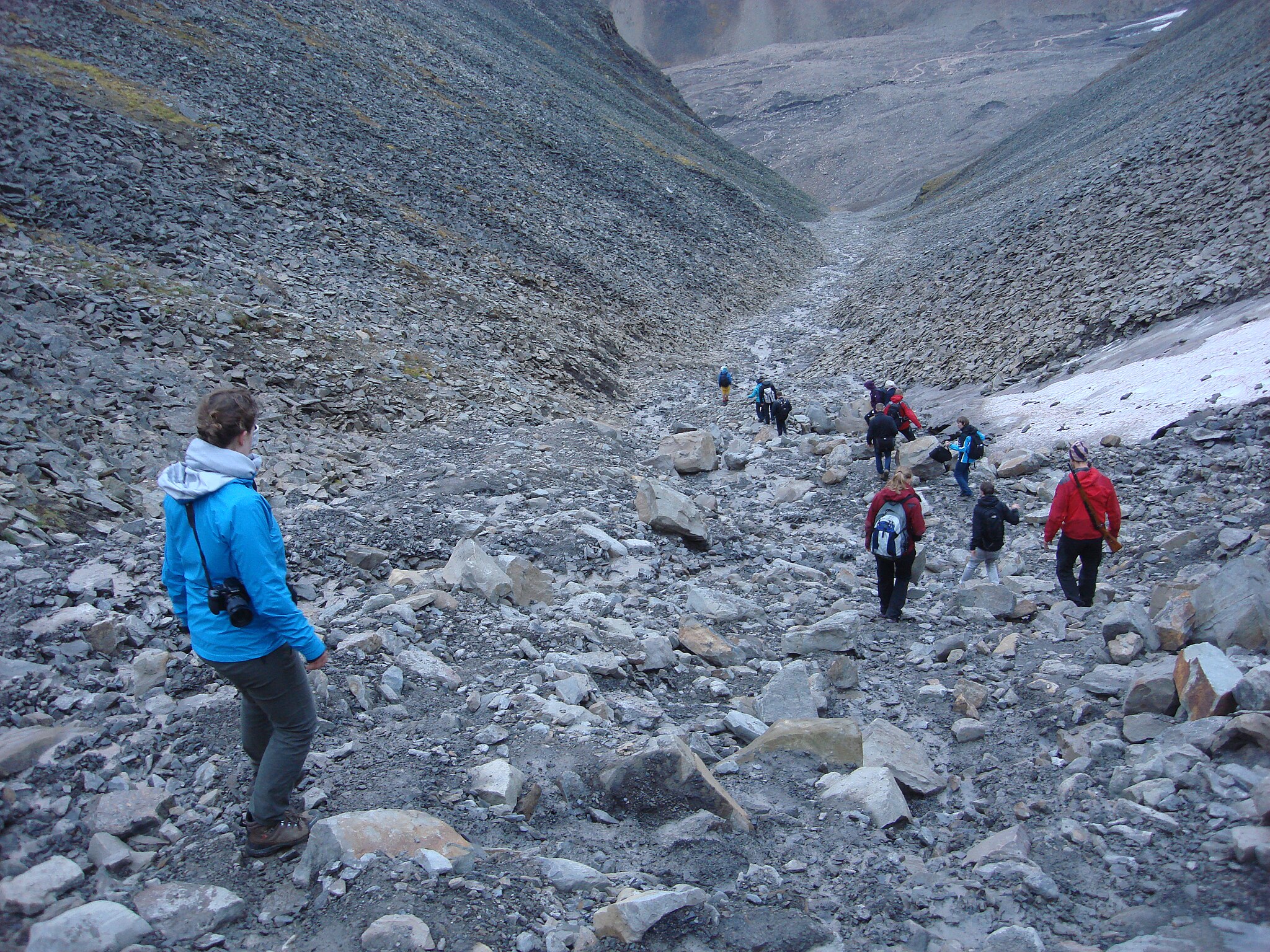
Long strides on trails look confident and efficient, especially on open sections. The problem is that uneven ground magnifies the impact of every extended step. When the foot lands too far ahead of the body, the knee absorbs a braking force instead of a rolling motion. Over time, cartilage wears down and ligaments stretch slightly with each step. Pain rarely shows up during the hike. Instead, stiffness appears later at home, often blamed on age or fatigue rather than trail mechanics. Shorter steps keep joints stacked correctly and reduce silent damage.
2. Ignoring Early Foot Discomfort
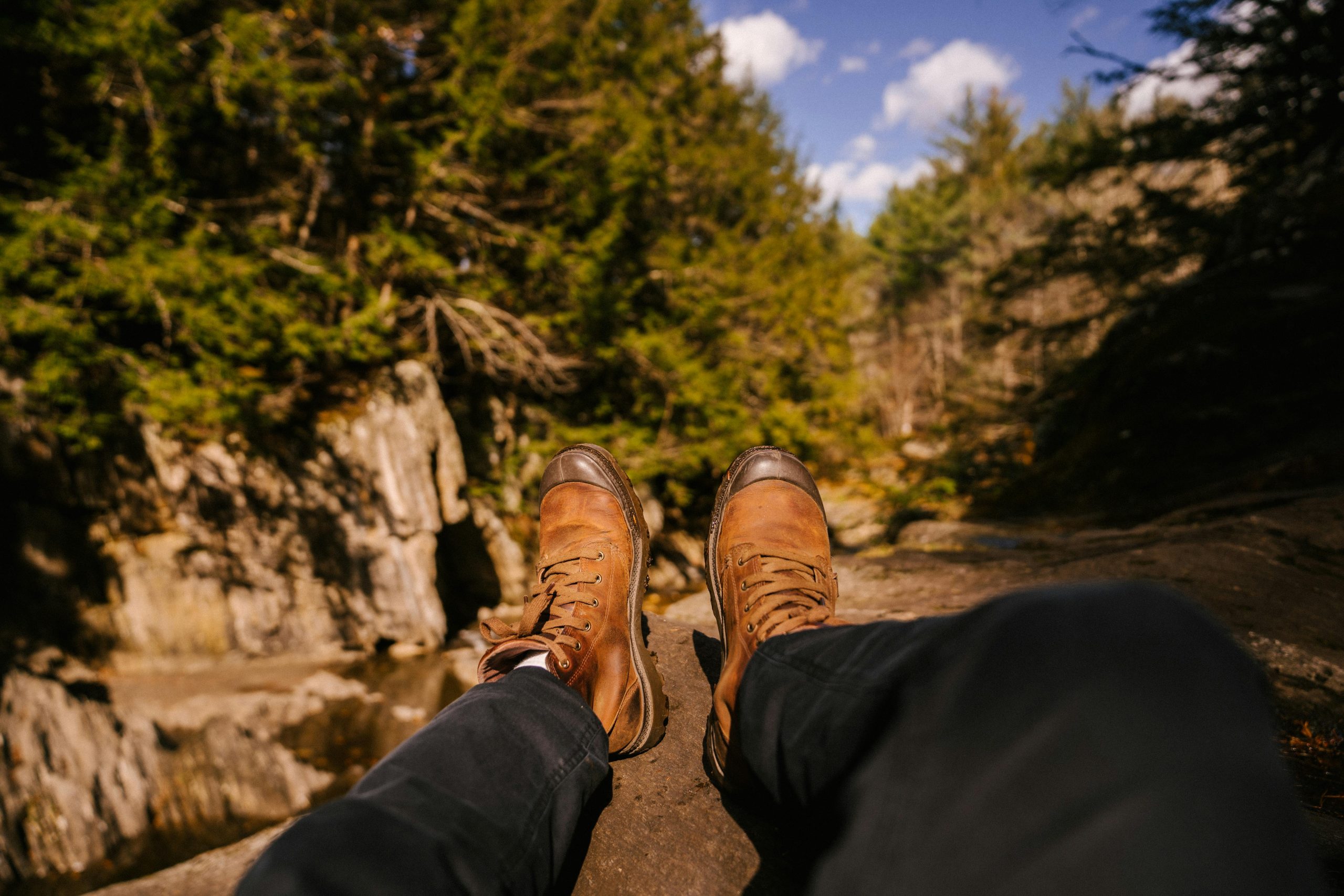
Small hot spots, pressure points, or numb areas inside boots feel easy to ignore. Many hikers assume discomfort will fade after a few miles. Instead, the body subtly changes how it walks to avoid pain. That adjustment transfers stress to calves, shins, knees, and hips. The original foot issue may disappear, but the secondary strain keeps building. By the time soreness becomes obvious, the source feels unrelated to footwear. Stopping early to fix socks, laces, or insoles prevents compensation patterns that quietly injure connective tissue.
3. Carrying an Unbalanced Backpack

A backpack that leans backward or pulls to one side forces constant posture corrections. The body responds with small muscle contractions that never fully relax. This creates tension in the lower back, shoulders, and hip flexors. Because the weight does not feel extreme, hikers rarely notice the strain building. Pain often appears the next day rather than on the trail. Over time, these micro adjustments lead to chronic soreness and reduced mobility. Proper weight distribution keeps the spine aligned and prevents repetitive muscle fatigue from becoming injured.
4. Moving Too Quickly Downhill
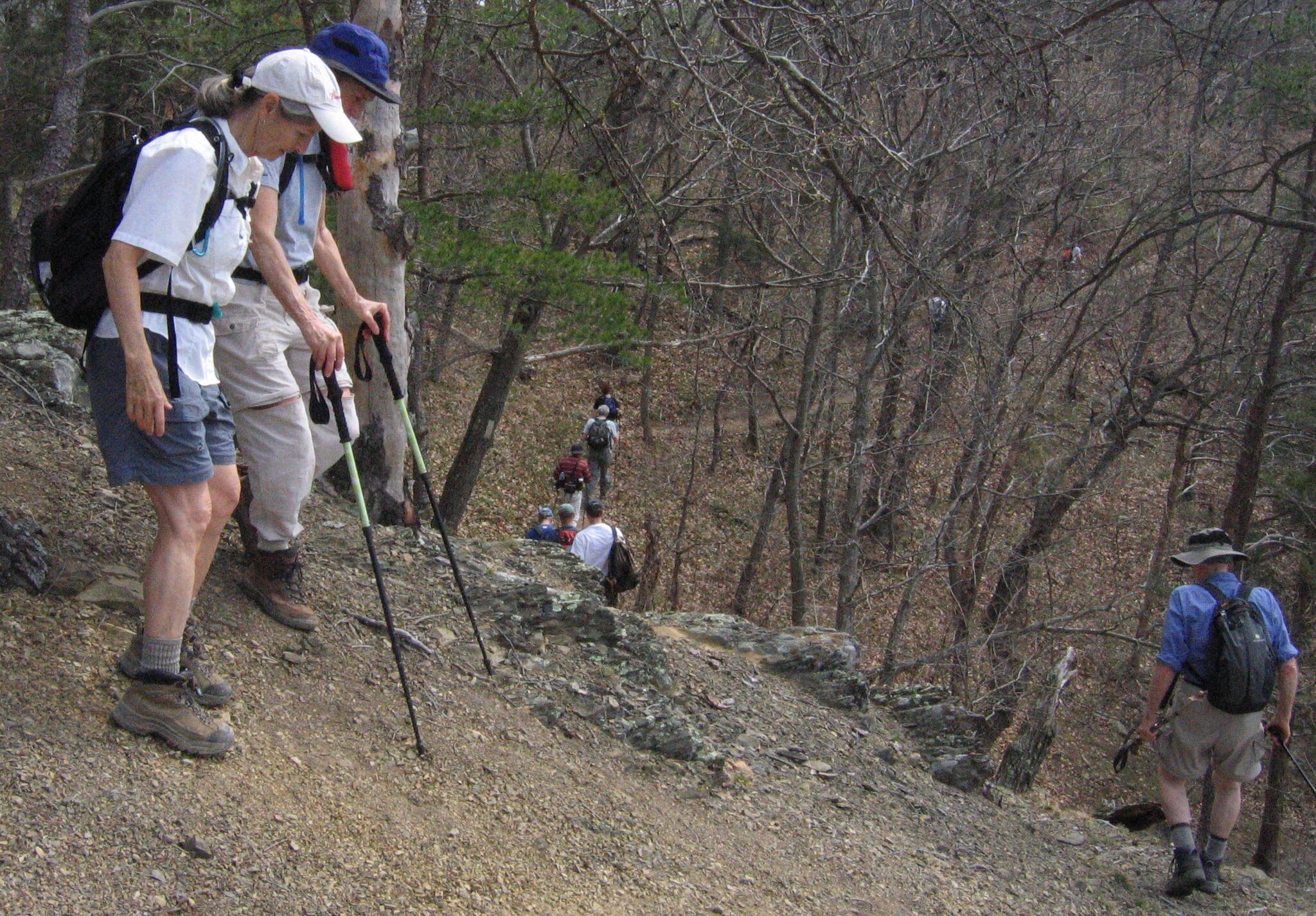
Downhill hiking feels easier on the lungs, which encourages faster movement. The joints, however, absorb significantly more force during descents. Quadriceps work in a lengthening motion, which creates microscopic muscle damage even without pain. Knees and ankles take repeated shock, especially on rocky slopes. Because discomfort rarely appears immediately, hikers assume the pace is safe. Swelling or tendon irritation often develops hours later. Controlled steps and deliberate pacing reduce joint loading and protect cartilage from slow, cumulative breakdown that surfaces long after the hike ends.
5. Maintaining Pace While Fatigued
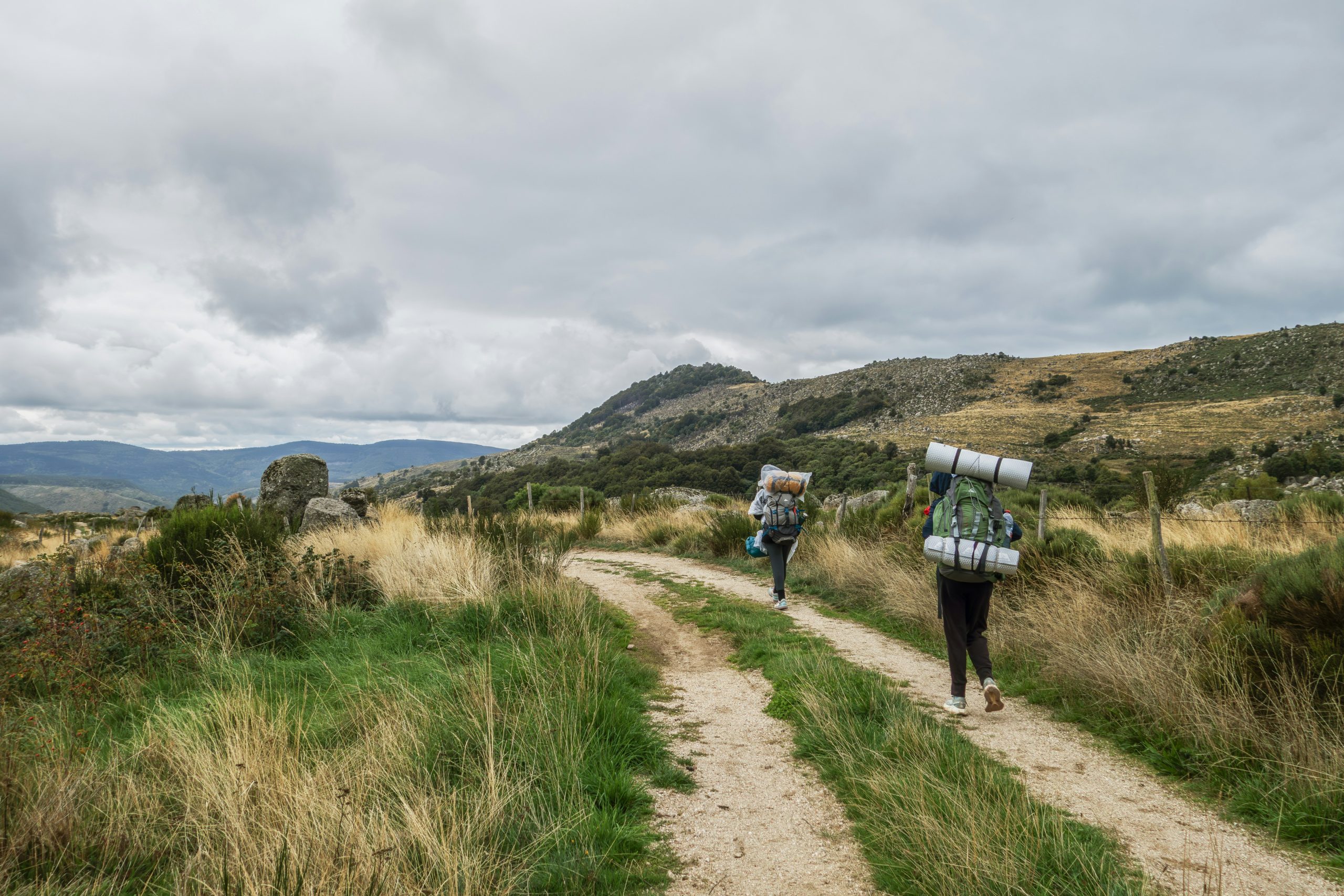
Fatigue changes how the body moves long before it causes pain. Core muscles disengage, steps become sloppy, and joint alignment suffers. Continuing at the same pace under fatigue forces smaller stabilizing muscles to absorb loads they are not designed for. Adrenaline hides warning signs, allowing strain to accumulate quietly. Recovery time stretches longer with each outing until soreness becomes persistent. Slowing down when tired preserves form and protects joints. Listening to fatigue early prevents long-term overuse injuries that seem to appear without explanation.
6. Using Stiff Footwear Without Adaptation
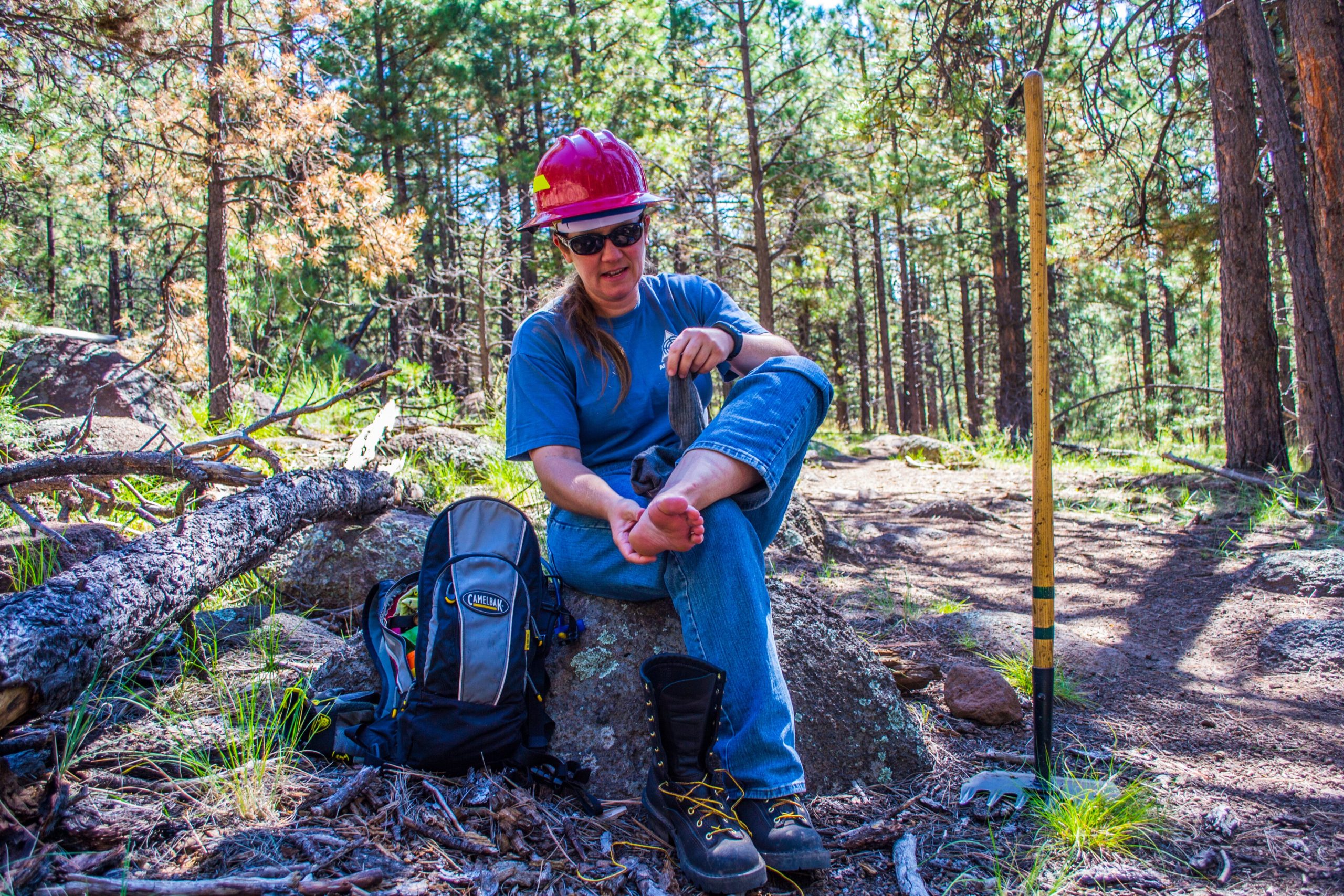
Stiff boots provide protection but limit natural foot movement. When flexibility is restricted, stress travels upward into the ankles, knees, and hips. The body adapts gradually, masking the problem during early hikes. Connective tissues tighten and become irritated without obvious pain signals. Eventually, discomfort appears suddenly, even though the damage formed slowly. Many hikers blame terrain or mileage instead of footwear stiffness. Gradual adaptation, proper fit, and mobility awareness allow supportive boots to protect rather than redirect strain into vulnerable joints.
7. Skipping Short Rest Stops
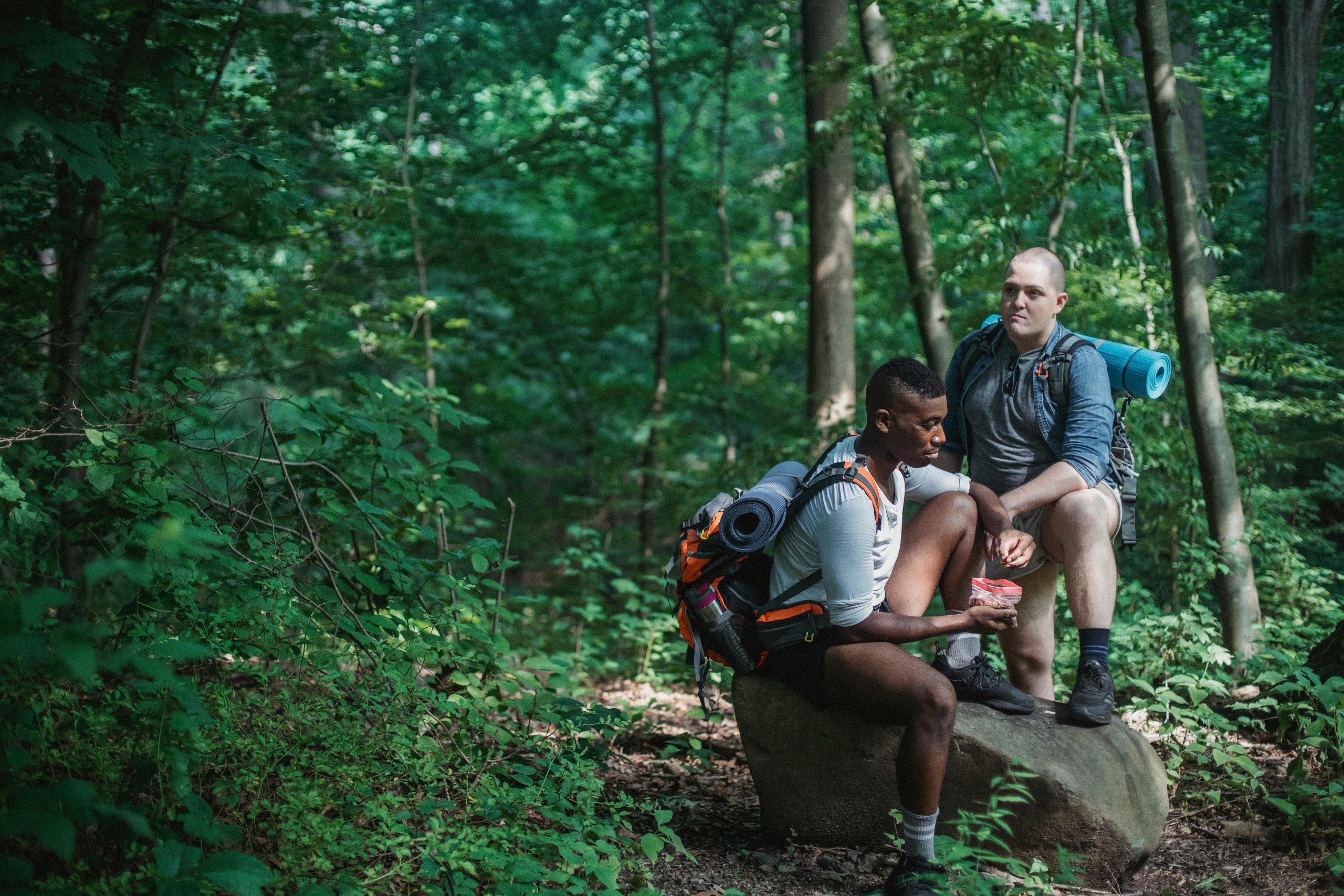
Continuous movement feels productive, especially when conditions are good. Without short breaks, muscles and tendons stay under constant tension. Blood flow decreases, and small fibers fail to recover between steps. Areas like the Achilles tendon and lower back suffer the most. Because stopping feels unnecessary, strain builds unnoticed. Pain often appears the following day, disconnected from the hike itself. Even brief pauses allow tissues to reset and restore circulation. Regular short rests prevent microscopic damage from accumulating into painful overuse injuries.
8. IgnoringPost-Hikee Recovery
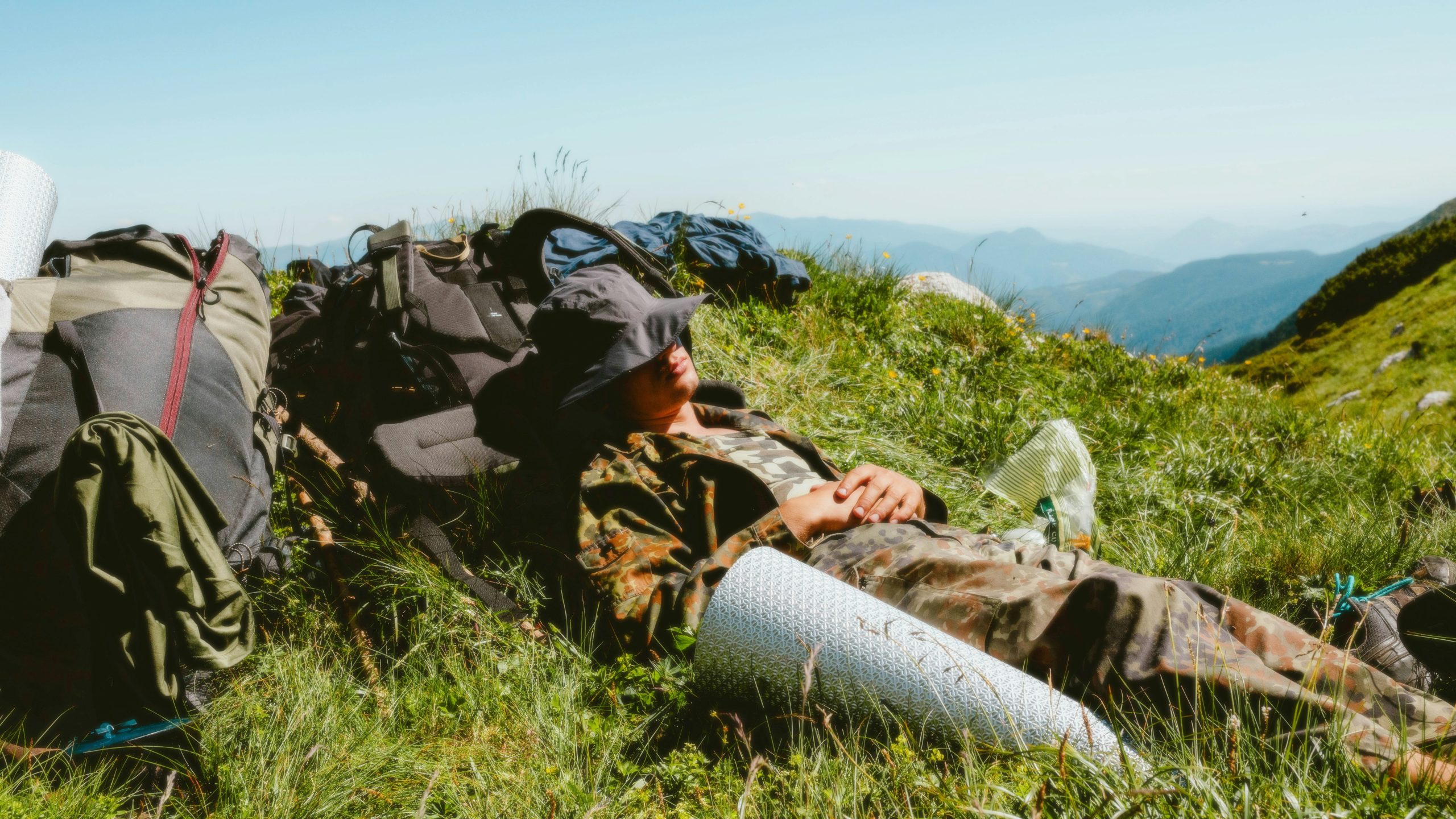
The hike may end, but tissue stress continues afterward. Without hydration, stretching, and nutrition, muscles tighten as the body cools. Overnight stiffness places extra strain on tendons and joints the next morning. When hikes happen close together, this unresolved stress compounds quietly. Pain seems to appear suddenly, even though recovery was skipped repeatedly. Post-hike care is not optional maintenance. It is part of injury prevention. Simple recovery habits protect the body from damage that does not announce itself until movement