Veteran hunters often describe recoil as a relationship built over time rather than a single physical sensation. With the .308 Winchester, that relationship forms through repeated exposure, realistic expectations, and consistent results in the field. Introduced in the 1950s, the cartridge earned respect for efficiency and balance rather than brute force. Hunters who carried it for decades learned how recoil influences accuracy, endurance, and confidence during long seasons. Experience reshapes perception, turning recoil into something predictable and manageable. These insights reflect lessons learned through years of practice, missed shots, clean harvests, and careful observation rather than theory alone.
It Feels Firm But Predictable

Veteran hunters understand that .308 recoil delivers a firm push rather than a sharp snap. That consistency allows shooters to anticipate the shot and maintain control without surprise. Over time, predictable recoil builds trust, reducing flinch and hesitation. Hunters learn how the rifle settles back into position after firing, supporting faster recovery. This predictability matters more than raw recoil numbers because comfort influences accuracy. Familiarity turns recoil into background information instead of distraction. Experienced hunters value cartridges that behave the same way every time, and the .308 earns confidence through that steady, repeatable feel.
Rifle Weight Changes Everything
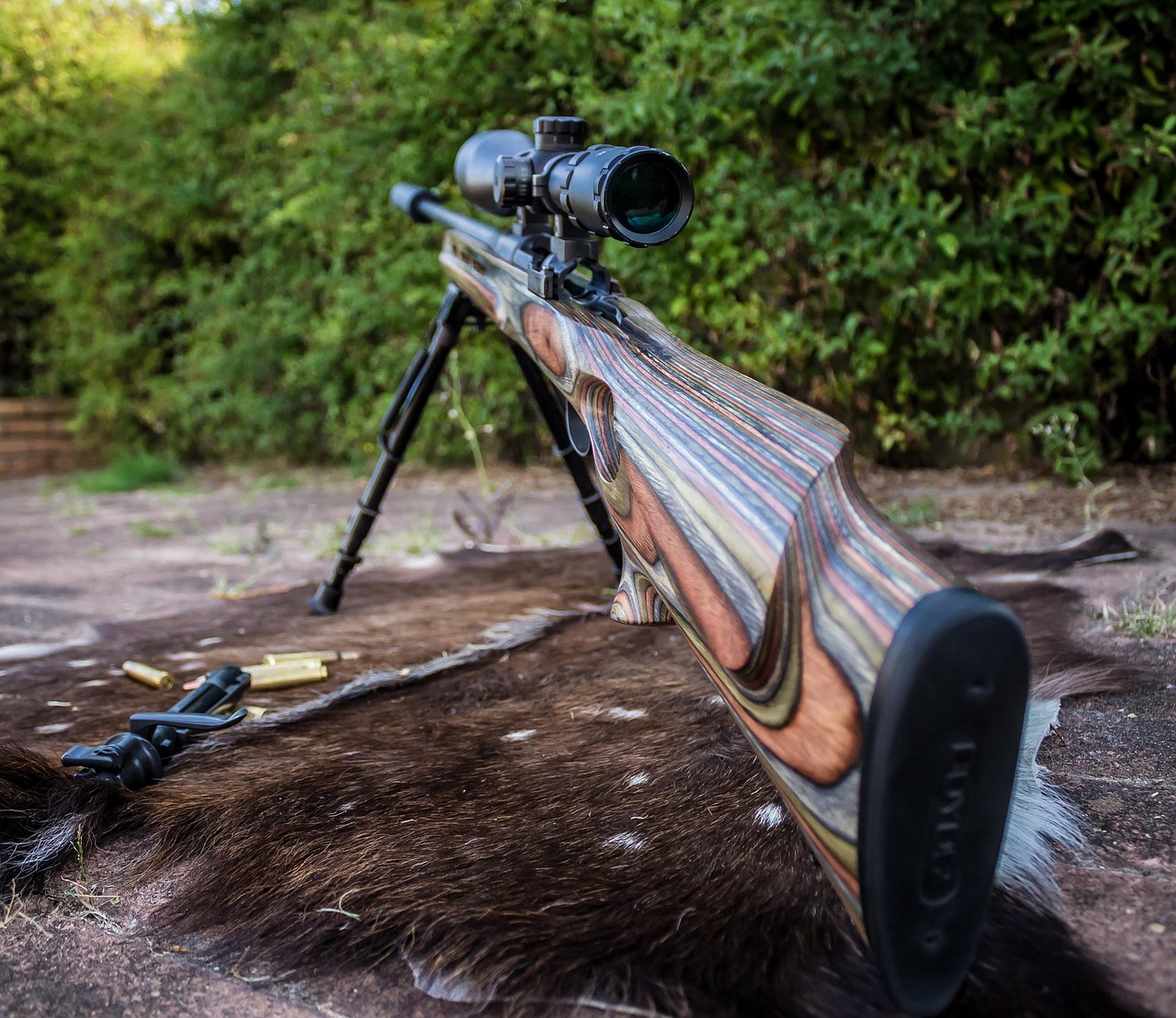
Experienced hunters know recoil perception shifts dramatically based on rifle weight and balance. A heavier .308 rifle absorbs more energy, smoothing the shooting experience and reducing felt impact. Lightweight hunting rifles can amplify recoil, even with the same cartridge. Veterans factor stock design, barrel length, and optics into overall feel. Years of handling different setups teach that recoil is not just about caliber. Understanding how equipment interacts helps hunters choose rifles that suit their tolerance and shooting style. This knowledge prevents discomfort and fatigue during extended hunts and reinforces respect for thoughtful rifle configuration.
Shooting Position Matters Greatly
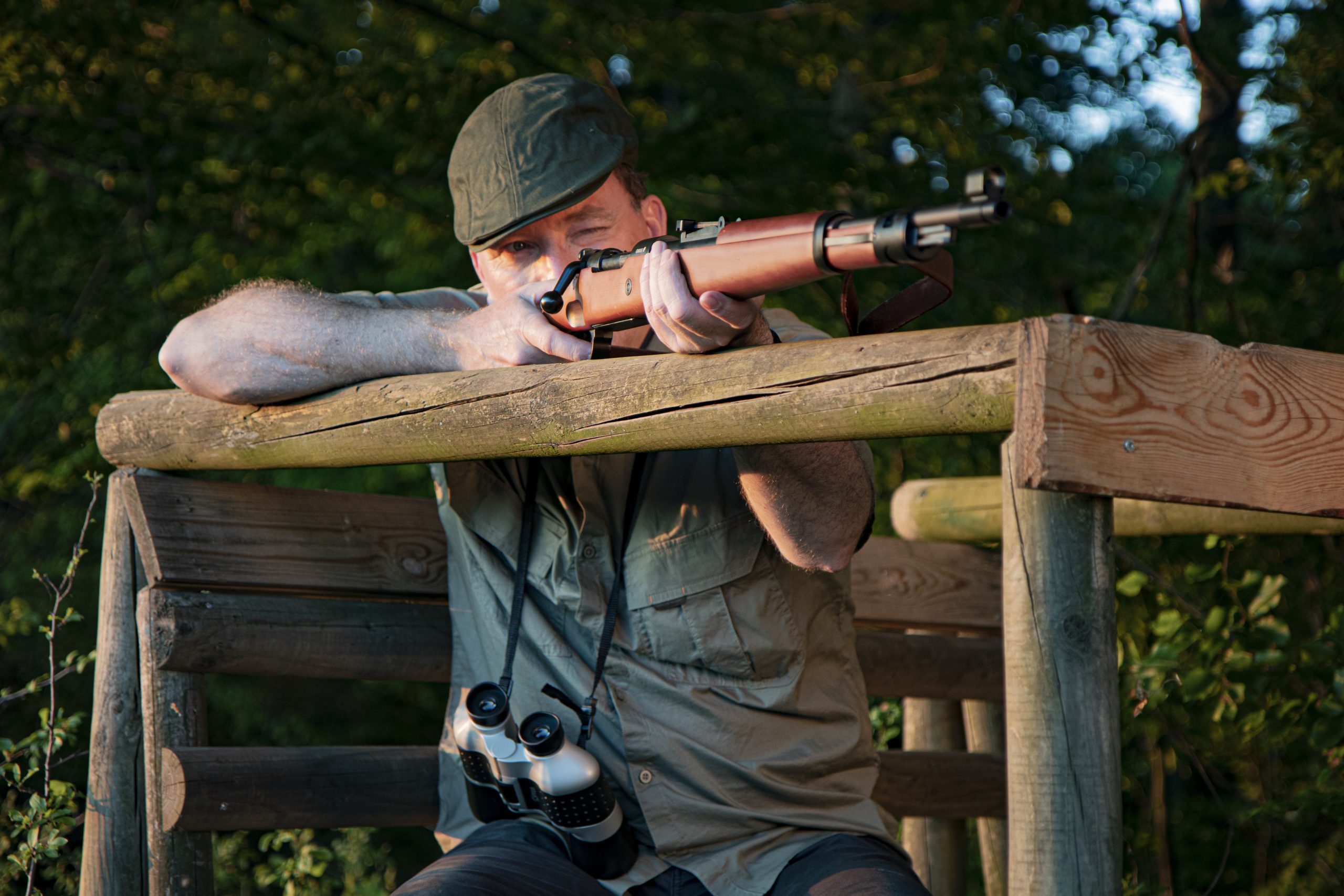
Veteran hunters recognize that shooting position plays a major role in how .308 recoil feels. A standing or kneeling position allows the body to roll with recoil, often making it feel milder. Prone shooting, especially on hard ground, transfers more energy directly into the shoulder. Experience teaches when to brace firmly and when to stay relaxed. Hunters adjust posture instinctively based on terrain and shot opportunity. Over time, understanding positional recoil helps prevent soreness and improves shot follow through. This awareness separates seasoned shooters from beginners still surprised by recoil variations.
Recoil Influences Follow Through

Seasoned hunters understand recoil does not end when the trigger breaks. Follow through determines where the bullet ultimately lands. The .308 produces enough recoil to punish poor habits but rewards disciplined technique. Veterans stay focused on sight picture through the shot, allowing recoil to occur without interruption. Years of repetition reinforce staying calm rather than reacting. This mental control keeps shots consistent. Hunters learn that managing recoil is as much about concentration as physical tolerance. Proper follow through transforms recoil from a disruptive force into a predictable part of accurate shooting.
Practice Changes Perception Over Time

Veteran hunters know recoil perception evolves with practice. Early experiences may feel pronounced, but repetition reduces sensitivity. Muscles adapt, expectations settle, and confidence replaces tension. With the .308, frequent range time builds familiarity that carries into hunting scenarios. Experience teaches that fear of recoil exaggerates discomfort more than recoil itself. As confidence grows, recoil feels less intrusive. This long-term adjustment explains why older hunters often describe the cartridge as comfortable. Practice reshapes response, proving that recoil management improves steadily through consistent exposure rather than avoidance.
Clothing And Padding Make A Difference
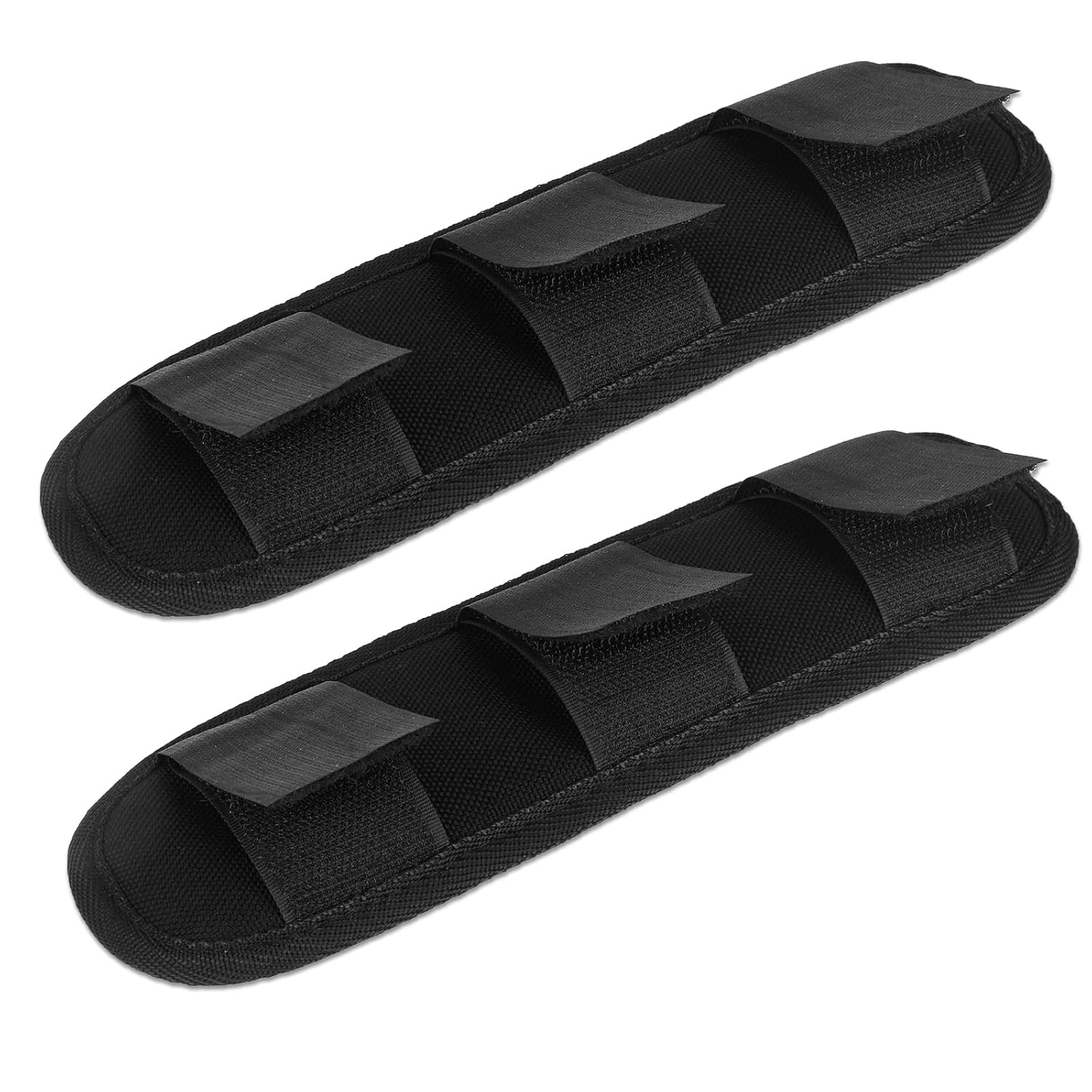
Experienced hunters account for clothing and padding when considering .308 recoil. Heavy jackets, layered clothing, or recoil pads soften impact during cold weather hunts. Conversely, light summer clothing can make recoil feel sharper. Veterans plan accordingly, adjusting gear based on season and conditions. This practical knowledge prevents surprises during early season practice or late season hunts. Understanding how gear affects comfort helps maintain consistency. Hunters who have fired thousands of rounds recognize small changes matter. Attention to these details reflects experience gained through varied conditions rather than controlled range environments.
Recoil Is Easier Than Larger Calibers
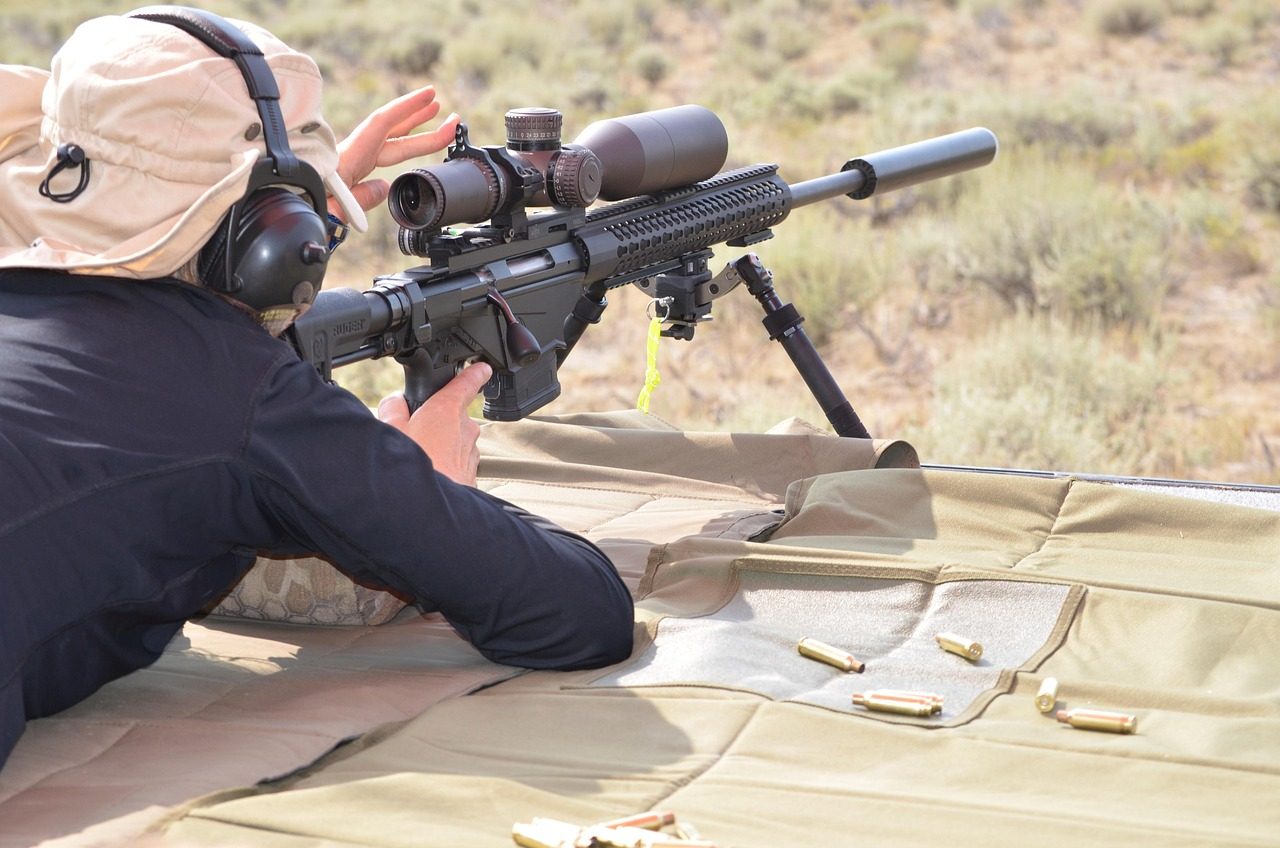
Veteran hunters appreciate the .308 because its recoil remains moderate compared to larger big game calibers. Years of comparison highlight its balance between power and comfort. Hunters who tried heavier cartridges often return to the .308 after recognizing diminishing returns. The cartridge delivers effective performance without excessive punishment. That balance supports longer practice sessions and confident shot placement. Experience reinforces that manageable recoil leads to better accuracy. Older hunters trust what allows control under pressure, and the .308 consistently meets that standard across varied hunting situations.
Familiarity Builds Confidence Under Pressure

Ultimately, veteran hunters know familiarity with .308 recoil builds confidence during critical moments. Confidence steadies breathing, improves decision making, and reduces hesitation. When a shot opportunity appears, familiarity removes doubt. Years of experience create muscle memory that overrides anxiety. The rifle fires, recoil happens, and focus remains intact. That reliability matters when conditions are imperfect. Veteran hunters trust cartridges that remove variables. The .308 earns loyalty because its recoil becomes expected, controlled, and secondary to the task at hand after years of consistent use.