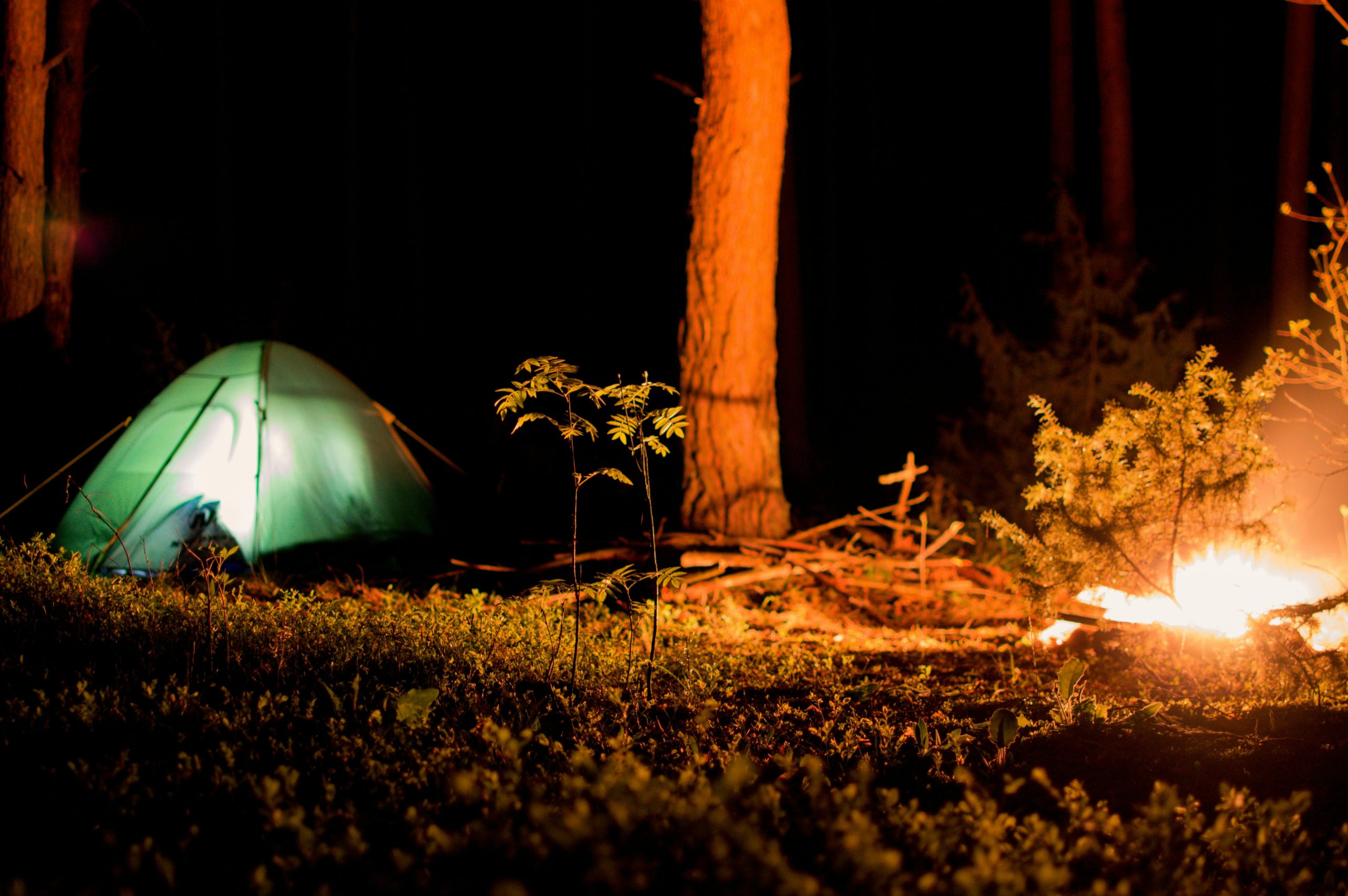
A campfire is one of the most enjoyable parts of any outdoor trip. It provides warmth on cool nights, light after sunset, and a comfortable place for conversation after a long day of hiking or exploring. However, many people unknowingly make simple mistakes that can turn a relaxing campfire into a frustrating or even dangerous experience. Small errors in fire building, wood selection, or safety habits can lead to excessive smoke, wasted fuel, or unnecessary risk to the surrounding environment. Understanding proper campfire practices not only improves comfort but also protects nature and prevents accidents. By recognizing the most common mistakes campers make, anyone can build safer, cleaner, and more enjoyable fires during outdoor adventures.
1. Starting Fires in Poor Locations
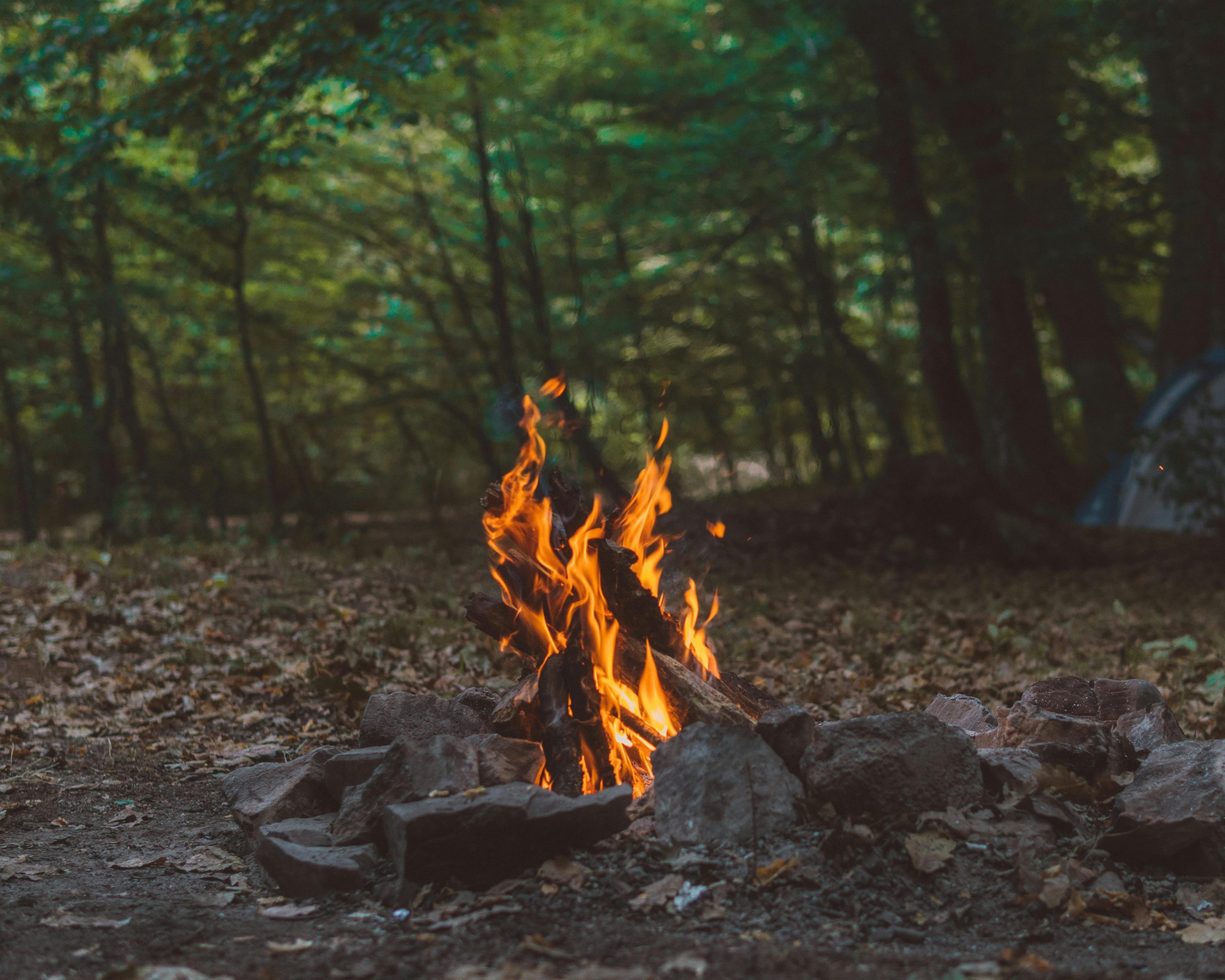
One of the most common campfire mistakes happens before the fire is even lit. Many campers build fires in locations that are poorly suited for safe burning. Setting up a fire too close to tents, trees, or dry brush can create unnecessary hazards, especially if winds shift during the night. Overhanging branches may catch sparks, while dry grass nearby can ignite quickly. A proper campfire should always be built in a clear area with adequate space around it. Many campsites already provide established fire rings for this reason. Choosing the right location helps control the spread of heat and sparks, reduces environmental damage, and ensures that the fire remains manageable throughout the evening.
2. Using the Wrong Kind of Wood
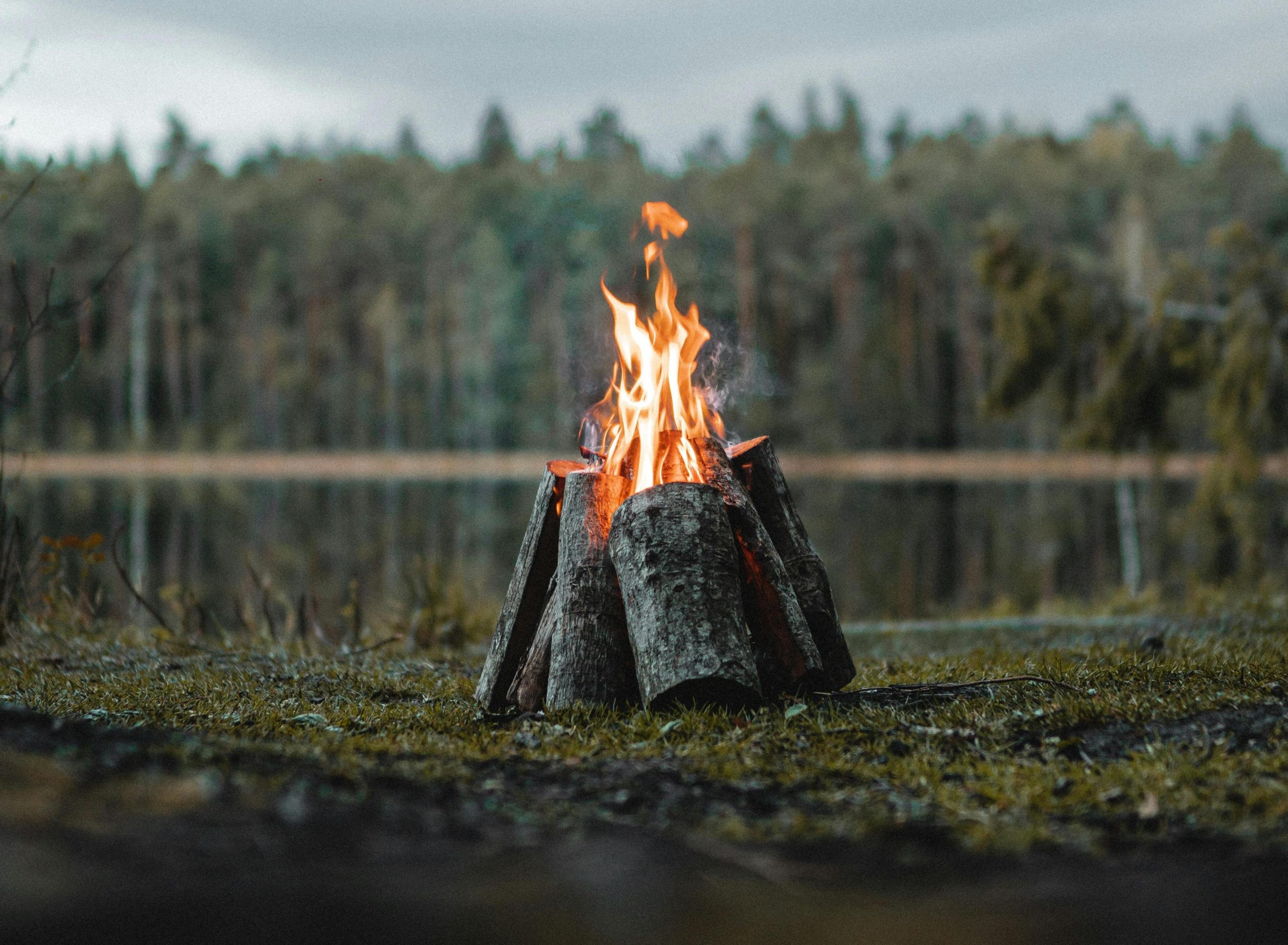
Many beginners assume that any piece of wood found on the ground will burn well in a campfire. In reality, wood quality plays a major role in how effectively a fire burns. Freshly fallen branches or damp wood often contain high moisture levels, which leads to excessive smoke and poor heat output. Soft woods may ignite quickly but burn out fast, while dense hardwoods provide longer-lasting coals. Campers who gather a mix of dry kindling, small sticks, and thicker logs usually build far more stable fires. Taking time to choose dry, well-seasoned wood improves efficiency and reduces frustration. Proper wood selection also helps the fire burn cleaner and more consistently throughout the evening.
3. Ignoring Proper Fire Structure
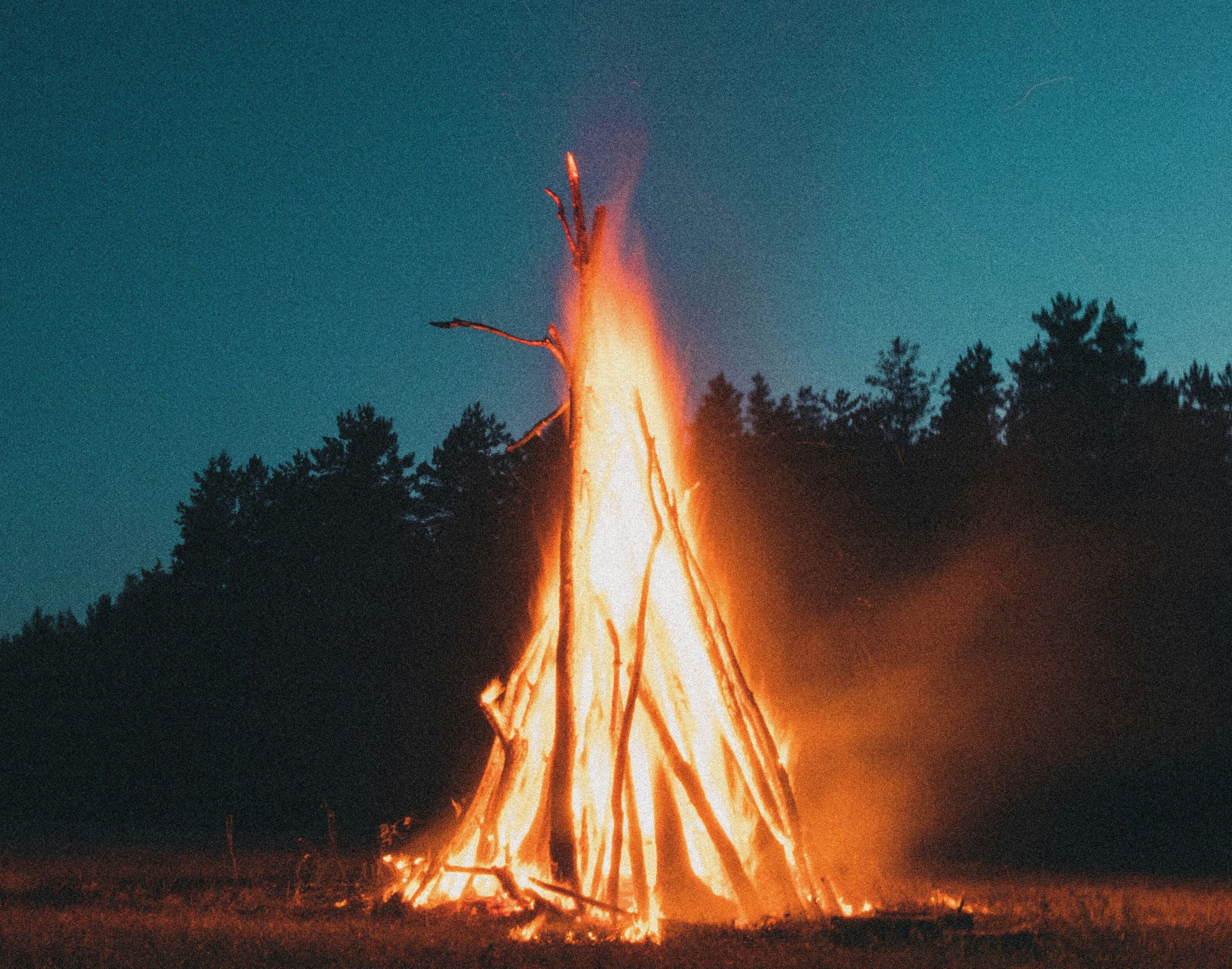
Another mistake people frequently make is piling wood together without any thought to structure. A fire needs airflow in order to burn efficiently, and random stacks of wood often block the oxygen that flames require. Without proper airflow, fires struggle to grow and may produce heavy smoke instead of steady flames. Campers who understand basic fire structures, such as a teepee or a log cabin arrangement,s usually achieve better results. These layouts allow air to circulate while gradually feeding larger fuel into the fire. Building a thoughtful structure may take a little more effort at the start, but it creates a stronger and more reliable campfire that burns evenly and produces useful heat.
4. Adding Too Much Wood Too Quickly
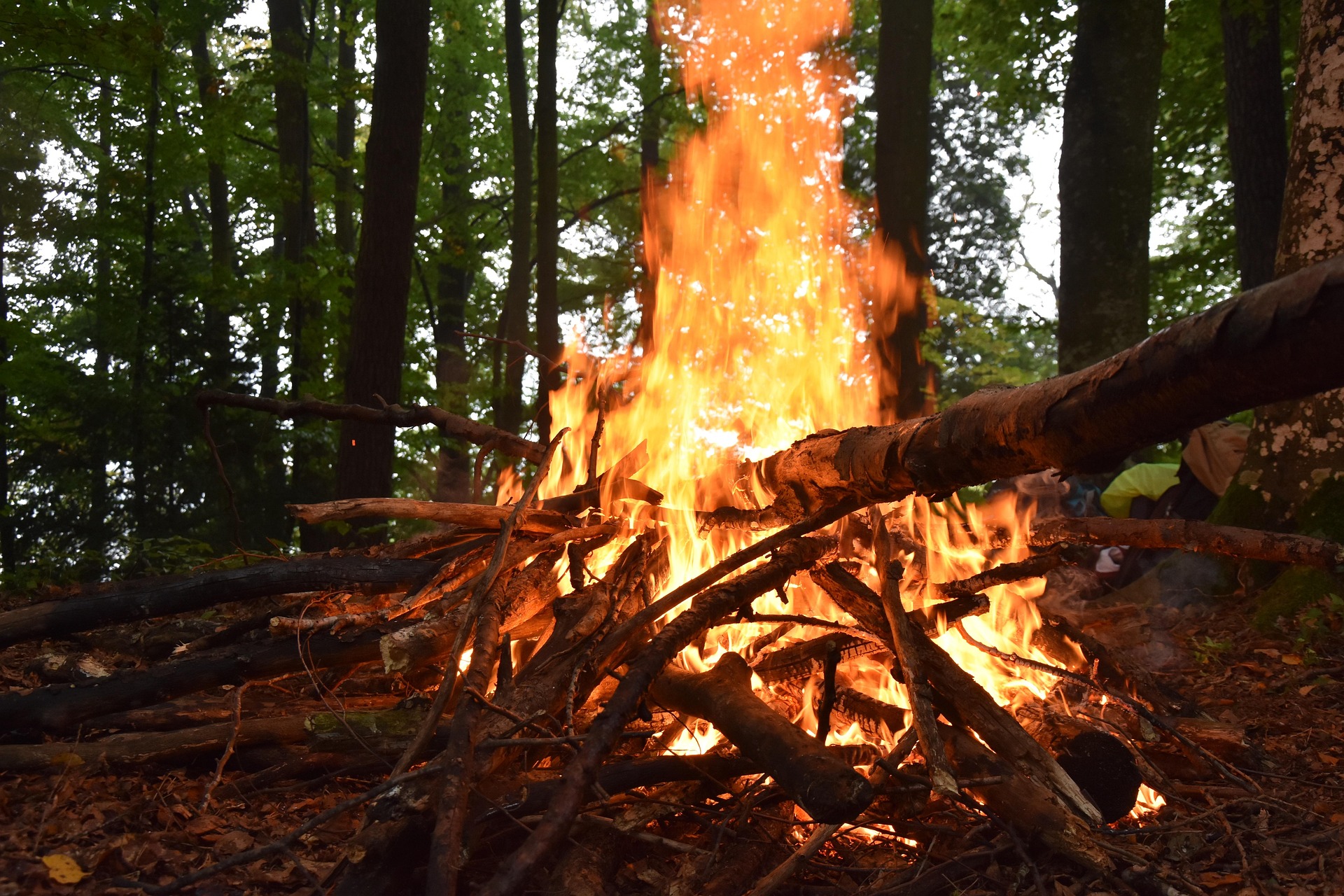
When people see flames beginning to fade, their instinct is often to throw large pieces of wood directly onto the fire. Unfortunately, adding too much fuel too quickly can smother the flames and reduce airflow. Large logs placed on a small fire may lower the temperature and prevent the fire from fully igniting the new wood. A better approach is to build the fire gradually. Small sticks should ignite first, followed by medium-sized branches and eventually larger logs once the fire is well established. This gradual process maintains steady heat and keeps the flames strong. Patience when feeding the fire usually produces a far more stable and efficient burn.
5. Relying on Flammable Liquids
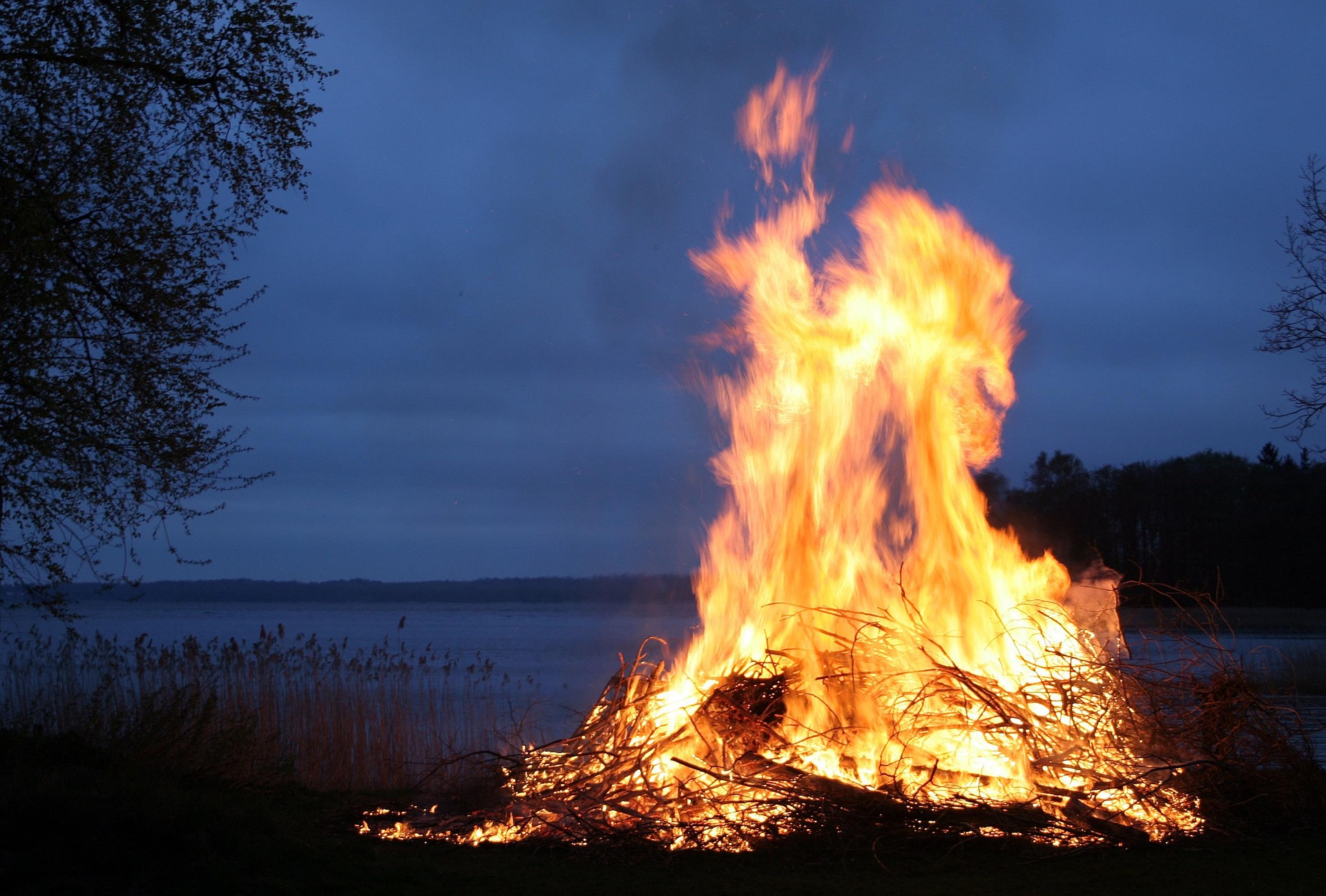
Some campers attempt to speed up the fire-starting process by using gasoline, lighter fluid, or other flammable liquids. While this may seem like a quick solution, it creates serious safety risks. These liquids can ignite unpredictably, causing sudden flare-ups that may result in burns or loss of control over the fire. In addition, chemical accelerants produce unpleasant odors and harmful fumes. Experienced campers typically rely on natural materials such as dry leaves, bark, or small twigs to start their fires. Commercial fire starters designed for camping can also be used safely. Avoiding flammable liquids keeps the process controlled and prevents unnecessary hazards around the campsite.
6. Letting Sparks and Embers Spread
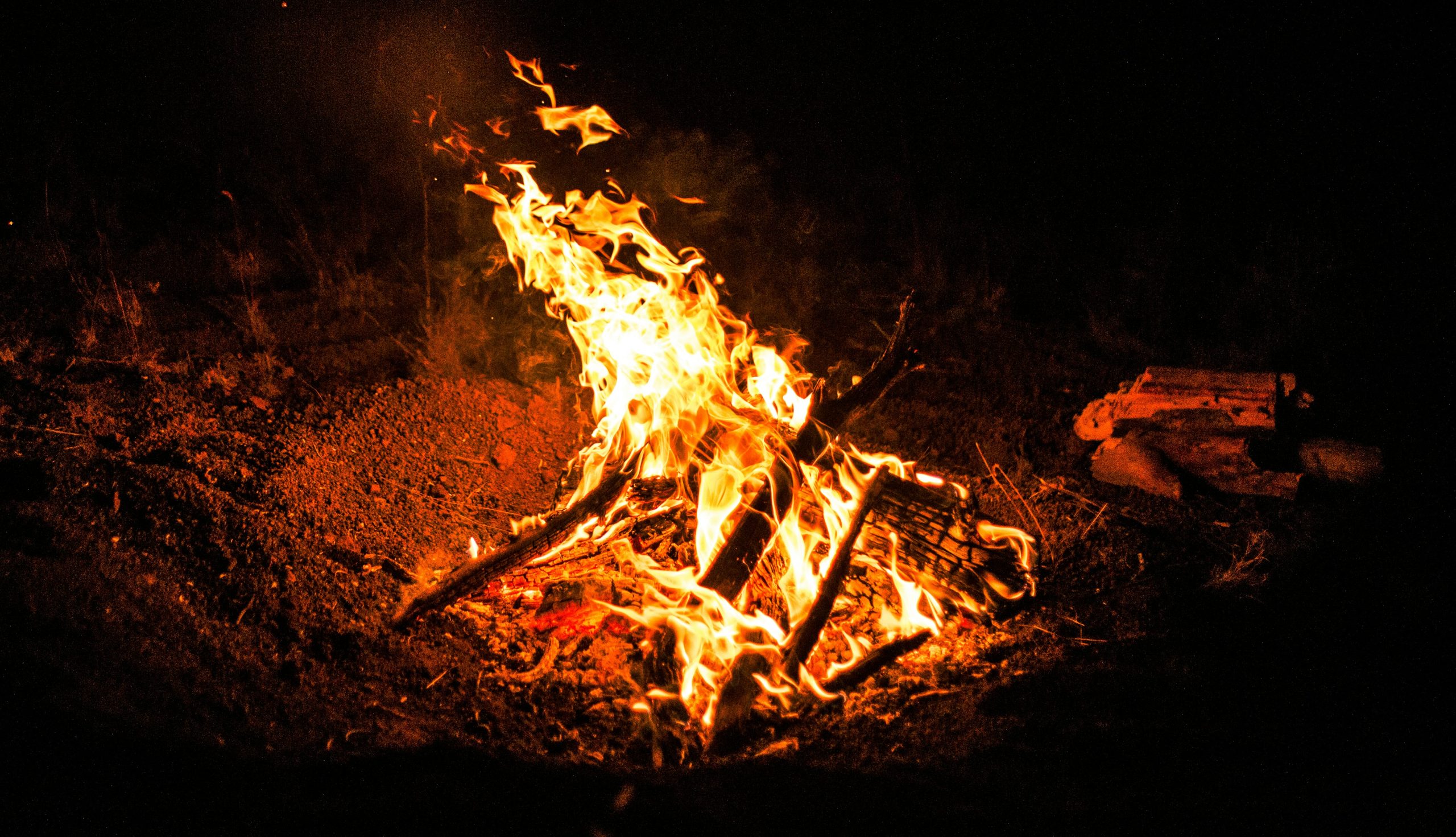
A campfire may appear calm, but sparks and embers can travel farther than many people realize. Even a small breeze can lift glowing particles into the air and carry them toward dry leaves or nearby vegetation. Campers who fail to monitor these sparks risk starting unintended fires around the campsite. Maintaining a reasonable fire size and keeping the area around the fire clear helps reduce this risk. It is also wise to avoid burning materials that produce excessive sparks, such as certain resin-heavy woods. Responsible campers remain attentive to their fire at all times and ensure that any stray embers are quickly extinguished before they cause problems.
7. Leaving the Fire Unattended
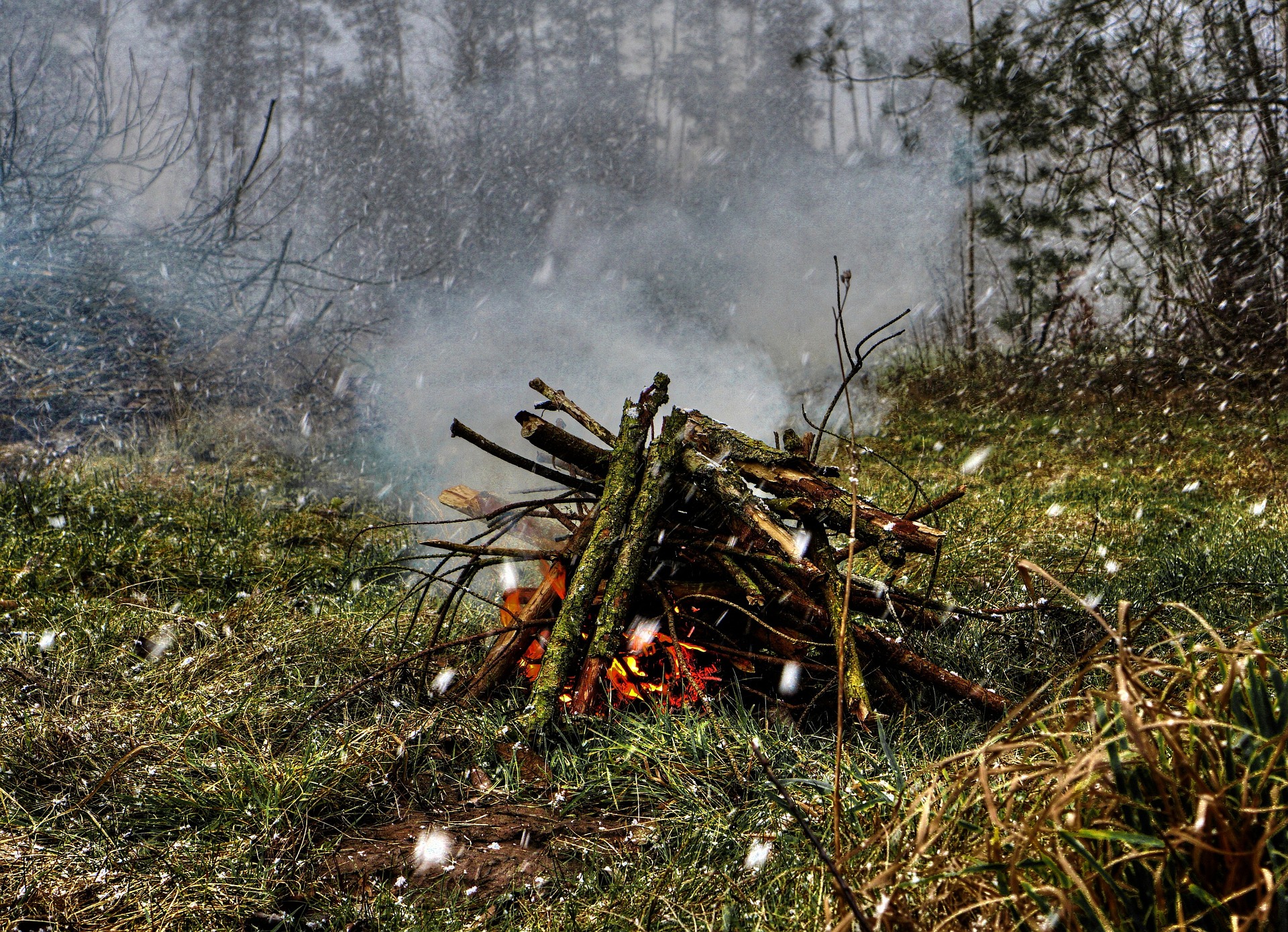
A common but dangerous mistake is leaving a campfire burning without supervision. Even a well-built fire can change quickly if winds shift or nearby fuel becomes exposed to heat. An unattended fire may grow unexpectedly or spread to surrounding vegetation. Responsible campers always keep someone nearby who can monitor the flames and respond if conditions change. This simple habit dramatically reduces the risk of accidents. In many campgrounds, leaving a fire unattended is also against regulations designed to protect public lands. Treating a campfire with constant awareness ensures that it remains a source of enjoyment rather than a potential hazard.
8. Failing to Properly Extinguish the Fire
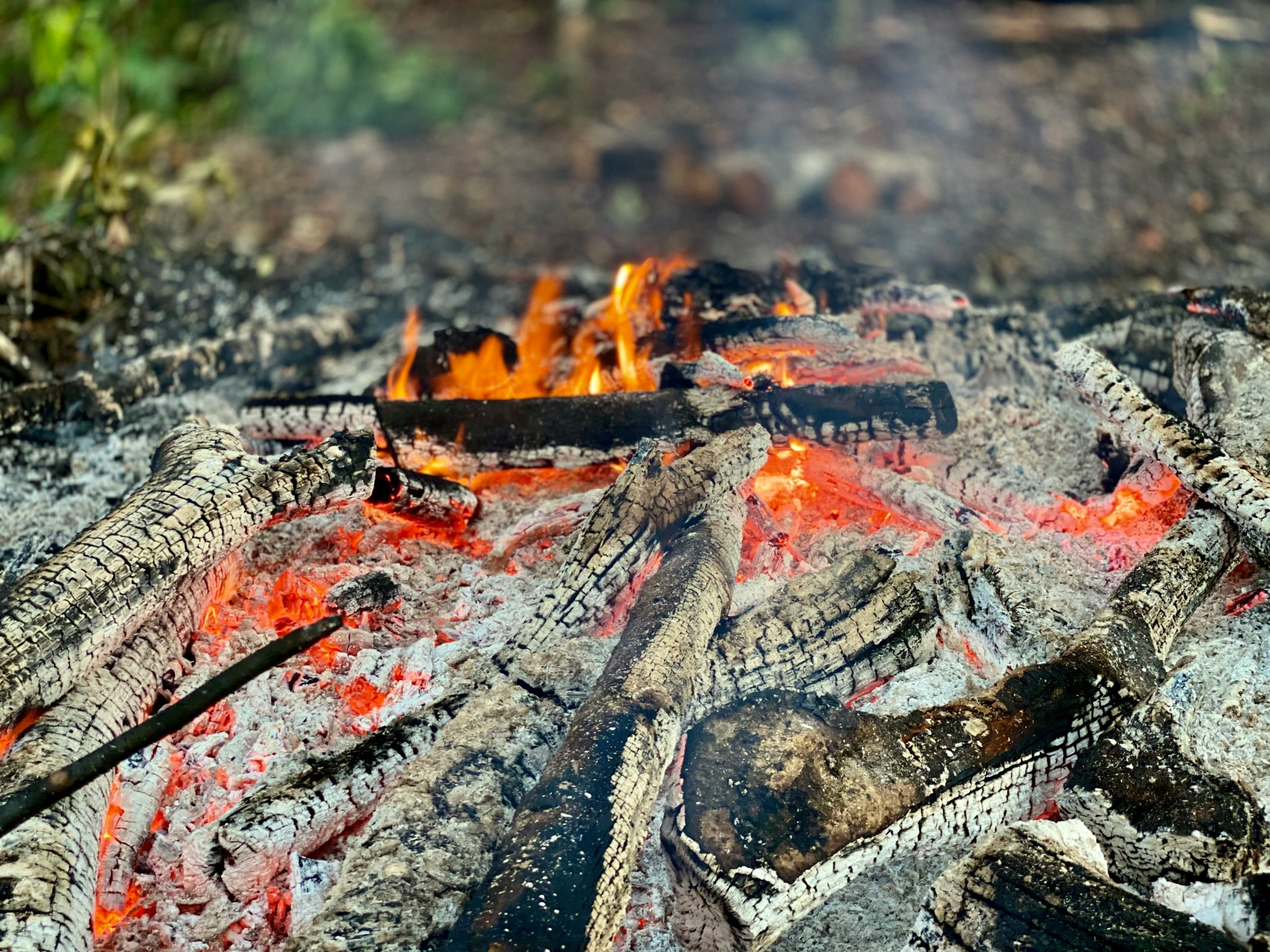
The final mistake often happens at the end of the evening when campers prepare to leave or go to sleep. Some people assume that a fire will burn itself out safely overnight. In reality, glowing coals can remain hot for hours and may reignite if conditions allow. Properly extinguishing a campfire requires patience and attention. Water should be poured over the flames and hot coals until all hissing stops. Stirring the ashes helps ensure that hidden embers are fully cooled. The ground should feel cool to the touch before the fire is considered out. Taking these extra minutes protects the campsite and surrounding wilderness from accidental fires.