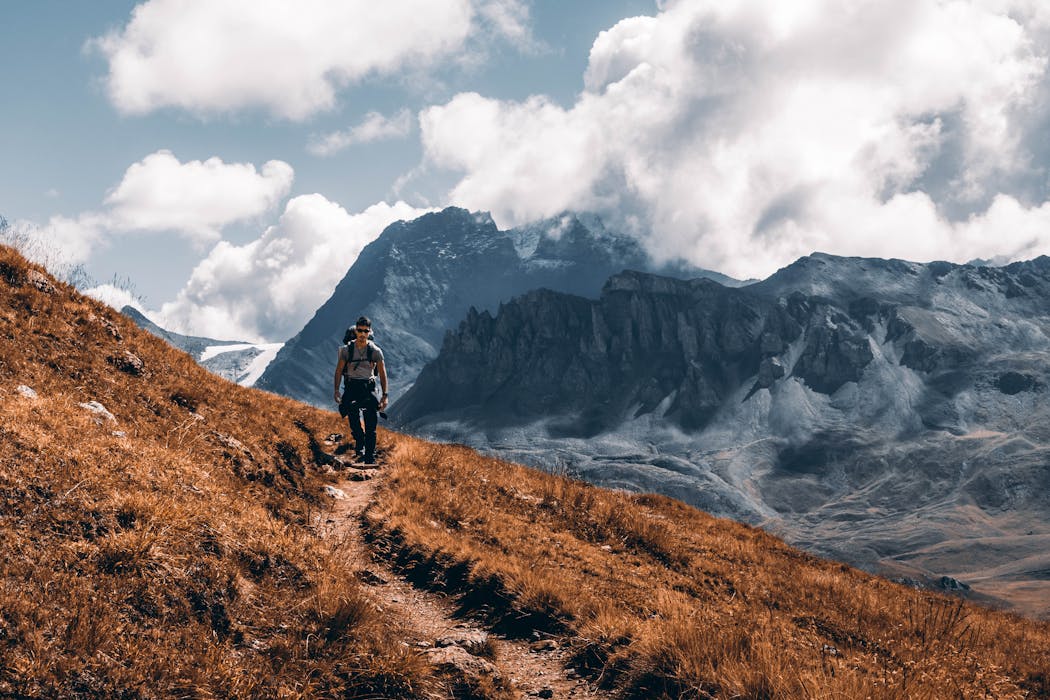
Survival situations change rapidly, and time often becomes the most unforgiving factor. Tasks that seem manageable early can grow dangerous as hours pass. Fatigue builds, resources shrink, and conditions shift. Waiting increases complexity, reduces options, and magnifies small mistakes. Many survival failures stem not from lack of knowledge, but from delayed action. Understanding how time erodes effectiveness helps prioritize decisions under pressure. These eight survival tasks consistently become harder the longer action is postponed. Each illustrates how early movement, awareness, and response often matter more than advanced skill when environments degrade and opportunities quietly disappear.
Finding Water
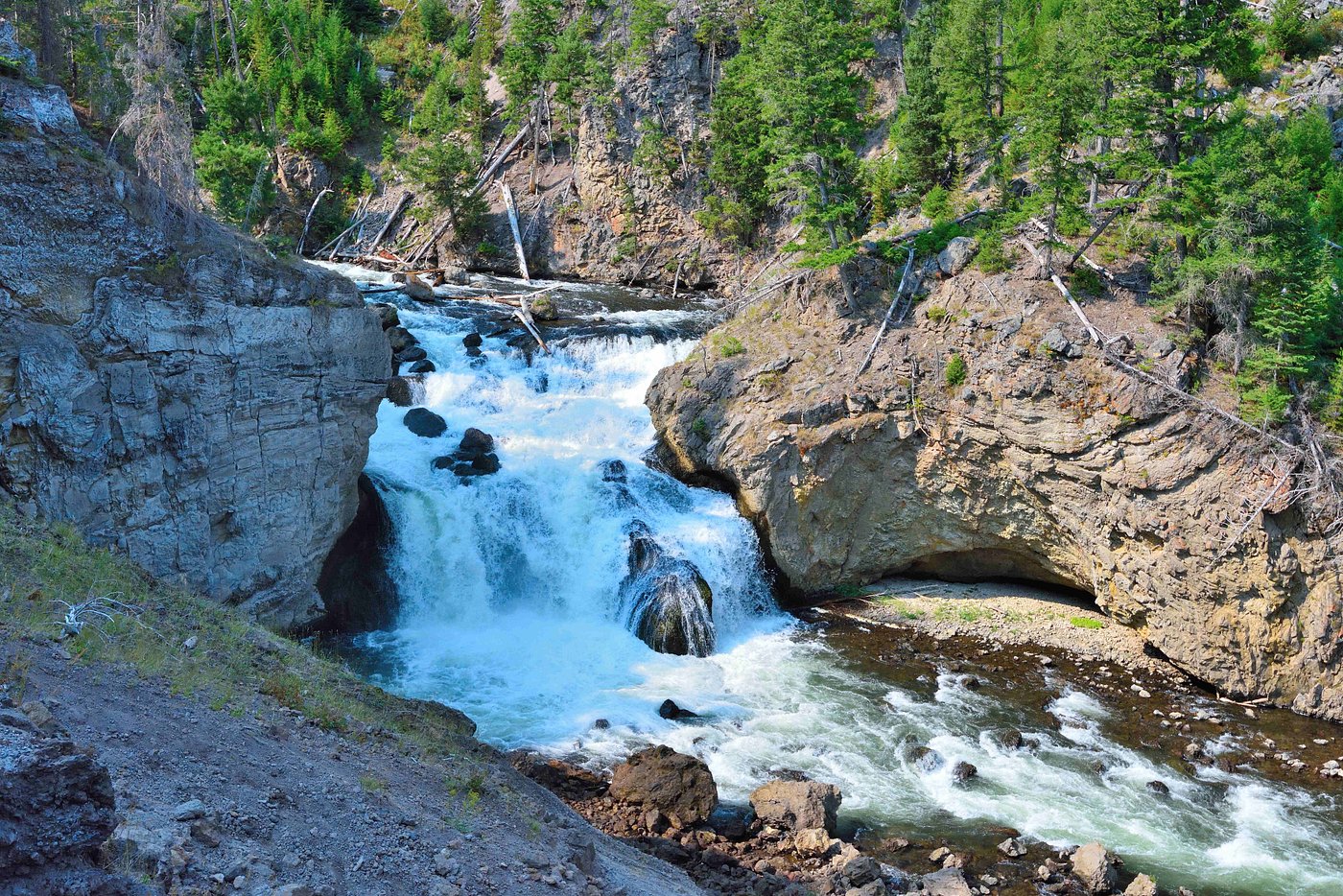
Finding drinkable water becomes more difficult with time. Early sources may dry up or become contaminated. Physical dehydration reduces clarity and strength, slowing searches. Heat or cold accelerates fluid loss. Containers run empty, and improvised collection takes longer. Delaying water gathering forces riskier choices, including unsafe sources. Environmental conditions change quickly, especially in arid or cold regions. Acting early allows assessment, purification, and storage. Waiting narrows options and increases illness risk, making water acquisition progressively harder as the body weakens and the landscape offers fewer reliable opportunities during prolonged survival emergencies without immediate rescue prospects.
Building Shelter
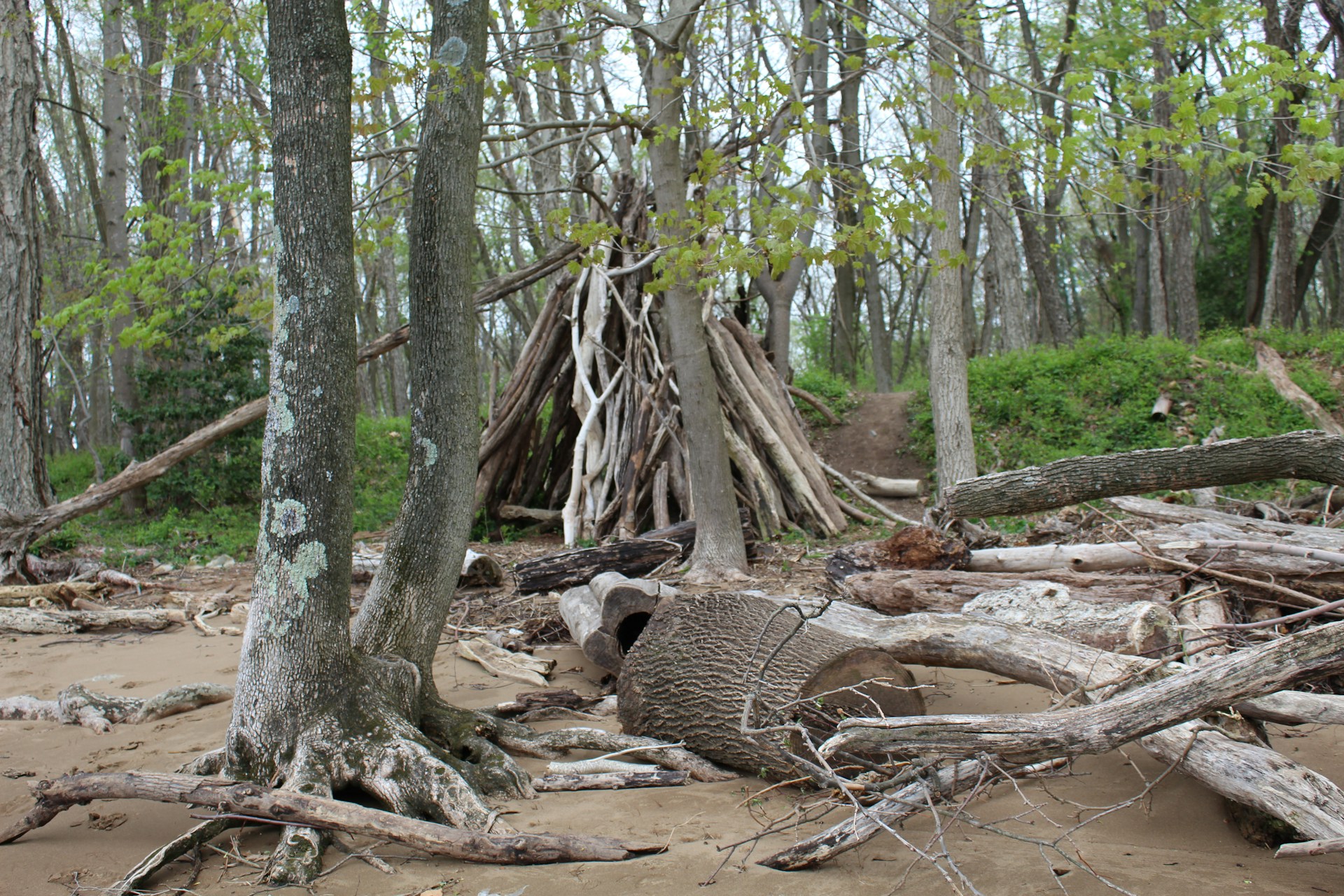
Building shelter becomes harder the longer action is delayed. Daylight fades, weather shifts, and energy drops. Early shelter construction benefits from visibility and dry materials. Waiting invites wind, rain, or snow. Fatigue reduces coordination and decision making. Suitable locations become harder to evaluate in darkness. Improvised materials degrade with exposure. As temperatures fall, urgency rises while capability declines. Constructing shelter early preserves warmth and safety. Delaying this task increases hypothermia risk and forces rushed decisions under stress, when mistakes compound quickly and recovery becomes unlikely during extended outdoor survival situations without protective infrastructure or assistance.
Treating Injuries
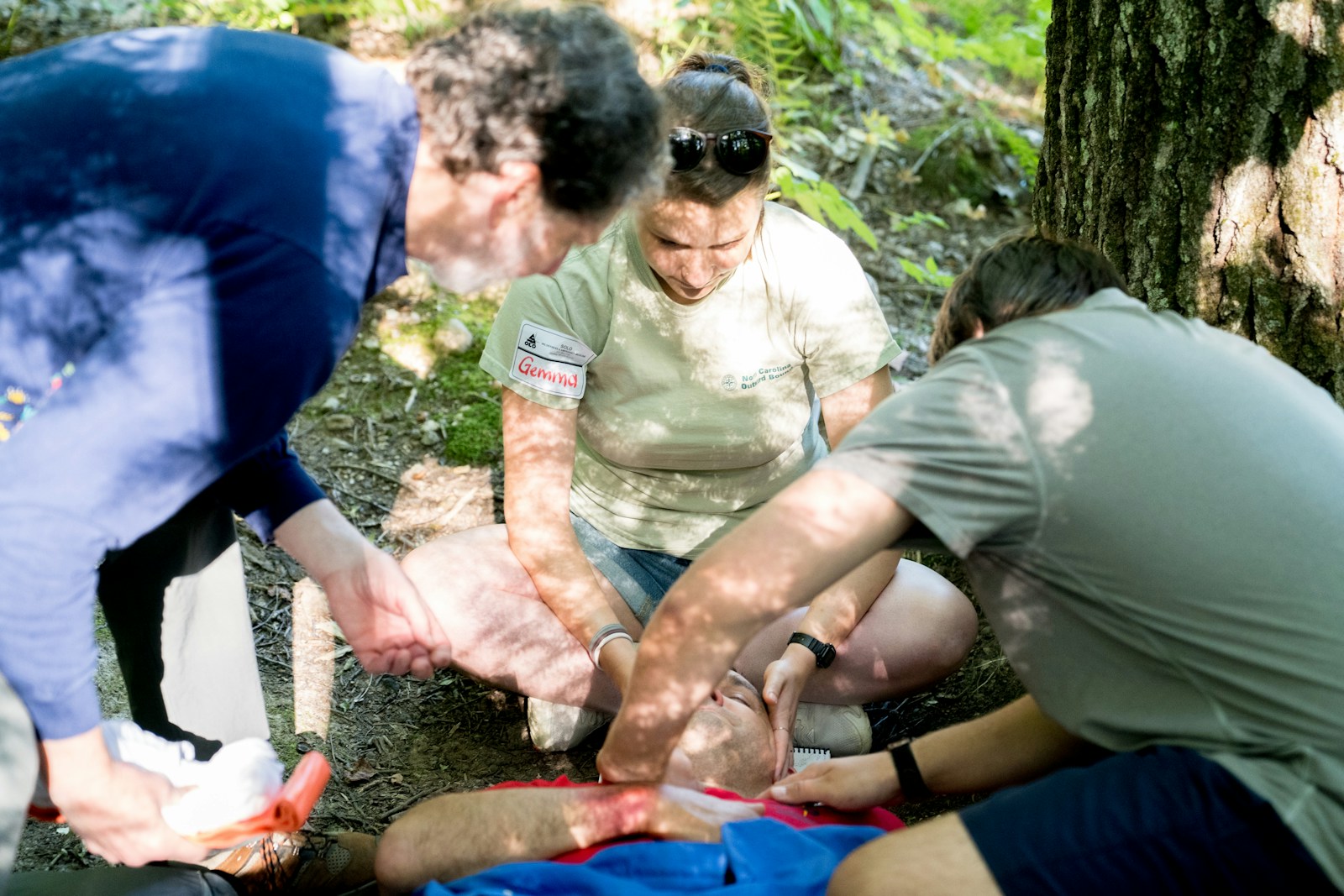
Treating injuries becomes more difficult as time passes. Bleeding worsens, swelling increases, and infection risk rises. Early intervention limits damage and preserves mobility. Waiting allows shock, pain, and fatigue to set in. Supplies may be lost or contaminated. Environmental exposure complicates wound care. Delayed treatment reduces effectiveness of first aid techniques. Small injuries escalate into disabling problems. Addressing wounds promptly improves survival odds. Postponement forces improvisation under declining physical condition, when precision drops and recovery slows dramatically especially in remote environments lacking medical support and evacuation options during prolonged emergencies with limited supplies and exposure.
Navigation
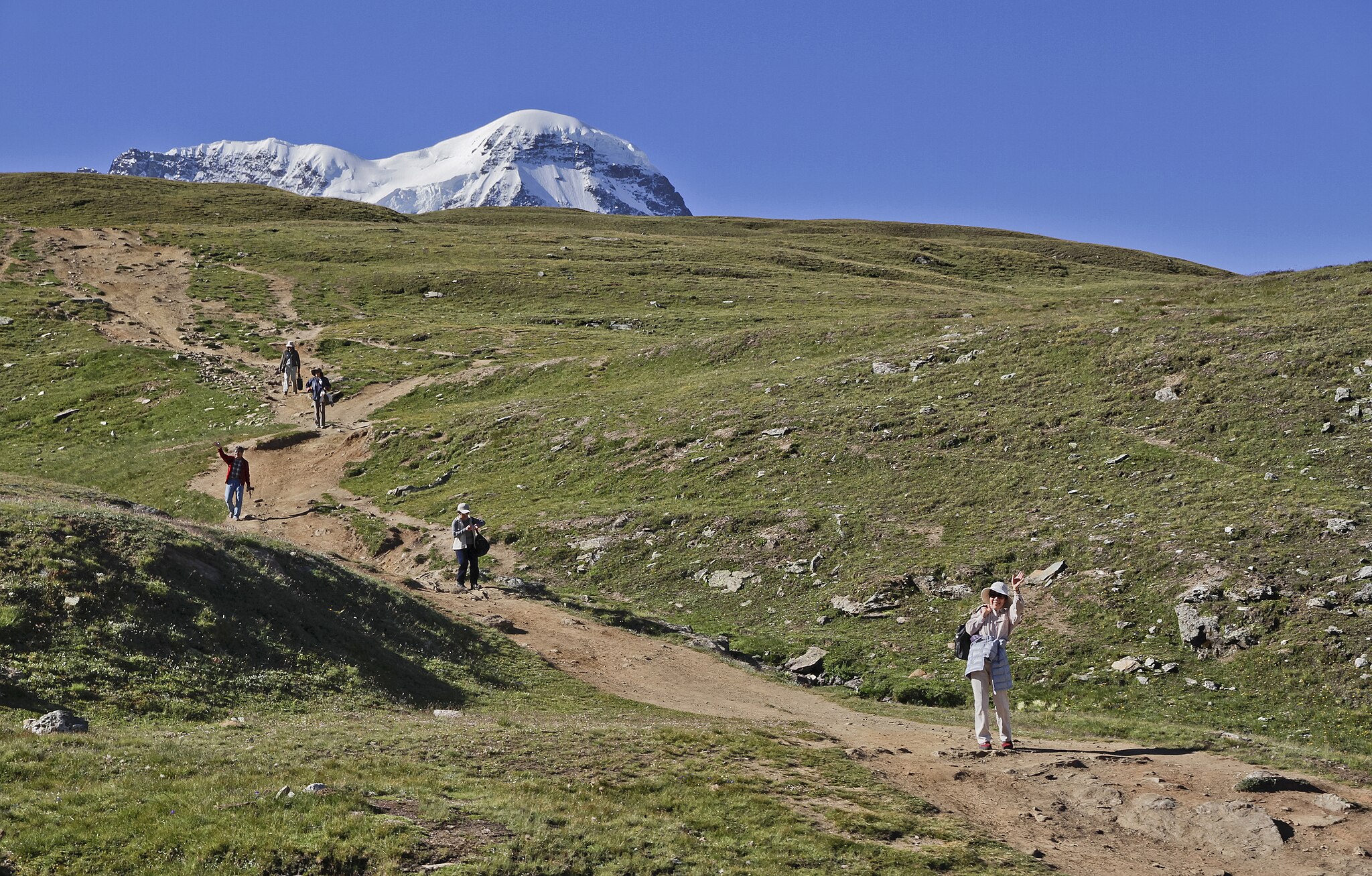
Navigation becomes harder the longer movement is delayed. Daylight loss reduces visibility and landmark recognition. Fatigue impairs orientation and memory. Weather changes obscure terrain features. Early navigation allows course correction. Waiting increases distance errors and disorientation. Panic grows as confidence fades. Tools may fail or batteries drain. Navigating early conserves energy and clarity. Delayed travel often results in wandering, increased exposure, and missed routes, making recovery difficult as conditions worsen and physical limits tighten especially across unfamiliar terrain without maps, trails, landmarks, or reliable navigation aids during extended survival scenarios involving weather shifts quickly evolving.
Signaling For Rescue
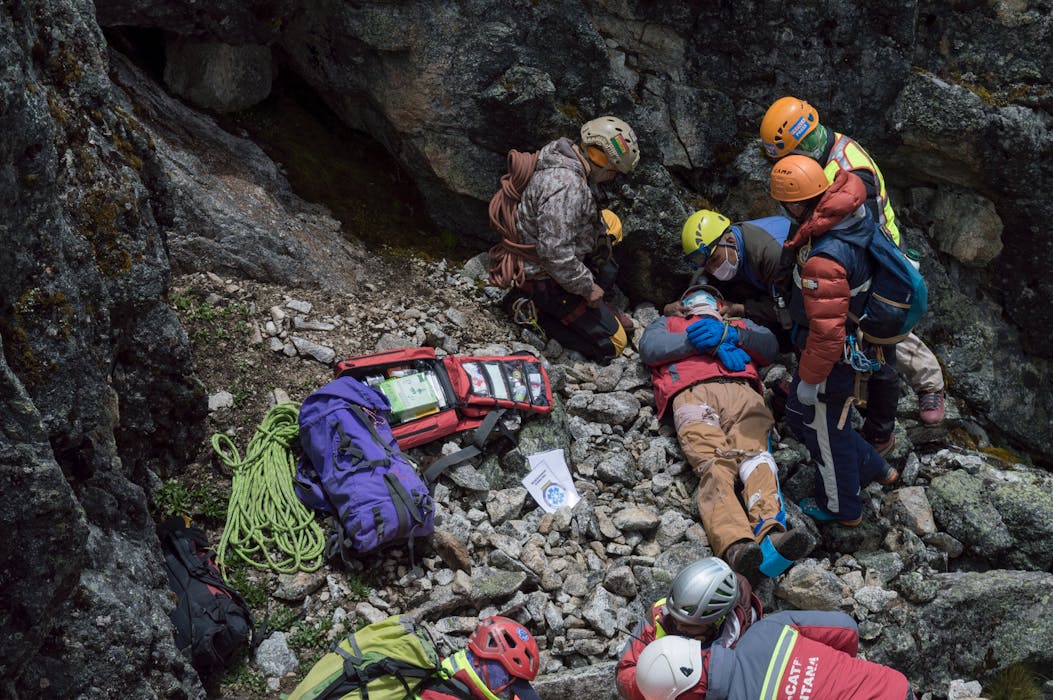
Signaling for rescue becomes harder with time. Energy decreases, materials degrade, and visibility shifts. Early signals benefit from strength and optimal placement. Waiting reduces chances of being seen or heard. Weather suppresses sound and smoke. Movement to signal locations becomes risky. Delayed signaling misses early search windows. As time passes, rescuers expand areas. Signaling early increases alignment with search patterns. Postponement reduces effectiveness and forces greater effort when strength fades and environmental conditions limit visibility and reach across vast landscapes with limited communication infrastructure, daylight, aircraft, or ground teams available initially during emergencies nearby locations.
Fire Starting
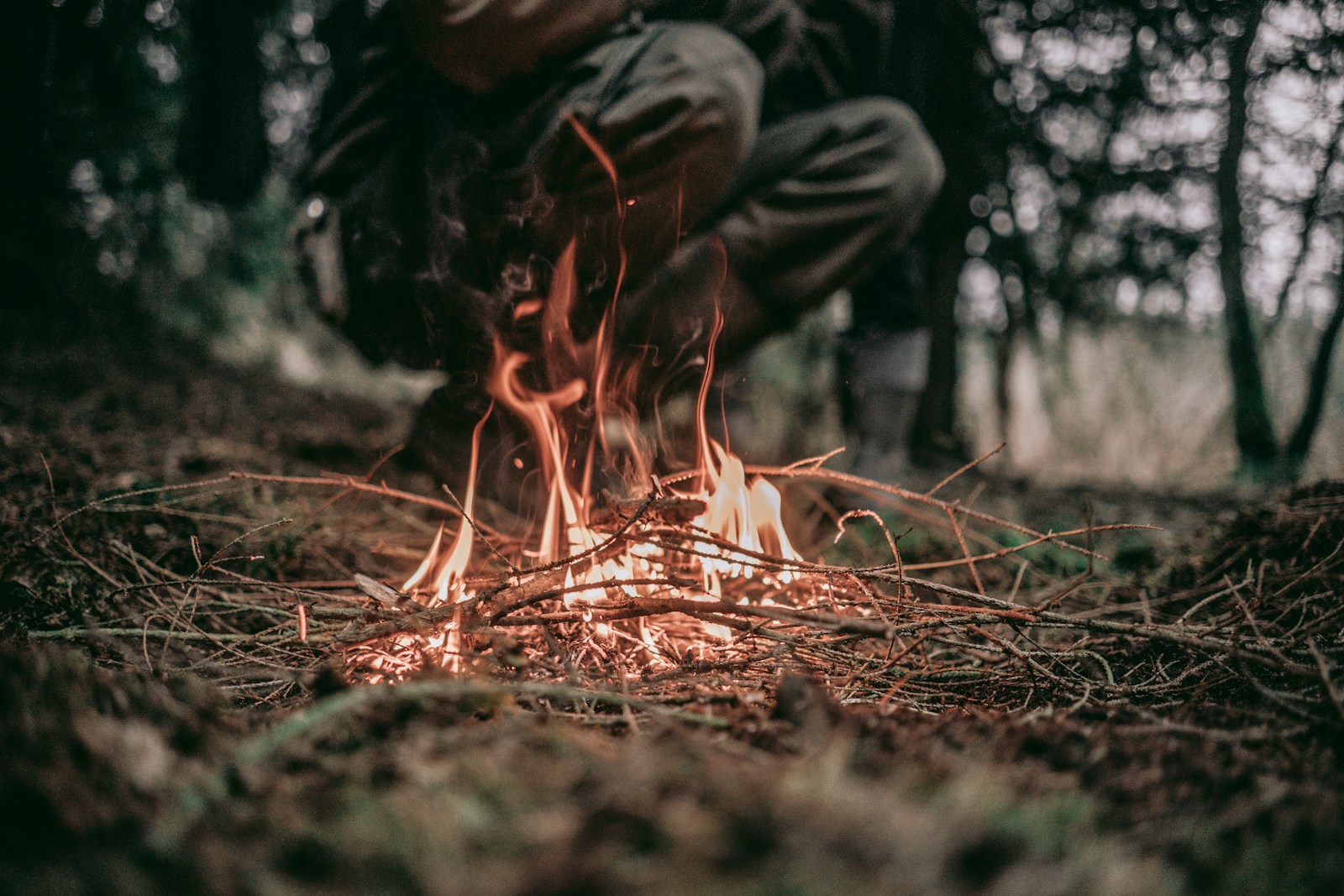
Fire starting becomes more difficult as time passes. Moisture increases, materials dampen, and temperatures drop. Early fire building benefits from dry fuel and energy. Waiting invites exhaustion and worsening weather. Hands lose dexterity in cold. Friction methods demand strength. Tools may be lost or broken. Fire provides warmth, signaling, and morale. Establishing fire early stabilizes conditions. Delayed attempts often fail when cold, wind, and fatigue combine, reducing ignition chances and increasing exposure risk especially during nighttime survival situations without shelter, insulation, dry tinder, accelerants, or reliable ignition sources available nearby quickly enough for safety margins.
Food Procurement
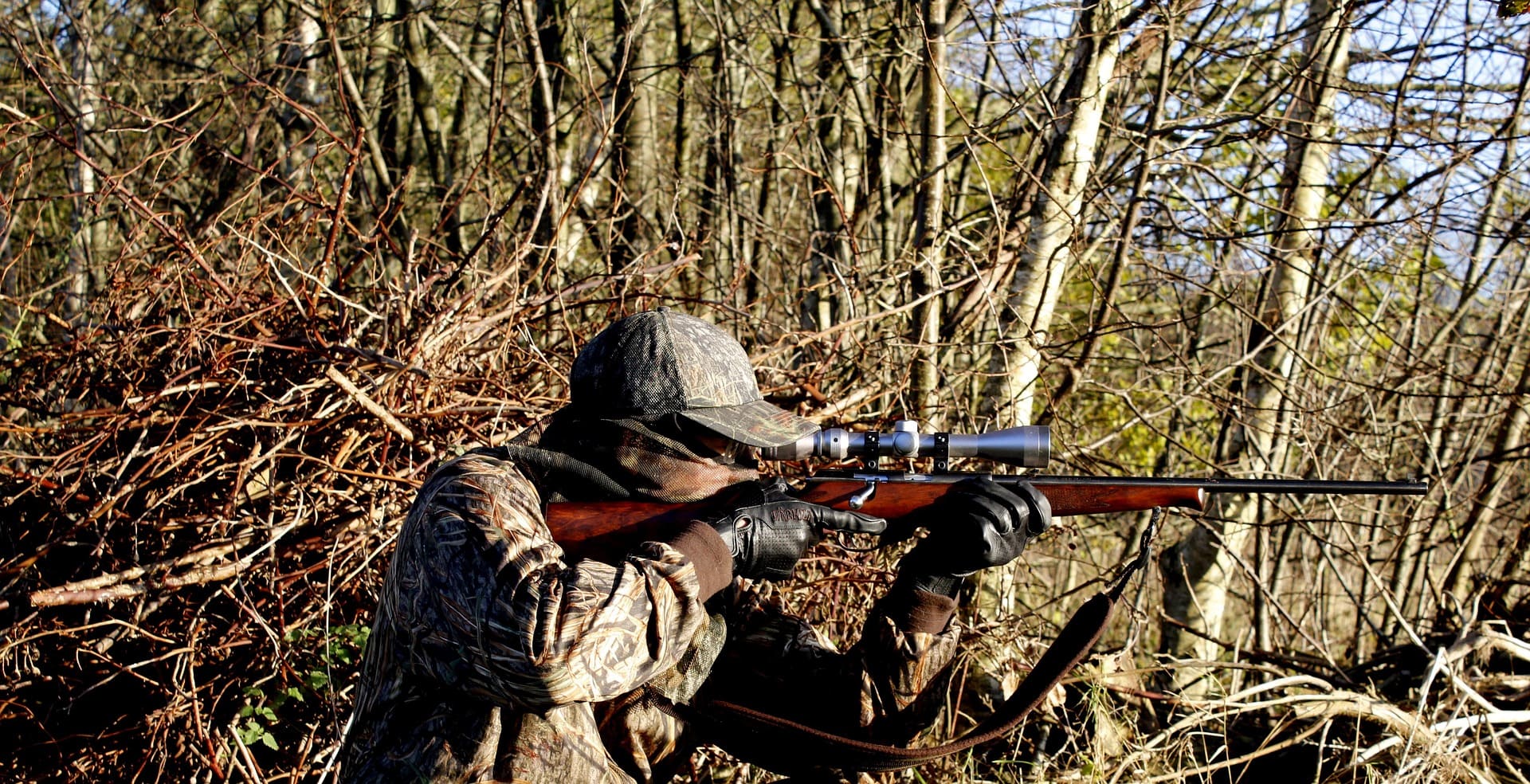
Food procurement becomes harder the longer waiting continues. Hunger reduces focus and patience. Early foraging or hunting allows planning. Delays increase desperation and risk taking. Wildlife patterns shift. Plants wither or become inaccessible. Energy loss limits mobility. Trapping and fishing require setup time. Securing food early stabilizes morale and strength. Postponement narrows options and forces inefficient methods, making caloric deficits harder to reverse as physical decline accelerates especially in sparse environments with seasonal availability, competition, weather pressure, and limited daylight windows for gathering, processing, cooking, and safe consumption during prolonged survival scenarios without resupply opportunities.
Maintaining Body Heat
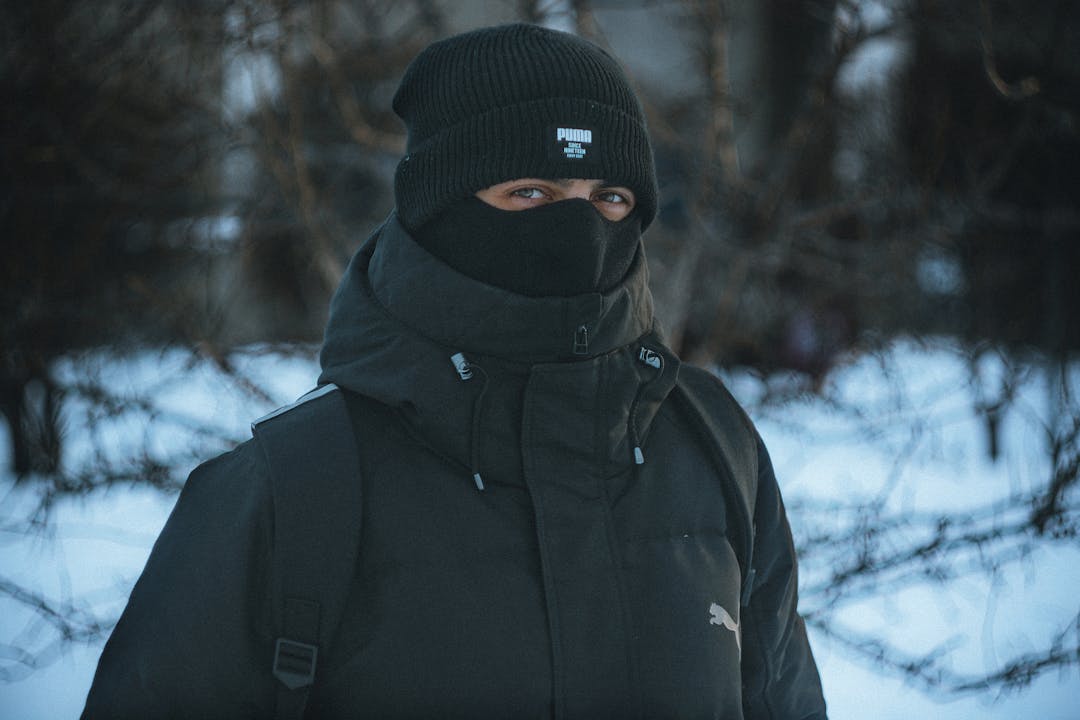
Maintaining body heat becomes harder the longer exposure continues. Wet clothing, wind, and inactivity accelerate heat loss. Early insulation and movement preserve warmth. Waiting allows sweat to chill skin. Energy depletion reduces shivering effectiveness. Nightfall worsens thermal challenges. Shelter and fire become harder to establish. Hypothermia risk rises steadily. Acting early conserves core temperature. Delayed action forces extreme measures under declining strength, making recovery difficult once heat loss outpaces metabolic ability to compensate especially in cold, wet, windy environments lacking shelter, insulation, nutrition, dry clothing, and sustained movement options for prolonged periods outdoors without assistance.