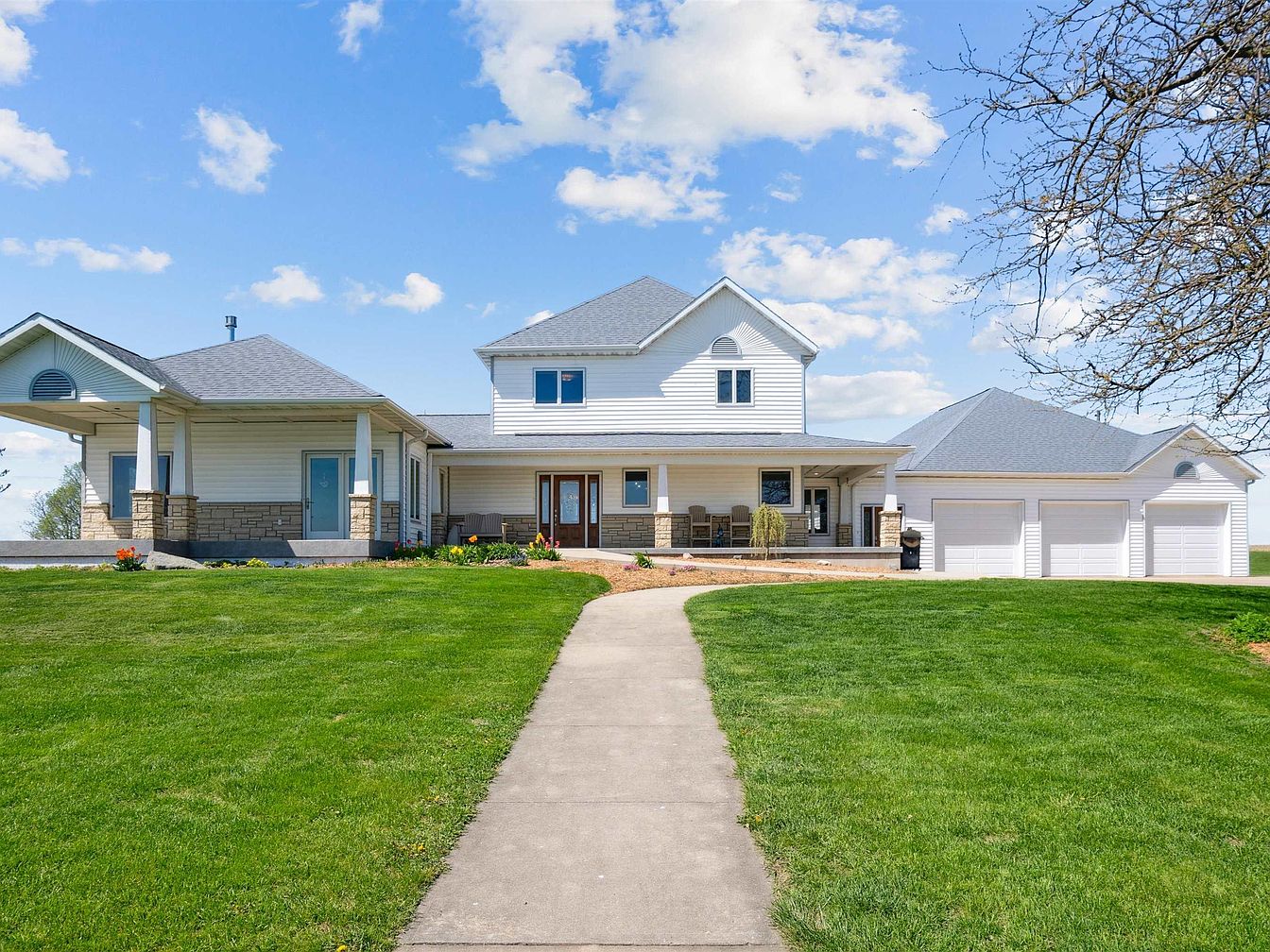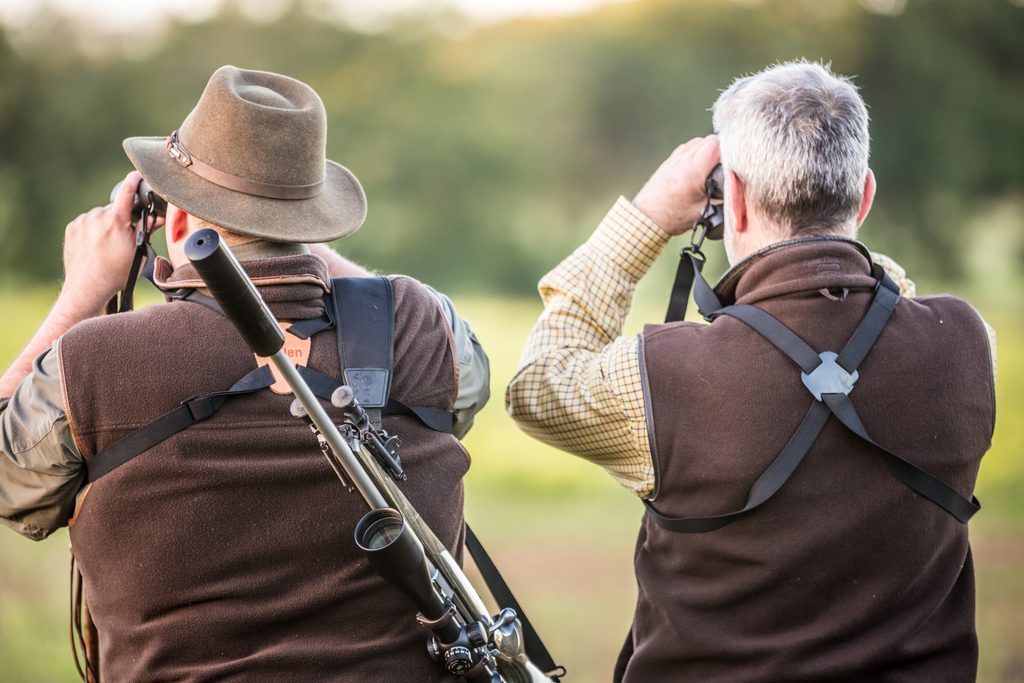
Many states across the country have made meaningful progress in creating hunting environments that support older adults with mobility challenges. These efforts help maintain long-standing outdoor traditions while promoting independence and comfort in the field. Improved infrastructure, adaptive access points, and thoughtful permitting systems allow experienced hunters to remain active in familiar settings. With growing recognition of accessibility needs, several states now offer dependable options that blend safety, convenience, and an appreciation for the natural landscape.
Colorado
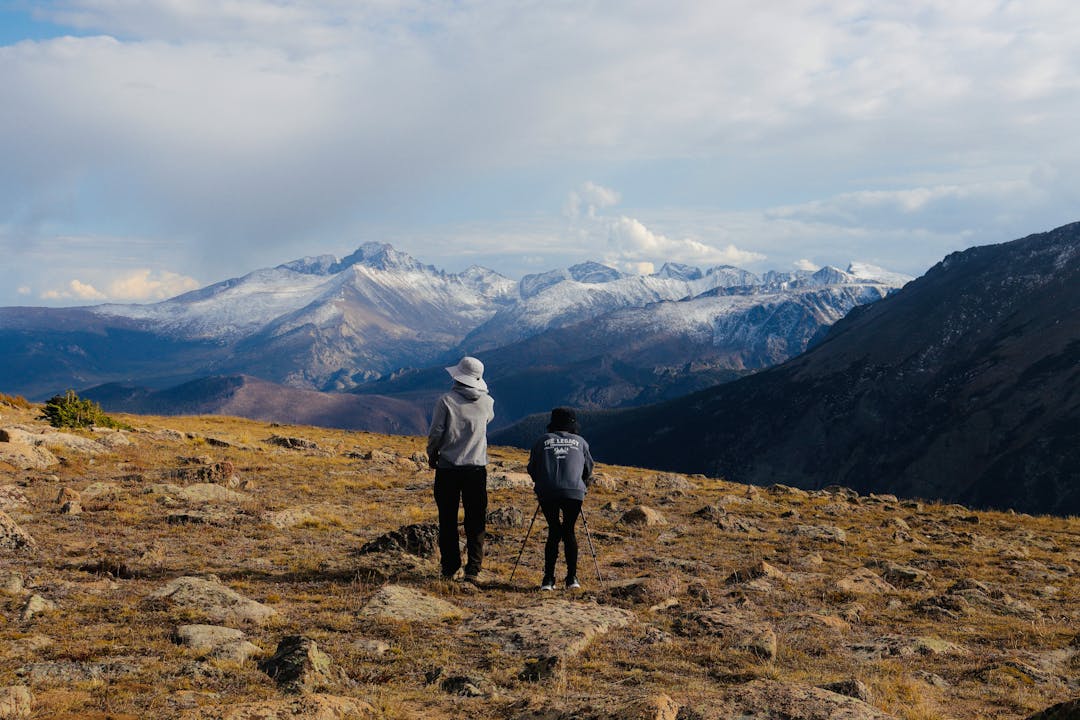
Colorado provides a wide range of mobility-accessible hunting areas spread across foothills, prairies, and forested regions. Designated access routes often include hardened surfaces and gentle grades that accommodate wheelchairs, tracked chairs, and other adaptive equipment. Ground blinds supported by stable platforms create safe, comfortable spots for extended time outdoors. These features allow older adults to enjoy Colorado’s diverse habitats with confidence while maintaining strong connections to the state’s hunting heritage.
Wisconsin
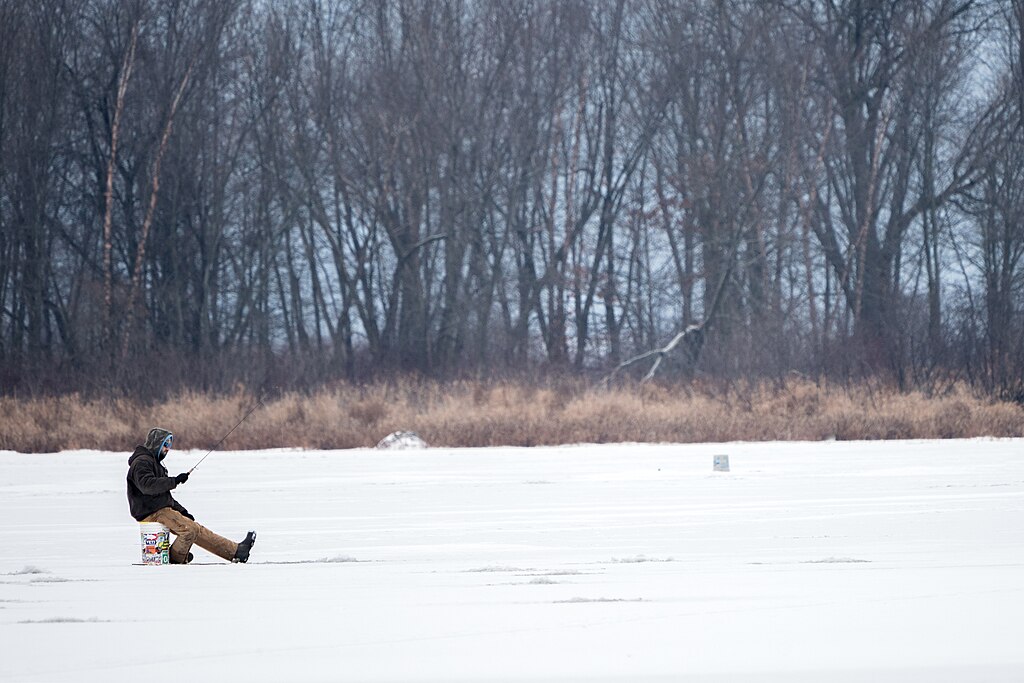
Wisconsin maintains extensive accessible hunting programs designed to help older adults navigate forests, wetlands, and agricultural landscapes with ease. Many wildlife areas feature improved parking, reinforced pathways, and ground-level blinds that reduce strain during entry and exit. The state’s specialized permits allow authorized access to areas that might otherwise be challenging to reach. These accommodations preserve the experience of moving through different habitats while supporting comfort and safety throughout the season.
Texas
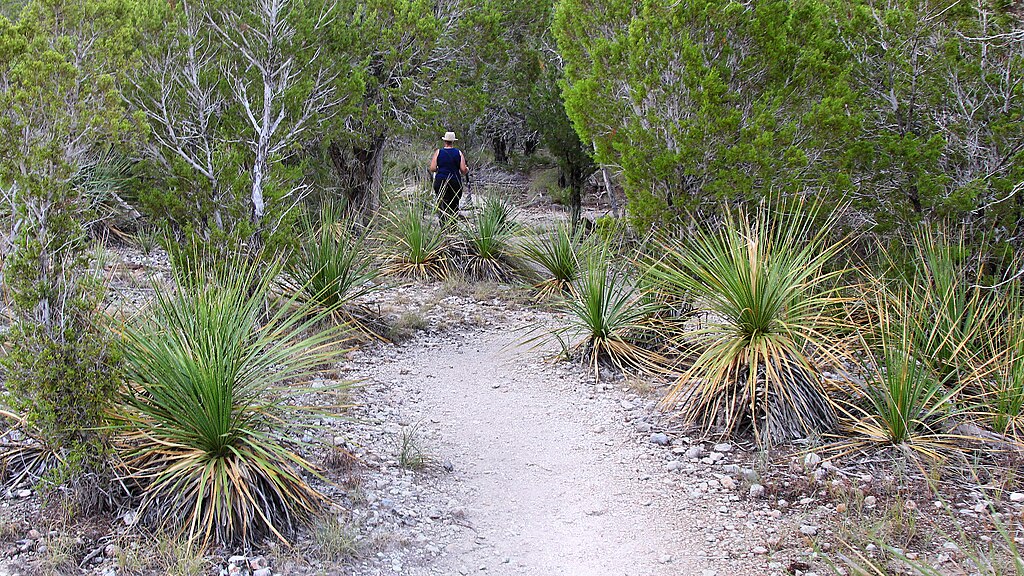
Texas offers mobility-accessible hunting opportunities across its broad mix of wooded regions, open ranges, and brush country. Many public lands include drive-in routes that bring hunters directly to designated blinds built with wider entry points and sturdy flooring. Paths are often maintained to reduce uneven terrain, improving stability for those with limited mobility. The state’s large and varied landscapes provide options that remain both manageable and rewarding for older adults participating in outdoor traditions.
Missouri

Missouri’s conservation areas include well-developed accessibility features that support comfortable participation for hunters facing mobility limitations. Smooth trails and reinforced blinds create a secure environment for long days in the field. Designated parking zones and clear signage help streamline navigation from vehicle to hunting area. With a focus on maintaining independence, the state provides infrastructure that eases physical strain while preserving the enjoyment of time spent outdoors.
Michigan

Michigan offers barrier-free hunting zones that grant older adults easier access to forests, marshes, and meadow habitats. Adaptive blinds positioned along level terrain provide clear sightlines and comfortable shooting positions. The state’s combination of specialized permits and structured access rules ensures that hunters can focus on the experience rather than mobility concerns. These thoughtful accommodations support continued participation in seasonal traditions across Michigan’s varied landscapes.
Pennsylvania
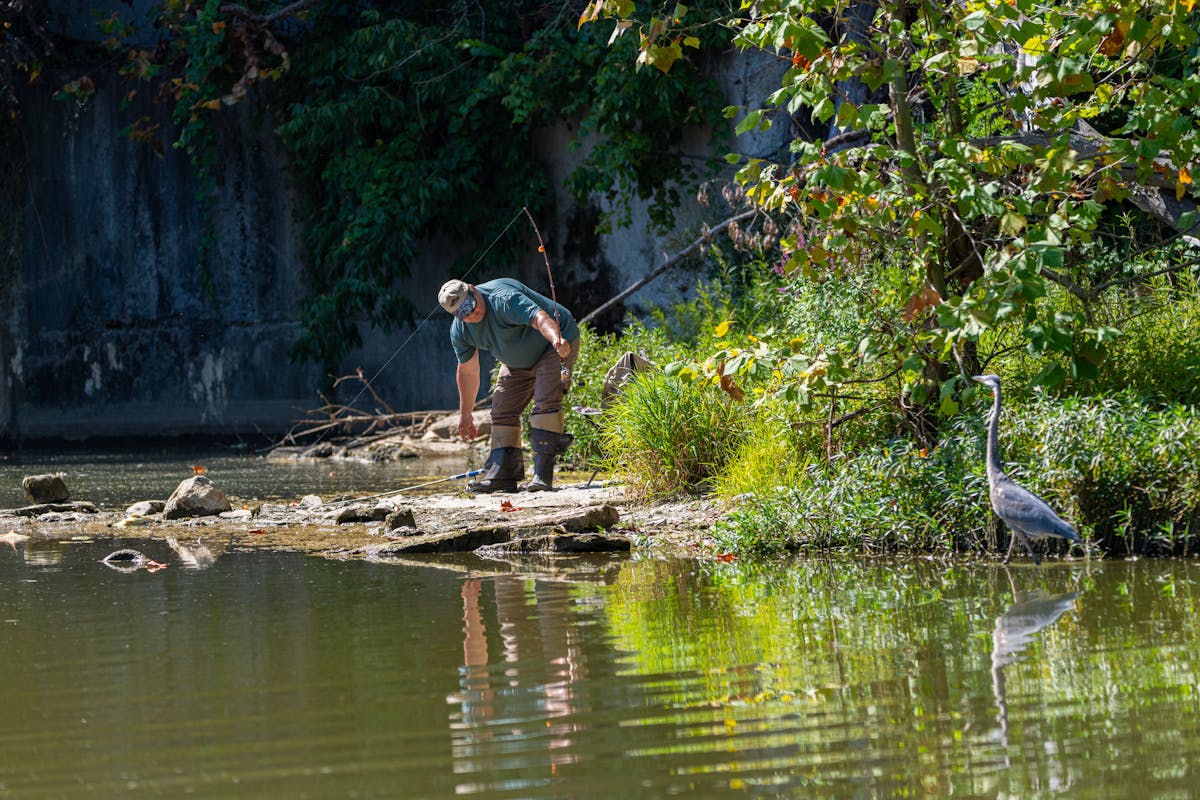
Pennsylvania has invested in mobility-accessible hunting improvements across several game lands, making it easier for older adults to enjoy diverse environments. Paved or well-packed paths lead directly to blinds designed with widened doors and supportive seating. The state’s permitting system helps match hunters with appropriate access zones based on individual needs. These resources create an environment that encourages safe, confident participation throughout the hunting season.
Alabama
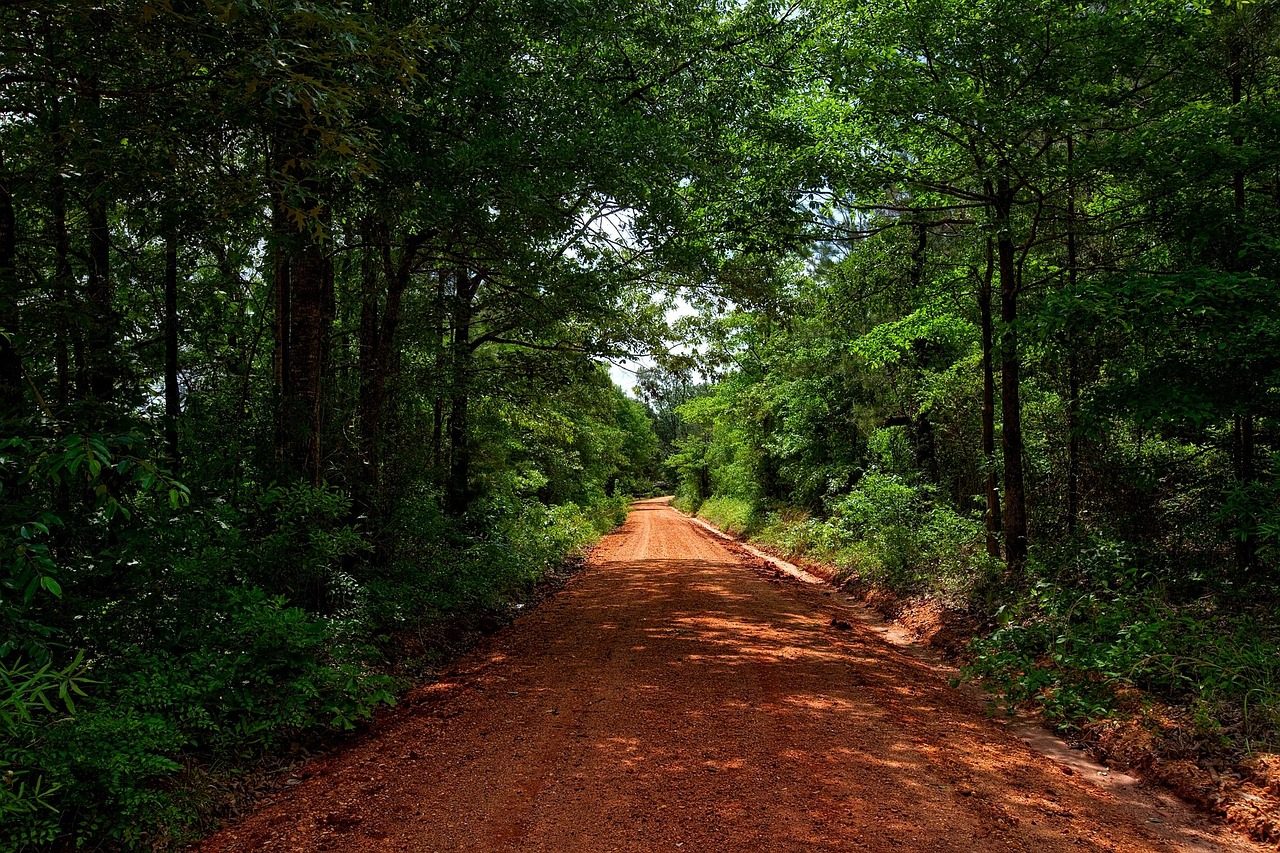
Alabama provides accessible hunting opportunities across wetlands, pine forests, and open fields through dedicated zones tailored to mobility needs. Many blinds feature ground-level access, ample interior space, and reinforced structures that enhance stability. Trails are often cleared and maintained to reduce obstacles and support smooth travel. The state’s commitment to inclusivity helps preserve outdoor enjoyment for older adults who wish to remain active in familiar settings.
Kentucky

Kentucky supports mobility-accessible hunting through wildlife areas that include improved trails, ramp-equipped blinds, and barrier-free parking. These upgrades make it easier for older adults to settle comfortably into favored spots while reducing physical strain. Staff support and clear guidance ensure that each site remains approachable and easy to navigate. Kentucky’s focus on accessibility highlights the importance of keeping outdoor traditions open to participants of all ages.