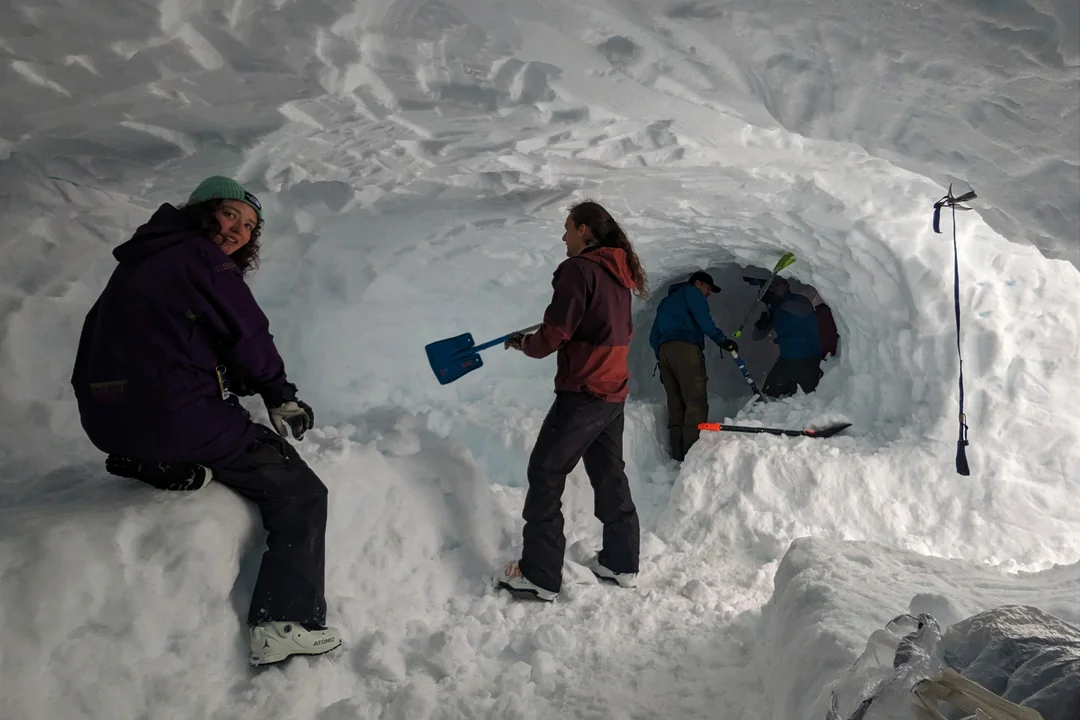
Cold-weather survival often depends on creating shelter that protects against freezing temperatures, strong winds, and deep snow. Snow caves and quinzees offer reliable insulation by using compacted snow as a natural barrier, allowing the interior to remain noticeably warmer than the outside air. These shelters require patience, careful planning, and a steady approach to shaping and reinforcing the structure. With proper technique and an understanding of how snow behaves, these shelters provide essential protection in harsh winter environments.
Choose the Right Snow
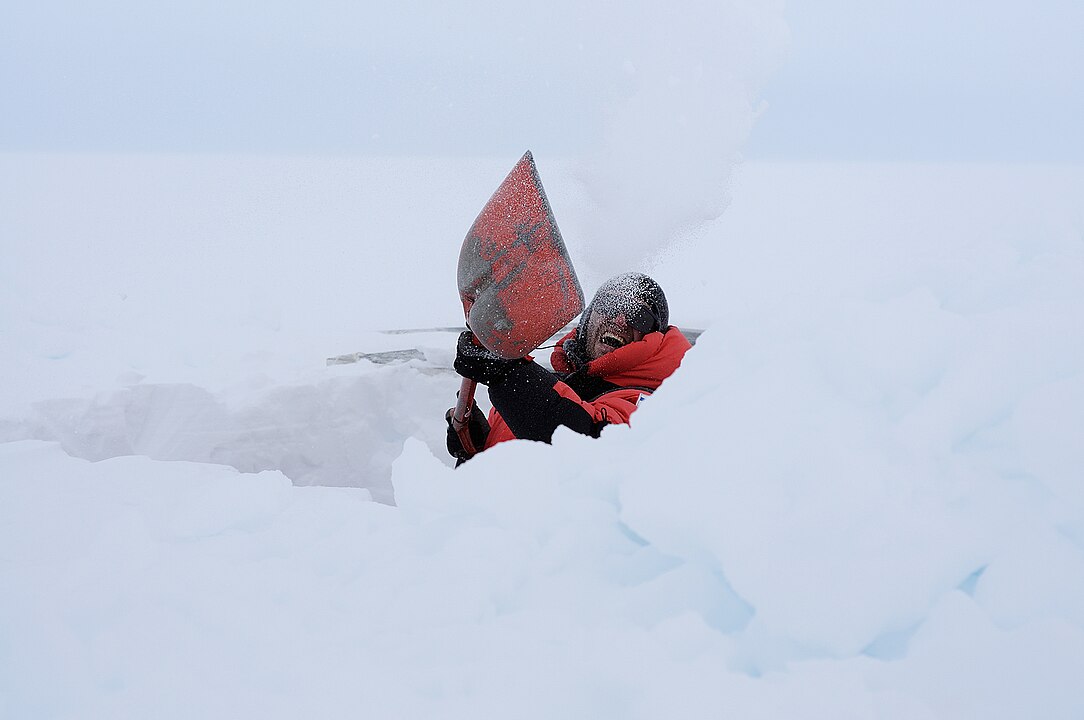
Selecting the proper snow ensures that the shelter remains stable and well insulated. Firm, compact snow supports strong walls that resist collapse while still allowing for shaping and carving. Powder can be used for a quinzee, but it must be piled and left to settle before hollowing begins so that it can bond and stiffen. Taking time to assess the snow’s density and moisture content reduces the risk of structural weakness. This careful selection lays the groundwork for a safer shelter.
Pick a Safe Location
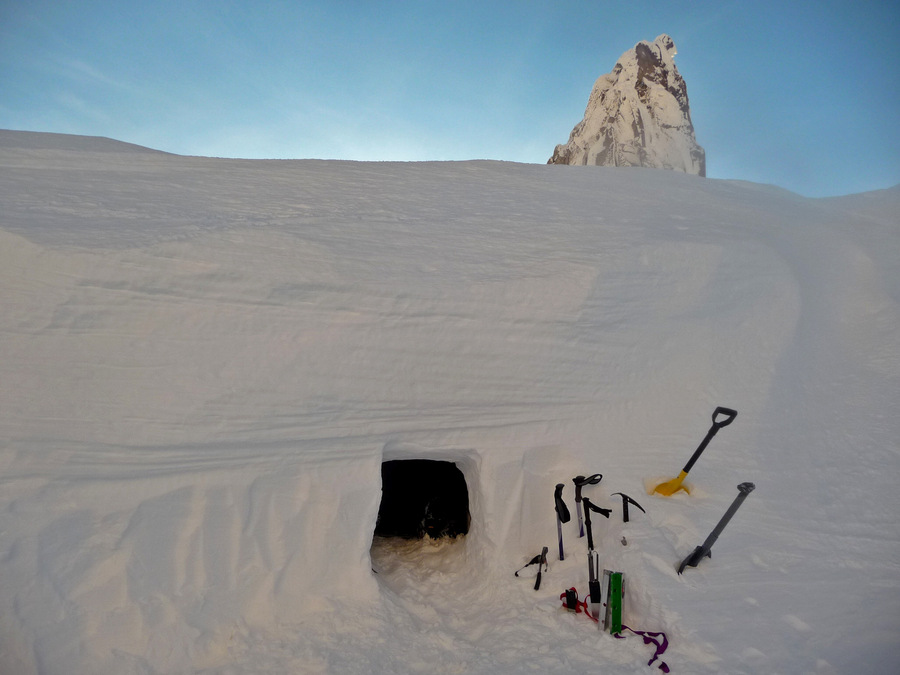
Choosing a suitable location helps prevent hazards while maximizing the shelter’s effectiveness. Flat or gently sloped terrain offers stability and reduces the chance of settling under shifting snow loads. Avoiding avalanche zones, tree wells, and areas beneath heavy branches helps protect the shelter from sudden collapse or falling debris. Natural windbreaks such as ridges or dense shrubs add further protection. This thoughtful placement contributes to a secure and functional winter shelter.
Build a Strong Base
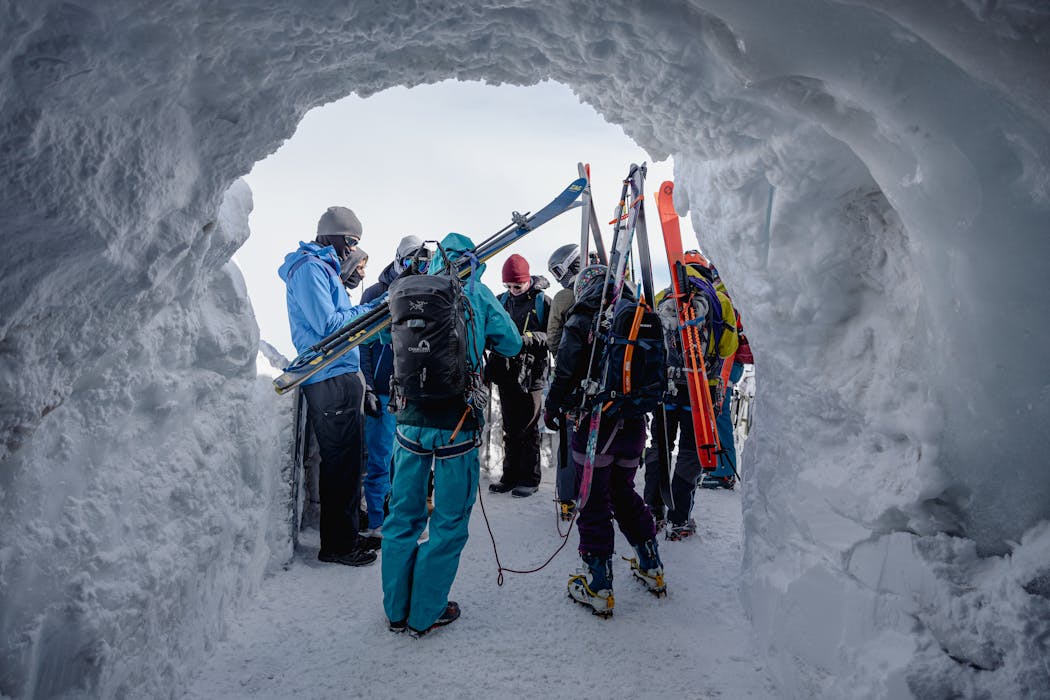
A sturdy base forms the core of a dependable snow cave or quinzee and determines how well the structure withstands external pressure. Quinzees require snow to be piled high, allowing the mound to settle under its own weight before carving begins. Snow caves built into drifts rely on firm layers that can tolerate interior hollowing without producing thin, unstable walls. A wide foundation provides room for a sleeping area and ventilation pockets. These steps ensure a solid start to the building process.
Allow Proper Settling Time
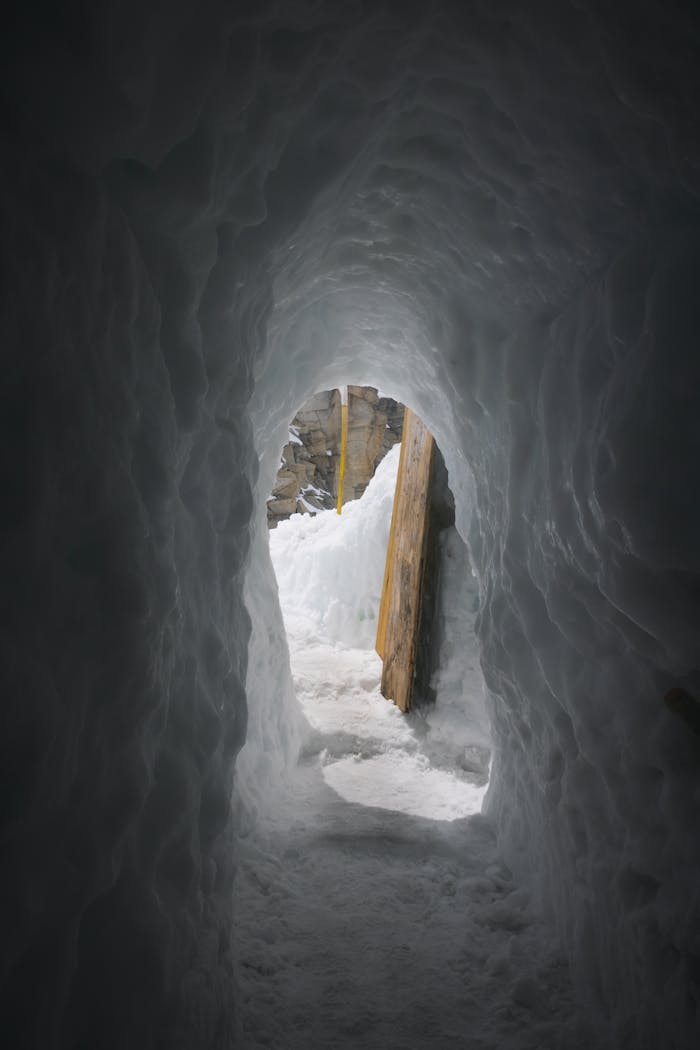
Snow must be allowed to settle before carving to strengthen the overall structure. This settling period allows individual snow crystals to bond, creating a density that resists cracking as the interior takes shape. Quinzees especially benefit from several hours of compression before any hollowing begins. This step makes carving safer and reduces the chance of sudden collapse while working inside the mound. Proper settling contributes significantly to long-term stability.
Carve Slowly and Evenly
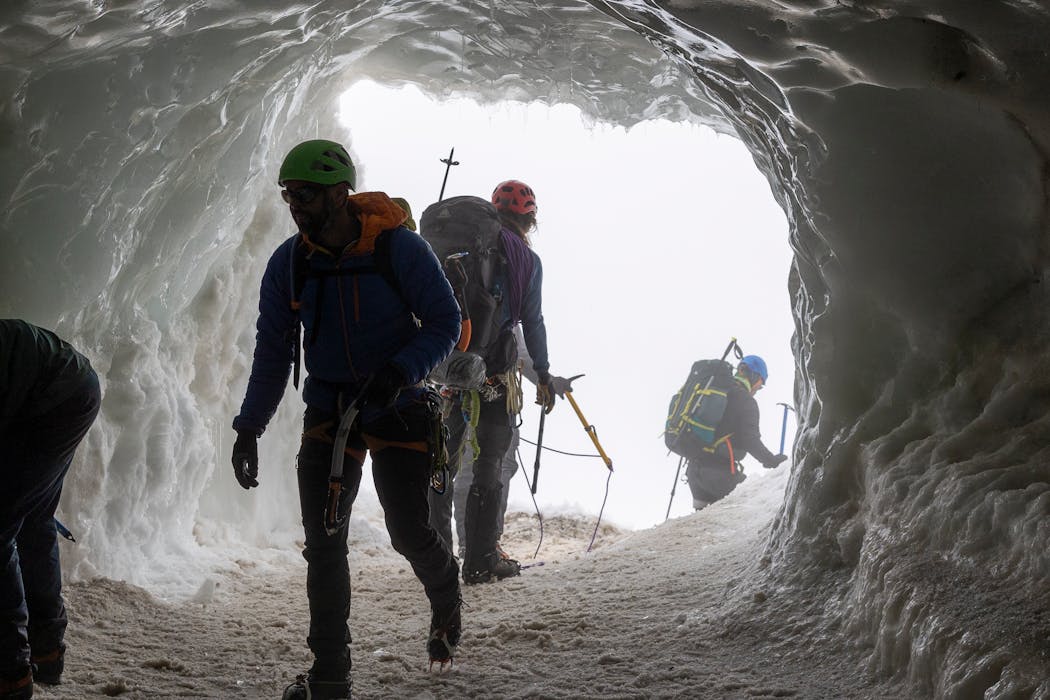
Careful carving ensures balanced pressure across the entire shelter, reducing weak spots and preserving insulation. Smooth, rounded walls distribute weight more effectively than sharp corners, creating a dome-like structure known for its strength. Removing snow slowly helps maintain a consistent thickness, preventing thin sections that could compromise the shelter’s integrity. Small tools often provide better control during the hollowing process. This methodical approach results in a durable interior that retains warmth.
Create Ventilation Openings
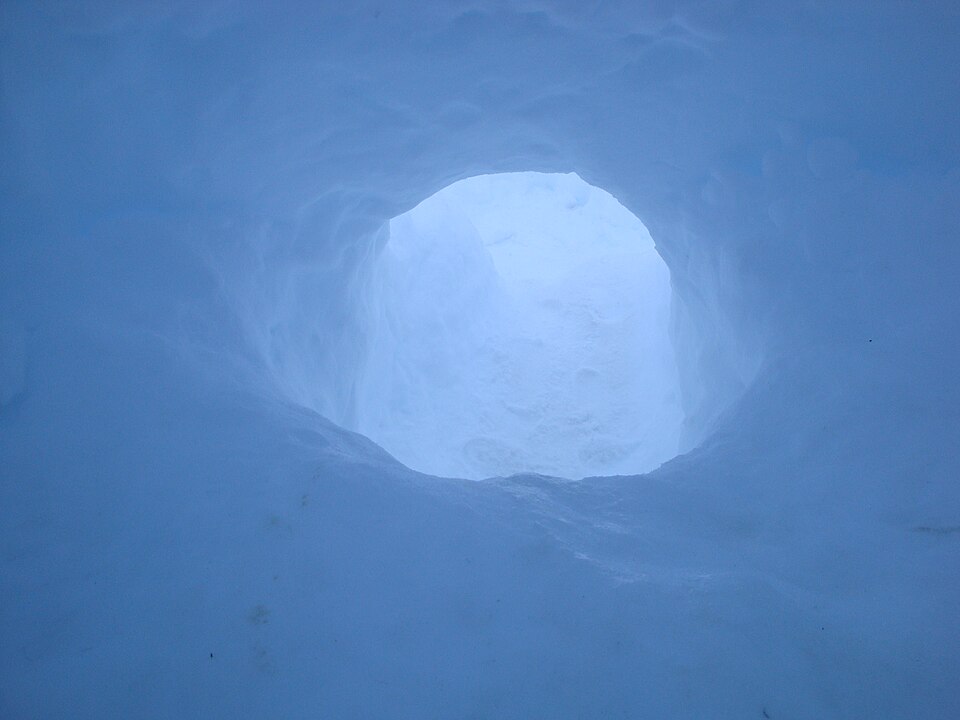
Ventilation is vital for maintaining airflow and preventing moisture buildup inside the shelter. A small opening near the roof allows carbon dioxide to escape while letting in fresh air without causing significant heat loss. Additional airflow near the entrance helps reduce condensation that forms overnight on the inner walls. Keeping vents clear during snowfall prevents blockages that could hinder proper breathing space. These openings support comfort and safety throughout extended stays.
Raise the Sleeping Platform
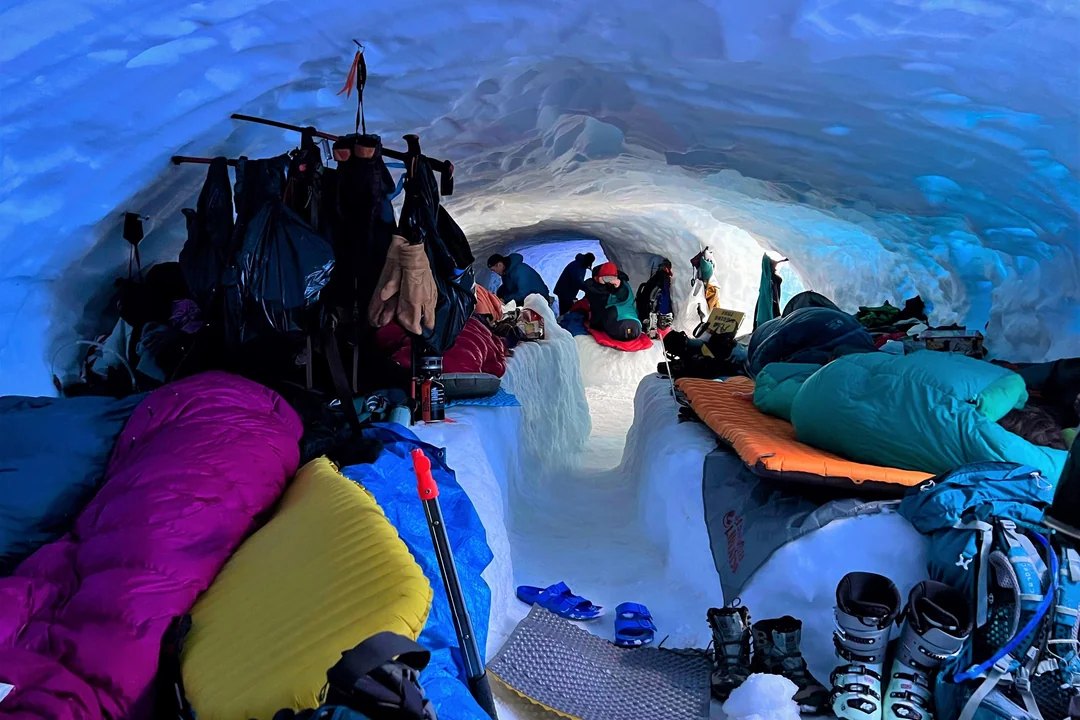
Raising the sleeping platform creates a warmer resting area by lifting the occupant above colder air that gathers near the floor. Carving a bench-like platform along the shelter wall provides elevation and reduces contact with melting snow. This design also limits moisture exposure by keeping bedding away from the coldest part of the structure. A slight downward grade at the entrance encourages colder air to move away from the sleeping area. This layout improves nighttime comfort.
Shape the Entrance Properly
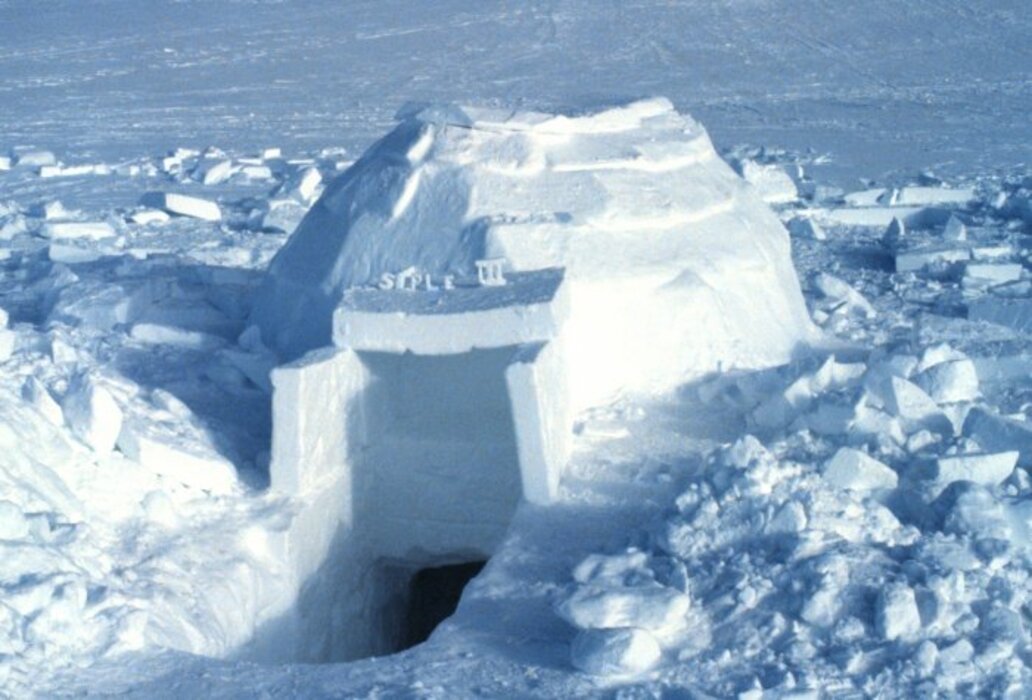
A well-designed entrance improves overall insulation and maintains interior warmth. A short tunnel that slopes upward into the shelter traps warmer air and reduces drafts created by exterior winds. The opening should remain small enough to retain heat while still allowing safe entry and exit. Packing snow firmly around the entryway adds reinforcement and prevents crumbling. This careful shaping increases the shelter’s resilience in harsh winter conditions and enhances long-term livability.