
Natural disasters rarely arrive without warning. Long before storms, floods, wildfires, or landslides strike, the environment often shows subtle but important clues. Campers who know how to read these signs gain valuable time to move, prepare, or evacuate. Many injuries and fatalities happen because people dismiss early signals as normal outdoor conditions. The following signs are commonly reported by survivors and emergency responders. Recognizing them early can help you avoid being trapped in a dangerous situation while camping.
1. Sudden and Unnatural Animal Behavior

Wild animals react to environmental changes faster than people. When birds suddenly go silent, animals flee downhill or toward roads, or insects disappear without explanation, it often signals danger. Wildlife can sense pressure changes, ground vibrations, and shifts in air chemistry. Campers sometimes notice rodents abandoning burrows or larger animals moving aggressively or erratically. These behaviors are not random. They frequently occur before earthquakes, wildfires, floods, or severe storms. If multiple species change behavior at once, it is a strong warning sign. Leaving the area early is far safer than assuming animals are simply being unpredictable.
2. Rapid Changes in Weather Patterns
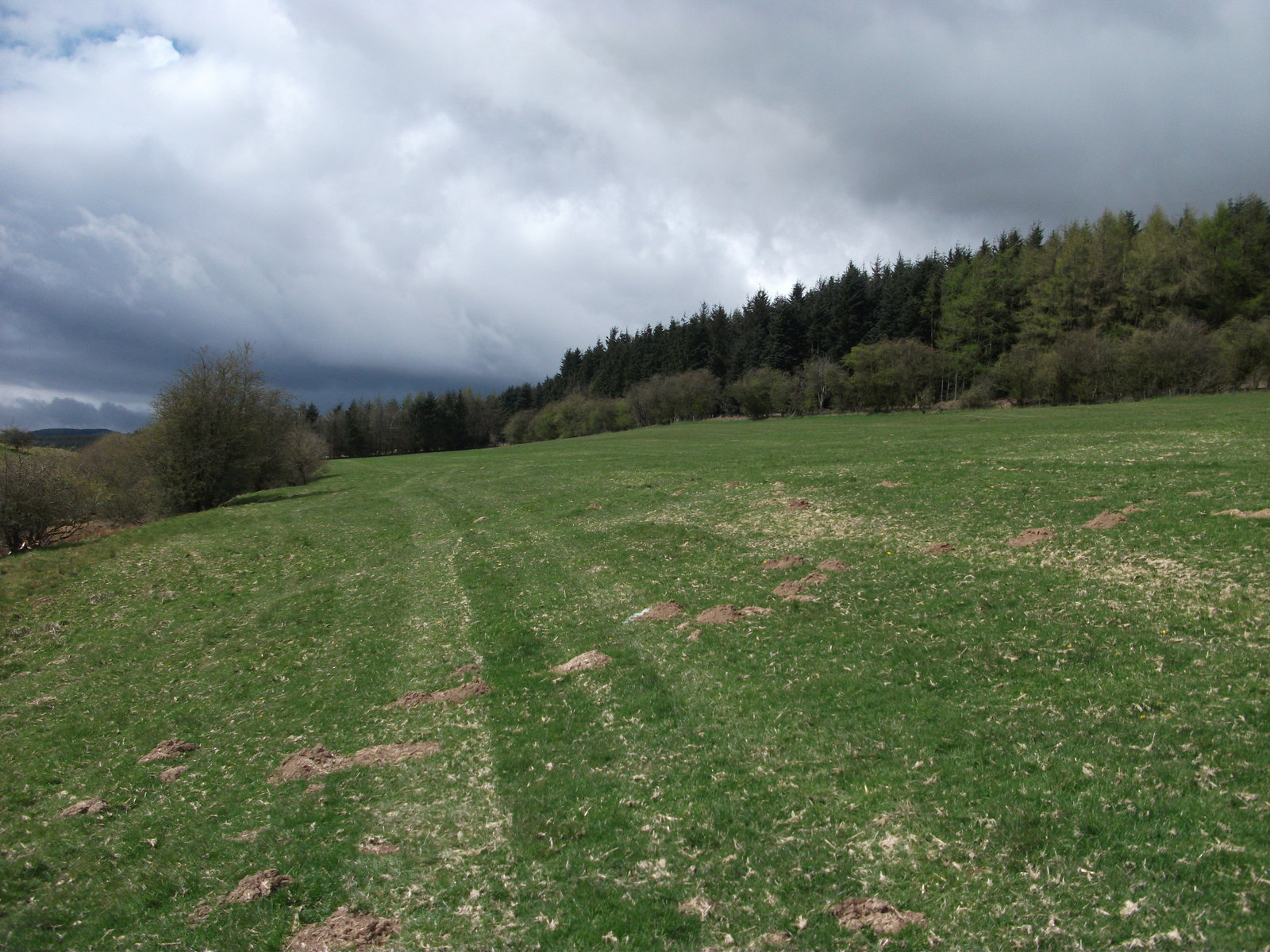
Weather shifts that feel abrupt or out of place deserve attention. Clear skies turning dark within minutes, sudden temperature drops, or strong winds arriving without forecasted storms can signal developing disasters. Flash floods, severe thunderstorms, and tornadoes often begin this way. Campers sometimes rely too heavily on earlier forecasts and ignore real-time conditions. Clouds building vertically, air becoming unusually still, or pressure causing ear discomfort are all signs of instability. When the weather changes faster than expected, it often means conditions are escalating beyond normal patterns and require immediate caution.
3. Unusual Smells in the Air
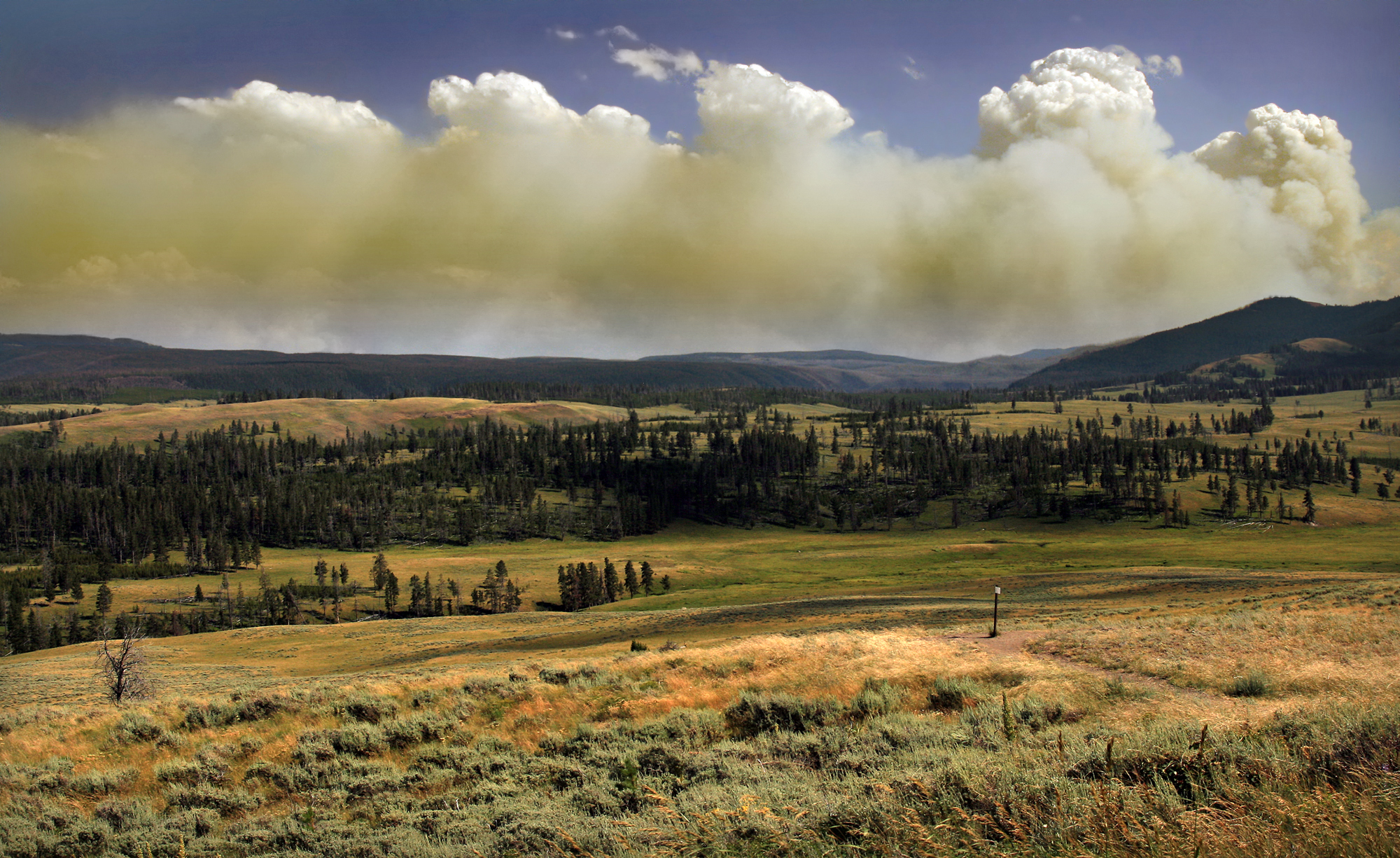
Smell is an often-ignored warning sense outdoors. A strong sulfur, burning, or chemical odor can indicate volcanic activity, underground gas release, or nearby wildfire growth. Earthquake-prone regions sometimes experience metallic or sulfur-like smells before ground movement. A sharp, smoky scent without visible fire may mean a wildfire is approaching from far away. These odors can travel long distances ahead of danger. Campers who notice unfamiliar or persistent smells should not wait for visible confirmation. Leaving early can prevent exposure to toxic air or fast-moving fire fronts.
4. Changes in Water Behavior
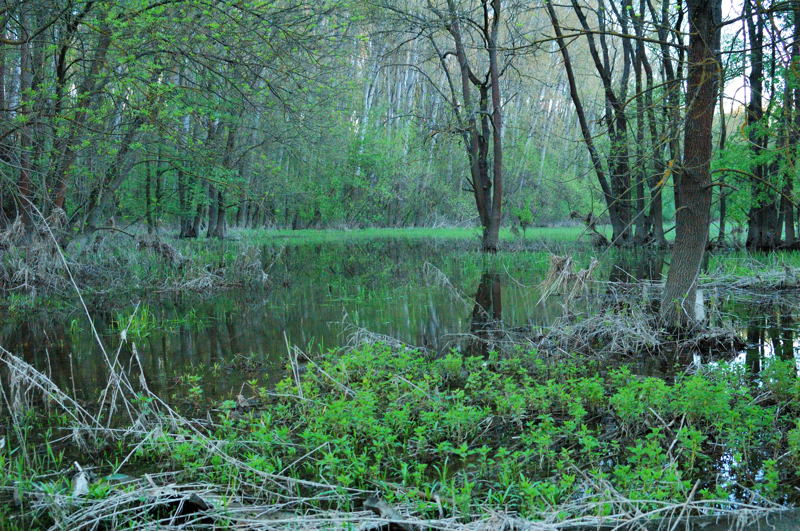
Water sources provide some of the clearest disaster warnings. Rivers that suddenly rise, change color, or carry heavy debris often signal upstream flooding. Streams that stop flowing abruptly may indicate landslides or ice dams forming above. Coastal campers may notice rapid tide withdrawal before tsunamis. Even small creeks can become deadly within minutes during flash floods. Campers sometimes underestimate how quickly water can change. If water behavior seems abnormal or aggressive, move to higher ground immediately and avoid crossing waterways that were safe earlier.
5. Ground Shifting or Unusual Sounds
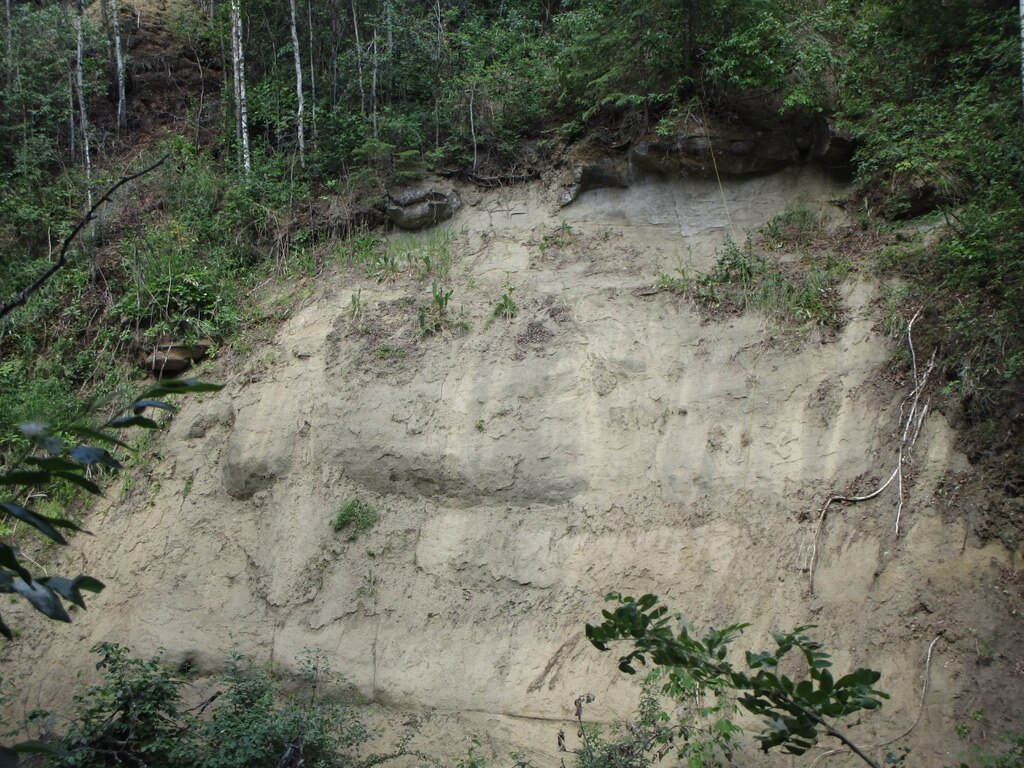
Subtle ground movement is often overlooked until it becomes dangerous. Cracking sounds, popping trees, falling rocks, or low rumbling noises can signal landslides, earthquakes, or collapsing terrain. In mountainous or burned areas, soil can loosen easily after rain. Campers may feel vibrations through their feet or notice tents slowly shifting. These signs mean the ground is unstable. Staying put increases risk. Moving away from slopes, cliffs, and riverbanks can significantly reduce injury if the terrain gives way.
6. Sudden Drop in Air Quality
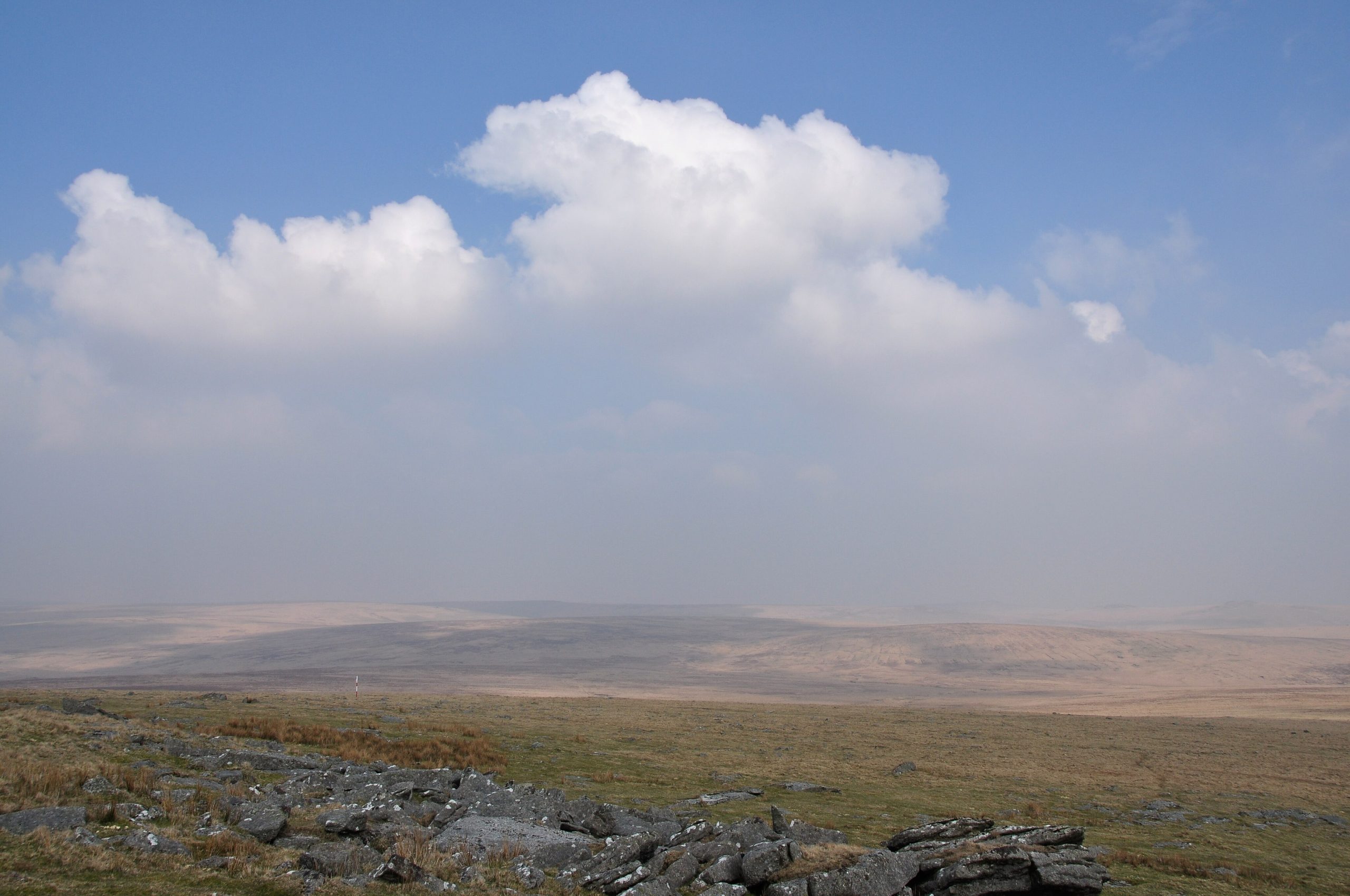
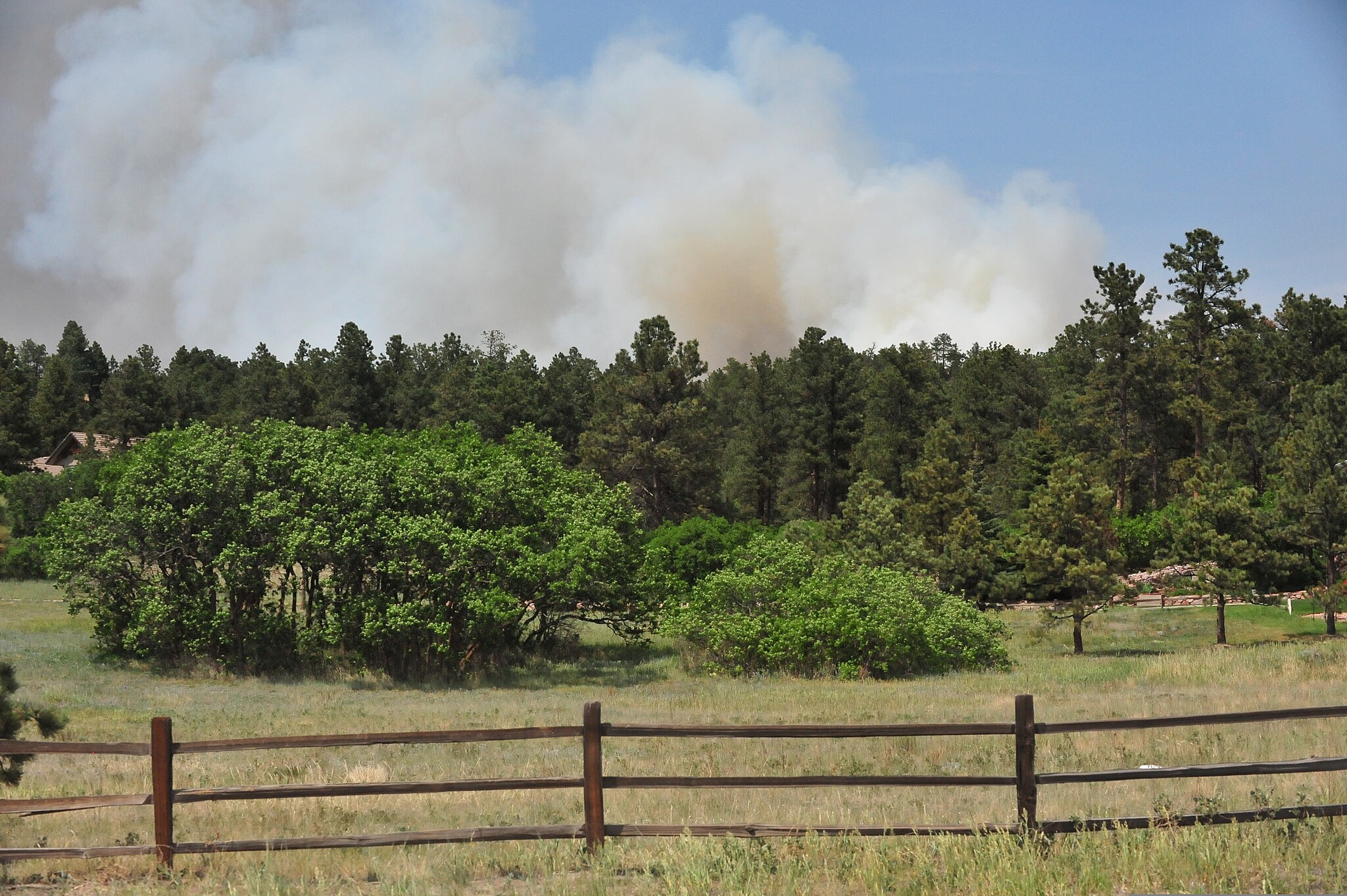
Air that becomes thick, hazy, or difficult to breathe is a serious warning sign. Wildfire smoke can arrive long before flames are visible. Volcanic ash and dust storms also reduce air clarity quickly. Campers may experience throat irritation, coughing, or burning eyes. Poor air quality often worsens rapidly and limits visibility, making evacuation harder. If breathing feels uncomfortable or visibility drops unexpectedly, it is safer to leave early while routes remain clear rather than waiting for conditions to improve.
7. Electronic and Equipment Malfunctions
Strange equipment behavior can signal environmental disruption. Compasses spinning incorrectly, radios filling with static, or GPS devices losing accuracy may indicate strong electromagnetic disturbances linked to storms or seismic activity. While technology is not perfect, multiple devices failing at once is unusual. Campers sometimes dismiss these issues as battery problems. However, widespread malfunction combined with other warning signs should raise concern. Technology failure reduces your ability to navigate or call for help, making early evacuation even more important.
8. Official Warnings or Local Knowledge
Ignoring official alerts is one of the most common mistakes campers make. Weather warnings, park closures, or evacuation notices are issued based on advanced monitoring. Residents, rangers, and guides often sense danger before visitors do. If locals are packing up, closing businesses, or advising caution, take it seriously. Disasters often escalate faster than expected. Trusting expert warnings and local experience can prevent being stranded or injured. Leaving early is never a failure. It is a smart survival decision.