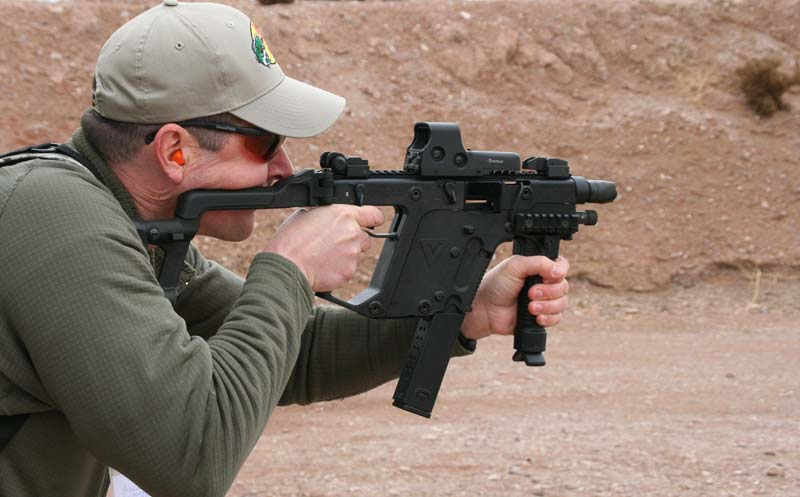
SHOT Show is where the firearms industry puts its best face forward every January in Las Vegas, drawing over 60,000 industry professionals and generating headlines across every major gun publication simultaneously. It is also, quietly, where some genuinely questionable decisions get dressed up in booth lighting and marketing language that makes them sound far more compelling than they actually are. Not every gun that generates buzz on the show floor deserves to exist beyond the prototype stage, and history has proven that repeatedly. Some ship with reliability problems that should have been caught in testing. Others solve problems nobody actually had. A few simply collapse under the weight of their own overcomplicated engineering the moment real-world users get their hands on them. This list covers eight guns that debuted at SHOT Show with considerable fanfare and went on to disappoint, frustrate, or confuse the buyers who trusted the hype enough to spend their money.
1. Remington R51
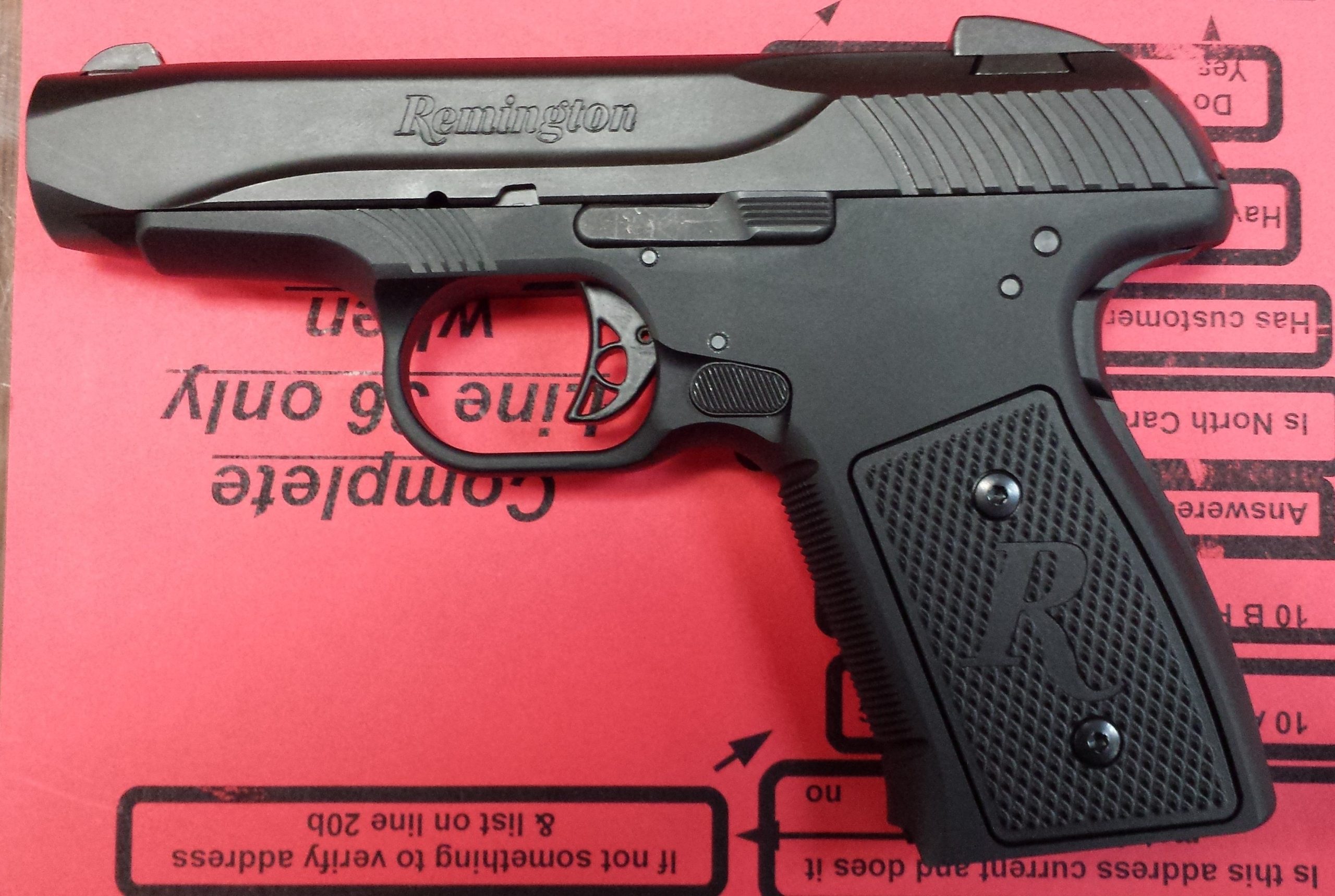
The Remington R51 returned to SHOT Show 2014 as a reimagined version of the original 1920s Pedersen-designed pocket pistol, and the presentation was genuinely impressive. Problems surfaced almost immediately after civilian units shipped. Independent testers documented failure rates exceeding 30% across multiple review samples, with failures to feed, extract, and return to battery occurring regularly across different ammunition types. Remington issued a full recall in 2014, pulling every unit from the market. A redesigned version reappeared in 2016 but never recovered commercially or reputationally. The pistol chambered 9mm in a package weighing 22 ounces and measuring 6.6 inches, dimensions that were competitive on paper but meaningless given the reliability failures that made it functionally unusable as a defensive firearm for far too many buyers.
2. Chiappa Rhino Early Production
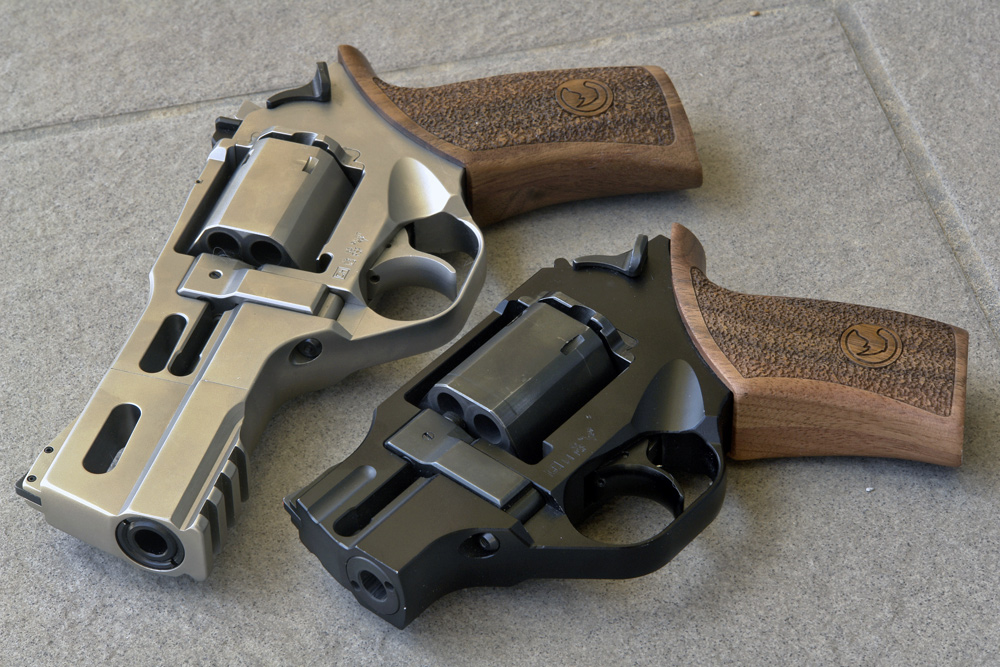
The Chiappa Rhino debuted at SHOT Show 2009 with a genuinely interesting engineering premise: firing from the bottom barrel chamber rather than the top, lowering the bore axis significantly to reduce muzzle flip during rapid fire. The concept had real mechanical merit and attracted serious attention from experienced revolver shooters who understood what a lower bore axis could theoretically deliver in practical shooting. Early production units told a different story. Trigger pull weights on double-action measured between 14 and 16 pounds with inconsistent staging that made accurate shooting under stress genuinely difficult. Cylinder timing issues caused light primer strikes across multiple independently tested examples. The unconventional aesthetics divided buyers sharply. At a retail price around $1,100 for early variants and weighing 24 ounces in the 6-inch configuration, buyers received a mechanically promising concept wrapped in production quality that needed considerably more refinement before reaching shelves. Later production improved meaningfully, but early adopters absorbed the development cost that should have remained inside the factory.
3. Kel-Tec RFB
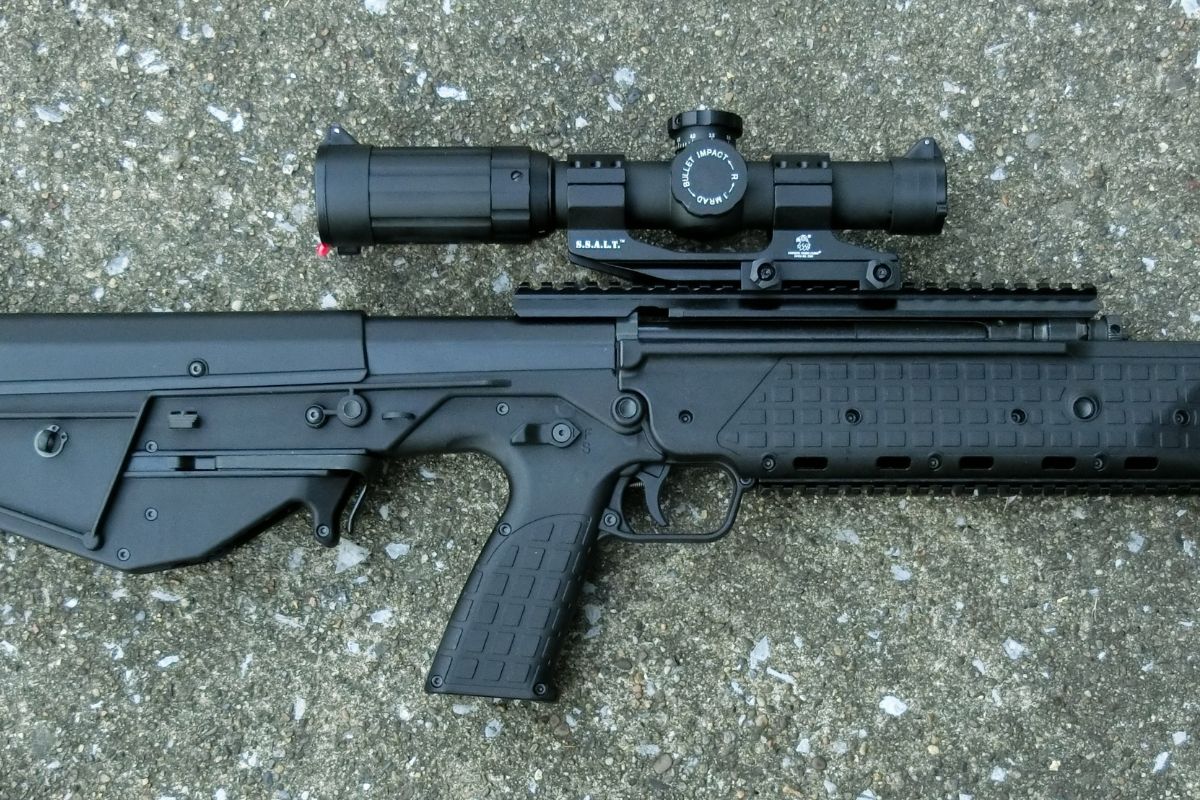
Kel-Tec introduced the RFB bullpup rifle at SHOT Show 2008 chambered in 7.62x51mm NATO, promising a compact forward-ejecting design that eliminated the brass-in-face problem common to left-handed bullpup shooters. The forward ejection system worked mechanically but created its own problem: spent cases collected in a tube above the barrel and required manual removal after approximately 10 rounds to prevent feeding interference. Reliability issues compounded this design quirk, with failure rates documented by independent reviewers averaging 1 malfunction per 50 rounds during early production. The 18-inch barrel version weighed 8.1 pounds empty. Delivery timelines stretched years beyond announced dates for many buyers who placed deposits. At a retail price around $1,900, buyers expected refinement that early production simply did not deliver, leaving the RFB remembered more for its ambition than its execution.
4. Remington Model 51 Second Generation
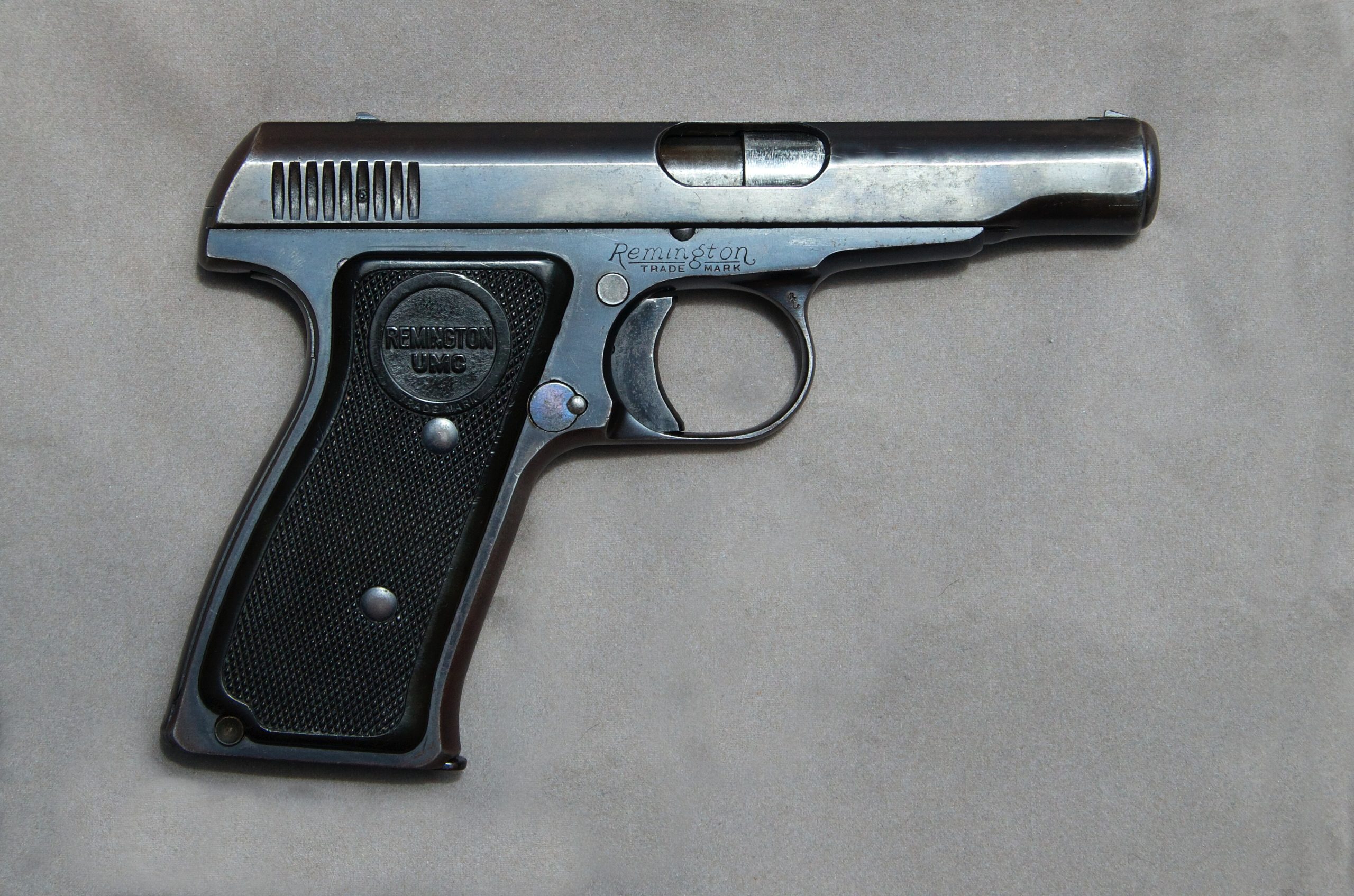
Remington’s decision to revive the Model 51 a second time after the disastrous 2014 recall demonstrated either remarkable institutional optimism or a fundamental misreading of what had gone wrong the first time. The second-generation R51 reappeared in 2016 with promises of comprehensive redesign and thorough quality control improvements that would address every complaint the original recall generated. Independent reviewers who received early production samples documented persistent feeding failures, extractor issues, and frame cracking under sustained firing that suggested the underlying engineering problems had not been resolved as completely as Remington’s marketing language implied. Failure rates in documented independent testing still exceeded acceptable thresholds for a defensive firearm retailing around $450. The 9mm pistol weighed 22 ounces and measured 6.6 inches, specifications that remained competitive on paper while the reliability issues made those numbers essentially irrelevant to practical buyers. Remington’s bankruptcy filing in 2020 ultimately ended any further development attempts, closing the chapter on a revival that should have remained on the engineering bench considerably longer before reaching store shelves a second time.
5. Cobray Terminator
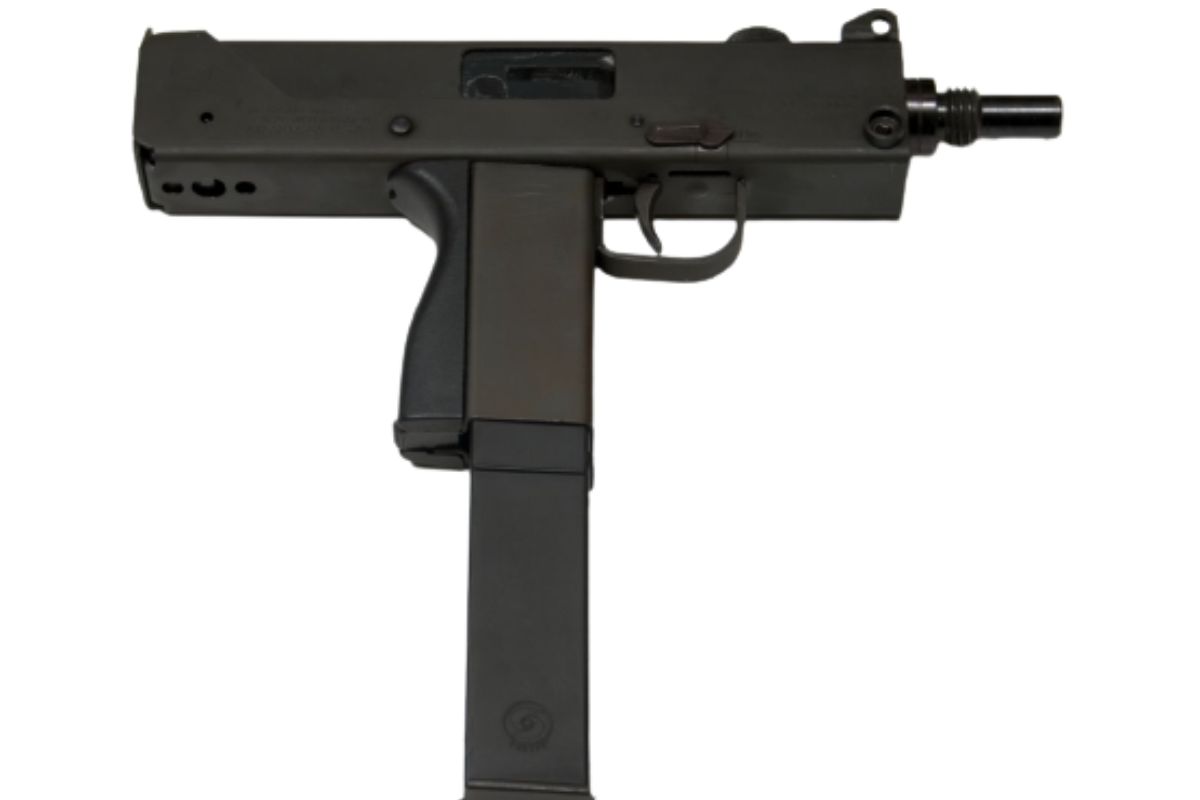
The Cobray Terminator appeared as one of the more aggressively marketed shotgun concepts of its era, a single-shot 12-gauge with an open-bolt design and no conventional stock, intended as an ultra-compact breaching and close-quarters tool. What emerged from production was a firearm generating felt recoil that reviewers consistently described as punishing beyond practical tolerance, with muzzle rise so severe that follow-up shots required complete target reacquisition from a near-vertical position. The open-bolt design raised immediate legal questions that varied by jurisdiction. Accuracy beyond 10 metres was essentially non-existent. Build quality used stamped sheet metal construction that generated serious durability concerns after minimal use cycles. At a retail price under $200 it attracted buyers expecting functional value, but the Terminator delivered an experience most described as genuinely unpleasant rather than tactically useful in any realistic scenario.
6. Arsenal Firearms AF2011-A1
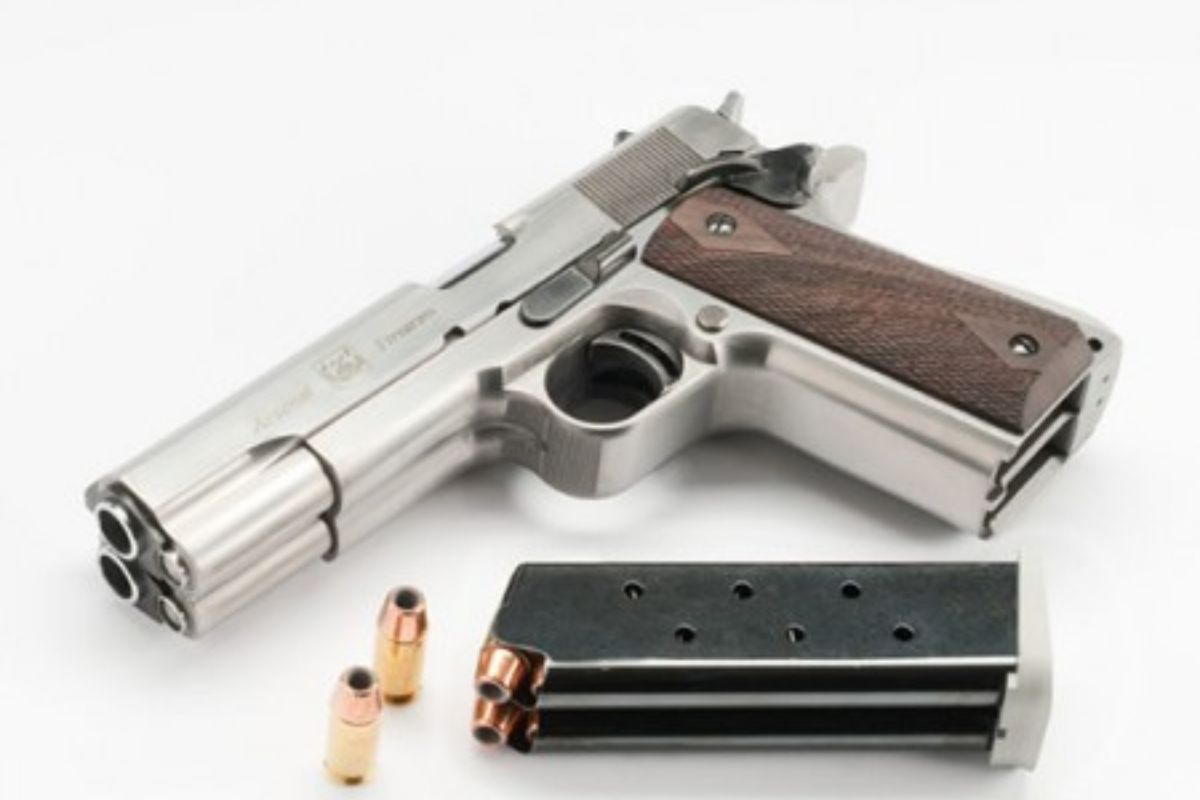
The Arsenal Firearms AF2011-A1 debuted at SHOT Show 2012 as a double-barrelled semi-automatic pistol firing two .45 ACP rounds simultaneously from a single trigger pull, essentially two 1911 pistols mechanically joined at the frame. It weighed 2.43 kilograms loaded and measured 220mm in overall length, dimensions that placed it beyond any practical carry or defensive use case immediately. Simultaneous dual discharge generated recoil that most shooters found unmanageable for rapid accurate follow-up engagement. Magazine capacity ran 8 rounds per side for a combined 16 rounds of .45 ACP, but practical hit probability per trigger pull did not justify the mechanical complexity. Retail pricing around $5,000 positioned it as a luxury novelty. It found buyers among collectors who valued its engineering audacity but generated essentially no serious consideration as a functional defensive or competitive shooting tool from any credible professional community.
7. Kel-Tec KSG Early Production
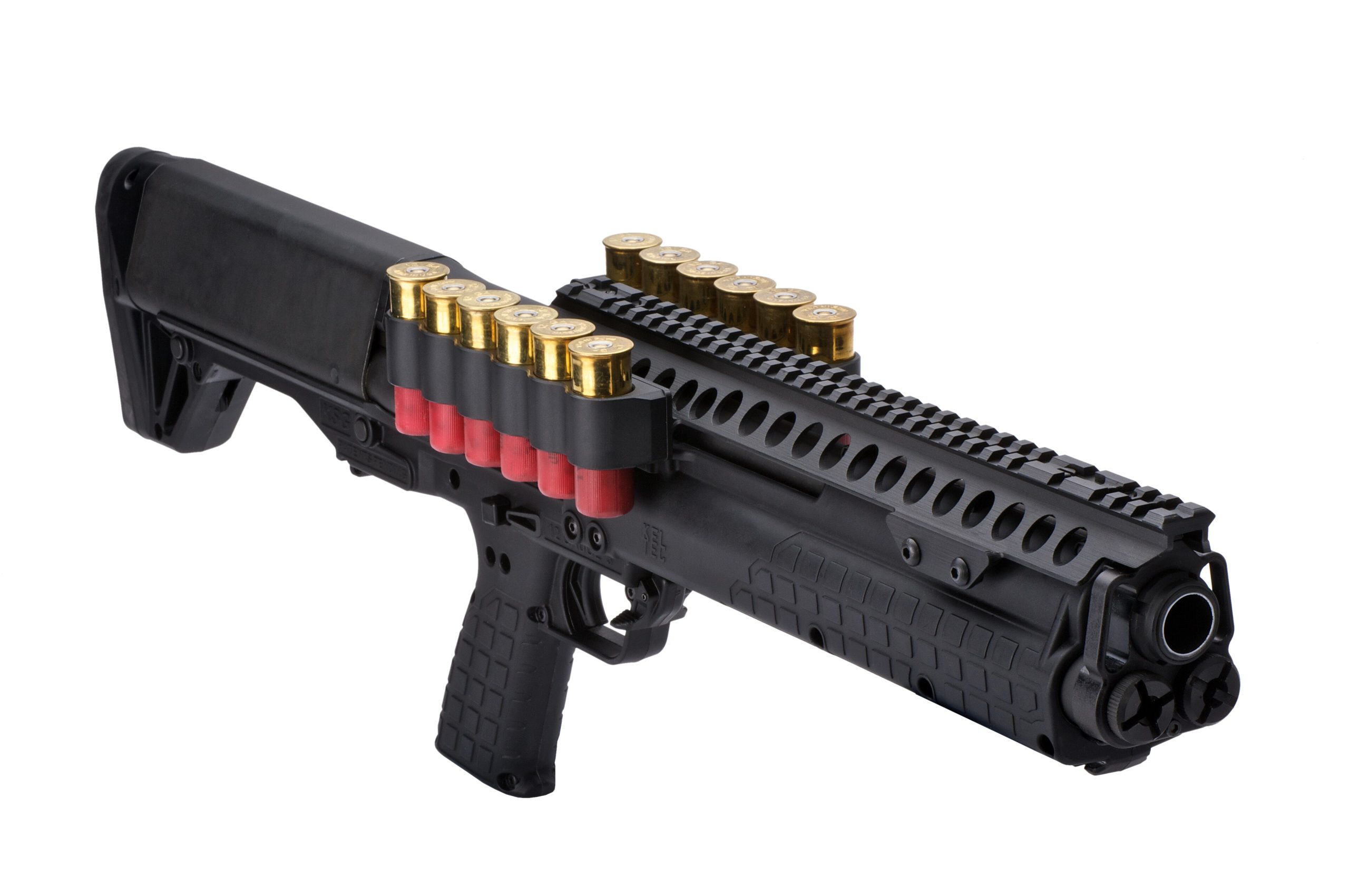
The Kel-Tec KSG generated some of the loudest SHOT Show buzz of 2011 as a bullpup pump-action shotgun featuring dual tube magazines holding 7 rounds each for a combined 14-round capacity in a compact 26.1-inch overall package that conventional tube-fed shotguns could not approach. Buyers who waited through Kel-Tec’s notoriously extended delivery timelines received early production examples that revealed significant quality control shortcomings underneath the compelling specification sheet. The manual tube selector switch between left and right magazines required deliberate positive actuation that shooters under stress frequently forgot, resulting in empty-chamber clicks at critical moments during training drills. Pump travel binding occurred regularly in early units, requiring firm deliberate strokes that slowed firing cadence considerably below what the 14-round capacity theoretically promised. Sharp internal edges caused feeding failures with certain shell lengths. At a retail price around $800 and weighing 6.9 pounds empty, buyers expected functional reliability that early production units delivered inconsistently enough to generate widespread owner frustration across major firearms forums documenting real-world performance rather than specification-sheet promise.
8. Calico M950
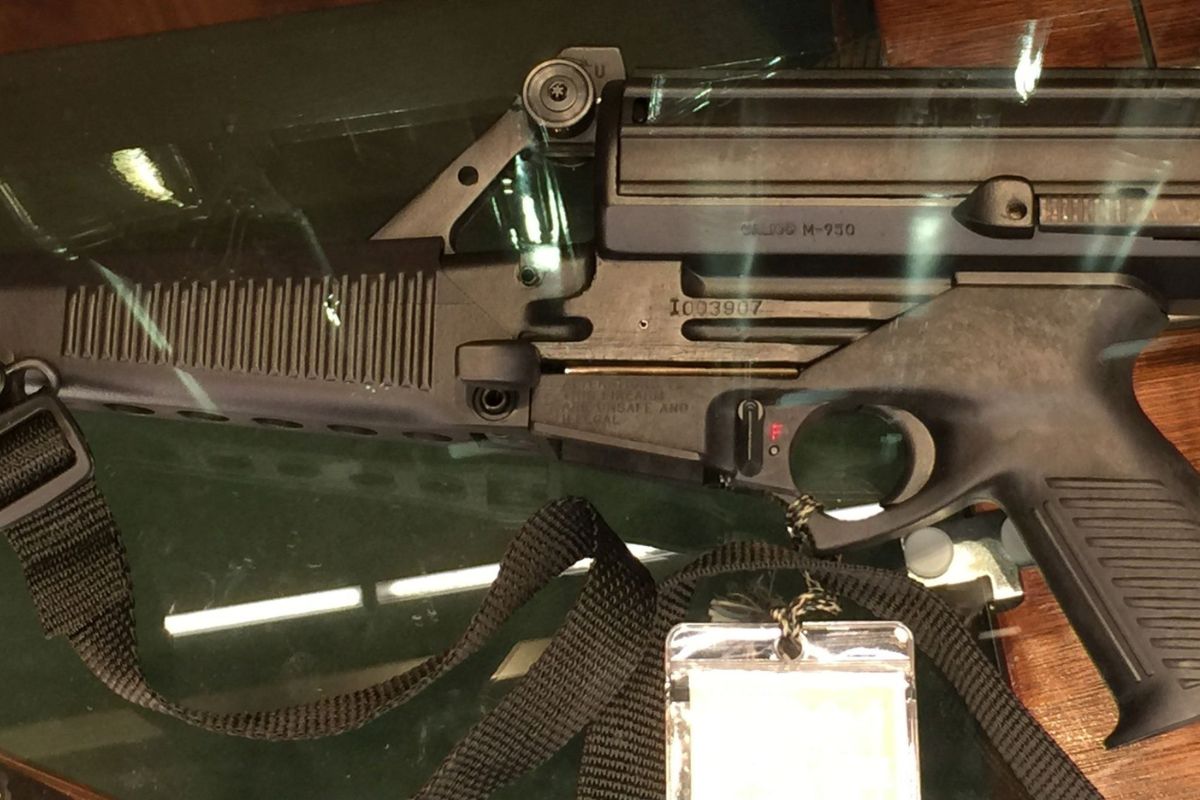
The Calico M950 arrived with a specification that genuinely turned heads at trade presentations, a 9mm semi-automatic pistol fed by a helical magazine mounted horizontally above the receiver and holding either 50 or 100 rounds depending on configuration selected. That capacity figure generated immediate attention from buyers who imagined sustained fire capability in a handgun platform. Practical experience with production examples revealed that the helical feed system introduced reliability problems that conventional box magazines simply do not generate. Failure to feed rates documented by independent reviewers averaged 1 malfunction per 30 rounds with standard 9mm ammunition, a figure completely unacceptable for any defensive application regardless of total capacity. The top-mounted magazine obscured the sighting plane and raised the centre of gravity enough to make one-handed shooting accurately a genuine challenge. Fully loaded with 50 rounds the pistol weighed approximately 4.2 pounds, eliminating any handling advantage over a conventional rifle. Retail pricing around $600 during peak production compounded buyer disappointment. The Calico’s engineering ambition was never matched by production execution reliable enough to justify its considerable complexity over proven conventional feeding systems already delivering superior performance.