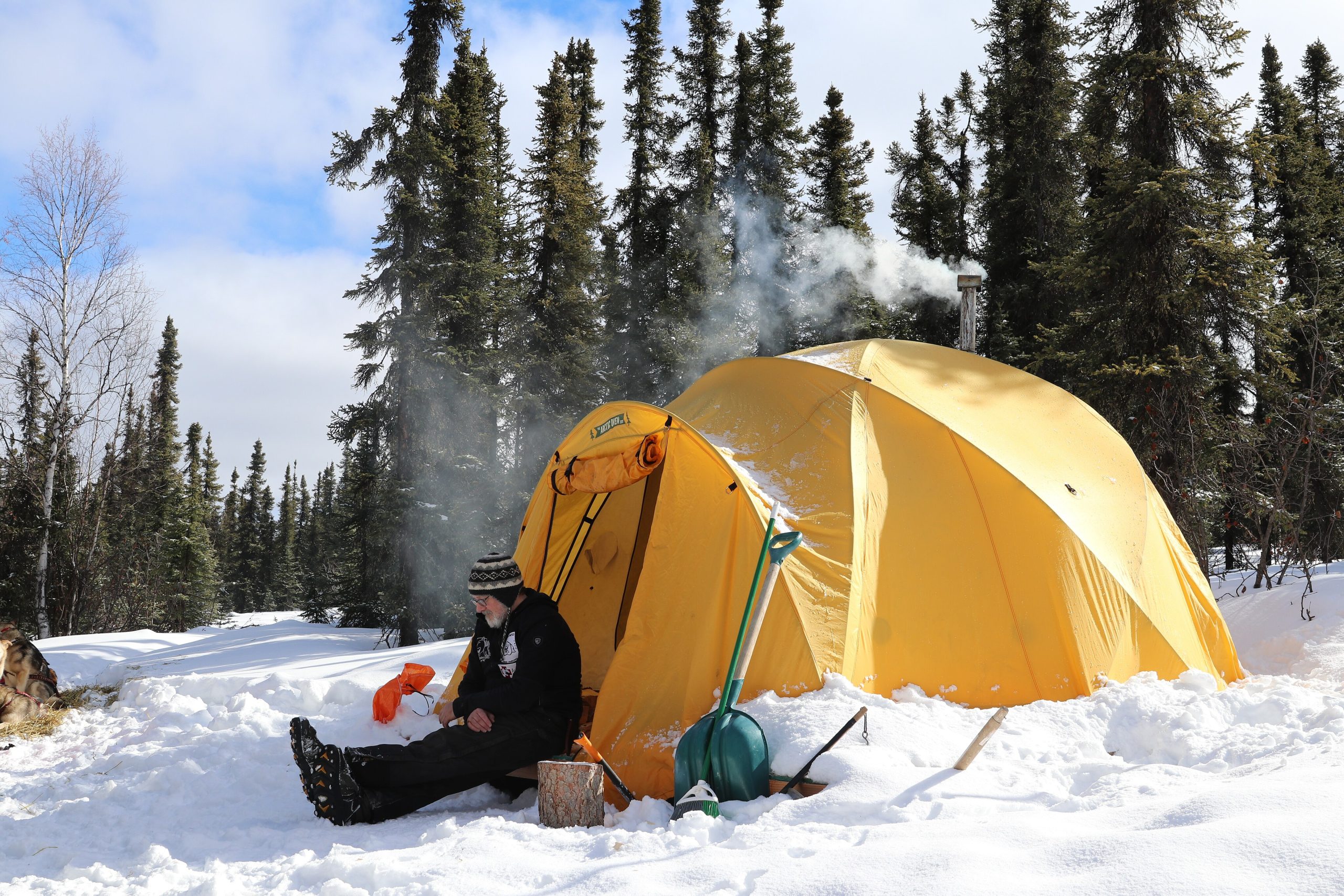
Camping is often associated with calm nights, fresh air, and predictable routines, but nature does not always follow expectations. Over the last decade, several natural disasters have caught campers off guard, even in well-known parks and established campgrounds. Many of these people checked forecasts, followed park rules, and believed they had planned responsibly. Still, sudden environmental changes turned ordinary trips into emergencies within hours or even minutes. These events prove that danger does not always announce itself clearly. Understanding how these disasters unfolded helps campers recognize subtle warning signs and rethink what true preparedness really means.
1. Flash Floods Rushing Through Desert Camps
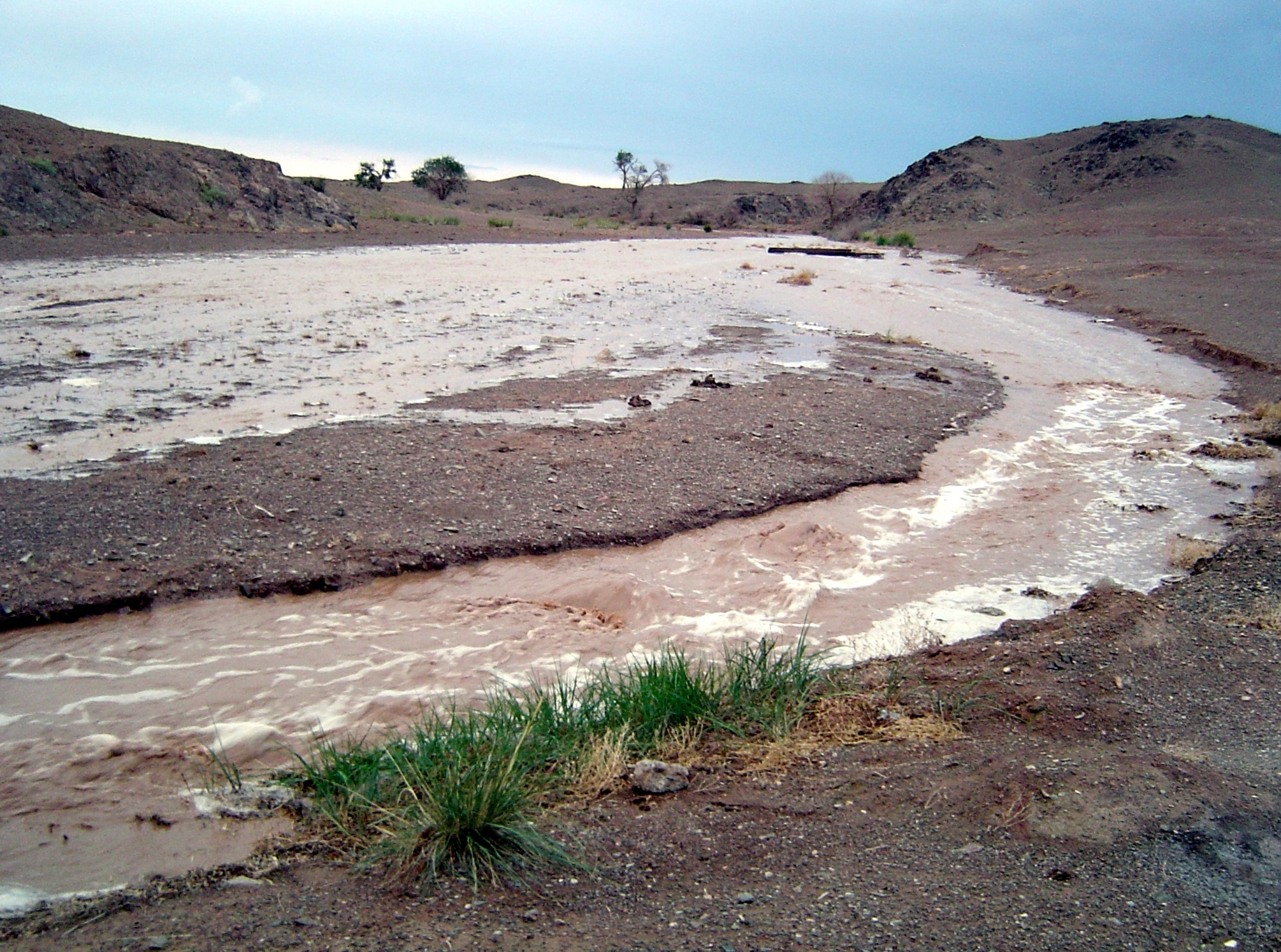
Flash floods have surprised campers in desert regions where dry riverbeds appear harmless. Many people pitch tents in sandy washes, believing rain is unlikely. What they fail to realize is that storms miles away can send massive walls of water downstream. In several incidents, campers reported clear skies moments before floodwater surged through campsites. Tents collapsed instantly, vehicles were swept aside, and escape routes vanished. The speed of the water left no time for reaction. Photographs from these events show calm desert landscapes transformed into violent rivers filled with debris.
2. Wildfires Engulfing Campgrounds Overnight
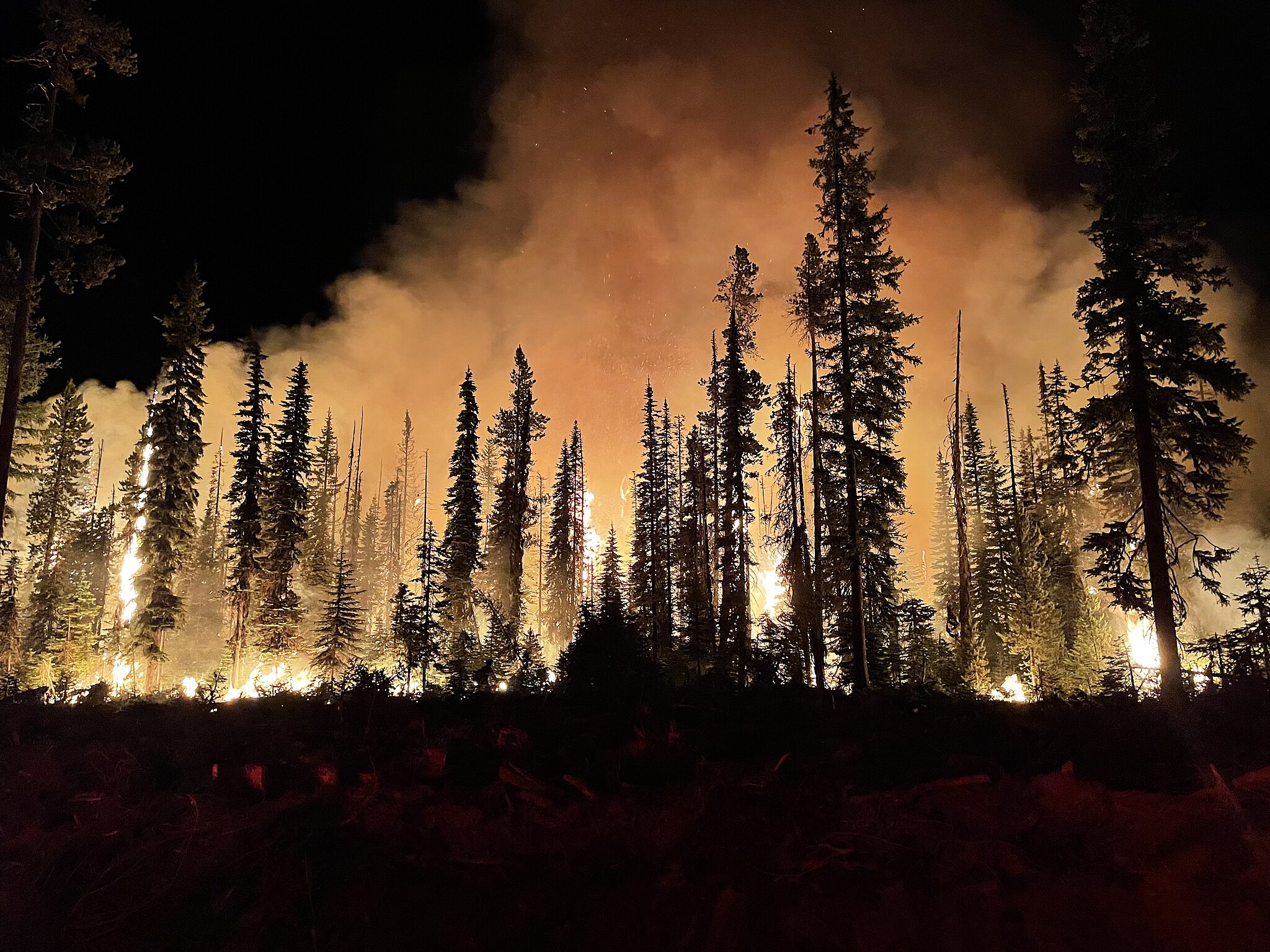
Wildfires have repeatedly overtaken campgrounds while campers slept, driven by shifting winds and extreme dryness. In many cases, fires were burning far away and seemed manageable. Then, conditions changed suddenly. Smoke thickened, embers fell from the sky, and evacuation orders came with little notice. Some campers woke to orange skies and ash covering their gear. Roads quickly became congested, increasing panic. Images from these disasters show tents abandoned among scorched trees and glowing fire lines advancing toward once peaceful campsites.
3. Sudden Snowstorms Trapping Warm-Weather Campers
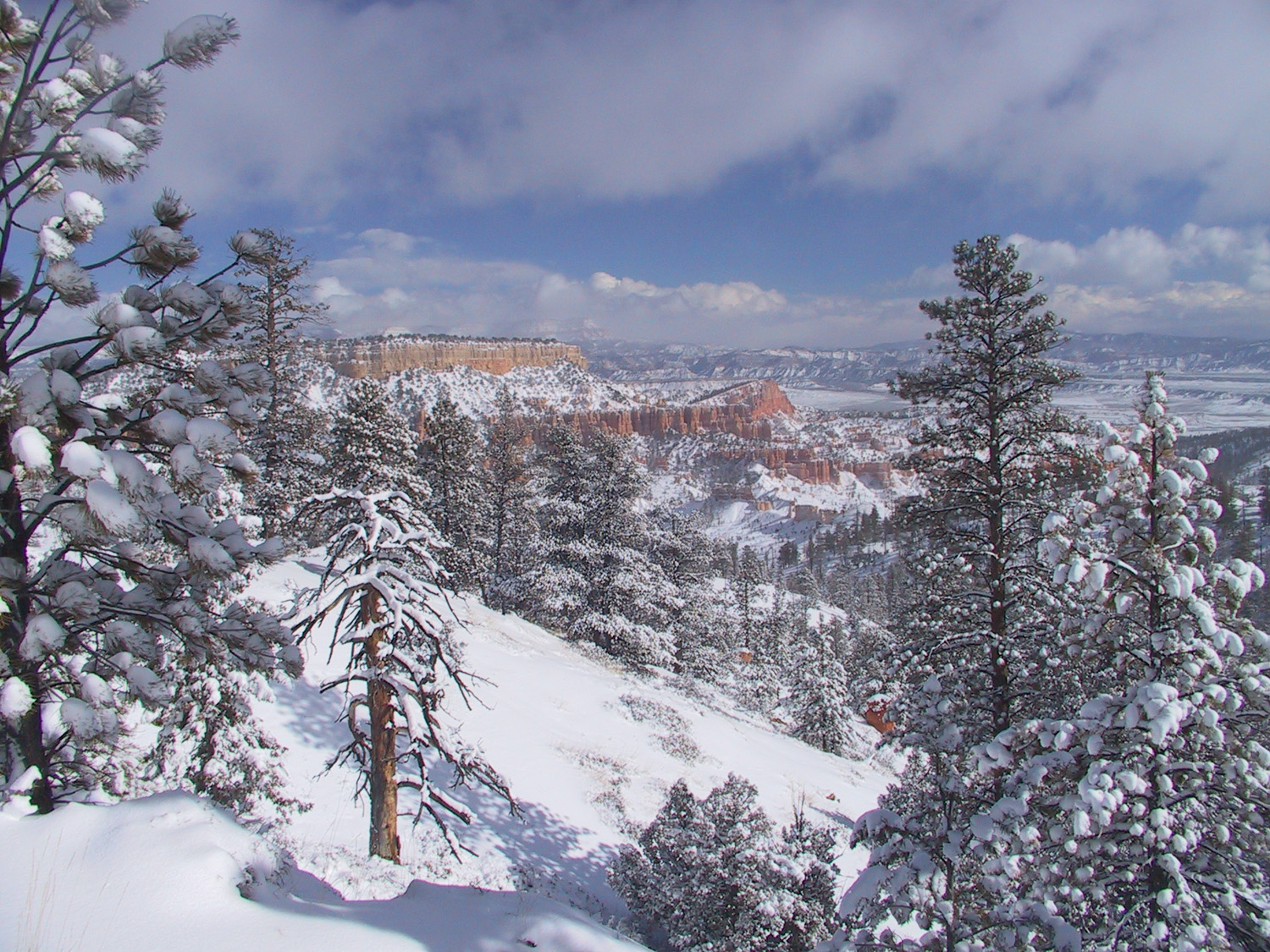
Unexpected snowstorms have stranded campers who packed only for mild conditions. These incidents often occurred in spring or early fall, when daytime temperatures felt comfortable. Overnight, storms intensified and dumped heavy snow, collapsing tents and blocking access roads. Campers found themselves without proper insulation, traction, or visibility. Vehicles became buried, and landmarks disappeared under snow. Rescue teams later documented campsites transformed into winter scenes, with colorful tents barely visible beneath thick white layers.
4. Extreme Heat Waves Overwhelm Popular Parks
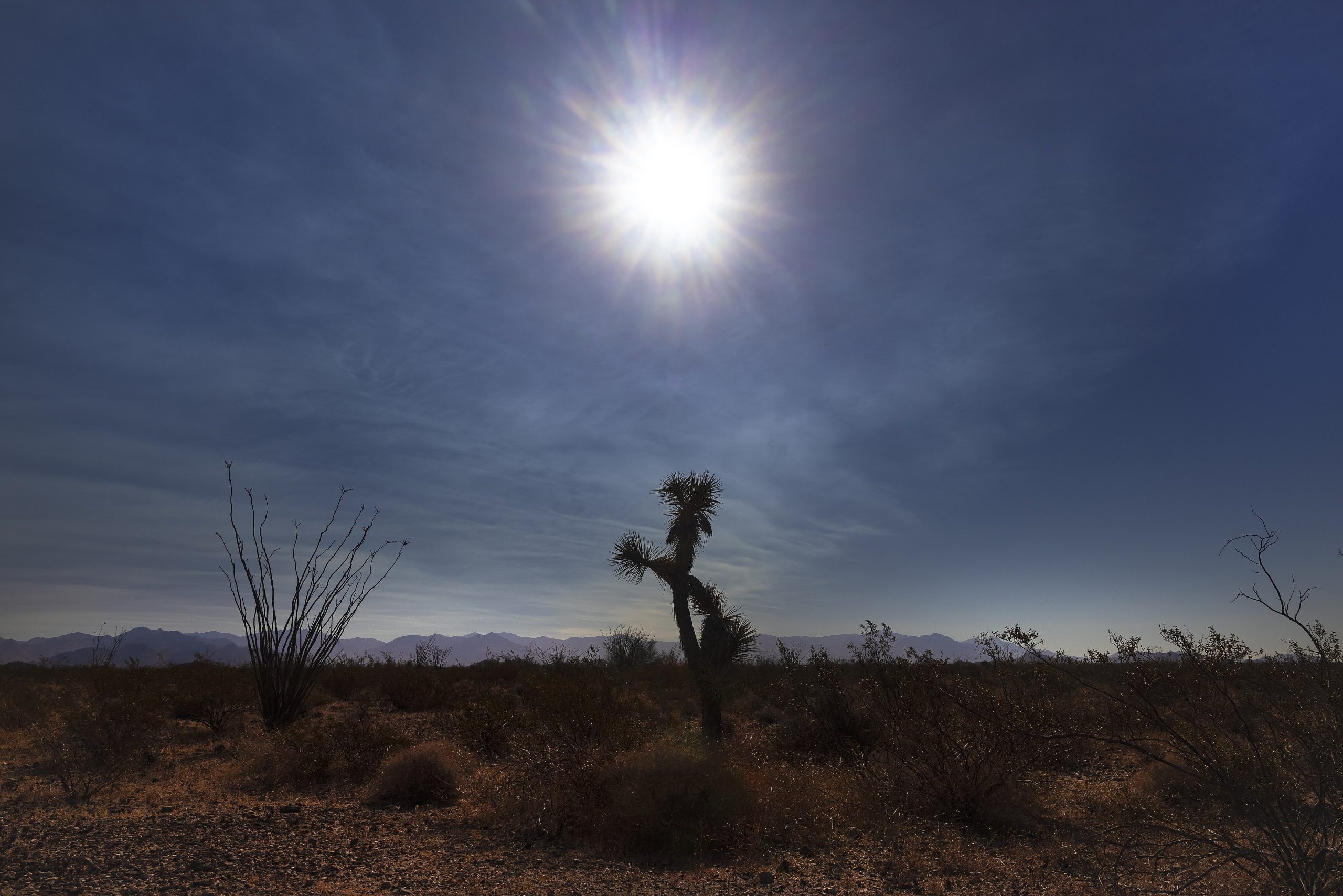
Heat waves have quietly become one of the most dangerous surprises for campers. In several parks, temperatures soared far beyond seasonal averages with little cloud cover or wind. Campers underestimated how constant heat drains energy and disrupts sleep. Water supplies ran low, shade became scarce, and heat illness developed rapidly. Some campers collapsed during short walks back to their tents. Photos from these events show sun-scorched landscapes, shimmering air, and tents standing under relentless sunlight.
5. Hurricanes Reaching Inland Campgrounds
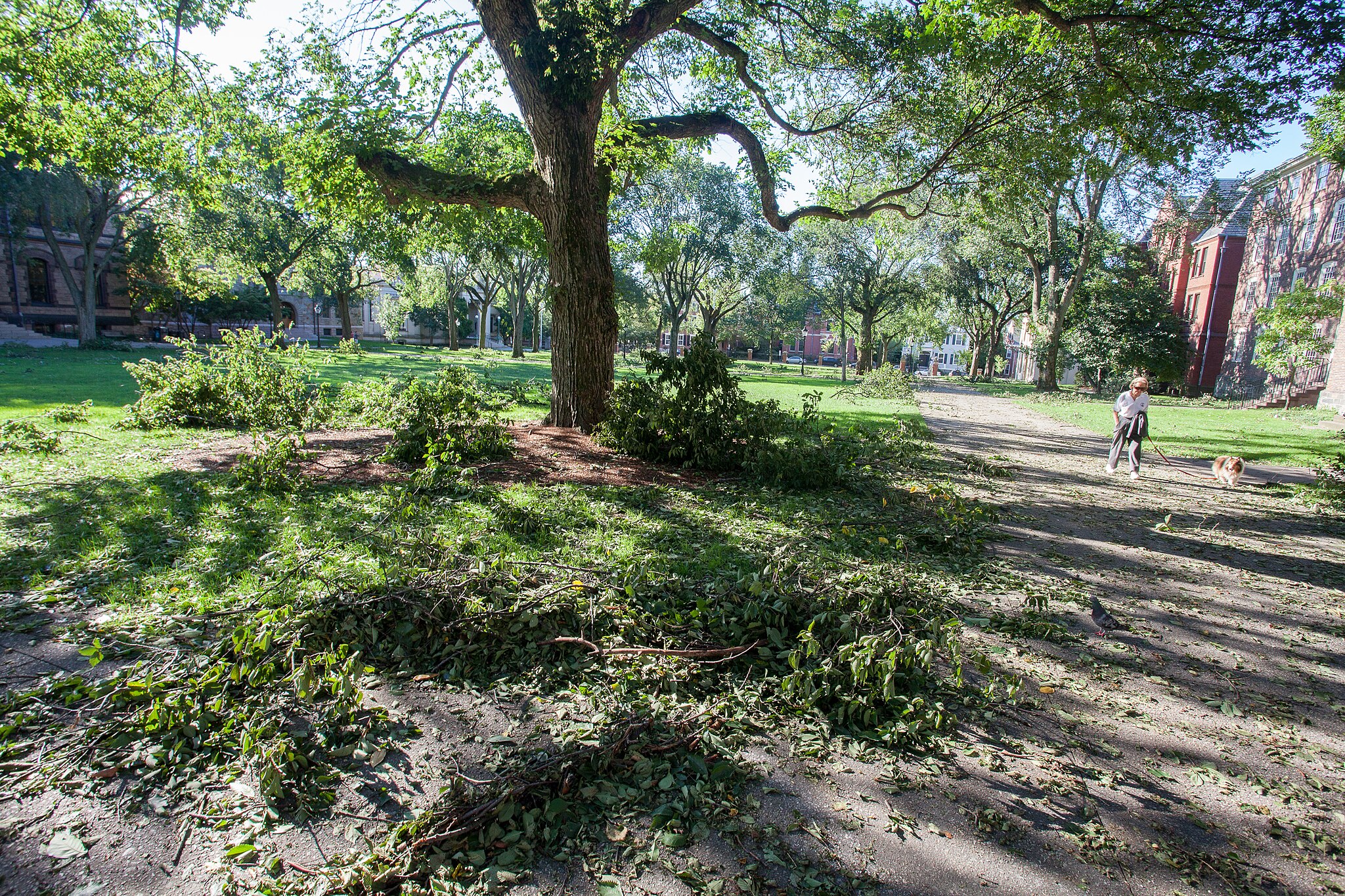
Many campers believe hurricanes only threaten coastal areas, but recent storms have proven otherwise. Inland campgrounds have experienced flooding, fallen trees, and destructive winds from weakening but still dangerous systems. Campers often ignored warnings, assuming the storm would lose strength before arrival. Instead, rain poured nonstop, and winds snapped branches across campsites. Evacuations became difficult as roads flooded. Images reveal soaked tents, uprooted trees, and muddy campgrounds turned into disaster zones overnight.
6. Earthquakes Striking Without Any Warning
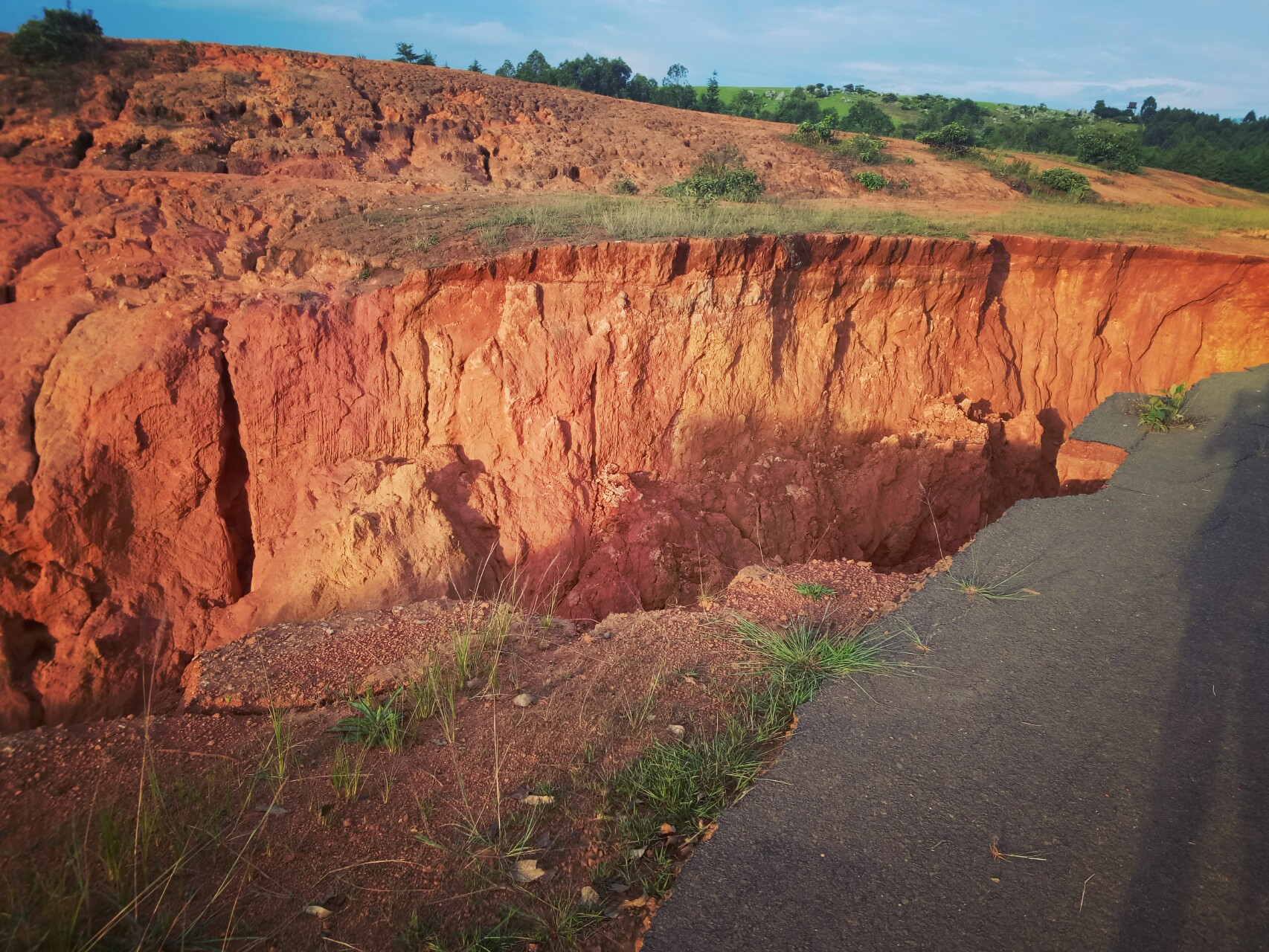
Earthquakes remain one of the most shocking threats because they offer no forecast or countdown. Campers in seismic regions were caught completely off guard when the ground suddenly shook beneath their tents. Trees swayed, rocks fell from nearby slopes, and cooking gear toppled over. Panic spread as people struggled to find footing in the darkness. Aftershocks kept campers awake for hours. Photos from these incidents show cracked ground, fallen boulders, and scattered campsites frozen mid-evacuation.
7. Volcanic Activity Forcing Sudden Evacuations
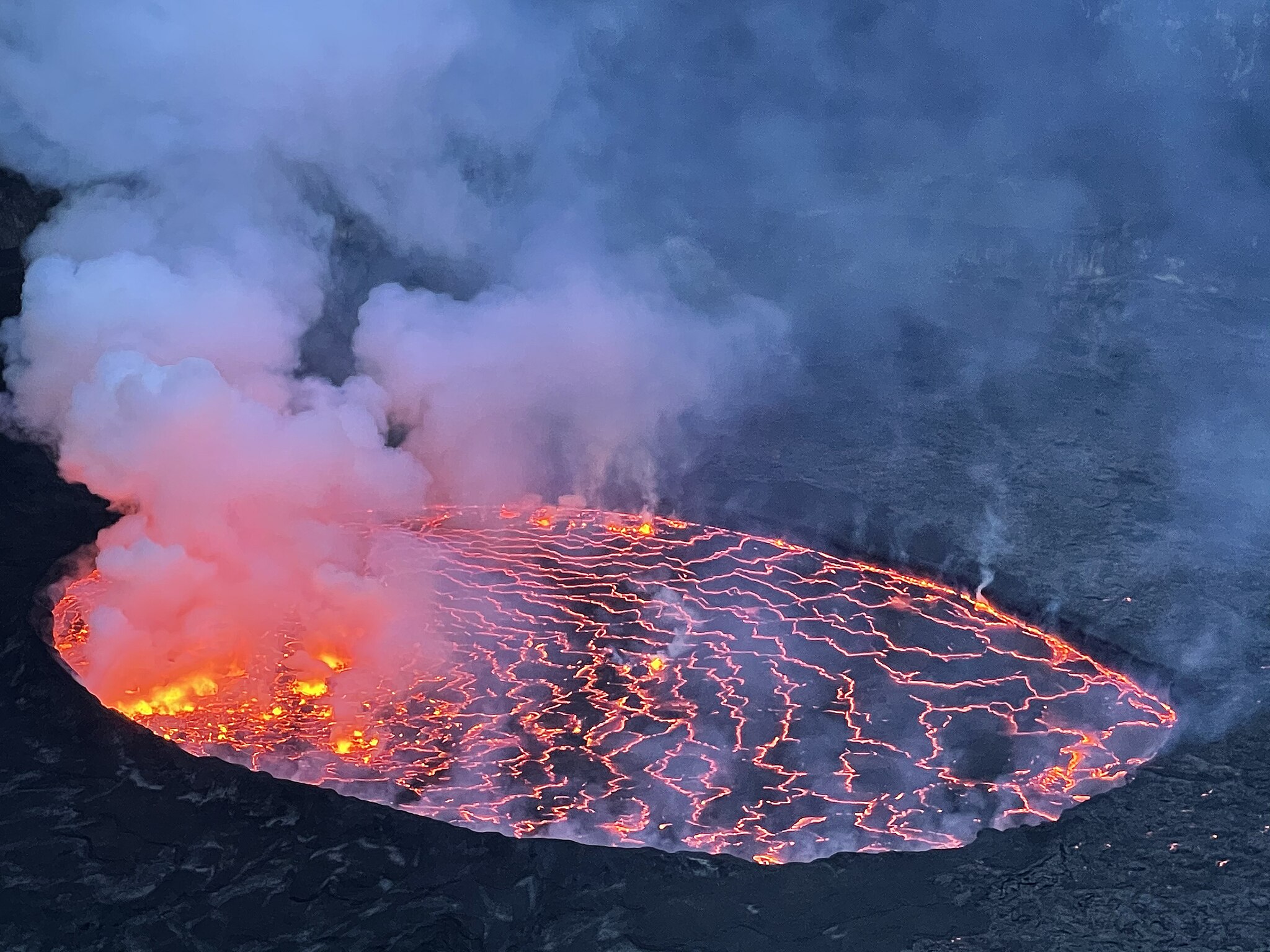
Volcanic unrest has forced rapid campground closures in recent years. Campers often underestimate how quickly conditions change once volcanic activity increases. In some cases, ash clouds reduced visibility and breathing quality within hours. Lava flows and toxic gases prompted immediate evacuations. Roads closed suddenly, leaving campers scrambling to pack. Images from these events show glowing lava, ash-coated tents, and emergency vehicles guiding evacuations through smoky landscapes.
8. Violent Windstorms Destroying Campsites
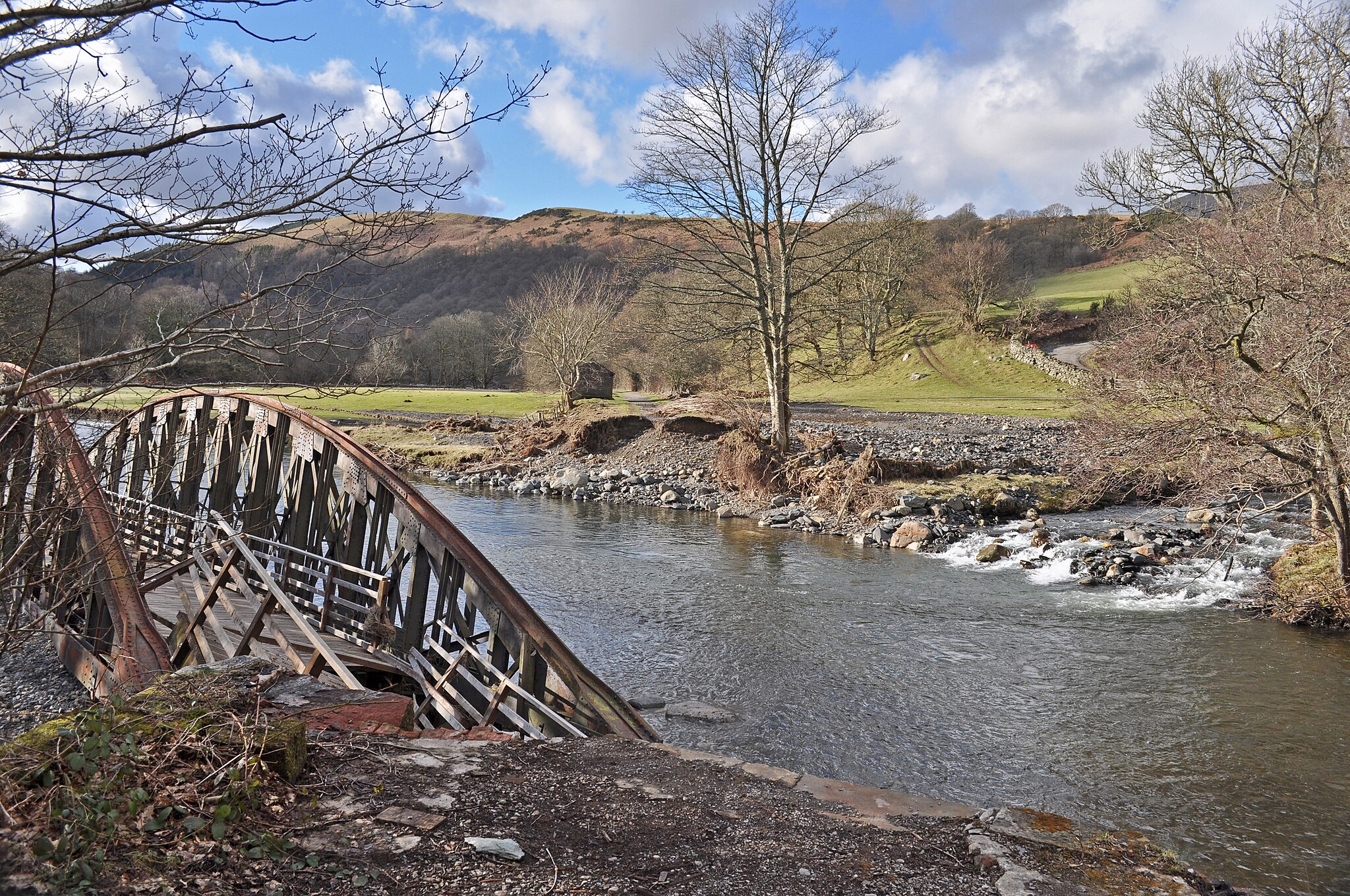
Severe windstorms have flattened campsites with little warning. Campers often focus on rain forecasts and ignore wind risk. Sudden gusts snapped trees, tore tents apart, and sent loose gear flying. Some campers were injured by falling branches or collapsing shelters. The noise alone caused confusion and fear. Afterward, campsites appeared unrecognizable. Photographs capture bent tent poles, fallen trees, and scattered equipment spread across open ground.