Long-range shooting is as much a battle with the wind as it is with distance. Gusts that feel harmless at the firing line can shove a bullet feet off target by the time it reaches steel or game. Over decades of competition, military testing, and real-world hunting, certain rifle calibers earned reputations for staying stable when conditions turn ugly. These rounds combine efficient bullet shapes, strong ballistic coefficients, and consistent velocities that help them push through crosswinds instead of being bullied by them. This article explores eight rifle calibers that shooters trust when wind calls are difficult and mistakes are costly. Each one has proven itself through design, data, and time on the range, showing why smart caliber choice can matter as much as skill behind the trigger.
1. 6.5 Creedmoor
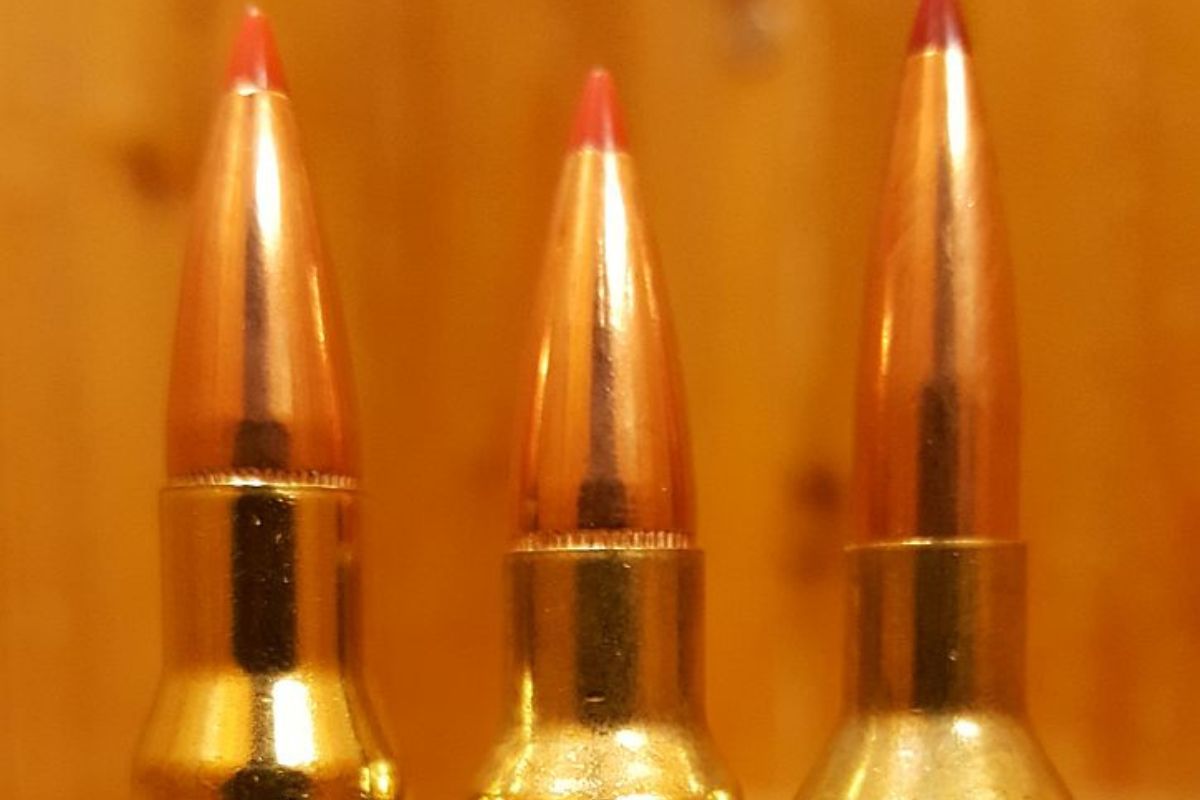
The 6.5 Creedmoor became a long-range favorite because it was engineered specifically to handle wind better than many older cartridges. Its typical bullets are long, slender, and heavy for caliber, which gives them excellent ballistic coefficients. That shape allows the projectile to retain velocity and resist lateral push from crosswinds far more effectively than traditional hunting rounds. Recoil remains mild, helping shooters spot impacts and make fast corrections when wind shifts. Military testing and competitive use confirmed that at extended distances, the 6.5 Creedmoor drifts less than comparable .308 loads. Its consistency across factory ammunition also reduces surprises, making it a dependable choice when wind conditions are unpredictable and constantly changing.
2. .300 Winchester Magnum
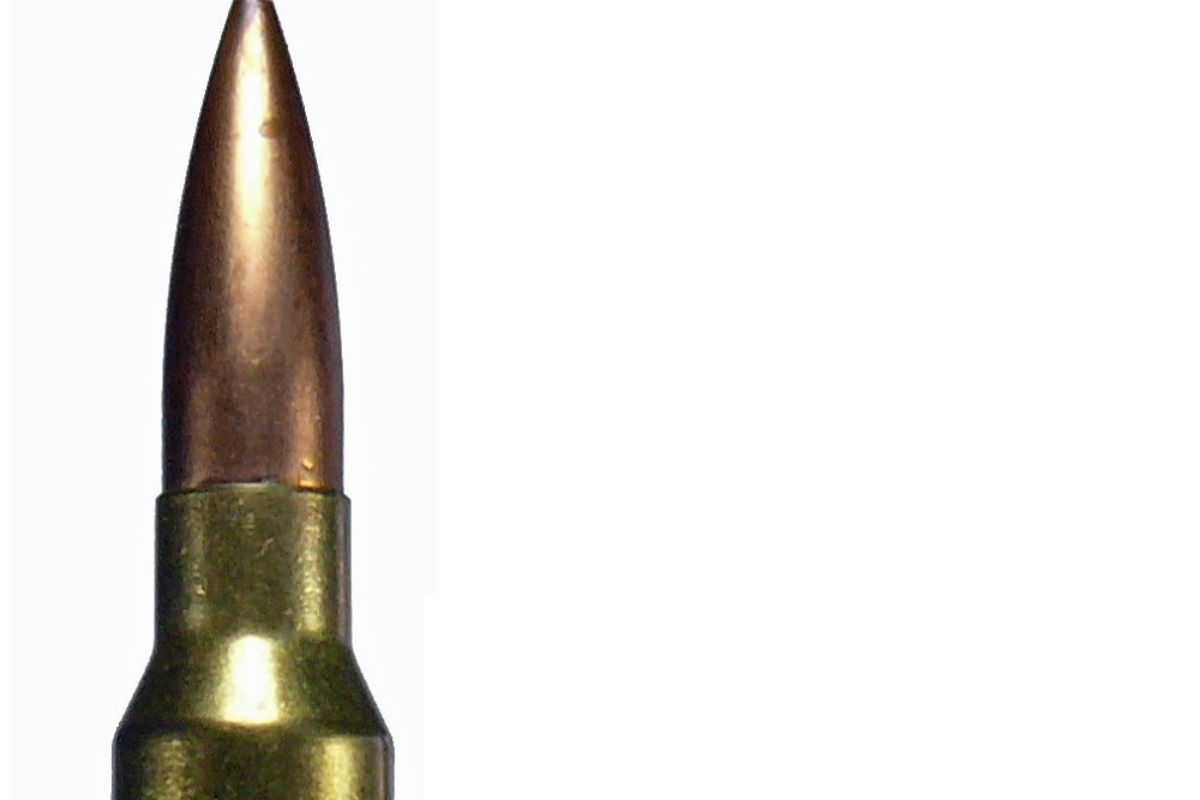
The .300 Winchester Magnum brings raw velocity and mass together, creating a bullet that simply refuses to be shoved around easily. With heavier projectiles launched at high speeds, wind has less time to act on the bullet during flight. This combination results in flatter trajectories and reduced drift at extreme distances. Long-range hunters appreciate its ability to stay stable in open terrain where wind rolls through valleys and ridges. While recoil is stronger than mid-caliber options, experienced shooters value the payoff. In tough conditions, the .300 Win Mag delivers confidence that the bullet will arrive close to where it was aimed, even when the breeze refuses to cooperate.
3. 7mm Remington Magnum
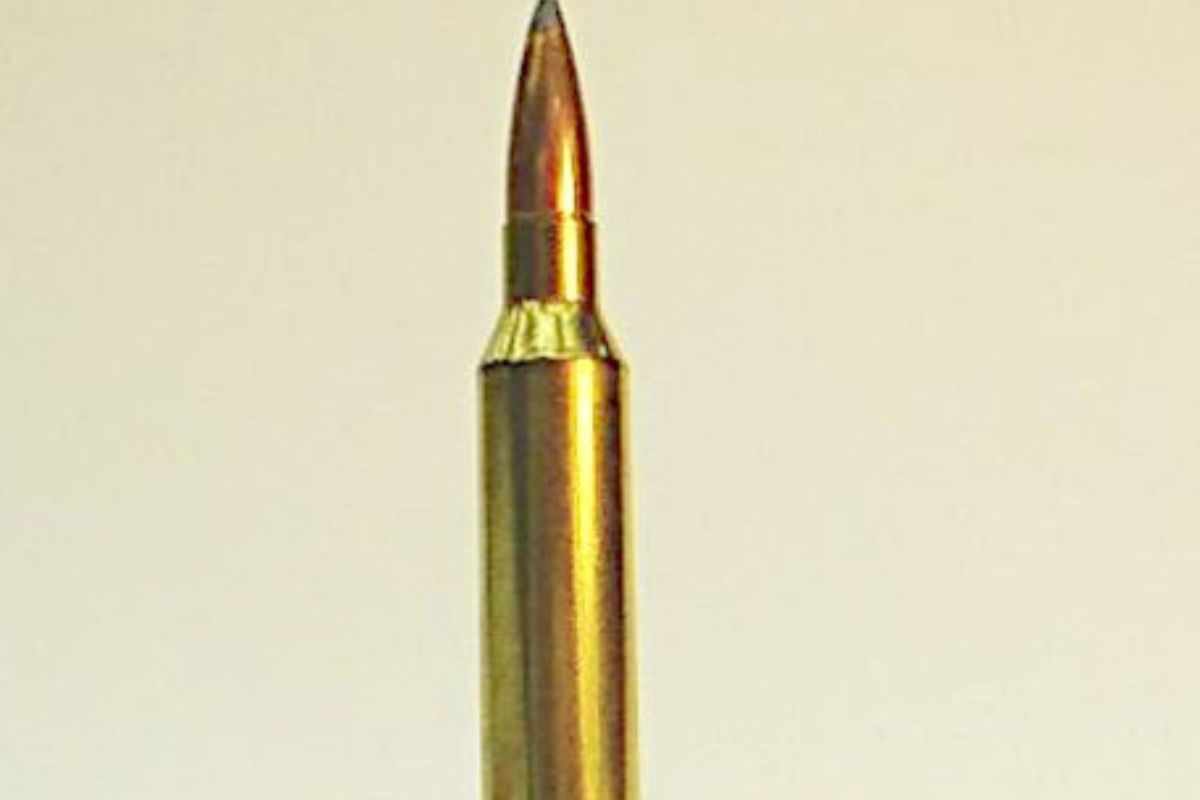
The 7mm Remington Magnum earned legendary status by pairing high velocity with some of the most aerodynamically efficient bullets available. Seven millimeter projectiles often carry exceptional ballistic coefficients, allowing them to slice through the air with minimal drag. That efficiency directly reduces wind drift, especially beyond 600 yards. Shooters frequently note that wind calls feel more forgiving with this caliber compared to larger diameter rounds. Its flat shooting nature also simplifies elevation adjustments, letting shooters focus more attention on reading mirage and wind flags. Decades after its introduction, the 7mm Rem Mag remains a benchmark for wind-resistant performance.
4. .260 Remington
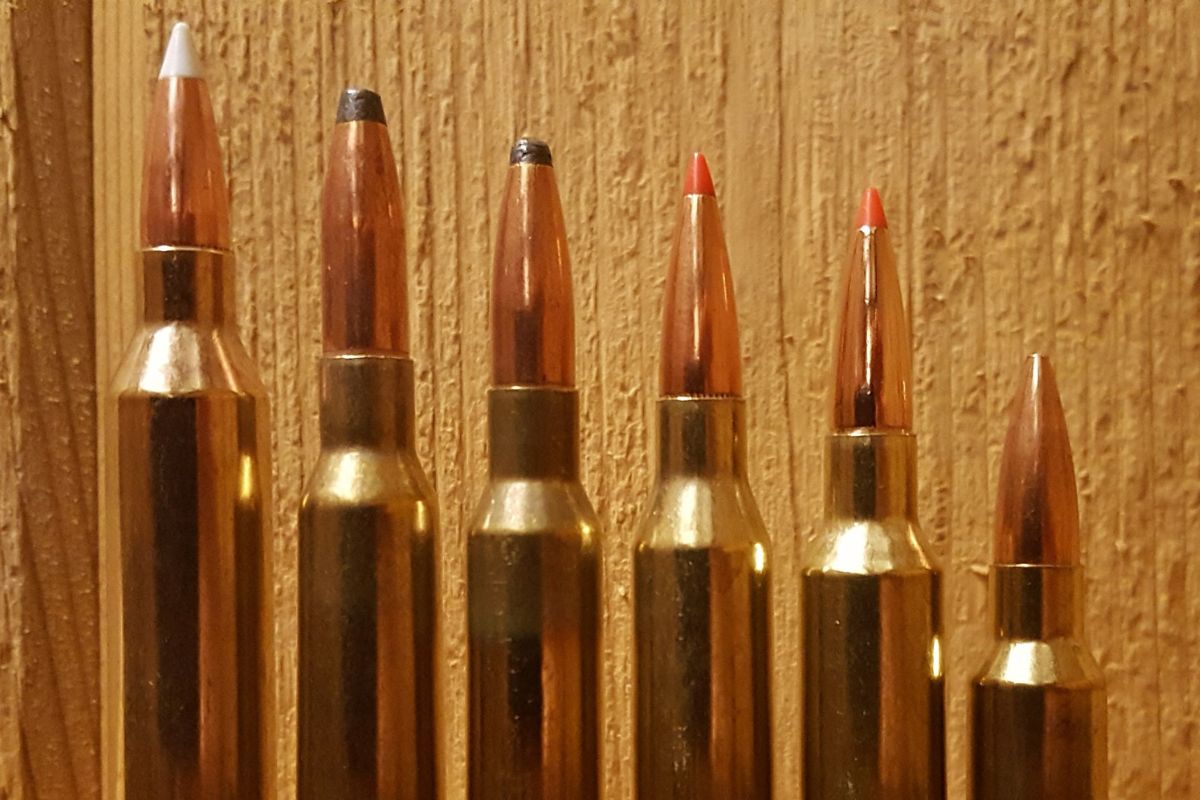
The .260 Remington is often described as a sleeper caliber that quietly excels in windy environments. Using 6.5 millimeter bullets similar to the Creedmoor, it delivers impressive ballistic efficiency with slightly higher velocities in some loadings. Wind drift numbers are consistently low, making it popular among precision shooters who value subtle advantages. Recoil stays manageable, which helps maintain shooting rhythm during long strings in gusty conditions. Although it never reached mainstream fame, those who use the .260 Remington know it performs exceptionally well when wind threatens to ruin a carefully planned shot.
5. .338 Lapua Magnum
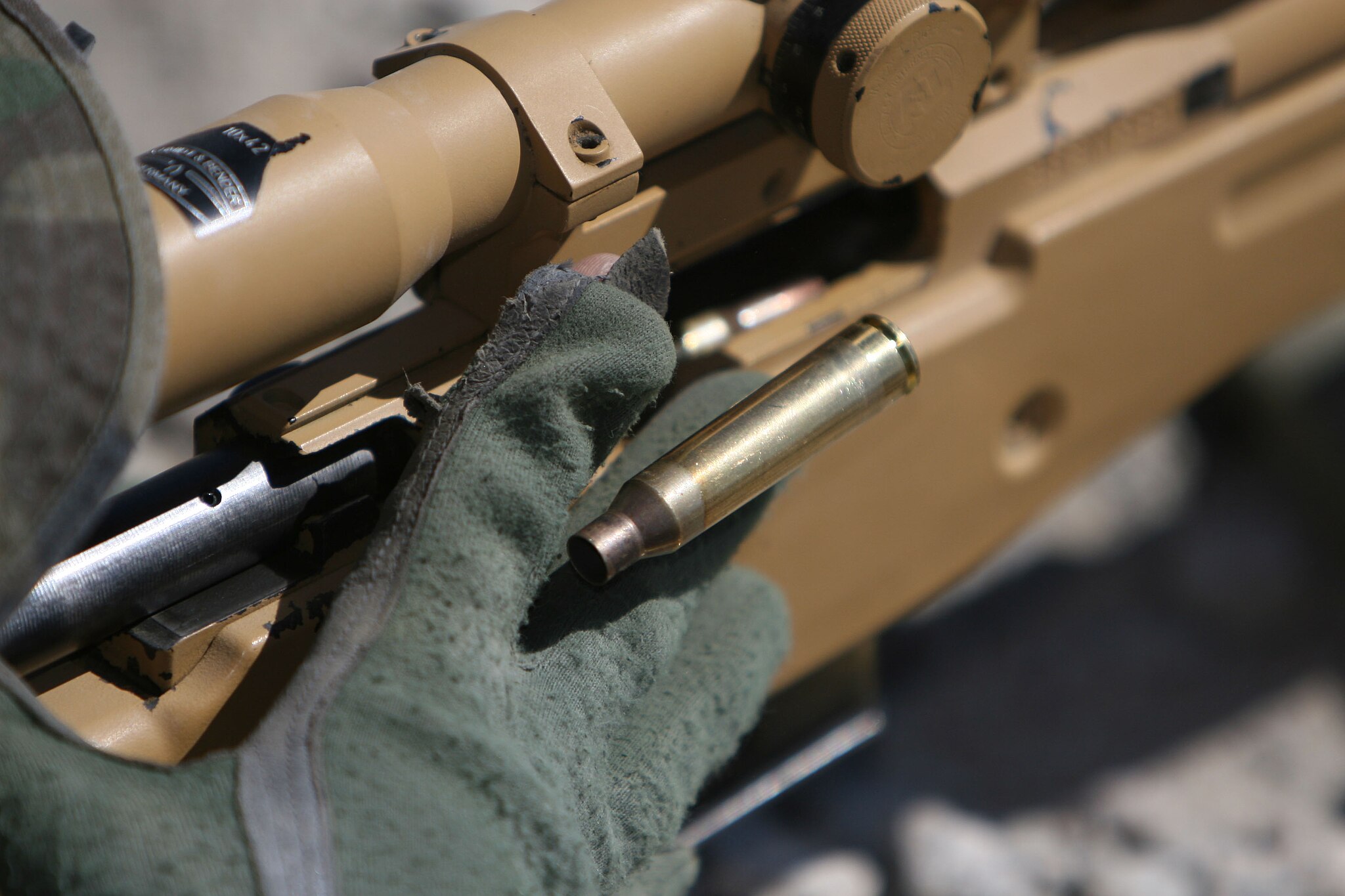
Designed for military long-range engagements, the .338 Lapua Magnum was built to dominate wind at extreme distances. Its very heavy bullets maintain momentum that lighter calibers simply cannot match. Even strong crosswinds struggle to push these projectiles significantly off course. This stability is why it became a favorite for engagements well beyond one thousand yards. The cartridge delivers consistent performance where wind estimation errors would be disastrous with smaller rounds. While the rifle systems are large and recoil is substantial, the reward is unmatched confidence when shooting in harsh, open environments where wind never rests.
6. .308 Winchester
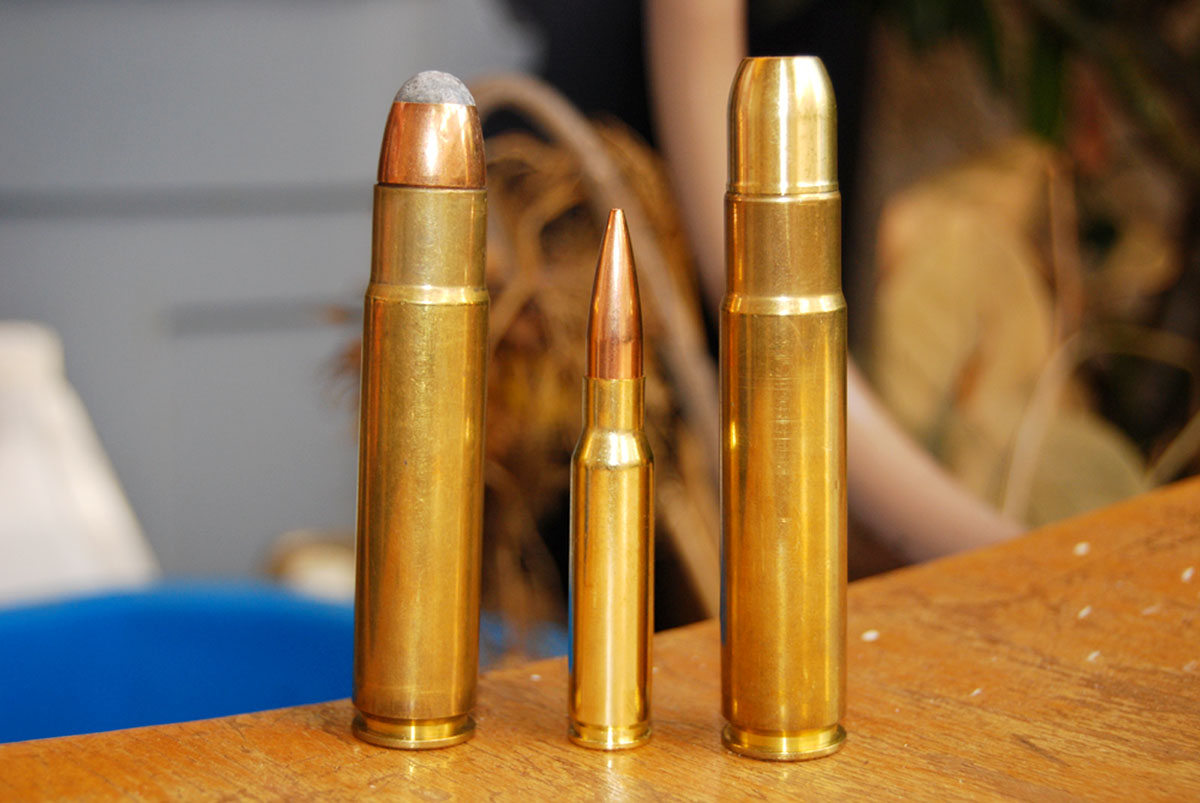
The .308 Winchester may not be the newest design, but it remains respected for predictable wind behavior. Its heavier bullets and moderate velocities create consistent, easy-to-calculate drift patterns. While it drifts more than modern high BC calibers, that drift is steady and well documented. Shooters trust it because wind corrections repeat reliably from shot to shot. Military and law enforcement use decades of data that still guide shooters today. In skilled hands, the .308 performs admirably in wind, rewarding disciplined technique and careful reading of conditions rather than raw speed.
7. 6mm Dasher
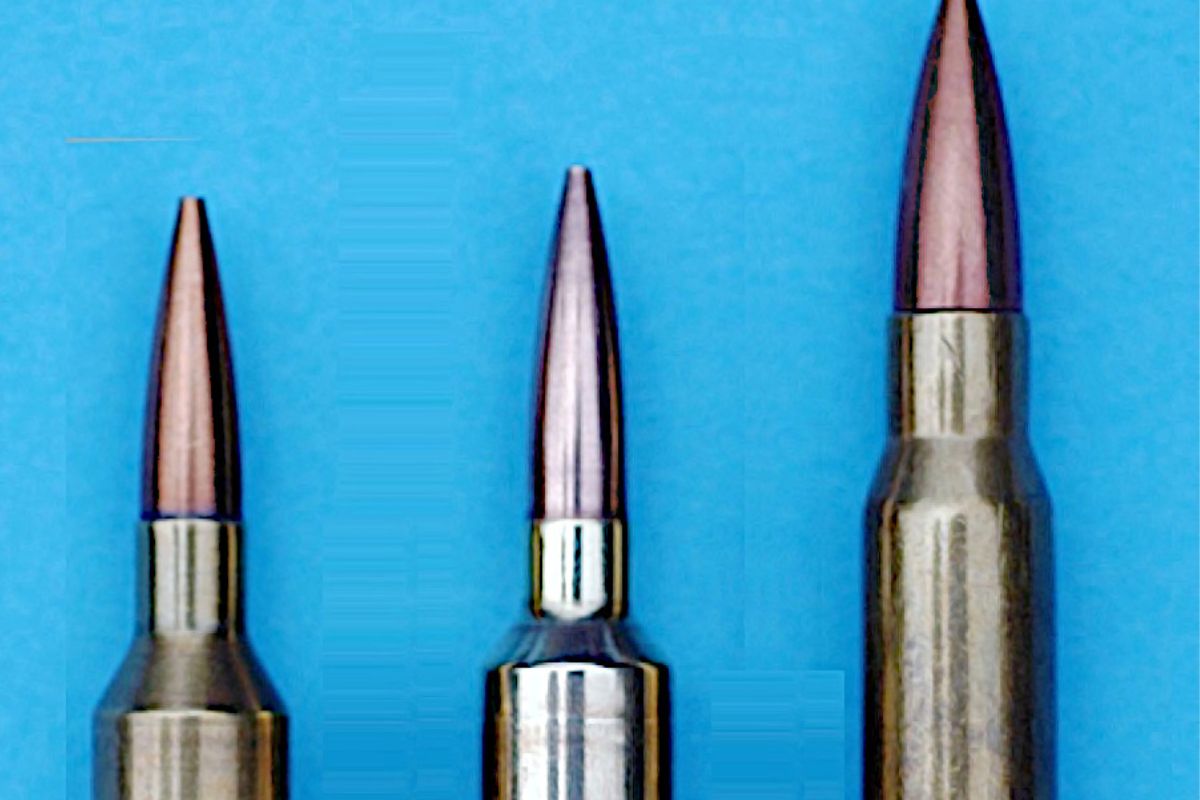
The 6mm Dasher dominates precision rifle competitions for good reason. It fires sleek, high BC bullets at impressive velocities, producing very low wind drift numbers. Recoil is extremely light, allowing shooters to stay on target and observe bullet trace even in gusty conditions. That feedback makes rapid wind corrections possible during timed stages. The cartridge’s accuracy and efficiency shine when targets are small and wind changes quickly. Though primarily a competition round, its reputation as a wind-beating caliber is firmly established through countless match wins and consistent performance under pressure.
8. .375 CheyTac
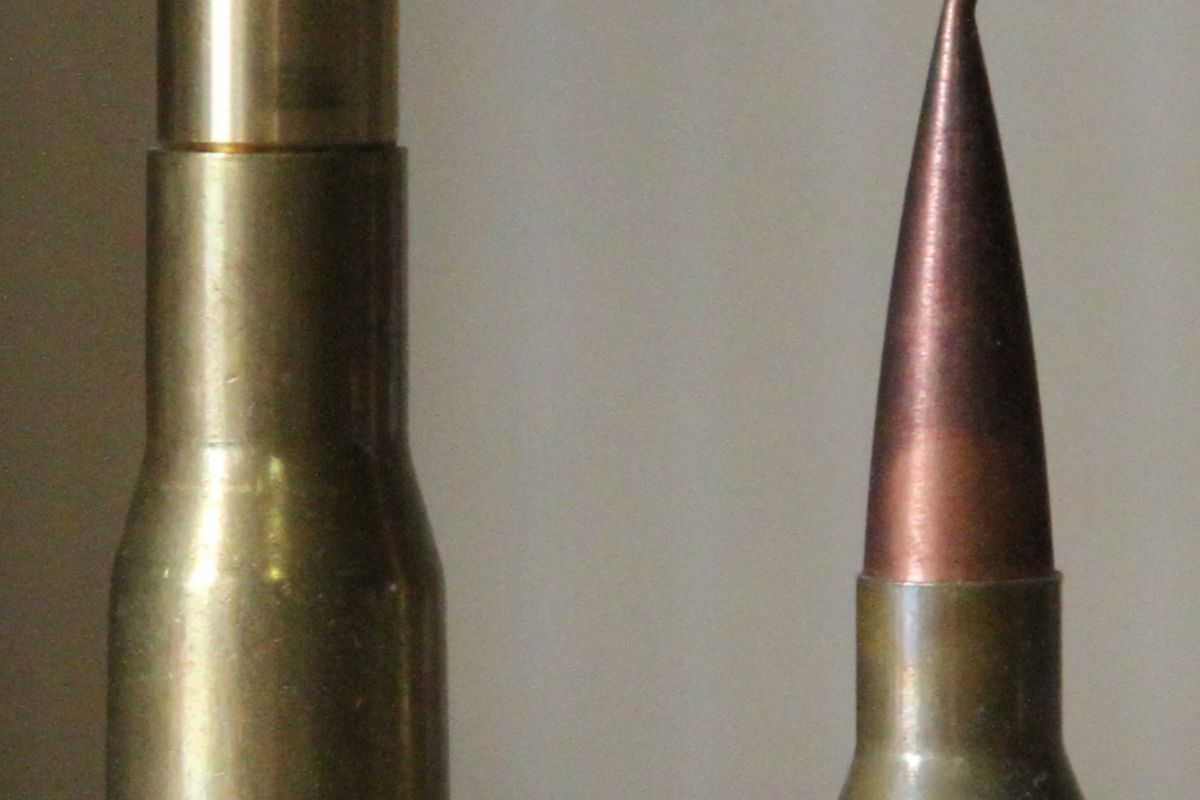
The .375 CheyTac was engineered for extreme distance shooting, where wind becomes the greatest enemy. Its massive, ultra-aerodynamic bullets carry extraordinary ballistic coefficients that shrug off crosswinds better than almost anything else. At distances where other calibers struggle to remain stable, the CheyTac continues tracking true. Wind drift is minimized not by speed alone, but by overwhelming momentum and efficiency. This cartridge is rarely practical for casual shooters, but in specialized long-range roles, it demonstrates what happens when wind resistance is pushed to the absolute limit through advanced design and sheer ballistic authority.