Hunters depend on their ammunition just as much as their rifles. A well-placed shot means very little if the bullet fails to perform as expected. Across North America, hunters pursue animals that can weigh hundreds or even thousands of pounds, and that reality places enormous importance on bullet construction, penetration, and reliability. While many ammunition brands have built strong reputations over the years, no manufacturer is completely immune to problems. Occasionally, a cartridge may expand too quickly, fail to penetrate deeply enough, or simply not perform the way the hunter expected in the field. These moments often happen during once-in-a-lifetime opportunities, turning excitement into frustration. It is important to understand that most brands produce excellent ammunition overall, yet certain loads or situations can reveal weaknesses. The following examples highlight well-known hunting ammunition brands that have sometimes disappointed hunters when real-world conditions demanded flawless performance.
1. Remington Core-Lokt
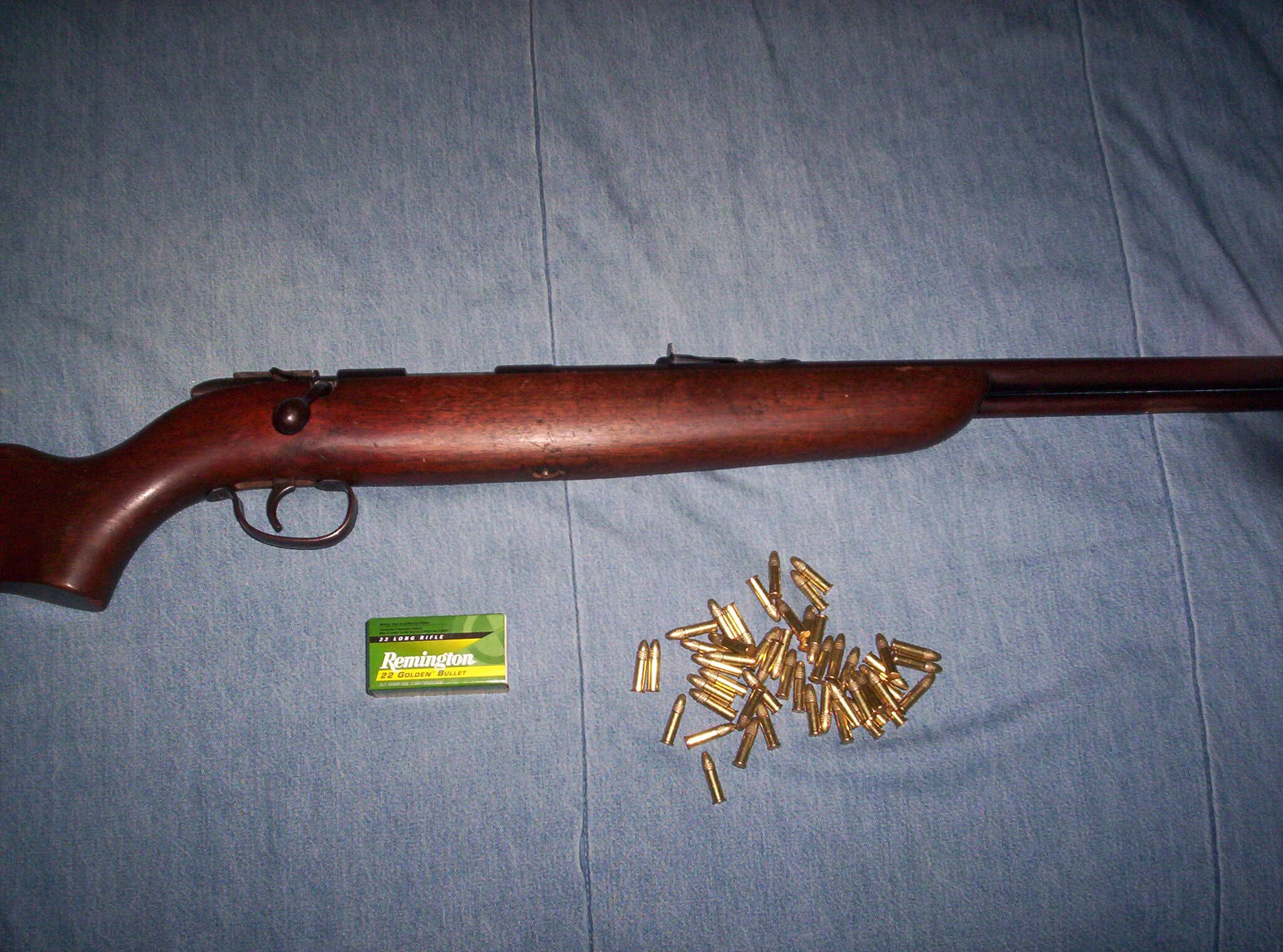
Remington Core-Lokt ammunition has been one of the most widely used hunting rounds in America for decades. Many hunters appreciate its affordability and the classic soft point design that has harvested countless deer over the years. However, some hunters have experienced disappointing results when the bullet encountered heavier bone or thicker animals. The traditional cup and core construction can occasionally cause the bullet to expand very rapidly upon impact. When that happens, the bullet may fragment before penetrating deeply enough to reach vital organs. This problem becomes more noticeable when pursuing larger game such as elk or a mature black bear. In those situations, deep penetration is critical for a quick and ethical harvest. Hunters expecting reliable pass-through performance sometimes report shallow wound channels instead. While the ammunition works very well for medium-sized deer under normal conditions, its performance can become inconsistent when used on larger animals or when the shot angle requires stronger bullet integrity.
2. Winchester Power-Point
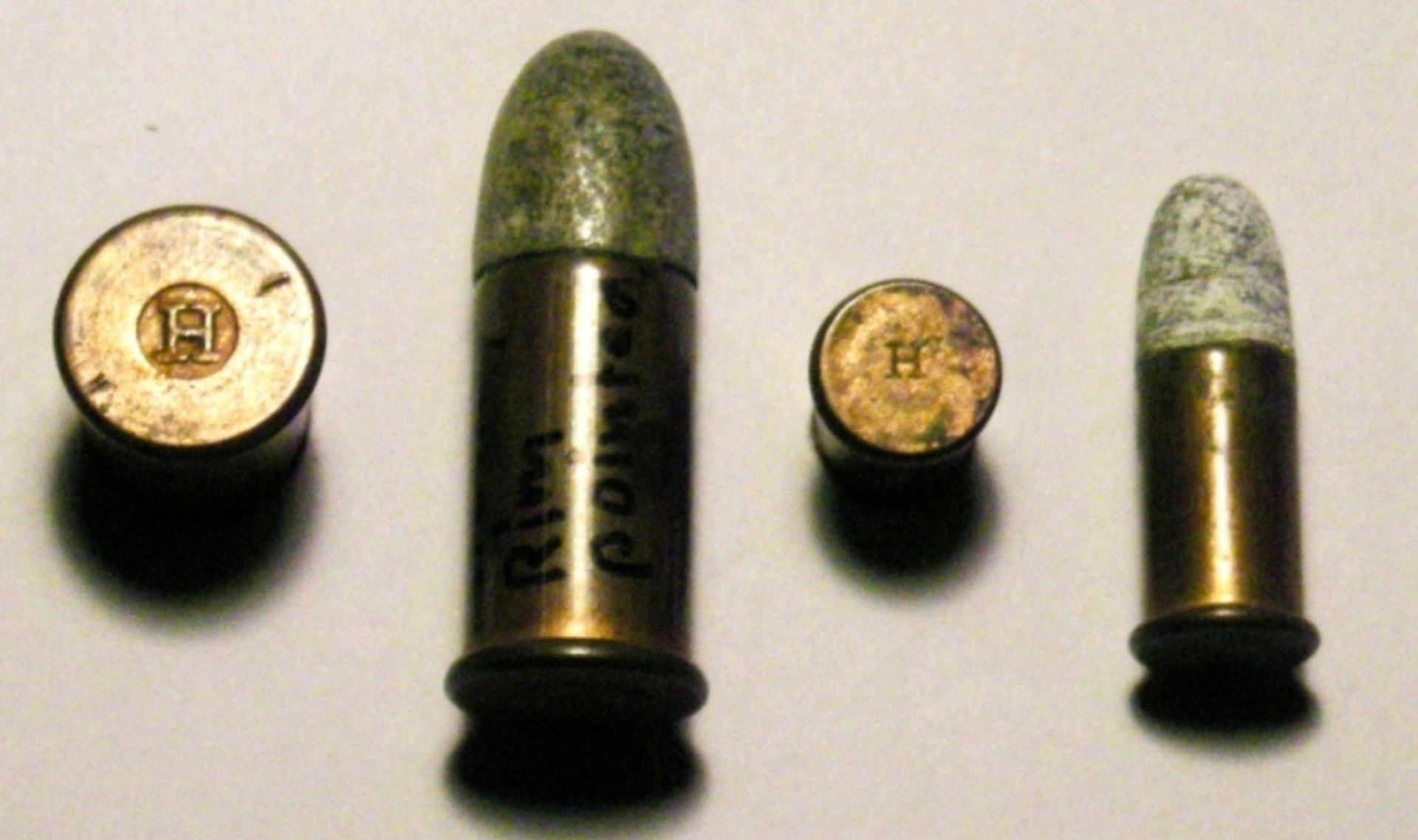
Winchester Power-Point ammunition has long been considered a classic hunting option for whitetail deer and similar game. The exposed soft point bullet is designed to expand quickly, creating a wide wound channel and efficient energy transfer. In ideal conditions, this design can work very well, especially at moderate ranges. However, several hunters have reported problems when the bullet strikes heavy bone at higher velocities. Rapid expansion can sometimes cause the bullet to break apart too quickly, limiting penetration depth. When pursuing animals like elk or large hogs, this can result in a wounded animal traveling farther than expected before going down. Another concern occasionally mentioned is inconsistent expansion when shots occur at longer distances. At lower impact velocities, the bullet may not expand as dramatically as intended. While the Power-Point remains effective for many hunting situations, its traditional design may struggle when hunters expect deep penetration on larger or tougher animals.
3. Federal Power-Shok
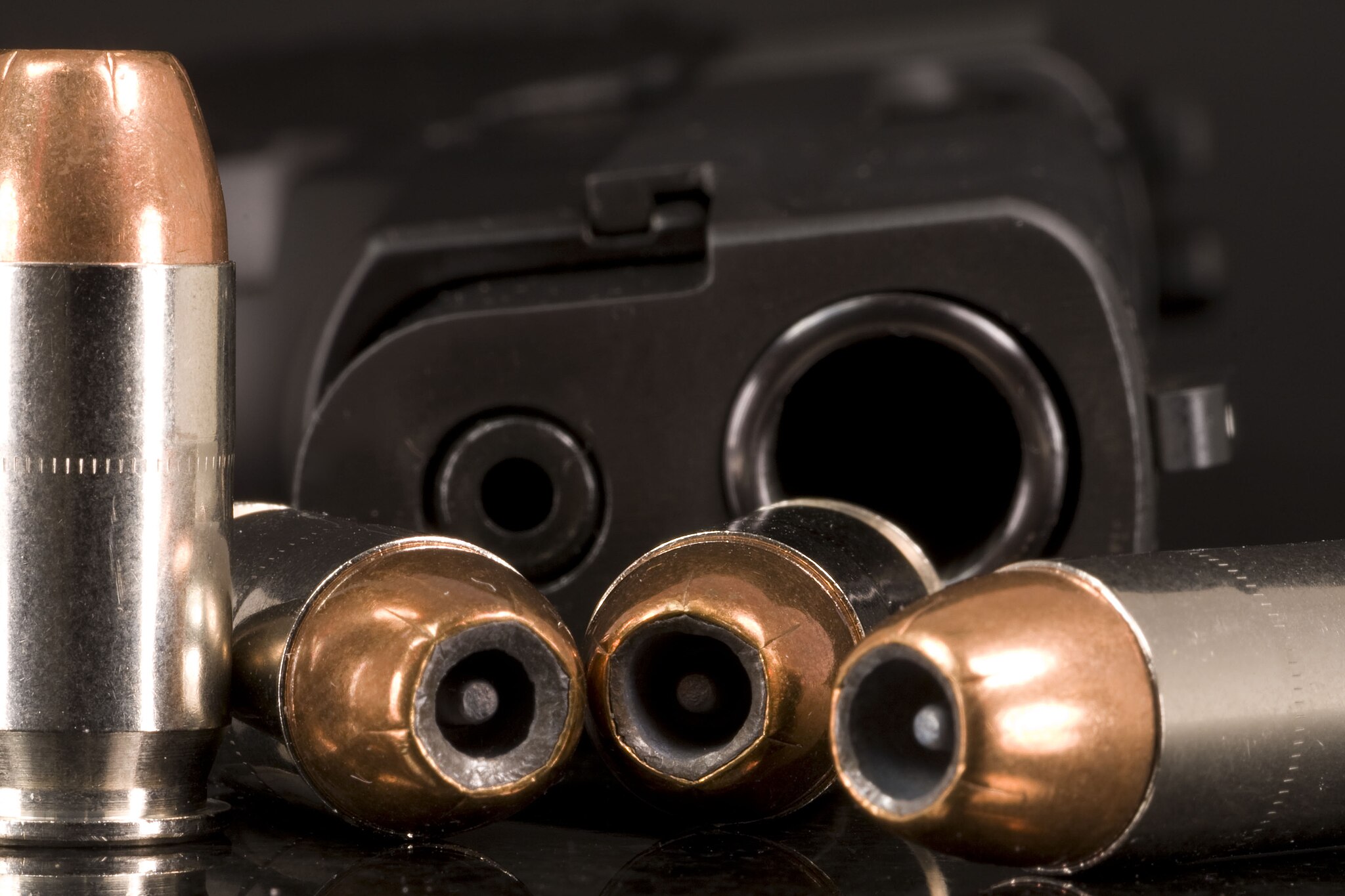
Federal Power-Shok ammunition is widely recognized as a dependable andbudget-friendlyy hunting choice. Many hunters appreciate its straightforward soft-point design and consistent manufacturing. It performs very well for common game animals like whitetail deer when the shot placement is good. However, some field reports suggest that the bullet can occasionally behave unpredictably under tougher conditions. Because the design is relatively simple compared to premium bonded bullets, the projectile may separate from its core during high-velocity impacts. This can lead to fragmented wound channels and reduced penetration depth. Hunters pursuing larger animals sometimes discover that the bullet fails to hold together long enough to reach vital organs from challenging angles. Another issue occasionally mentioned involves variation in expansion depending on distance and velocity. While Power-Shok remains a practical option for many hunting scenarios, it may not provide the controlled performance required when facing thick-skinned or heavy boned game animals.
4. Hornady American Whitetail
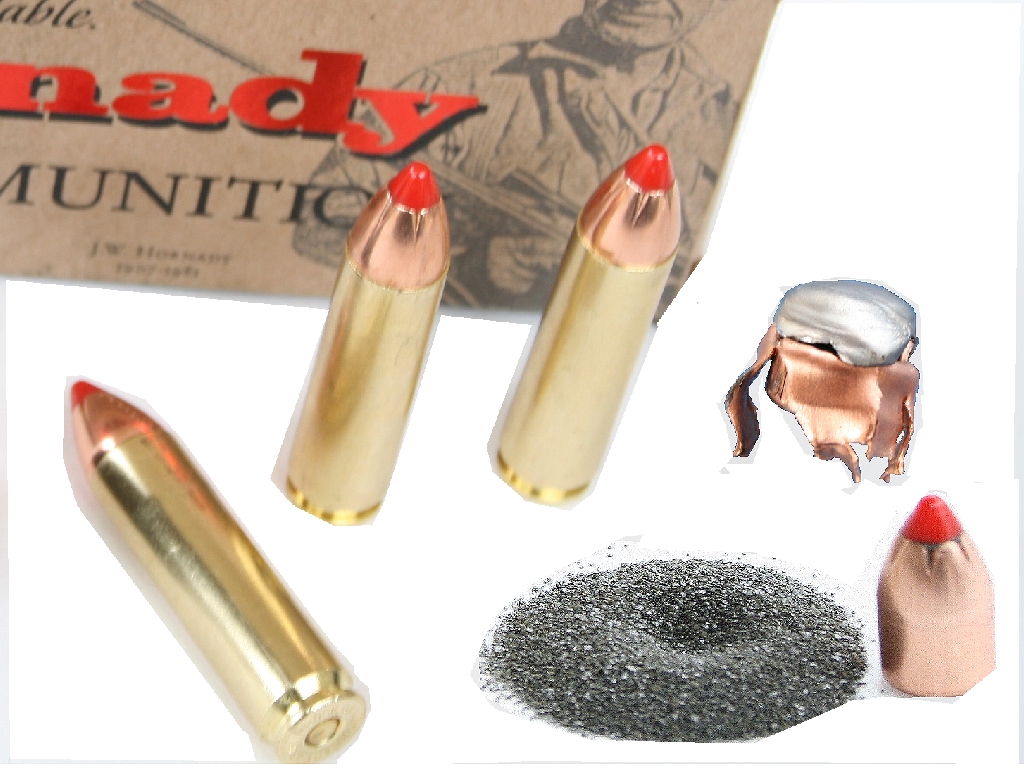
Hornady American Whitetail ammunition is designed specifically for deer hunters who want reliable performance without paying premium prices. The InterLock bullet used in this line includes a mechanical ring that helps hold the core and jacket together during expansion. In many hunting situations, the design performs exactly as intended. However, there have been occasional reports of the bullet expanding too rapidly when fired at close range with high-velocity cartridges. When this occurs, the bullet can lose weight quickly and fail to penetrate as deeply as expected. On larger deer or animals with heavier shoulder bones, the shot may not pass through completely. Hunters who prefer complete penetration sometimes find this disappointing, particularly when tracking becomes necessary afterward. While the ammunition performs well within its intended role, it may not always provide the structural strength required for larger game animals or difficult shot angles in the field.
5. Barnes VOR-TX
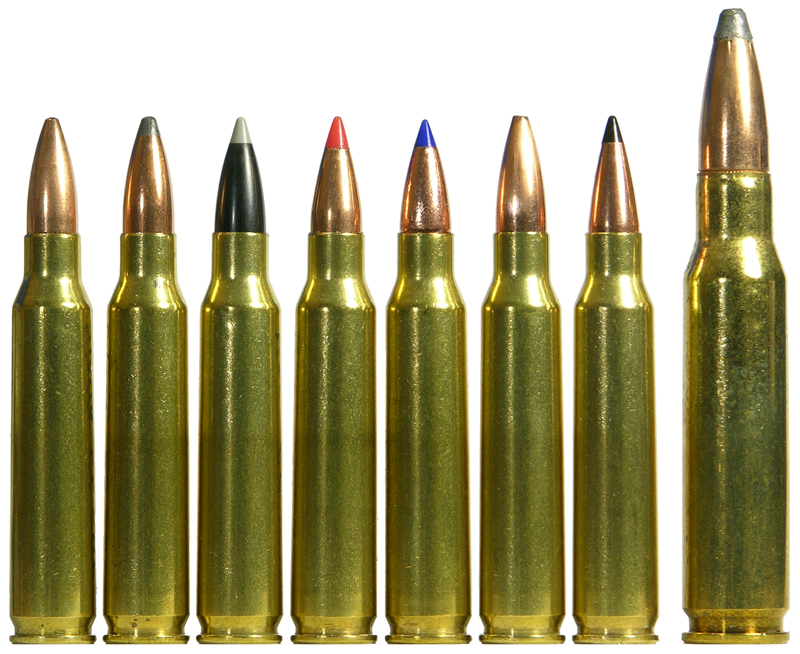
Barnes VOR-TX ammunition is well known for using solid copper bullets that are designed for deep penetration and consistent expansion. Many experienced hunters trust Barnes products specifically because they retain nearly all of their weight during impact. However, even premium designs can face limitations in certain situations. Some hunters have reported that all copper bullets occasionally pass completely through smaller animals without expanding as dramatically as expected. When expansion is minimal, the wound channel may be narrower than anticipated. This can result in animals traveling farther before collapsing, especially if the shot does not strike a vital organ directly. Another challenge is that copper bullets sometimes require a higher impact velocity to achieve ideal expansion. At longer ranges where velocity drops significantly, the bullet may not open as widely. While VOR-TX ammunition remains highly respected, these situations demonstrate that even premium hunting rounds can produce mixed results depending on distance and target size.
6. Nosler Ballistic Tip Hunting
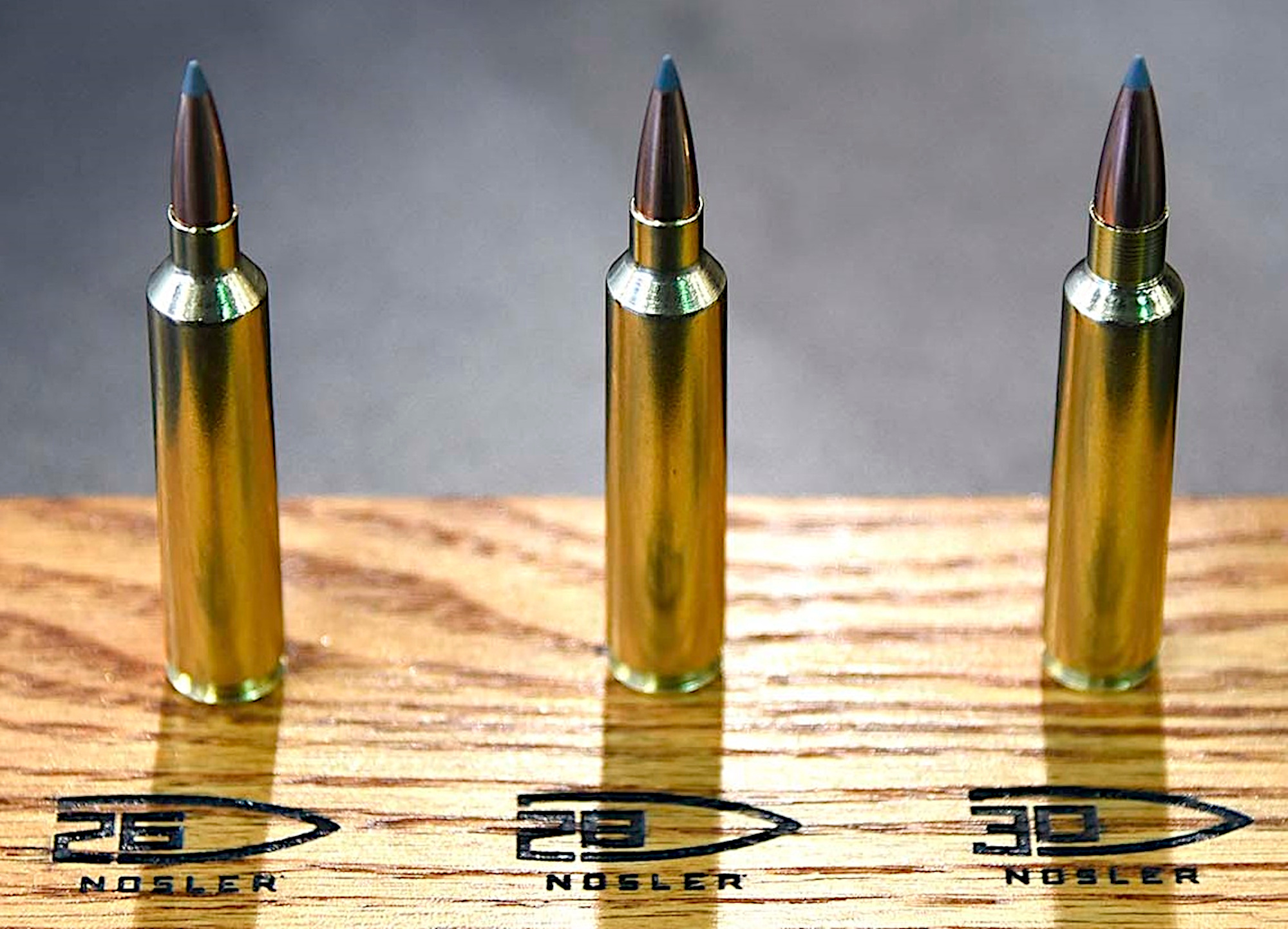
Nosler Ballistic Tip Hunting ammunition is famous for its polymer-tipped bullet that delivers excellent accuracy and dramatic expansion. Many hunters appreciate how quickly the bullet transfers energy, often dropping deer within a short distance. However, the same rapid expansion that makes it effective on medium game can sometimes become a disadvantage. At high velocities, especially with powerful magnum cartridges, the bullet may expand extremely fast upon impact. In some cases, this rapid expansion leads to significant fragmentation and limited penetration. When the shot strikes a shoulder bone or enters at an angle, the bullet may fail to reach vital organs. This can create situations where animals run farther than expected before going down. While newer versions of the Ballistic Tip have improved jacket thickness to reduce this issue, some hunters still prefer tougher bonded bullets for larger animals where deeper penetration is critical.
7. Hornady Superformance
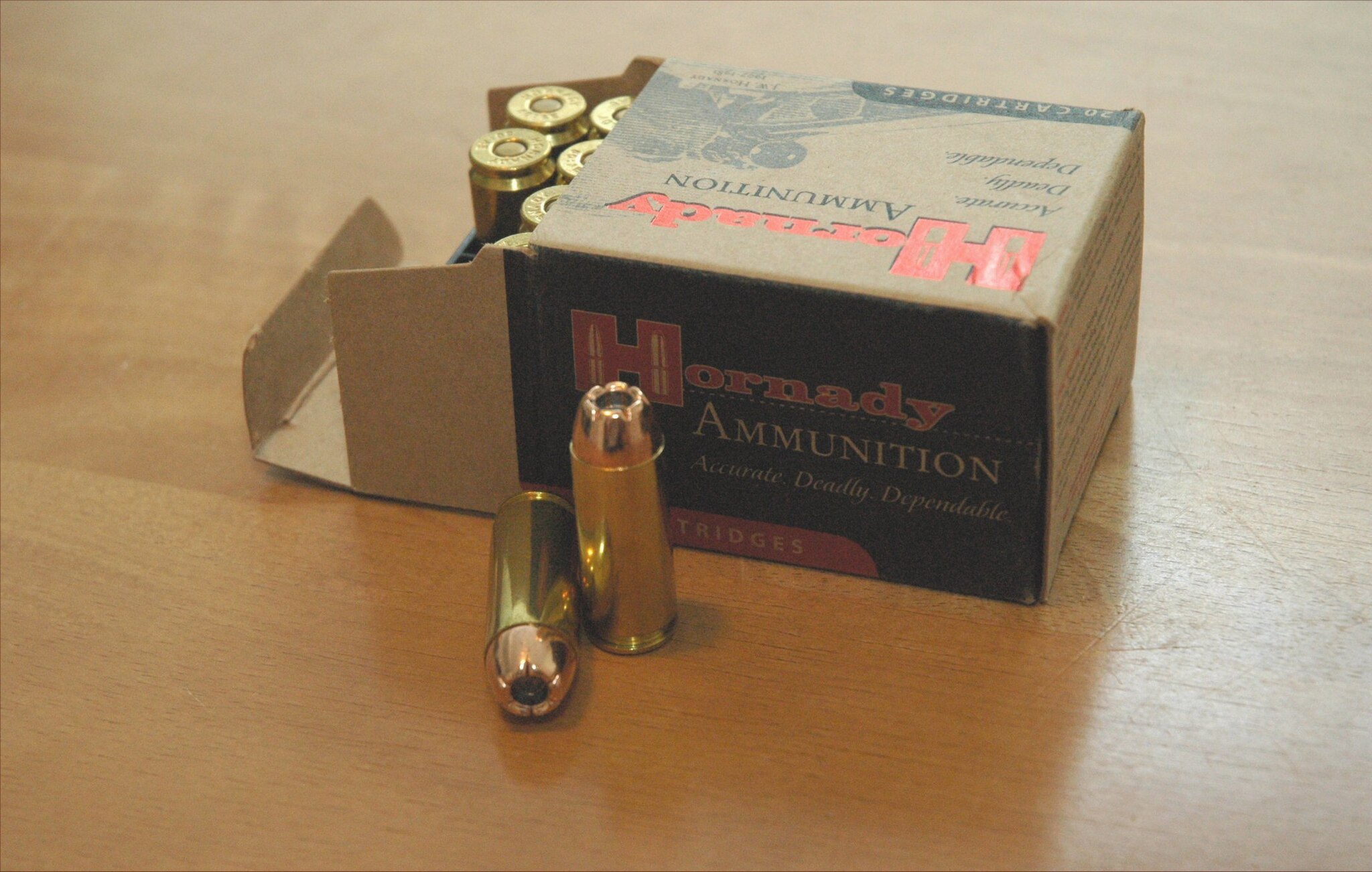
Hornady Superformance ammunition is designed to deliver higher velocities than standard factory loads while maintaining safe pressure levels. The extra speed can provide flatter trajectories and increased energy at longer distances. However, higher velocity can also introduce challenges depending on the bullet used. Some hunters have noticed that extremely fast impact speeds may cause certain bullets to expand too aggressively at close range. When a bullet expands violently upon hitting bone, it can lose structural integrity and fail to penetrate deeply enough. This situation becomes more likely when hunting large animals with powerful cartridges. Another issue occasionally mentioned involves increased recoil and muzzle blast, which can make precise follow-up shots more difficult for some shooters. While Superformance ammunition can perform very well when matched with the right bullet and game size, the added velocity sometimes exaggerates weaknesses in bullet construction during close-range impacts.
8. Winchester Deer Season XP
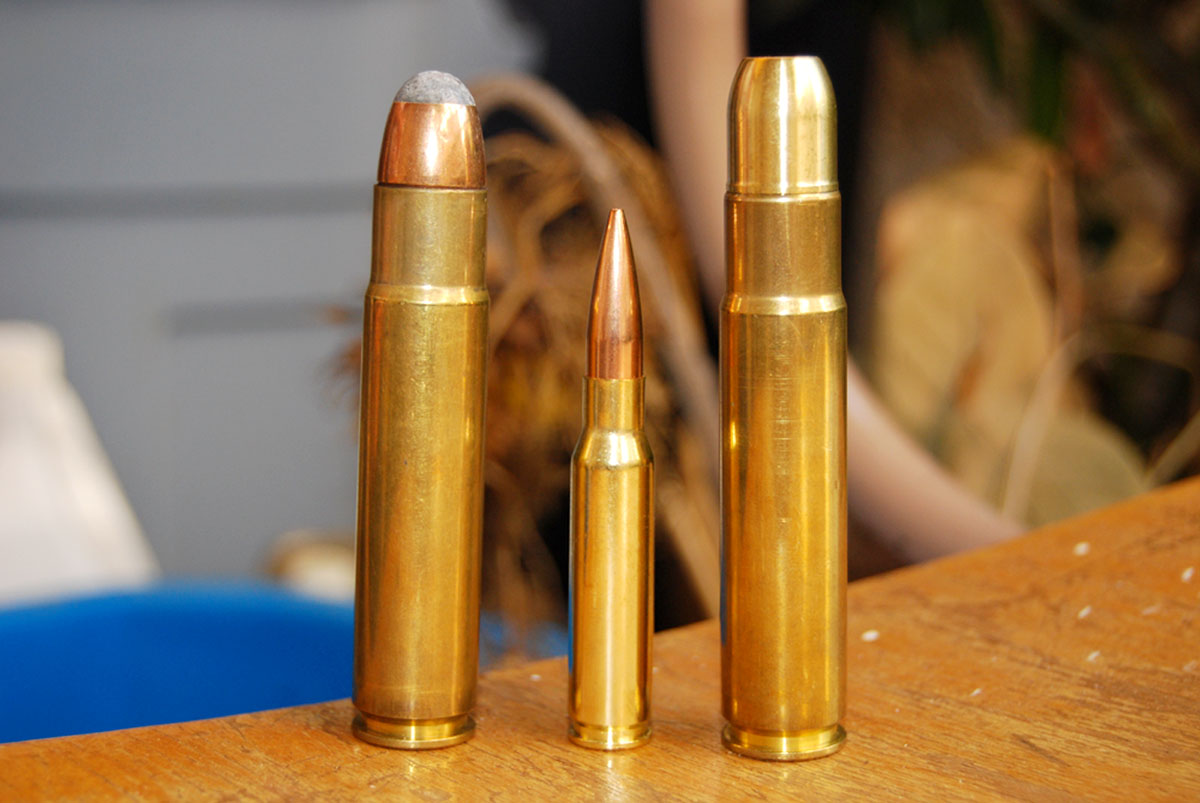
Winchester Deer Season XP ammunition was developed specifically for whitetail hunting, featuring a large polymer tip designed to initiate rapid expansion. The bullet creates a wide wound channel that can bring deer down quickly when the shot placement is ideal. However, the same aggressive expansion can become problematic when the bullet encounters heavy bone. Some hunters have reported that the bullet breaks apart quickly after striking the shoulder of larger deer. When fragmentation occurs too early, penetration may be limited, and the bullet may not reach vital organs effectively. This can lead to longer tracking distances and more difficult recoveries. Another concern arises when hunters attempt to use the ammunition for animals larger than deer, where deeper penetration is required. While Deer Season XP performs well in many whitetail situations, its design prioritizes rapid expansion rather than the heavy duty penetration needed for tougher game.