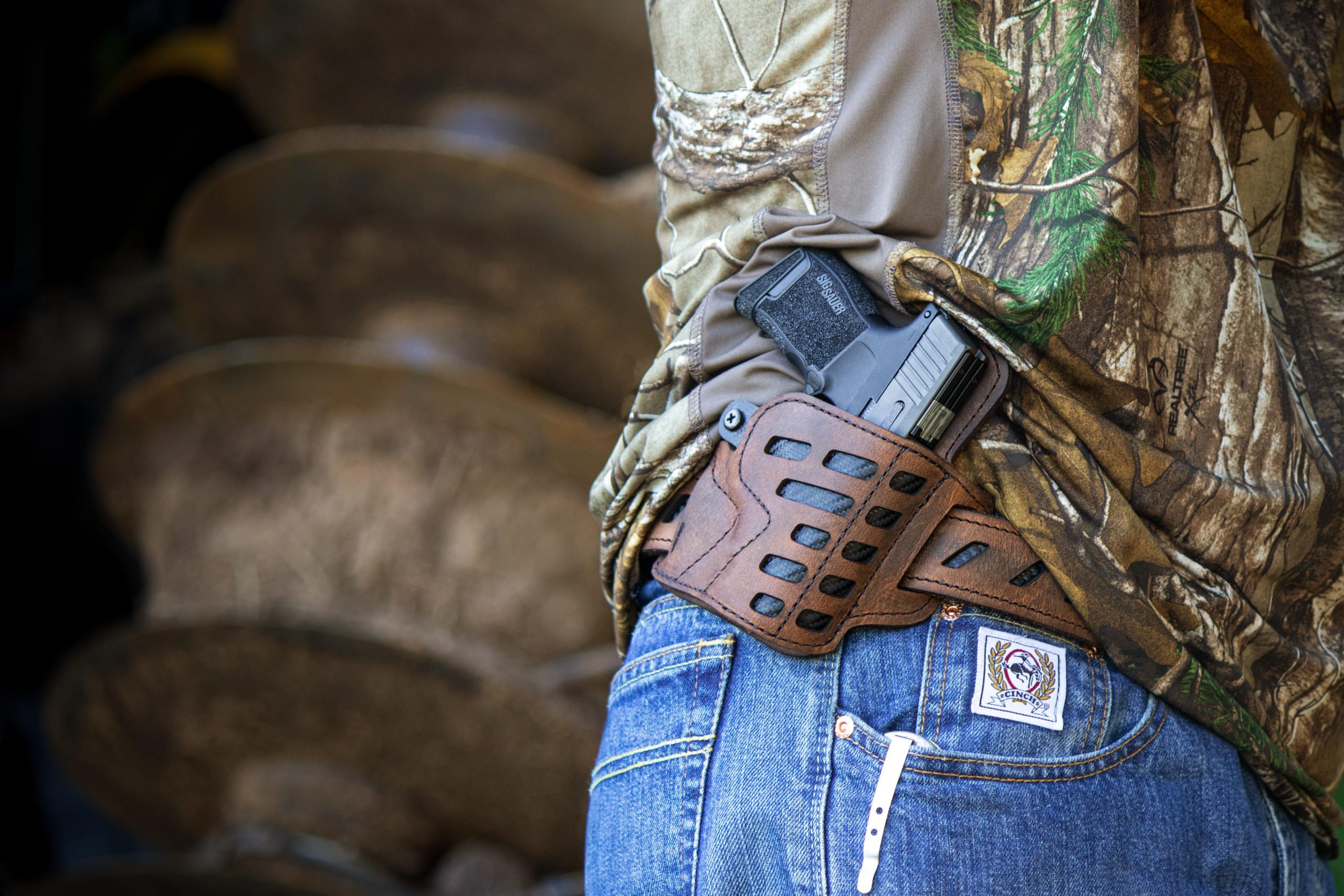
Choosing a pistol for everyday carry is not about brand loyalty, price tags, or online hype. A carry gun is a life-saving tool that must work flawlessly under stress, sweat, dirt, and imperfect handling. Many popular pistols earn strong reputations, yet still require careful testing before being trusted for concealed carry. Factors like trigger consistency, recoil control, ammunition sensitivity, magazine reliability, and long-term durability can vary between shooters and even between individual guns. What feels perfect in a gun store may behave very differently after hundreds of rounds or hours inside a holster. The pistols on this list are not bad firearms, but they demand serious range time and real-world evaluation before earning a place on your belt. Testing reveals weaknesses early, builds confidence, and ensures your carry choice truly fits your needs and skills.
1. SIG Sauer P365
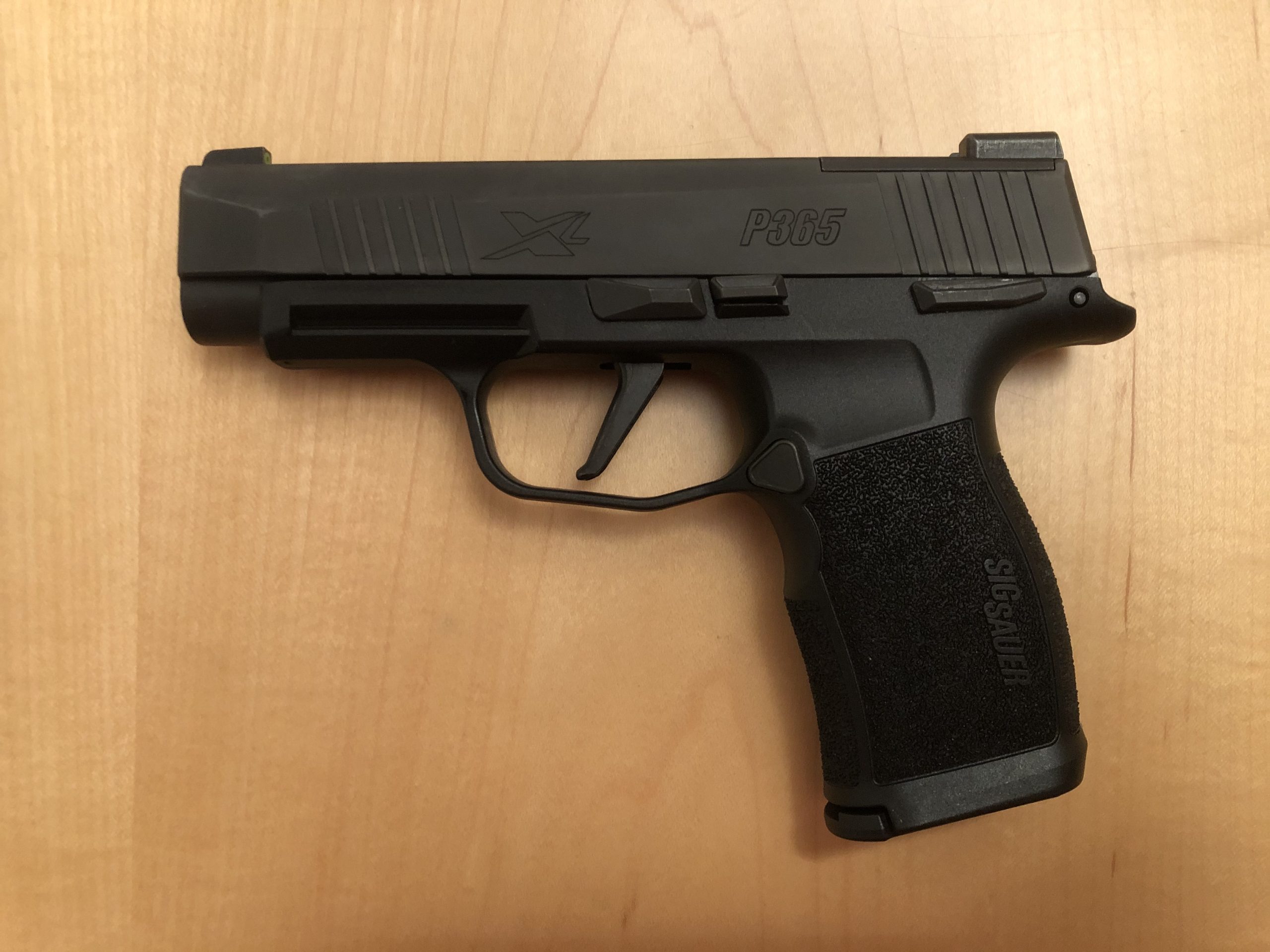
The SIG Sauer P365 redefined the micro-compact market by offering impressive capacity in a remarkably small frame. However, its compact size and high operating pressures mean it deserves extensive testing before carrying. Early production models had well-documented striker and firing pin issues, and while improvements were made, every individual pistol should still be proven. The short grip can cause inconsistent hand placement, affecting recoil control and trigger pull under stress. Some shooters experience snappier recoil, especially with defensive ammunition, which can impact follow-up shots. Magazine springs and feed reliability should be tested thoroughly, particularly with hollow points. A P365 that runs perfectly for you is an excellent carry choice, but confidence should be earned through disciplined, high-round testing rather than assumption.
2. Glock 43
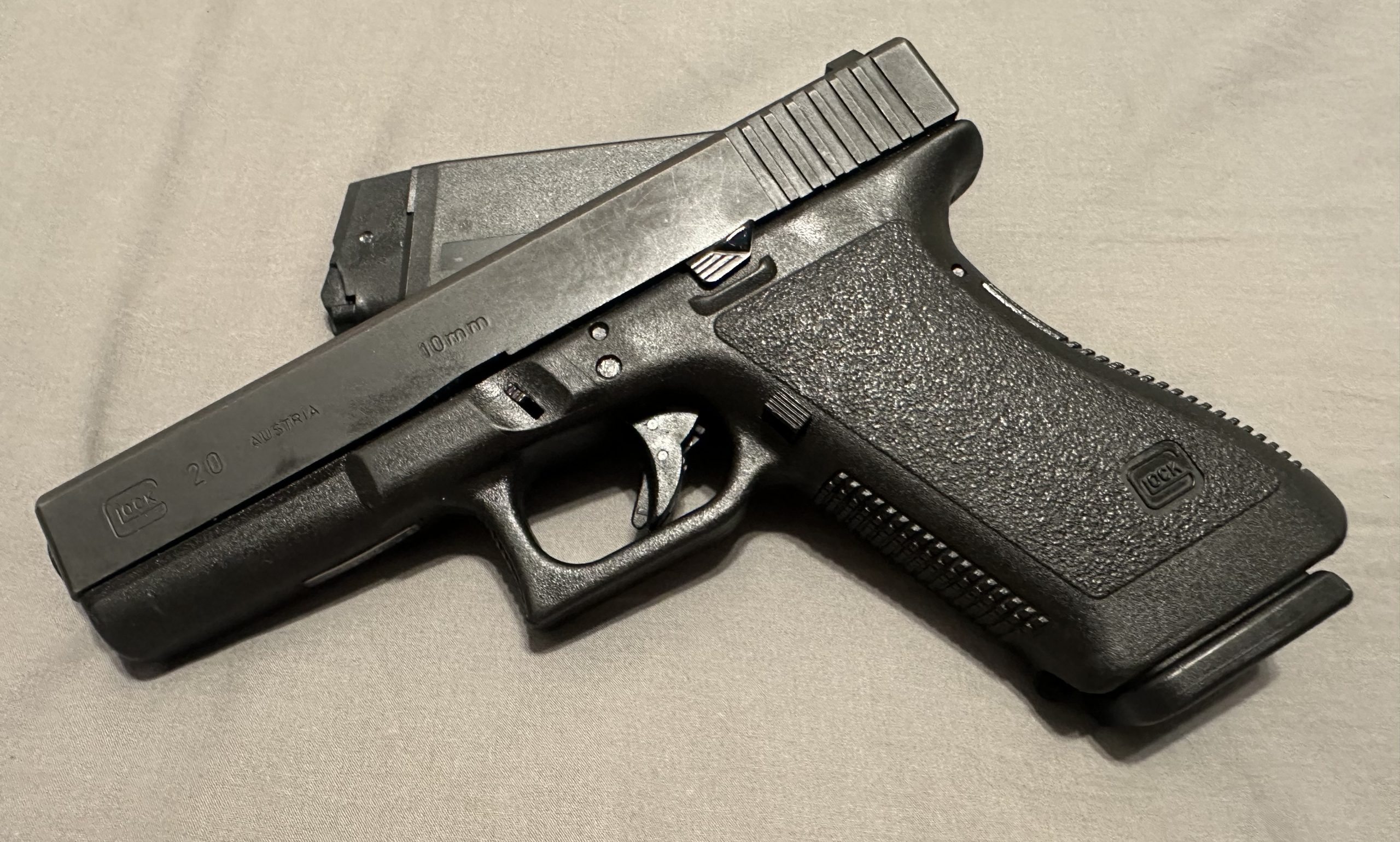
The Glock 43 is widely trusted for its simplicity and durability, yet its slim profile introduces challenges worth testing carefully. The single-stack design limits grip surface, which can affect control during rapid fire, especially for shooters with larger hands. Glock triggers are consistent, but some users struggle with accuracy due to the lighter frame and sharper recoil impulse. Magazine seating can feel stiff when fully loaded, and defensive ammo feeding should always be verified. Additionally, aftermarket parts are common on Glock pistols, which can unintentionally introduce reliability issues. Even though Glock’s reputation is strong, the Glock 43 should still be run hard with carry ammunition to confirm flawless cycling, reliable lockup, and personal shootability before trusting it daily.
3. Springfield Hellcat
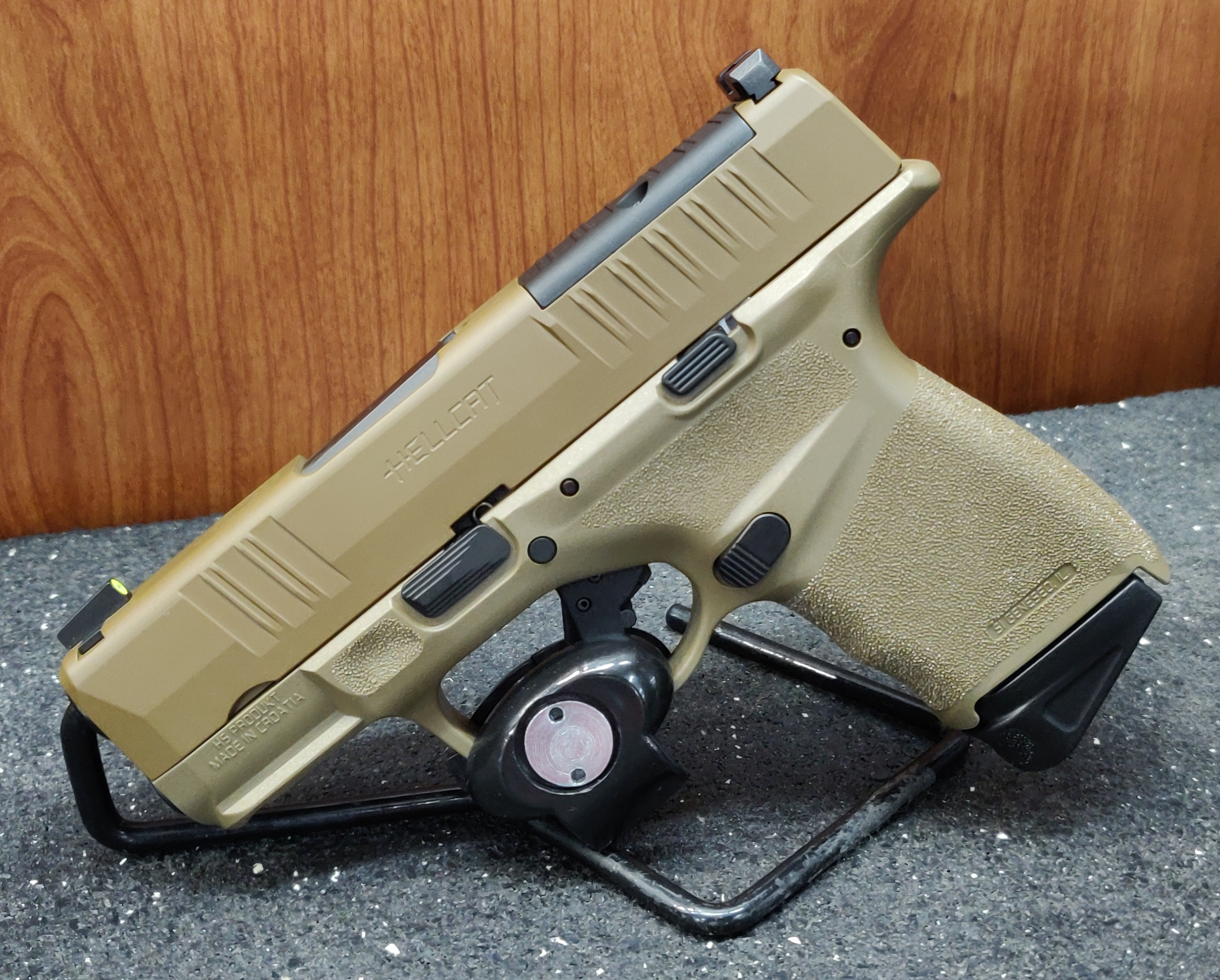
The Springfield Hellcat offers excellent capacity and aggressive ergonomics in a compact package, but its performance varies noticeably between shooters. The aggressive grip texture can be both an advantage and a drawback, causing discomfort during long practice sessions or irritation when carried against the body. Its high bore axis relative to size can increase muzzle flip for some users, especially with hotter defensive loads. Trigger feel is subjective and may feel heavier during rapid fire than expected. Magazine reliability should be tested extensively, as tight tolerances can reveal weaknesses when dirty or dry. The Hellcat is capable and modern, but serious testing ensures it remains reliable, controllable, and comfortable in realistic carry conditions.
4. Smith & Wesson M&P Shield
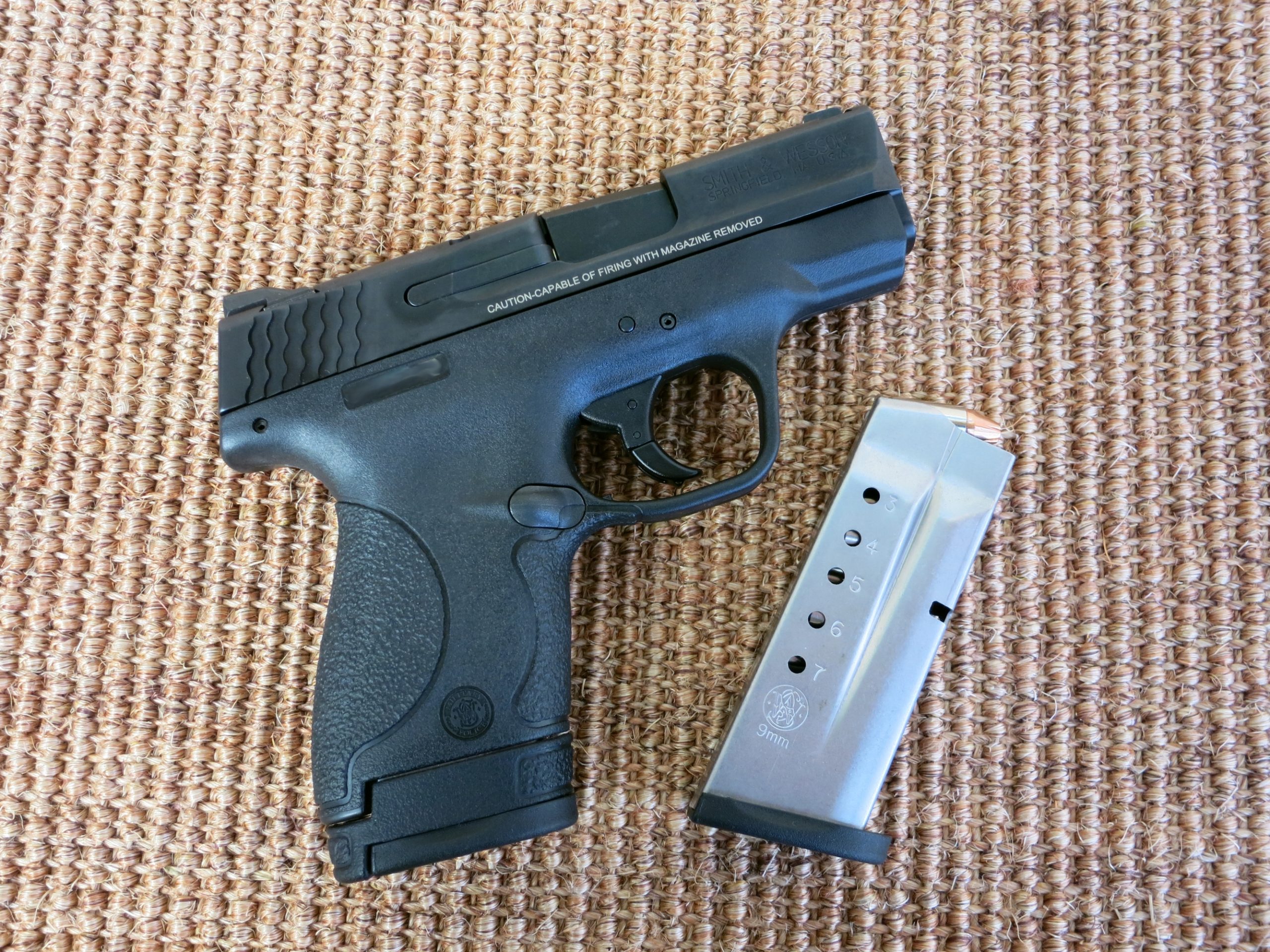
The M&P Shield has earned a solid reputation, yet its long production history means variations exist across generations. Trigger feel differs noticeably between older and newer models, which can affect accuracy and confidence. The slim grip, while excellent for concealment, may cause grip shift during recoil for some shooters. Magazine disconnects, thumb safeties, and internal variations should be tested to ensure consistent function under stress. Some users report sensitivity to certain hollow-point profiles, making ammunition testing essential. The Shield is dependable when properly vetted, but trusting it blindly without running several hundred rounds is a mistake. Proper testing confirms reliability, familiarity, and real-world performance.
5. Ruger LCP Max
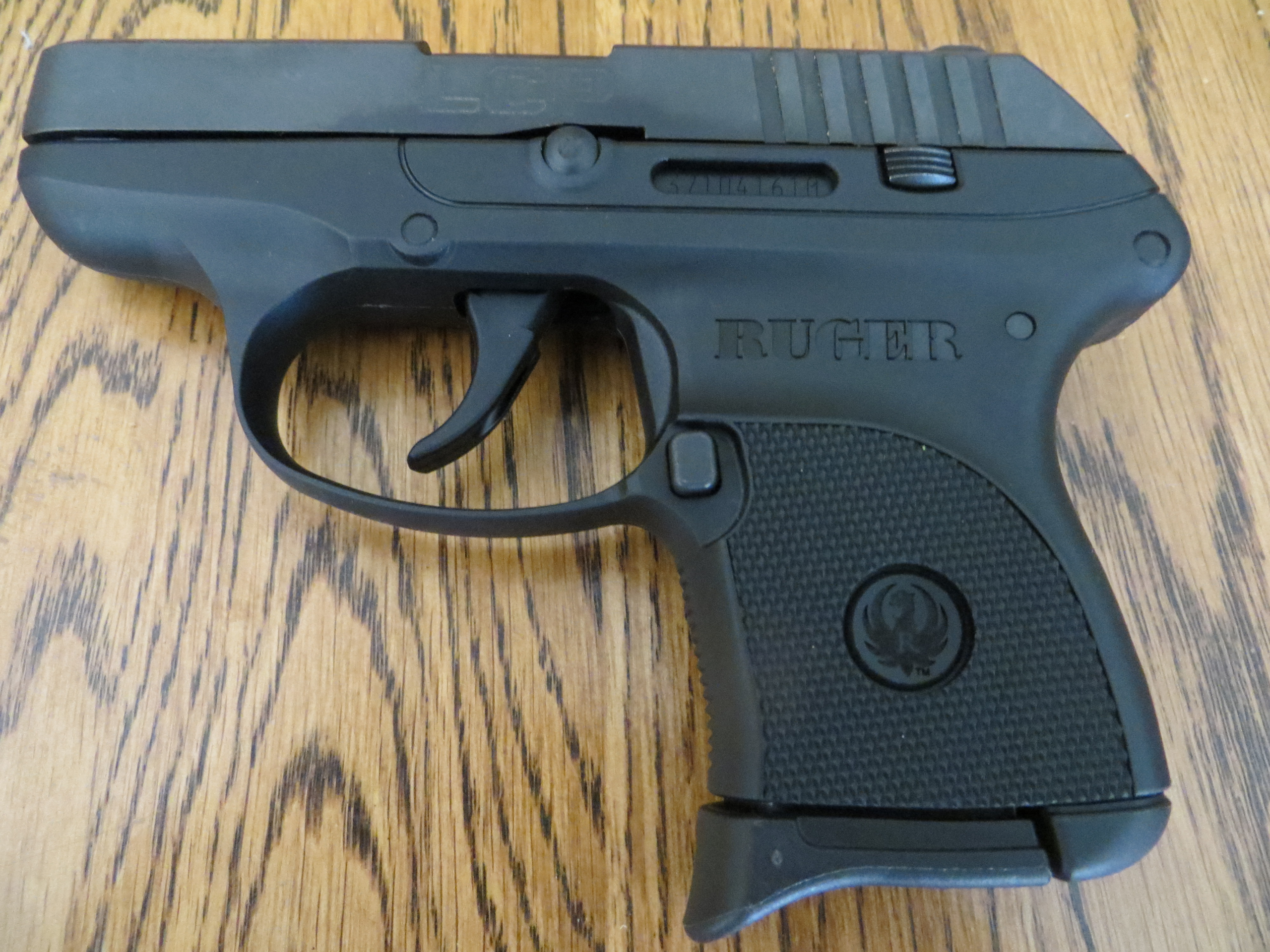
The Ruger LCP Max offers impressive capacity for its ultra-small size, but pocket pistols demand extra scrutiny. Lightweight construction increases felt recoil, which can reduce control and accuracy during fast shooting. The short sight radius makes precision difficult, especially under stress or low light. Trigger pull is long and heavy, requiring practice to maintain consistency. Pocket lint, debris, and sweat can easily affect function, making reliability testing critical. Ammunition selection plays a major role, as some loads perform better than others in short barrels. The LCP Max can be an excellent deep-concealment option, but only after thorough testing confirms reliability, controllability, and personal proficiency.
6. Browning Hi-Power
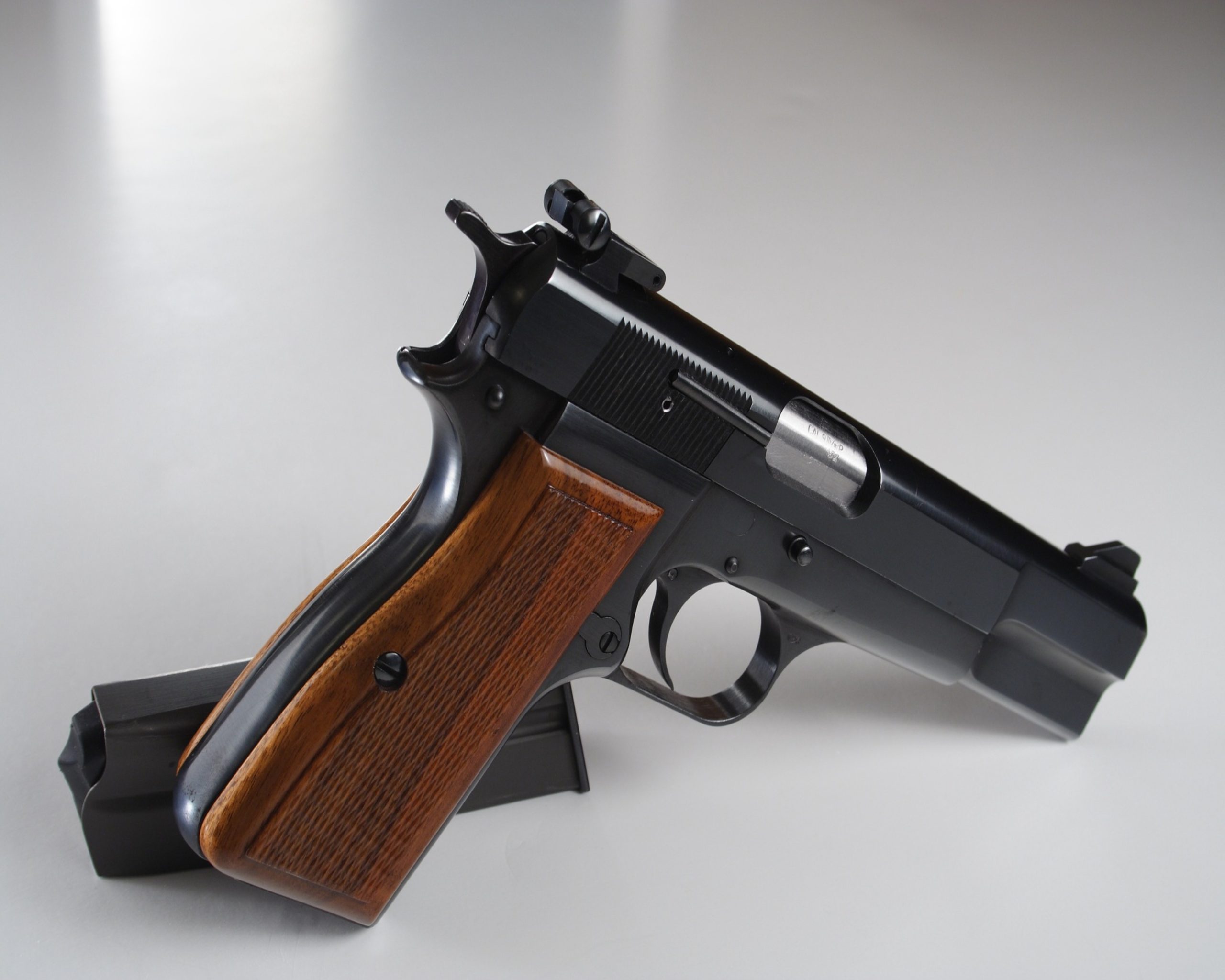
The Browning Hi-Power has a long service history in military and police use, where meticulous cleaning was not always possible. Its all-steel construction and proven short-recoil design tolerate fouling better than many modern, tighter-fit pistols. Carbon buildup often smooths the interaction between the slide and frame rails, giving the pistol a more consistent recoil cycle over time. The robust extractor and generous feed geometry help it keep running even when residue accumulates. Many long-time owners note that the Hi-Power feels more predictable after extended shooting sessions without cleaning. A freshly scrubbed Hi-Power can feel slightly stiff until fouling returns, reinforcing its reputation as a handgun built for endurance rather than refinement.
7. Walther PPQ
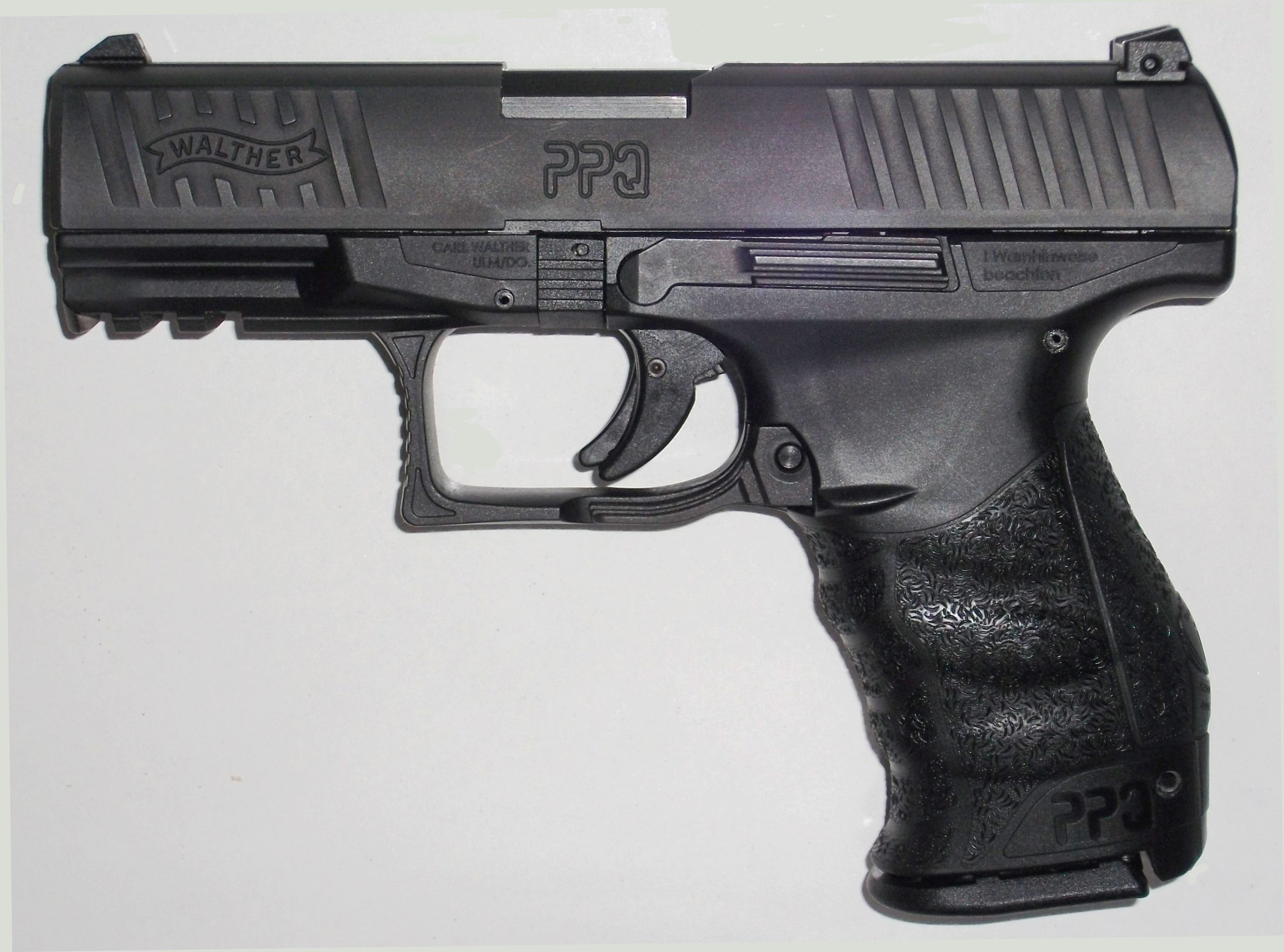
The Walther PPQ is known for its excellent ergonomics and trigger, but it also shows impressive tolerance for fouling. Its striker-fired system has fewer moving parts that can be disrupted by carbon buildup, and the slide-to-frame fit allows residue to exist without causing drag. Light fouling often smooths internal contact surfaces, which can make the slide cycle feel more uniform over time. The extractor design remains effective even when dirty, helping maintain reliable ejection. Shooters who put high round counts through the PPQ frequently report consistent reliability with minimal cleaning. While it still benefits from routine maintenance, the PPQ does not become finicky when fouled, making it well-suited for hard use.
8. Walther PPS M2
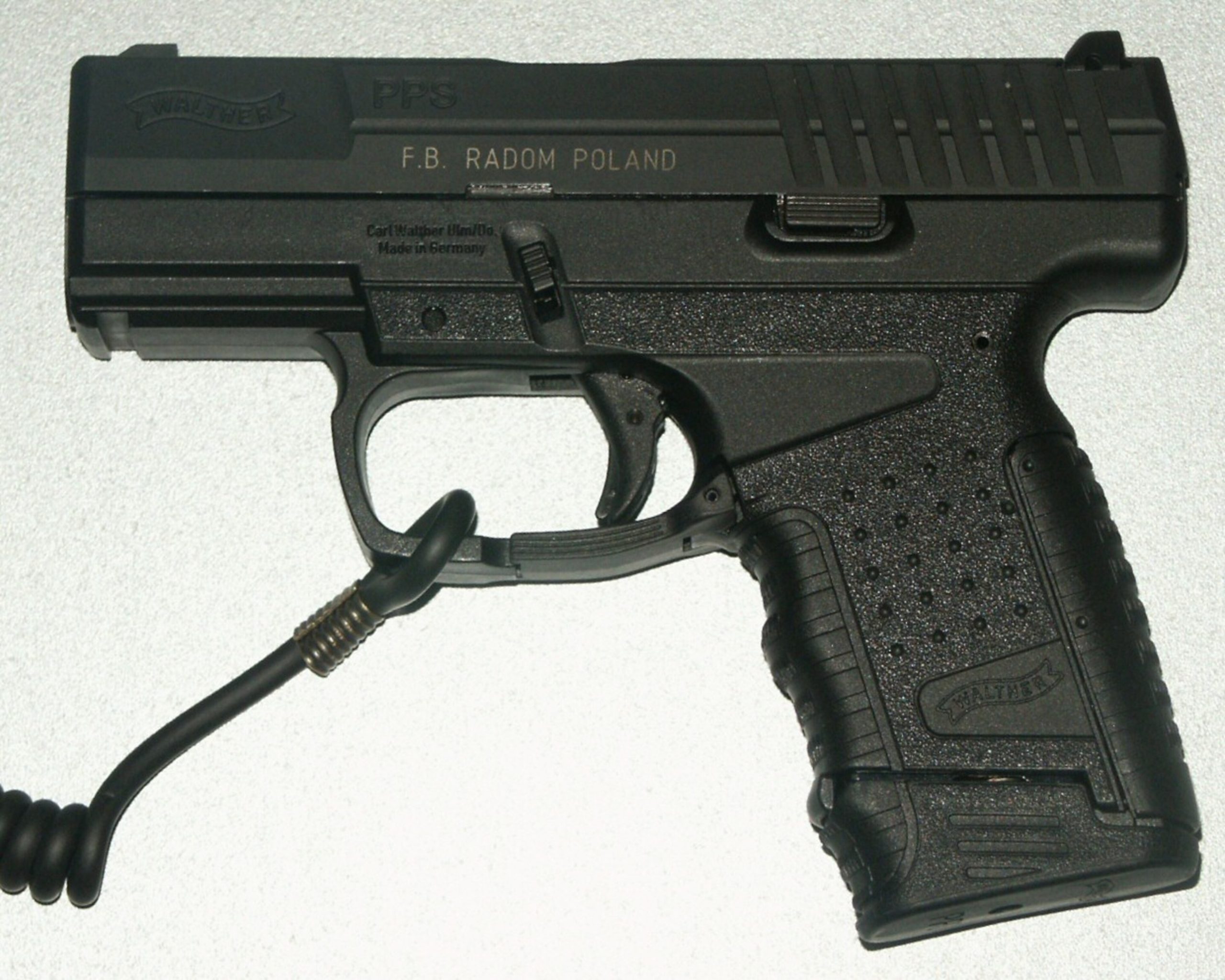
The Walther PPS M2 is known for excellent ergonomics and accuracy, yet its single-stack design presents unique considerations. Grip comfort is excellent, but recoil control varies depending on magazine length and hand size. Trigger performance is smooth, but some shooters notice changes in feel as the pistol heats up during extended sessions. Magazine release style differs from many pistols, requiring muscle-memory training to avoid mistakes under stress. Ammunition reliability should be confirmed, especially with modern defensive loads. The PPS M2 can be extremely reliable, but only after thorough testing ensures consistent performance and shooter familiarity.