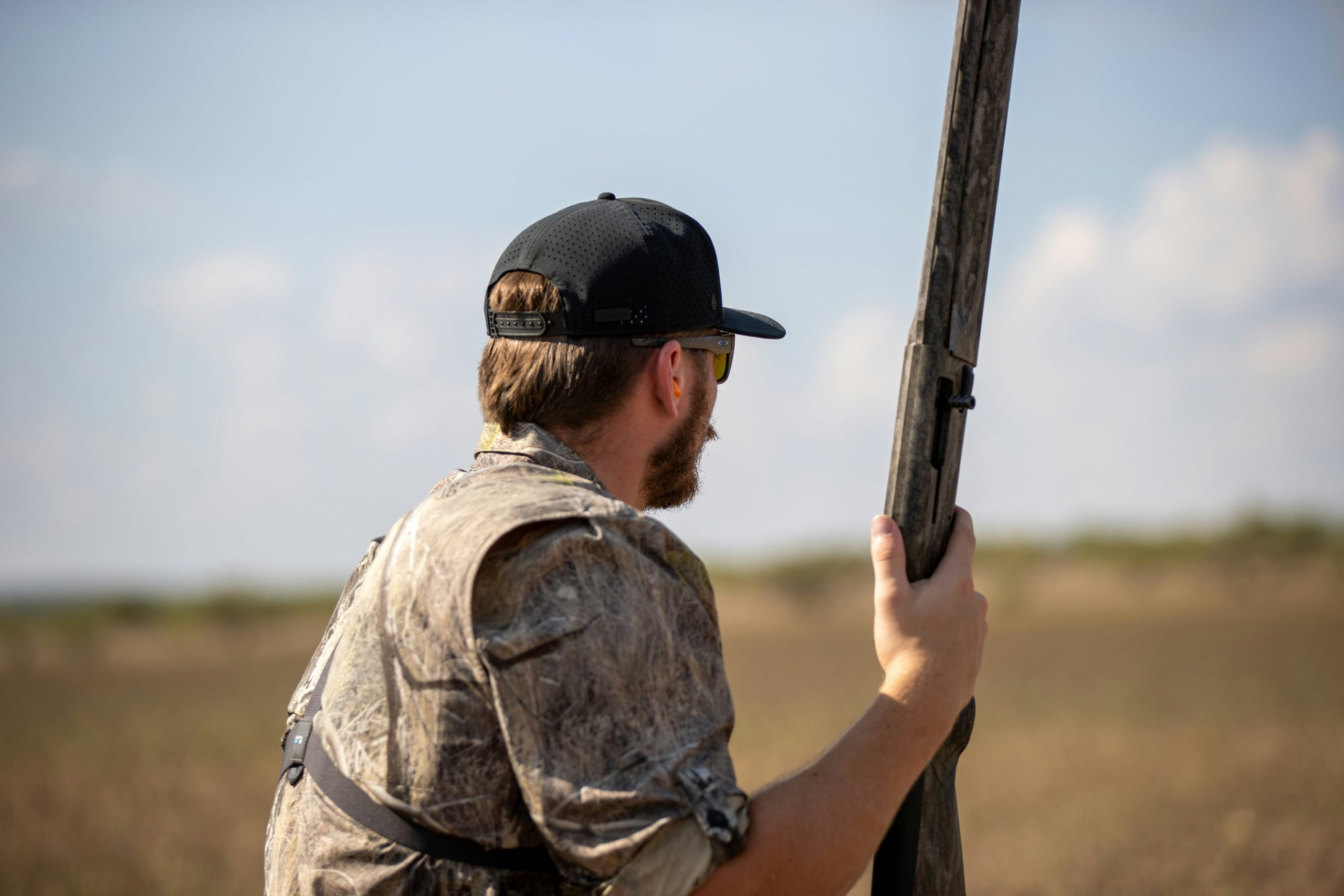
Modern outdoor adventures increasingly depend on battery-powered gear for navigation, comfort, and safety. While technology offers convenience, it also introduces new vulnerabilities in unpredictable environments. Cold temperatures, moisture, and extended trips quickly expose limits of batteries. When power fails, essential tools can become useless instantly. Overreliance on electronics reduces self-sufficiency and preparedness. Many outdoor problems now stem from dead batteries rather than lack of skill. Understanding these challenges helps explain why experienced outdoors enthusiasts still value low-tech backups. The following problems highlight how dependence on battery-powered gear can complicate trips, increase risk, and disrupt experiences across hiking, camping, and hunting environments.
Navigation Failures
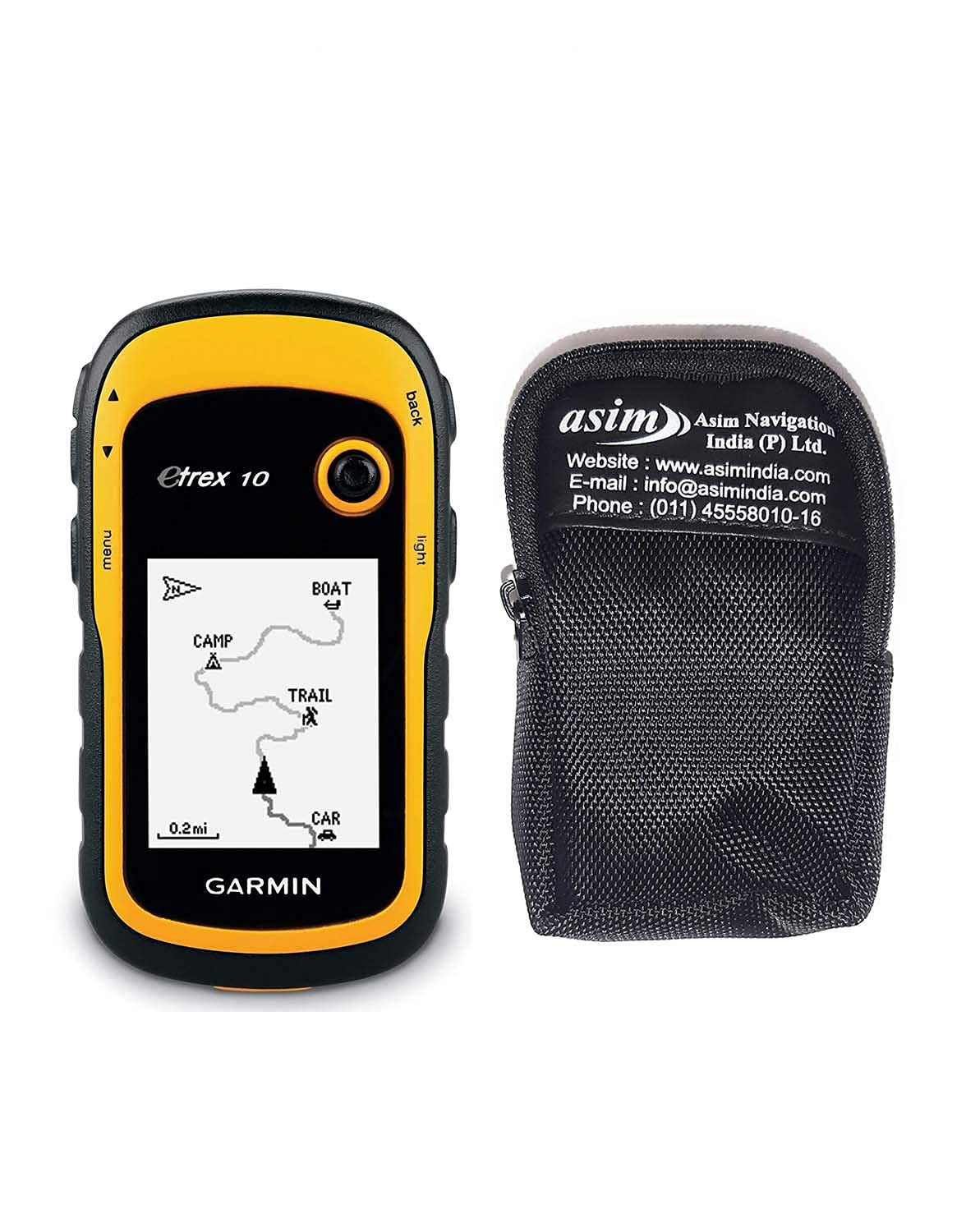
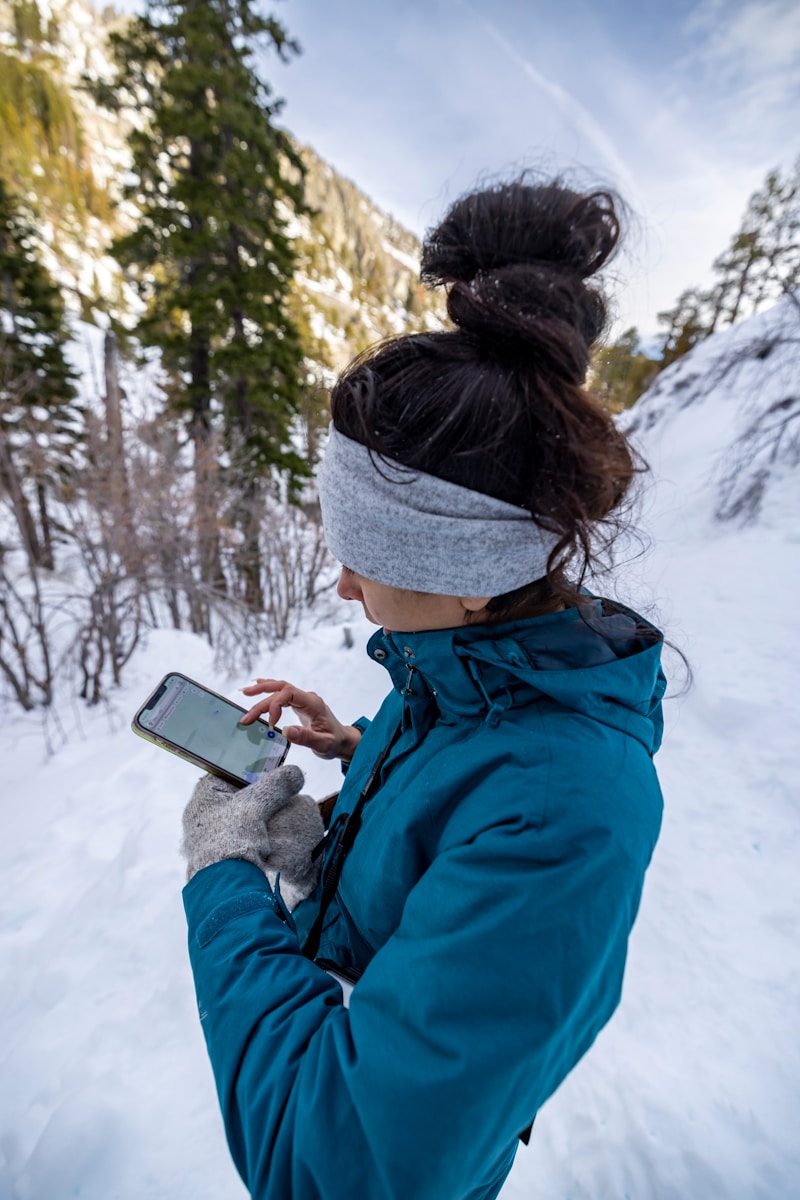
Battery-powered navigation devices fail when power drains unexpectedly. GPS units stop functioning once batteries die. Smartphones lose signal and charge simultaneously. Cold temperatures accelerate battery depletion quickly. Moisture causes shutdowns or screen failure. Without maps or compass skills, navigation becomes difficult. Trails blur in poor visibility. Relying on electronic navigation reduces situational awareness. Sudden device failure forces guesswork. Lost time increases exposure risk. In outdoor settings, navigation failures caused by battery dependence can escalate minor route changes into serious safety issues, especially in remote terrain where landmarks appear similar and rescue access remains limited for extended periods.
Communication Breakdowns
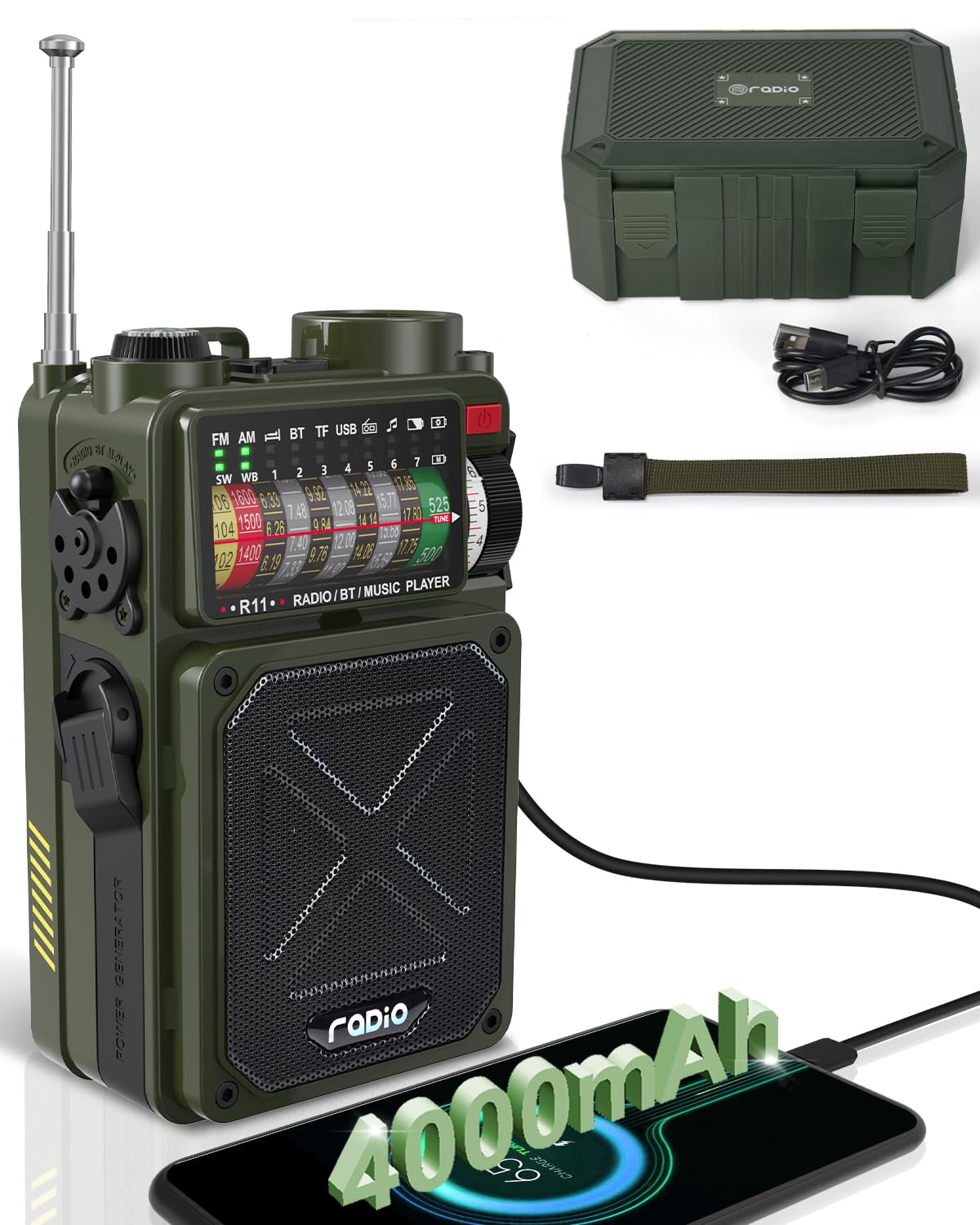
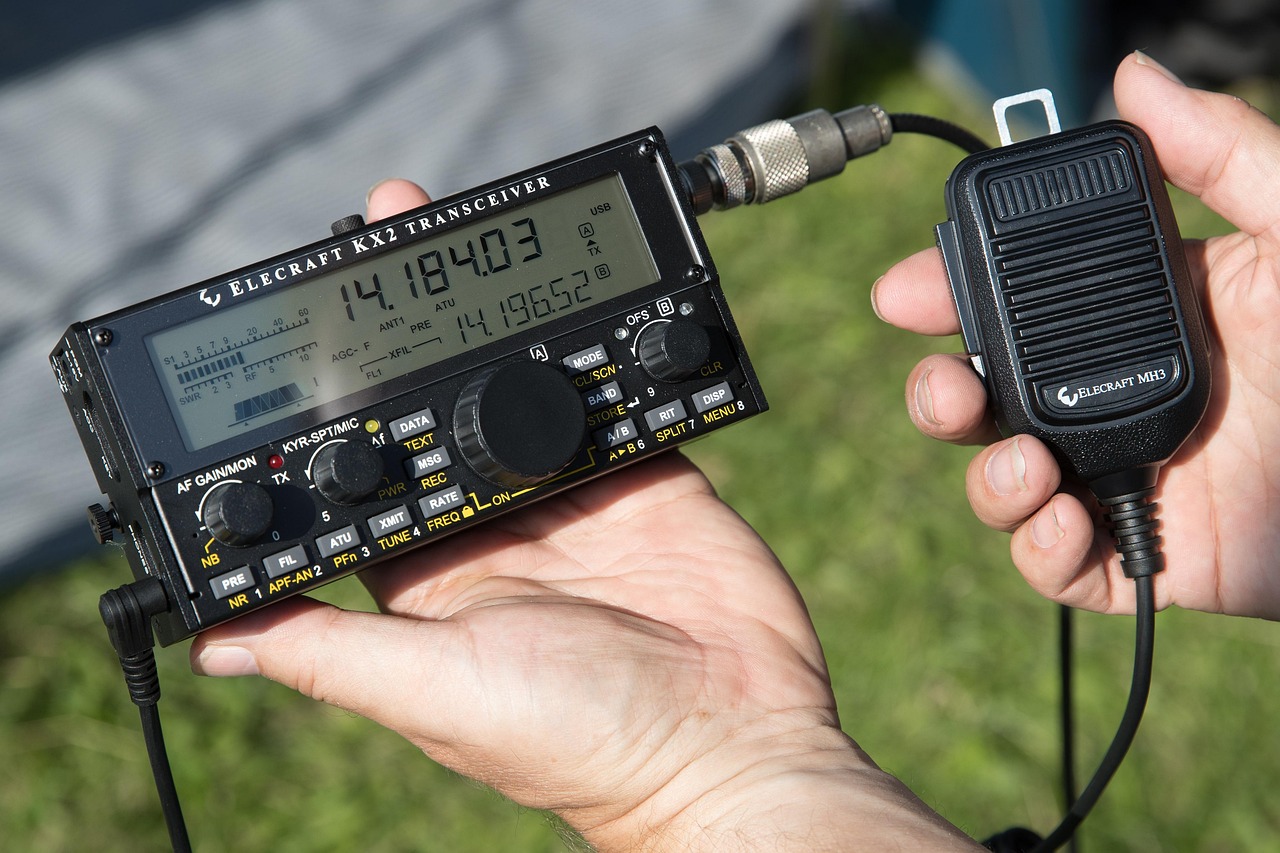
Battery-powered communication devices create false security outdoors. Radios and phones stop working when batteries drain. Emergency calls become impossible. Charging options remain limited in remote areas. Solar chargers fail during overcast conditions. Cold weather shortens operational time. Group coordination suffers when devices fail. Prearranged plans often get ignored. Panic increases without communication. Weather delays worsen isolation. Depending solely on powered communication tools can leave individuals disconnected at critical moments, turning manageable situations into emergencies when coordination, reassurance, or emergency contact suddenly disappears due to depleted or damaged batteries in challenging outdoor environments.
Lighting Loss After Dark
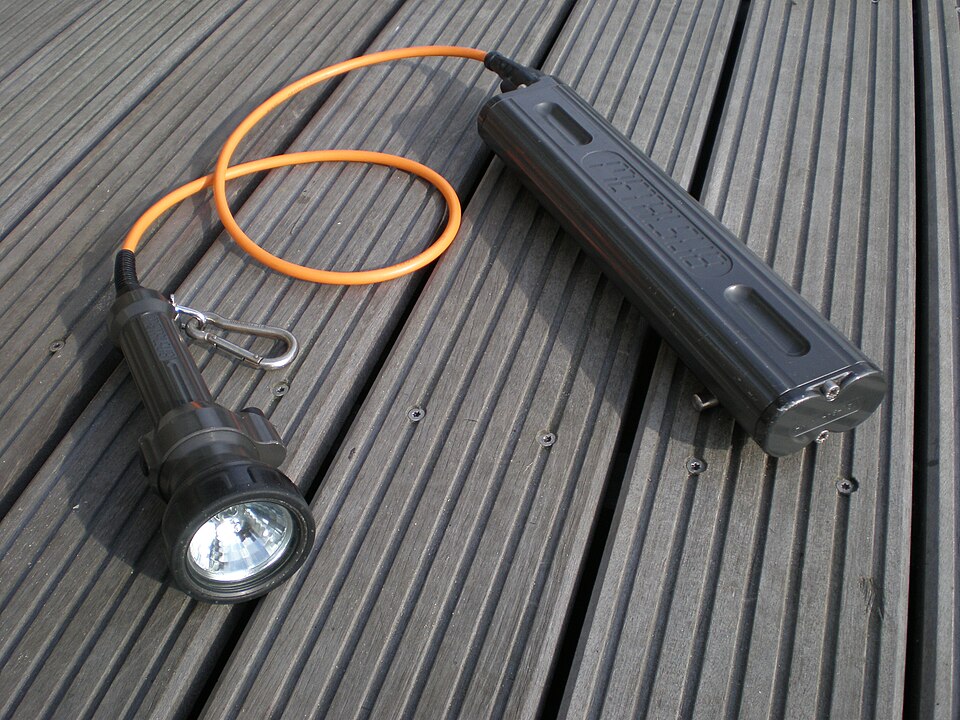
Battery-powered lighting creates vulnerability after sunset. Headlamps fail when batteries drain unexpectedly. Flashlights dim gradually, reducing visibility. Cold weather shortens runtime dramatically. Moisture damages electrical components. Camp tasks become difficult without light. Navigation becomes dangerous on uneven terrain. Wildlife encounters feel riskier. Nighttime injuries increase. Backup lighting often gets overlooked. Relying on battery-powered illumination without redundancy leaves outdoor travelers exposed to darkness, increasing accident risk and stress when essential light sources fail far from shelter, trails, or safe campsites during long nights outdoors.
Equipment Weight And Complexity
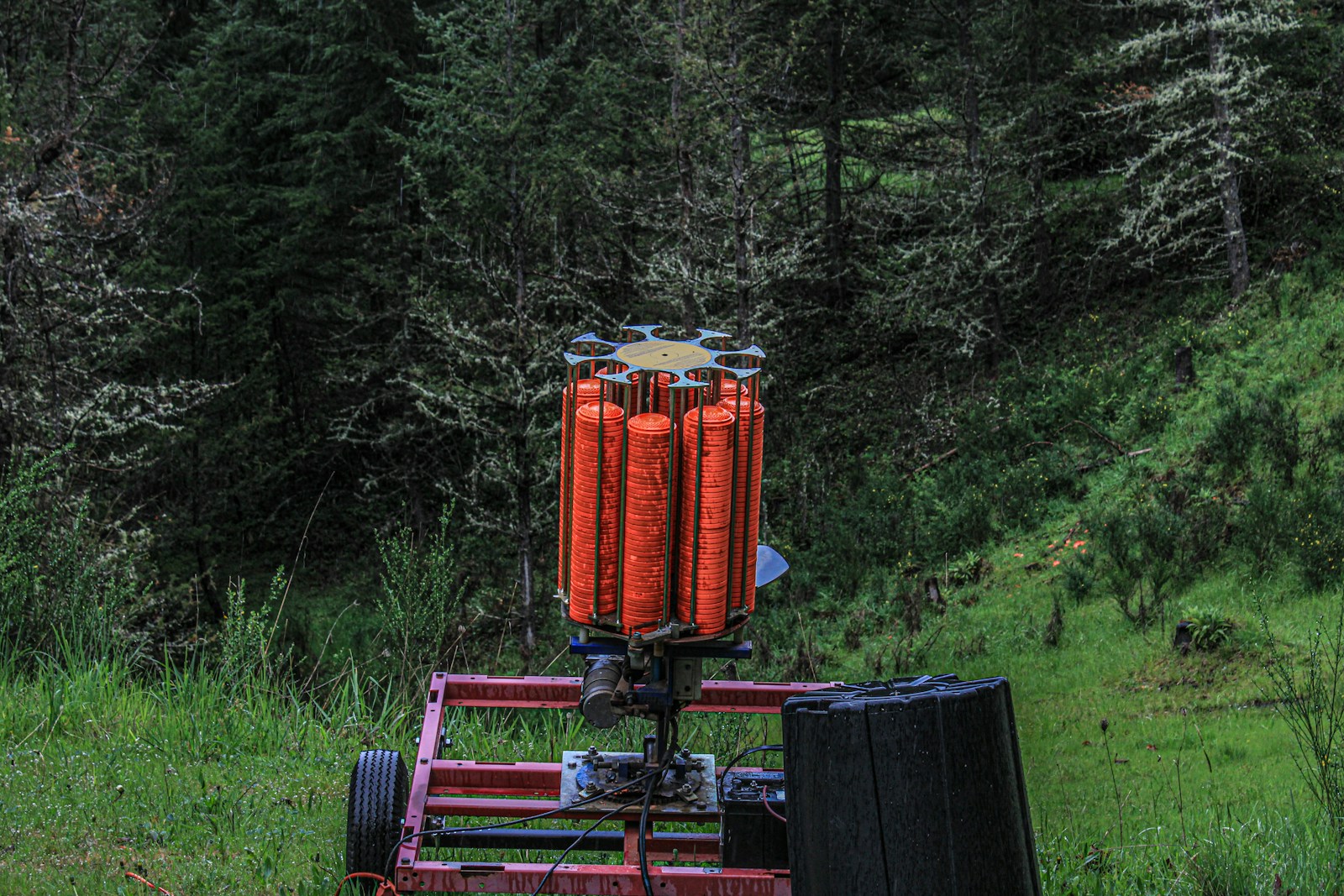
Battery-powered gear adds hidden weight to packs. Spare batteries increase load quickly. Charging cables and power banks add bulk. Heavier packs reduce mobility. Fatigue sets in faster. Complex systems require management. Gear organization becomes harder. Failure points multiply. Simple tools get replaced by electronics. Weight imbalances affect posture. Over time, reliance on battery-powered equipment reduces efficiency, increases physical strain, and complicates packing strategies, making outdoor travel less comfortable and more demanding, especially during long-distance hikes or multi-day trips where every ounce affects endurance and safety.
Reduced Skill Development
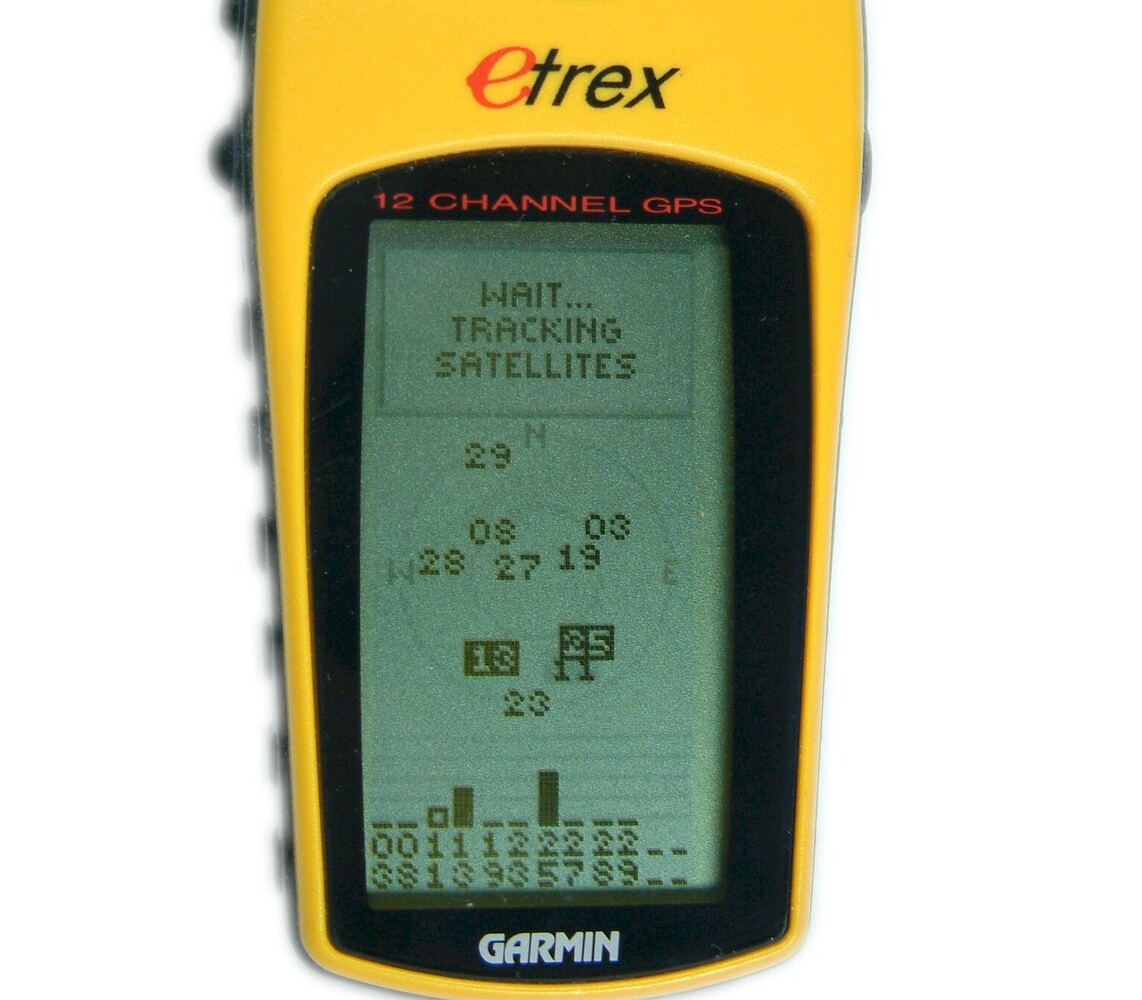
Battery-powered tools reduce reliance on traditional skills. GPS replaces map reading. Electronic rangefinders replace estimation. Digital weather apps replace observation. Dependence limits learning opportunities. Skills fade without practice. When devices fail, confidence drops. Decision making slows. Outdoor judgment weakens. Experience becomes shallow. Long-term reliance on electronics discourages self-reliance and adaptability. In outdoor environments, reduced skill development caused by constant battery-powered assistance leaves individuals less capable of responding effectively when technology fails, increasing risk during unexpected conditions that demand experience-based problem solving.
Cold Weather Performance Issues
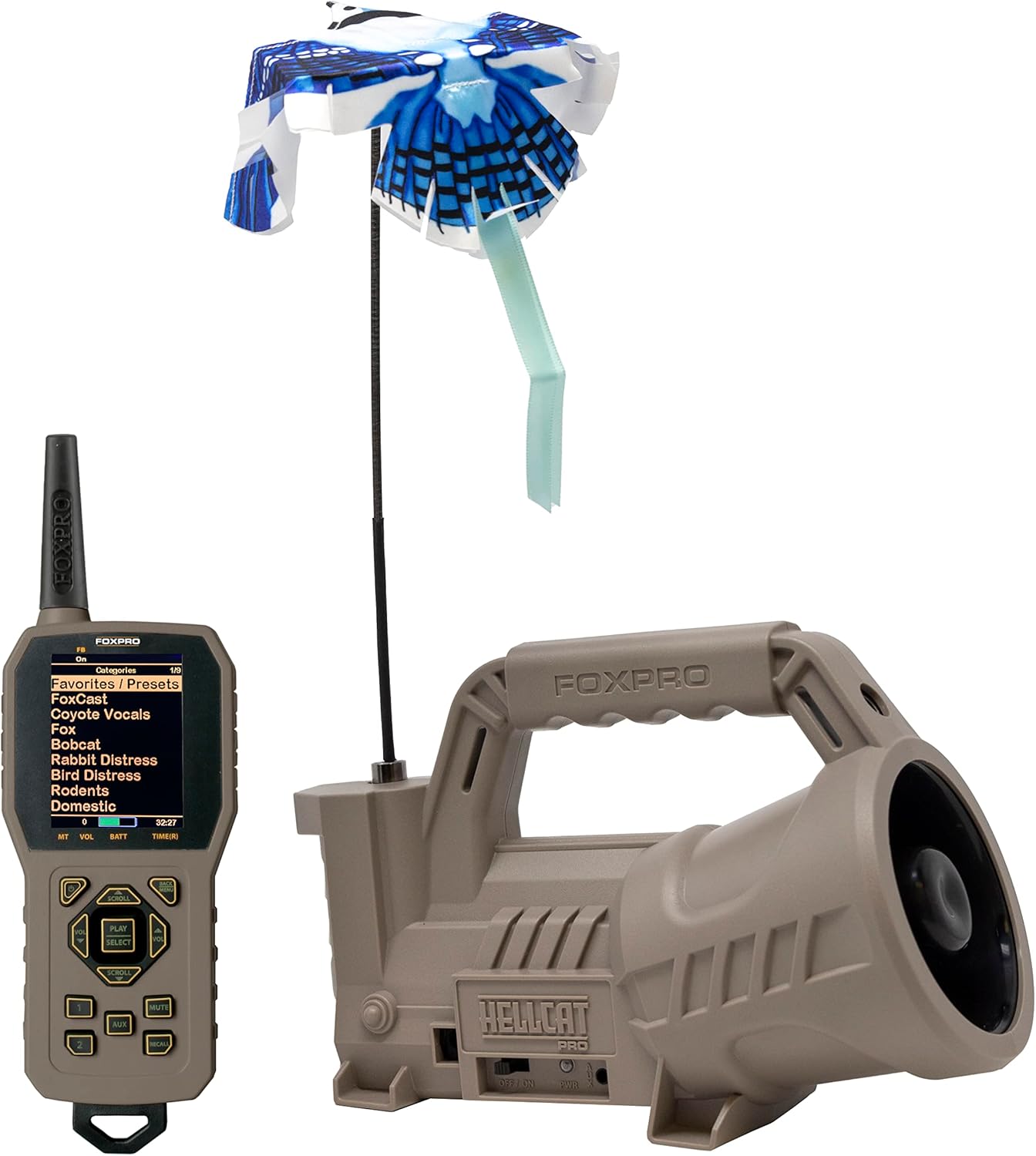
Cold temperatures severely impact battery-powered gear. Lithium batteries lose capacity quickly. Devices shut down without warning. Displays freeze or lag. Charging becomes ineffective. Power banks drain faster. Essential electronics fail during winter outings. Hunters and hikers experience sudden losses. Recovery options remain limited. Cold exposure increases danger. Relying on battery-powered equipment in cold conditions introduces unpredictable failures that compromise safety, navigation, and communication, making winter environments especially unforgiving for those who depend heavily on electronics without mechanical or manual backups.
Moisture And Water Damage

Outdoor environments expose gear to moisture constantly. Rain penetrates seals. Humidity corrodes contacts. Condensation forms inside devices. Water crossings cause sudden failures. Drying electronics proves difficult. Battery compartments trap moisture. Short circuits occur unexpectedly. Functionality declines rapidly. Repairs remain impossible outdoors. Battery-powered gear suffers disproportionately from moisture exposure, creating sudden failures during storms or humid conditions, leaving outdoor travelers without essential tools precisely when environmental challenges intensify and reliable equipment becomes most critical for safety and decision making.
False Sense Of Security
Battery-powered gear creates misplaced confidence. Devices appear reliable until failure. Users push limits assuming technology will compensate. Backup plans get ignored. Risk assessment weakens. Weather warnings get trusted blindly. Navigation decisions become aggressive. When batteries fail, preparedness gaps appear. Panic replaces planning. Situations escalate quickly. This false sense of security encourages riskier behavior outdoors, where sudden power loss removes multiple safety layers at once, exposing individuals to compounded problems that traditional skills, redundancy, and conservative decision making might otherwise prevent in challenging environments.