Outdoor trips are often imagined as escapes from stress, yet conflicts can surface quickly when expectations collide. Shared spaces, physical strain, and unpredictable conditions amplify small disagreements that might seem trivial elsewhere. When boundaries are not clearly established, frustration builds silently until it erupts at the worst moment. Fatigue lowers patience, environmental pressure sharpens emotions, and unclear roles create resentment. What begins as mild irritation can escalate into decisions that compromise safety, morale, or the entire trip. Setting boundaries is not about control; it is about clarity. Understanding where conflicts commonly arise helps prevent emotional spillover that turns manageable situations into major disruptions. The following conflicts frequently escalate outdoors because assumptions replace communication, and limits are never clearly defined.
1. Pace Disagreements on the Trail

Differences in hiking pace are one of the most common sources of outdoor conflict. Some people prefer steady progress, while others stop frequently to rest, take photos, or enjoy scenery. Without a clear agreement, frustration grows on both sides. Faster hikers feel slowed down and impatient, while slower hikers feel pressured and inadequate. Over time, resentment replaces cooperation. Fatigue magnifies irritation, and silence replaces communication. In challenging terrain, pace disputes can create safety risks when groups spread out or lose visual contact. Clear boundaries around pace, rest frequency, and regrouping points prevent tension. When expectations are stated early, movement stays coordinated, and morale remains intact throughout the outing.
2. Gear Sharing and Responsibility Conflicts

Outdoor trips often involve shared equipment, from cooking gear to navigation tools. Problems arise when ownership and responsibility are not clearly defined. One person may assume another is carrying something critical, only to discover it was never packed. Others may use shared gear carelessly, causing damage or loss. Without boundaries, frustration builds quietly until stress exposes it. Arguments over responsibility often emerge late, when solutions are limited. Clear agreements about who carries what, how gear is handled, and who maintains it prevent blame and confusion. Defined responsibility protects relationships and keeps essential equipment functioning when it is needed most.
3. Noise and Personal Space Tension
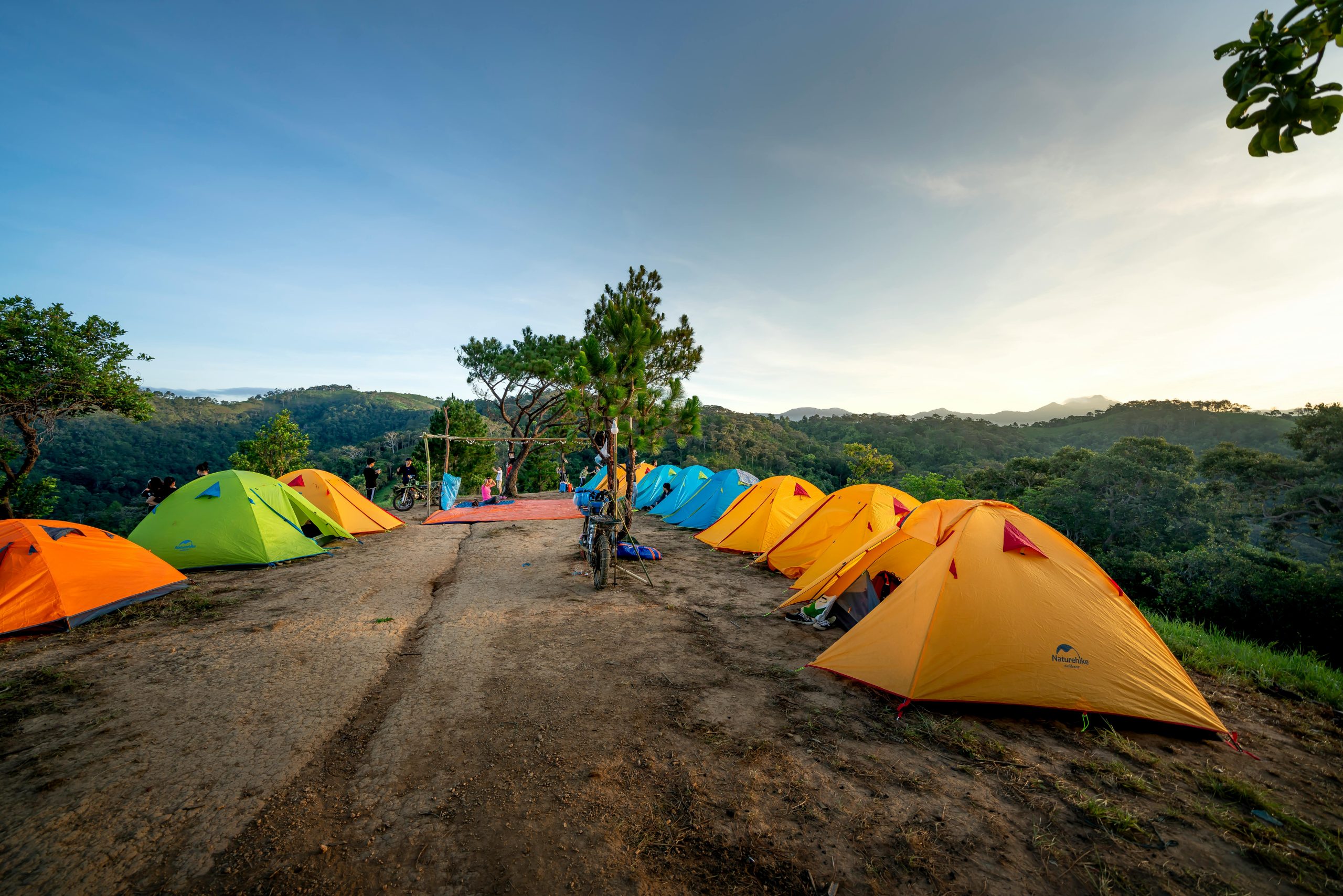
Outdoor environments compress personal space more than expected. Tents, shelters, and campsites force people into proximity, making noise tolerance a frequent issue. Early risers may disrupt sleepers, while late-night talkers irritate those needing rest. Without boundaries, annoyance accumulates. People hesitate to speak up, fearing conflict, until irritation spills over sharply. Sleep deprivation worsens temper and judgment. Clear agreements about quiet hours, shared space etiquette, and personal downtime reduce friction. Respecting noise boundaries preserves rest, which directly affects safety, patience, and group cohesion during demanding outdoor activities.
4. Risk Tolerance Disagreements
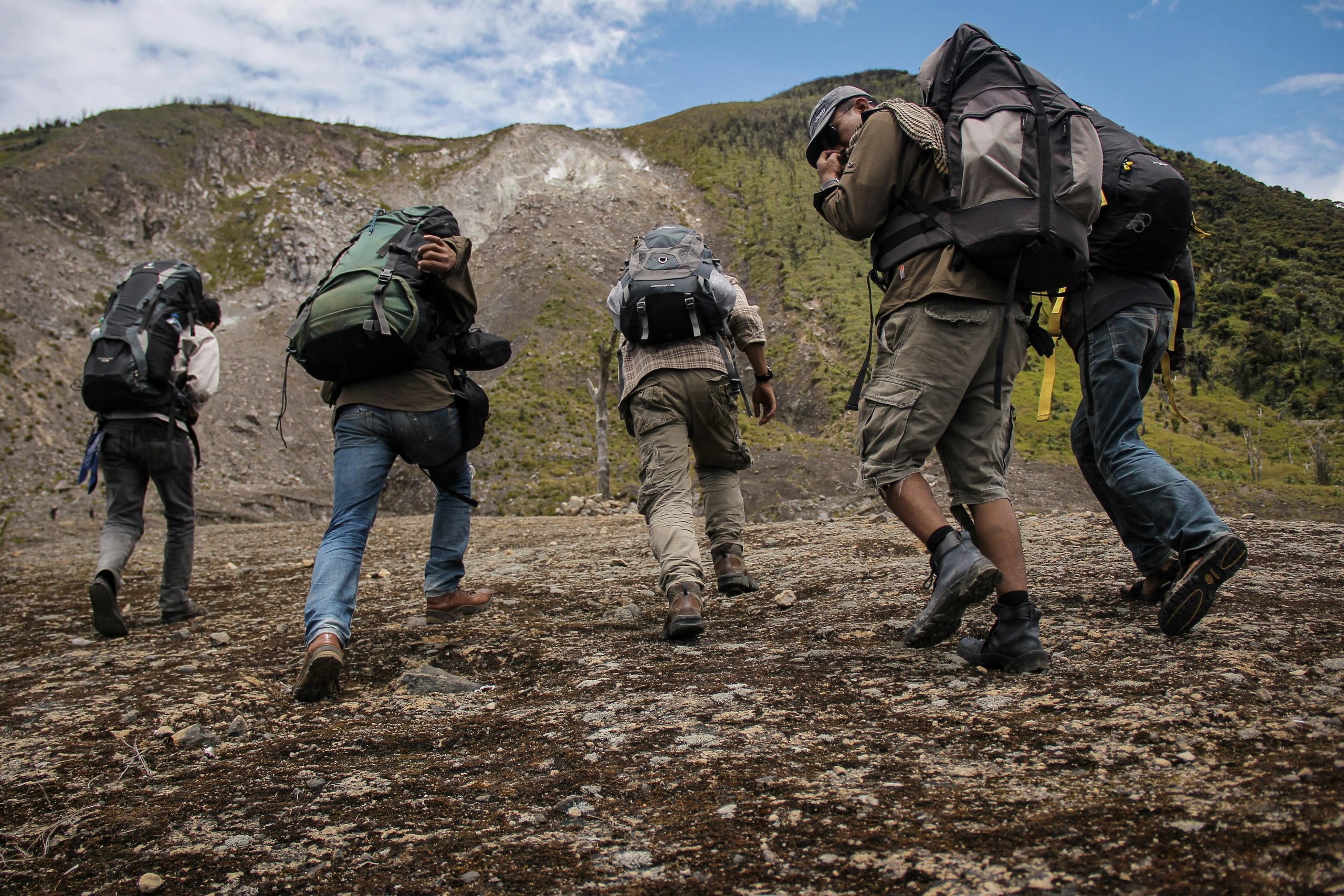
People enter outdoor settings with varying comfort levels around risk. Some seek challenge, while others prioritize caution. Without discussion, these differences clash. One person may push for exposed routes or difficult conditions, while another feels unsafe but reluctant to object. Suppressed concerns build anxiety and resentment. Eventually, conflict surfaces during critical moments, when calm decision-making is most important. Establishing boundaries around acceptable risk, turnaround points, and safety priorities prevents escalation. When everyone knows that concerns will be respected, decisions become collaborative rather than confrontational, reducing tension when conditions worsen.
5. Decision-Making Power Struggles

Conflicts often escalate when leadership roles are unclear. Multiple people may attempt to guide decisions, or no one may step up at all. Without boundaries, suggestions turn into power struggles or passive resistance. Frustration grows when decisions feel imposed or endlessly debated. In outdoor environments, delayed or contested decisions increase risk and stress. Establishing who leads navigation, timing, and safety calls prevents confusion. Clear roles do not eliminate discussion but provide structure. When decision-making authority is defined, disagreements remain manageable instead of becoming personal conflicts.
6. Food Planning and Resource Use

Food is a sensitive issue outdoors, where calories directly affect energy and mood. Conflicts arise when consumption expectations differ. One person may snack freely, while another carefully rationed supplies. Without boundaries, resentment builds as resources disappear faster than expected. Hunger lowers patience, making disagreements sharper. Clear agreements about food sharing, portioning, and emergency reserves prevent misunderstandings. Knowing what is communal versus personal reduces tension. When food expectations are aligned, energy stays stable, and emotional flare-ups are far less likely to derail the trip.
7. Cleanup and Camp Responsibilities

Campsite chores often become conflict points when responsibility is assumed rather than assigned. One person may consistently handle setup or cleanup while others relax, creating quiet resentment. Over time, unspoken frustration erupts. Fatigue worsens sensitivity to perceived unfairness. Clear boundaries around task division prevent imbalance. Assigning roles for cooking, cleanup, water collection, and camp breakdown distributes effort evenly. When everyone knows what is expected, contributions feel fair. Shared responsibility strengthens cooperation and prevents emotional buildup that can poison group dynamics late in the trip.
8. Emotional Spillover Under Stress
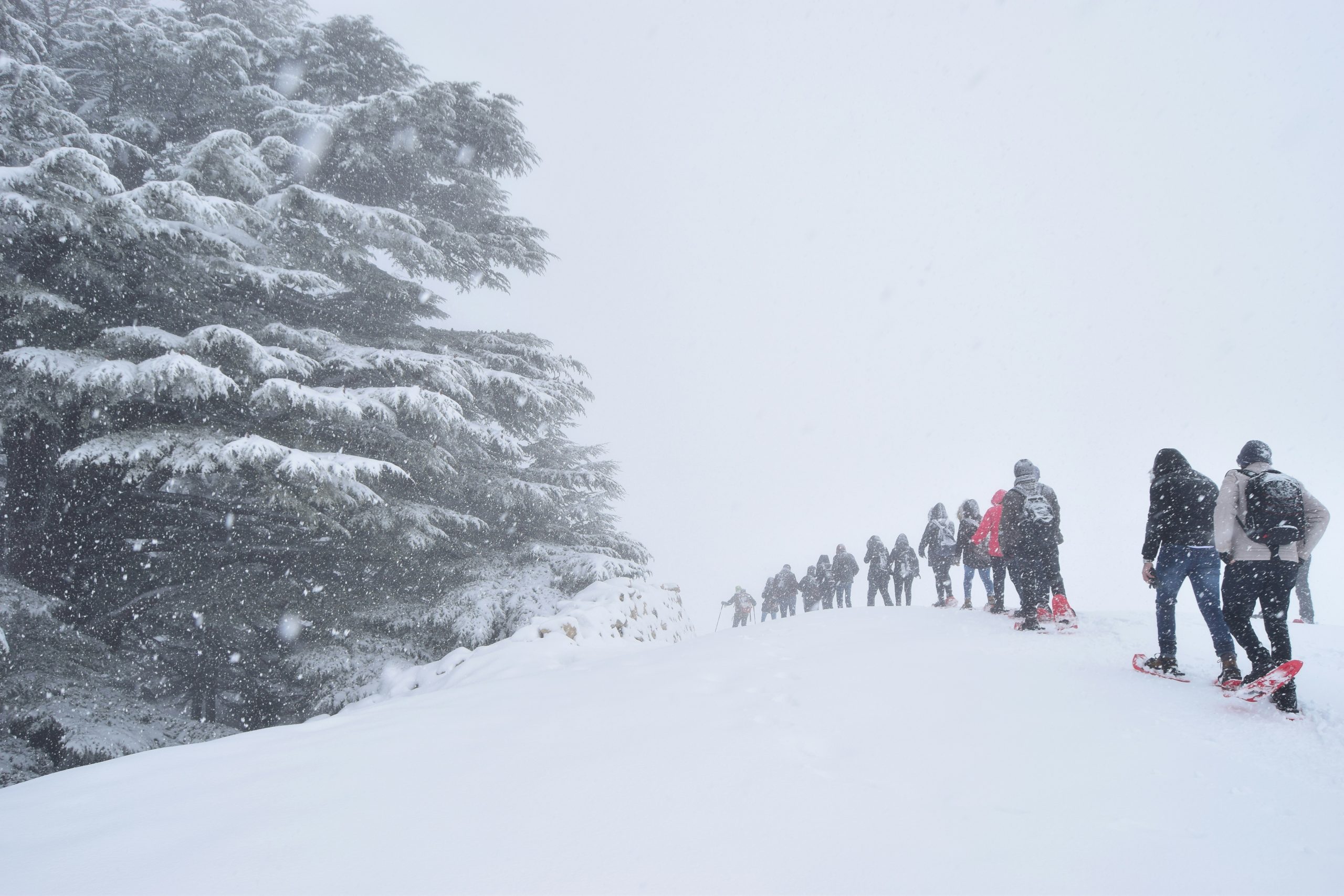
Outdoor conditions intensify emotions. Fatigue, cold, hunger, and fear lower tolerance for minor issues. Without boundaries around communication, frustration spills over into unrelated conflicts. A small mistake triggers an outsized reaction. People withdraw or lash out, escalating tension. Clear boundaries around tone, check-ins, and conflict pauses help regulate emotional spillover. Agreeing to address issues calmly and early prevents buildup. When emotional boundaries are respected, stress remains manageable, and disagreements stay focused on solutions rather than personal attacks.