Learning to make natural adhesives using nothing more than wood and water connects you directly to skills people relied on long before modern glues existed. These simple materials can be heated, mashed, simmered, or reduced until they transform into sticky, workable mixtures strong enough for shelters, tools, and repairs in the field. Each method requires patience, close attention to texture, and an understanding of how wood behaves when exposed to heat and moisture. The final adhesives may not look perfect, but they offer surprising strength and versatility. With the right approach, these simple ingredients can produce dependable glues ideal for outdoor projects.
1. Pine Resin Glue
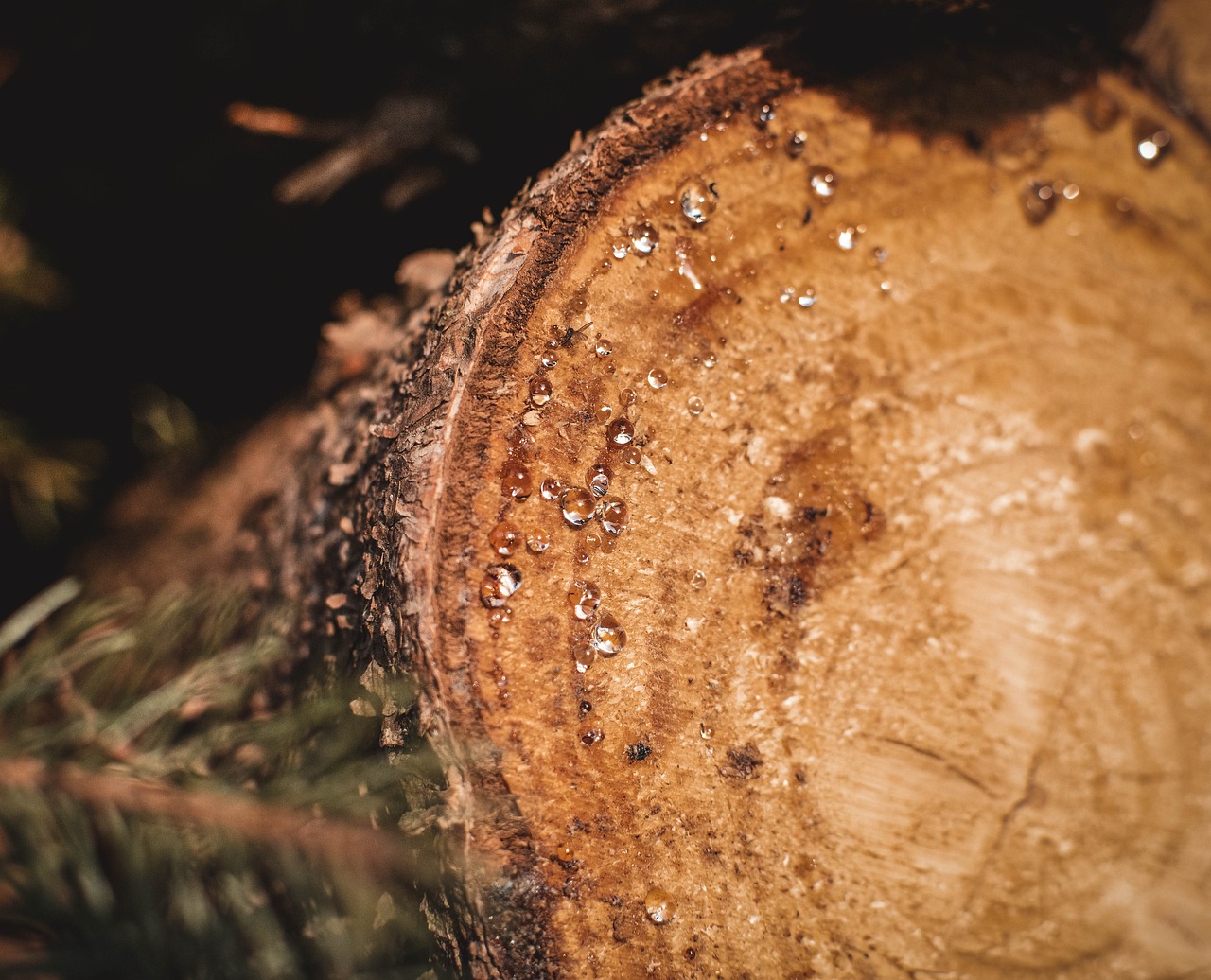
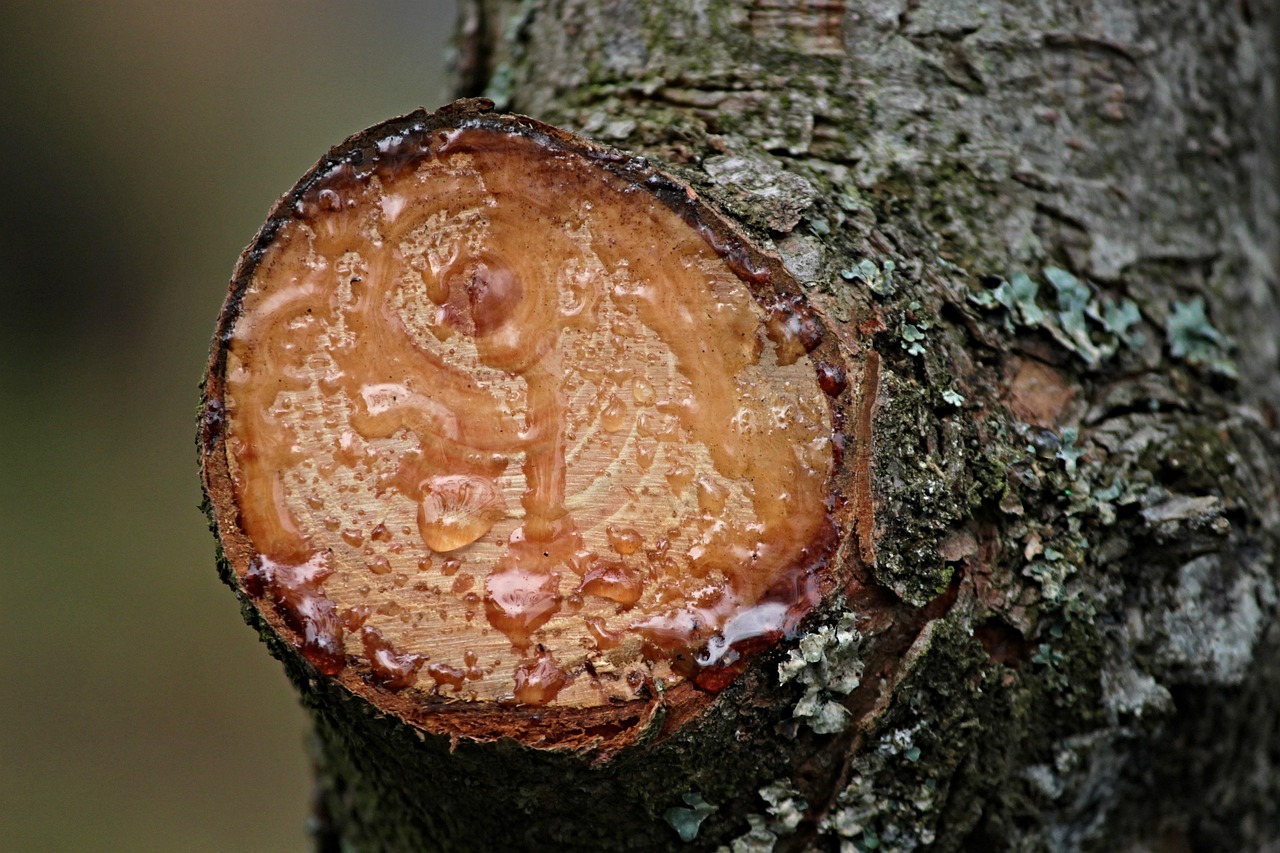
Pine resin glue forms naturally inside old or damaged conifer wood, where pockets of hardened resin gather under the bark. When heated slowly, these pieces soften into a thick, amber-colored adhesive that becomes even more usable when mixed with small amounts of water during melting. The blend cools quickly and grips well to wood, stone, and plant fibers. It works for sealing small gaps, reinforcing tool handles, or fixing lightweight camp gear. The key to reliable results is preventing the resin from burning by keeping the heat low and steady. Once cooled, the glue forms a strong, weather-resistant bond.
2. Birch Tar Adhesive
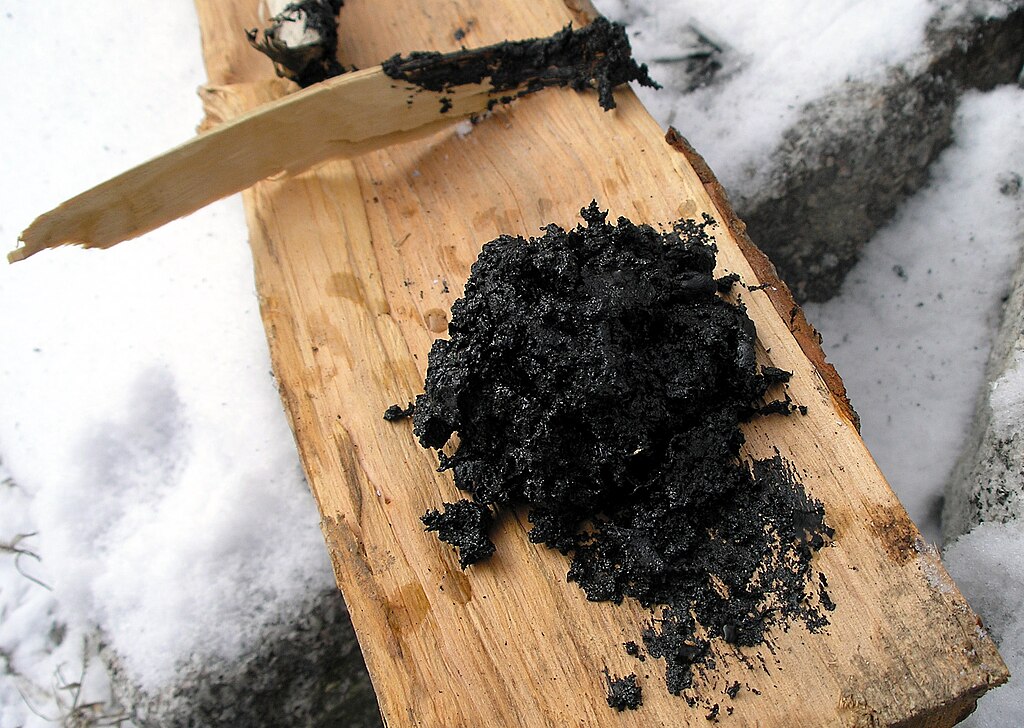
Birch tar is one of the oldest known natural adhesives and develops when layers of birch bark are gently heated inside a low-oxygen setup such as a small pit or sealed container. As the bark cooks, dark tar drips out and collects at the bottom, forming a sticky, flexible glue that handles moisture surprisingly well. Mixing in a little water while warm allows you to adjust its thickness for finer work. Birch tar bonds effectively to wood, bone, and leather, making it useful for long-lasting repairs. It takes time to produce, but the result is durable and dependable in many outdoor situations.
3. Hardwood Pitch Glue
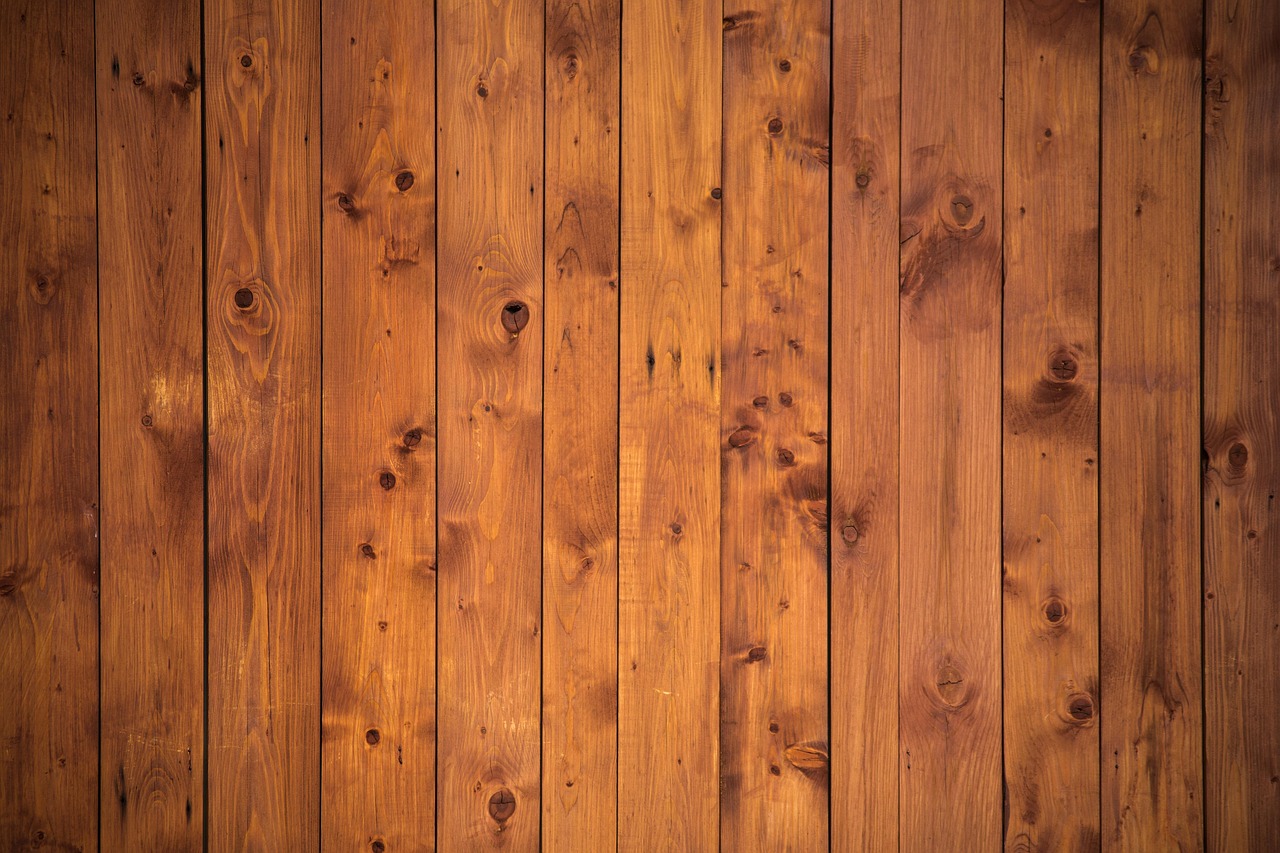
Hardwood pitch glue begins with scraping dense, seasoned wood to gather fine shavings packed with natural oils. When gently heated with small amounts of water, these fibers break down into a dark, tacky substance that thickens as it cools. The resulting glue has a strong grip and resists moisture better than many simple pastes. It adheres well to rough surfaces and can reinforce tool hafts or repair wooden containers. The trick is controlling the heat so the fibers melt evenly without scorching. Once the pitch sets, it becomes firm but slightly flexible, allowing it to absorb stress from repeated use.
4. Charred Wood Glue
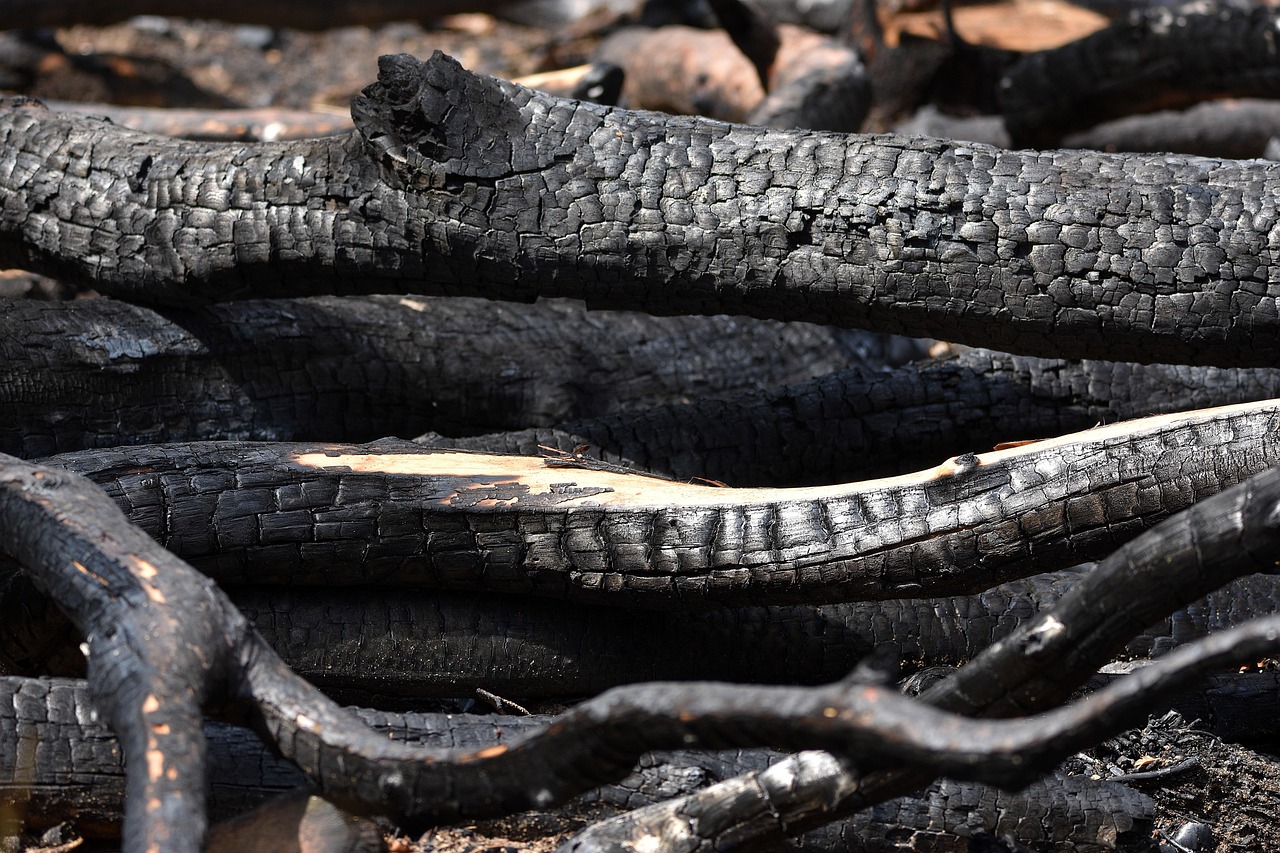
Charred wood glue forms when inner heartwood is lightly burned, scraped, and ground into a fine black powder that mixes easily with water. As the powder hydrates, it becomes a sticky paste that clings well to rough or porous surfaces. This glue works best for strengthening joints in simple wooden tools or filling cracks where precision is not critical. The slightly gritty texture adds grip, helping the paste stay in place as it dries. Because it dries firm but not brittle, it is suitable for repairs exposed to changing temperatures. It is easy to make, reliable, and requires no specialized tools.
5. Inner Bark Starch Paste
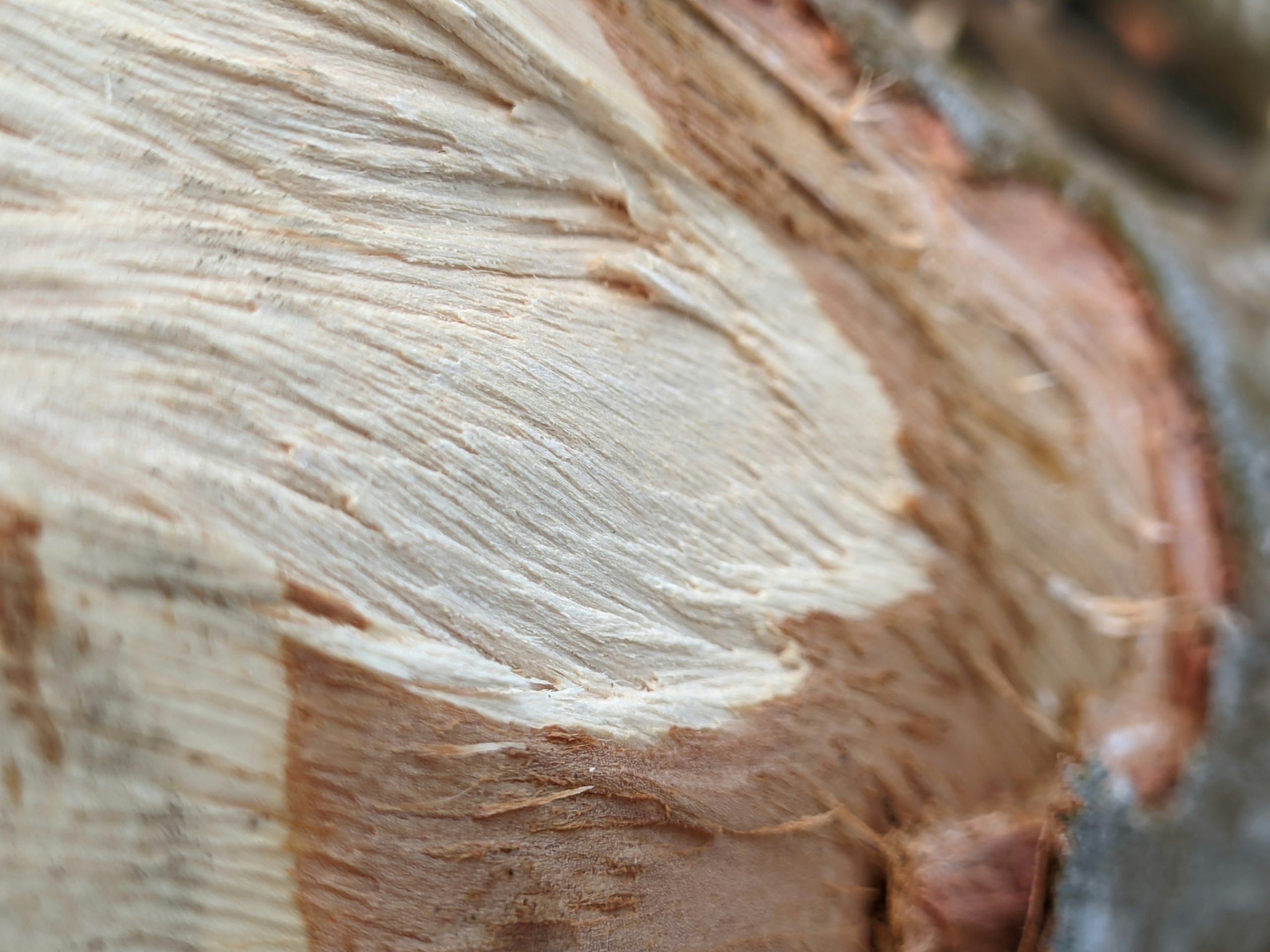
The inner bark of many tree species contains natural starches that swell into a thick, sticky material when simmered gently with water. By peeling thin strips from fallen branches or logs, you can boil them until they soften into a smooth paste with surprising adhesive strength. This glue works well for joining plant fibers, repairing bark containers, or creating temporary seals. The more the mixture is stirred and reduced, the thicker and stronger it becomes. Since the paste dries to a firm but flexible finish, it handles outdoor conditions reasonably well. It is simple, safe to make, and ideal for delicate tasks.
6. Wood Ash Gel Adhesive
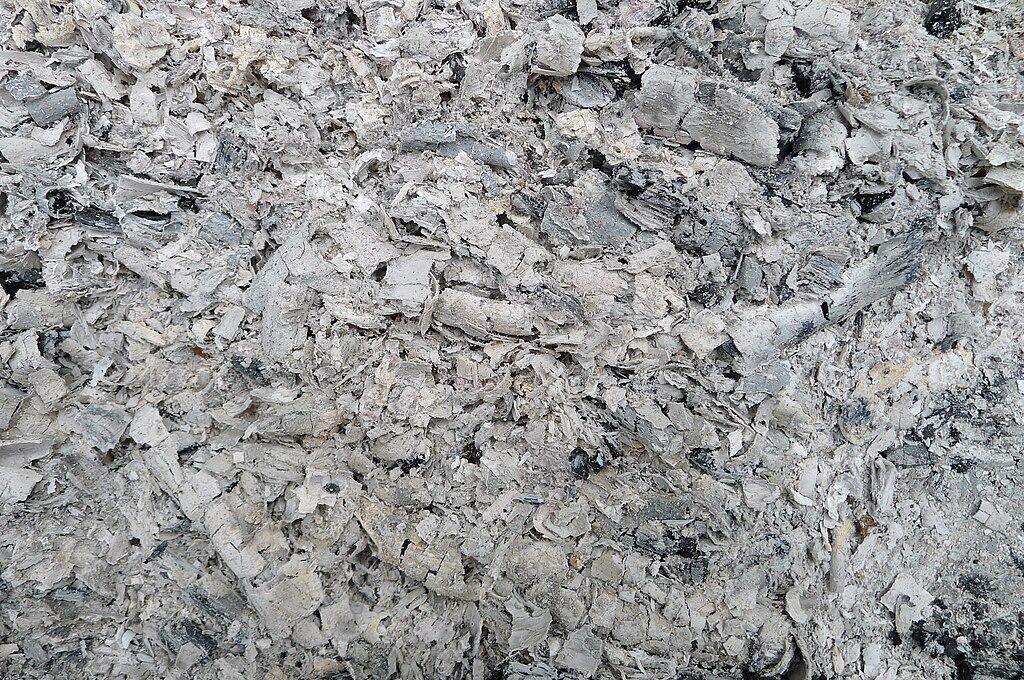
Fine ash collected from burned wood can be transformed into a sticky gel when blended slowly with water. The minerals in the ash create a slippery but adhesive mixture that bonds well to rough, dry surfaces. This gel is valuable for sealing gaps, binding natural fibers, or reinforcing weak spots in quick field repairs. It spreads easily and dries into a firm, chalky coating that adds stability. While not suited for heavy structural tasks, it is effective for light workmanship and can be made in minutes. Its versatility makes it a convenient option when other materials are limited.
7. Rotten Wood Fiber Paste
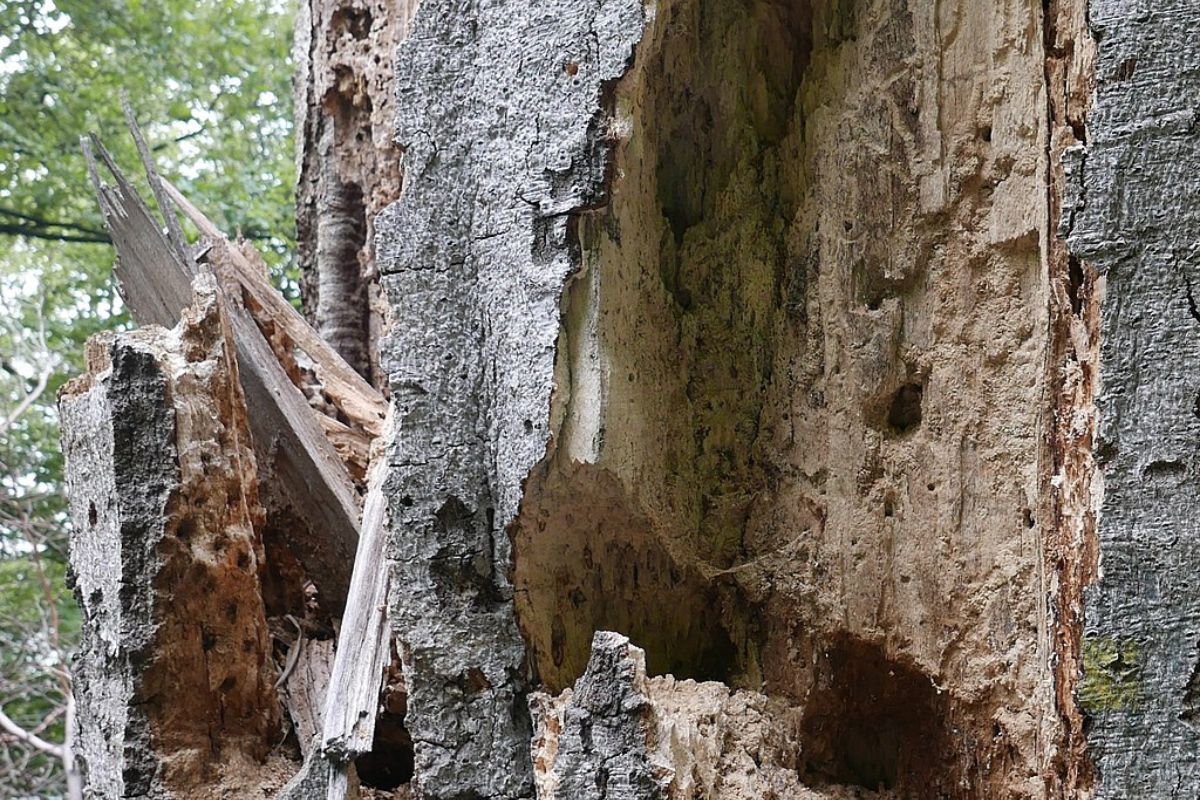
Rotten wood that has softened from long exposure to moisture can be crushed and stirred into a workable adhesive when combined with water. The breakdown of fibers produces a natural pulp that clings tightly to wood, bark, and stone. When pressed into cracks or wrapped around weak joints, it dries into a surprisingly strong reinforcement. This paste is especially handy for insulating small spaces or smoothing rough edges in primitive building projects. Because it forms quickly and requires no heat, it is easy to make in the field. Its coarse but sticky texture gives it reliable holding power for temporary fixes.
8. Sawdust Water Paste
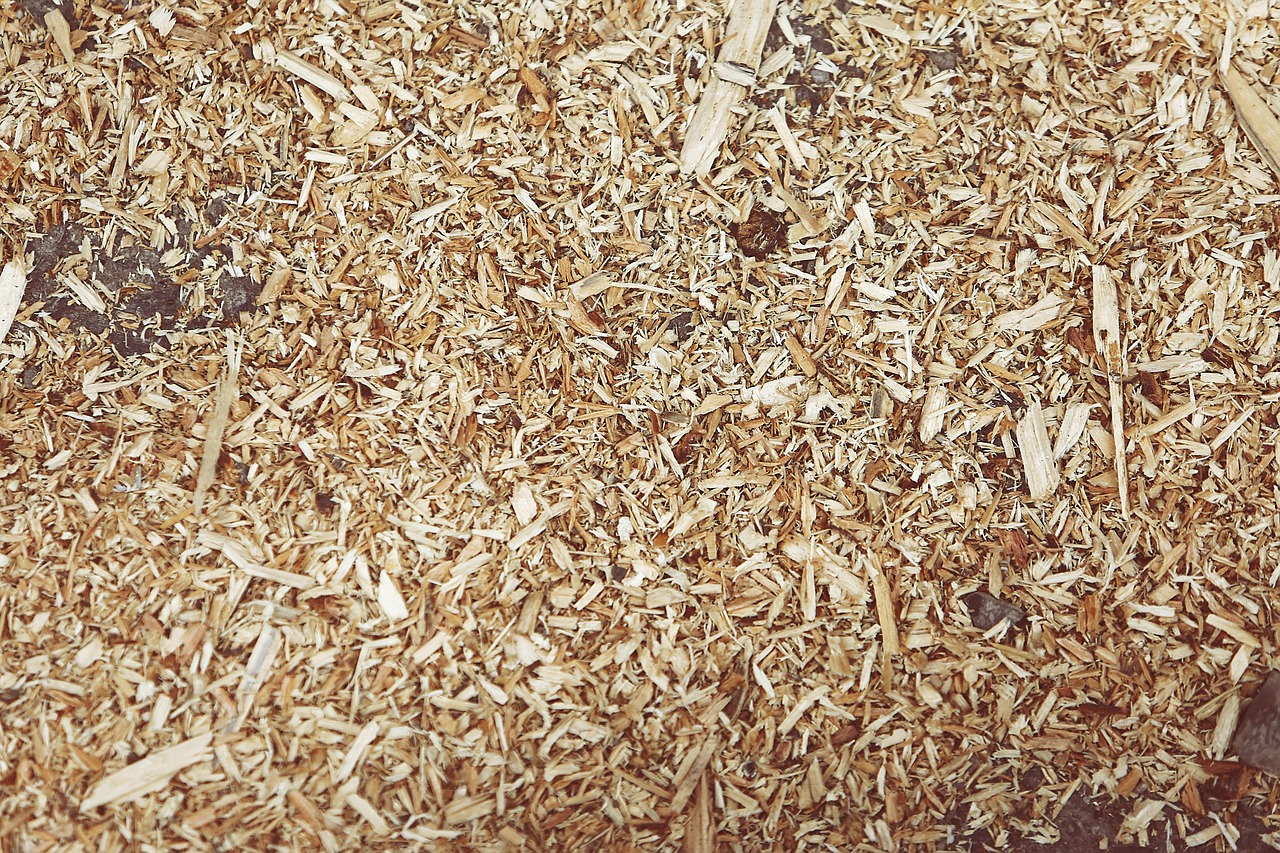
Sawdust water paste is one of the simplest natural adhesives and can be made from finely scraped or weathered wood found at almost any campsite. When mixed slowly with water, the dust absorbs moisture and expands into a thick, moldable paste that presses easily into cracks or gaps. It is particularly useful for stabilizing damaged wooden surfaces or smoothing uneven joints. As it dries, the mixture binds tightly to itself and the surrounding material, creating a firm and supportive mass. Although not suitable for heavy loads, it serves well for general repairs and is dependable for quick, practical outdoor tasks.