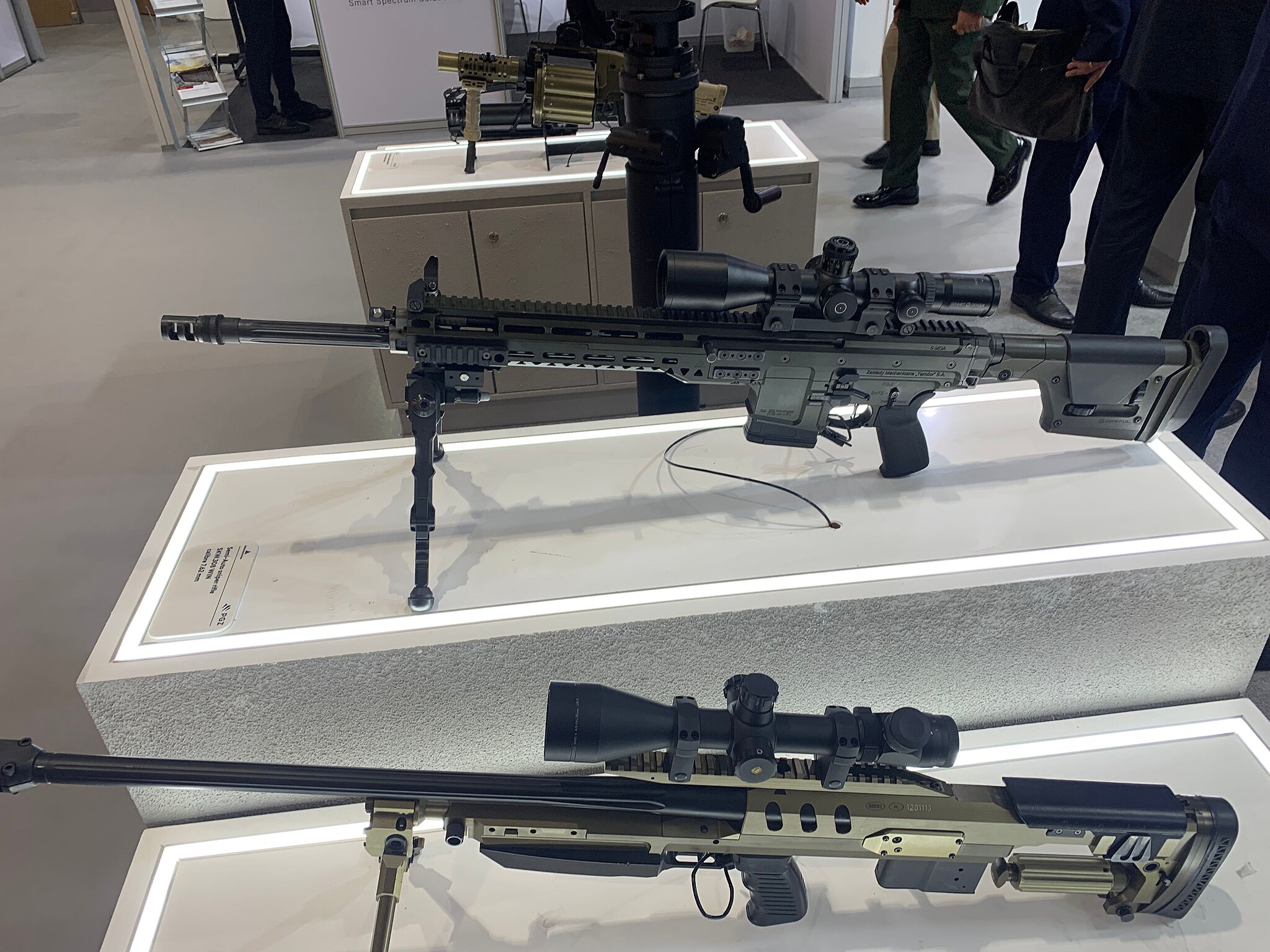
Switching from .223 to .308 feels like a natural upgrade for many shooters, especially those seeking longer range performance, better penetration, or a more traditional rifle platform. However, the two cartridges behave very differently in real-world use. Recoil, rifle weight, ammunition cost, and shooting technique all change in ways that surprise people. Many shooters assume that skills and habits transfer cleanly between calibers, but small assumptions often lead to frustration, discomfort, or poor accuracy. Understanding these common mistakes helps shooters adapt safely, realistically, and with better expectations when making the transition.
1. Underestimating Recoil Difference
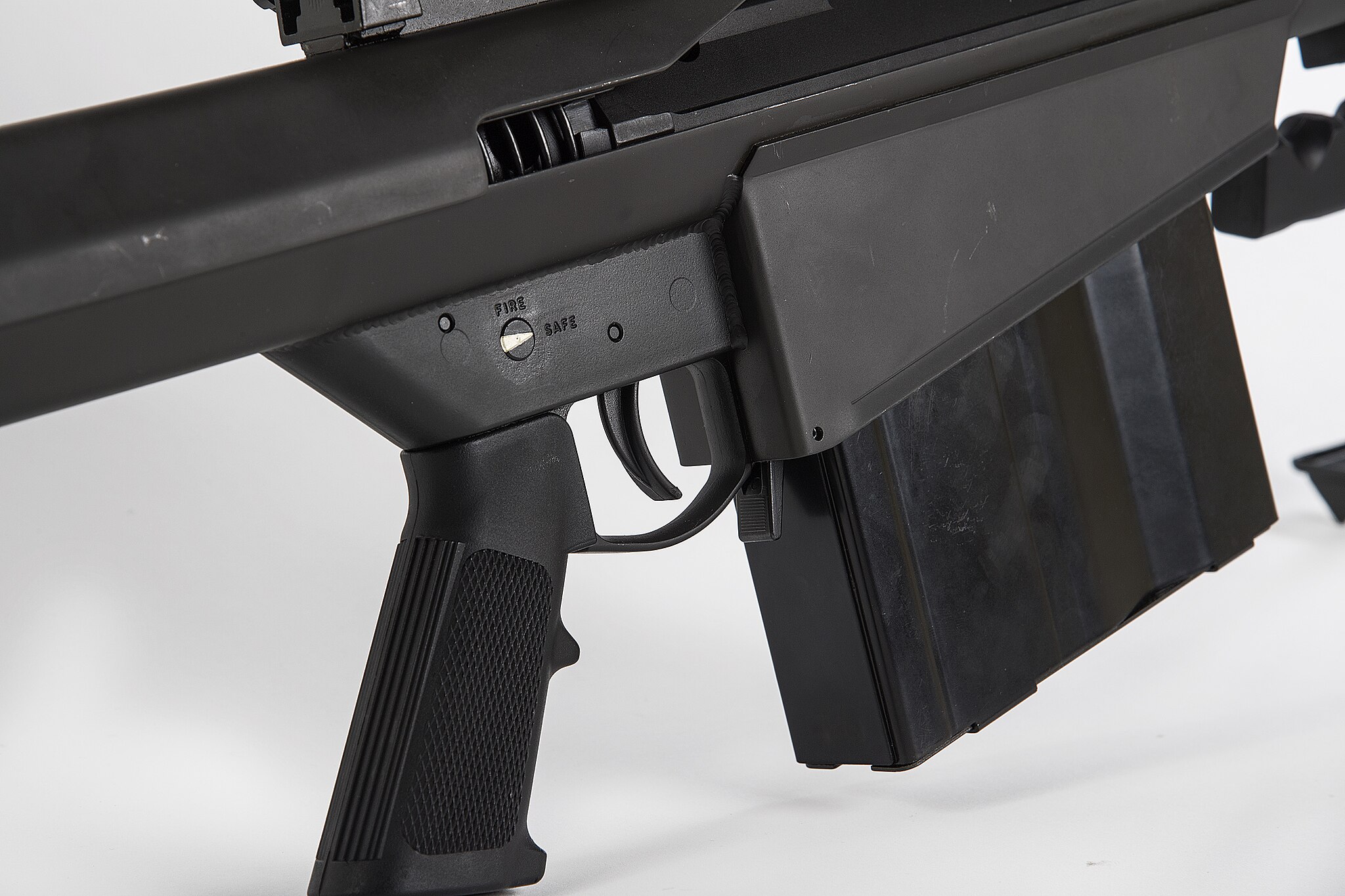
Many shooters expect more recoil from .308, but underestimate how much it affects comfort and control. The sharper impulse changes how the rifle moves during firing, often pushing shooters off target between shots. Poor shoulder placement or a loose stance becomes obvious very quickly. Recoil fatigue also builds faster during long sessions, reducing focus and consistency. Shooters who stay relaxed with .223 often tense up with .308 without realizing it. This tension leads to flinching and inconsistent trigger pulls. Adjusting body position, grip pressure, and rest setup becomes essential rather than optional when stepping up in caliber.
2. Using the Same Shooting Positions
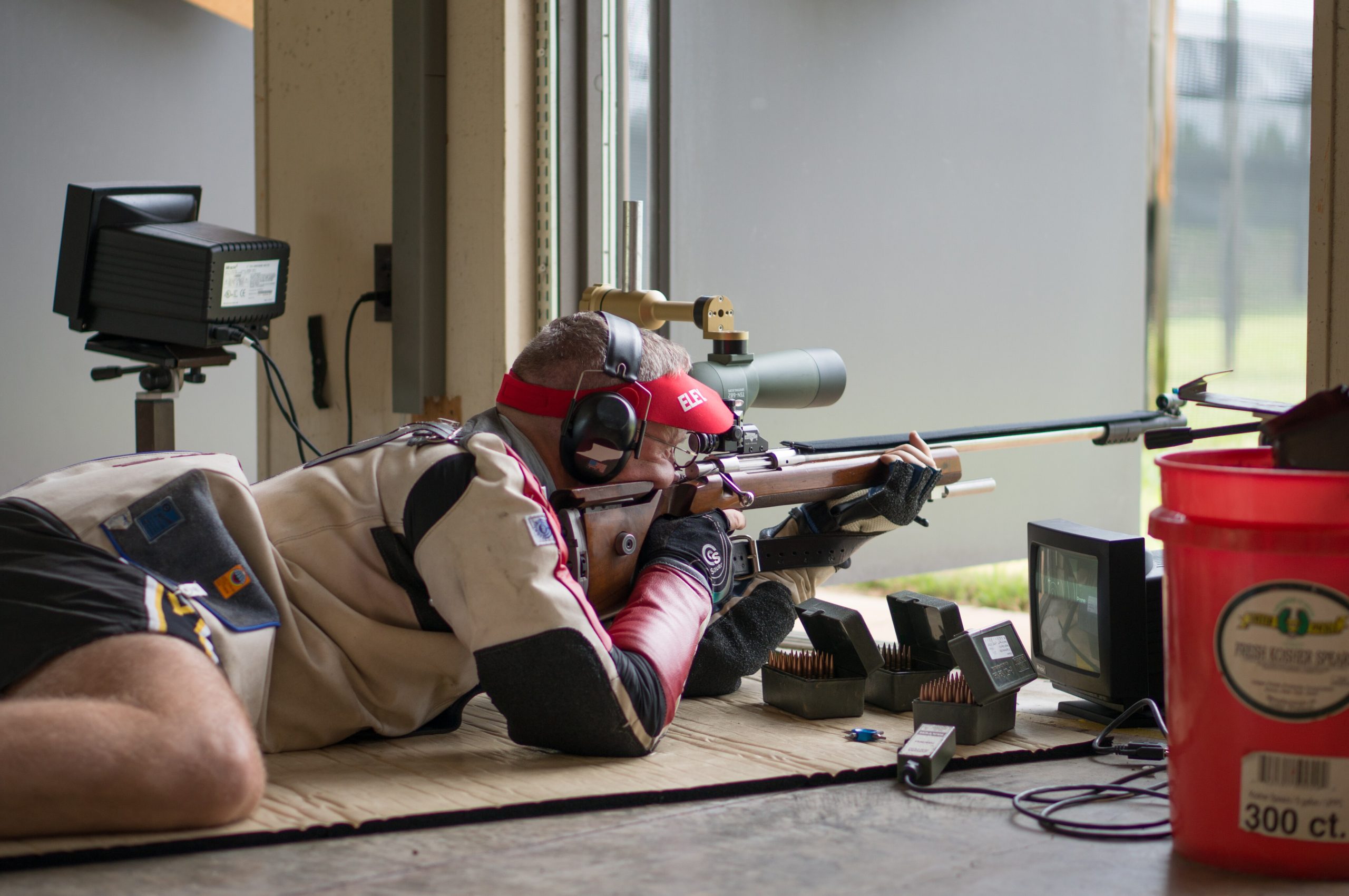
Positions that feel stable with .223 often break down under .308 recoil. Lightweight bipods, casual prone setups, and soft rear support may shift or collapse after each shot. Shooters sometimes blame accuracy instead of realizing their position is failing them. The heavier cartridge demands a more deliberate setup with solid contact points. Shoulder pressure, cheek weld, and rear support all matter more. Ignoring these changes causes frustration and inconsistent groups. What worked casually with .223 must become more intentional with .308, especially when shooting from the ground or improvised rests.
3. Ignoring Rifle Weight and Balance
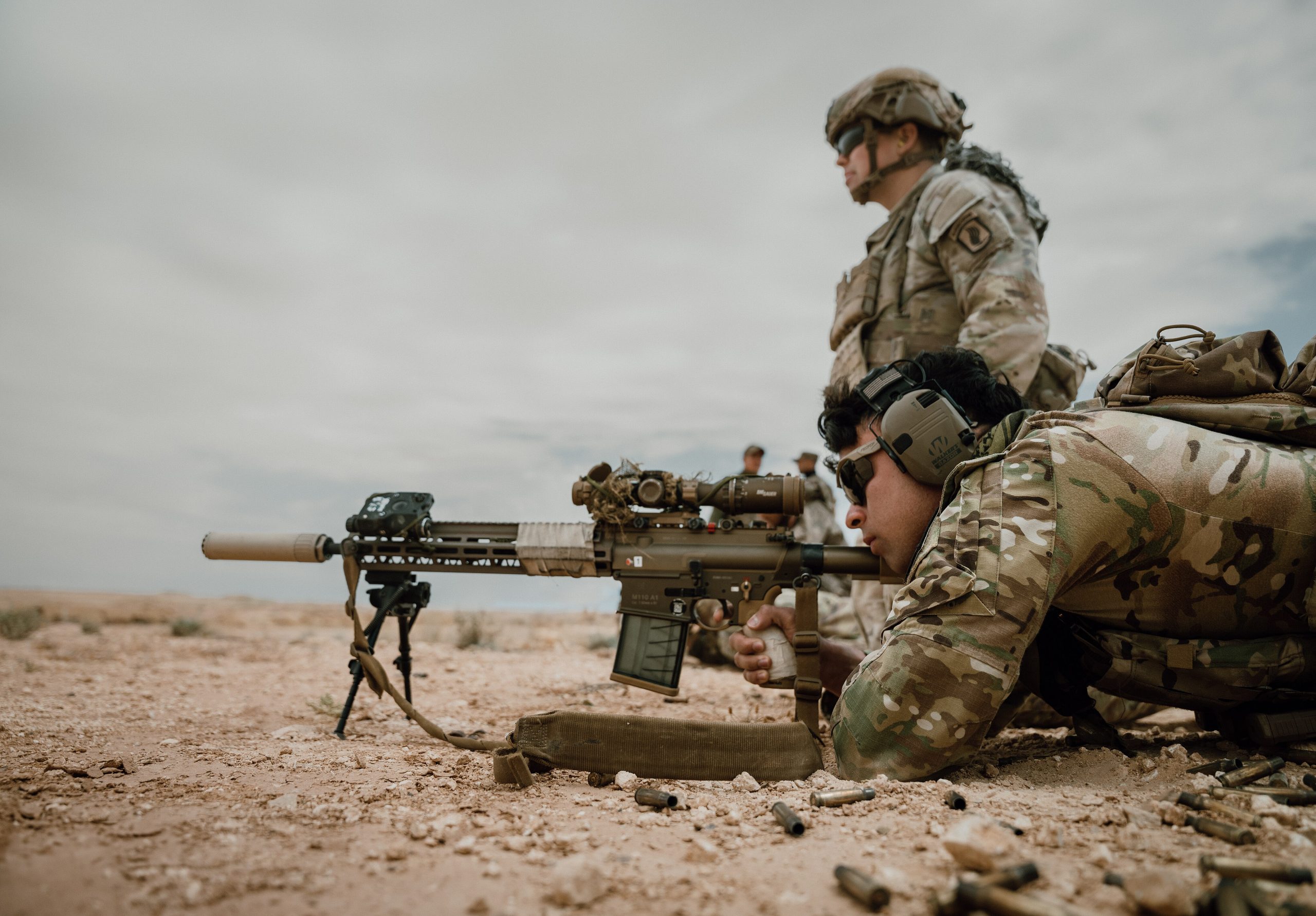
Rifles chambered in .308 are usually heavier, longer, and more front weighted than .223 platforms. New users often notice fatigue sooner, especially when shooting offhand or carrying the rifle for extended periods. Balance changes how the rifle swings, settles, and tracks targets. Shooters used to lightweight setups may rush shots because holding steady feels harder. This leads to rushed trigger pulls and poor follow-through. Accepting the extra weight and adjusting shooting tempo is critical. Trying to handle a .308 like a lightweight carbine leads to unnecessary strain and reduced accuracy.
4. Expecting Cheap, Casual Practice
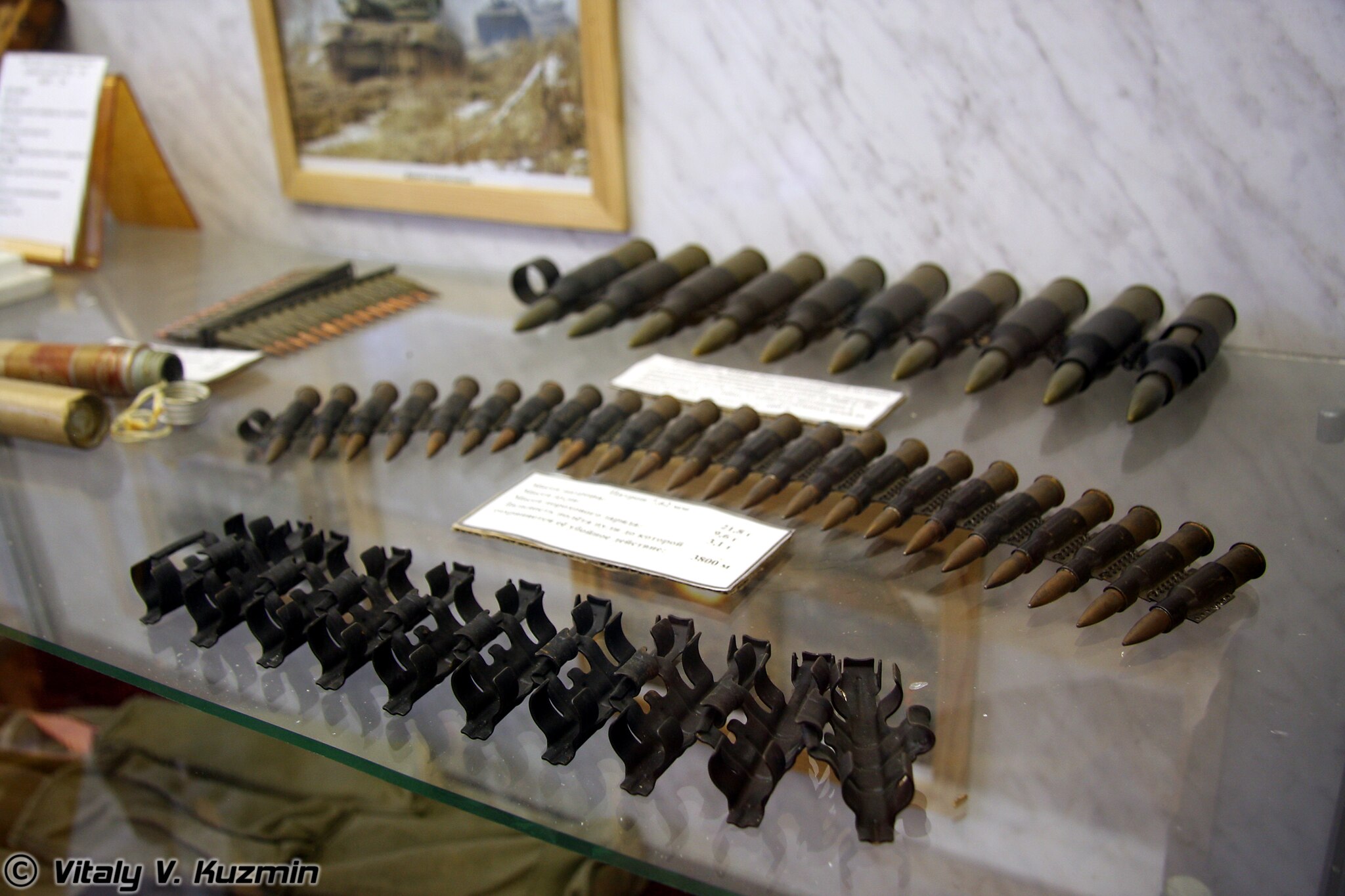
One of the biggest surprises is ammunition cost. Shooters who are used to affordable .223 practice often reduce range time after switching to .308. Less practice slows skill development and increases frustration. Some shooters rush shots to save ammo, which reinforces bad habits. The louder report and heavier recoil also add mental pressure to make every round count. This mindset can hurt learning. Planning fewer but more focused sessions works better. Treating .308 as a deliberate shooting tool rather than a casual plinker helps maintain progress without unnecessary expense.
5. Overlooking Barrel Heat Effects
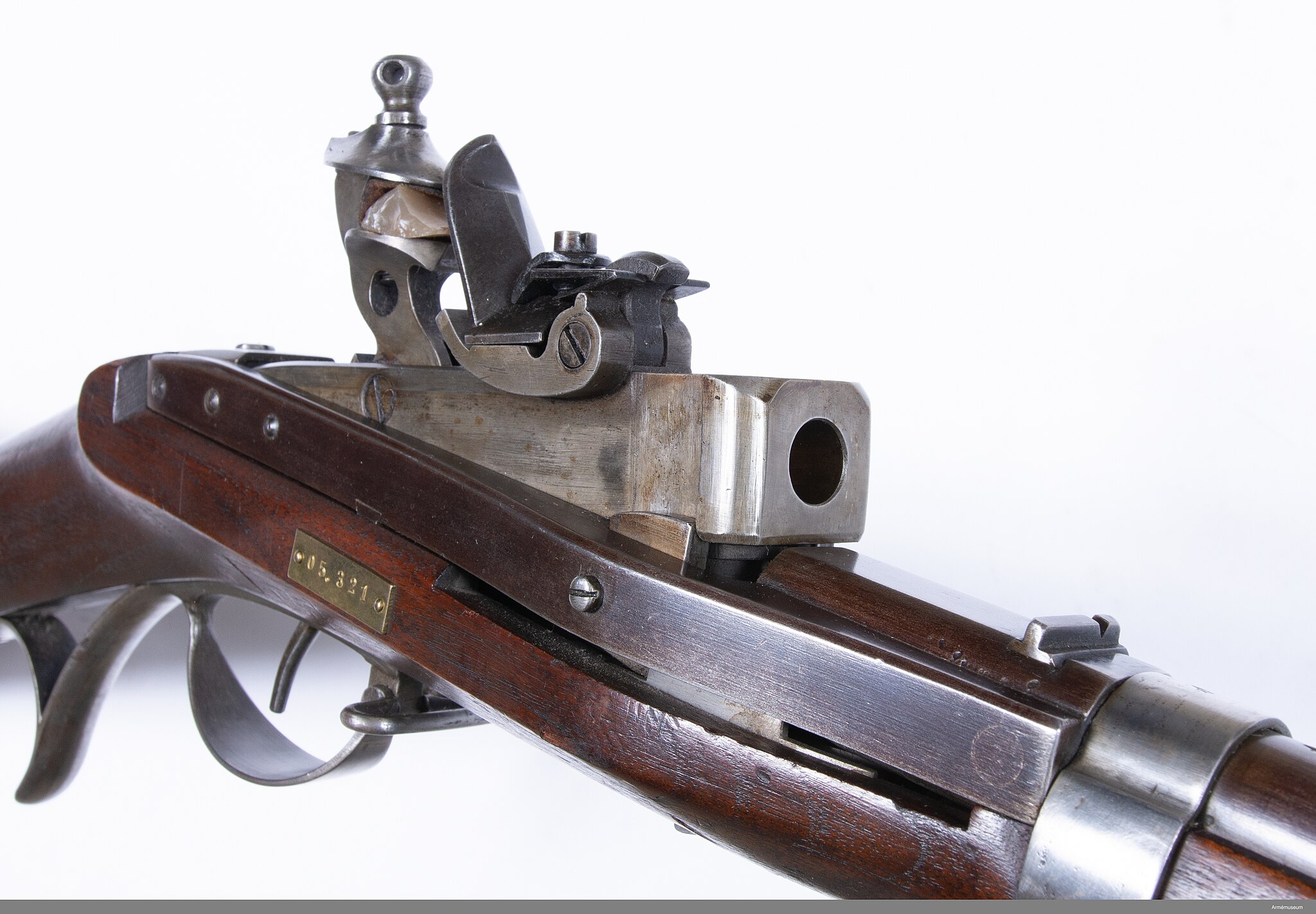
Barrel heating becomes a bigger issue with .308. Firing strings too quickly can cause noticeable point of impact shifts. Shooters unfamiliar with this effect may chase their zero or blame optics. The larger powder charge and thicker barrel profile interact differently than .223 setups. Ignoring cool down time leads to inconsistent results, especially during load testing or zeroing. Learning to pace shots and watch barrel temperature improves accuracy and extends barrel life. Slowing down feels unnatural at first, but pays off quickly in more reliable performance.
6. Assuming Optics Setup Transfers Directly
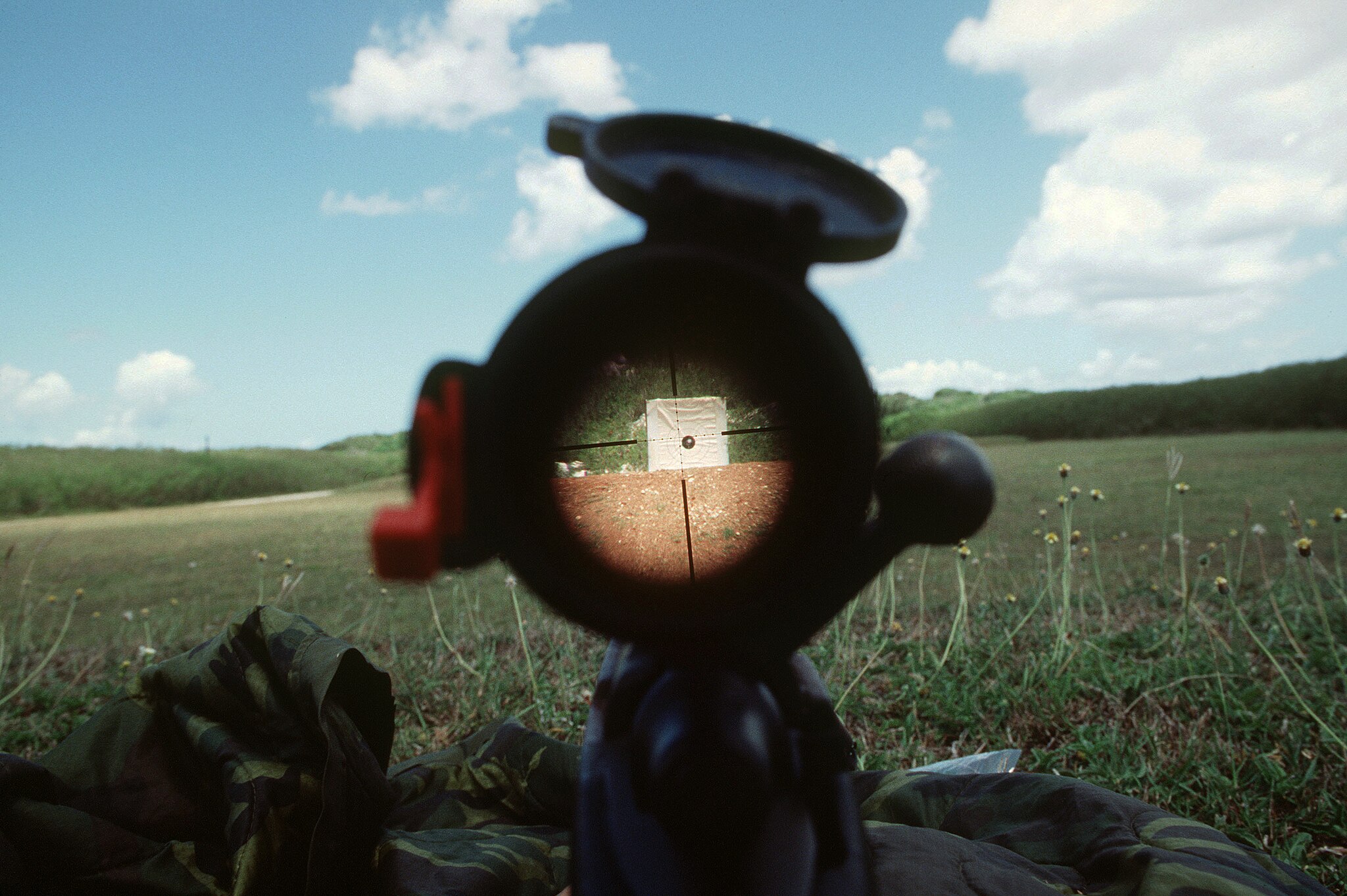
Optics placement that works on .223 rifles does not always feel right on .308 rifles. Eye relief, scope height, and recoil clearance become more important. Shooters sometimes experience scope bite or inconsistent sight pictures because they keep the same setup philosophy. Heavier recoil exaggerates poor alignment. The rifle’s stock design also influences head position differently. Taking time to adjust optic placement improves comfort and consistency. Skipping this step often leads to neck strain, slow target acquisition, and reduced confidence behind the rifle.
7. Ignoring Physical Fatigue
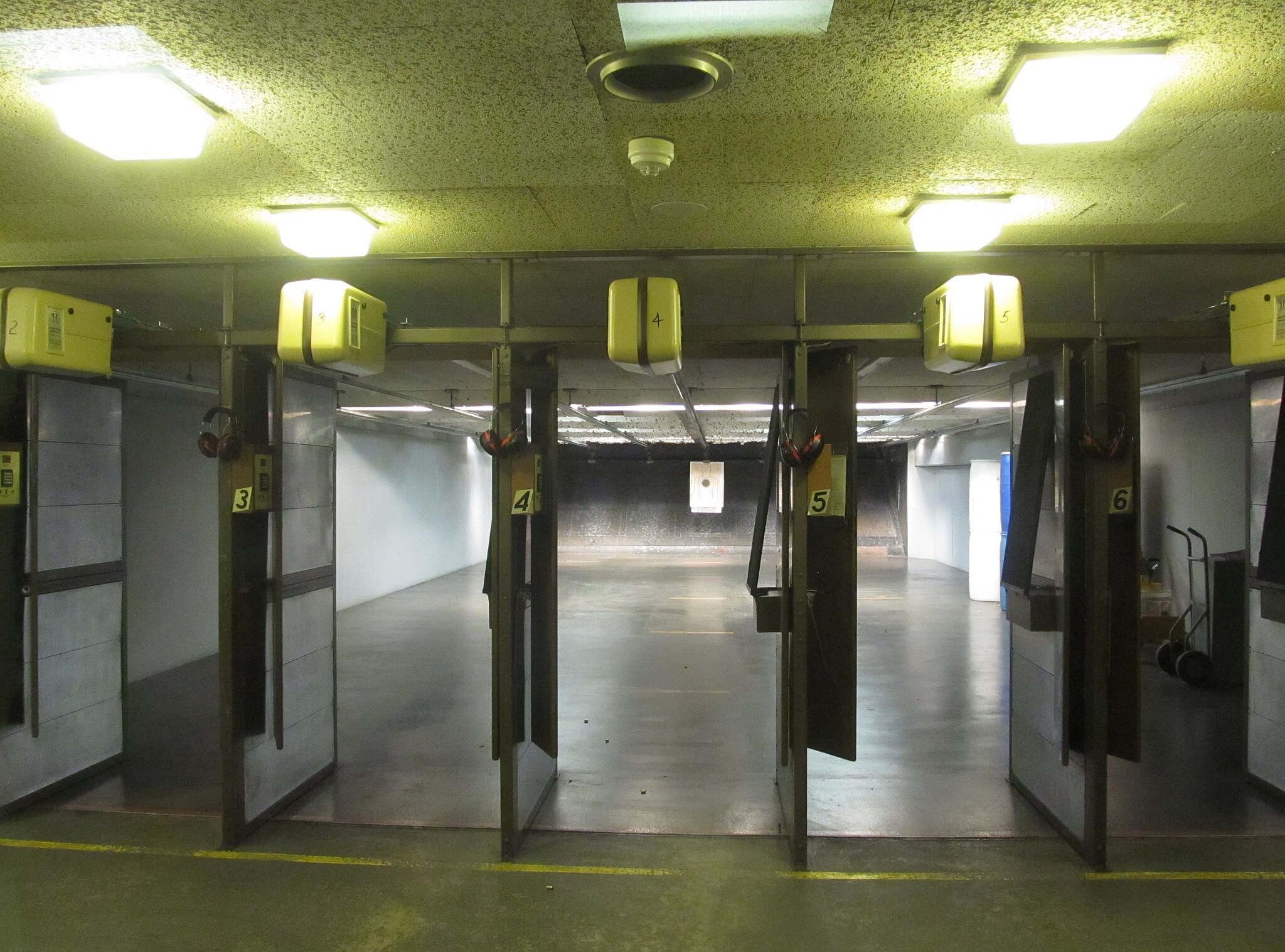
.308 shooting is more physically demanding. Recoil, rifle weight, and shooting positions all contribute to fatigue. Shooters who push through tiredness often develop bad habits late in sessions. Grip tension increases, breathing becomes shallow, and trigger control suffers. With .223, these issues appear later or not at all. Learning to recognize fatigue and take breaks improves overall results. Shorter sessions with better focus outperform long sessions filled with sloppy shots. Treating physical endurance as part of the transition helps shooters progress safely and comfortably.
8. Expecting Immediate Accuracy Gains
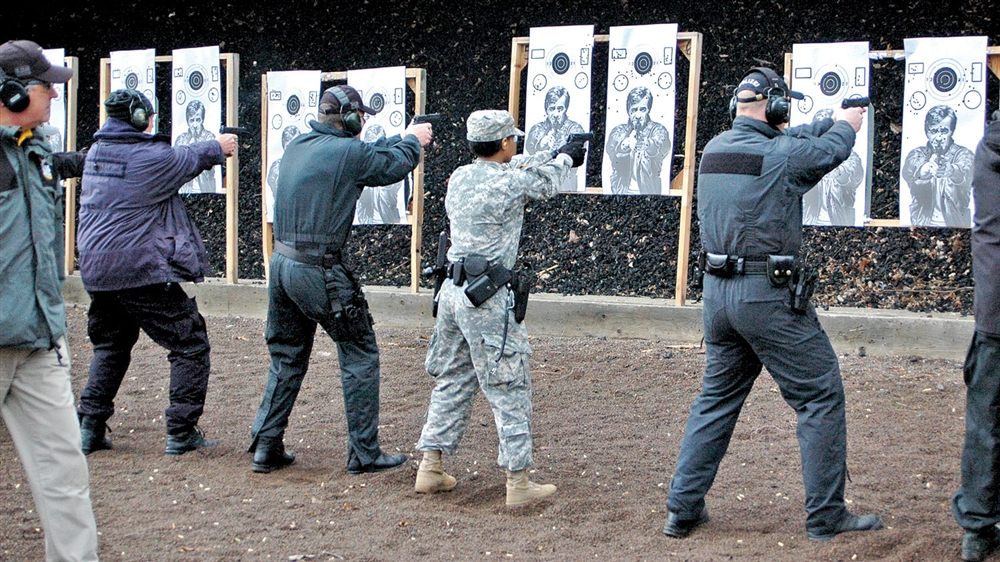
Many people switch to .308, expecting instant improvements in accuracy or range performance. When results do not appear right away, frustration follows. The cartridge is capable, but it demands refined fundamentals. Recoil management, follow-through, and patience all matter more. Shooters who skip the learning curve often blame equipment instead of technique. Progress comes from adapting habits, not just changing calibers. Accepting that .308 rewards discipline rather than speed leads to more satisfying results over time and a smoother transition overall.