Meat safety often depends on what happens long before a pan heats up, because bacteria can grow when time and temperature controls slip. Improper handling may occur at the store, during transport, in the refrigerator, or on a countertop, and the result can be spoilage or illness. Clear warning signs usually show up in smell, texture, packaging, and storage conditions. These eight indicators focus on practical checks that fit everyday cooking routines without relying on guesswork. Whenever multiple red flags appear together, the safest choice is to discard the meat and clean nearby surfaces promptly.
Unusual Or Sour Odor
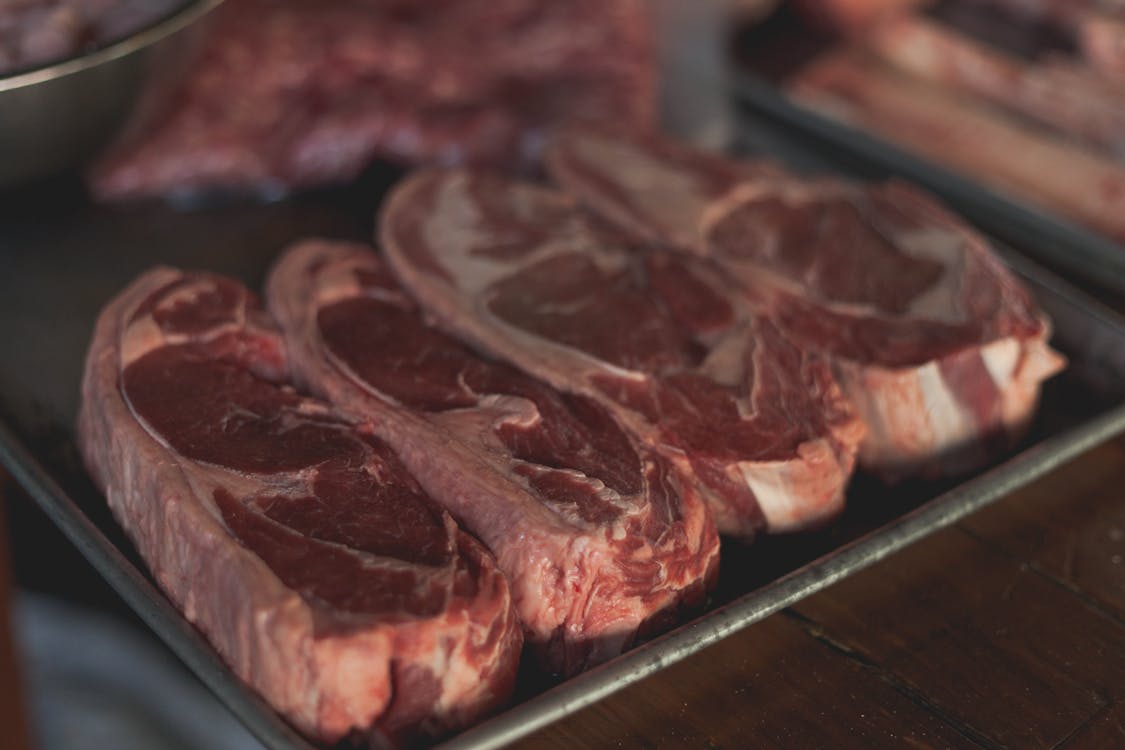
An unusual odor is a strong signal that meat was stored too warm, kept too long, or exposed to contamination. Fresh beef often smells mild and slightly metallic, while fresh poultry and pork usually smell neutral. Sour, rancid, sulfur-like, or ammonia notes suggest bacteria are breaking down proteins and fats. Odor can intensify after opening a package, and that change still matters. Masking smells with marinades or spices does not make meat safe. That guidance applies even after freezing. When an off smell is distinct and persistent, disposal is safer than tasting or cooking to test without hesitation or second guessing.
Slimy Or Sticky Texture
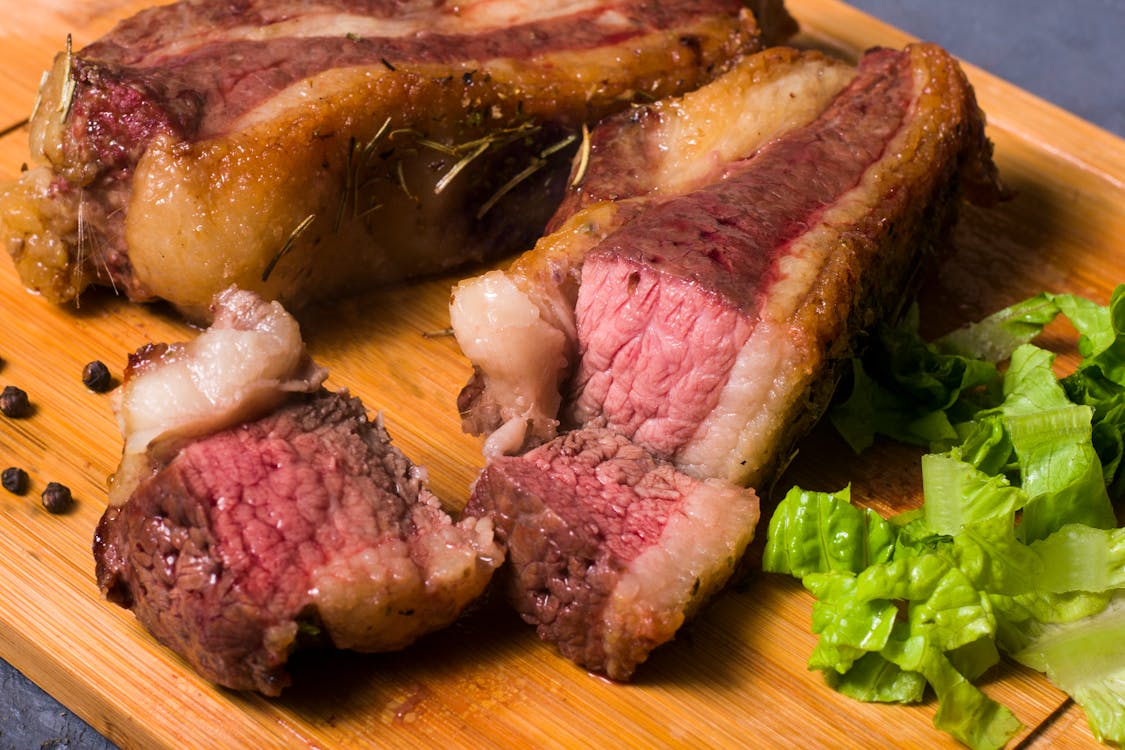
A slimy or sticky feel on the surface often points to microbial growth that developed during poor refrigeration or extended storage. Fresh meat should feel damp but not slick, and it should not leave a tacky film on fingertips. Slime can form inside sealed packaging when bacteria multiply and create a thin layer on the exterior. Rinsing the meat does not fix the problem and can spread germs around sinks, counters, and towels. Even if the color looks acceptable, an off texture is meaningful. When the surface feels slippery or gummy, discarding the meat is the safest option to protect overall food safety.
Discoloration Beyond Normal Changes
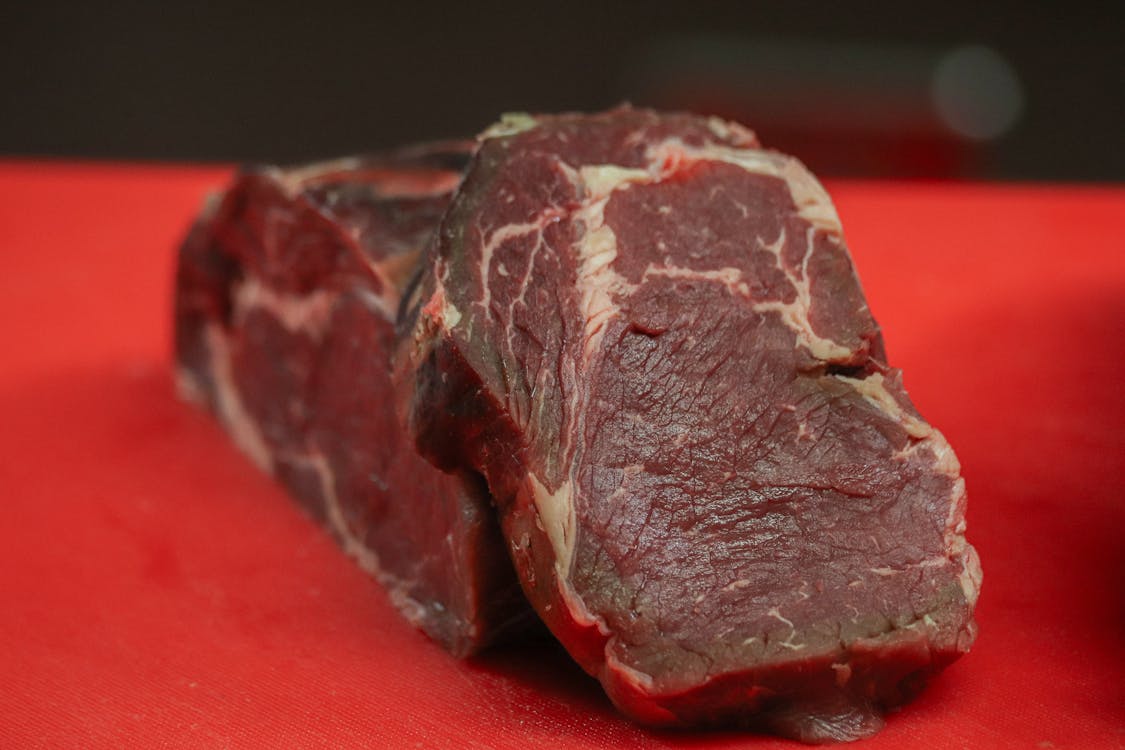
Some color shift can be normal as pigments react with oxygen, but extreme or patchy discoloration suggests mishandling or spoilage. Beef can darken to a brownish shade, yet green, yellow, or gray tones raise concern. Pork that turns dull, sticky, or markedly gray also warrants caution, and poultry should not look unusually dark or blotchy. Iridescent sheen can occur from light on muscle fibers, but it should not accompany bad odor or slime. Any visible mold indicates contamination that extends beyond the spot. When color changes look abnormal and uneven, the meat should be thrown away without delay or further inspection.
Bloated Or Leaking Packaging
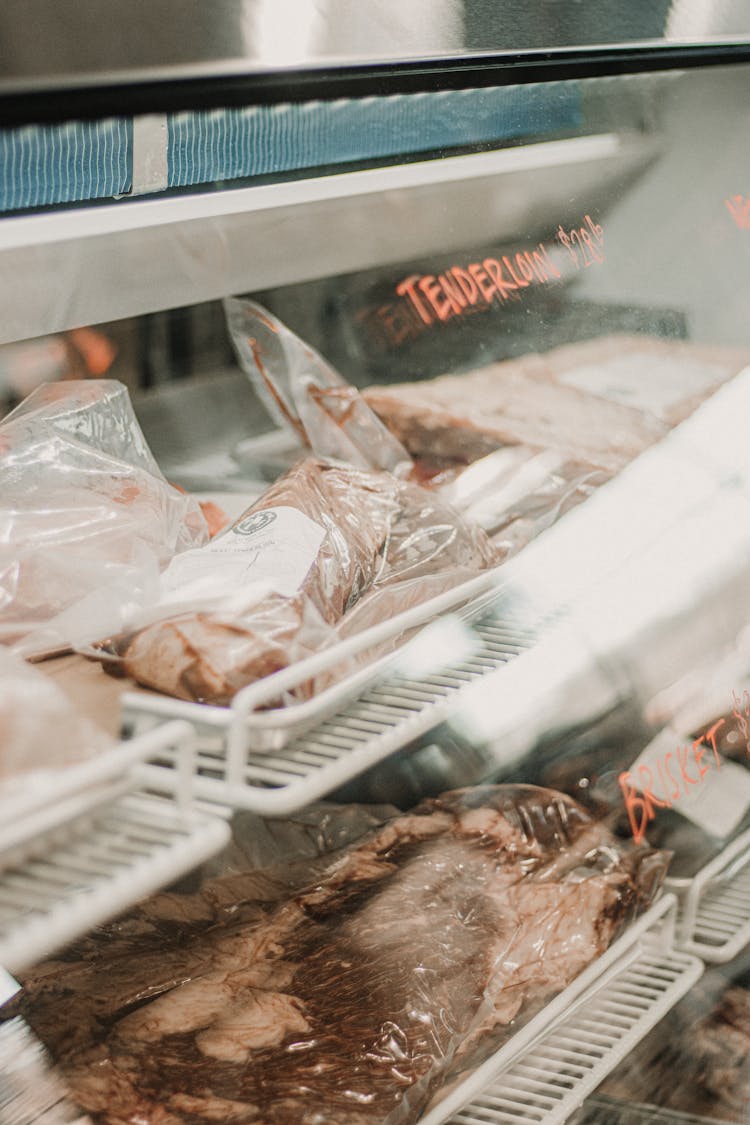
Packaging problems often reveal that meat sat at unsafe temperatures or exceeded its intended shelf life. A swollen tray, plastic, or bloated vacuum pack can indicate gas produced by bacteria as spoilage progresses. Leaking juices are also a warning because they can spread pathogens to refrigerator shelves, shopping bags, and other foods. Seals that look broken, loose wrap, or punctures reduce protection and speed deterioration. Even if the meat appears normal at first glance, compromised packaging undermines confidence in handling and storage history. When packaging is bloated or leaking, choosing a different package is the safer move.
Expiration Date Has Passed
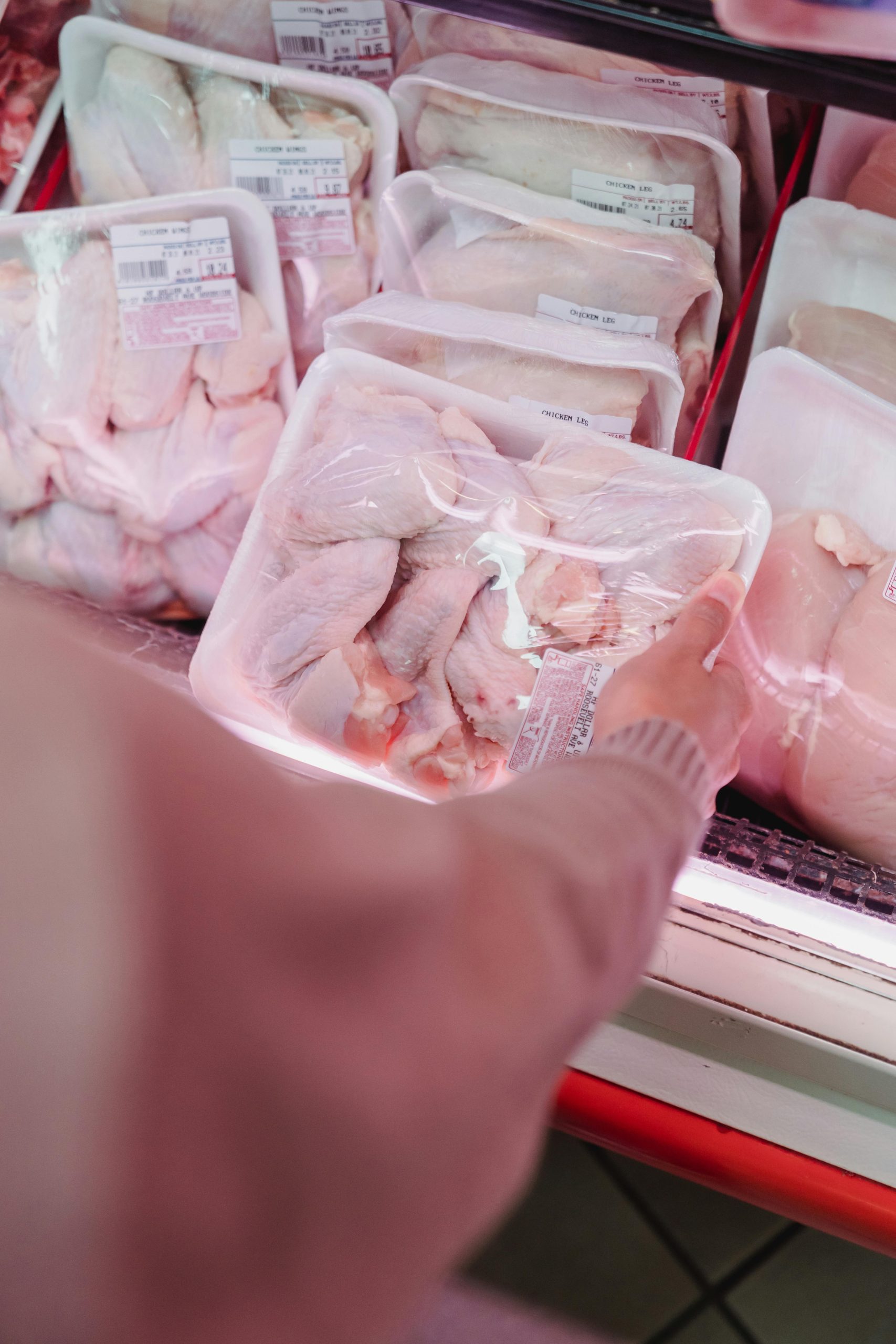
A passed use-by or sell-by date increases risk because the timing assumes steady refrigeration and intact packaging. Those dates are not perfect predictors of safety, but they reflect expected spoilage rates. When a package sits in a warm car, rests on a counter, or cycles through uneven refrigerator temperatures, the clock speeds up. Once the recommended date is exceeded, bacteria can multiply even if signs seem subtle. Relying on appearance alone can miss early contamination. When the date has passed and the handling history is unclear, discarding the meat reduces the chance of foodborne illness.
Stored At Incorrect Temperature
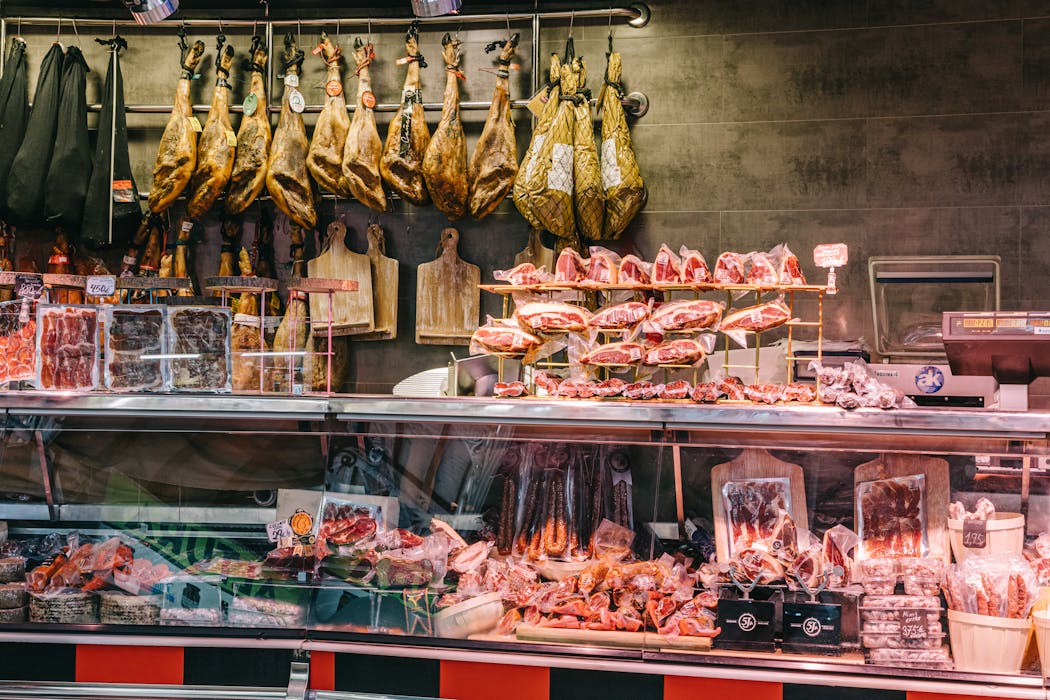
Temperature control is central to safe meat handling because bacteria grow fastest in the danger zone between 40 and 140 degrees Fahrenheit. Refrigerators should stay at or below 40 degrees, and cooked or raw meat should not linger at room temperature. Leaving groceries unrefrigerated, thawing on the counter, or crowding a fridge so cold air cannot circulate can all raise internal temperatures. Even short warm periods can allow rapid growth, especially on the surface. Refreezing meat that thawed improperly can also worsen quality and safety. When storage temperatures were questionable, treating the meat as unsafe is prudent.
Excessive Liquid In Packaging
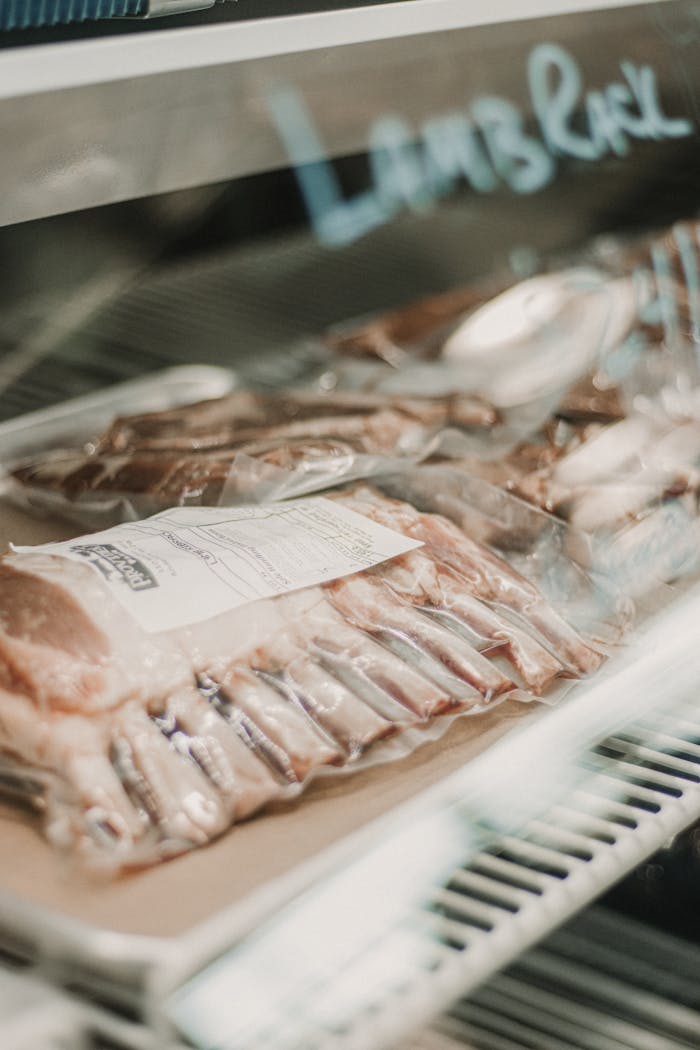
Excessive liquid pooling in a package can signal that meat was stored too long or experienced improper freezing and thawing. Some moisture is normal, yet heavy purge may indicate cell damage and breakdown that bacteria can exploit. Large amounts of juice can spread contamination when the package is opened, increasing the need for cleanup. The liquid is not a definitive test, but it becomes more concerning when paired with dull color, slime, or off odor. Meat that arrives sitting in a puddle may have endured temperature swings during storage. When purge is unusually heavy, choosing a fresher package is safer.
Cross-Contamination Evidence
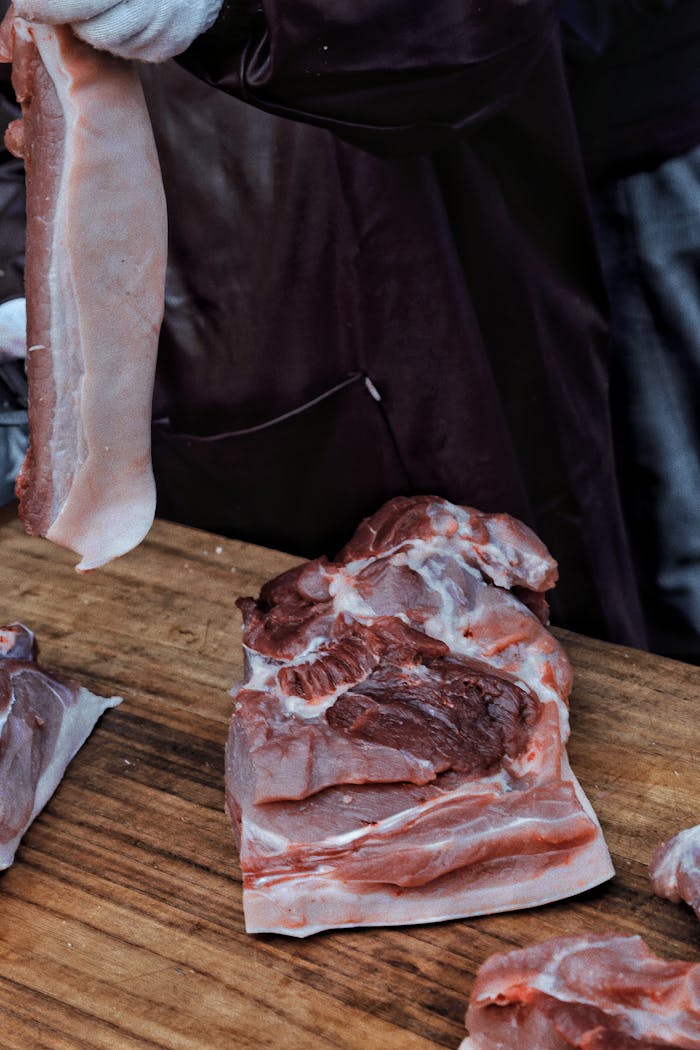
Cross-contamination signals handling mistakes that can make meat unsafe even before spoilage appears. Raw meat should stay separate from ready-to-eat foods, and juices should not drip onto produce, leftovers, or deli items. Juice streaks on refrigerator shelves, torn bags, or meat stored above other groceries suggest preventable exposure. In the kitchen, a shared cutting board or knife can transfer pathogens from raw meat to foods not cooked. Soap and hot water, then sanitizing, reduce risk, but they cannot undo a major lapse. When cross-contamination is likely, discarding the meat and cleaning thoroughly is the safest choice.