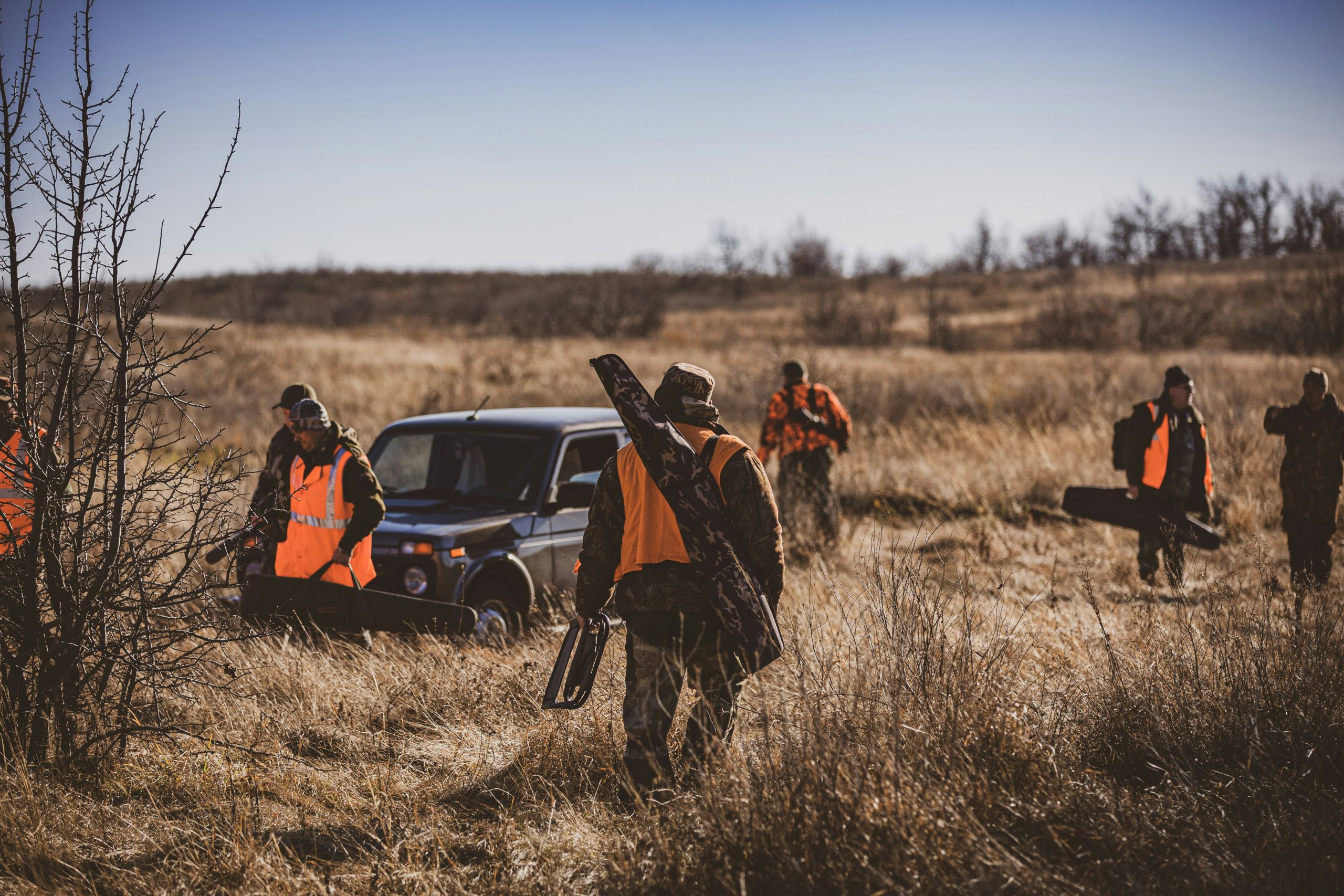
Foot stability is the quiet foundation of every successful hike, yet it’s often taken for granted until pain or injury appears. Many hikers focus on distance, elevation, or speed while overlooking small daily habits that gradually weaken the feet. Unlike sudden injuries, these problems develop slowly, making them easy to ignore and harder to correct. Poor habits can reduce balance, strain tendons, and limit the foot’s natural ability to adapt to uneven terrain. Over time, this leads to fatigue, missteps, and a higher risk of falls or chronic discomfort. Understanding how everyday hiking behaviors affect foot stability allows hikers to make smarter choices that protect mobility, comfort, and long-term trail performance.
1. Always Wearing Overly Stiff Footwear
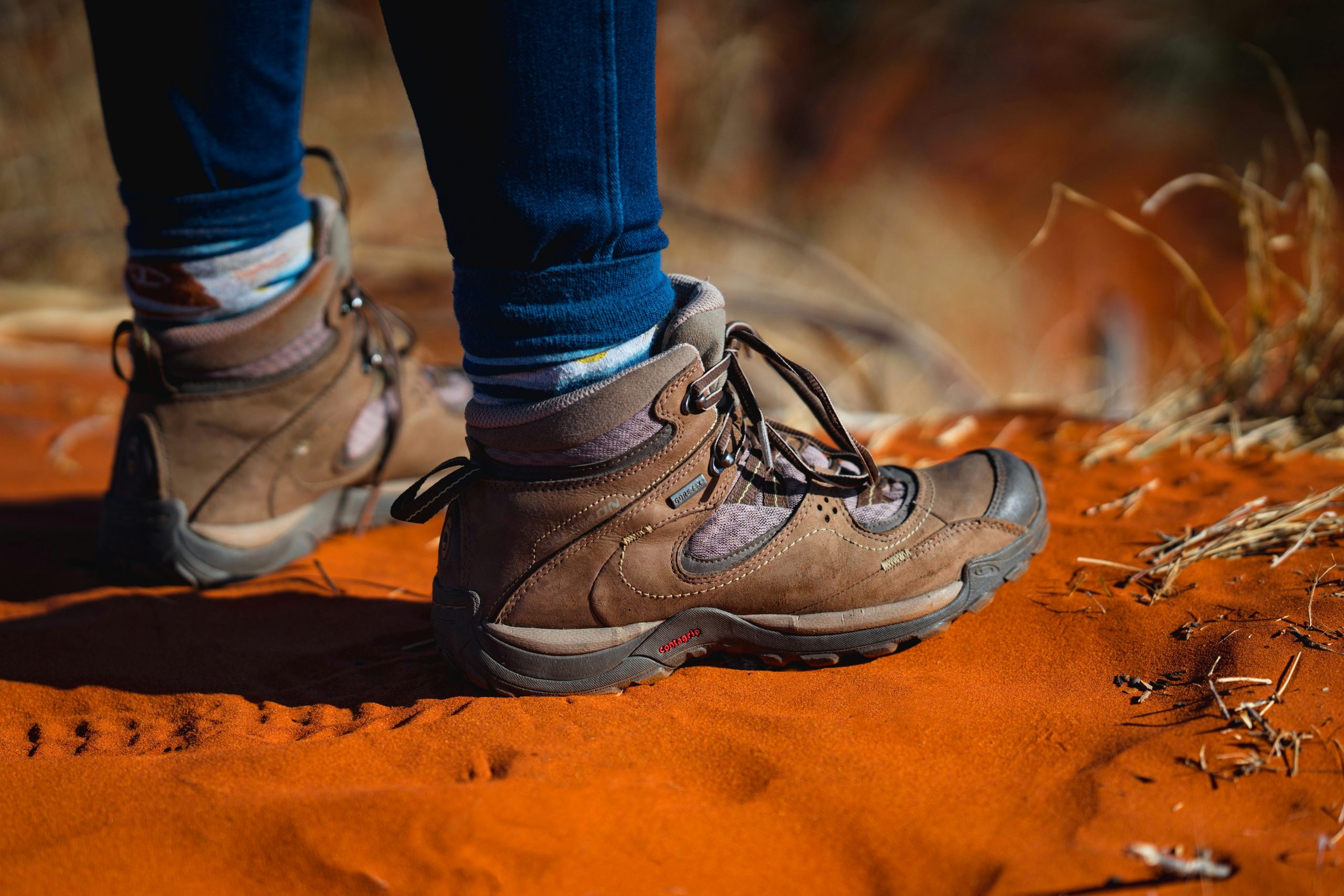
Consistently hiking in overly stiff boots can slowly weaken the small stabilizing muscles of the feet. While rigid footwear offers protection, it also limits natural movement, preventing the foot from flexing, gripping, and adapting to uneven terrain. Over time, this reliance reduces proprioception, making balance less responsive when conditions change. Trails demand constant micro-adjustments, and stiff soles dull the feedback loop between the ground and the nervous system. When hikers transition to lighter terrain or uneven surfaces, their feet may feel clumsy or unstable. Occasional flexibility encourages strength, while constant rigidity teaches the foot to depend on structure instead of function.
2. Ignoring Foot Fatigue Signals

Pushing through foot fatigue without adjusting pace or load slowly undermines stability. Early warning signs like soreness, burning, or reduced control often indicate that muscles are overstressed. Ignoring these signals forces compensation from the ankles and knees, altering natural gait mechanics. Over time, this pattern reduces coordination and increases injury risk. Fatigued feet react more slowly to rocks, roots, and sudden changes in terrain. Instead of building resilience, this habit trains the body to move inefficiently under stress. Recognizing fatigue as feedback rather than weakness allows hikers to rest, adjust, or shorten mileage before instability becomes a chronic issue.
3. Overstriding on Downhills

Taking long, aggressive steps on descents places excessive stress on the feet and arches. Overstriding reduces control, forcing the foot to land hard and brace instead of absorbing impact smoothly. This habit weakens stabilizing muscles and strains connective tissue over time. Downhill terrain already challenges balance, and exaggerated strides increase slipping risk. Controlled, shorter steps allow the foot to stay engaged with the ground, maintaining alignment and responsiveness. When hikers consistently overstride, they trade momentary speed for long-term instability. Developing downhill discipline protects foot strength and preserves balance on extended or technical descents.
4. Skipping Foot-Specific Strength Training

Many hikers train their legs and lungs while neglecting foot strength entirely. Without targeted exercises, the intrinsic foot muscles weaken, reducing arch support and balance control. Hiking alone doesn’t always activate these muscles fully, especially in supportive footwear. Over time, weak foot structures struggle on uneven ground, increasing reliance on boots or trekking poles. This dependency further limits natural stability development. Simple exercises like toe spreads, calf raises, and barefoot balance drills reinforce strength and coordination. Skipping this training doesn’t cause immediate failure, but it gradually erodes the foot’s ability to stabilize itself under real trail demands.
5. Wearing the Same Shoes for Every Hike

Using the same footwear for all hikes limits adaptability and promotes repetitive strain. Different terrains demand different movement patterns, and identical shoes encourage identical stress points. Over time, this repetition weakens specific areas while neglecting others. Shoes also break down unevenly, altering support without obvious signs. As cushioning compresses and soles lose responsiveness, foot mechanics subtly change. Hikers may not notice until stability declines. Rotating footwear styles encourages varied muscle engagement and reduces overuse stress. Treating shoes as interchangeable tools rather than permanent solutions supports healthier, more resilient foot function.
6. Carrying Excess Weight Without Adjustment

Consistently carrying heavy packs without adjusting stride or footwear places prolonged strain on foot stabilizers. Extra weight increases ground force with every step, magnifying small alignment issues. Without adaptation, feet absorb more shock than they’re conditioned for. Over time, arches fatigue faster, balance reactions slow, and stability declines. Many hikers focus on leg strength while overlooking how load directly affects foot mechanics. Reducing pack weight or improving load distribution can dramatically ease stress. Ignoring this relationship quietly accelerates wear on the feet, turning manageable hikes into long-term stability challenges.
7. Avoiding Uneven Terrain Training

Sticking only to smooth, predictable trails limits foot development. Uneven terrain challenges balance, coordination, and proprioception, forcing the foot to adapt dynamically. Avoiding these conditions keeps stabilizing muscles undertrained. When hikers eventually encounter rocky or root-filled paths, their feet lack the reflexes needed to respond quickly. This increases missteps and fatigue. Controlled exposure to uneven ground strengthens neural pathways and muscle response. Consistently choosing easy surfaces may feel safer, but it reduces long-term stability. Gradual terrain variation builds confidence and prepares feet for real-world hiking demands.
8. Neglecting Recovery and Foot Care

Foot stability doesn’t improve without recovery. Skipping stretching, mobility work, and basic foot care allows tightness and inflammation to accumulate. Stiff tissues restrict movement and reduce balance sensitivity. Over time, limited mobility forces compensation elsewhere, weakening overall stability. Simple practices like rolling the soles, stretching calves, and allowing adequate rest restore function. Many hikers prioritize mileage over maintenance, assuming feet will adapt automatically. In reality, recovery is where strength and control consolidate. Neglecting it slowly undermines the foot’s ability to stay stable, responsive, and reliable across long-term hiking routines.