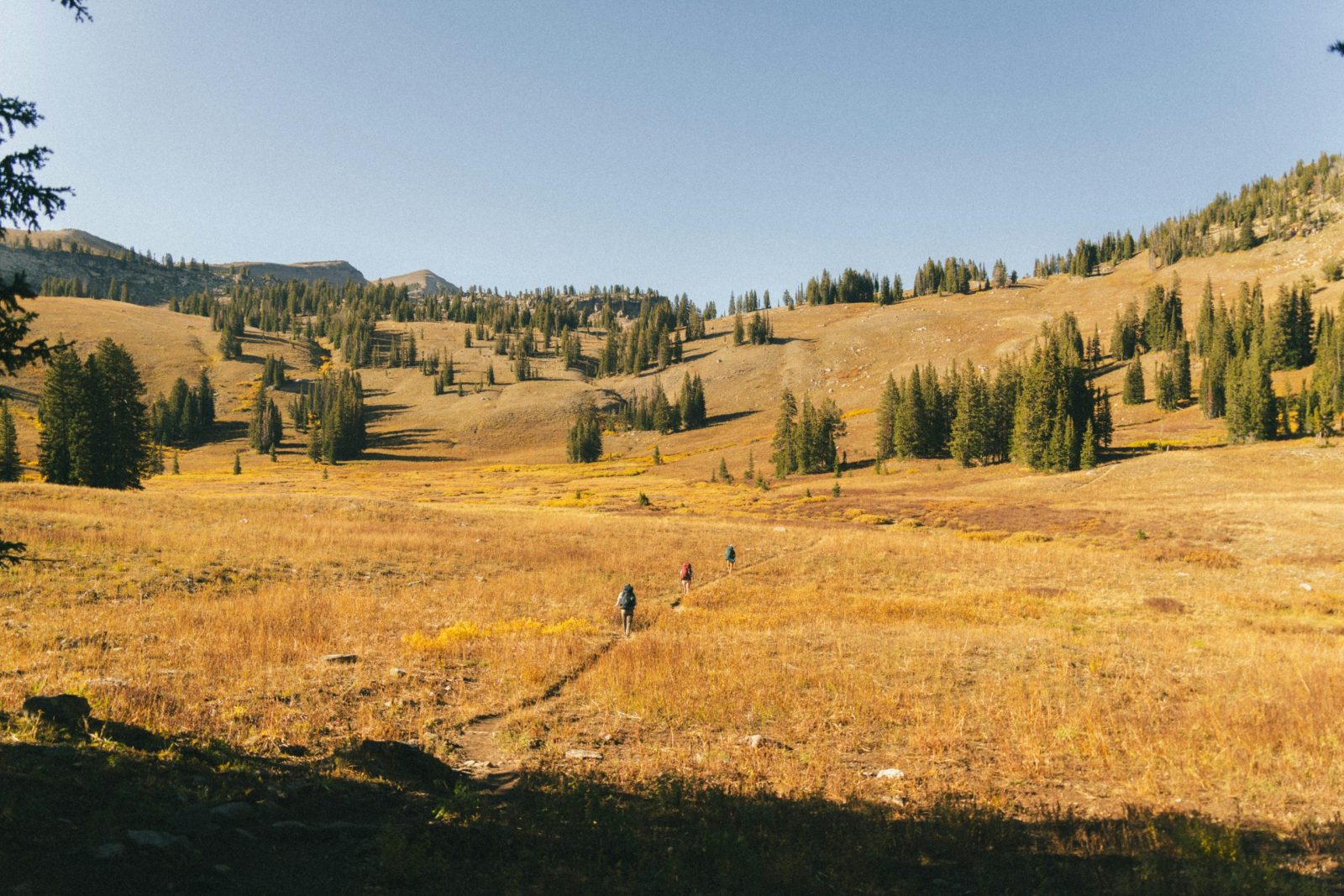
Hiking culture has changed significantly since the nineteen nineties, shaped by new research, technology, and environmental pressures. Decisions once considered responsible reflected the knowledge and norms of that era. Today, those same choices can create safety issues, environmental harm, or unnecessary risk. Trails see more traffic, weather patterns shift, and gear expectations evolve. What worked decades ago does not always translate well now. Revisiting these decisions offers insight into how outdoor responsibility adapts over time. The following hiking decisions once felt sensible but often backfire under modern conditions, expectations, and realities across many regions today.
Carrying Paper Maps Only
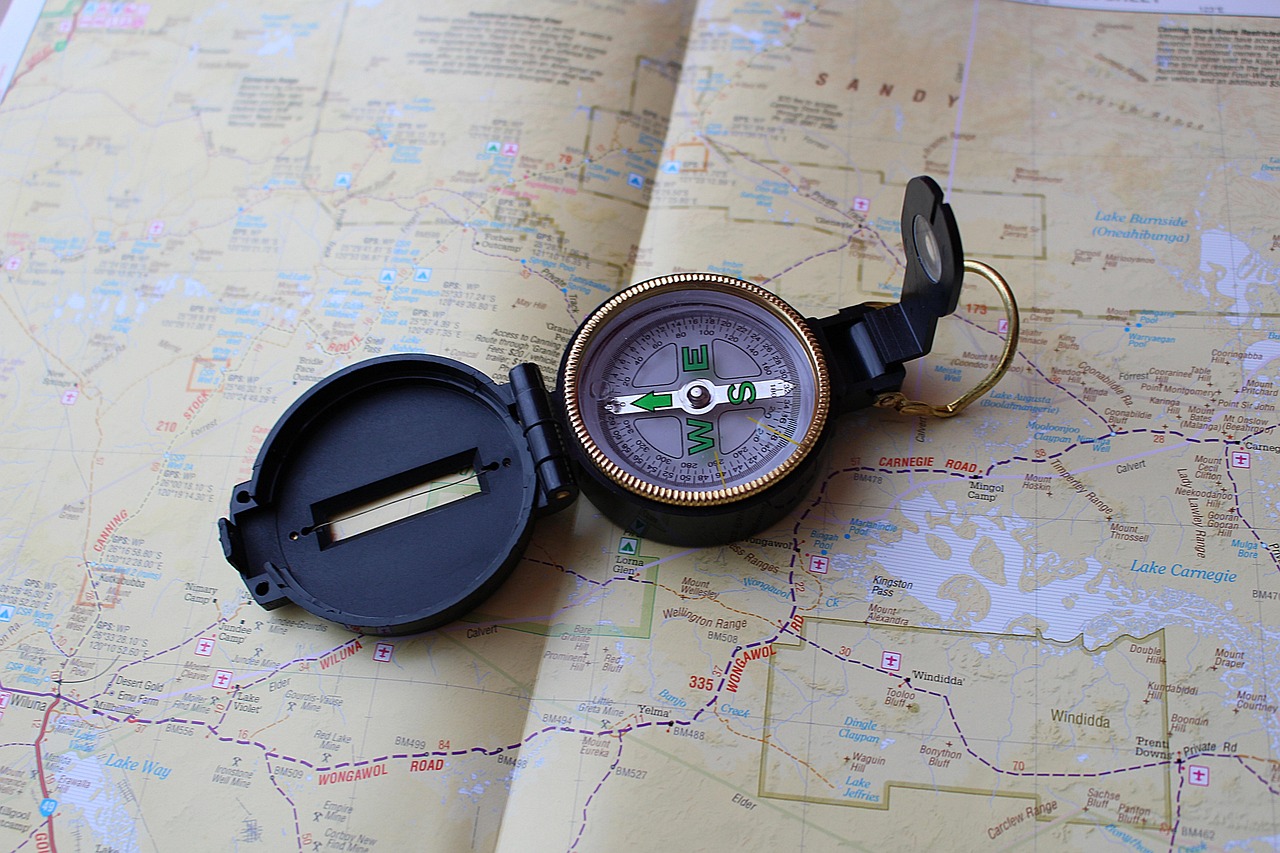
Carrying paper maps only once signaled preparedness. In the nineteen nineties, maps represented reliability and self sufficiency. Today, relying solely on paper can backfire. Trails change frequently, reroutes appear, and closures occur without immediate updates. Paper maps lack real time information about weather, fires, or hazards. Visibility issues also complicate use. Digital tools now complement maps rather than replace them. Ignoring modern navigation options reduces situational awareness. While paper maps remain valuable backups, exclusive reliance limits adaptability, increasing confusion during emergencies when updated information and communication matter more than static references carried from outdated guidebooks or trail editions.
Ignoring Sunscreen On Cloudy Days
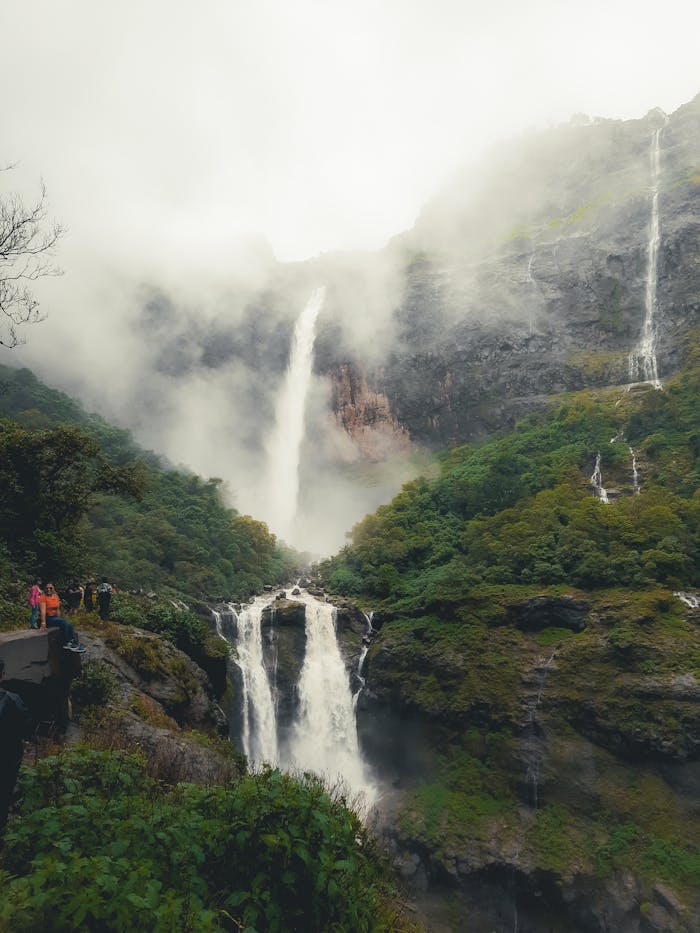
Ignoring sunscreen on cloudy days once felt reasonable. In the nineteen nineties, awareness of ultraviolet exposure remained limited. Clouds were assumed protective. Today, science confirms ultraviolet rays penetrate overcast conditions. Hikers now face higher skin cancer risks, especially at elevation. Skipping protection leads to burns that affect hydration, comfort, and recovery. Modern responsibility includes understanding invisible exposure. This decision backfires by increasing long term health risks. What once seemed practical now appears careless. Applying sunscreen consistently reflects updated knowledge, protecting skin during extended hikes where cloud cover no longer signals safety from sun damage across varied climates.
Wearing Heavy Leather Boots Everywhere
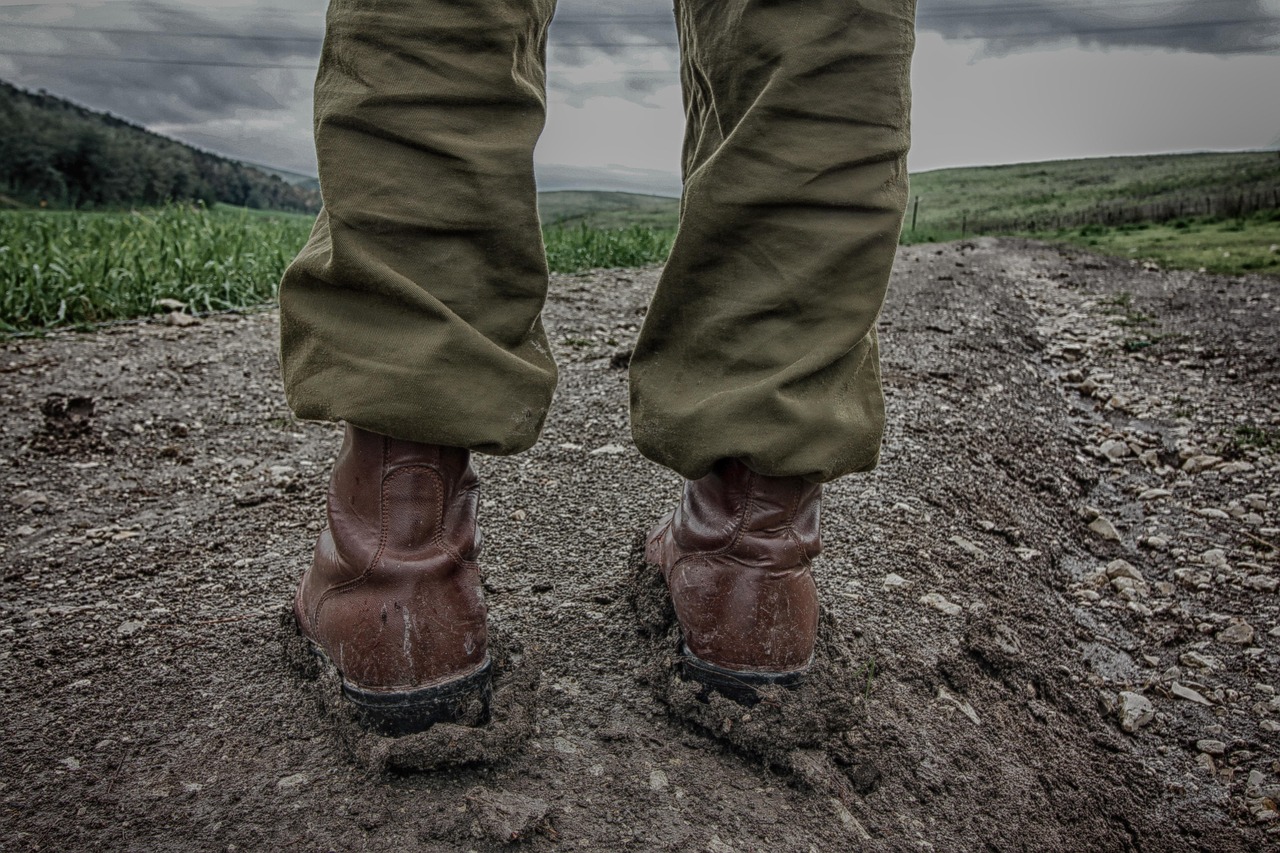
Wearing heavy leather boots everywhere once symbolized serious hiking. In the nineteen nineties, ankle support outweighed comfort considerations. Today, trail design and footwear technology have evolved. Heavy boots increase fatigue, reduce agility, and strain joints on well maintained paths. Lightweight shoes improve efficiency and balance. Clinging to old footwear norms can backfire by causing overuse injuries. Modern hikers choose footwear based on terrain, load, and conditions. Treating one boot style as universal ignores advances in materials and trail management, making hikes harder than necessary while increasing recovery time and discomfort after outings.
Drinking From Streams With Minimal Treatment

Drinking from streams with minimal treatment once felt acceptable. In the nineteen nineties, water sources appeared cleaner and less trafficked. Today, increased trail use, wildlife pressure, and upstream contamination raise risks. Parasites and bacteria persist even in clear water. Relying on outdated assumptions can cause illness. Modern filters and treatments reflect better understanding of waterborne pathogens. This decision backfires by compromising health and trip safety. Treating all natural water sources properly now represents responsibility. What once saved time now introduces preventable risk, especially in popular hiking regions where human and animal impact has intensified significantly.
Starting Hikes Without Weather Apps
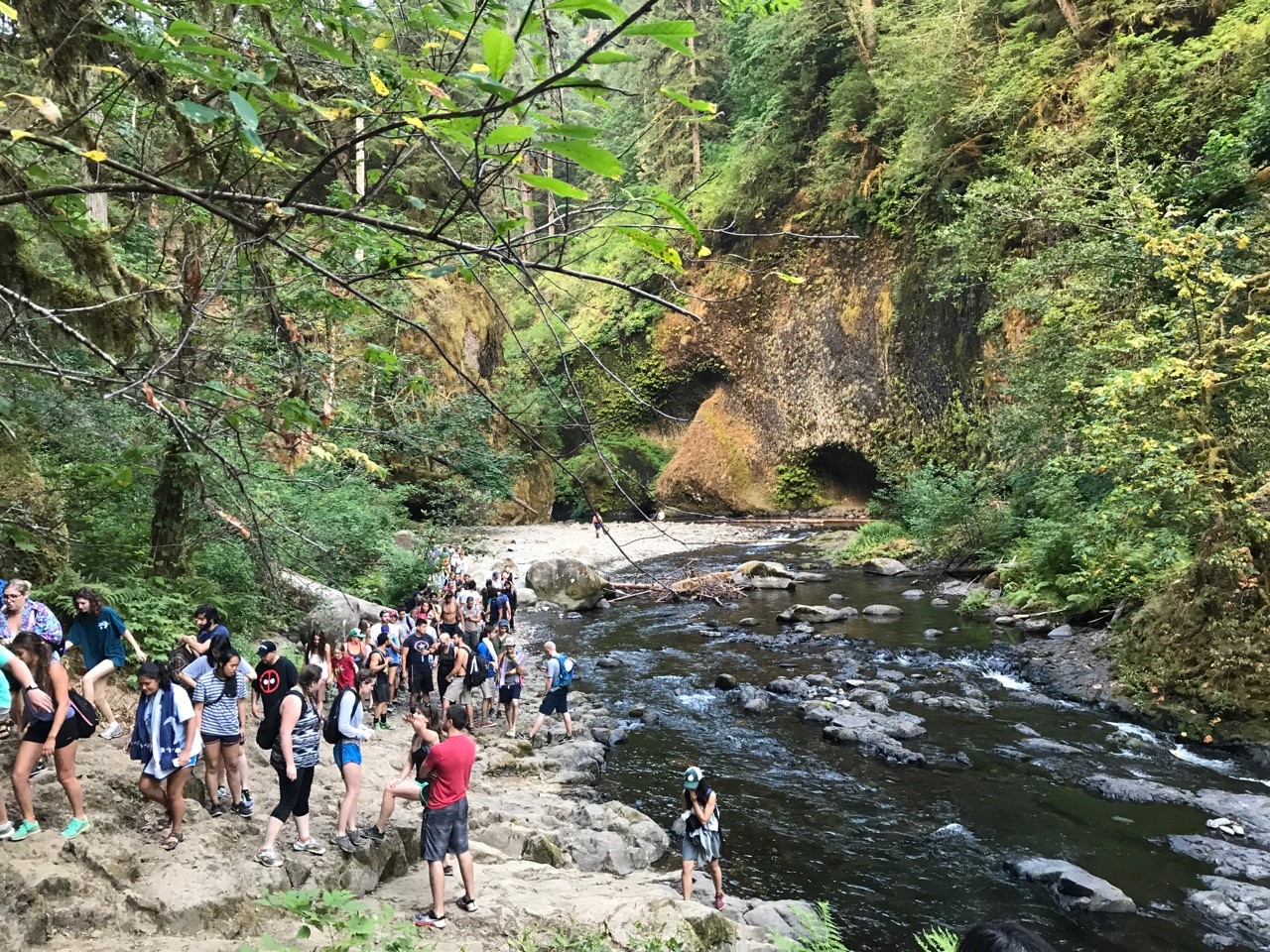
Starting hikes without weather apps once seemed fine. In the nineteen nineties, forecasts were generalized and slow to update. Today, localized forecasts provide detailed, timely information. Ignoring them increases exposure to storms, heat, or cold. Weather patterns have grown less predictable, amplifying risk. Relying on outdated habits backfires when sudden changes occur. Modern hikers benefit from checking conditions frequently. Skipping this step reduces preparedness. While weather apps are not perfect, dismissing them removes a valuable layer of awareness, especially in regions prone to rapid shifts that affect safety, visibility, and decision making on exposed trails.
Hiking Without Informing Anyone
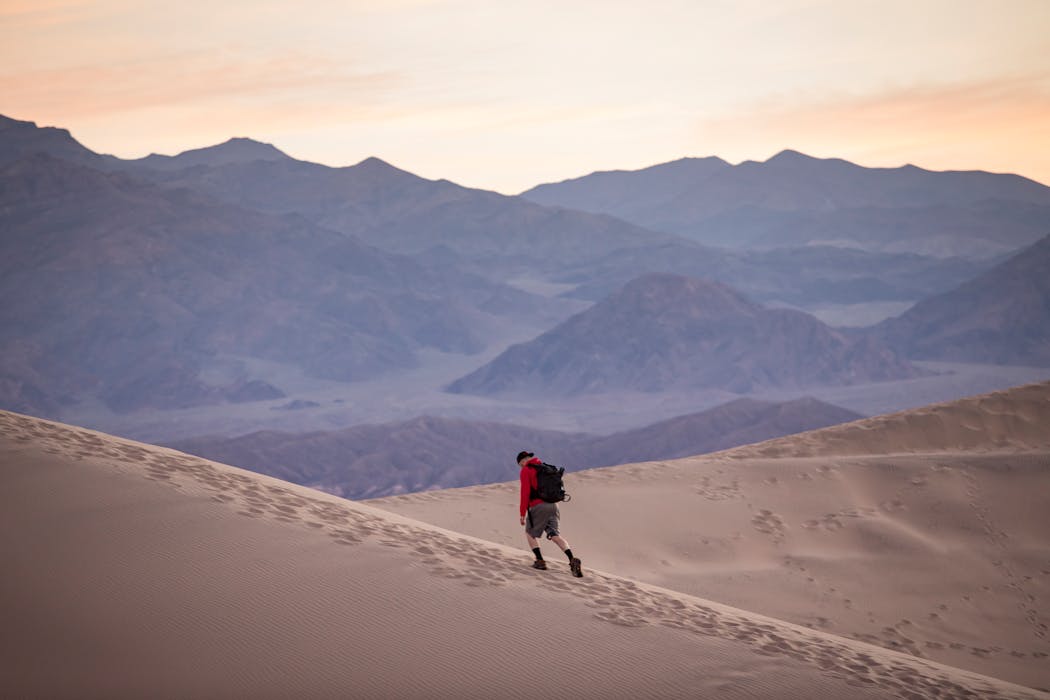
Hiking without informing anyone once felt independent and capable. In the nineteen nineties, solitude defined outdoor competence. Today, this decision backfires due to increased rescue reliance on communication. Trails are busier, but remote sections still exist. Emergencies demand quicker response. Informing someone of plans now supports safety without reducing autonomy. Rescue technology depends on timelines. Ignoring this step delays help. Modern responsibility balances independence with accountability. What once proved self reliance now appears risky. Sharing plans reflects current safety culture, recognizing that preparedness includes communication, especially as aging hikers and crowded trails change rescue dynamics.
Packing Extra Gear Just In Case

Packing extra gear just in case once reflected caution. In the nineteen nineties, heavier packs signaled readiness. Today, overpacking backfires by increasing strain and fatigue. Modern gear is lighter and more specialized. Carrying unnecessary items slows pace and increases injury risk. Trail efficiency now matters more due to longer distances and environmental stress. Minimalism improves endurance. Holding onto old packing habits ignores advances in design and safety. Responsible hiking today emphasizes thoughtful selection rather than quantity. What once felt prepared now creates imbalance, making hikes harder and recovery longer, especially on steep or extended routes.
Treating Trails As Low Impact By Default
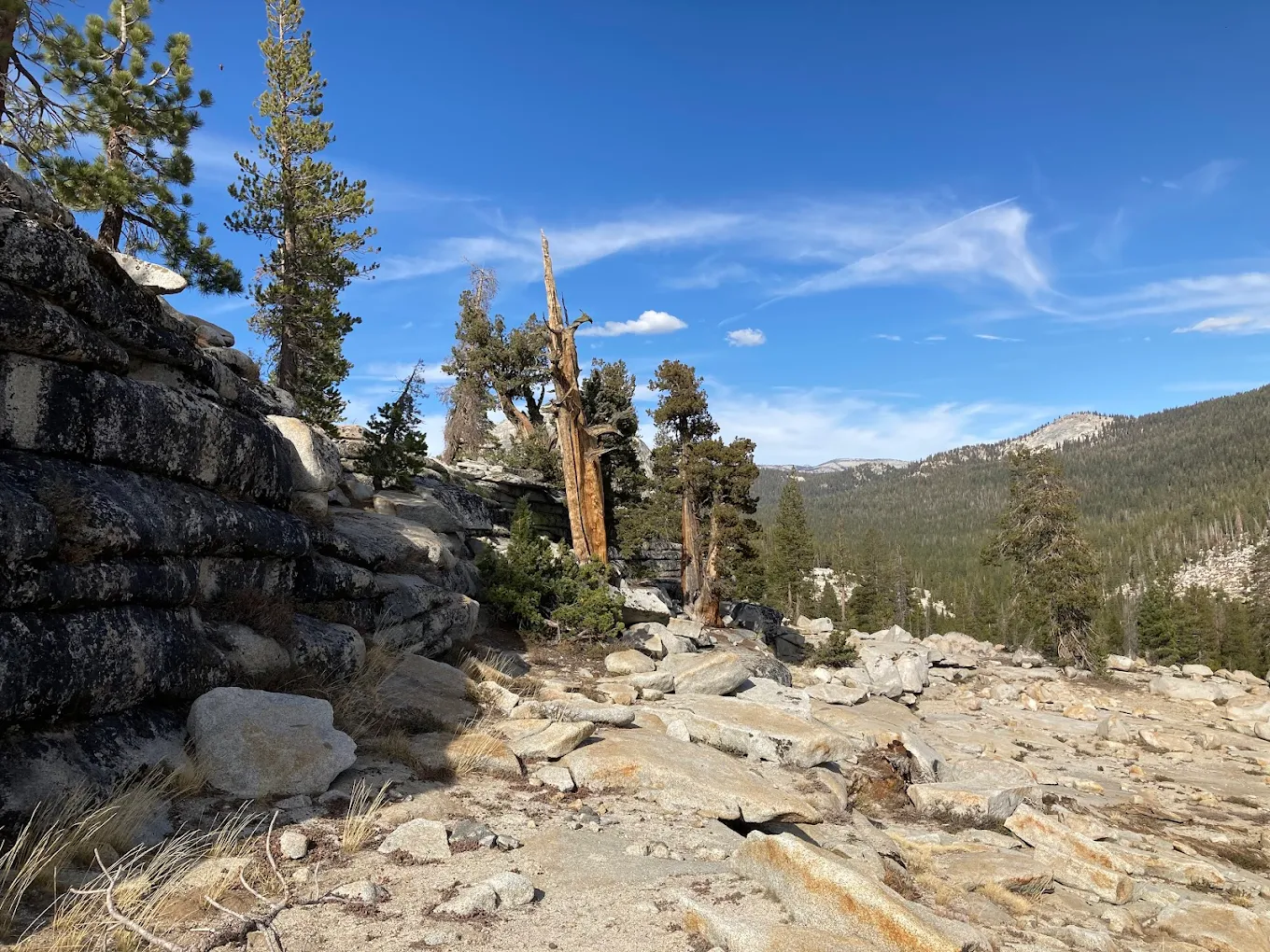
Treating trails as low impact by default once seemed reasonable. In the nineteen nineties, trail traffic was lighter. Today, increased use amplifies erosion and habitat damage. Staying on trail, managing waste, and respecting closures matter more. Assuming minimal impact backfires by contributing to degradation. Modern hiking responsibility includes active stewardship. Ignoring updated Leave No Trace principles harms ecosystems. What once passed unnoticed now compounds damage. Trails require conscious behavior to remain viable. Recognizing increased pressure shifts responsibility from passive enjoyment to active protection, ensuring hiking remains sustainable for future generations facing crowded landscapes and fragile environments.