Exploring the great outdoors offers incredible views and fresh air but certain common mistakes often attract unwanted attention from local wildlife. Many hikers inadvertently signal their presence or provide unintended lures that draw curious animals closer than safety protocols generally recommend. Understanding how specific behaviors influence animal reactions remains a critical skill for anyone venturing into remote wilderness areas or national parks. Proper preparation and situational awareness significantly reduce the likelihood of dangerous encounters during a trek. This guide highlights eight frequent errors that can transform a peaceful afternoon hike into a risky situation involving formidable forest or mountain predators.
Carrying Strong Scented Snacks
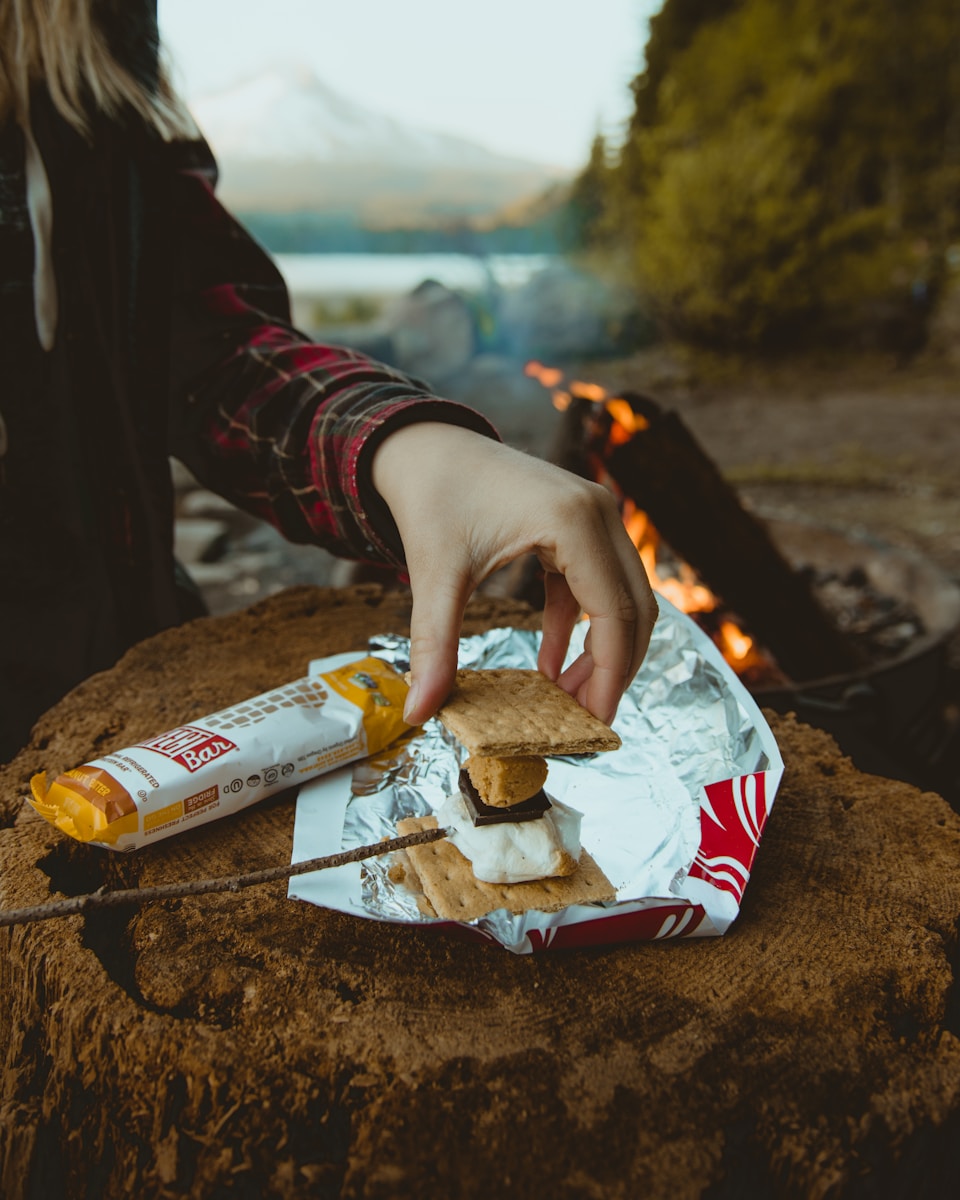
Packing highly aromatic foods like beef jerky or tuna sandwiches creates a scent trail that travels long distances on the breeze. Predators such as bears and mountain lions possess incredibly sensitive olfactory systems that can detect these savory smells from miles away. When a hiker opens a pungent package on the trail they effectively broadcast a dinner invitation to every scavenger in the vicinity. Keeping all food items in airtight containers or scent proof bags helps minimize the risk of being followed by hungry animals. Choosing low odor energy bars or dried fruits provides a much safer alternative for trail nourishment.
Walking In Total Silence
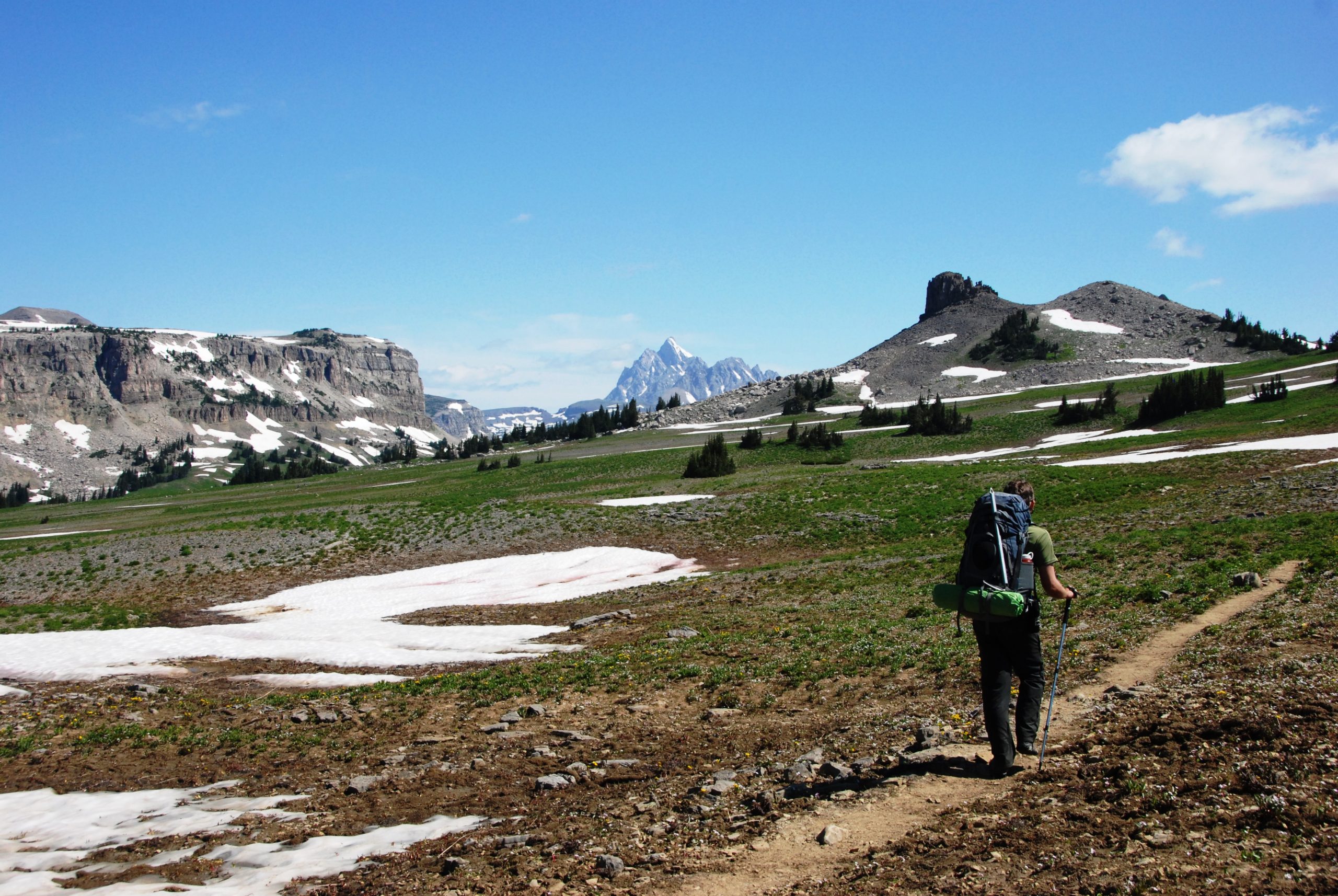
Moving quietly through the brush might seem respectful but it often leads to startling animals at close range. Most wildlife will naturally avoid humans if they hear them approaching from a reasonable distance. Hikers who fail to make noise while navigating thick vegetation or rounding blind corners risk a defensive reaction from a surprised mother bear or a territorial moose. Calling out periodically or clapping hands signals human presence and allows animals to retreat without feeling cornered or threatened. Creating a consistent auditory footprint is a simple yet highly effective way to maintain a safe buffer zone in the wild.
Abandoning Food Scraps Behind
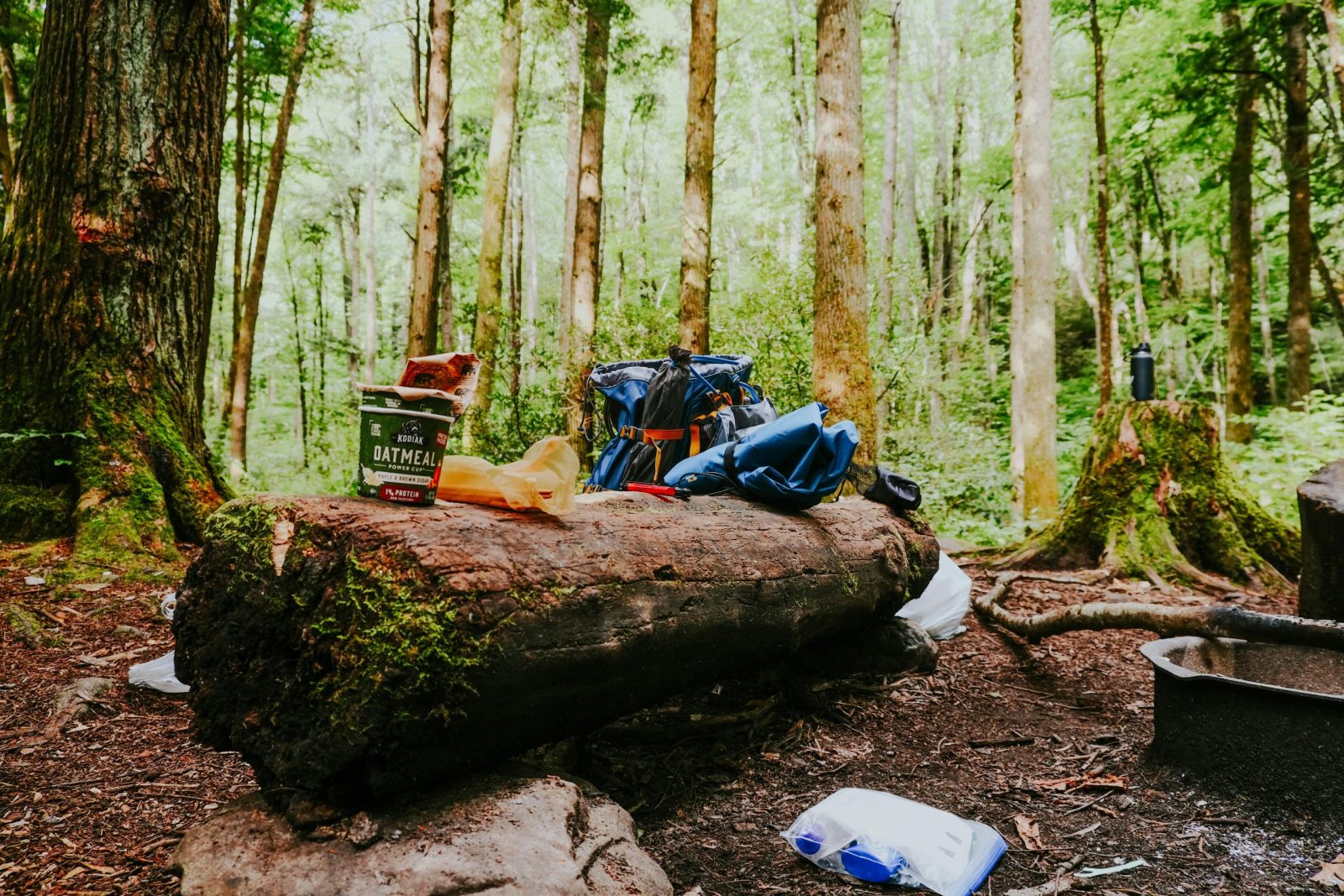
Leaving even tiny crumbs or fruit peels along the path teaches wildlife to associate human presence with an easy meal. This dangerous habit leads to habituation where animals lose their natural fear of people and become increasingly aggressive in their search for scraps. Once a creature connects hikers with food rewards they are more likely to approach other groups and potentially cause harm. Responsible visitors always pack out every single piece of trash and organic waste to keep the ecosystem pristine and the animals wild. Maintaining a clean trail preserves the safety of both the human guests and the local inhabitants.
Hiking Alone After Sunset
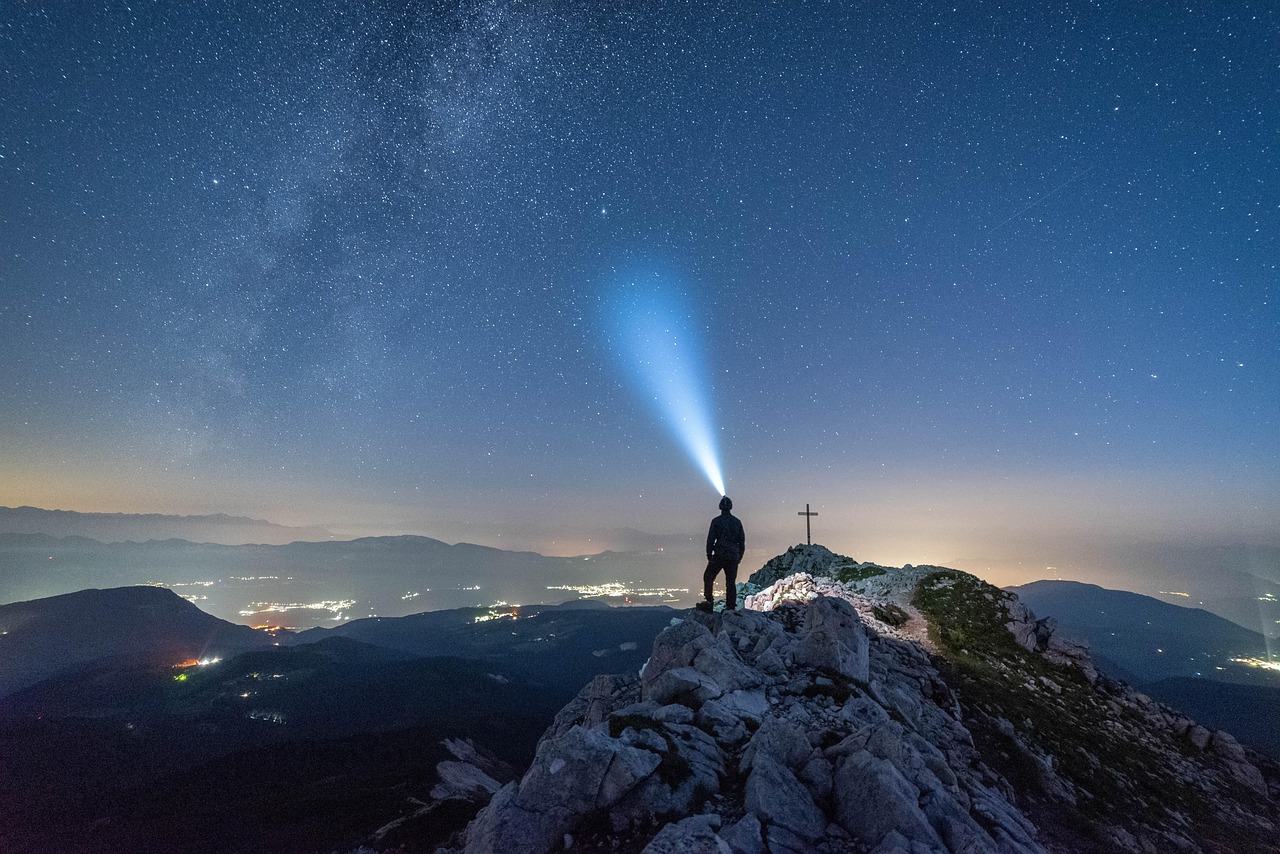
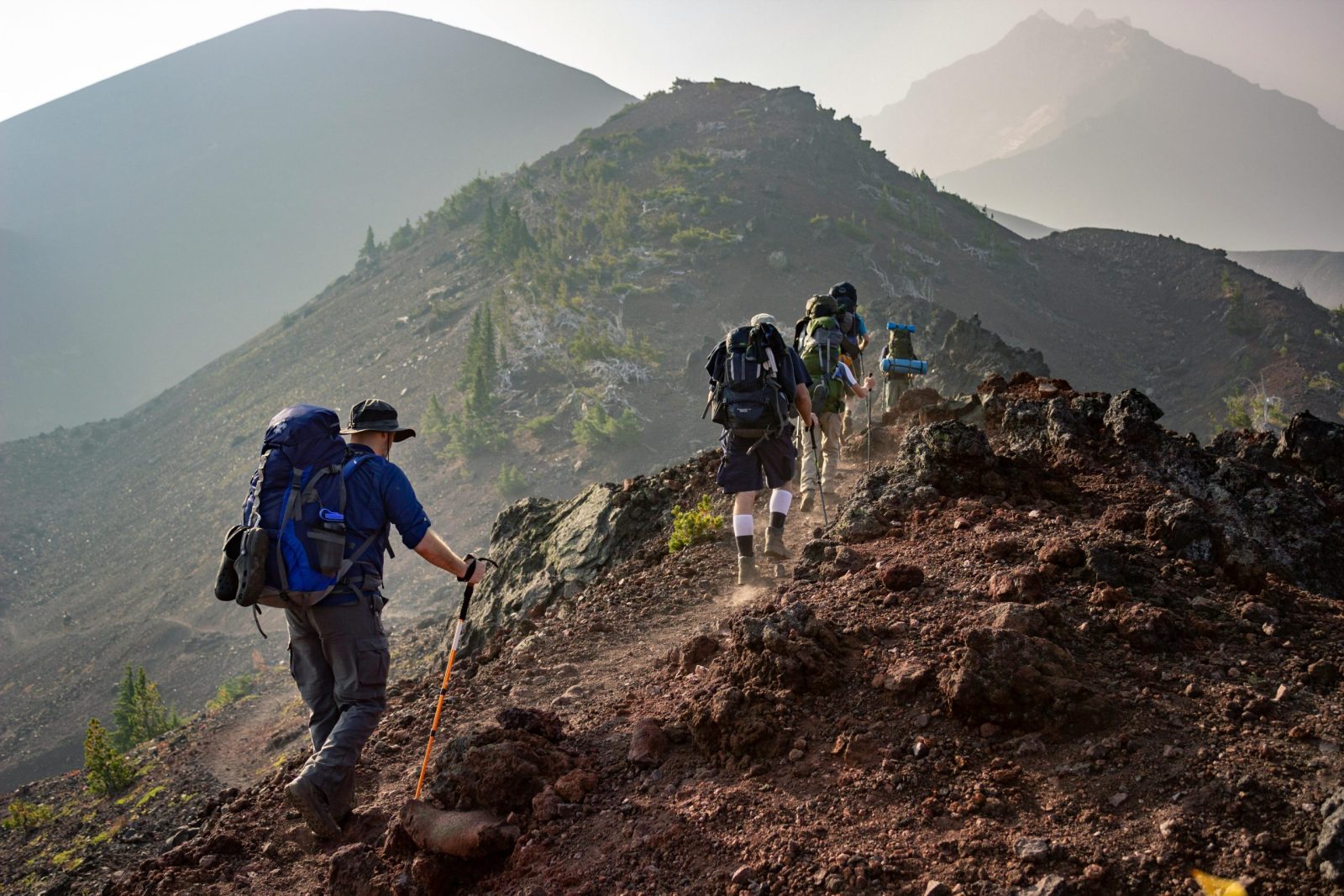
Venturing into the woods during dawn or dusk coincides with the peak activity periods for many large North American predators. Crepuscular animals like cougars and wolves utilize the low light to stalk their prey with a significant visual advantage. A solitary hiker moving through the shadows appears much more vulnerable and less intimidating than a larger group of people. Most experts recommend traveling with at least two or three companions to discourage curious animals from investigating too closely. Sticking to daylight hours ensures better visibility and reduces the chances of accidentally stumbling into a hunting ground or a den.
Wearing Very Dark Clothing
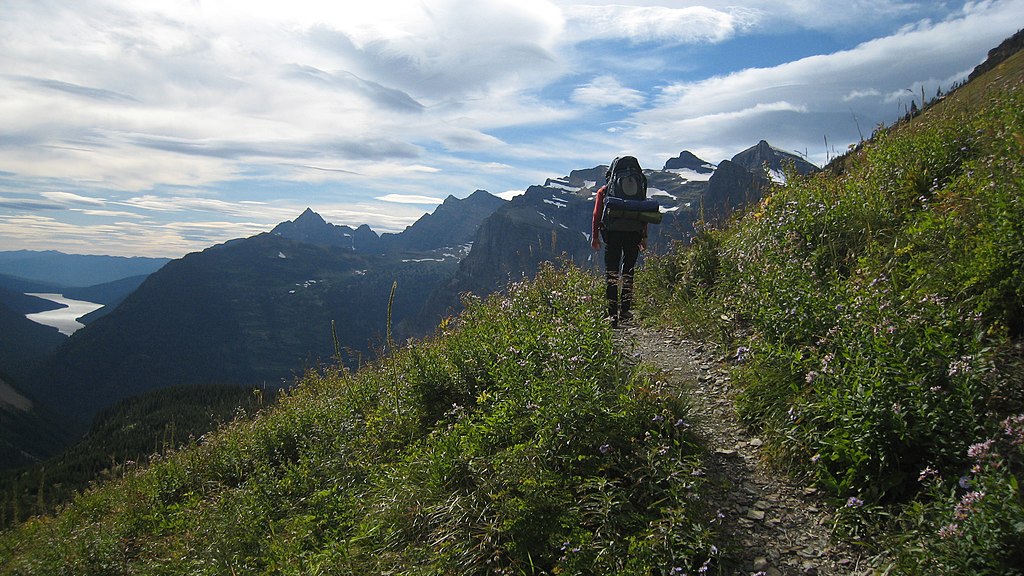
Selecting dark or earthy tones for outdoor apparel can make a human silhouette blend too easily into the surrounding forest background. Large predators might mistake a crouched or moving figure for a deer or other natural prey if the colors match the environment. Brightly colored gear helps distinguish people from the wildlife and ensures that animals can identify a human threat from a distance. High visibility clothing also aids in search and rescue efforts should an emergency occur on the trail. Choosing vibrant blues or oranges provides an essential visual signal that clearly communicates a non prey status to watching eyes.
Approaching For Close Photos

The desire to capture a perfect wildlife photograph often pushes people to cross the safe boundaries of animal personal space. Stepping toward a wild creature to get a better angle is frequently perceived as a direct challenge or an act of aggression. Even seemingly docile animals like elk or bison can charge with incredible speed if they feel their territory is being invaded. Using a long telephoto lens allows for stunning images without compromising safety or causing unnecessary stress to the subject. Respecting a minimum distance of at least one hundred yards ensures a peaceful observation for everyone involved.
Ignoring Local Warning Signs
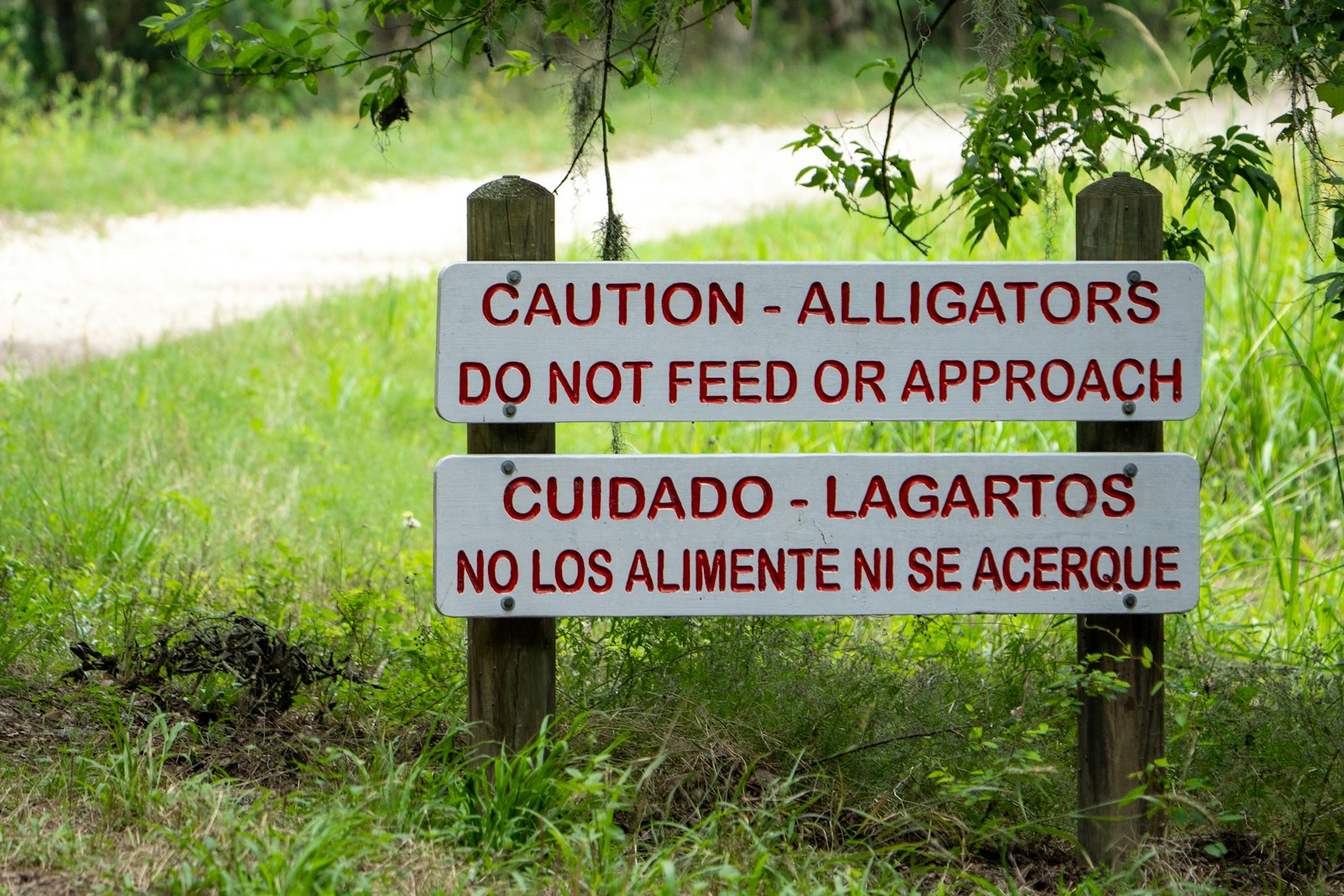
Trailhead posters and ranger bulletins provide critical updates about recent predator sightings or seasonal nesting areas that require extra caution. Hikers who skip reading these signs might walk directly into a high risk zone where a mother grizzly is protecting her cubs. These official notices exist to protect the public from known hazards and to keep wildlife from being unnecessarily disturbed by human traffic. Taking a moment to review the latest reports helps in planning a safer route that avoids areas of high animal activity. Ignoring expert advice is a major mistake that leads to many avoidable encounters.
Neglecting To Carry Spray

Failing to carry bear spray in a quickly accessible holster is a dangerous oversight when traveling through known grizzly or black bear country. Keeping the deterrent buried inside a heavy backpack makes it completely useless during a sudden surprise encounter that happens in seconds. This specialized tool provides a powerful non lethal defense that creates a cloud of irritation to stop a charging animal effectively. Regularly checking the expiration date and practicing the draw motion ensures the device works when it is needed most. Having this safety equipment ready provides peace of mind and an essential layer of protection.