Campsites often feel familiar and safe, especially after repeated visits, yet hidden risks exist even in well known locations. These dangers rarely announce themselves and often blend into the landscape or routine. Environmental conditions, wildlife behavior, and human impact quietly shape campsite safety over time. Many risks emerge not from dramatic events but from overlooked details that gradually compound. Awareness of these less obvious hazards helps explain why accidents and injuries still occur in popular outdoor areas. Understanding how familiar settings can conceal danger encourages more thoughtful use of campsites while respecting the natural forces and human patterns that shape them daily.
Falling Branches And Dead Trees
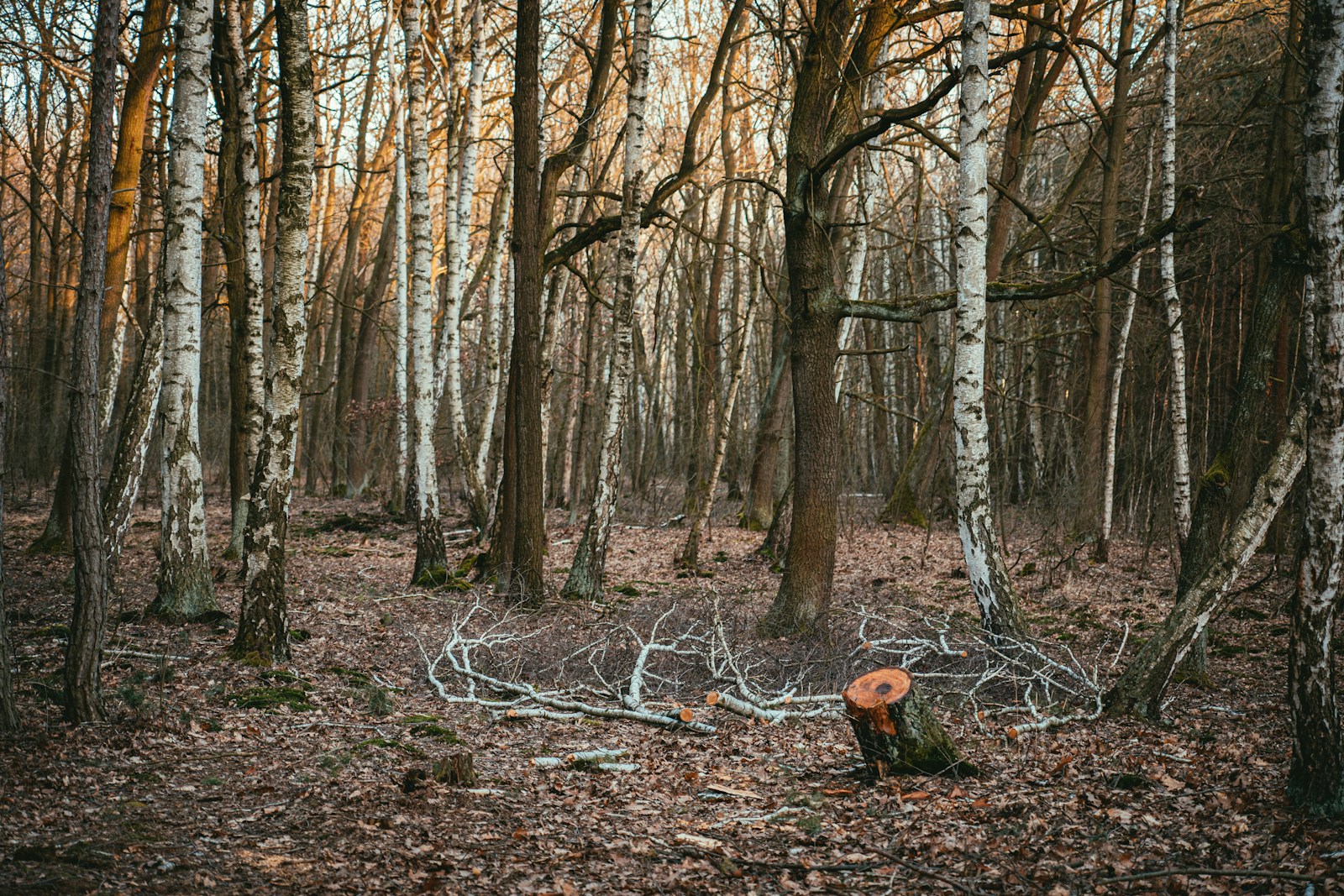
Falling branches and standing dead trees pose a serious but often overlooked campsite danger. Trees weakened by disease, age, or past storms may appear stable but can fail without warning. Wind, temperature changes, or accumulated moisture increase the risk of sudden collapse. Branches known as widowmakers frequently break off and fall vertically. Campsites beneath tree canopies feel sheltered, yet overhead hazards remain invisible from ground level. Even calm conditions do not guarantee safety. Long established campsites may contain aging trees stressed by soil compaction. This danger persists quietly, making site selection and awareness of tree health critical for reducing injury risk.
Wildlife Habituation To Food

Wildlife habituation to human food creates danger through altered animal behavior. Animals that associate campsites with food lose natural caution. This increases aggressive encounters and property damage. Bears, raccoons, and rodents commonly learn these patterns in popular areas. Improper food storage reinforces the cycle, even unintentionally. Habituated animals may approach tents or cooking areas unexpectedly. This behavior elevates risk for both people and wildlife. Animals often face relocation or euthanasia after repeated incidents. Campsites with long use histories are especially vulnerable. The danger lies not in wildlife presence alone, but in behavioral changes shaped by repeated human interaction over time.
Contaminated Water Sources

Contaminated water sources present hidden danger at campsites that appear pristine. Clear streams and lakes may contain bacteria, parasites, or chemical runoff invisible to the eye. Upstream activity such as wildlife movement, livestock grazing, or human use affects water quality. Even remote areas are not immune. Seasonal changes influence contamination levels through snowmelt or rainfall. Drinking untreated water can lead to illness that impairs judgment and mobility. Stagnant pools pose greater risk despite clean appearance. The danger increases when water access feels familiar. Reliance on appearance rather than treatment creates vulnerability, making water safety a critical but often underestimated campsite concern.
Unstable Ground And Soil Erosion
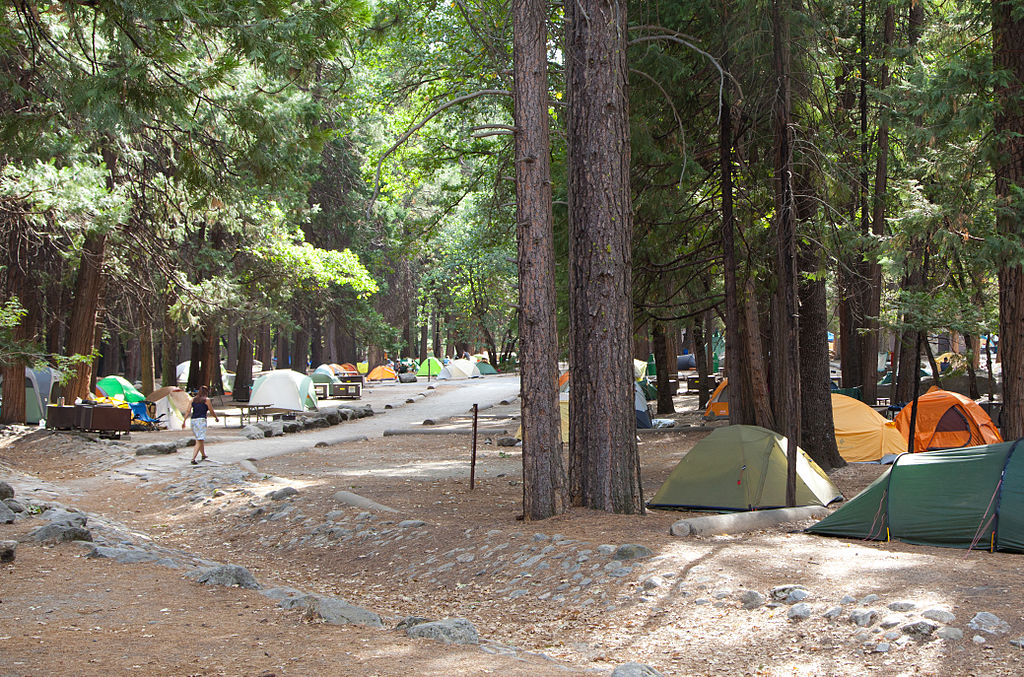
Unstable ground and soil erosion create risks that develop gradually at campsites. Repeated foot traffic compacts soil, undermining root systems and altering drainage. Over time, this weakens slopes and creates hidden drop offs. Rain exacerbates erosion, causing ground to shift unexpectedly. Campsites near riverbanks or cliffs face increased risk as soil slowly retreats. Tent placement on seemingly flat ground may hide instability beneath. Nighttime movement increases hazard. Long used campsites may appear settled but conceal erosion beneath vegetation or leaf litter. This danger evolves quietly, making terrain assessment and awareness essential for preventing falls or structural collapse around sleeping areas.
Old Fire Rings And Burn Pits

Old fire rings and burn pits pose danger due to lingering heat, unstable materials, and buried debris. Ash can retain heat long after fires appear extinguished. Stones used in fire rings may crack or explode when reheated due to trapped moisture. Buried coals can ignite surrounding soil or roots. Fire pits sometimes conceal sharp metal, glass, or nails from previous use. Campers often assume existing fire rings are safe without inspection. Over time, repeated fires degrade surrounding ground stability. This hazard persists quietly between uses, making older fire sites potentially dangerous despite their familiar appearance and frequent use in established campsites.
Insects Carrying Disease

Insects carrying disease represent a subtle but serious campsite danger. Ticks, mosquitoes, and fleas thrive in wooded and grassy environments common around campsites. These insects transmit illnesses such as Lyme disease, West Nile virus, and others depending on region. Presence is not always noticeable, especially during cooler or overcast conditions. Repeated exposure increases risk over time. Campsites near water or dense vegetation support higher insect populations. Long term use does not reduce this hazard. Insects often go unnoticed until symptoms appear days later. The danger lies in invisibility and delay, making prevention and awareness crucial even in familiar camping environments.
Abandoned Equipment And Debris
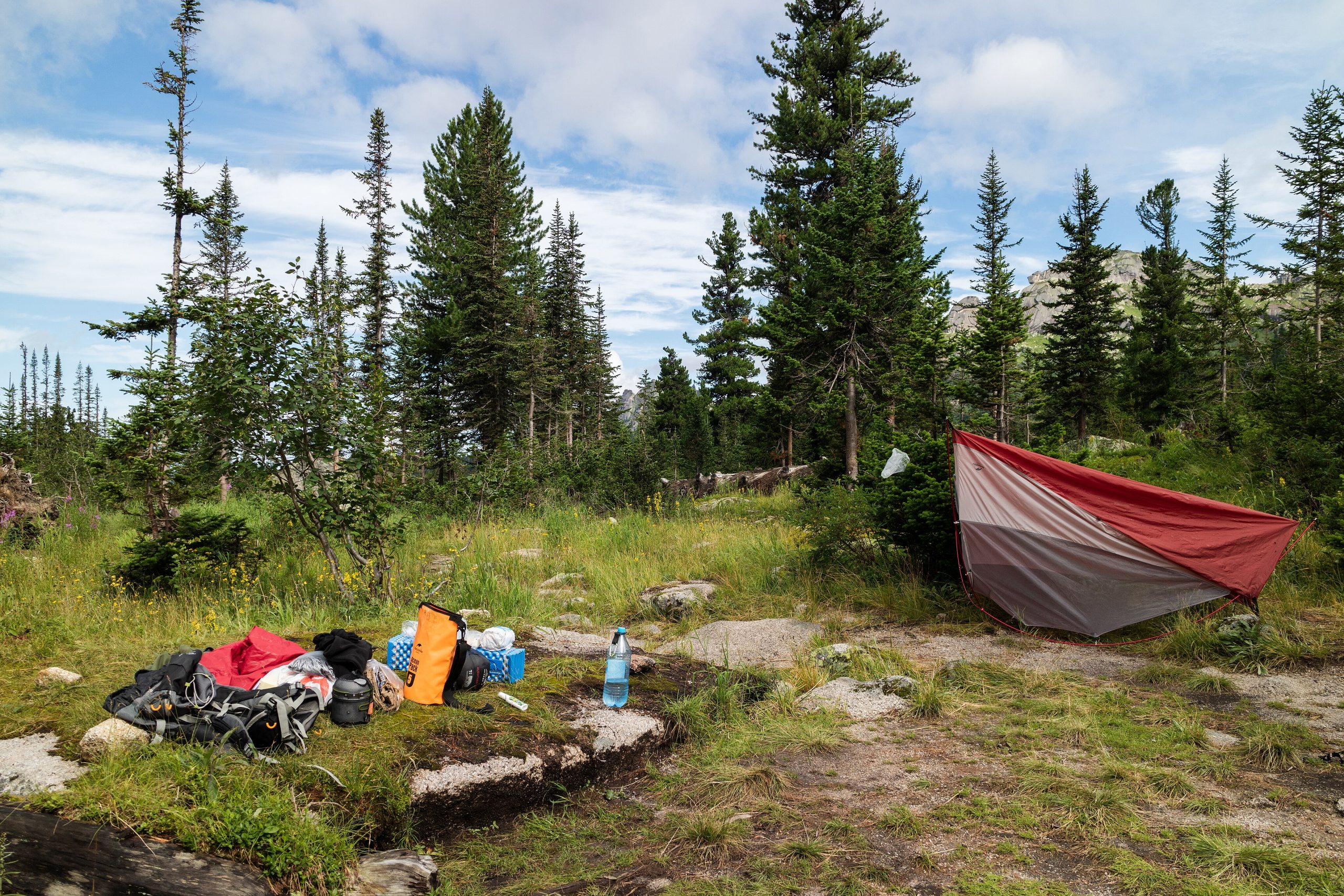
Abandoned equipment and debris create hazards that blend into campsite surroundings. Broken glass, rusted metal, and discarded fishing line often remain hidden in soil or vegetation. These materials pose injury risks through cuts, punctures, or entanglement. Weather gradually buries debris, making detection difficult. Campsites with heavy historical use accumulate these hazards over time. Children and pets face increased risk due to ground level exposure. Debris also attracts wildlife, increasing interaction risks. The danger persists quietly, independent of current users. Familiarity with a campsite may reduce vigilance, allowing overlooked debris to cause unexpected injury during routine movement or setup activities.
Flash Flood Risk Zones
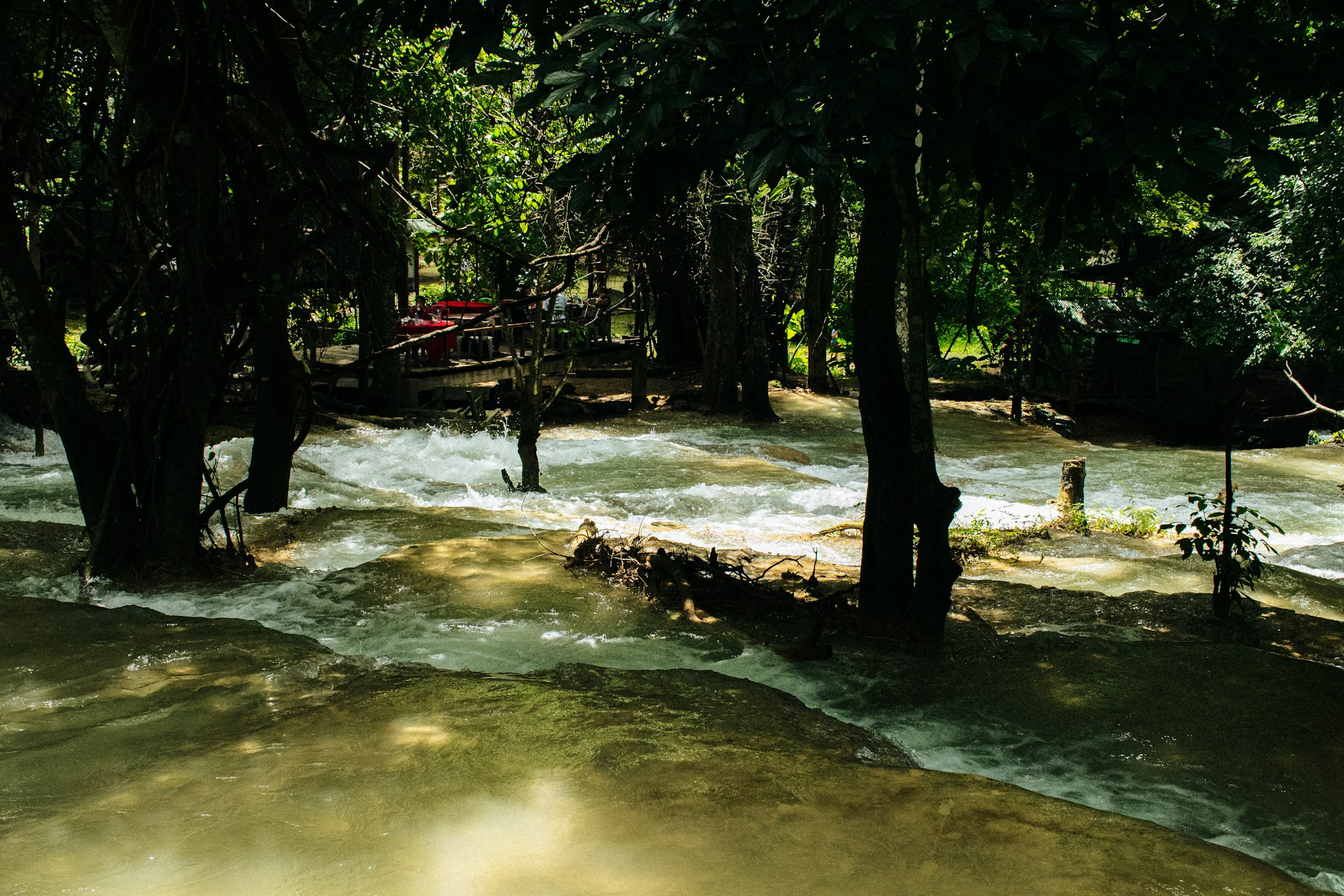
Flash flood risk zones exist at campsites near dry washes, rivers, or narrow valleys. Flooding can occur rapidly following distant rainfall, even under clear skies locally. Water levels rise with little warning, overwhelming low lying areas. Campsites established during dry conditions may sit directly in flood paths. Historical markers are often subtle or ignored. Nighttime flooding increases danger due to reduced visibility. Long familiar sites may feel safe due to infrequent events, yet risk remains constant. This danger stems from geography rather than weather perception. Understanding watershed behavior is essential, as flash floods remain one of the most unpredictable and deadly campsite hazards.